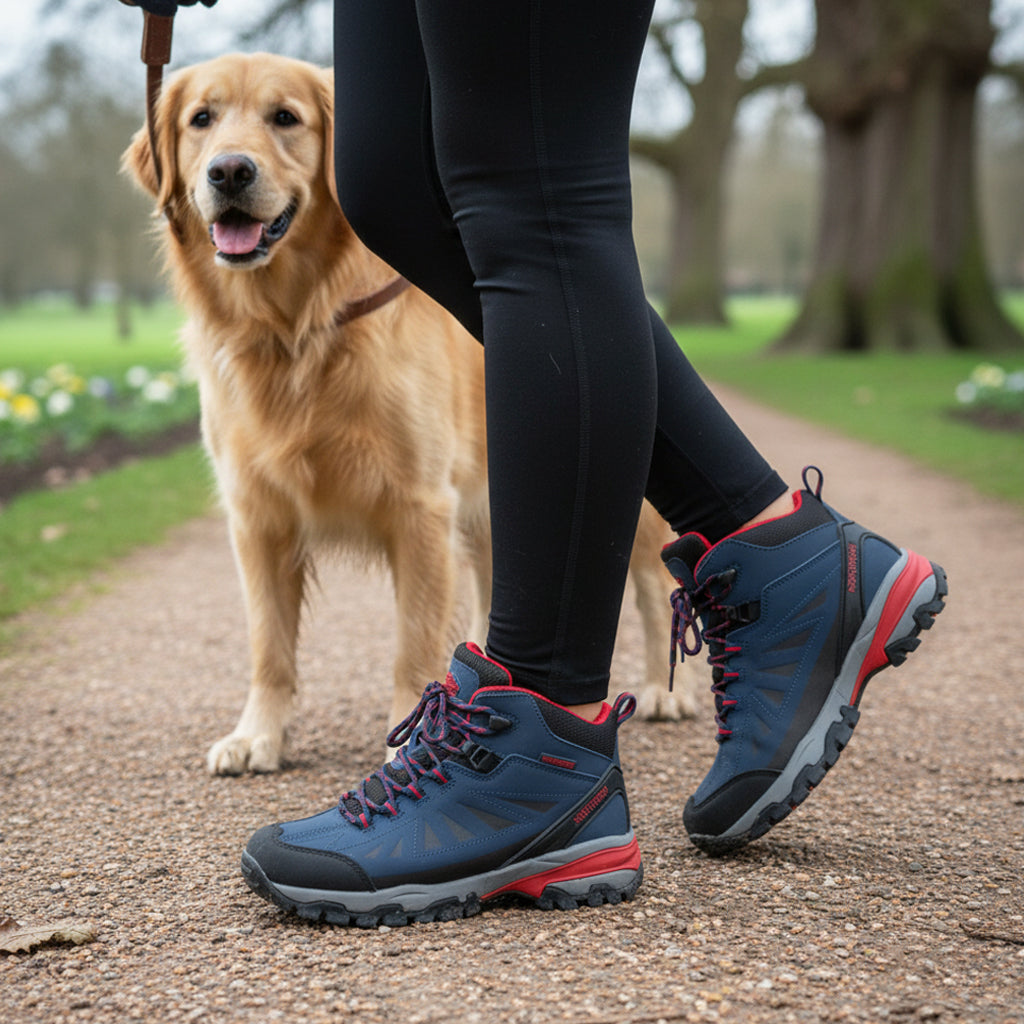

Most of us have done it. You set off in light shoes on a bright morning, feeling quite pleased with yourself, and an hour later you're ankle-deep in a gateway that smells faintly of cows. UK ground just doesn't stay the same for long. A walk can start on gravel, wander through a soggy field and finish on a stony climb, so the “walking boots vs walking shoes for any terrain” question is really about what's under your feet that day.
At Northwest Territory, we've been providing boots and shoes for many years, and we provide them for the sort of walking people really do, muddy dog walks included.

Walking Boots vs Walking Shoes: What Is the Difference?
The main difference is not simply the height of the footwear. It's how the design suits the conditions you're likely to encounter.
Walking shoes generally have a lower profile and lighter feel. They can be a good match for firm paths, easy countryside routes and walks where flexibility matters.
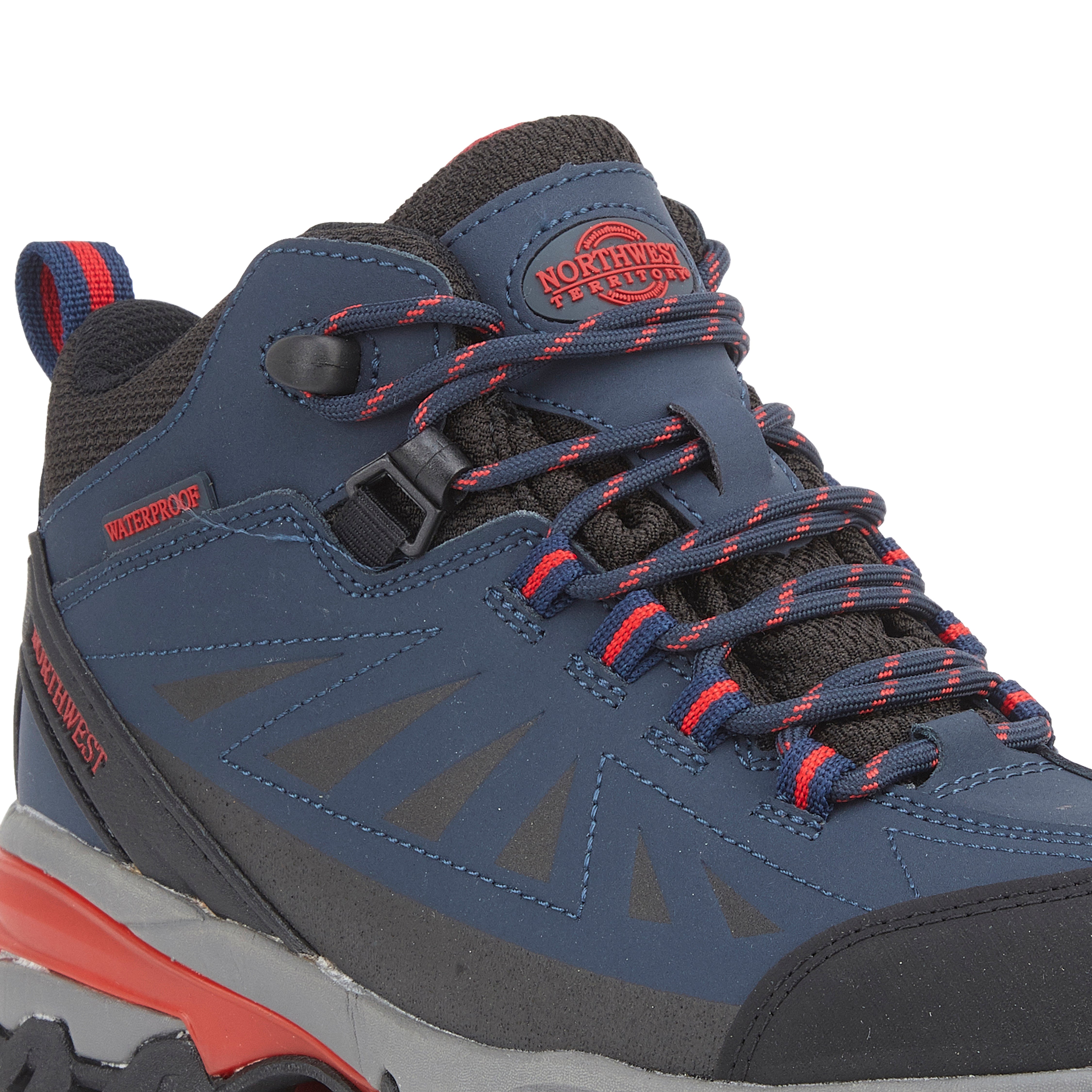
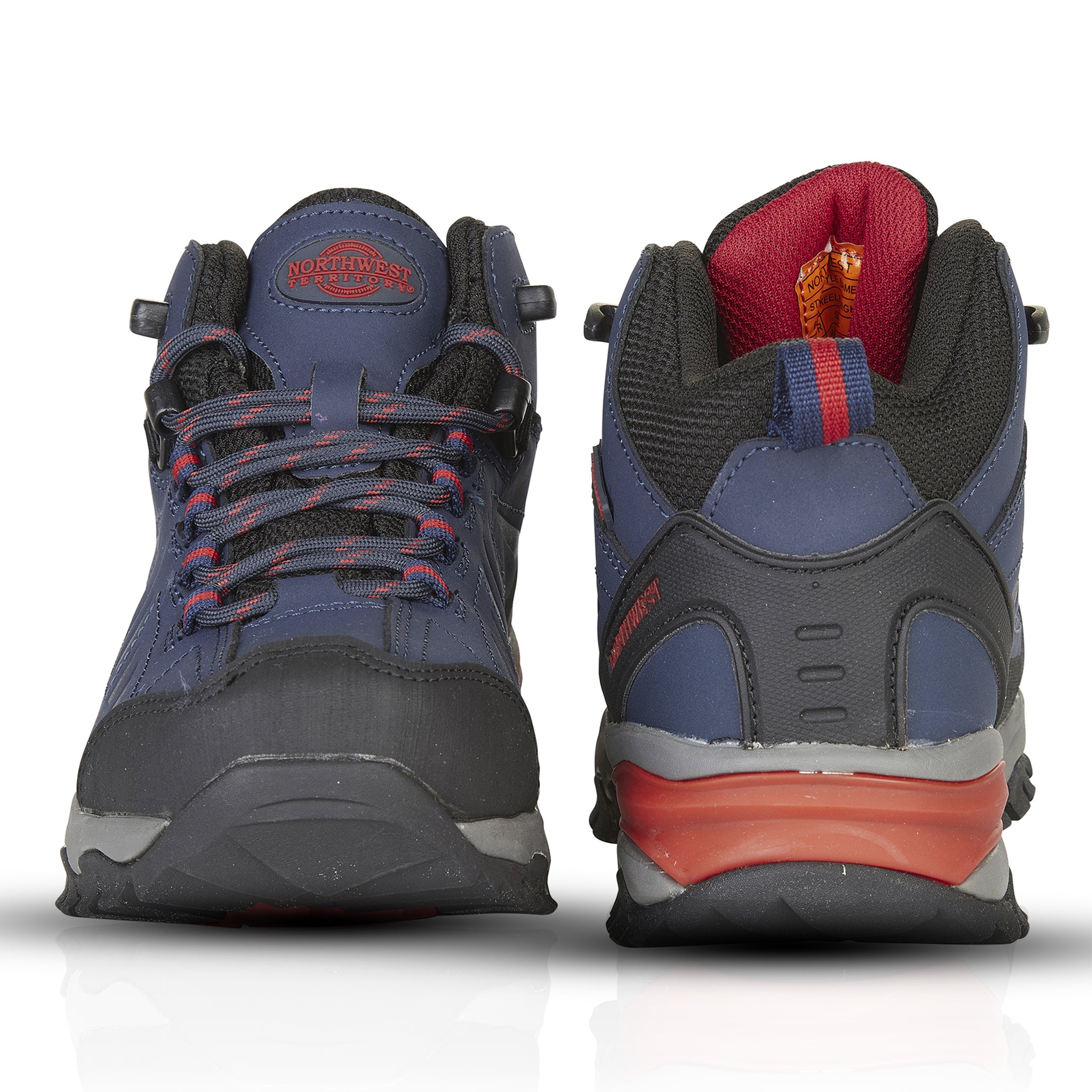
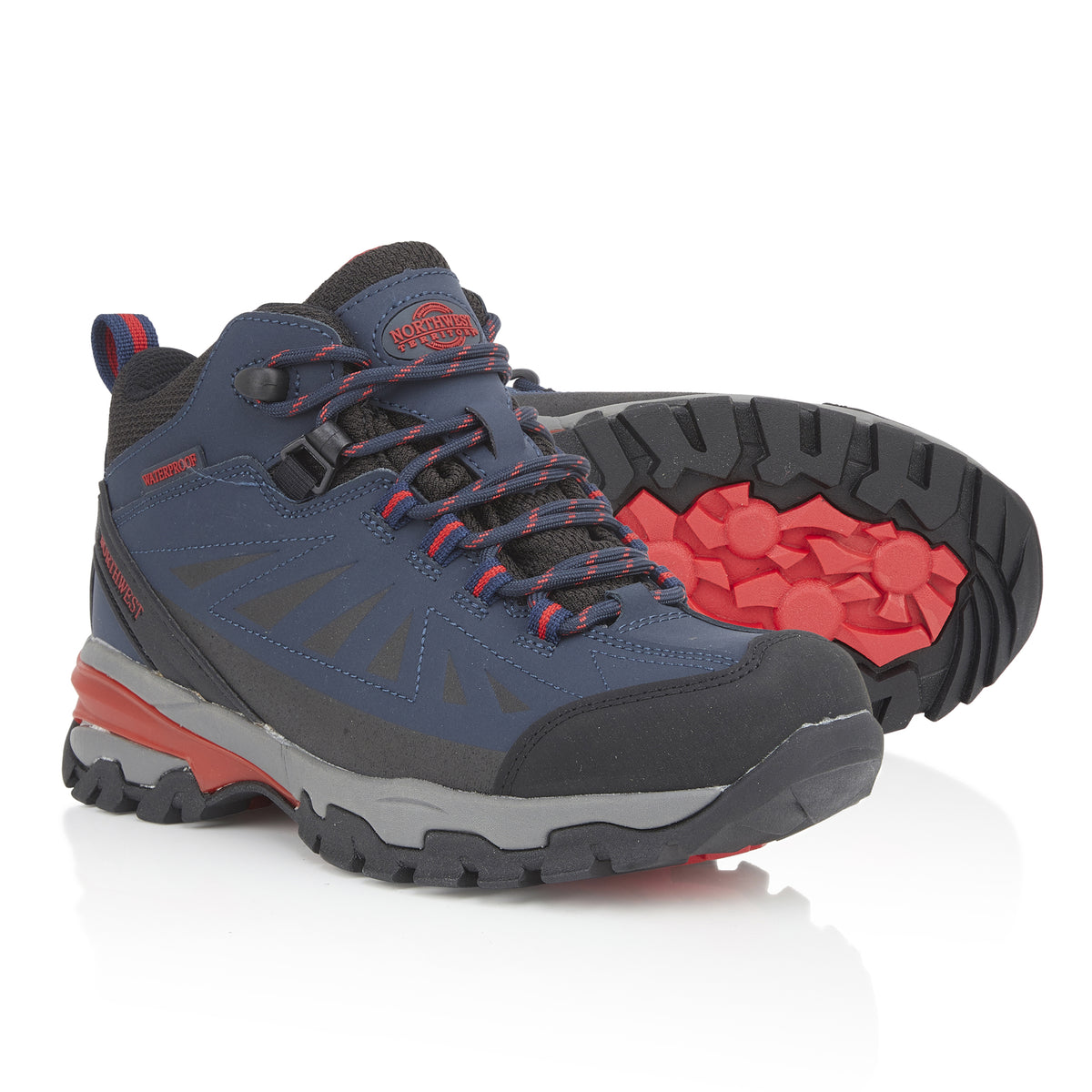
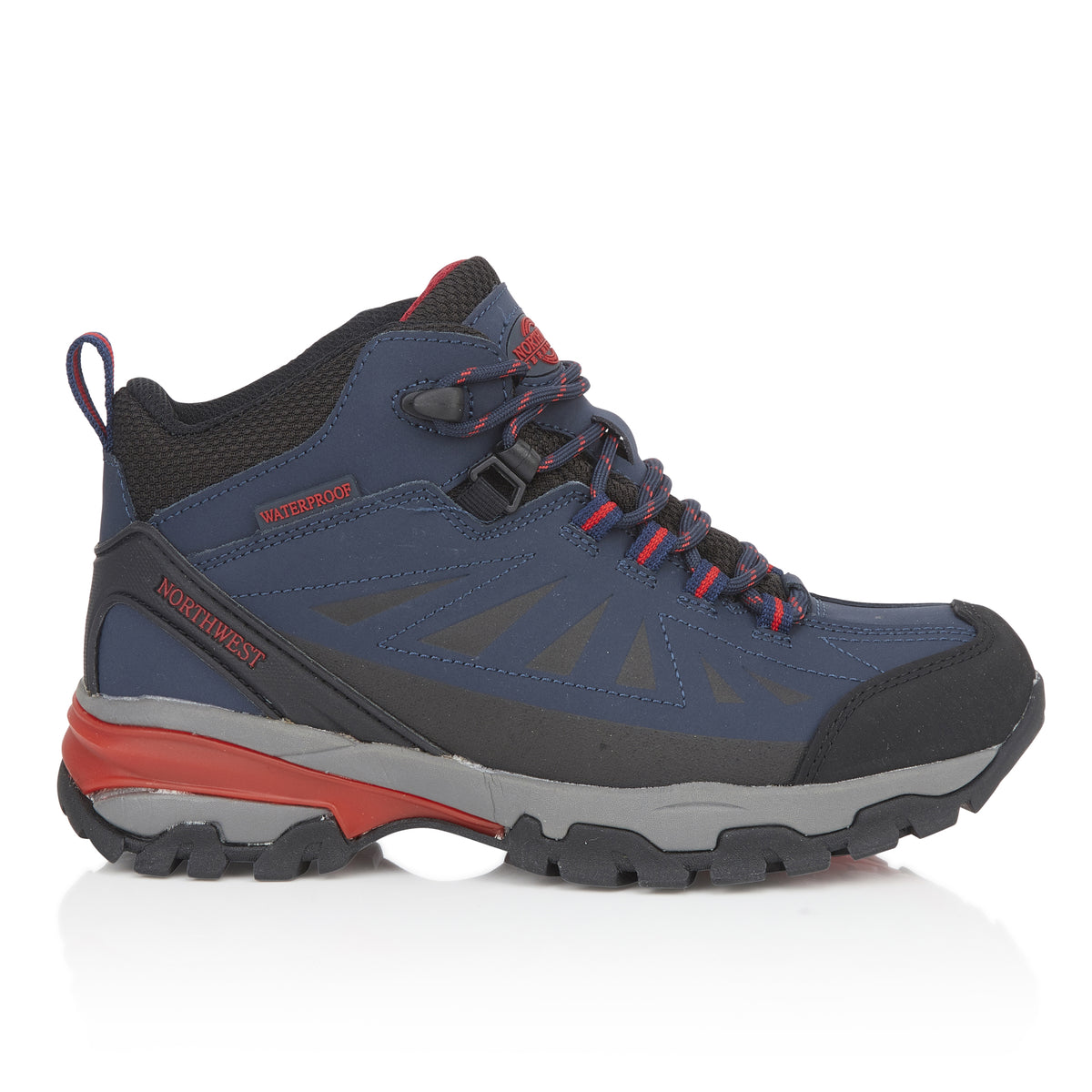
Walking boots usually provide more coverage around the ankle and a more substantial construction. They can be useful when you're dealing with muddy ground, wet grass, uneven paths or rougher sections of a route.
Neither option is automatically right for every walk.
A useful starting point is:
| If your route is mainly... | Consider |
| Firm and relatively level | Walking shoes |
| Dry country paths | Walking shoes |
| Wet grass | Walking boots |
| Muddy fields | Walking boots |
| Easy woodland tracks | Shoes or boots |
| Wet, uneven woodland | Walking boots |
| Rocky or steep ground | Walking boots |
| Mixed coastal terrain | Shoes or boots, depending on the route |
The important thing is to match the footwear to the ground, weather and route, rather than choosing based on appearance alone.

Dry Lowland Paths and Country Lanes: Walking Shoes Can Be Enough
A dry bridleway, a canal towpath on a mild afternoon, the footpath that links two villages and a pub, the ground's firm, the slopes are gentle, and your ankles aren't in any danger. A tall boot only adds weight here, while a shoe lets you stride out and forget your feet exist.
The Corbett men's leather waterproof walking shoes suit this sort of day nicely. They're built from genuine leather, with a grip twist sole for traction, a toe bumper for the odd kicked stone and a stabilising strap that keeps your foot from sliding about. Our full range of men's walking shoes is worth a browse if you want options.
For women, the Munro leather waterproof walking shoes pair an NWTDRY waterproof membrane with DriftTrek cushioning, and the high-traction outsole holds up when the path turns damp. If you've been searching for hiking shoes for women that can handle ordinary countryside, our women's walking shoes are a good place to begin.
Muddy Farmland And Wet Grass: Boots Come Into Their Own
Anyone who's crossed a dewy field at eight in the morning knows what a low shoe does with wet grass: it lets it straight in. Churned-up gateways are worse, because the mud hides ruts, and ruts have a habit of twisting ankles at the worst moment. A boot's higher collar and firmer support really matter here.
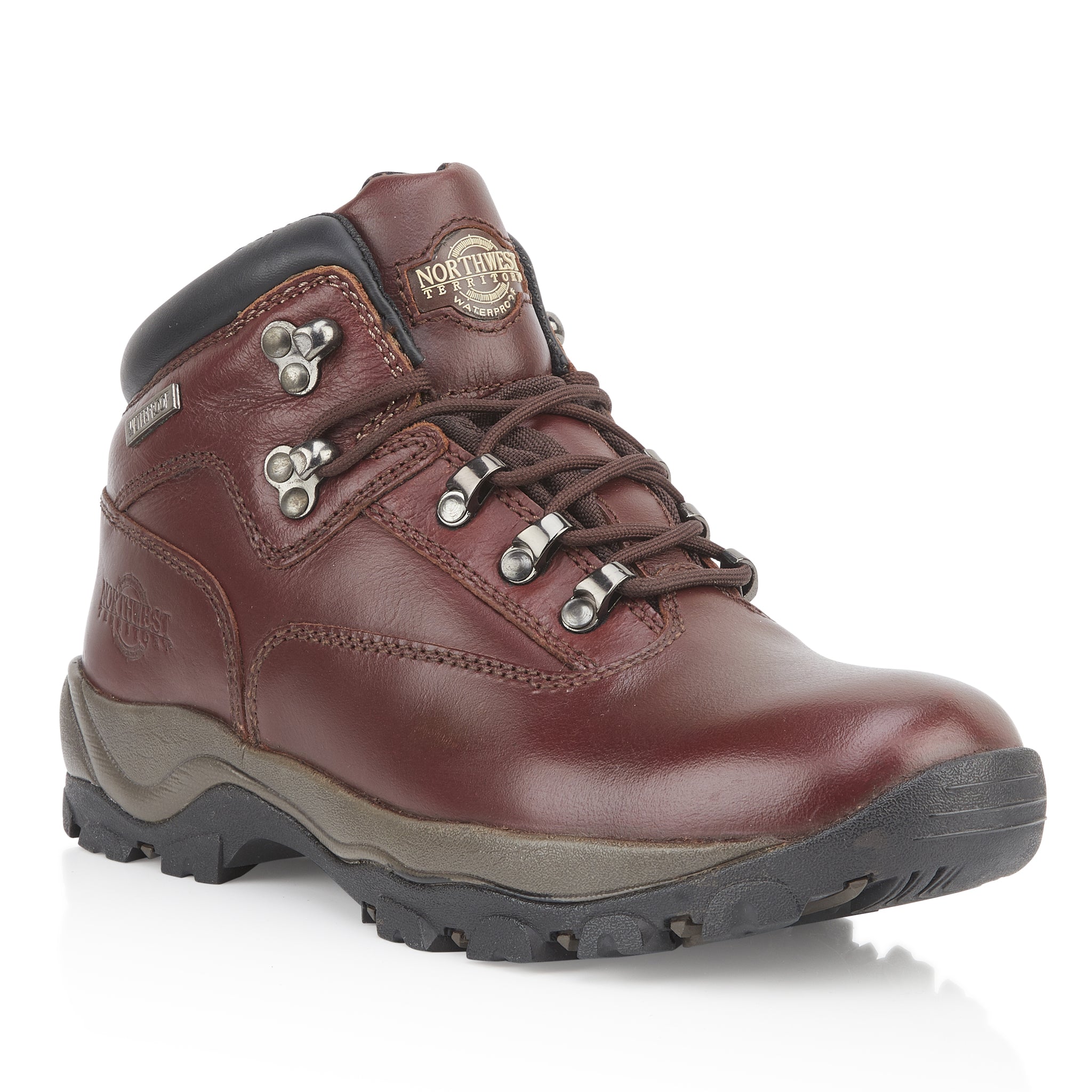
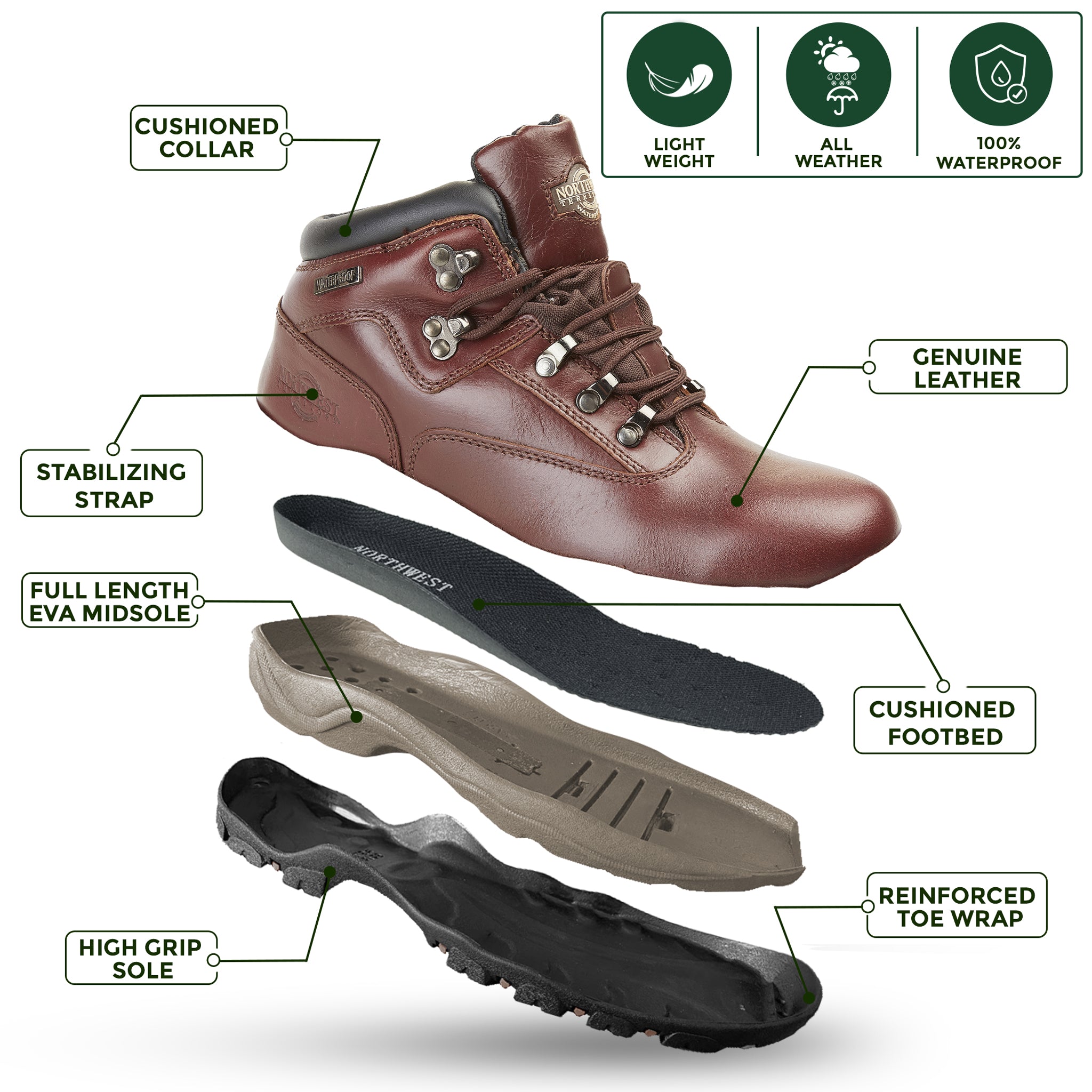
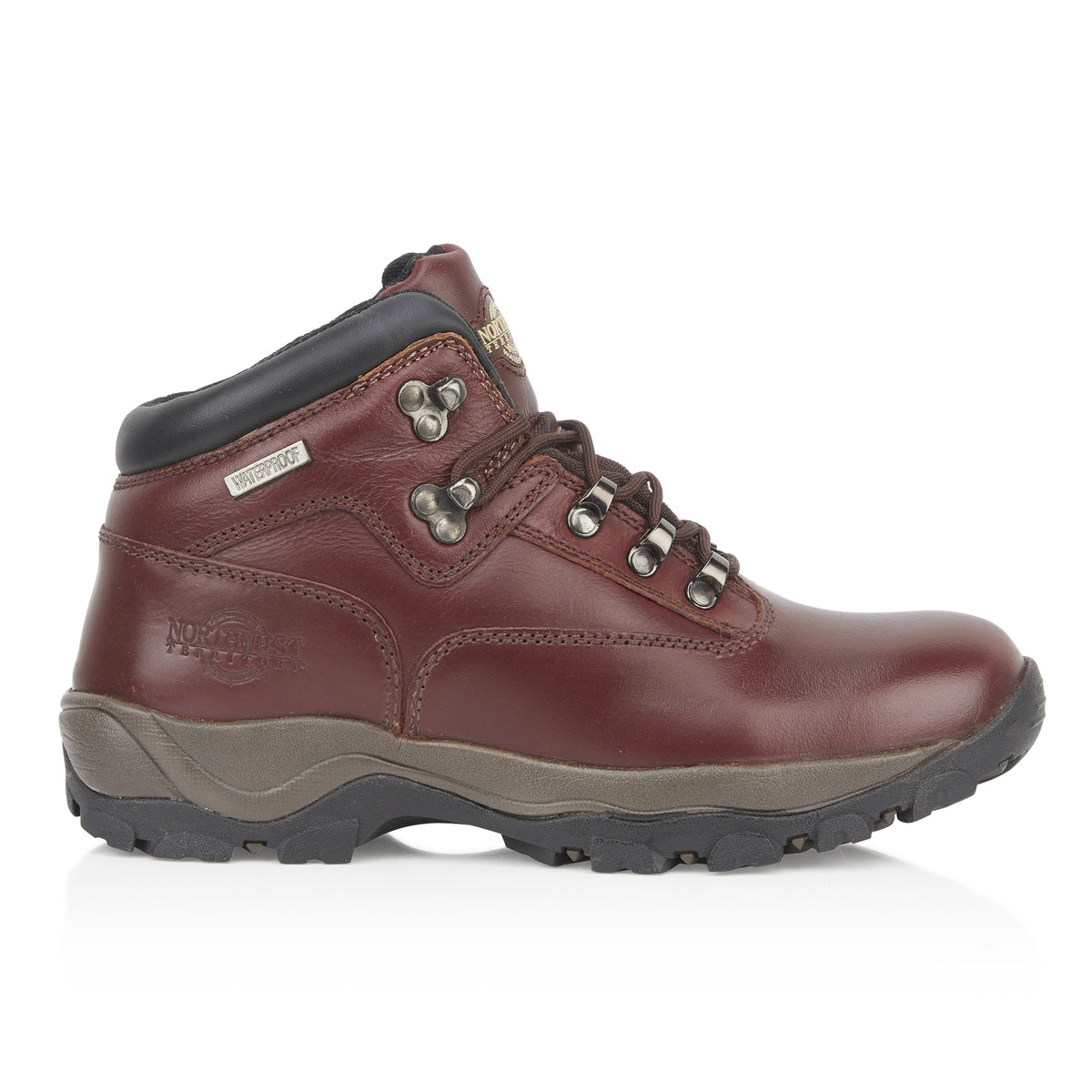
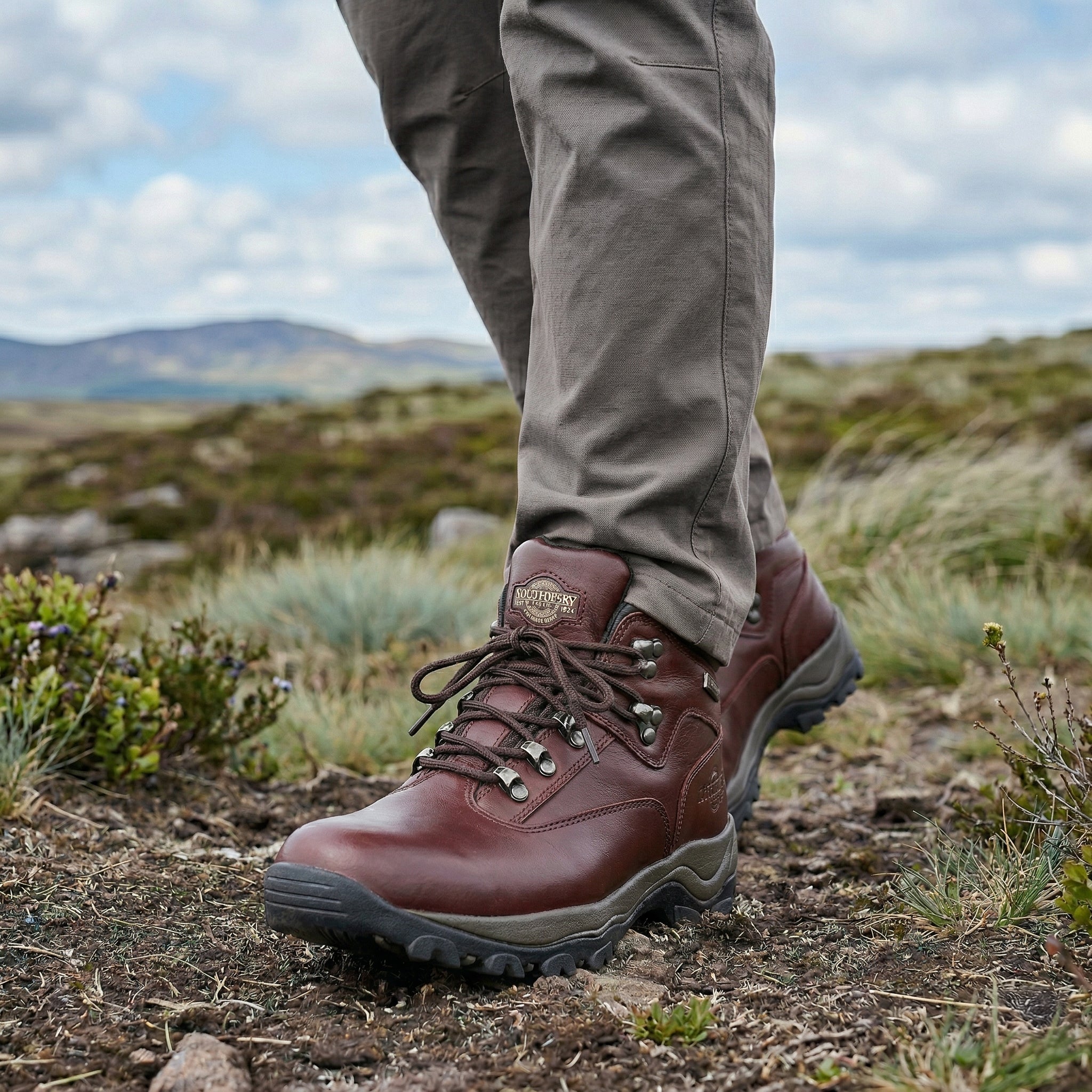
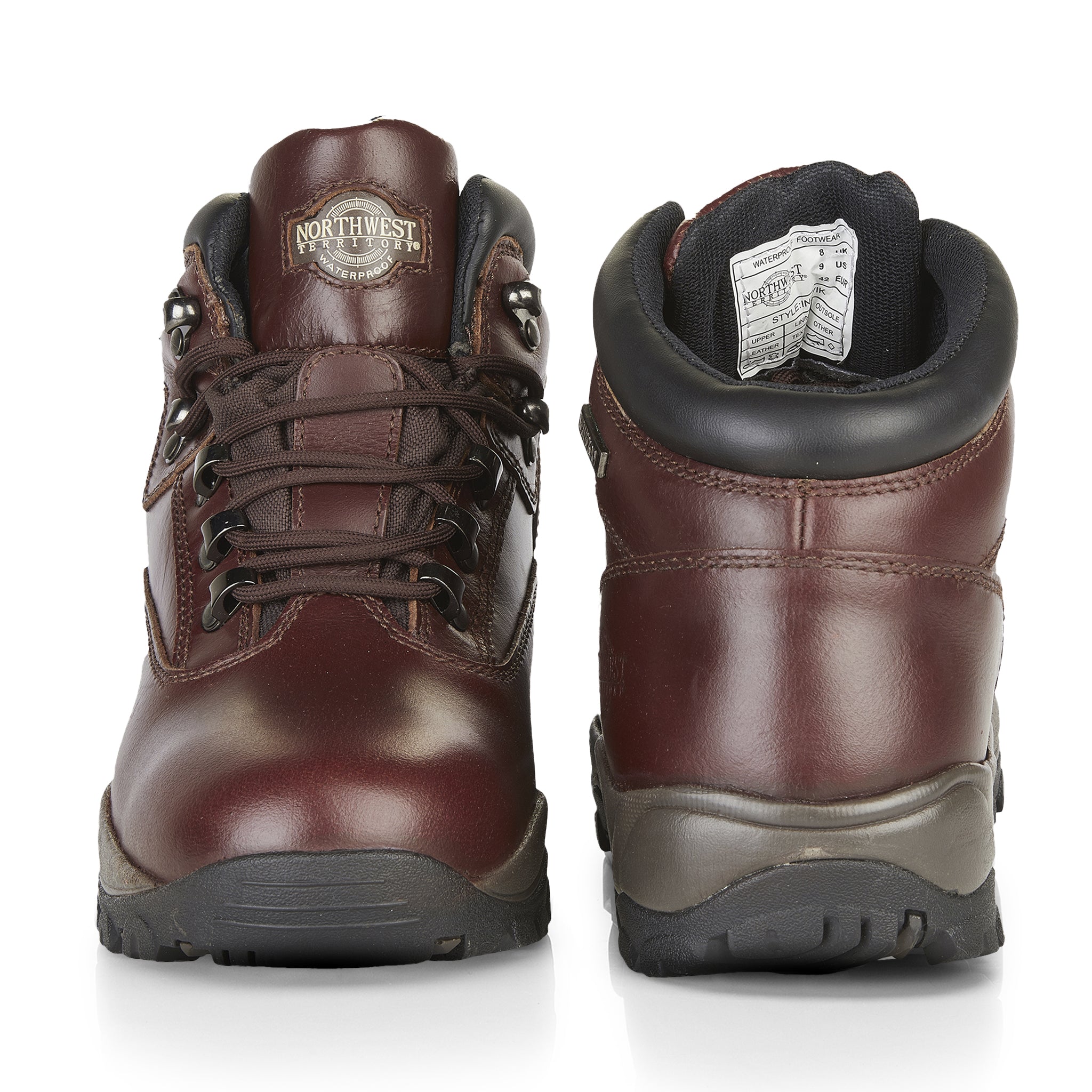
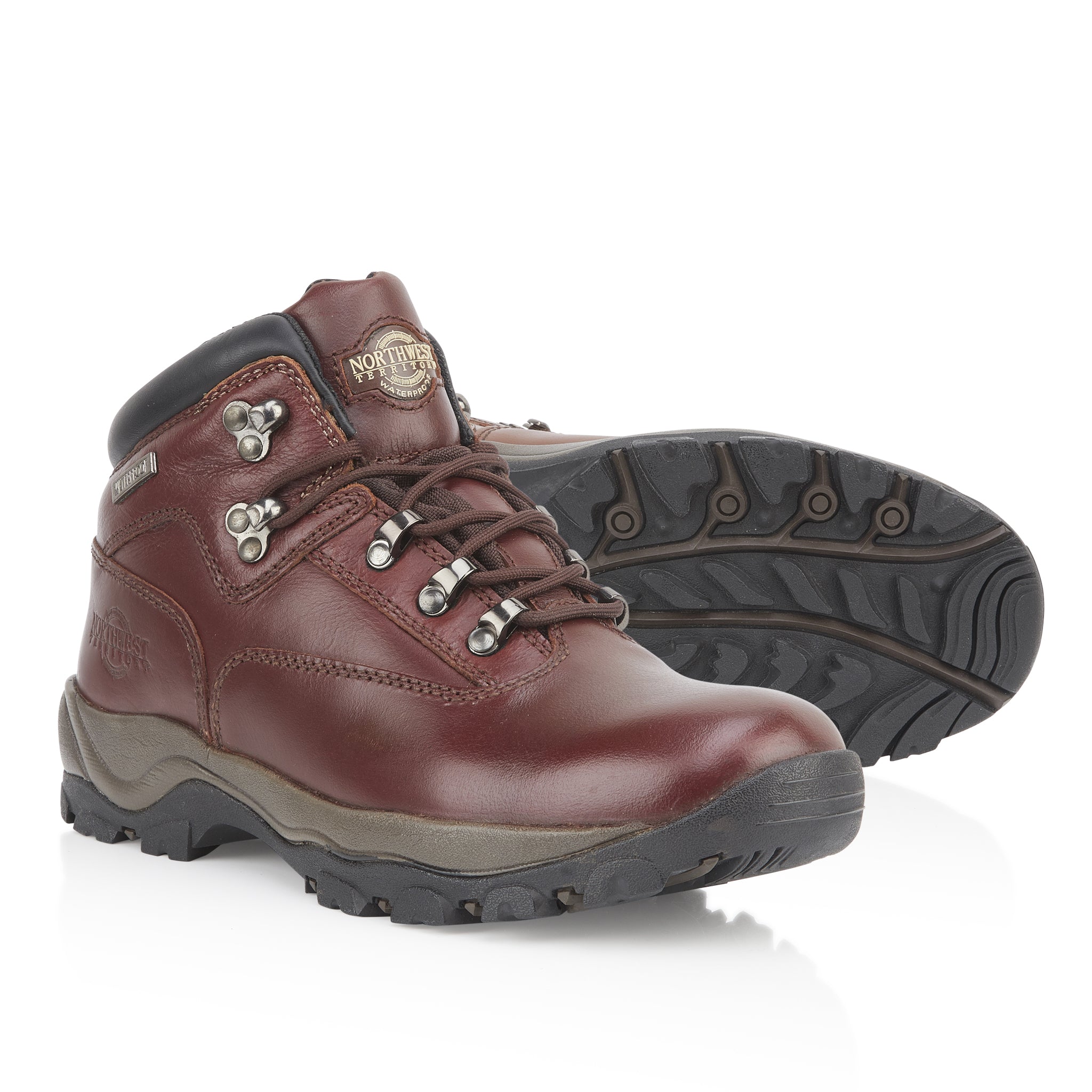
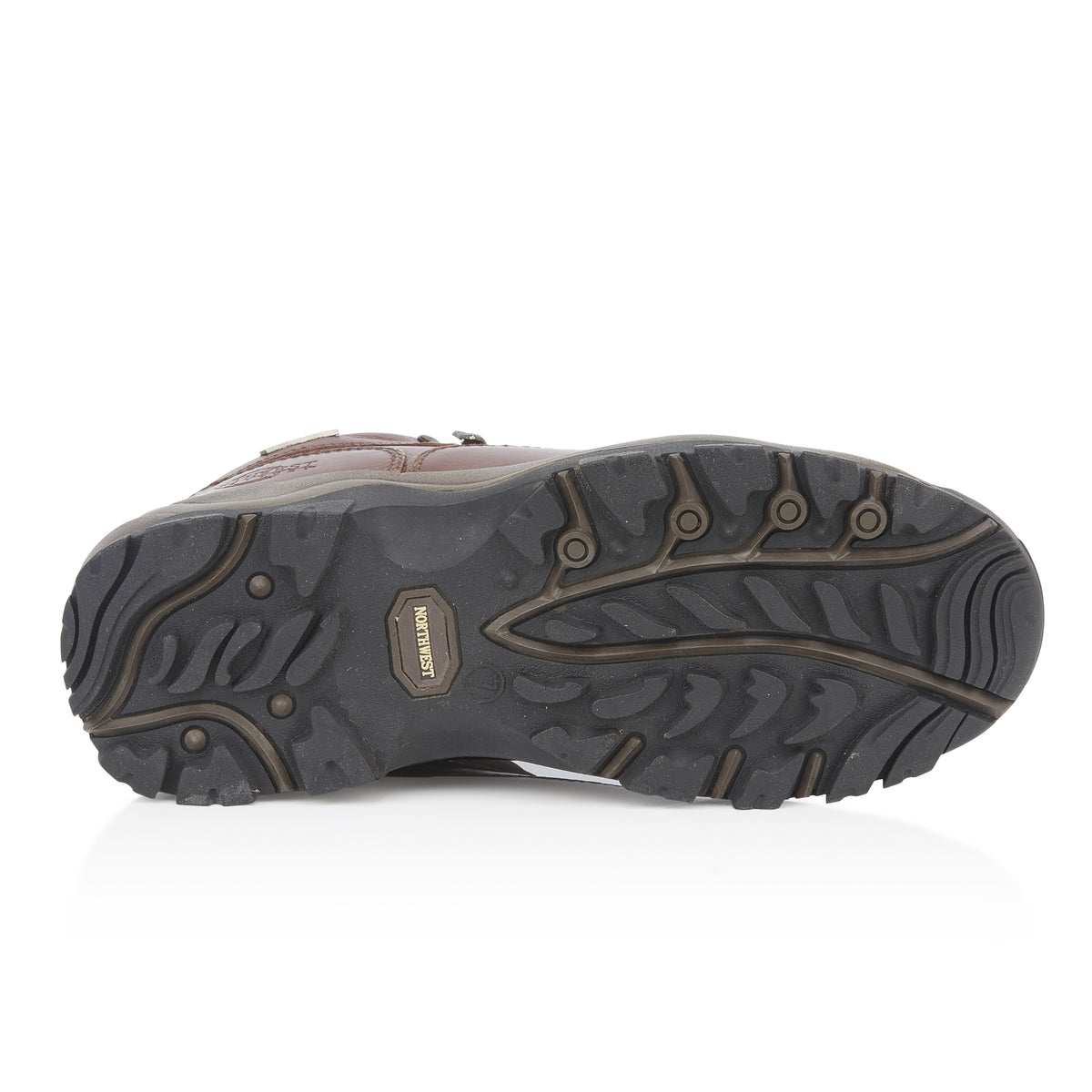
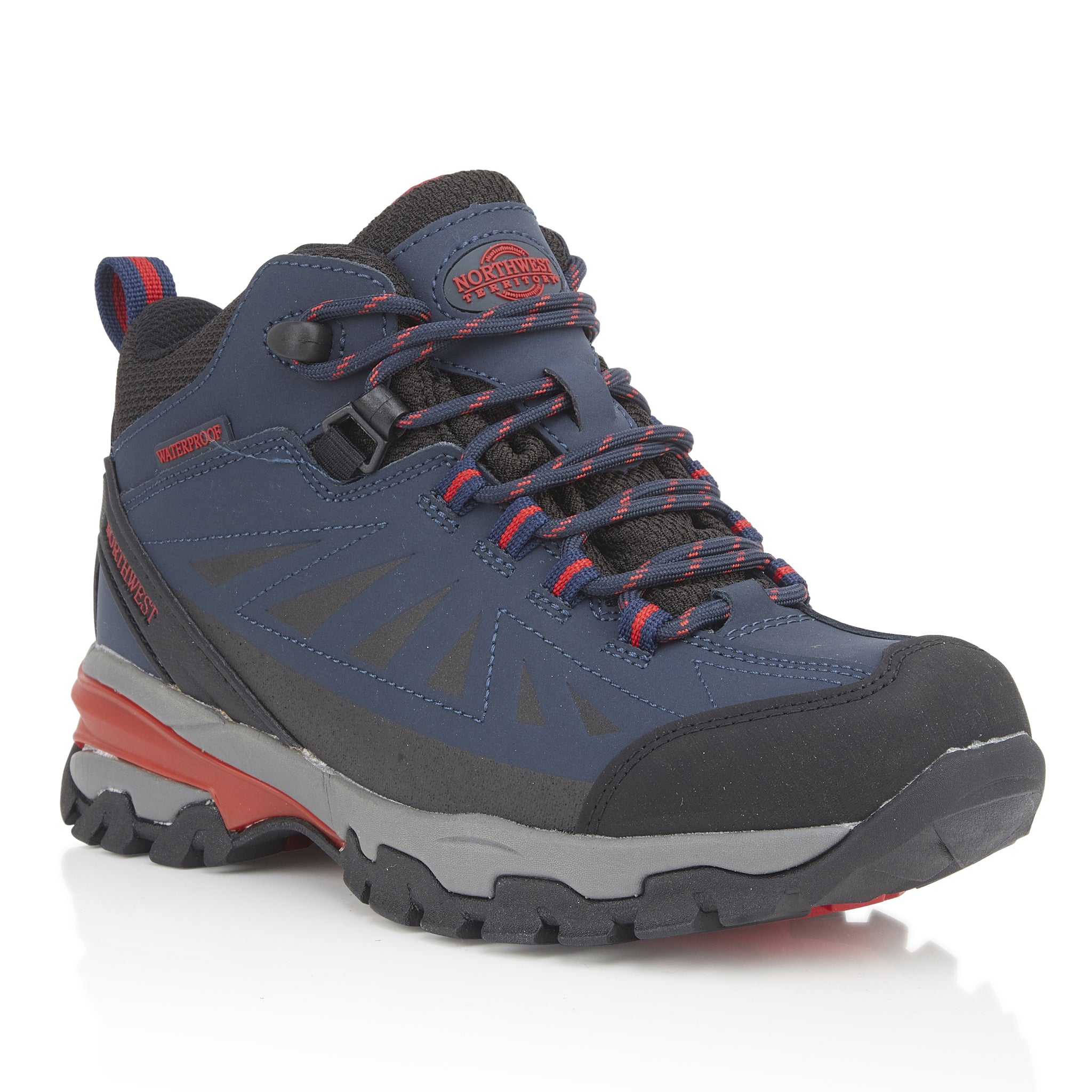
The Inuvik men's leather waterproof walking boots were designed for rugged ground and countryside walks. The high-top shape helps stop ankle rolls on uneven paths, and NWTDRY technology keeps rain and splashes out. A padded collar, padded tongue and moulded EVA footbed make long days kinder on your feet. If walking boots are what you're after for wet countryside, have a look through our collection of men's walking boots.

Woodland Trails: It Depends Which Wood
Woodland can't be pinned down. Some forest tracks are wide, gravelled and almost suspiciously easy, and shoes cope perfectly well. Others are narrow, root-tangled and slick after a wet week, and you're glad of something that holds your ankle steady and grips properly.
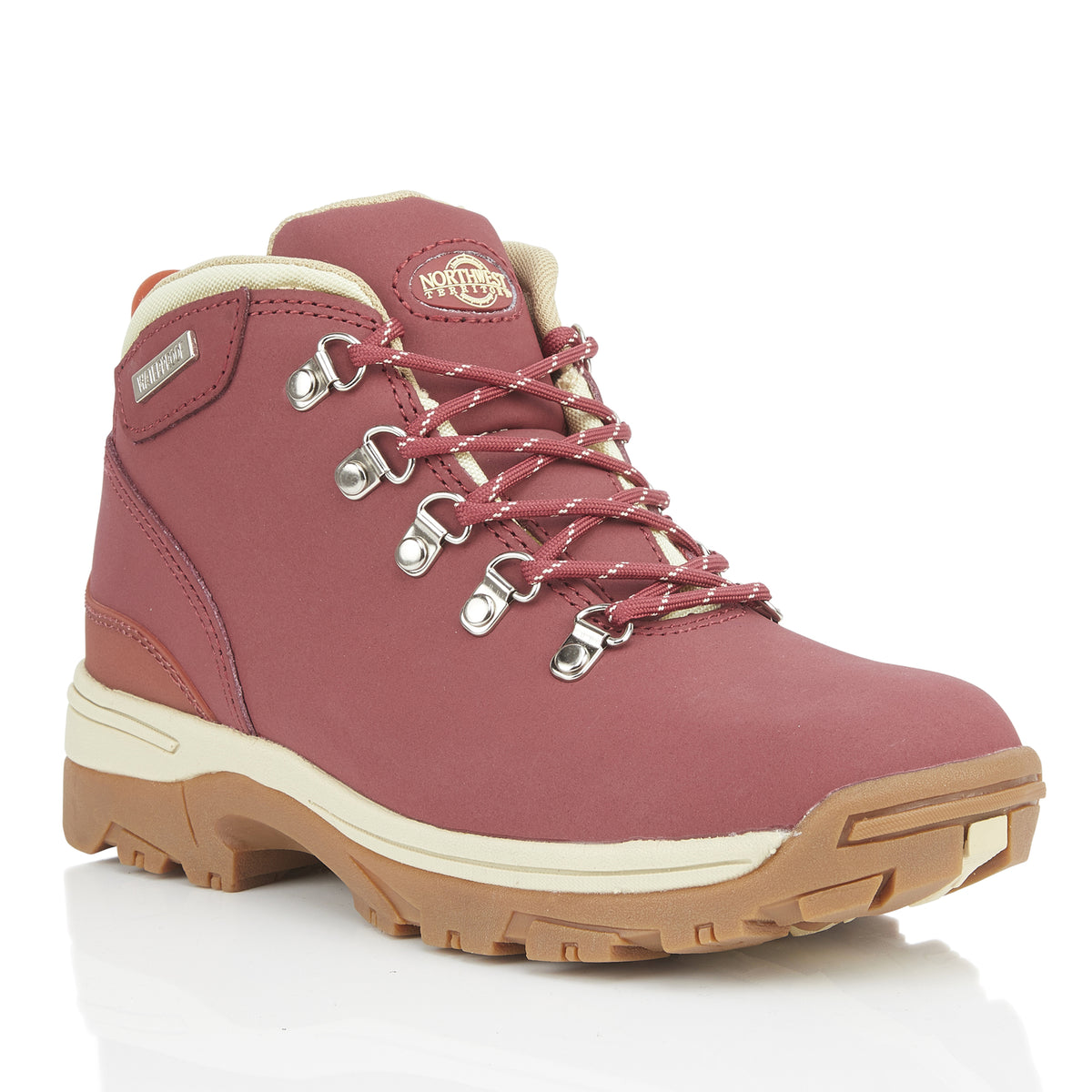
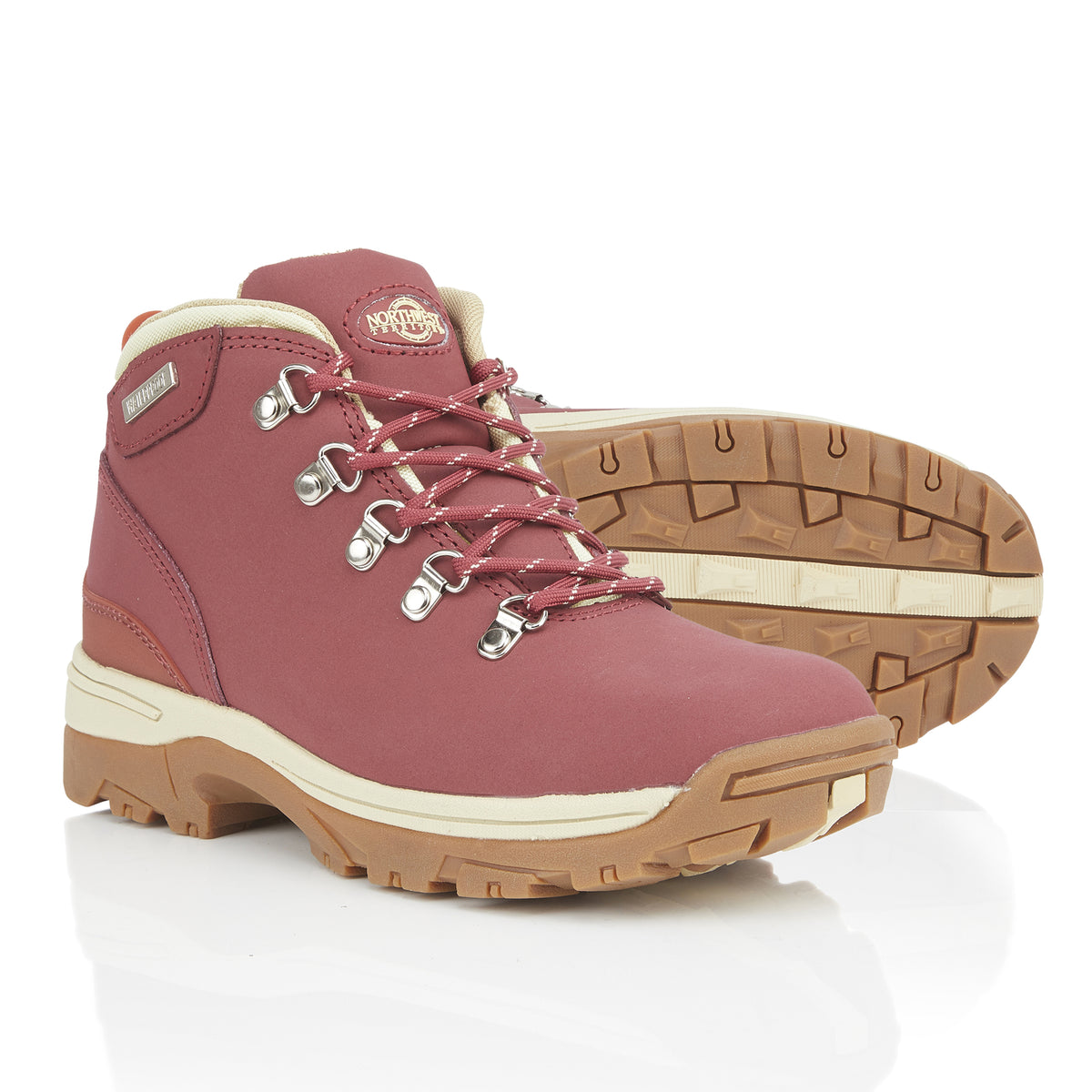
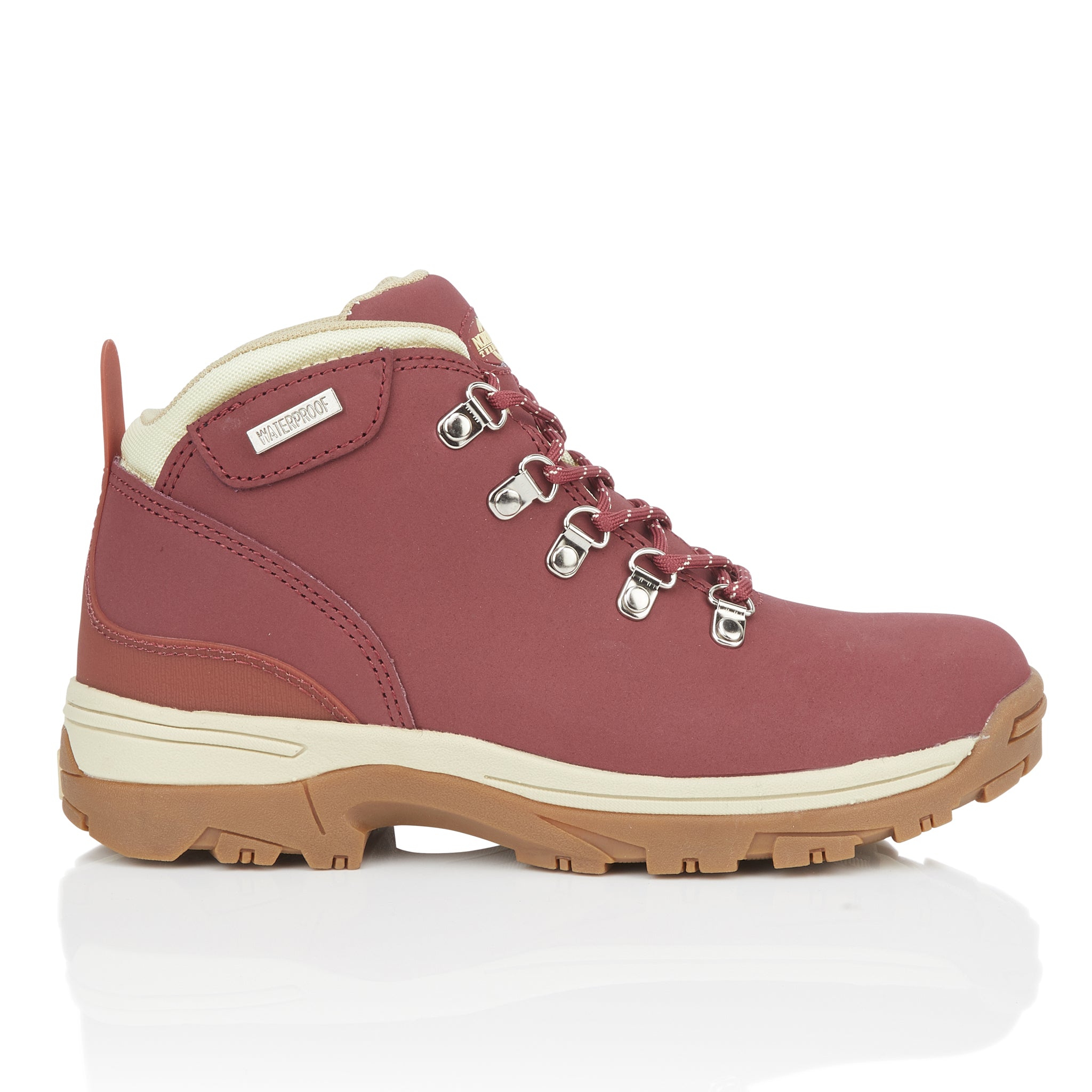
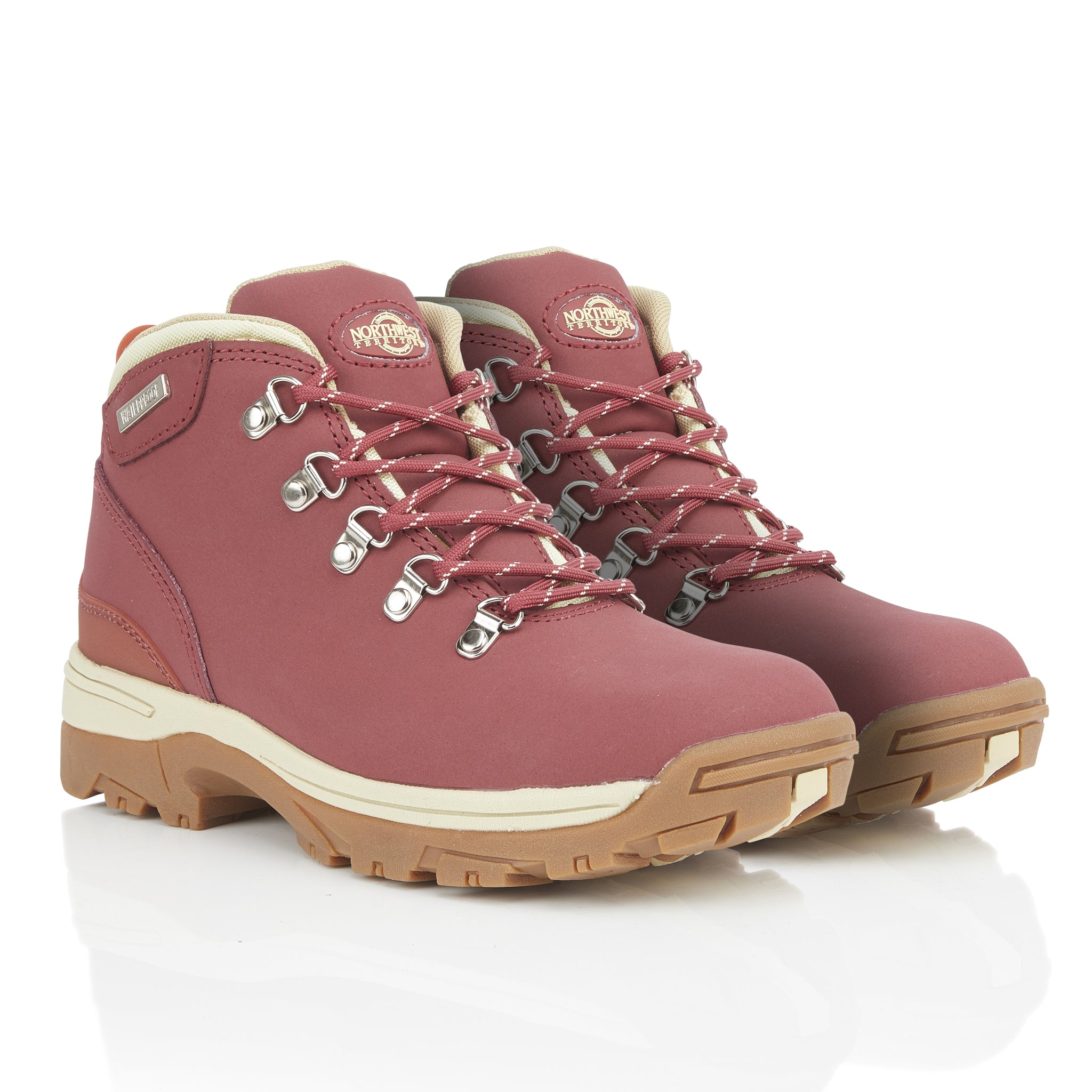
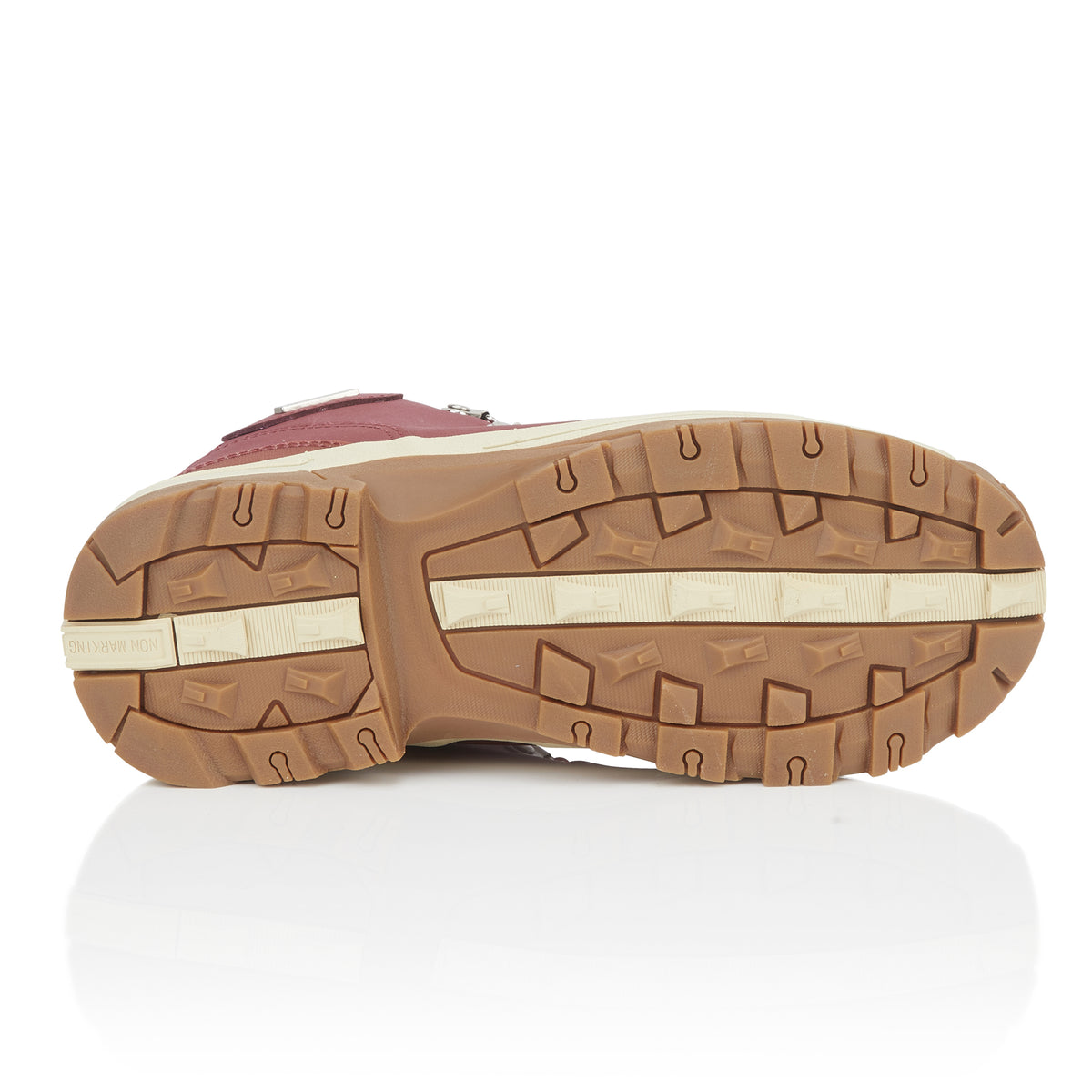
For the second kind, the Peak women's leather waterproof walking boots are a sound choice. They come up around the ankle, with cushioned collars and footbeds and hard-wearing rubber soles made for low-level trails. If woods are your usual haunt, our women's walking boots range has more to explore.
Moorland And Fells: Where Walking Boots Vs Walking Shoes For Terrain Gets Serious
Out on open moor, the ground does what it likes. Peat gives way when you least expect it, stones roll under your feet, and hardly any two steps land the same. Ankle support, a grippy outsole and a steady feel underfoot matter a lot up there, mostly because a rolled ankle three miles from the car is miserable.
On a dry, well-kept hill track with a light pack, a shoe can be perfectly fine. But once the path turns muddy, steep or stony, we'd pull on boots, and we wouldn't need much talking into it.
Coastal Paths: A Bit Of Everything
Cliff paths can't make up their mind. Within an hour you might cross springy turf, a patch of loose shingle, some wonky steps and a muddy slope that looked much friendlier on the map. On the dry, easy stretches, shoes feel light and quick. On the steep or soggy bits, you'll be very glad of a boot's steadiness. If your route is mostly gentle, a pair like the Corbett for men or the Munro, one of our walking shoes for women, will see you through nicely. If there are rough descents along the way, boots like the Inuvik or the Peak are the safer call.
The Ground At A Glance
|
Terrain |
What the ground asks of you |
Better pick |
|
Lowland paths and field edges |
Lightweight, easy flex |
Shoes |
|
Muddy farmland and wet grass |
High collar, ankle support |
Boots |
|
Woodland trails |
Grip on roots and stones |
Boots on rough paths; shoes on wide tracks |
|
Moorland and fells |
Stability, deep outsole grip |
Boots |
|
Coastal paths |
Flexibility, plus grip on steps |
Shoes on dry paths; boots on steep or wet ones |

Walking Boots or Shoes for Mixed Terrain?
This is probably the most useful question for UK walkers because many routes don't stick to one surface.
Imagine a six-mile walk that starts on a village pavement, follows a firm bridleway, crosses a muddy field and then climbs through woodland.
You could encounter four different surfaces before lunch.
In that situation, think about the most demanding part of the route.
If most of the walk is easy but there is one short muddy or uneven section, a capable walking shoe may still be suitable depending on the conditions.
If the rougher ground makes up a significant part of the route, a walking boot may be the more versatile choice.
The goal isn't to wear the most substantial footwear possible.
It's to choose something that you're comfortable wearing for the entire walk while still being appropriate for the difficult sections.
Which Footwear Is Right for Your Route?
There isn't a single winner.
Choose walking shoes when your route is mainly firm, relatively easy and you value a lighter, more flexible feel.
Choose walking boots when you're expecting wetter, muddier, steeper or more uneven ground and want greater coverage and a more secure feel.
And if the route changes between the two, look at the section that will put the greatest demands on your footwear.
That's usually a better way to choose than simply asking whether boots are better than shoes.
For UK walking, the terrain should make the decision.
FAQs
1. When to pick walking boots instead of walking shoes?
Boots are your friend when the path is muddy, lumpy, steep or soft underfoot. The taller collar and extra ankle support keep you steady when the ground gets unpredictable, and they stop wet grass from soaking through to your socks.
2. Boots or shoes for countryside walks?
Honestly, it comes down to the ground. Shoes are lovely on firm footpaths and dry field edges. Once you hit wet fields, woodland or rough tracks, boots simply cope better.
3. How do I choose footwear for a mixed-terrain walk?
Look at the most demanding part of the route. If the walk includes substantial amounts of mud, steep ground, loose stones or uneven woodland, a walking boot may be the more versatile choice.
4. Are waterproof walking shoes enough when it rains?
They'll handle showers and puddles just fine. But very wet grass can sneak in over a low cut, so if you're expecting a properly soggy day, boots will keep your feet drier.
5. Do Hiking Shoes work on hills?
They can, as long as the path is well kept and the weather's settled. If the hill gets boggy, steep or rocky, a walking boot gives you more support where you need it.