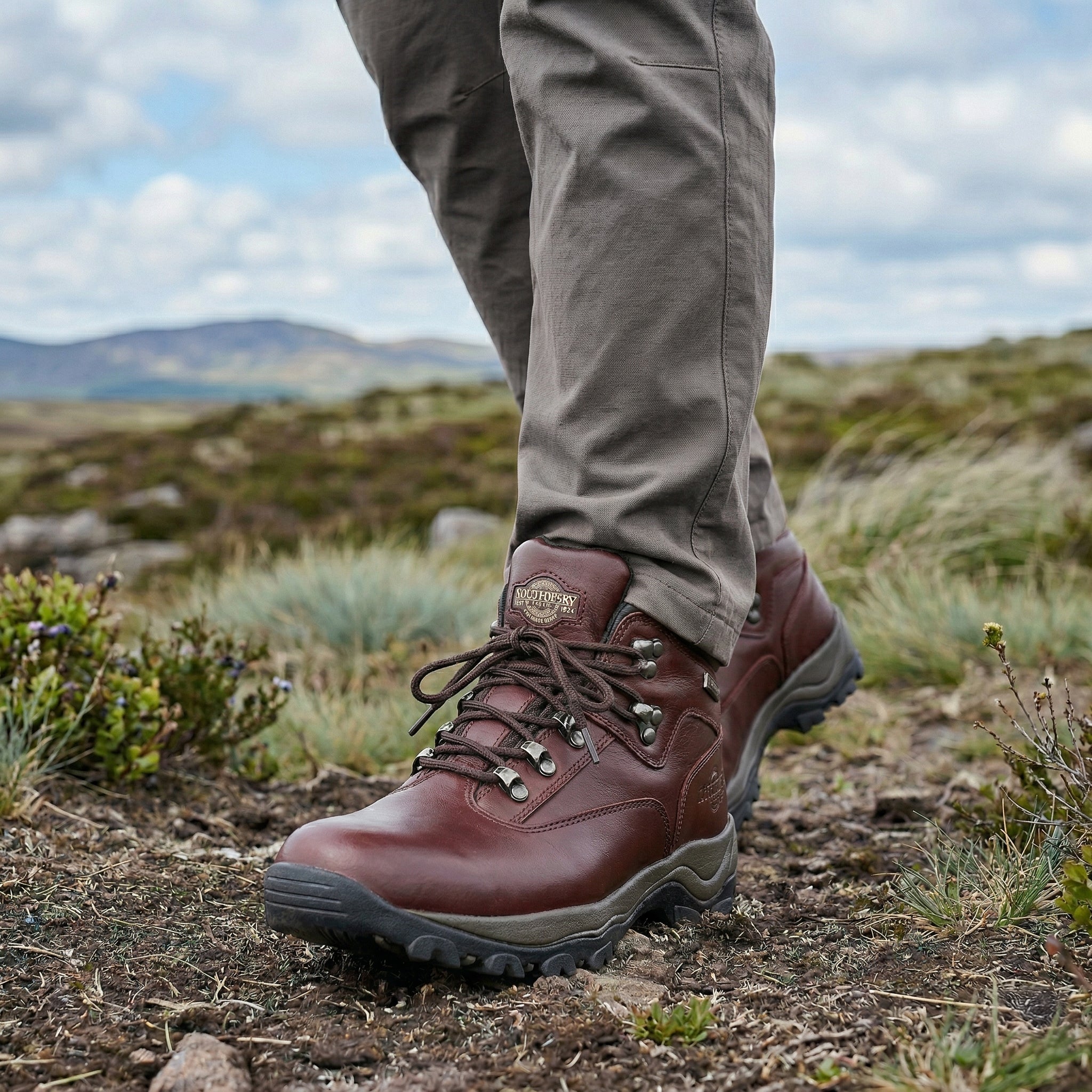

You can usually tell when someone has bought the wrong walking shoes. Not because they say anything, but because about halfway through the walk, they start slowing down.
It might be a heel that's rubbing. Feet that are getting tired much sooner than expected. Or that familiar feeling of stepping onto wet grass and realising the trainers they grabbed this morning probably weren't the best choice after all.
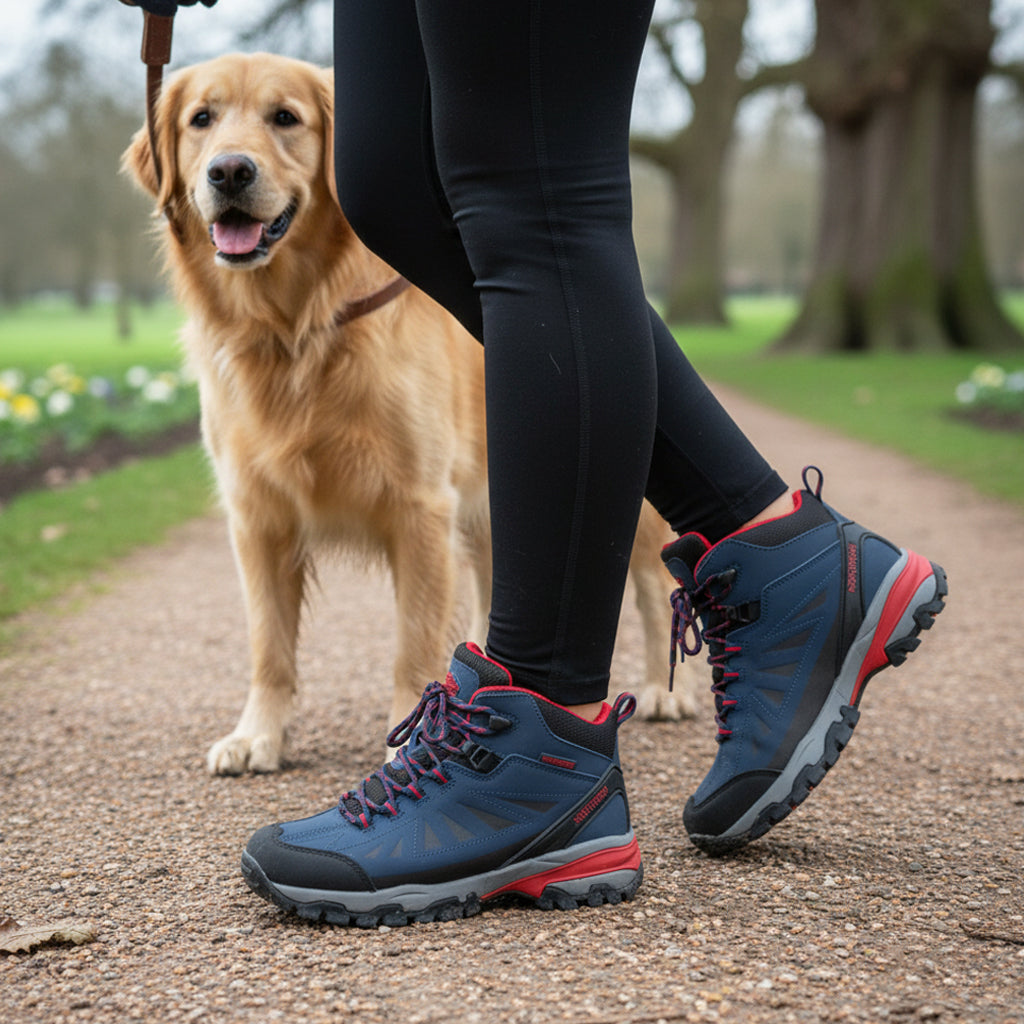
The funny thing is, most walks don't ask very much from your footwear. A few miles around a country park. A wander through the woods with the dog. Exploring somewhere new on holiday. An afternoon at a National Trust property where you're on your feet longer than you realised you would be. That's the sort of walking most of us actually do.
At Northwest Territory, that's always the starting point when someone asks us which shoes they should buy. Before we talk about waterproof linings or grip, we want to know where they spend their weekends. The answer usually makes the decision much easier.
If you're looking for walking shoes for women, here's what we'd suggest thinking about before choosing a pair.
Walking Shoes vs Trainers: Does It Really Make Much Difference?
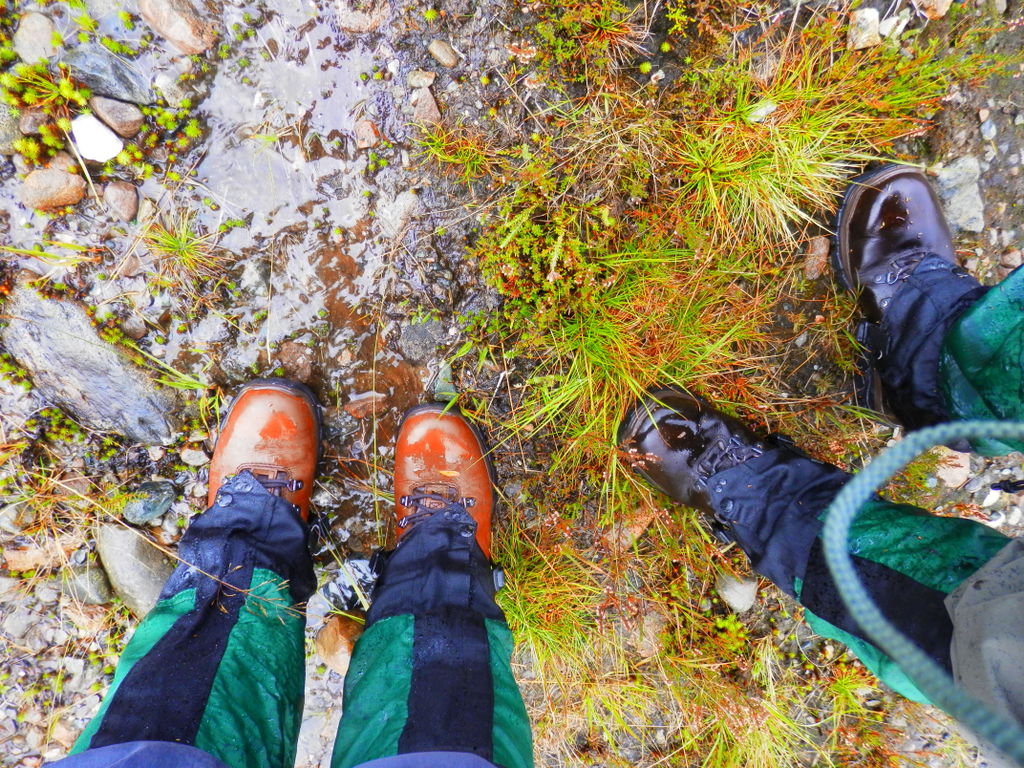
If all your walking really happens on smooth pavements, well then, probably not. But the second the ground gets uneven, it becomes a lot easier to notice the difference. Think back to that last walk out in the countryside you went on.
There was likely some loose gravel, a run of damp grass, maybe a couple of tree roots, or little areas of mud after the rain. It wasn't that hard, but it was enough to make you slow down a bit and pay more attention to where your feet were landing, kinda automatically.
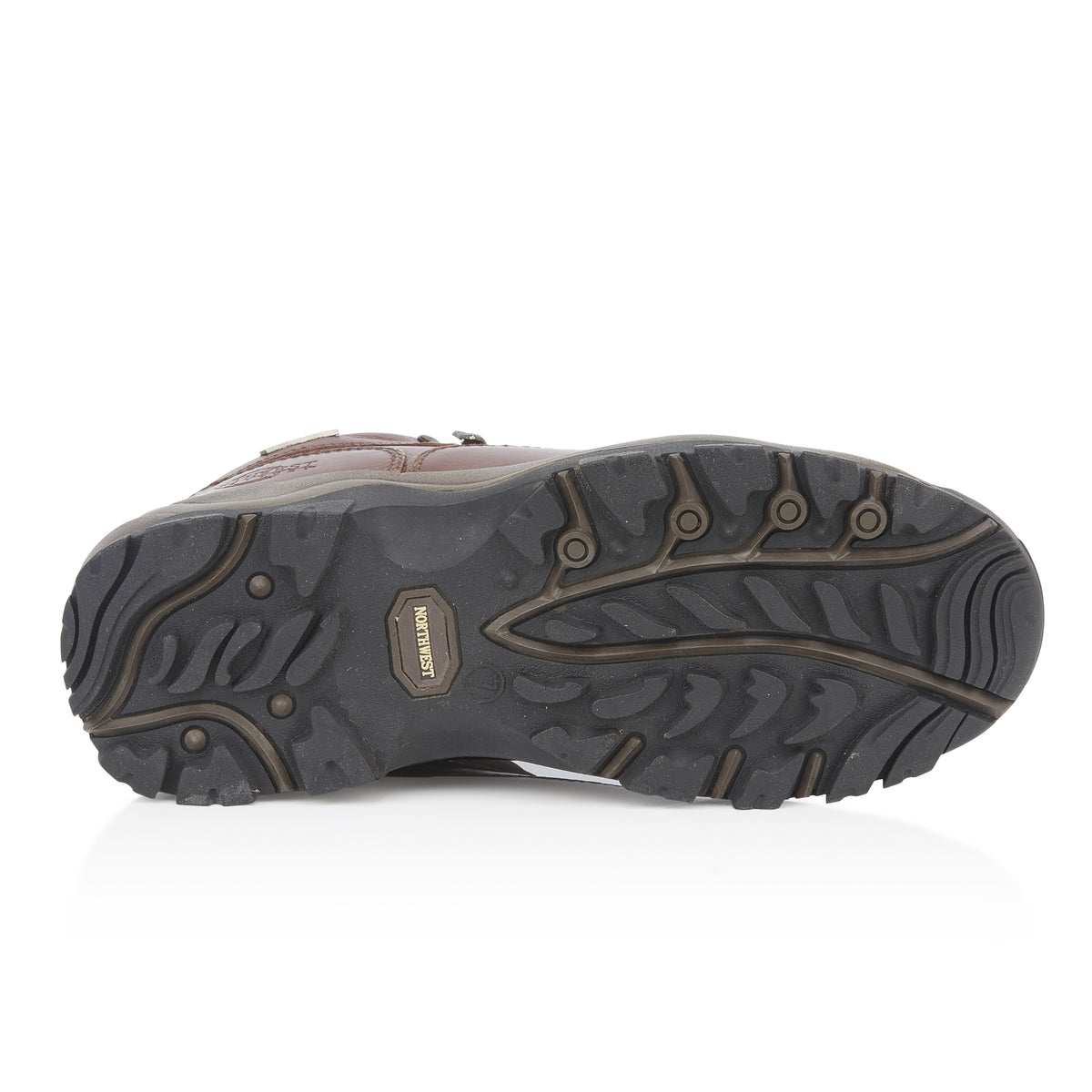
That’s basically the kind of terrain walking shoes are made for. It's not about making every walk feel technical. It's about giving you a little more confidence underfoot without making the shoe feel heavy or bulky.
Many women searching for the best walking shoes for women aren't planning mountain hikes. They simply want one reliable pair they can pull on for almost anything, whether that's a local woodland walk or a weekend away on the Yorkshire coast. That's a much more realistic way to shop.

Walking Shoes vs Trainers: Which Suits You Better?
|
If you usually... |
Walking Shoes |
Trainers |
|
Walk the dog every day |
Better grip on damp ground |
Fine on pavements |
|
Explore countryside paths |
More support and stability |
Less suited to uneven trails |
|
Spend all day sightseeing |
Designed for longer comfort |
Good for shorter outings |
|
Walk in all seasons |
Waterproof options available |
Feet can get wet easily |
|
Want one pair for different activities |
More versatile |
Best for casual everyday wear |
What Makes a Walking Shoe Comfortable After a Few Hours?
Here's something people don't always think about. A shoe doesn't have to impress you in the first five minutes. It has to feel just as good three hours later.
That's why we'd never tell someone to choose the softest shoe they can find. Comfort comes from a combination of things. Your heel shouldn't lift when you walk, and your toes shouldn't feel squeezed together. The shoe should bend naturally as you move, but still feel supportive when the ground isn't perfectly flat.
Weight plays a part, too. Some women prefer lightweight walking shoes because they almost disappear on their feet. Others like something with a little more structure, especially if they're regularly walking over rougher ground.
Neither is wrong. It simply comes back to where you'll use them most. One thing we've learnt over the years is that the shoes people recommend to friends are rarely the ones with the biggest list of features. They're the ones they forget they're wearing.

Which Walking Shoes for Women Would We Recommend?
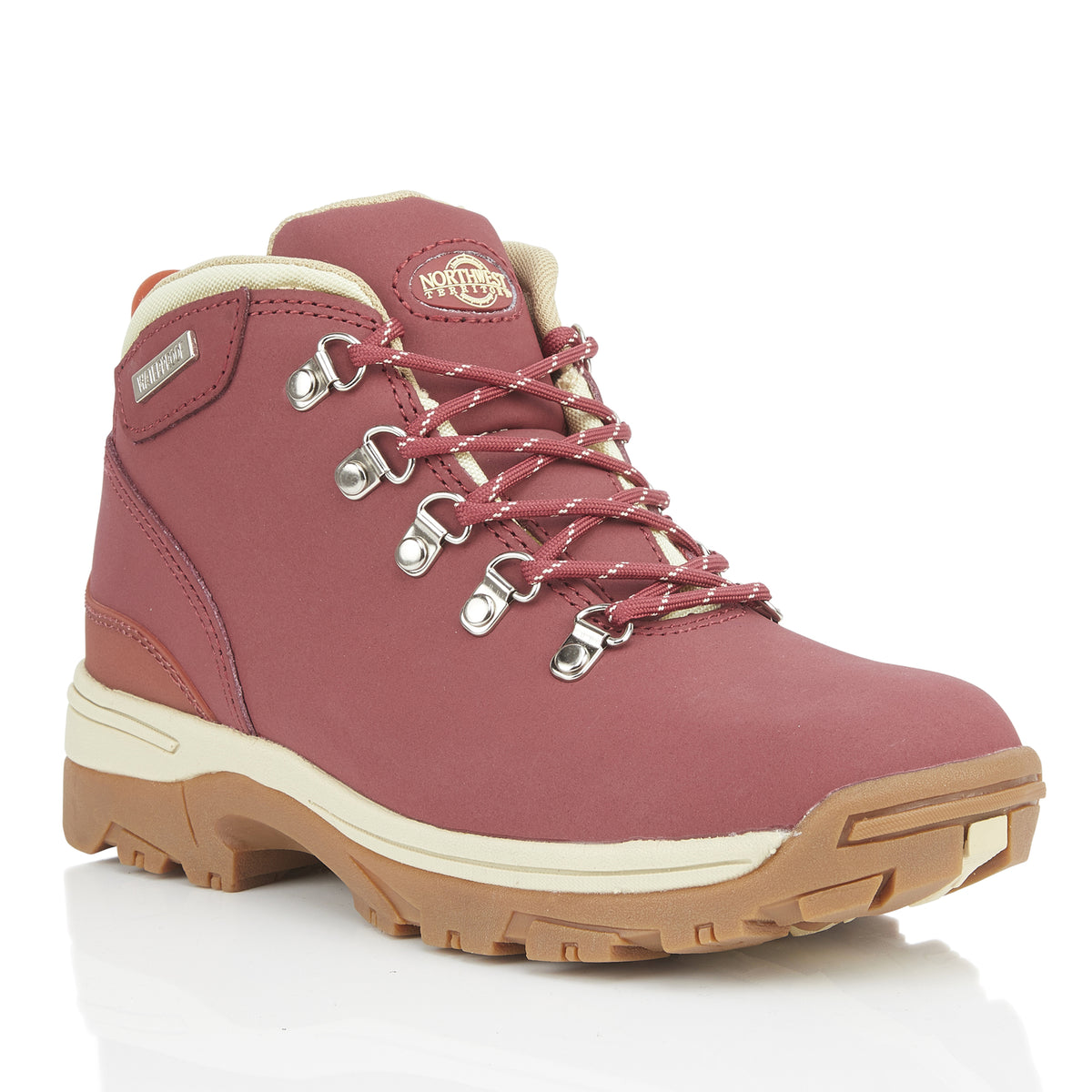
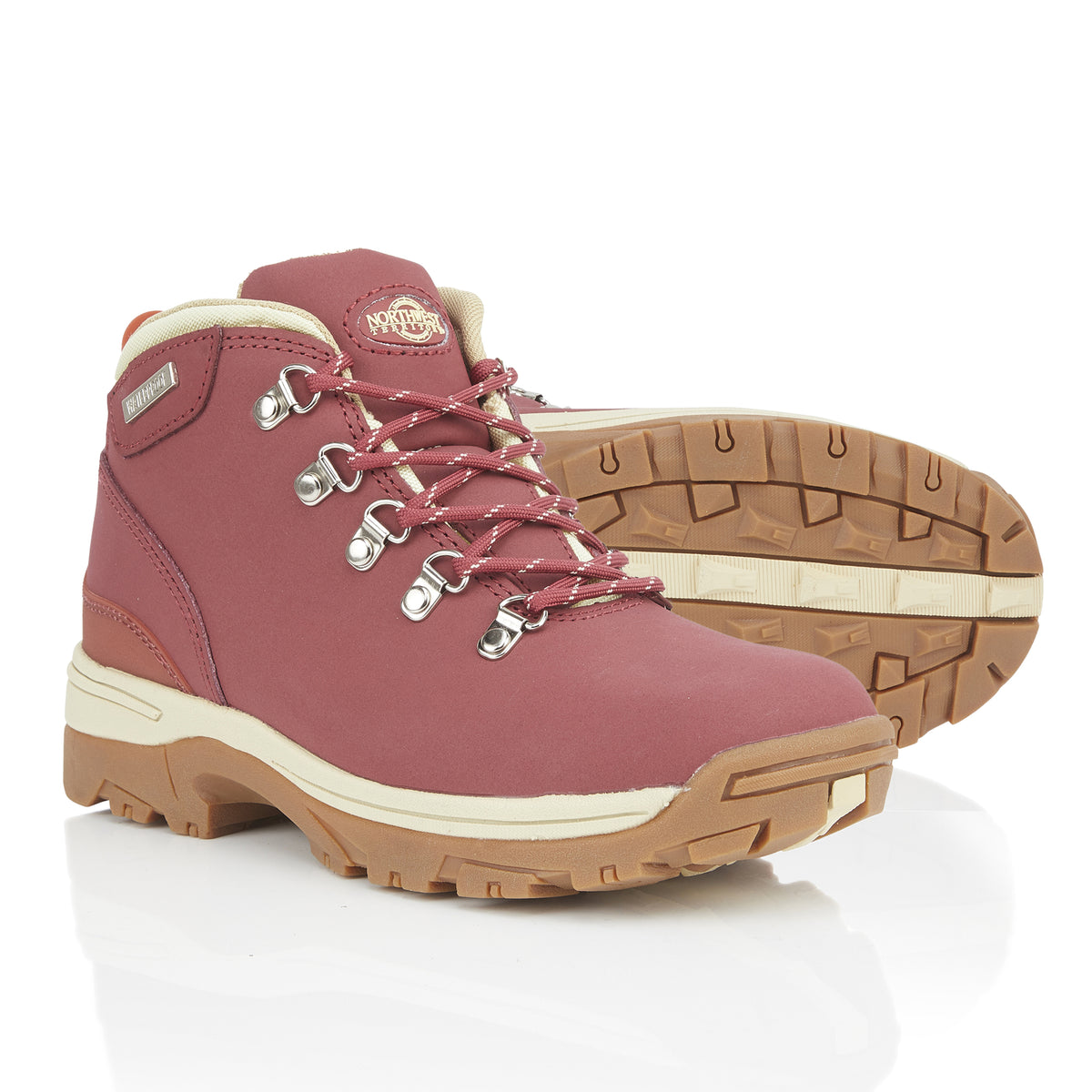
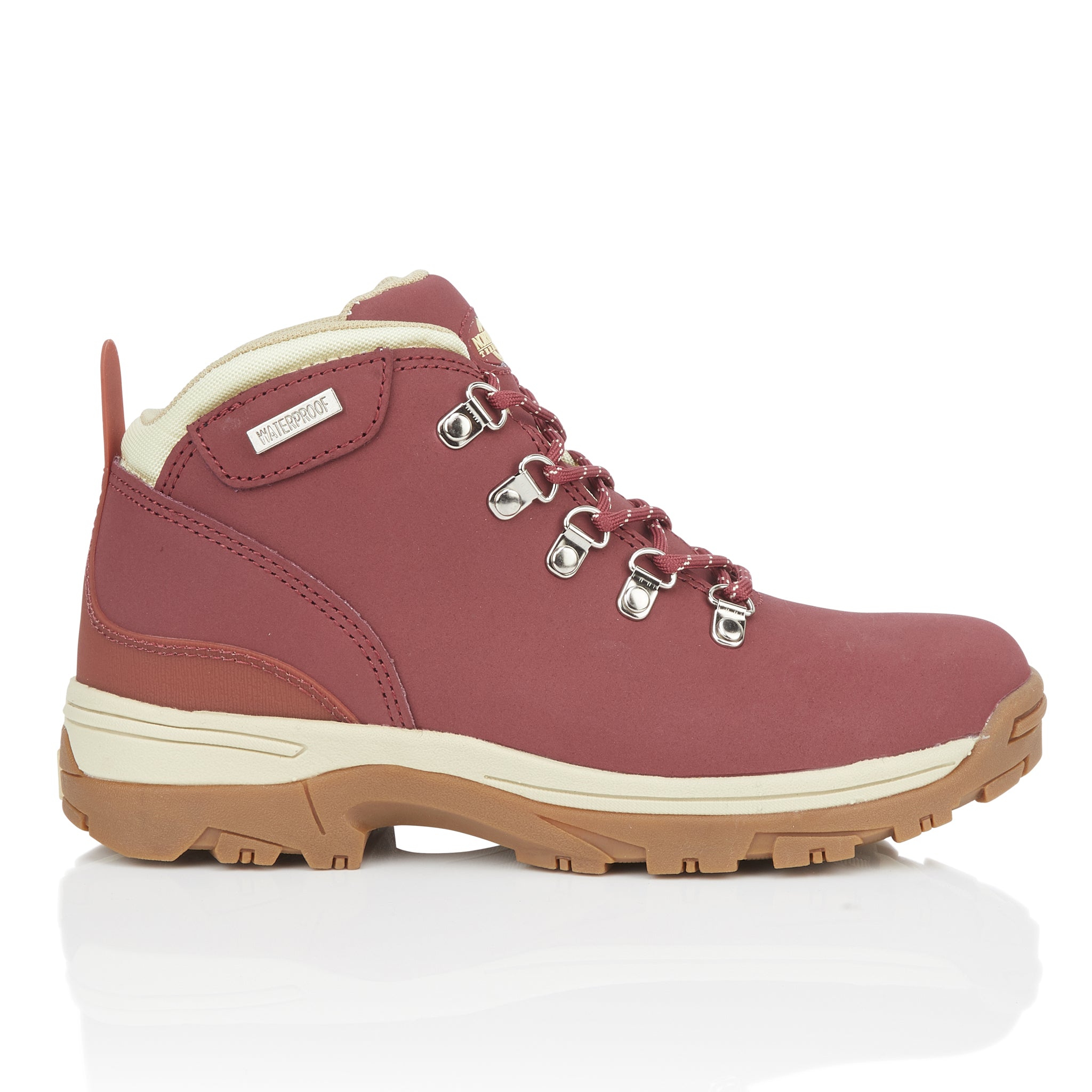
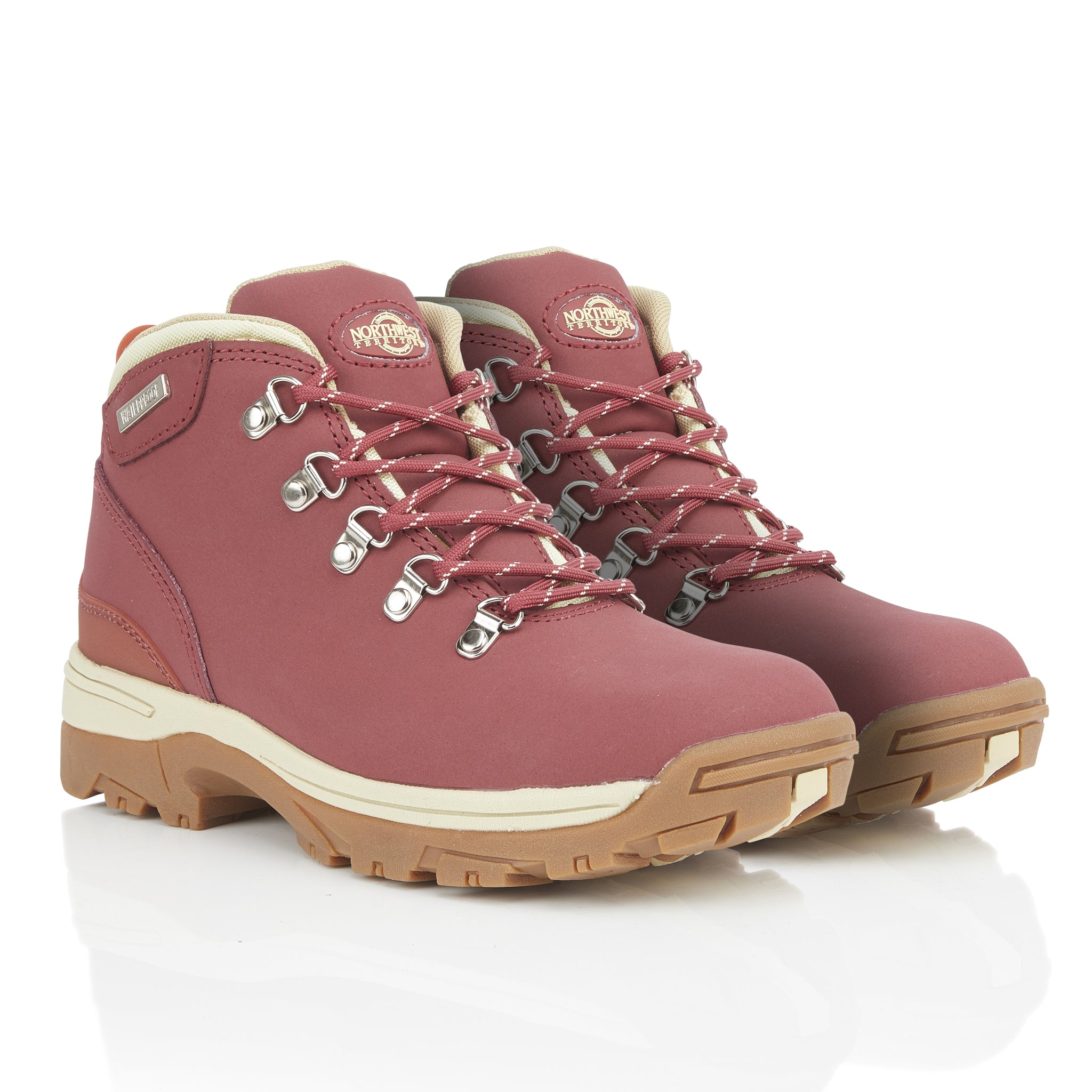
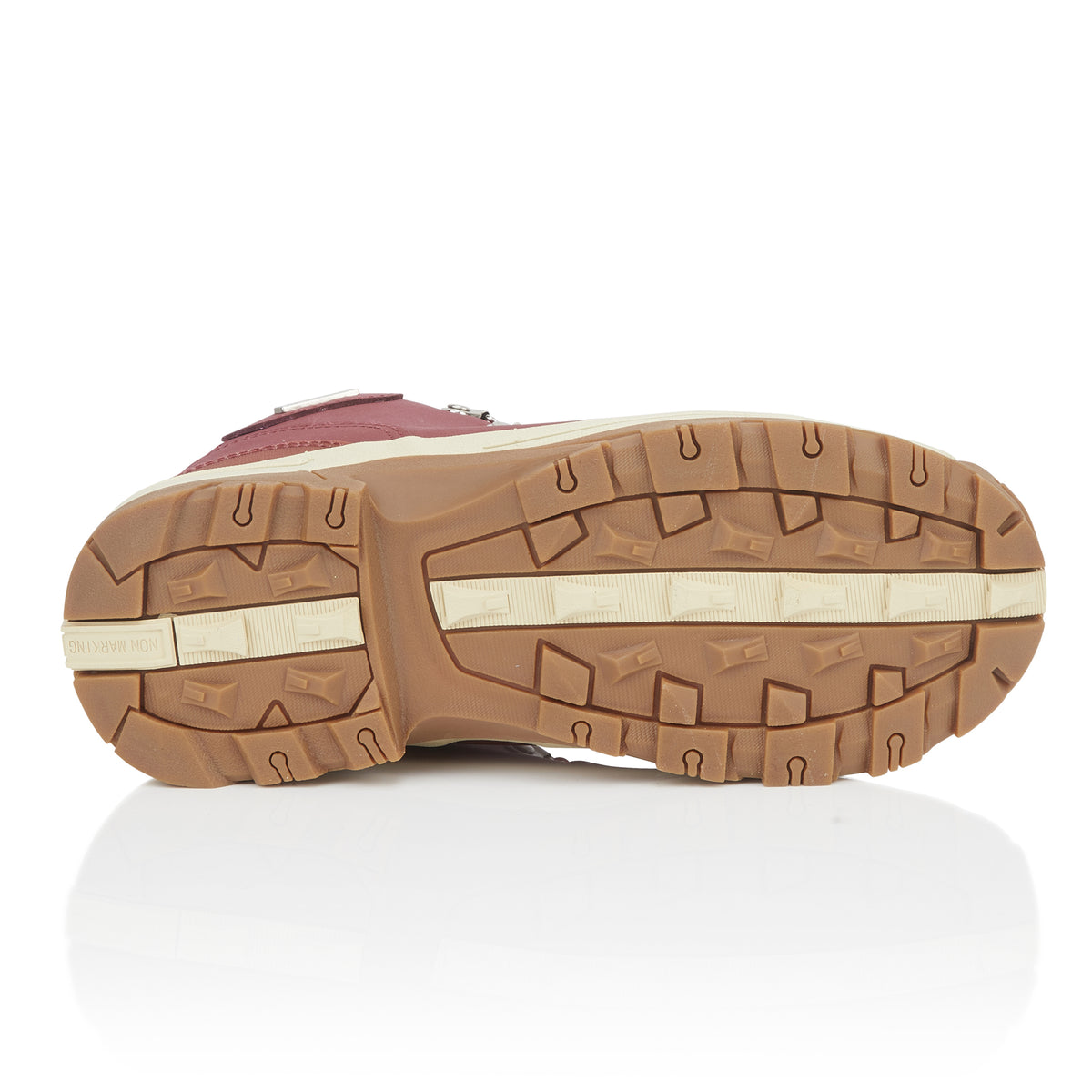
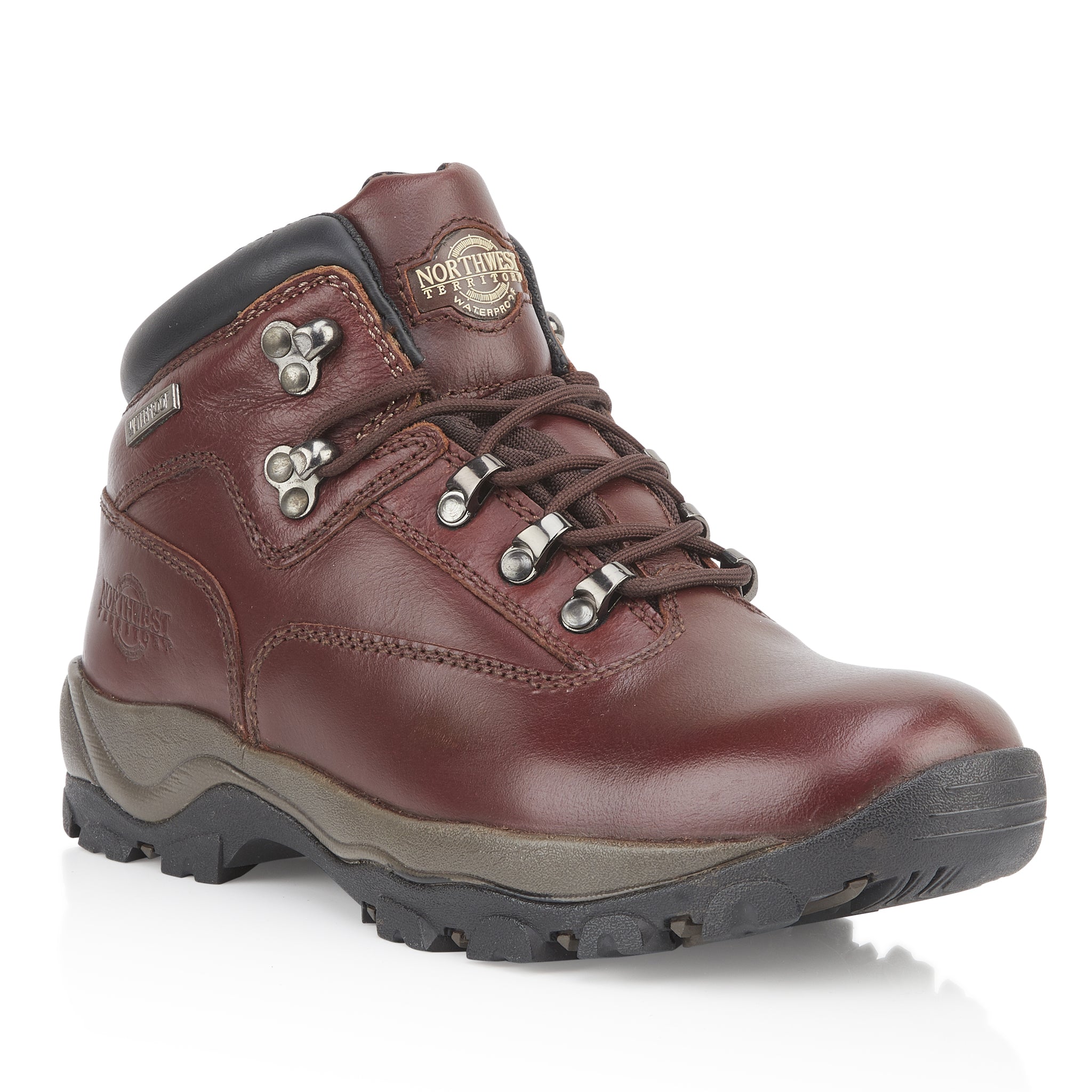
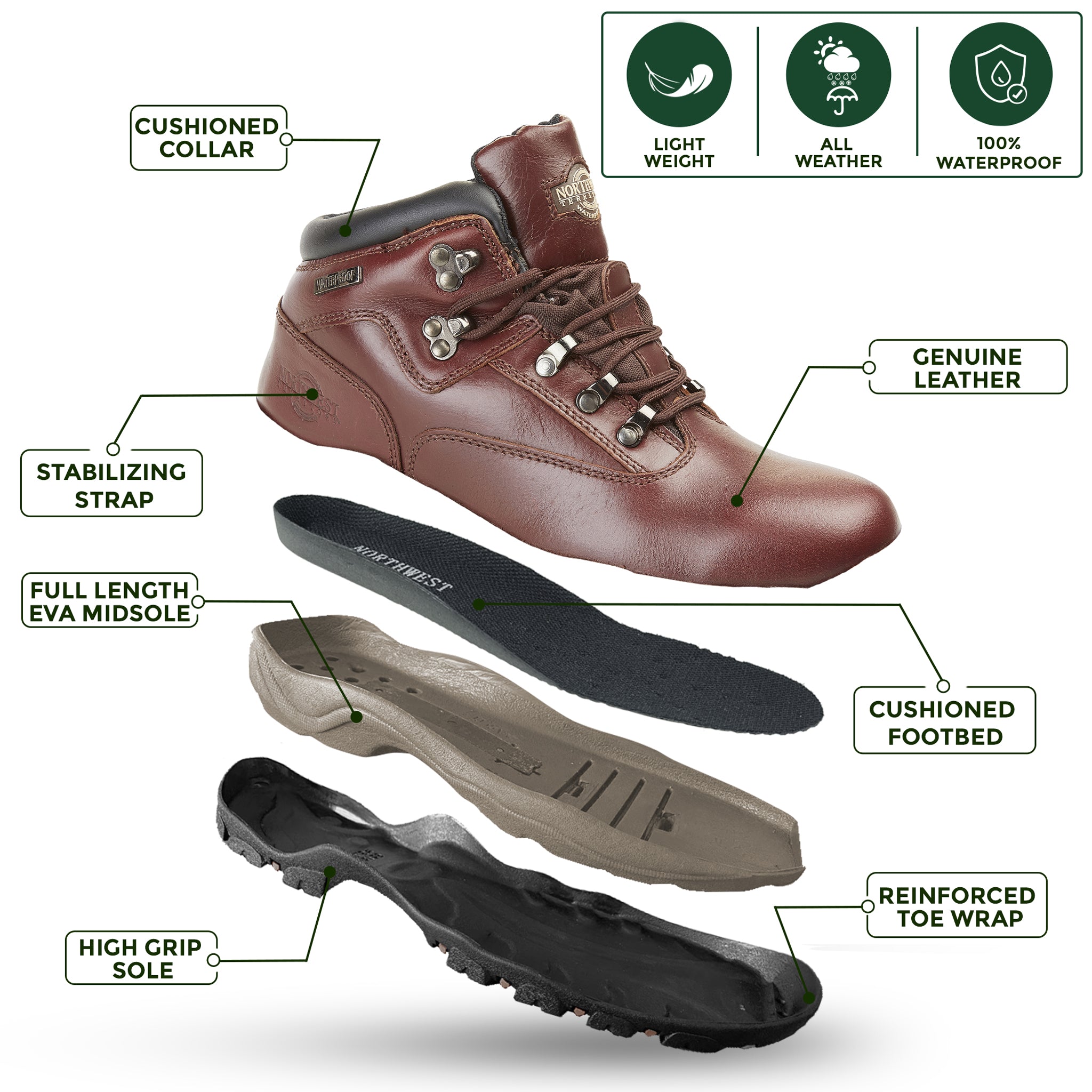
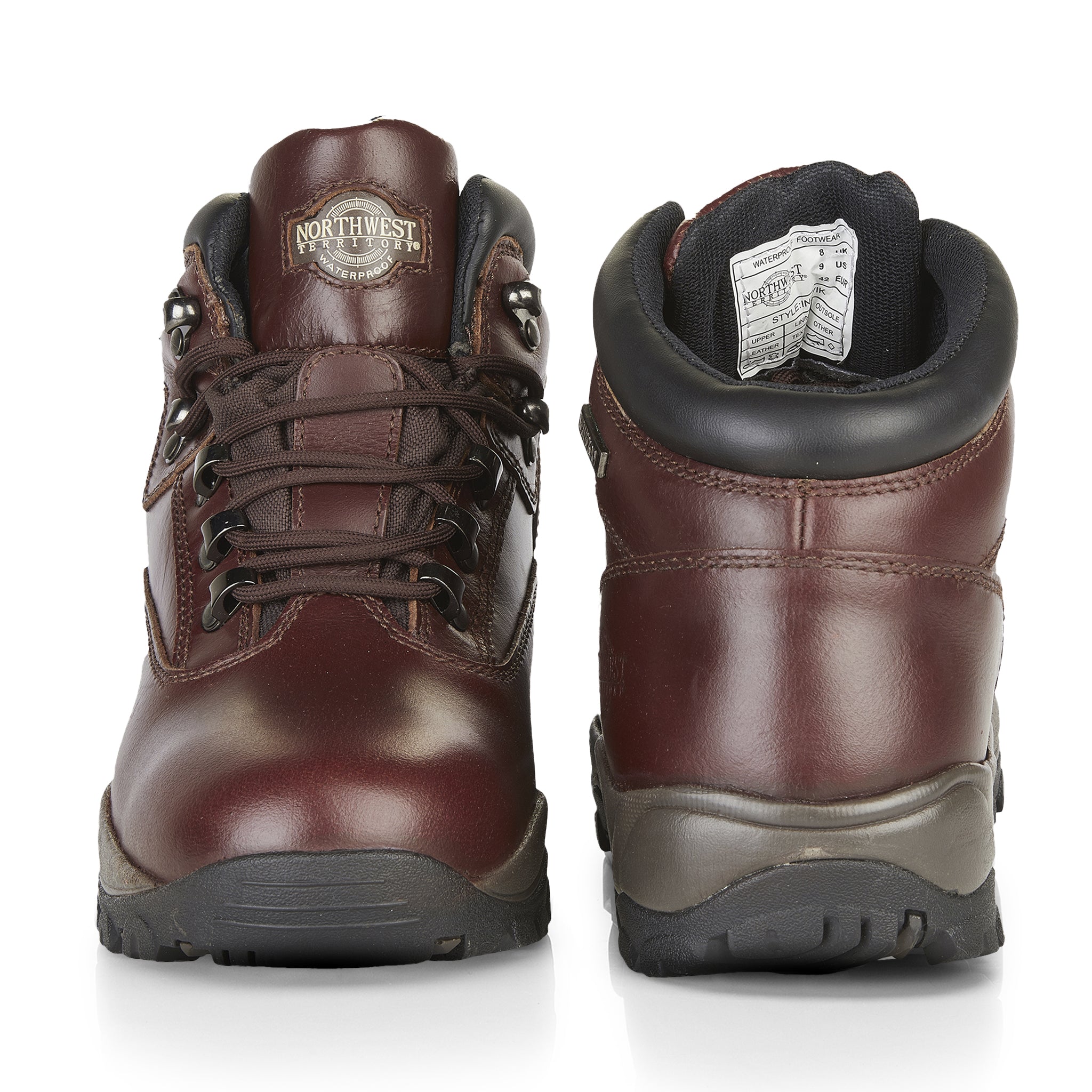
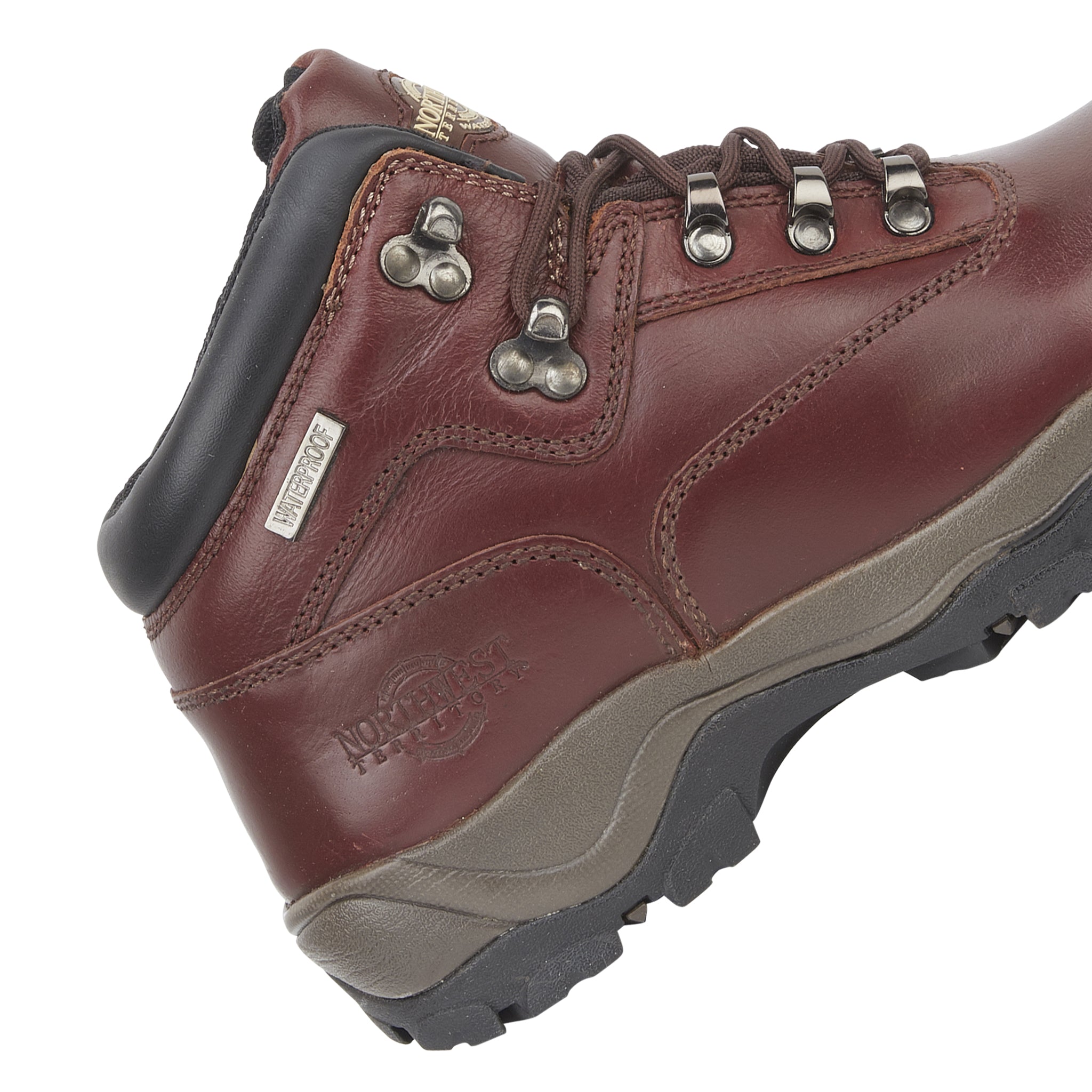
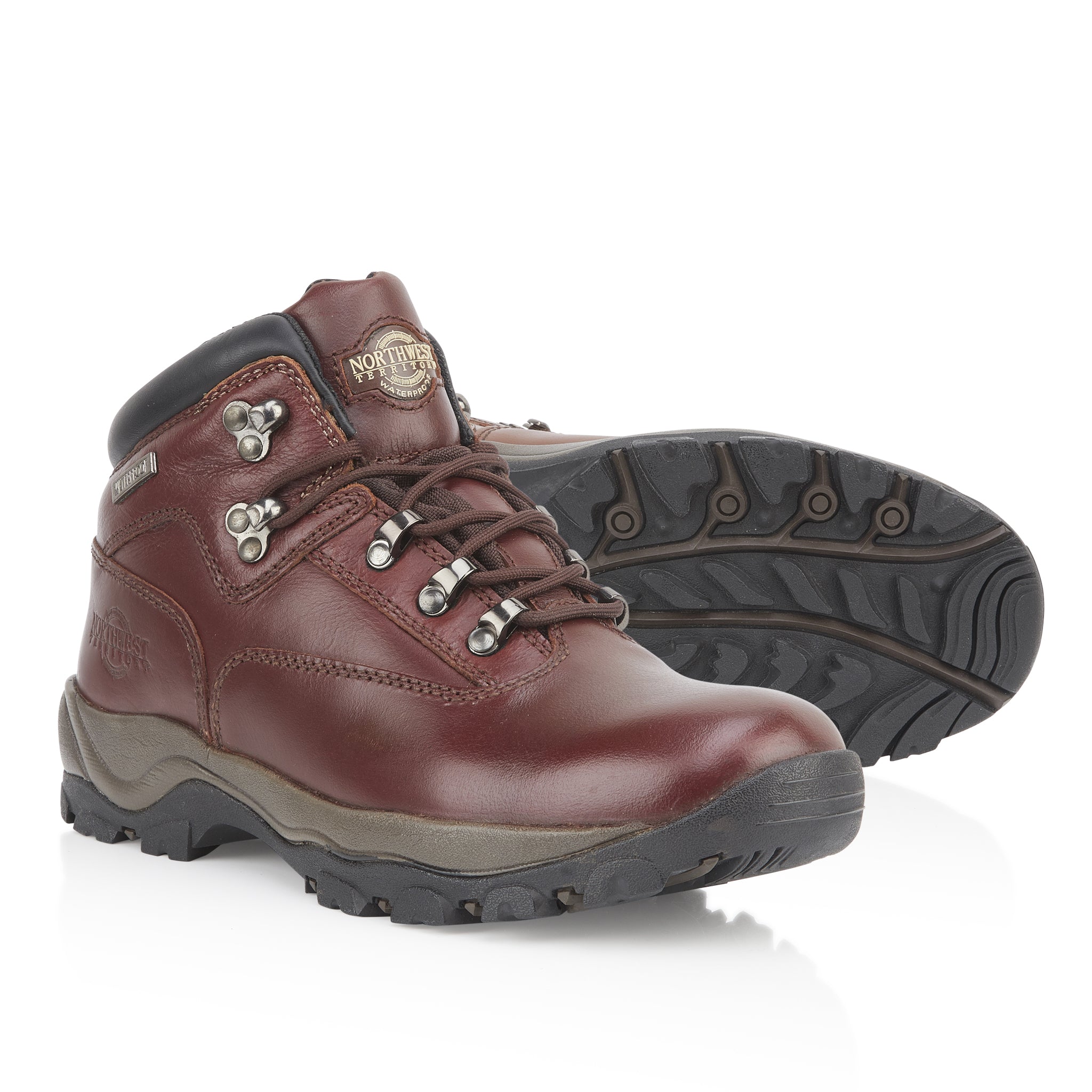
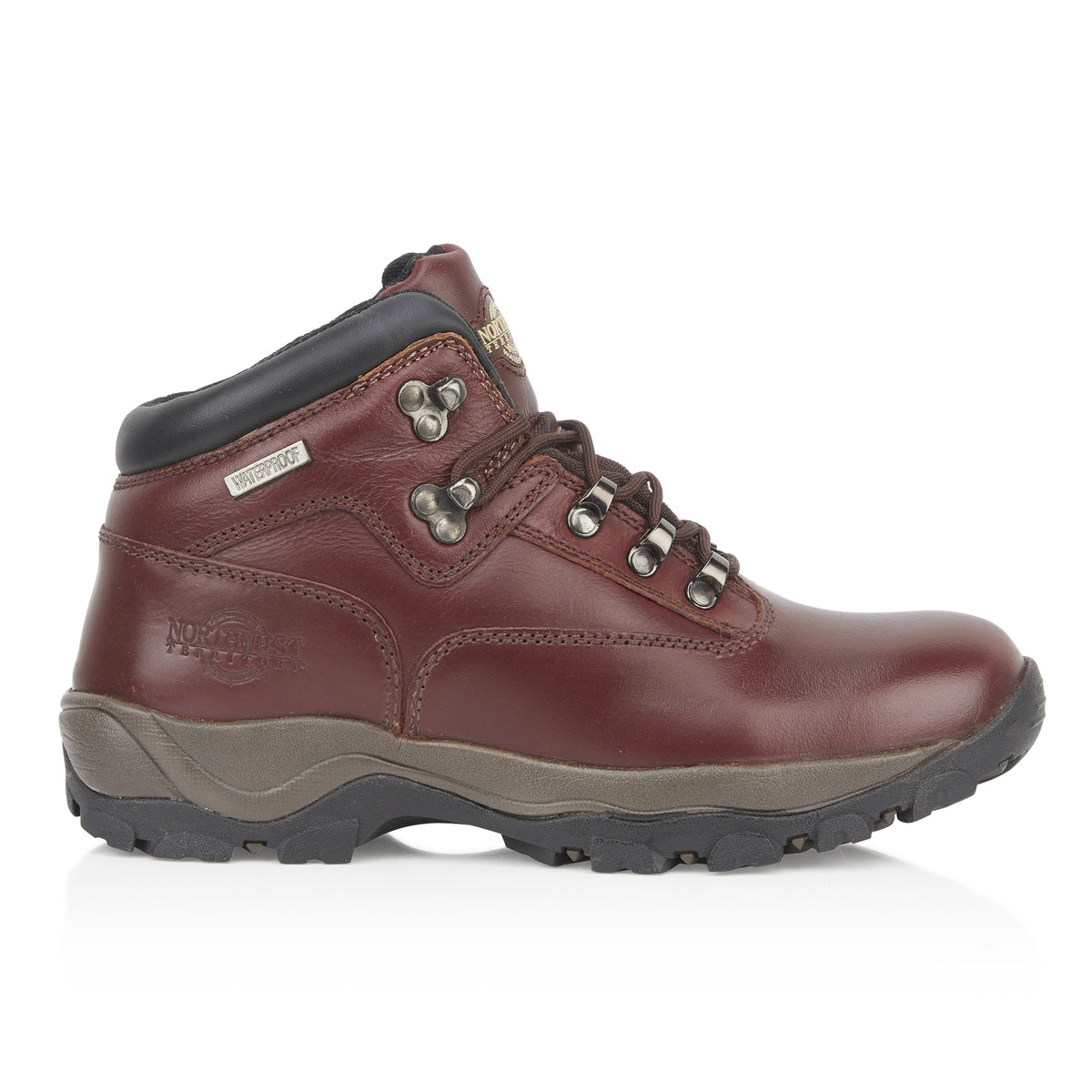
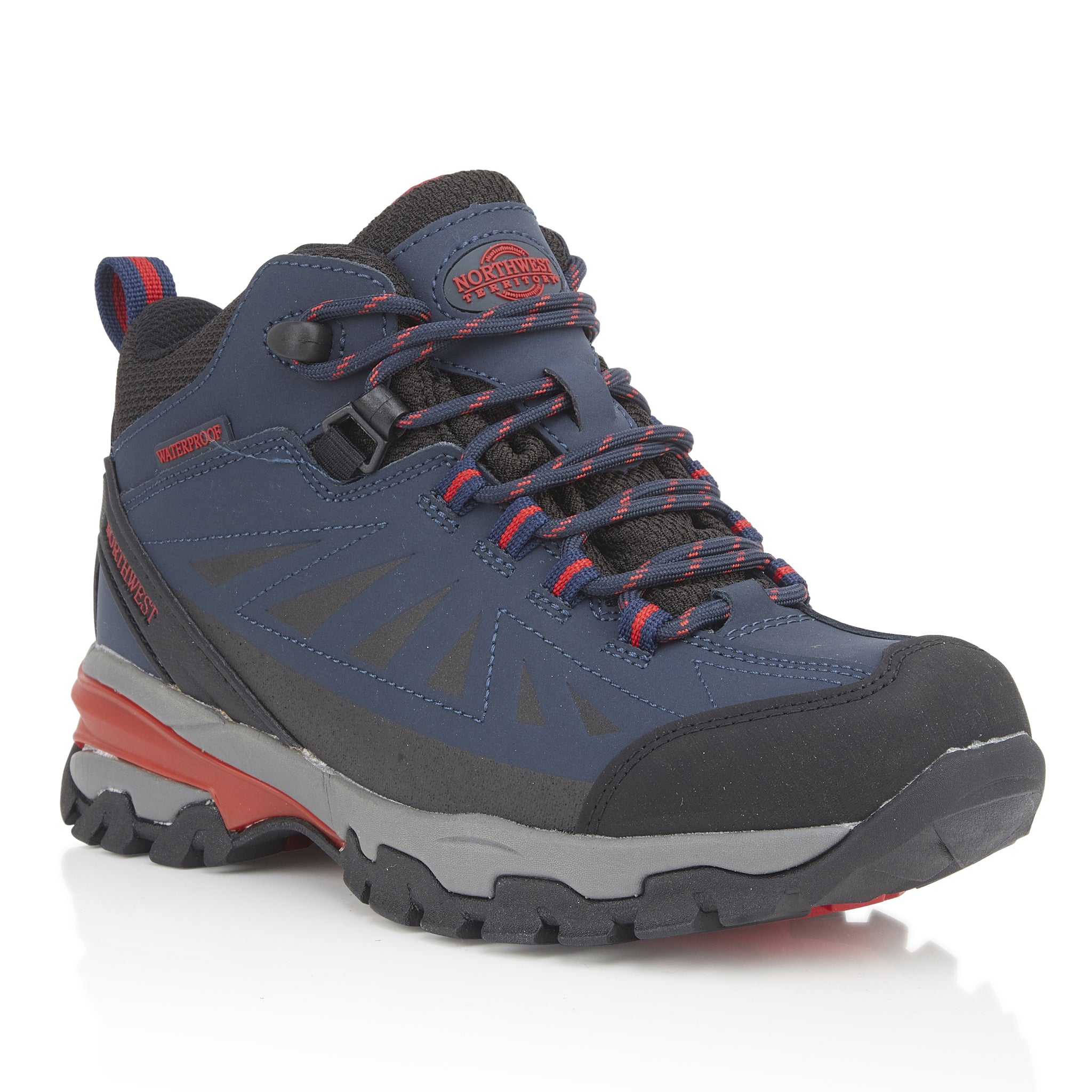
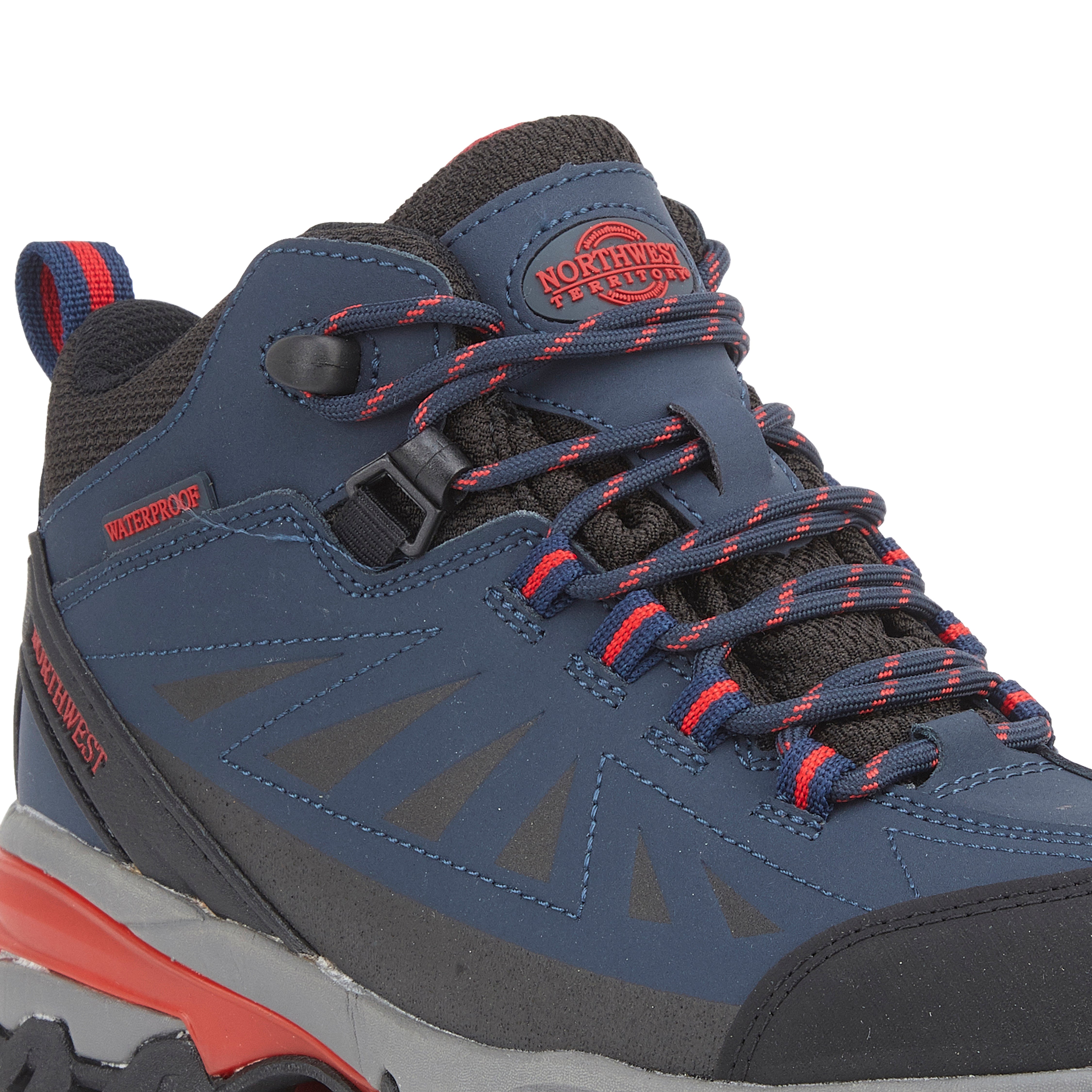
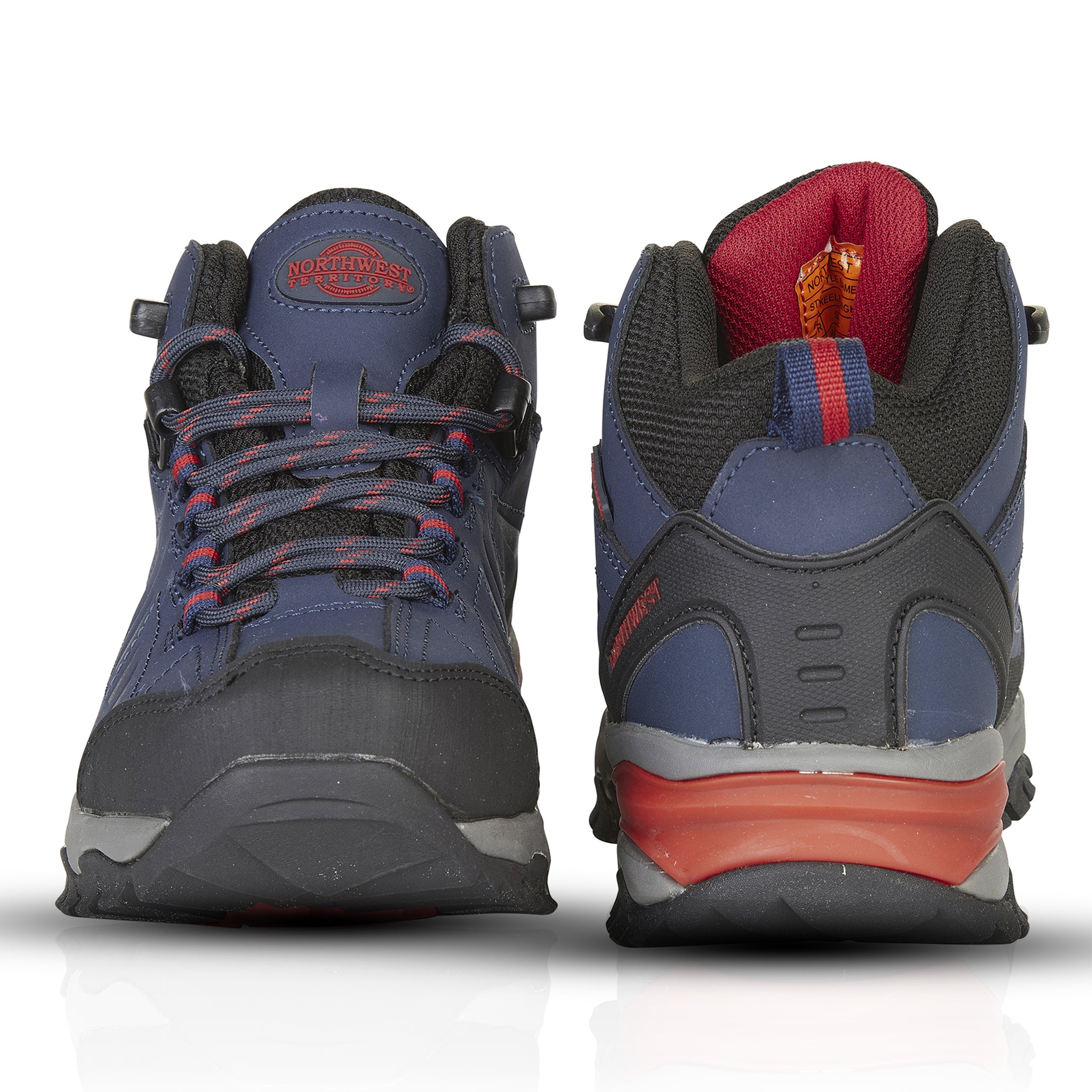
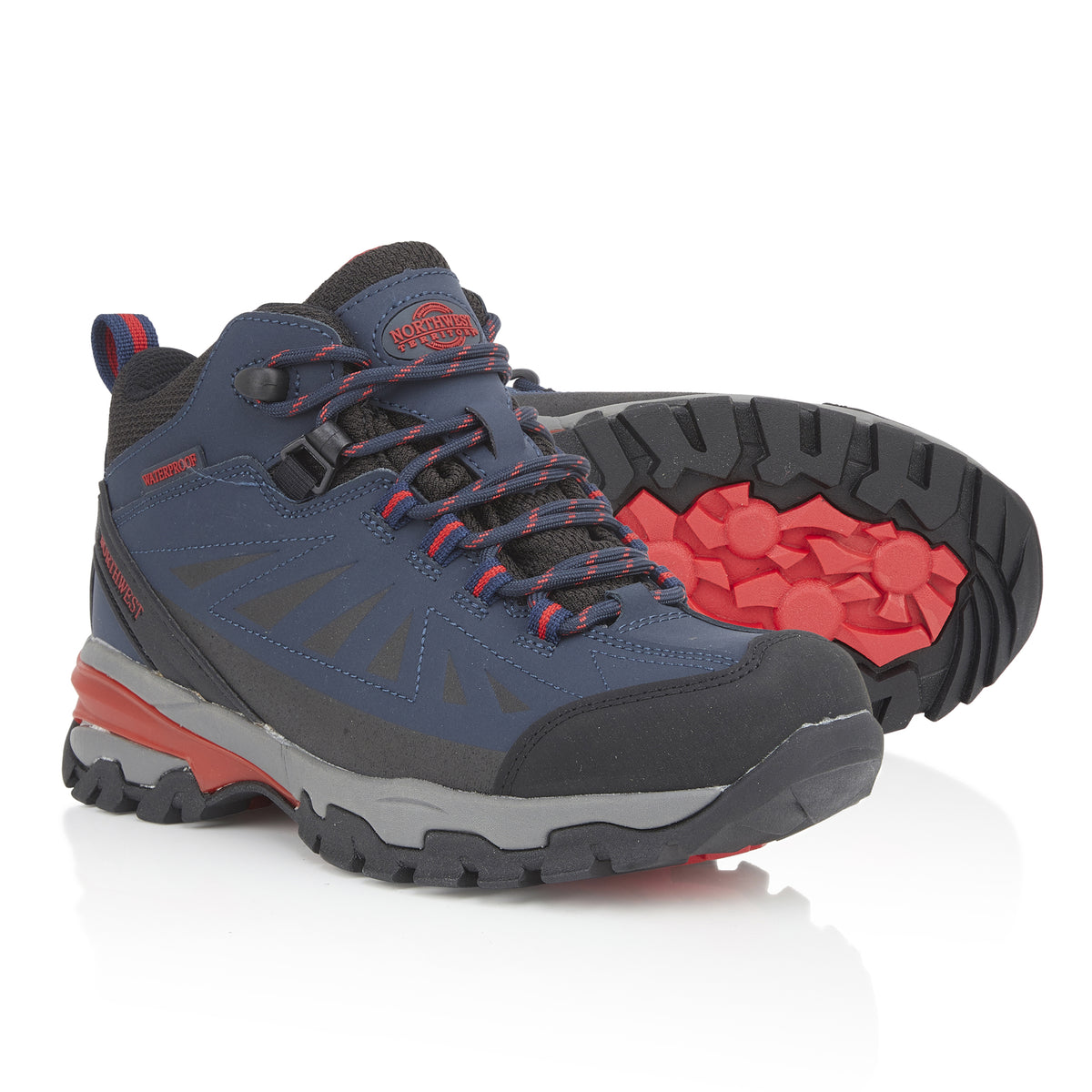
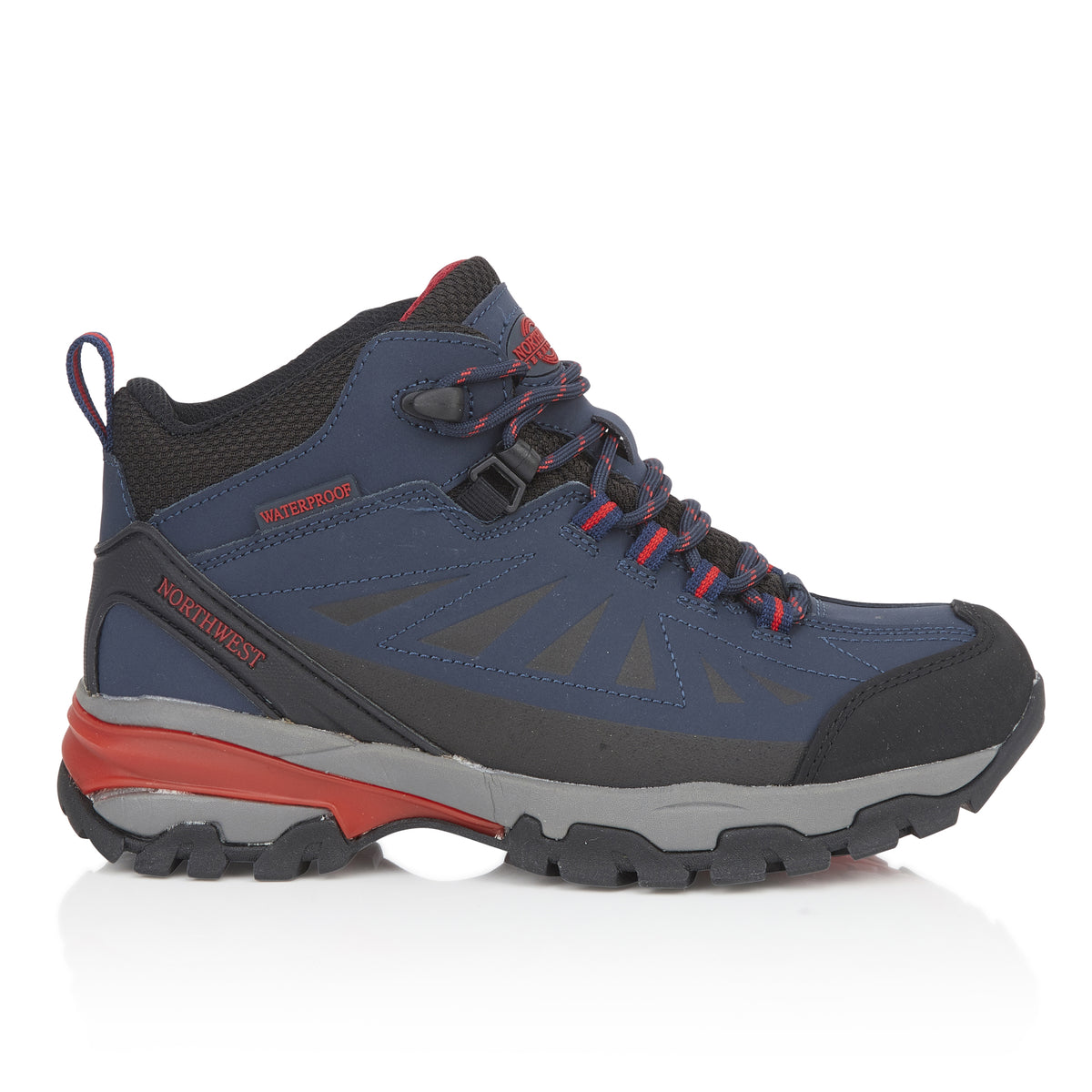
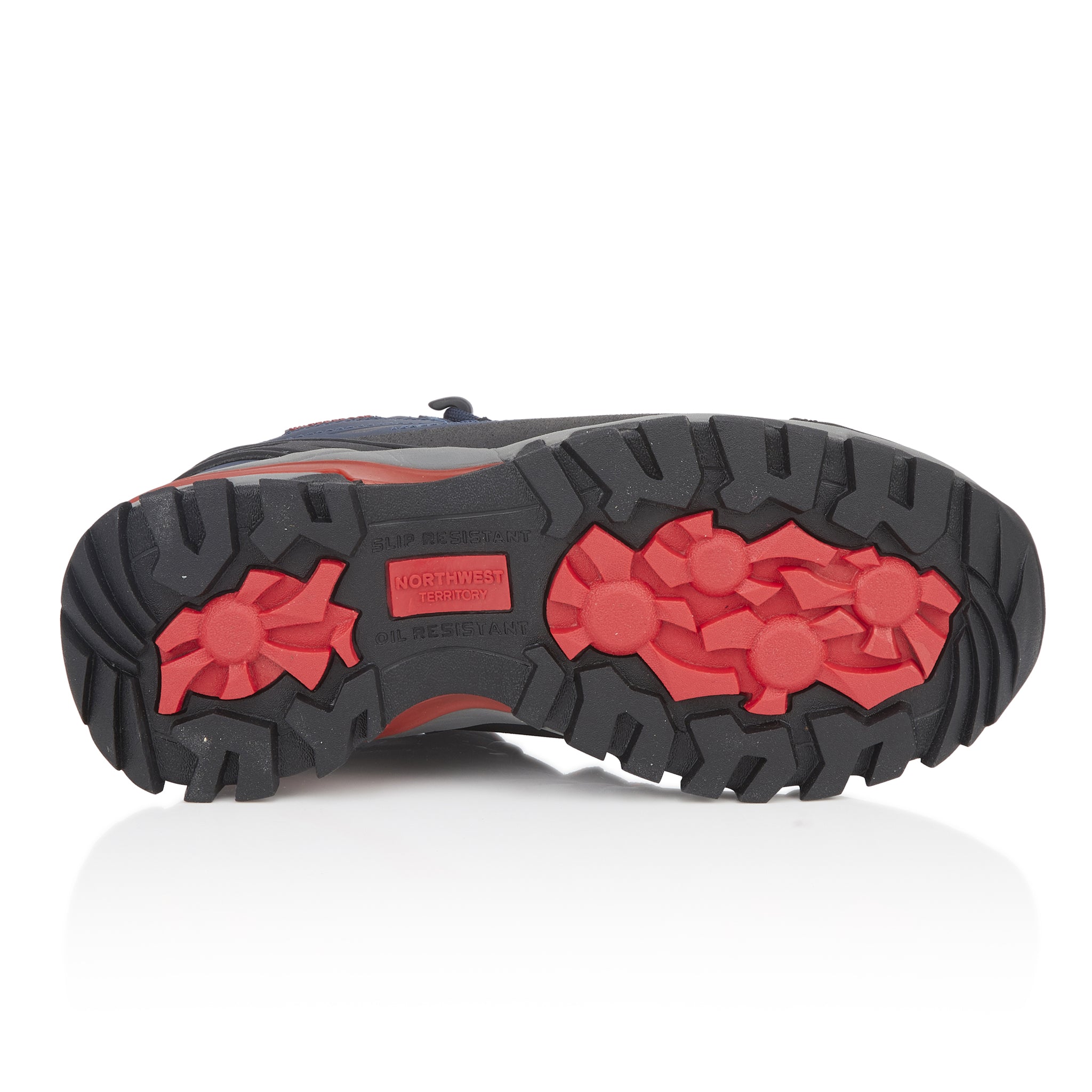
People often ask us which pair is the "best". The honest answer is that it depends on what your weekends usually look like. If your walks are a mix of local parks, woodland trails, country lanes and the odd weekend away, we'd usually start by showing you the Munro Women's Leather Waterproof Walking Shoes. They're the kind of shoes that don't ask much from you. Put them on, head out and get on with your day.
We've found they're a popular choice with women who want one pair that works in different situations. A morning dog walk, an afternoon exploring somewhere new or a few hours wandering around a market town - they feel just as comfortable in one setting as they do in another.
That’s really where they earn their spot. They don’t feel totally out of place on a pavement, but they're ready when the footpath turns into gravel, or the weather shifts midway through the afternoon.
We’ve had customers tell us they got walking shoes for just one holiday, then a few months later, they noticed they were now the pair sitting by the front door because they were simply the most comfortable shoes they own.
For us, that is usually a clear little sign they've chosen well. Each one suits a different way of walking. That's usually a much better way to choose than comparing a long list of features.
Which Walking Shoes Should You Buy?
There's no prize for buying the most technical shoe. In fact, that's probably one of the biggest mistakes people make. It's easy to imagine future adventures and buy for those instead of the walks you already enjoy.
The reality is that most weekends are fairly simple. A stroll with the dog, a walk through the local woods, a family day out or a holiday where you end up covering far more ground than expected. That's exactly the sort of walking a good pair of walking shoes for women is made for.

At Northwest Territory, we've always thought the right footwear should nudge you outside more, not leave you second-guessing whether you picked the wrong pair, you know.
Choose shoes that fit your routine, not somebody else’s life. If they still feel easy when you’re heading back to the car a couple hours later, then yeah… chances are you made the right call.
Buying walking shoes, honestly, doesn’t have to feel all that complicated.
Try to toss the marketing terms for a second and ask yourself where you really spend most of your time. That’s usually the best little starting point.
If your weekends are more countryside paths, local parks, holidays, and those everyday rambles, then a comfortable pair of walking shoes for women will likely get way more wear than something made just for demanding hikes.
At Northwest Territory, we always encourage people to buy for the walks they do every week, not the ones they might do once a year. In our experience, those are the shoes that end up by the front door, ready for the next outing without a second thought.
Frequently Asked Questions
1. Walking shoes vs trainers, which should I choose?
If most of your walking is around town, trainers are usually enough. If you're regularly heading onto uneven paths, muddy tracks or countryside trails, walking shoes tend to offer better grip and support.
2. Can I wear walking shoes instead of hiking boots?
For many day walks, yes. If you're sticking to footpaths, coastal routes or well-maintained trails, walking shoes are often all you need. Hiking boots become more useful once the terrain gets rougher or you're carrying a heavier pack.
3. Should walking shoes feel tight?
No. Walking shoes should feel secure without being restrictive. Your heel should stay comfortably in place while your toes have enough room to move naturally, particularly on longer walks.
4. Are lightweight walking shoes better?
Lightweight walking shoes are ideal for everyday countryside walks, holidays and regular outdoor use because they reduce fatigue. If you regularly tackle rough terrain, you may prefer shoes with a little more structure and support.
5. What should I wear with walking shoes?
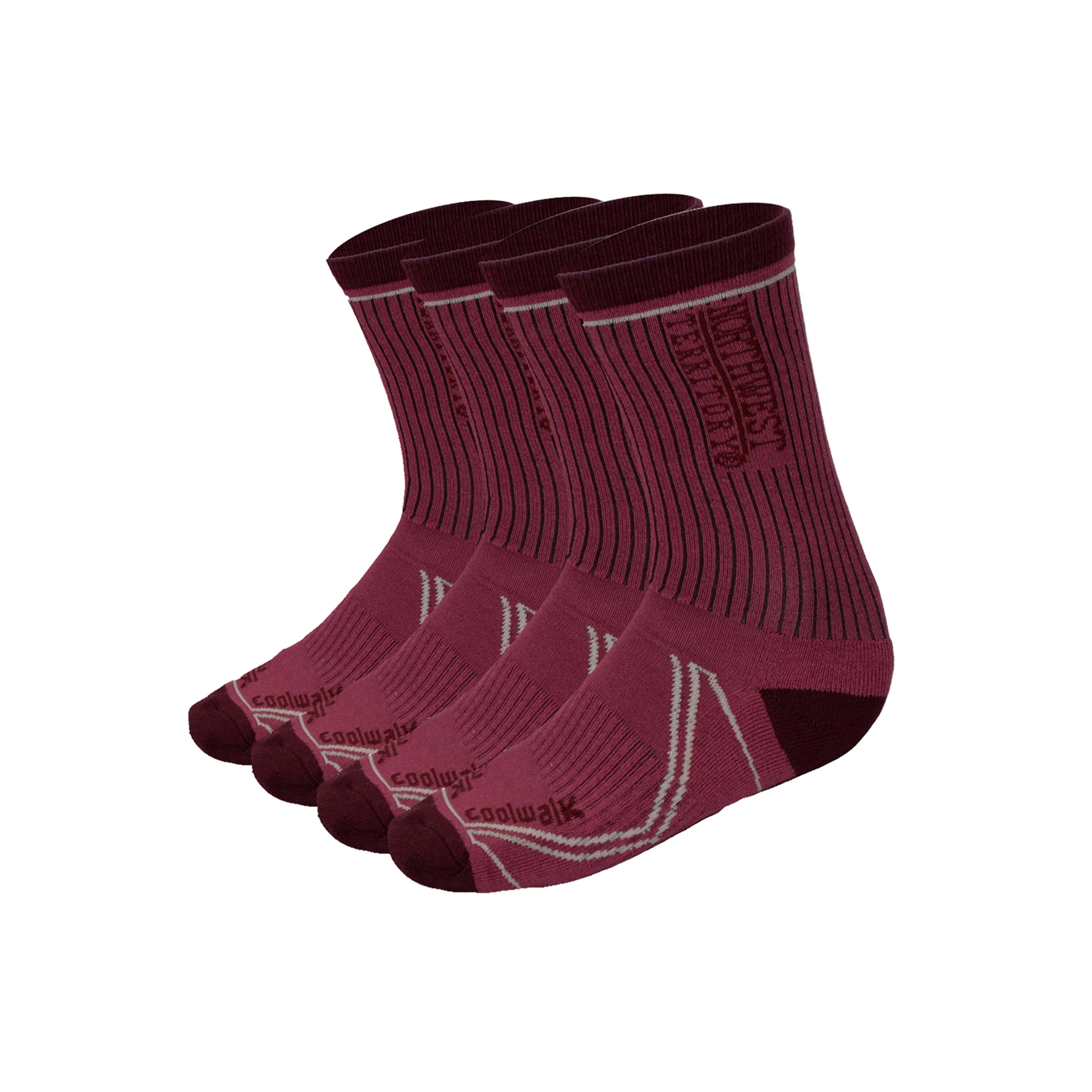
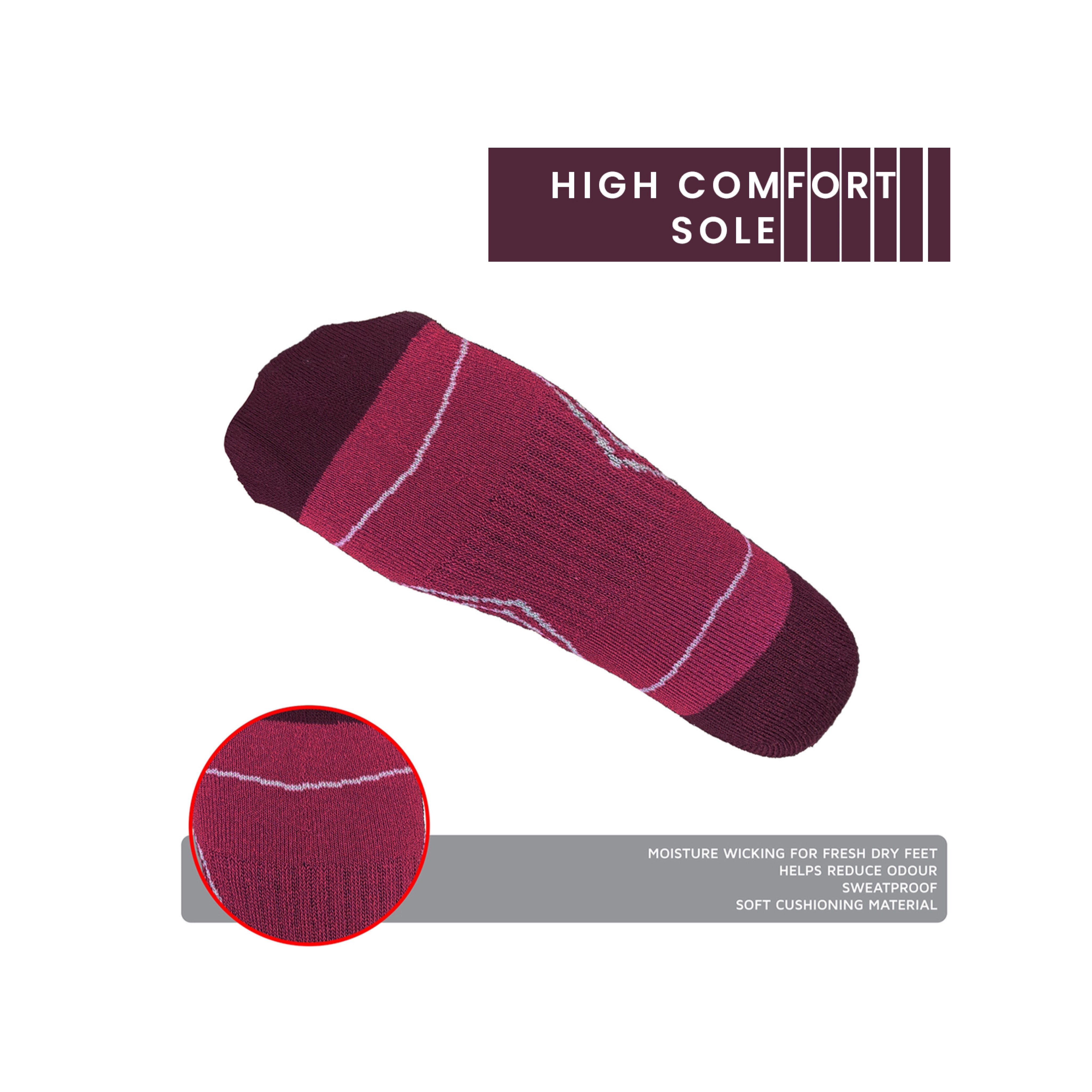
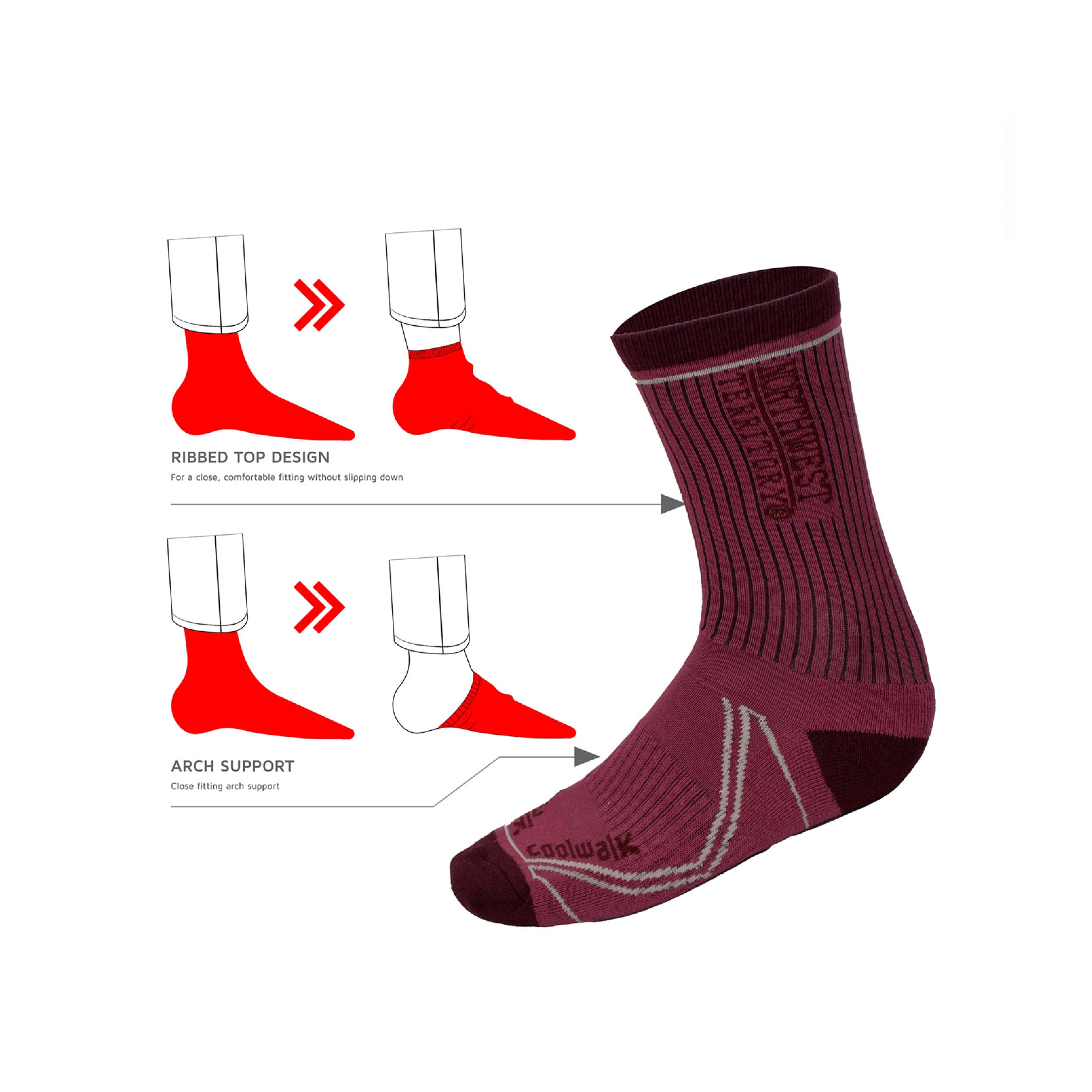
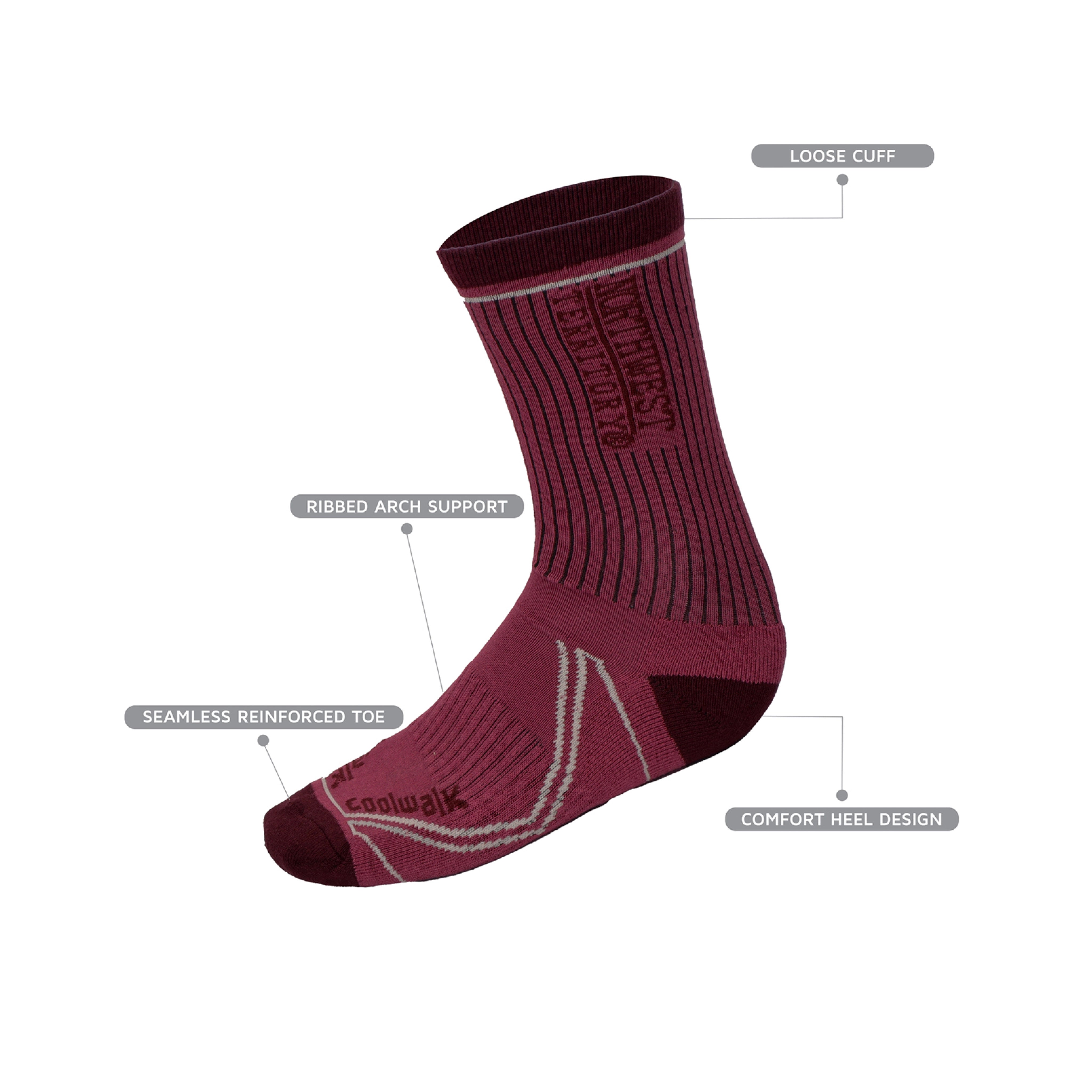
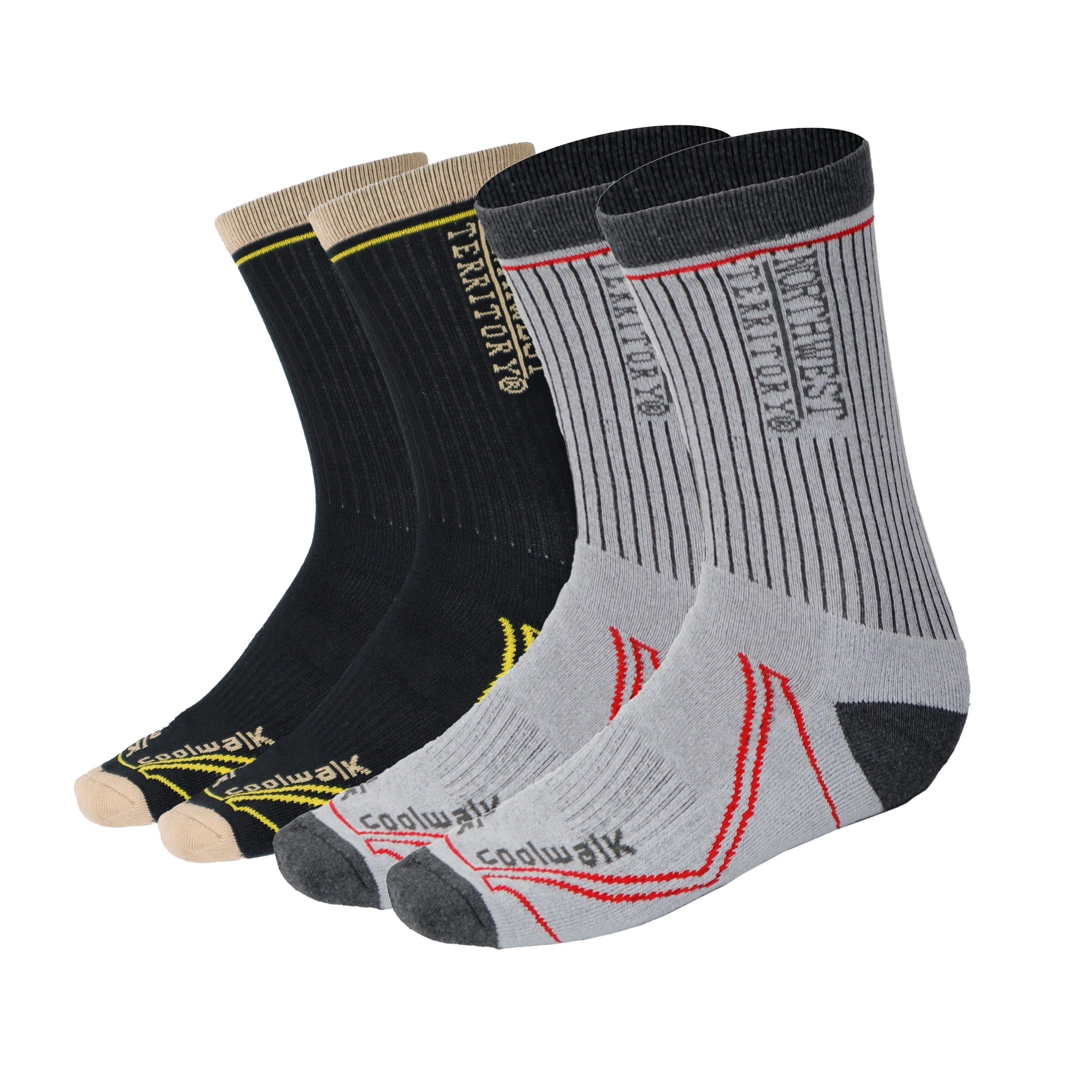
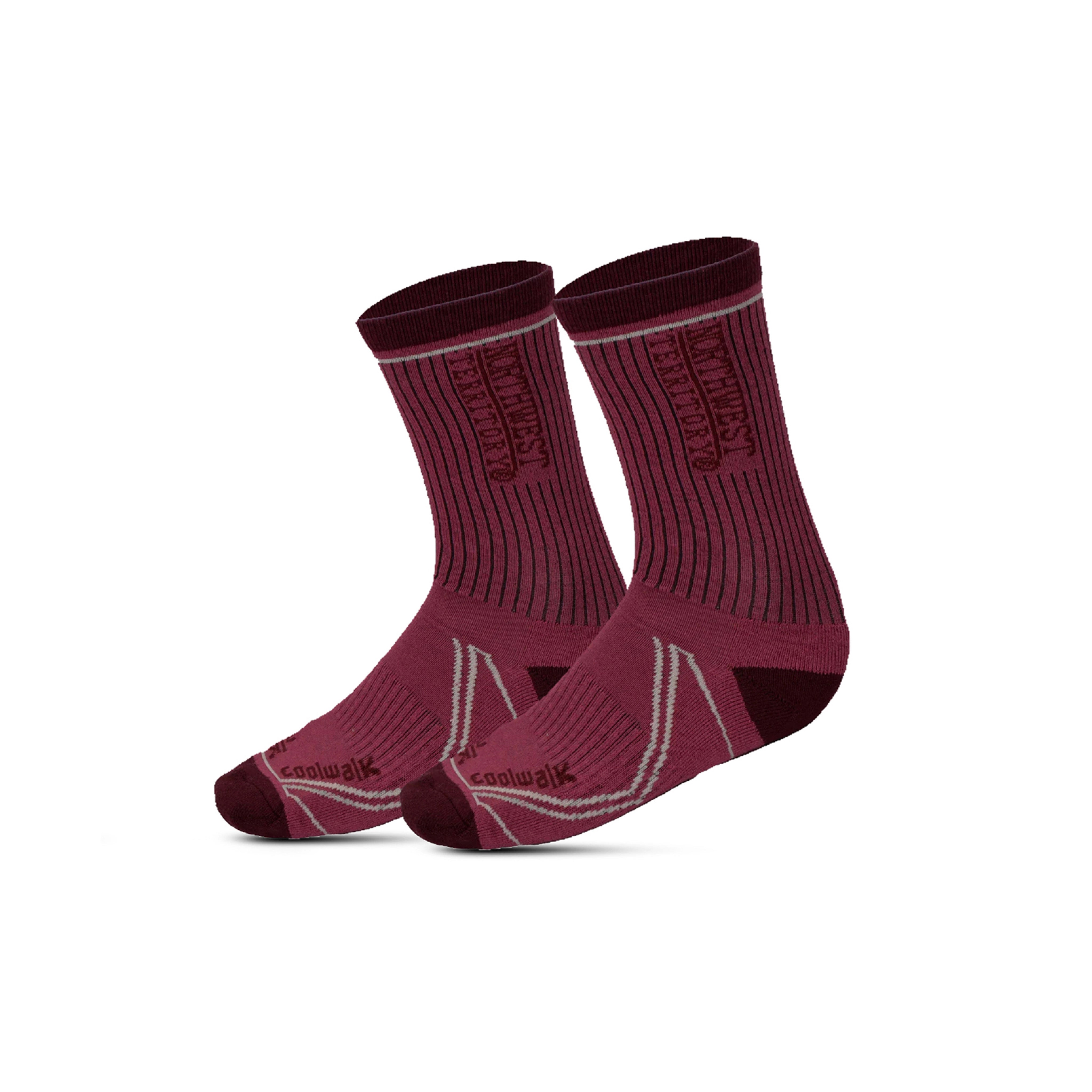
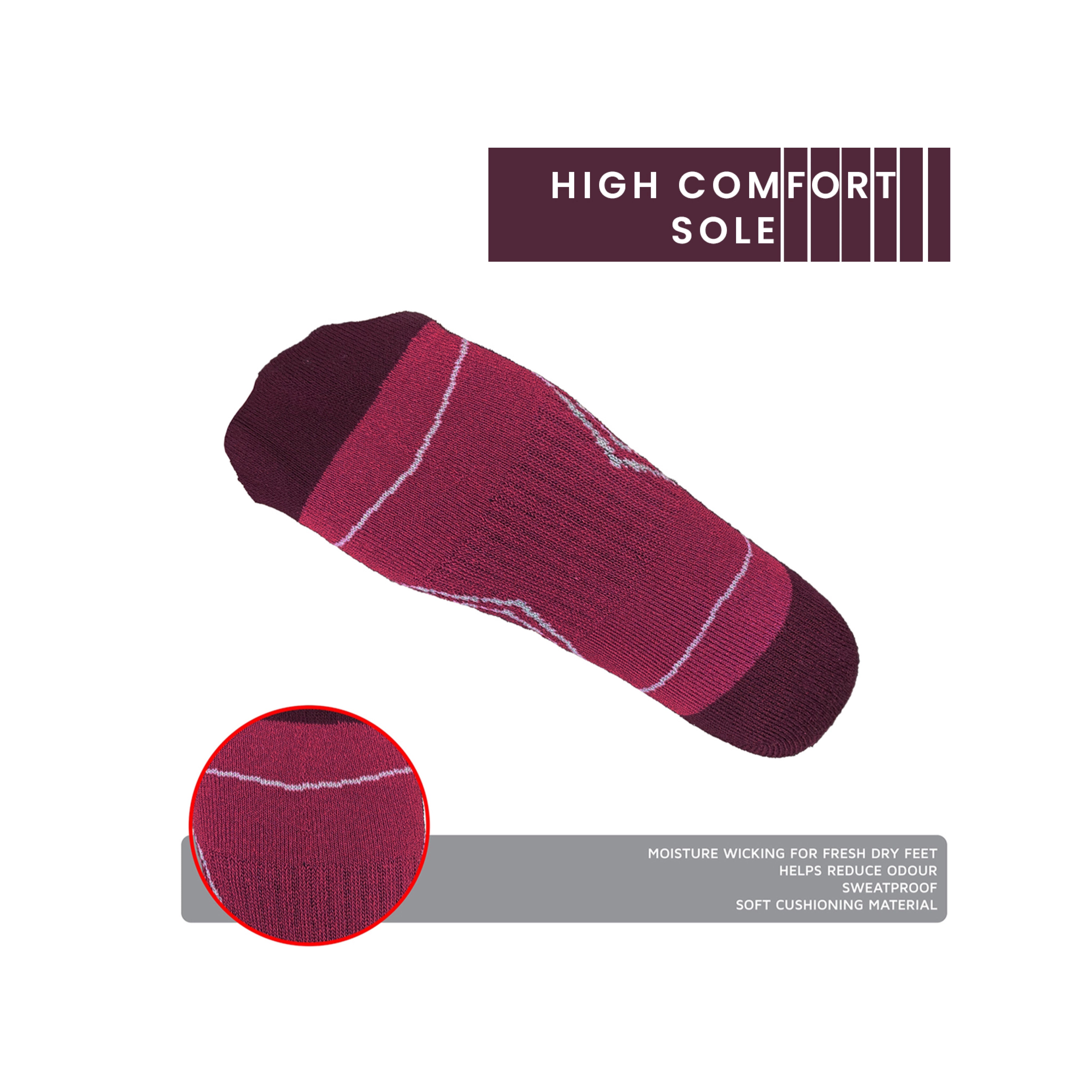
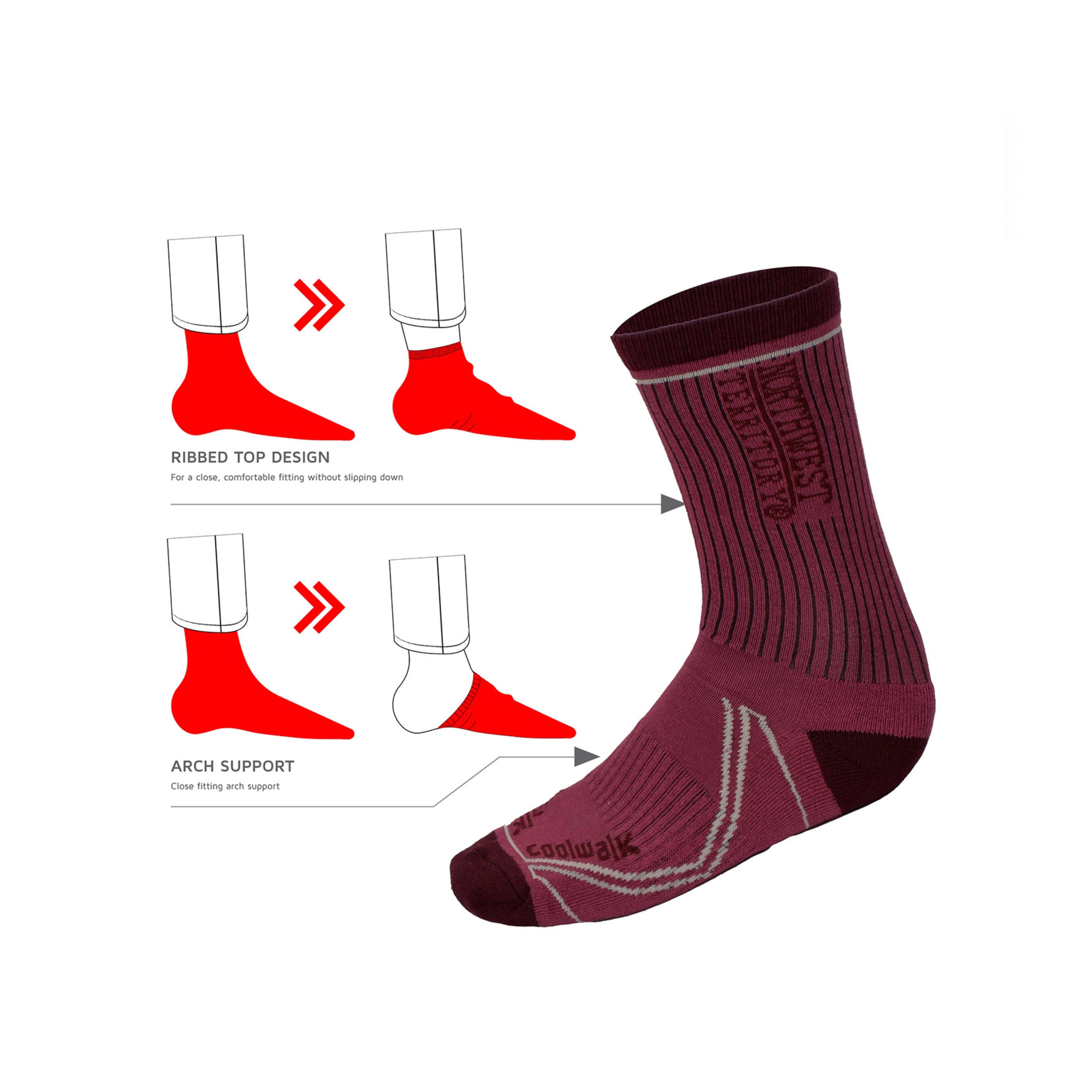
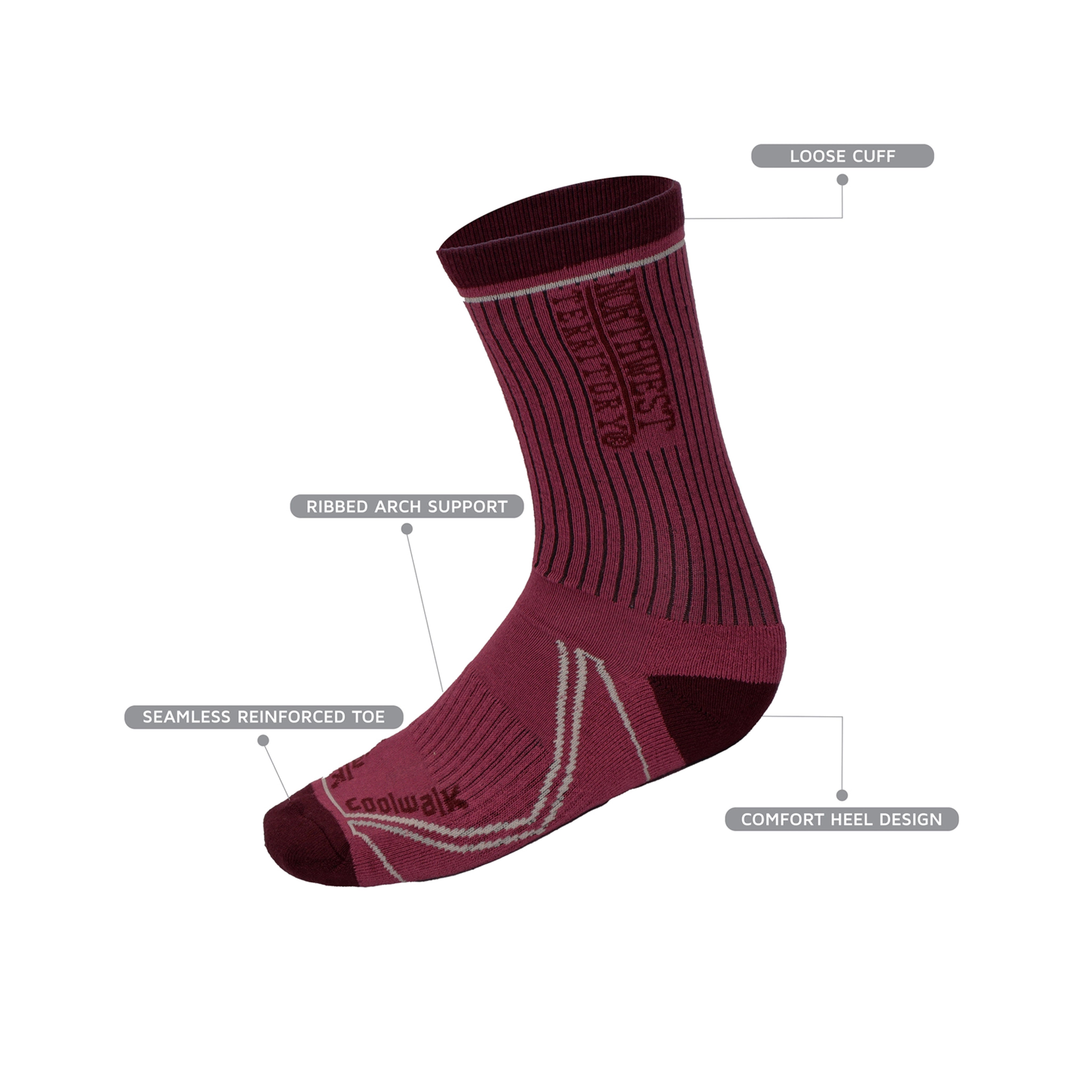
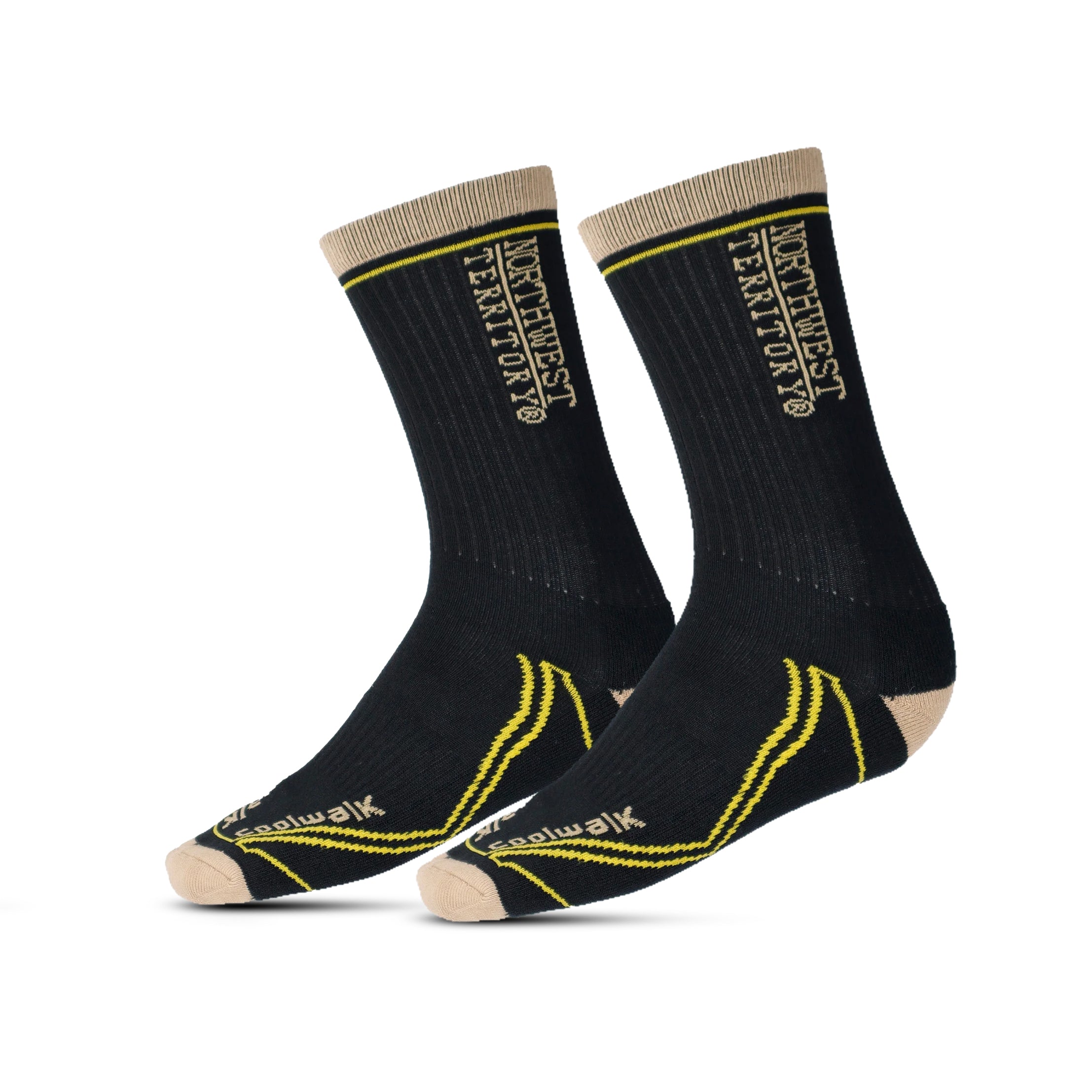
For the best walking experience, pair your walking shoes with quality walking socks and comfortable outdoor clothing. Breathable layers and suitable walking trousers help keep you comfortable during longer walks, whatever the season.