
Buying walking shoes sounds easy until you're actually trying to buy a pair.
You open a few tabs, compare a handful of styles, and before long, you're looking at terms like arch support, waterproof membranes and grip technology. An hour later, you're no closer to making a decision.
The truth is, most people don't need the most technical shoe on the market. They need something comfortable, reliable and suited to the places they actually walk.
At Northwest Territory, we've noticed something over the years. People often shop for the walk they're dreaming about rather than the walks they're already doing. There’s nothing wrong with that, but it can end up with you getting walking footwear that’s way too specialised for what you really do, you know.
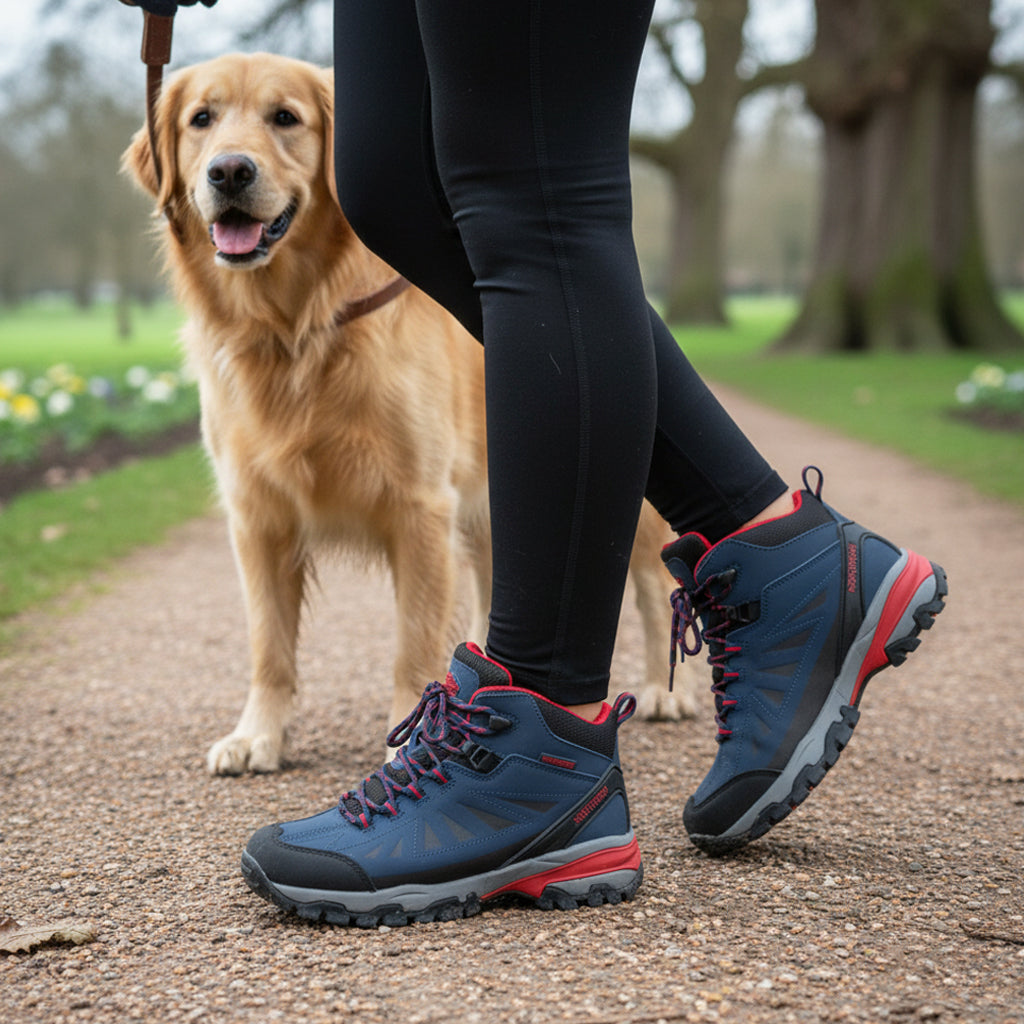
Like a Sunday walk with the dog, a wander through the countryside, or a family walk along a coastal path, all ask for a bit different things from your feet. So the best way to choose the right walking shoes basically starts with being honest about where you’ll actually wear it, not just where it looks good.

What Should You Look for When Buying Walking Shoes?
The first thing we ask people isn't where they're going. It's what they're wearing now.
Usually, the answer tells us quite a lot.
Someone who's replacing an old favourite pair is often looking for the same comfort they've enjoyed for years. Someone who's constantly dealing with sore feet usually needs something different altogether.
The biggest thing to look for is comfort. Not after a month or after you've "broken them in".
Comfort from the start. After that, think about:
-
Grip on wet or uneven ground
-
Waterproof protection
-
Support around the heel
-
Enough space around the toes
-
A weight that feels comfortable after several hours
One person described his favourite walking shoes as "the pair I never think about."
That probably sums it up better than any technical specification ever could.
Are Walking Shoes Better Than Boots?
For a lot of people, yeah.
That might sound a bit strange because boots look tougher, but most walks don’t actually need maximum protection or anything close to it.
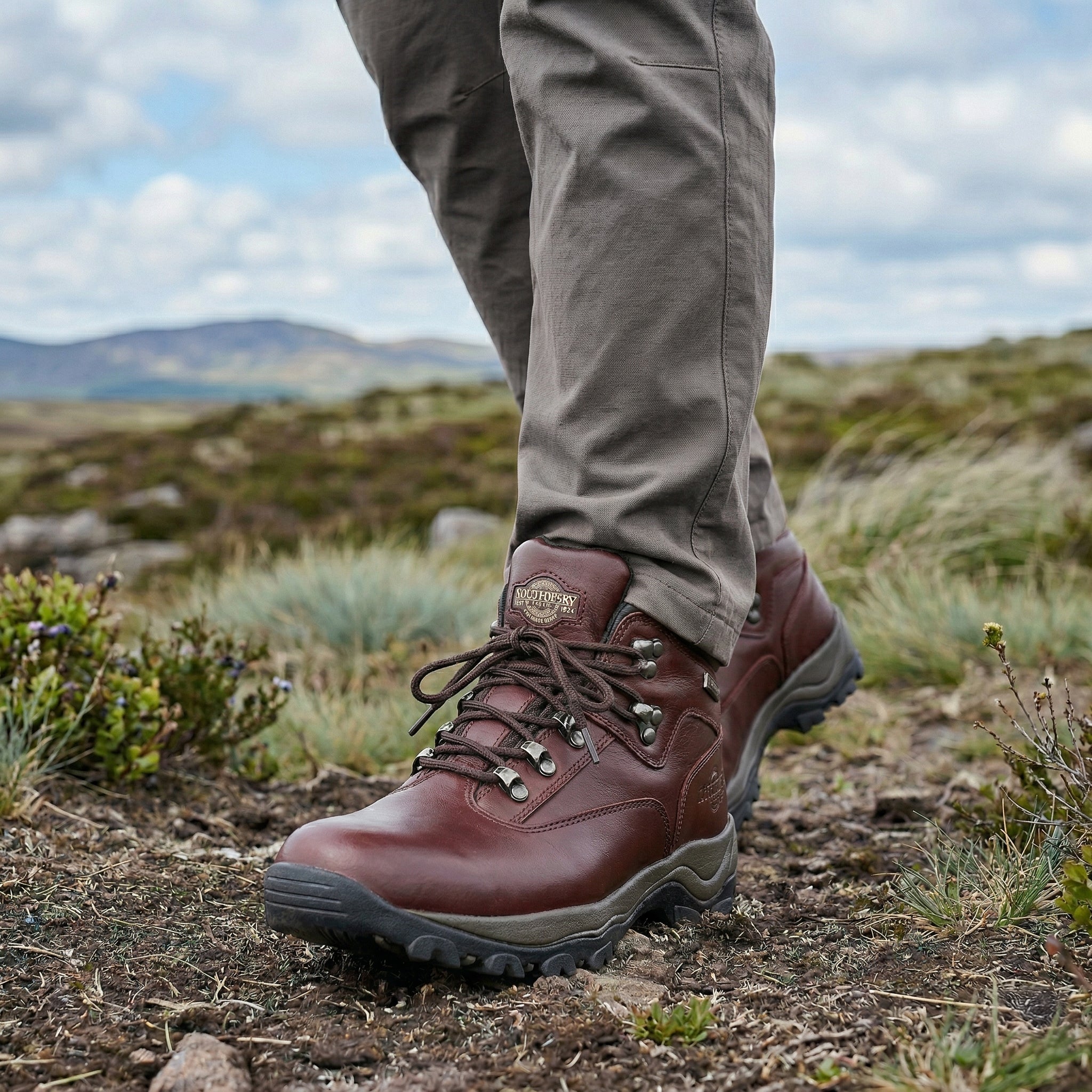
If your usual route is mainly public footpaths, woodland trails, country parks or even coastal walks, walking shoes often feel more natural; you just kind of move more easily in them. They’re lighter, easier to manoeuvre in and generally less bulky, so your stride stays less fussy.
We've had customers buy Men's walking boots for extra support only to discover they spend most weekends wearing their shoes instead. That's not because the boots were wrong. It's because the shoes matched their lifestyle better.
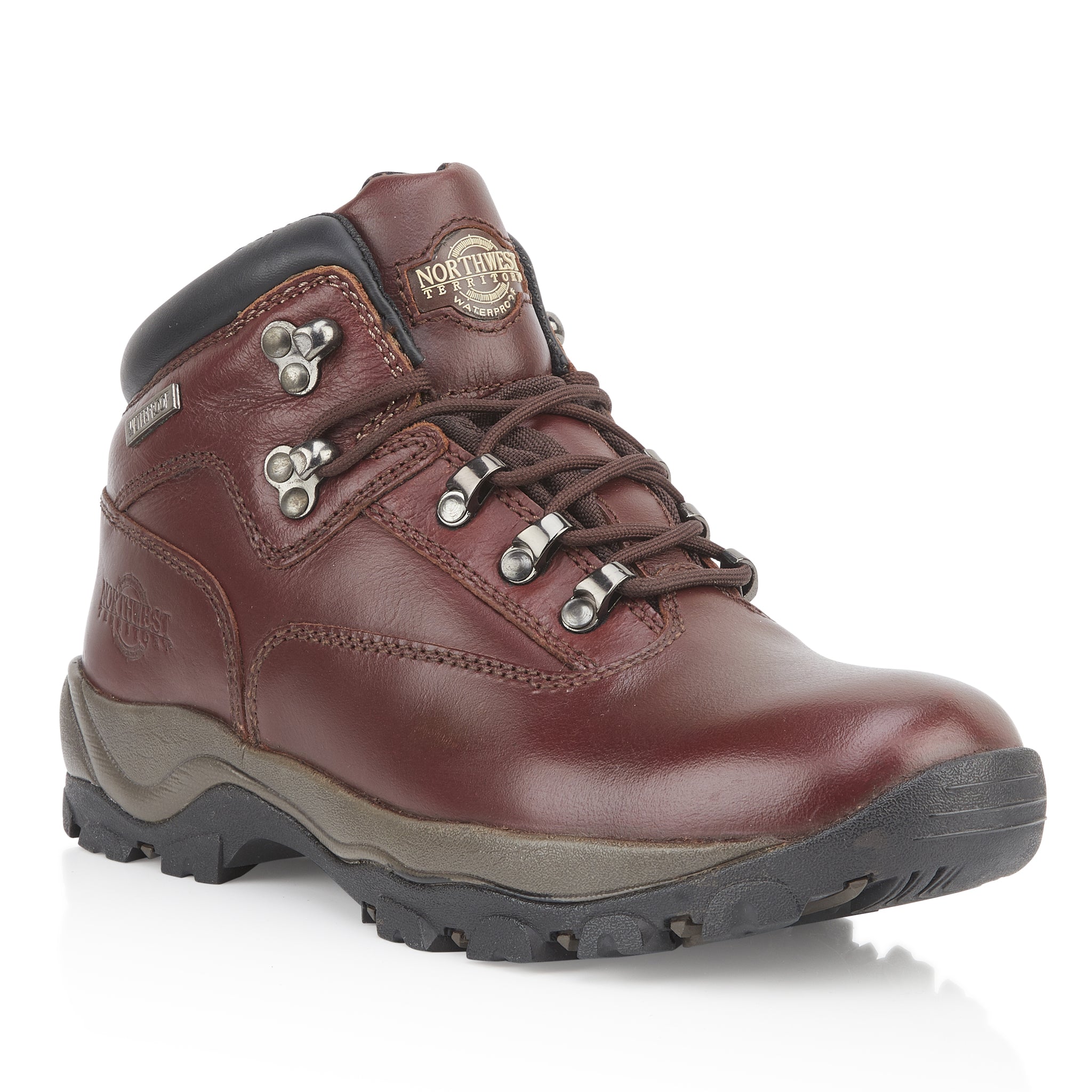
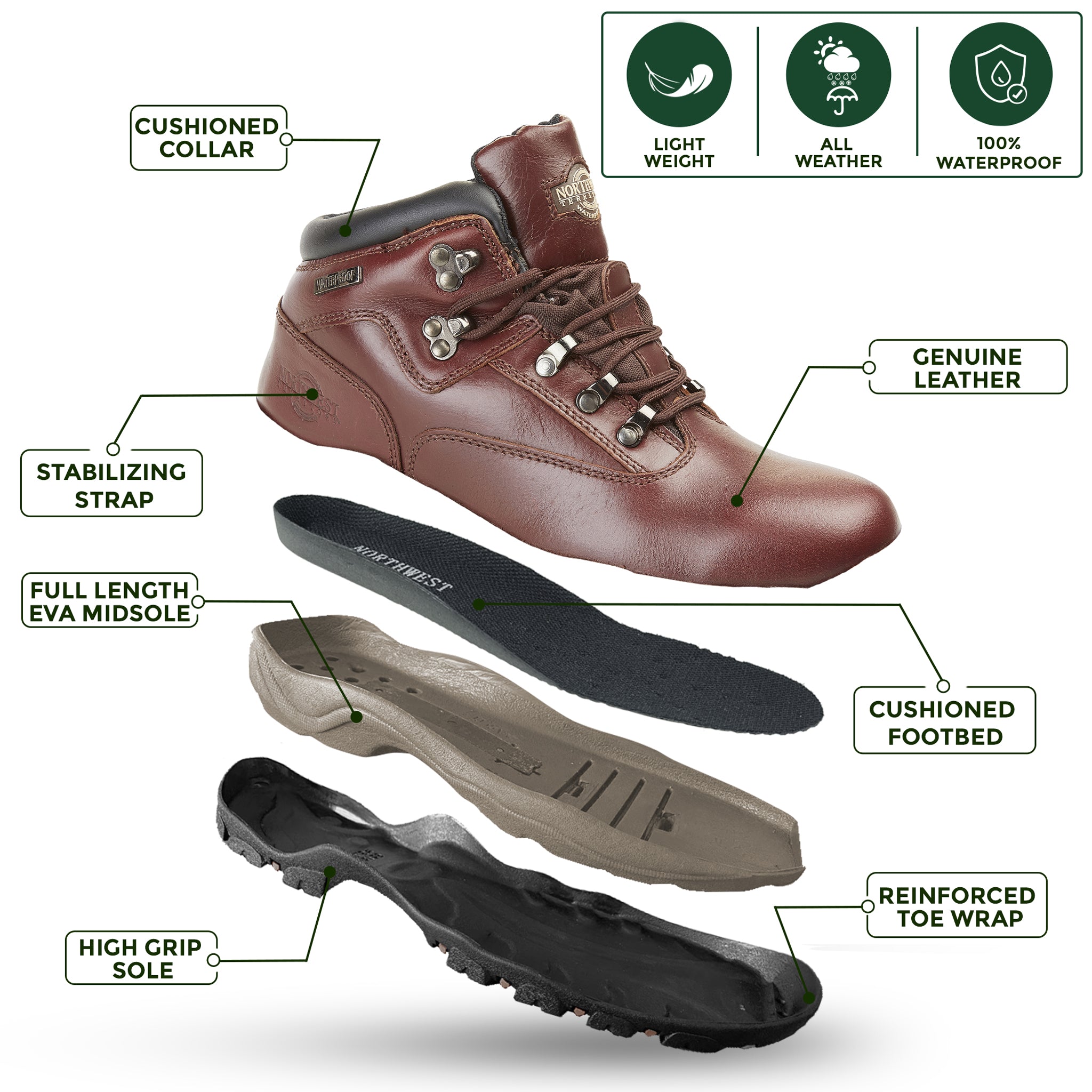
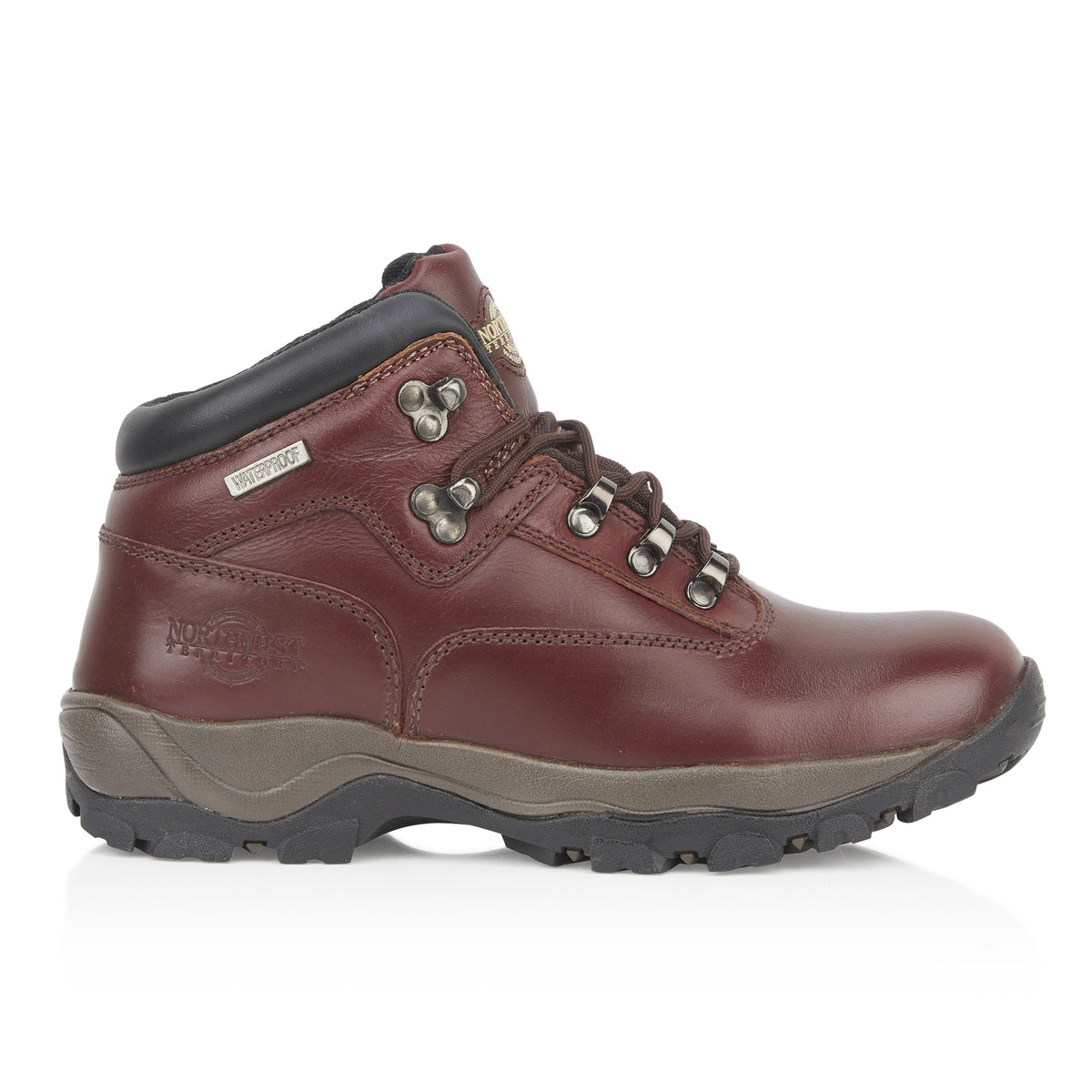
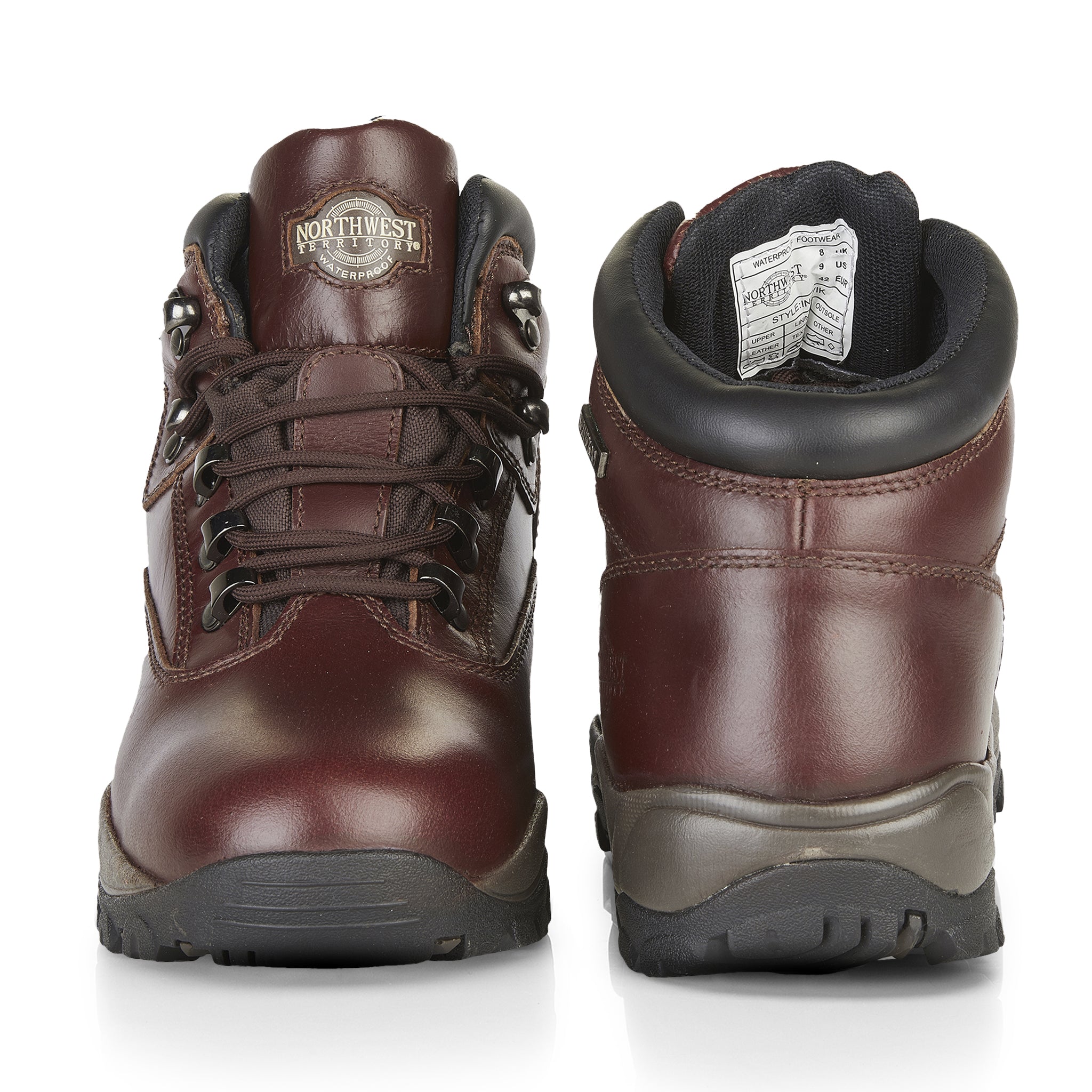
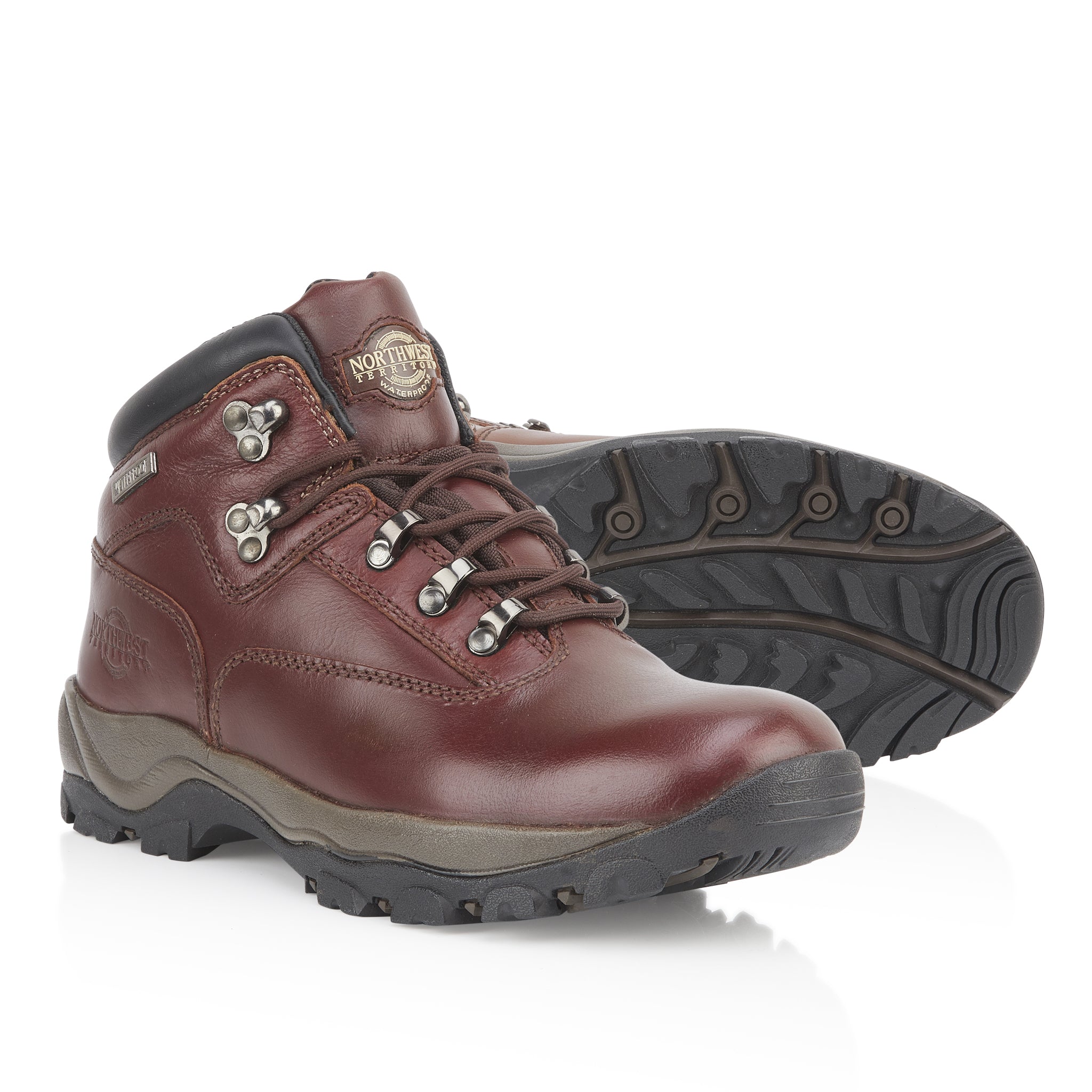
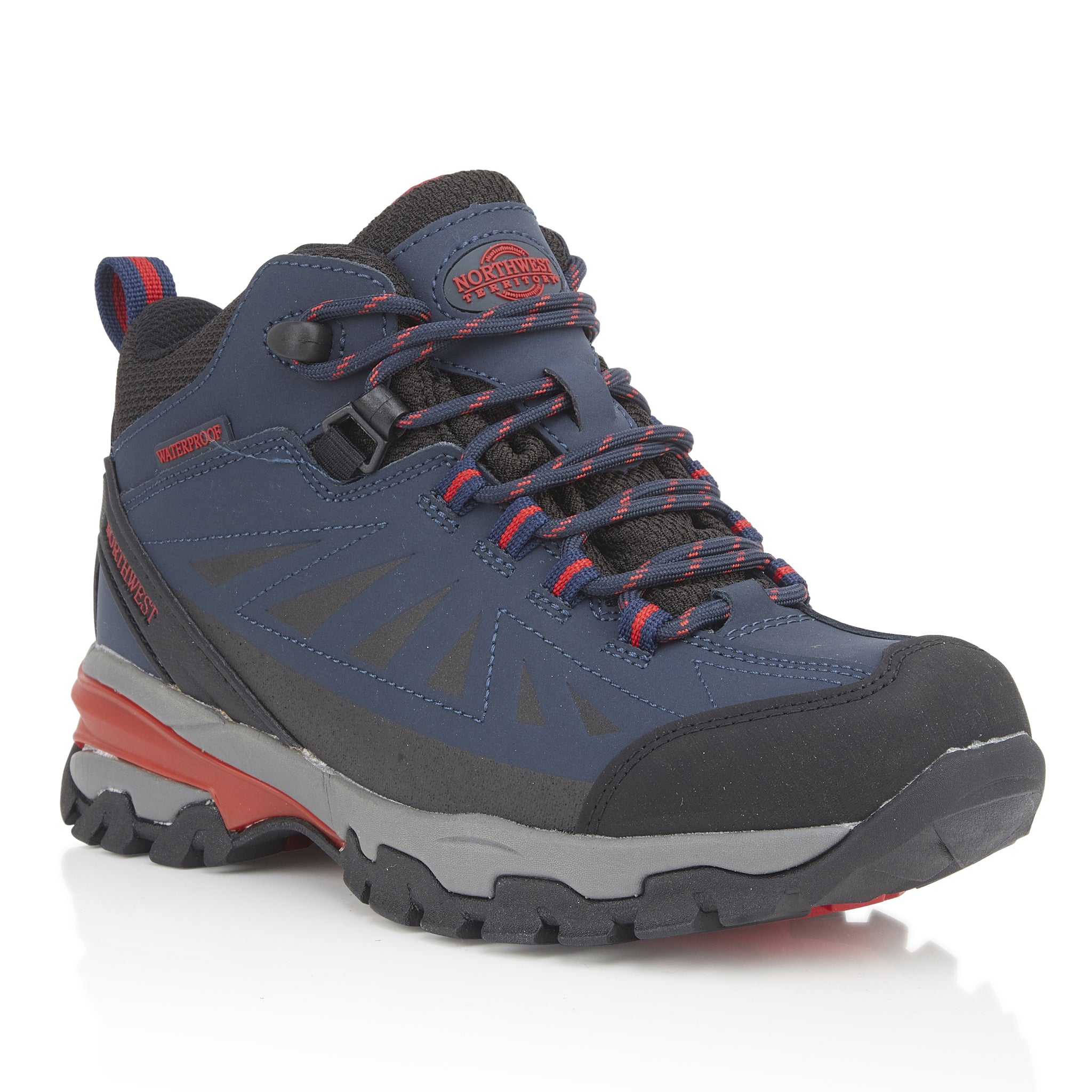
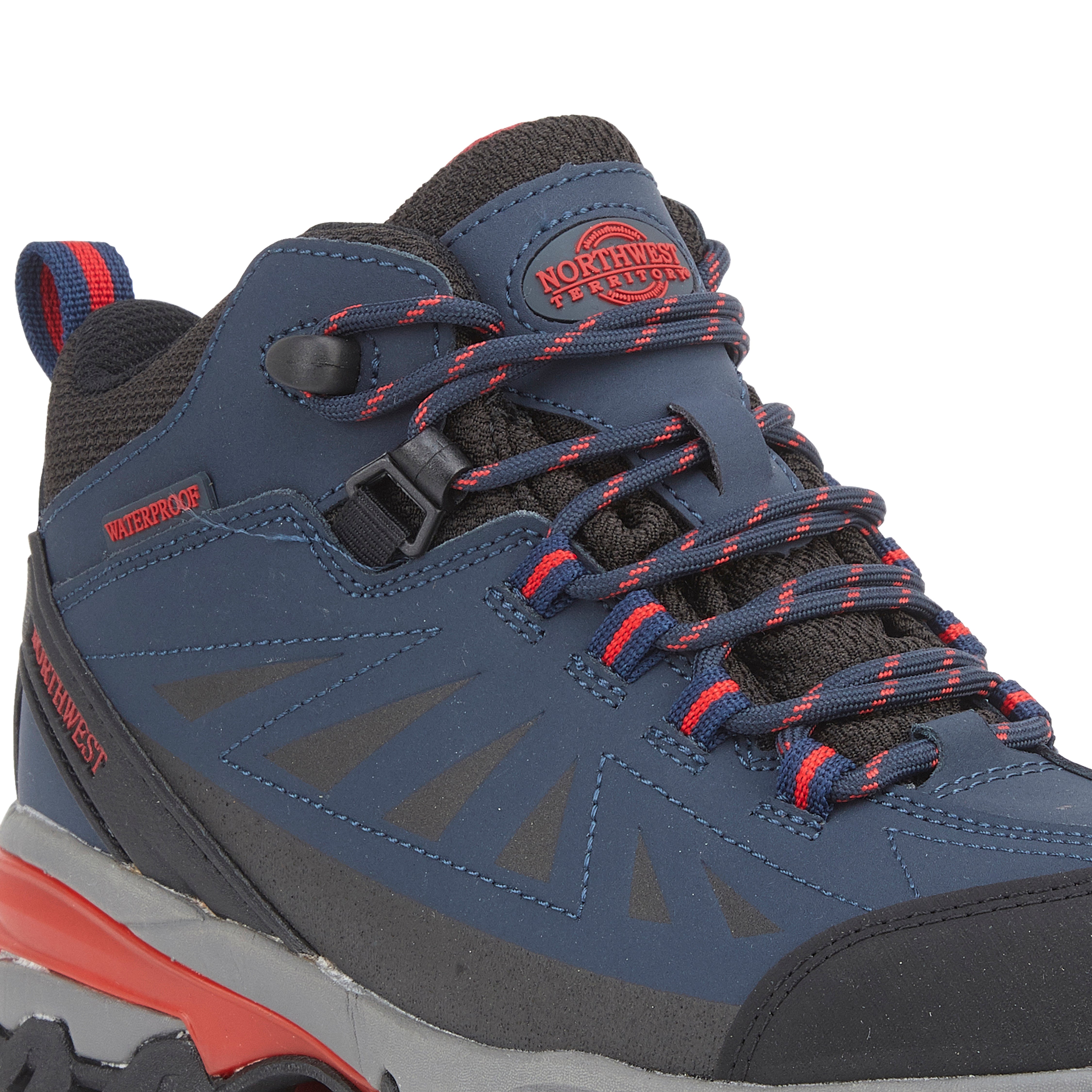
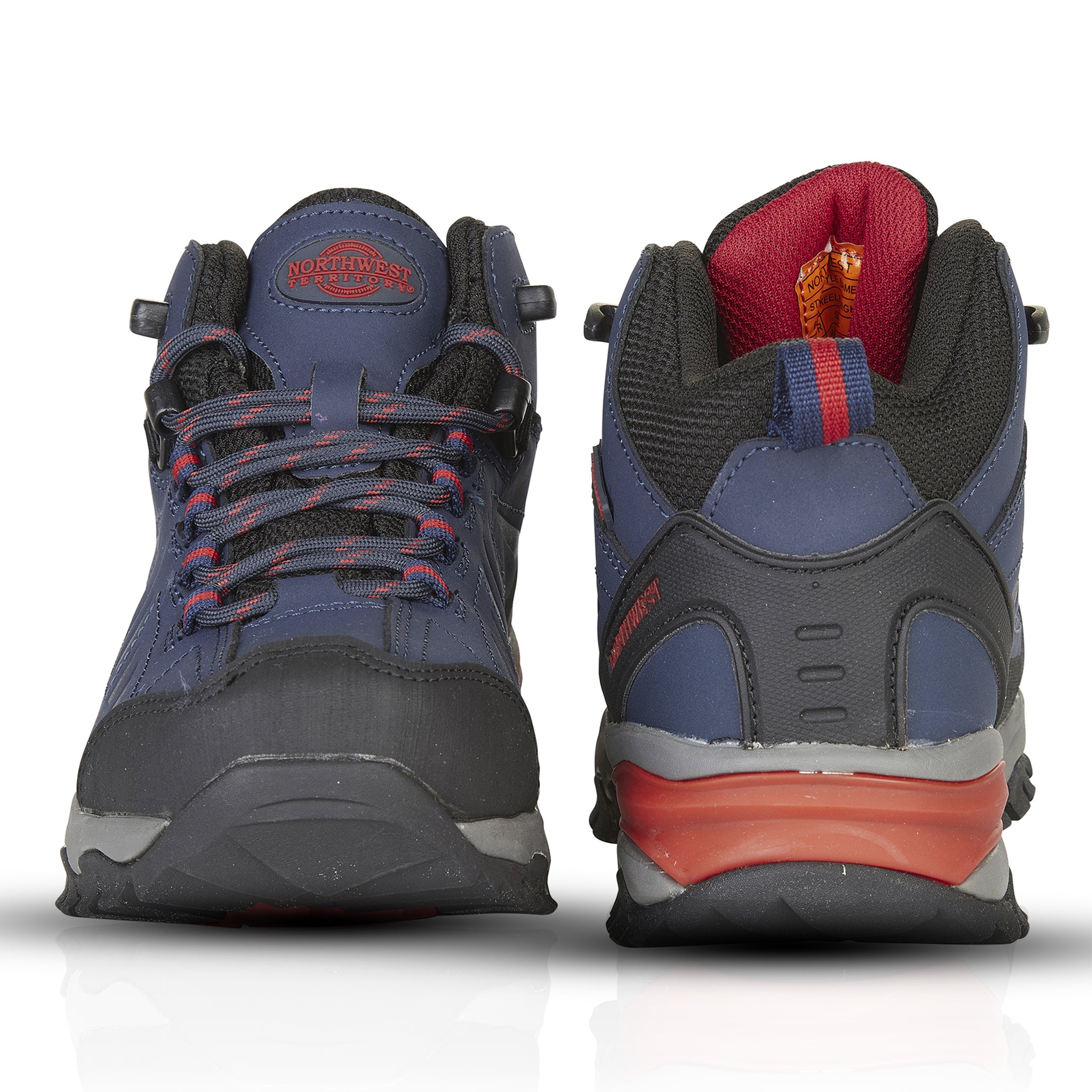
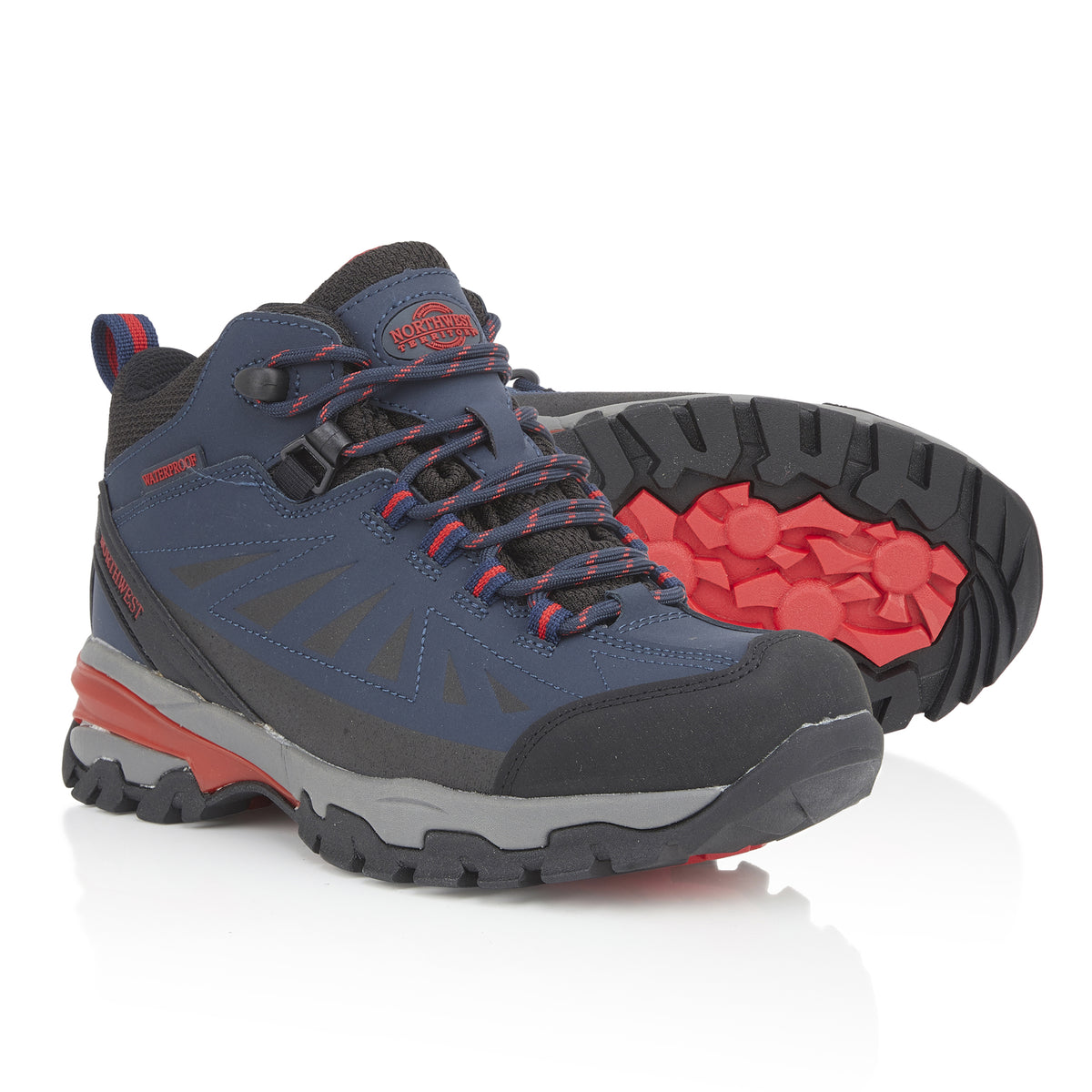
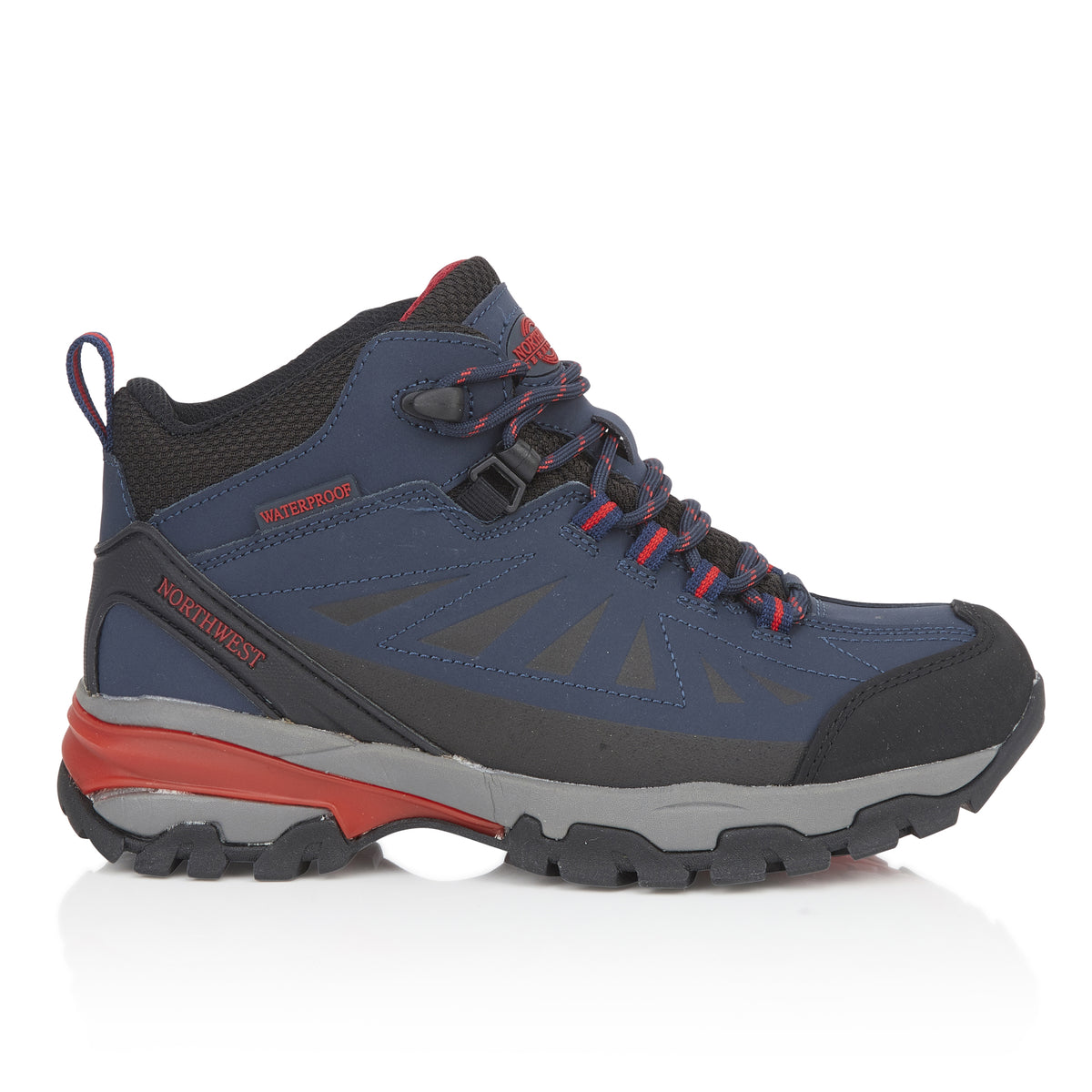
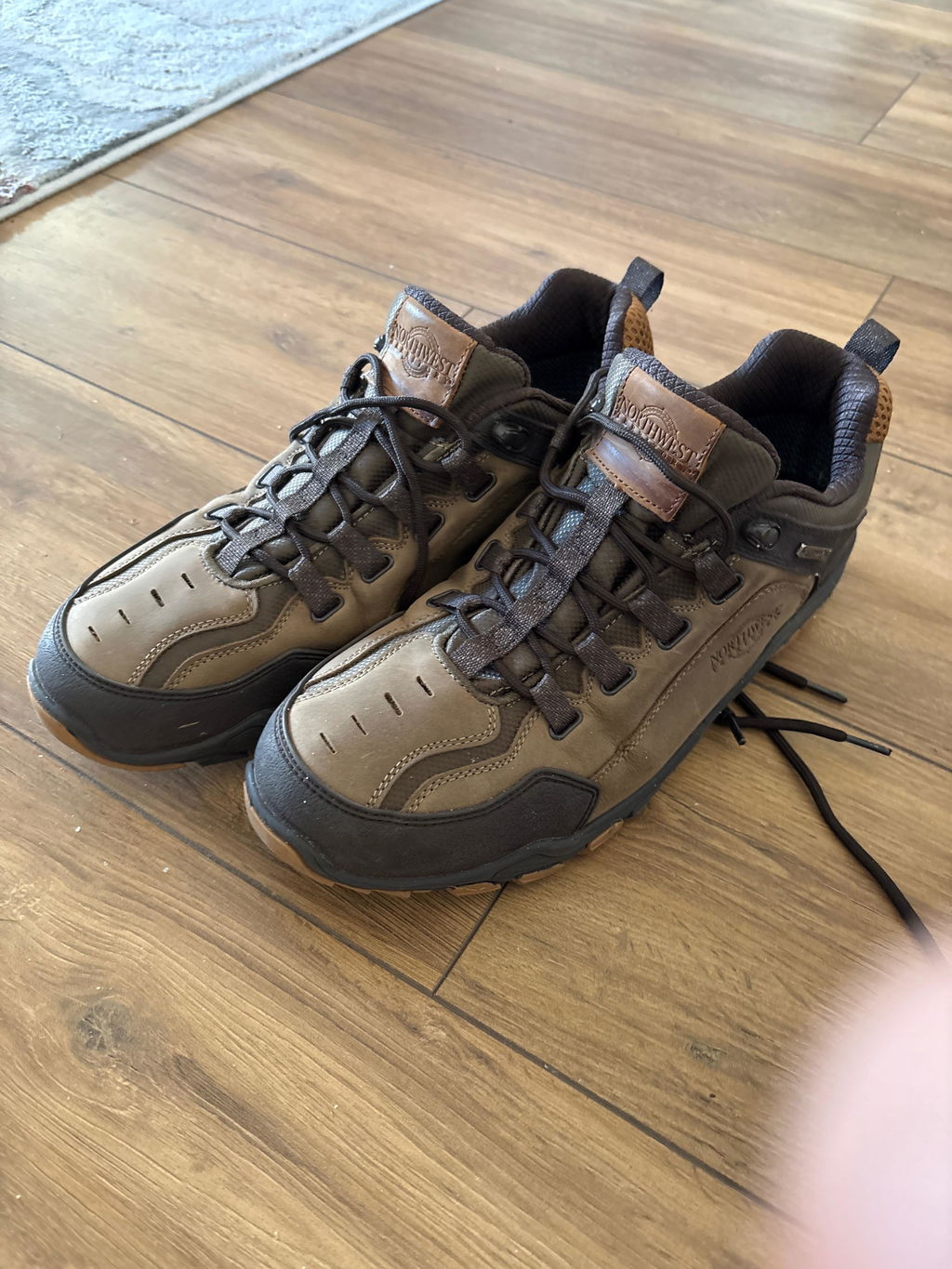
Our Corbett Men's Leather Waterproof Walking Shoes are a good example. They’re made for the regular sort of walking people do every week, rather than the odd challenge you attempt once a year, if that.
Boots absolutely have their place too, mainly when conditions get rougher; walking shoes often end up being the pair that gets worn the most.

Do You Really Need Waterproof Walking Shoes?
Most British walkers already know the answer to this one. Not because it rains all the time. Because the ground stays wet long after the rain has disappeared.
A field can look perfectly harmless until you're halfway across it. Grass can hold moisture for hours. Mud has a habit of appearing where you least expect it.
That's why waterproof footwear isn't just useful during winter. It's useful throughout the year.
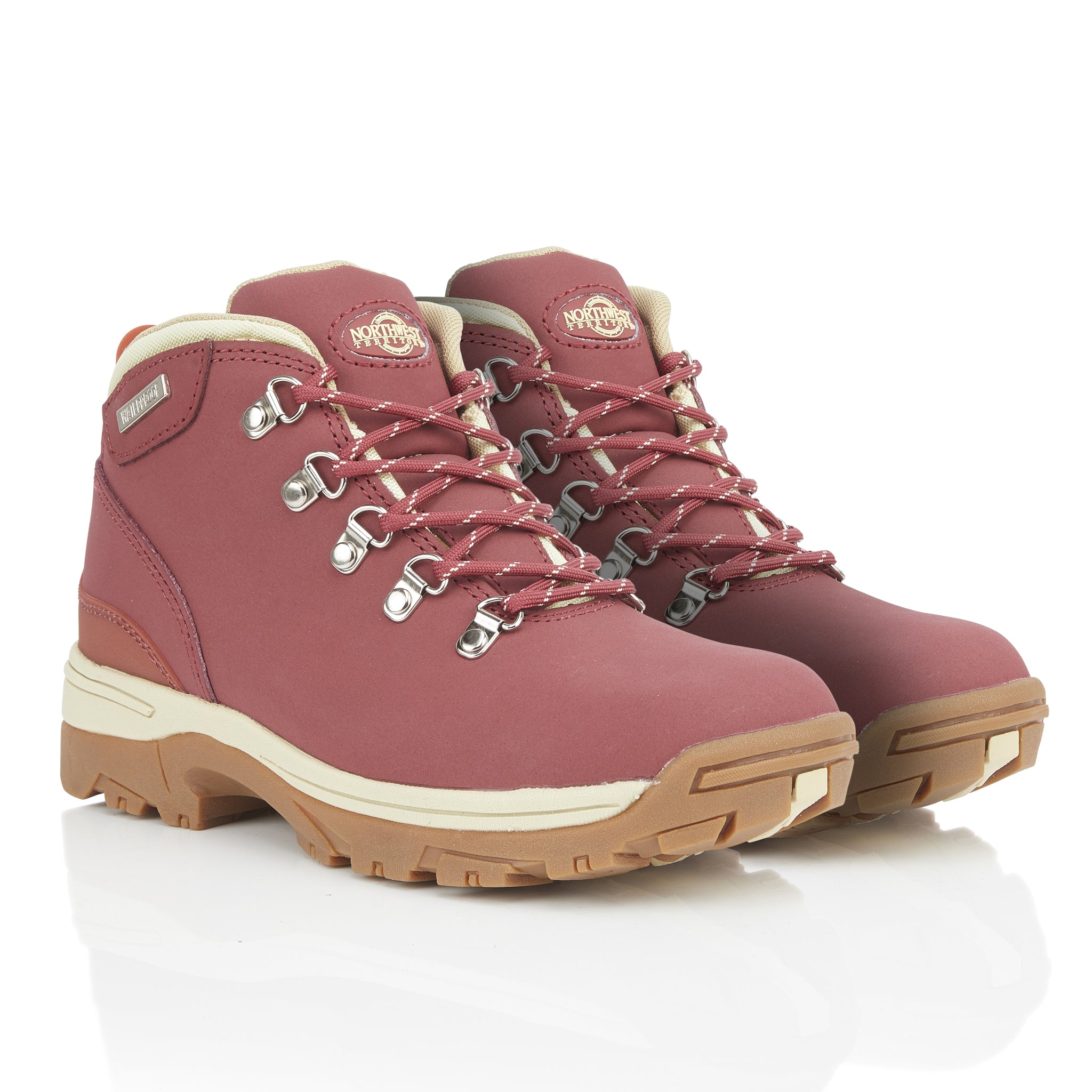
Our Munro Women's Leather Waterproof Walking Shoes are popular with people who regularly walk in mixed conditions because they help remove one of the most common annoyances of outdoor walking: wet feet.
The Keele Lo Leather Mesh Women's Waterproof Walking Shoes are another great example. They're lighter in feel but still provide the kind of protection people appreciate when the weather decides to do its own thing.
Which, let's be honest, happens quite often in the UK.
Are Trainers Good Enough for Walking?
Sometimes.
A quick walk around the park? Probably.
A few miles along country trails every weekend? That's where things start to change.
A lot of people searching for the best trainers for walking are often trying to make their everyday trainers do a job they weren't designed for.
It's usually not the first mile where you notice the difference. It's the third or the fourth. That's when grip starts mattering. That's when support becomes noticeable. That's when uneven ground reminds you why walking footwear exists in the first place.
Dedicated walking shoes are designed for those moments. Not dramatic mountain expeditions, just real-world walking.

What's the Difference Between Walking Shoes and Hiking Shoes?
The line between them is often smaller than people think. Most hiking shoes for men are designed with rougher terrain in mind. They tend to have slightly tougher soles and a more structured feel.
Walking shoes are generally more versatile. Imagine you're spending the morning exploring a woodland trail before heading into a nearby village for lunch. Walking shoes tend to fit naturally into that sort of day. Hiking shoes become more useful when the terrain itself becomes the focus.
For many people, walking shoes simply suit everyday outdoor life better.
Walking Shoes vs Hiking Shoes: Quick Comparison
|
Feature |
Walking Shoes |
Hiking Shoes |
|
Best For |
Every day walks |
Rougher trails |
|
Weight |
Lighter |
Slightly heavier |
|
Comfort |
Excellent for regular use |
Better for challenging terrain |
|
Flexibility |
More flexible |
More supportive |
|
Everyday Wear |
Excellent |
Good |
|
Trail Performance |
Good |
Excellent |
Which Walking Shoes Should You Choose?
Many people buy themselves footwear that can deal with an adventurous walk.
Then, for the next year, they walk around in their local parks, footpaths, and countryside trails. That's not a bad thing at all. You just need to take it into account when you're buying your new pair of shoes.
Not many walks are adventurous. They are the kind of walkers that begin after a morning meal and end over a cup of tea somewhere.
There are family walks, dog walks, vacation walks and the days when the weather seems pleasant and they don't want to remain at home.
That's why people end up wearing Men's walking shoes more than they expected to. Because they're practical, and practical footwear usually gets worn.
FAQs
1. Are walking shoes better than trainers?
For outdoor walking, they often are. Trainers can work on pavements and around town, but once you step onto muddy paths, wet grass or uneven ground, walking shoes typically feel steadier and more prepared.
2. Do I need waterproof walking shoes?
Most people in the UK eventually appreciate having them. You don't need heavy rain to end up with wet feet. Damp grass and muddy paths usually do the job.
3. Can walking shoes be used for hiking?
Yes, plenty of people use walking shoes for day hikes without any problems. It really depends on the route rather than the label attached to the footwear.
4. How long should walking shoes last?
That depends on how often you wear them and the conditions they're used in. A well-made pair that's looked after properly can provide years of reliable use before needing replacing.