
Anyone who walks in the UK knows the moment. You set off in sunshine, the cloud rolls in twenty minutes later, and by the second stile your socks are soaked, and the walk has stopped being fun.
Picking the right walking footwear for rain does not stop the rain. It can decide if the walk stays easy, or if you go home sooner than you planned.
It is not just about staying dry. Wet grass can feel very different from sticky mud. Even a forest path that looks tame can turn slick when it gets damp. Each ground type tests a shoe in its own way. So it helps to figure out what you need before you pay for a pair.
That’s the thinking behind the leather waterproof walking shoes and boots at Northwest Territory, and we’ll point to a few that suit each situation as we go.

Where Does Water Get Into Walking Footwear?
Rain landing on your head is the obvious bit. What catches people out is how else water finds its way in.
- Through the opening: Water can run down your trousers and enter around the ankle, particularly when rain is heavy or grass is long and wet.
- Through the upper: Worn materials, damaged seams or a compromised waterproof lining can allow moisture to reach your socks.
- From below: Puddles, saturated ground and prolonged contact with wet grass can test the footwear's waterproof construction.
- From inside: Your feet naturally produce sweat during a walk. If moisture builds up inside your shoes, your socks can feel damp even when rain has not entered.
Then there’s the culprit nobody blames: your own feet. Sweat has to go somewhere, and in a sealed shoe it often just stays put, so you end up damp from the inside. Good moisture protection means keeping the weather out while letting a little heat and moisture escape. Plenty of cheap pairs manage the first and forget the second.
What Makes A Shoe Properly Waterproof?
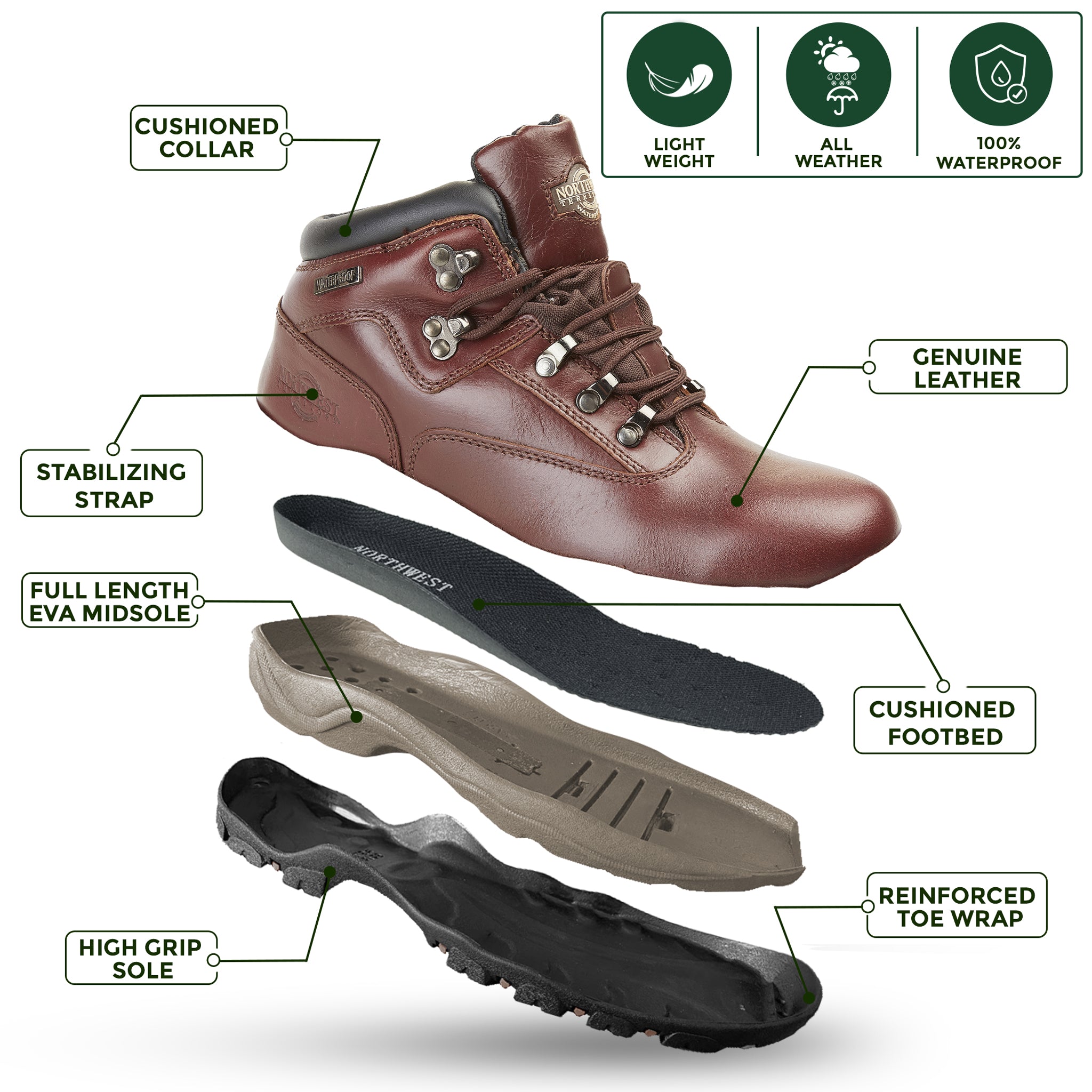
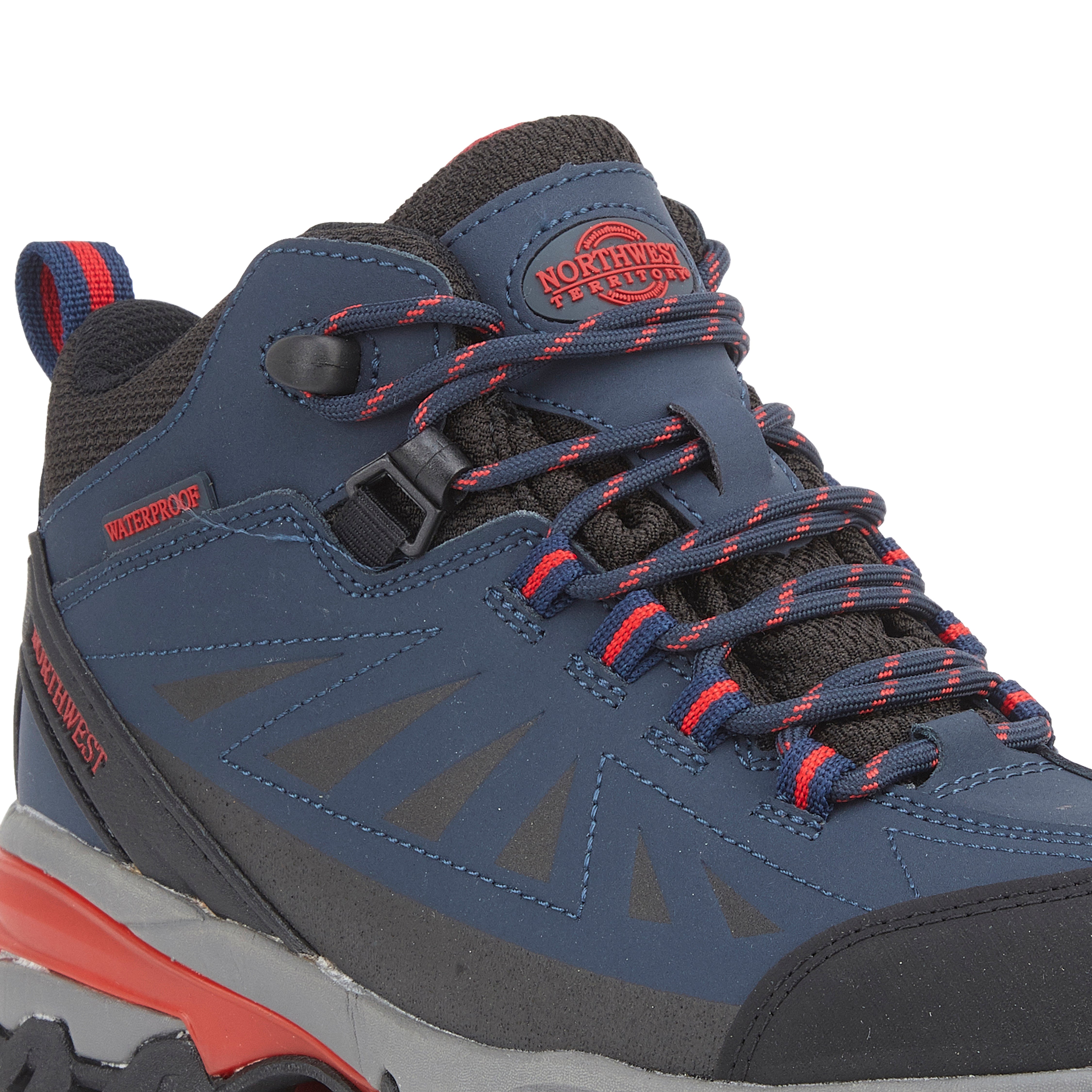
“Waterproof” gets printed on a lot of things that aren’t, so check the details. Good waterproof walking footwear usually has a handful of things working together:
-
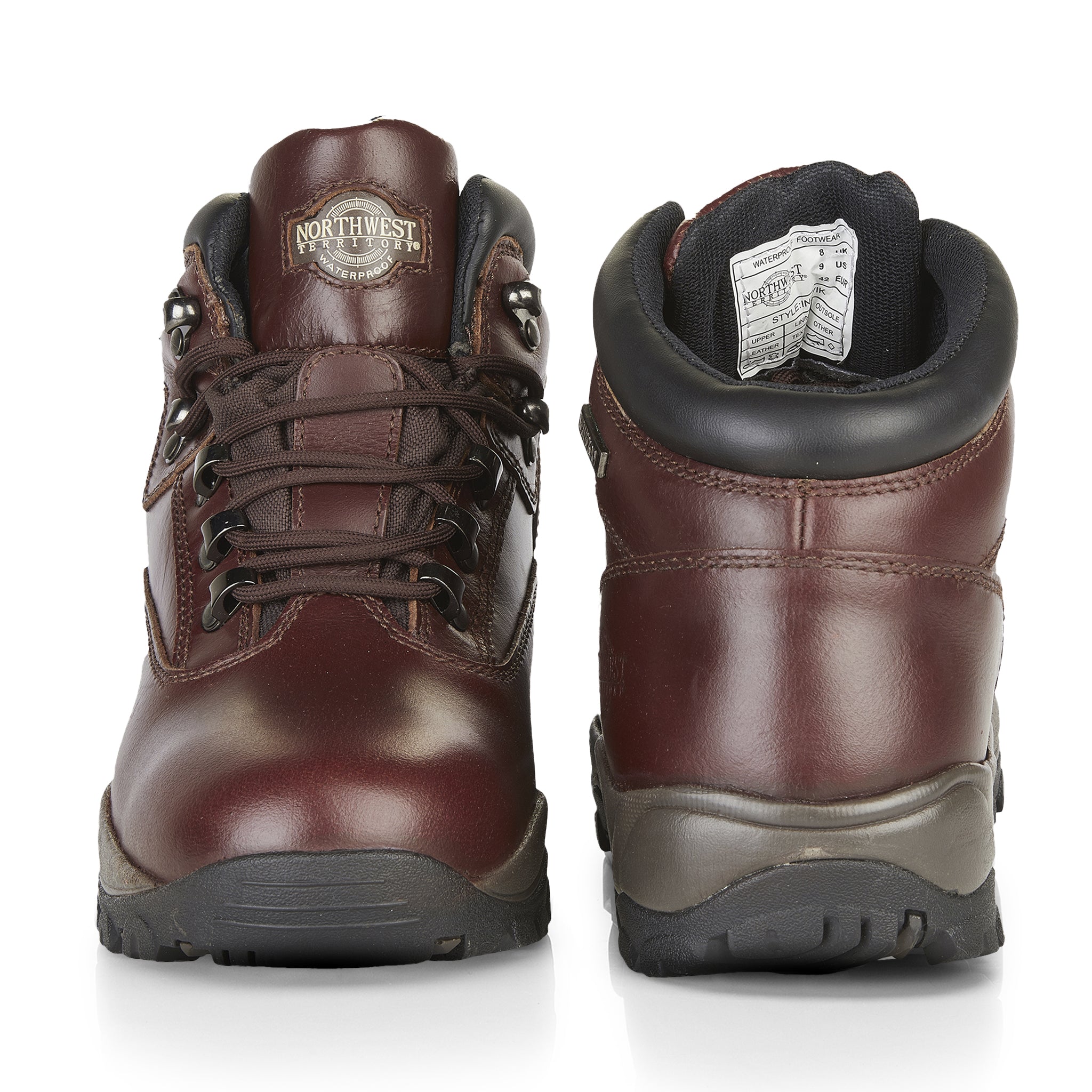
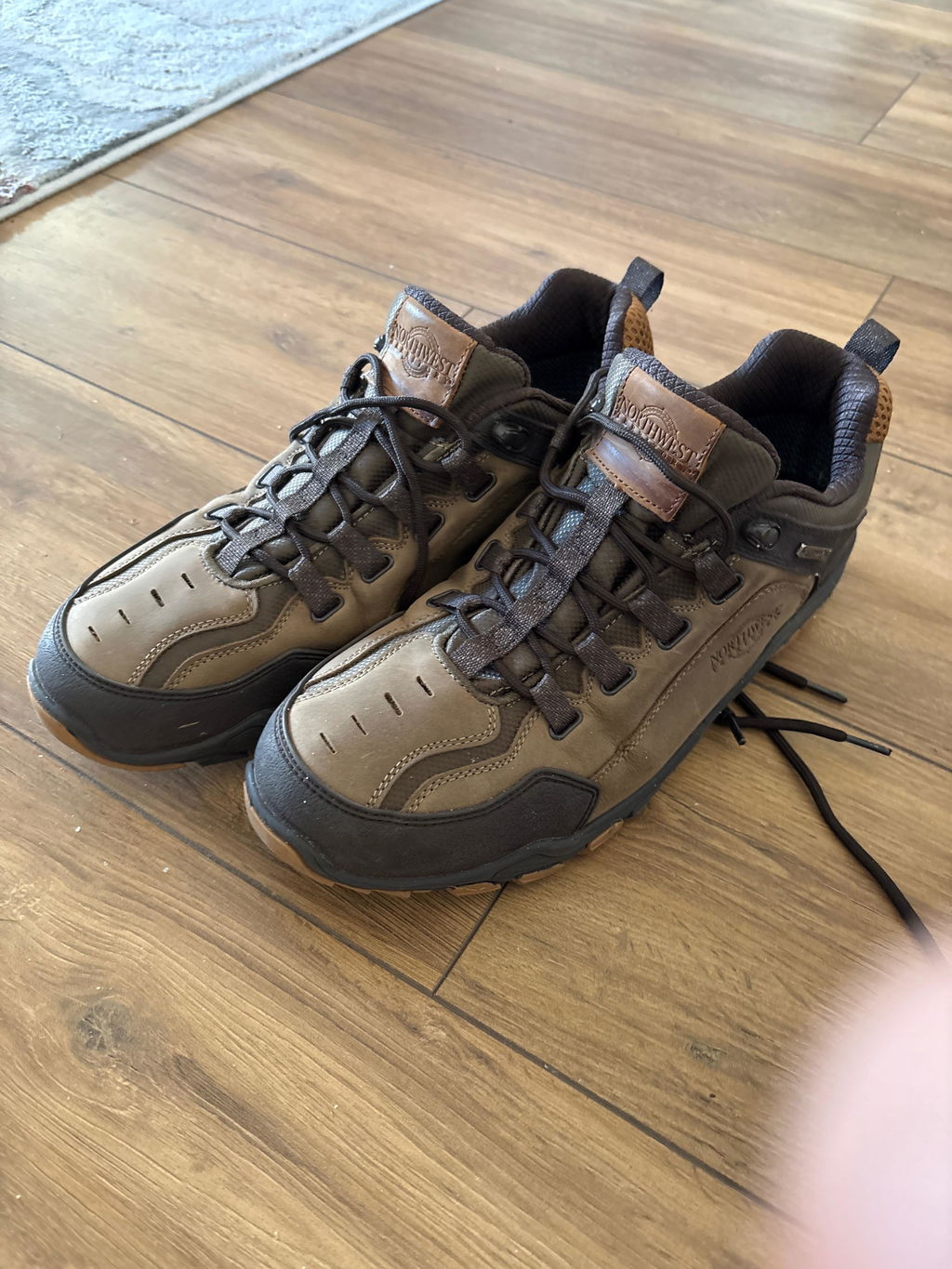
Leather uppers: Dense, naturally resistant to water, and they soften to the shape of your foot
-
A waterproof lining: This stops water getting through once the leather has had enough
-
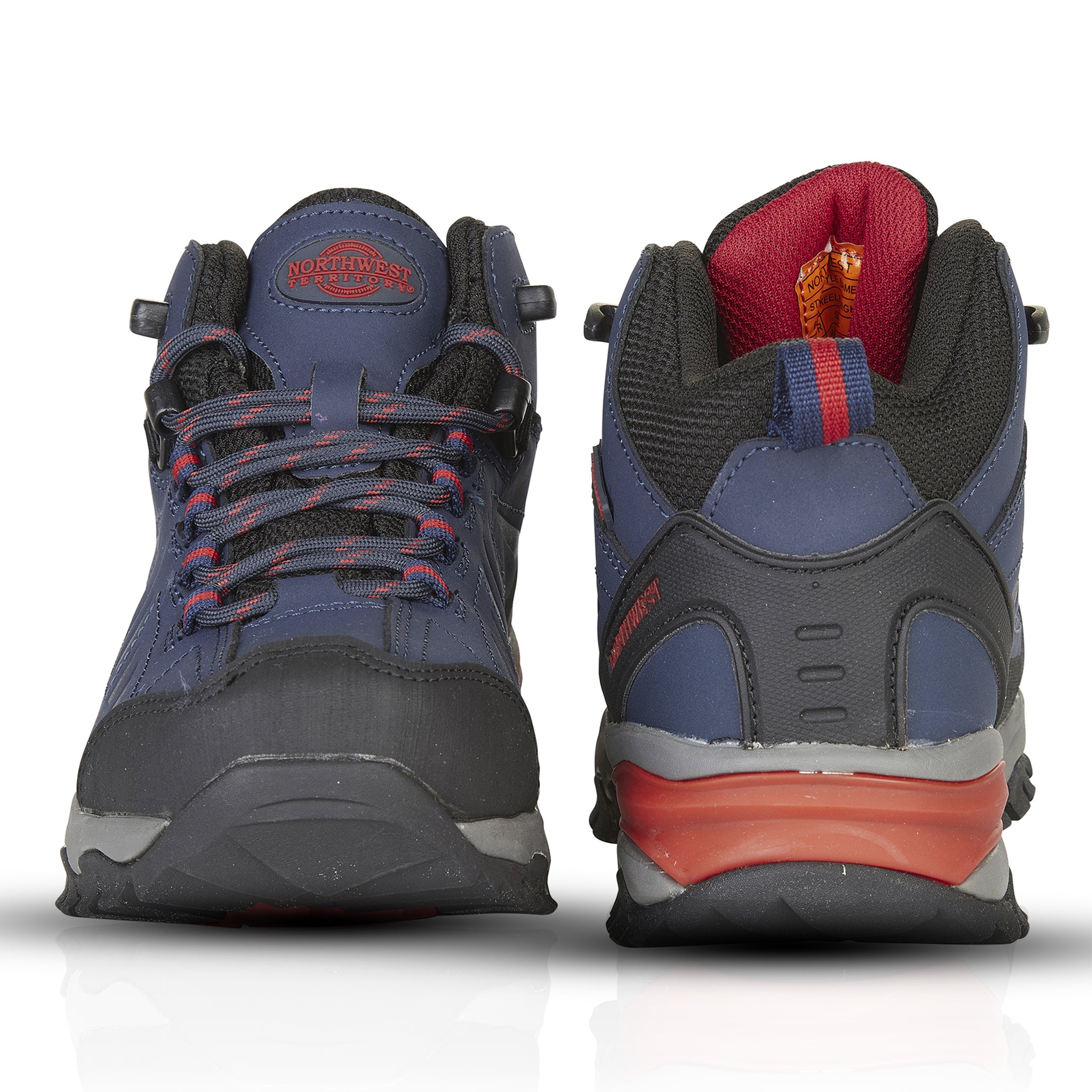
A gusseted tongue: It’s joined to the sides, so water can’t trickle in around the laces
-
Fewer seams: Every stitched line is another place for a leak
-
A snug collar: It stops splashes creeping in around the ankle
Leather also copes with the scuffs and soakings of regular wet walks better than lighter materials. It wants a bit of looking after, which we’ll get to further down, but it lasts. If you’re comparing walking footwear for rain, this is the list to keep in your head.

Getting A Grip On Wet Grass, Mud And Damp Trails
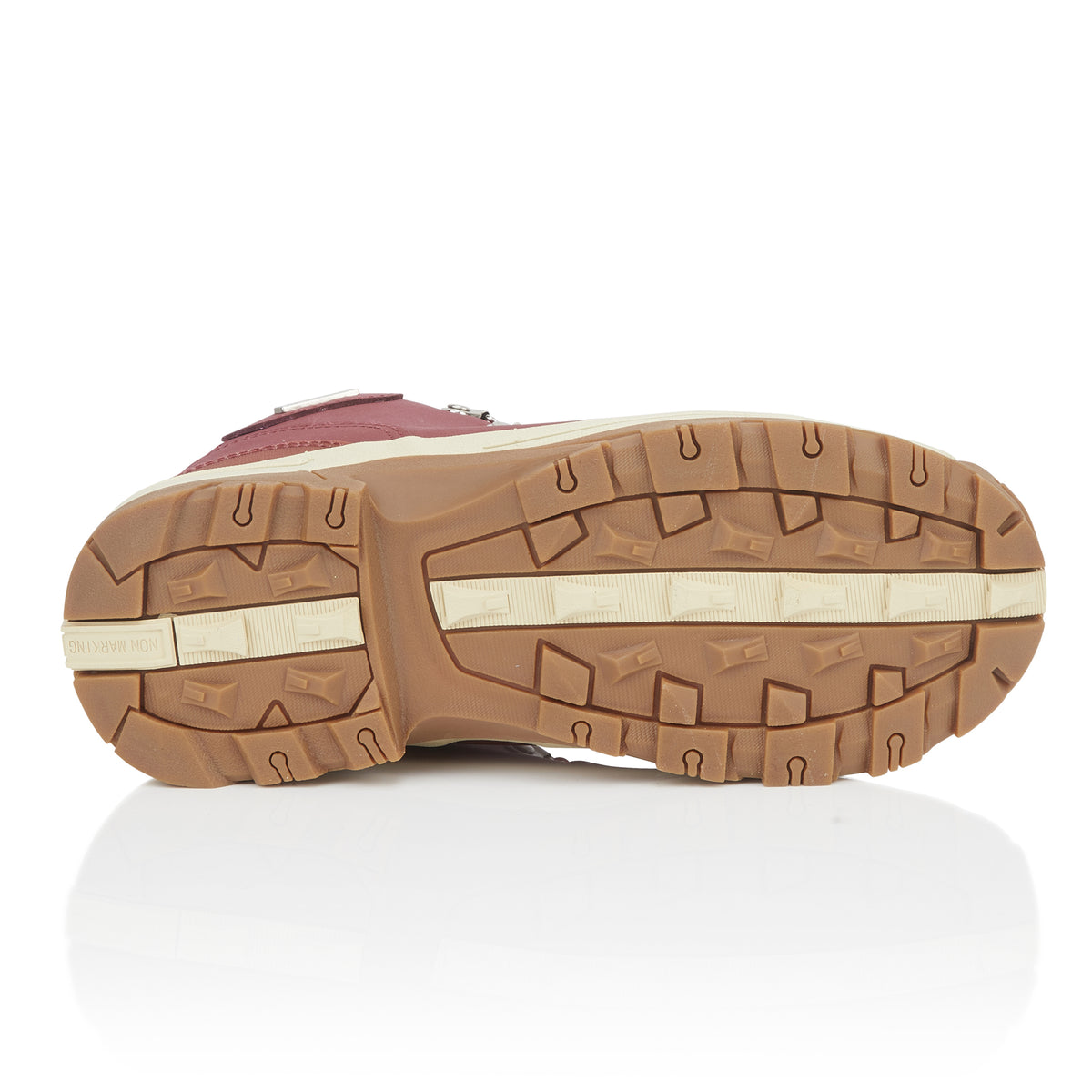
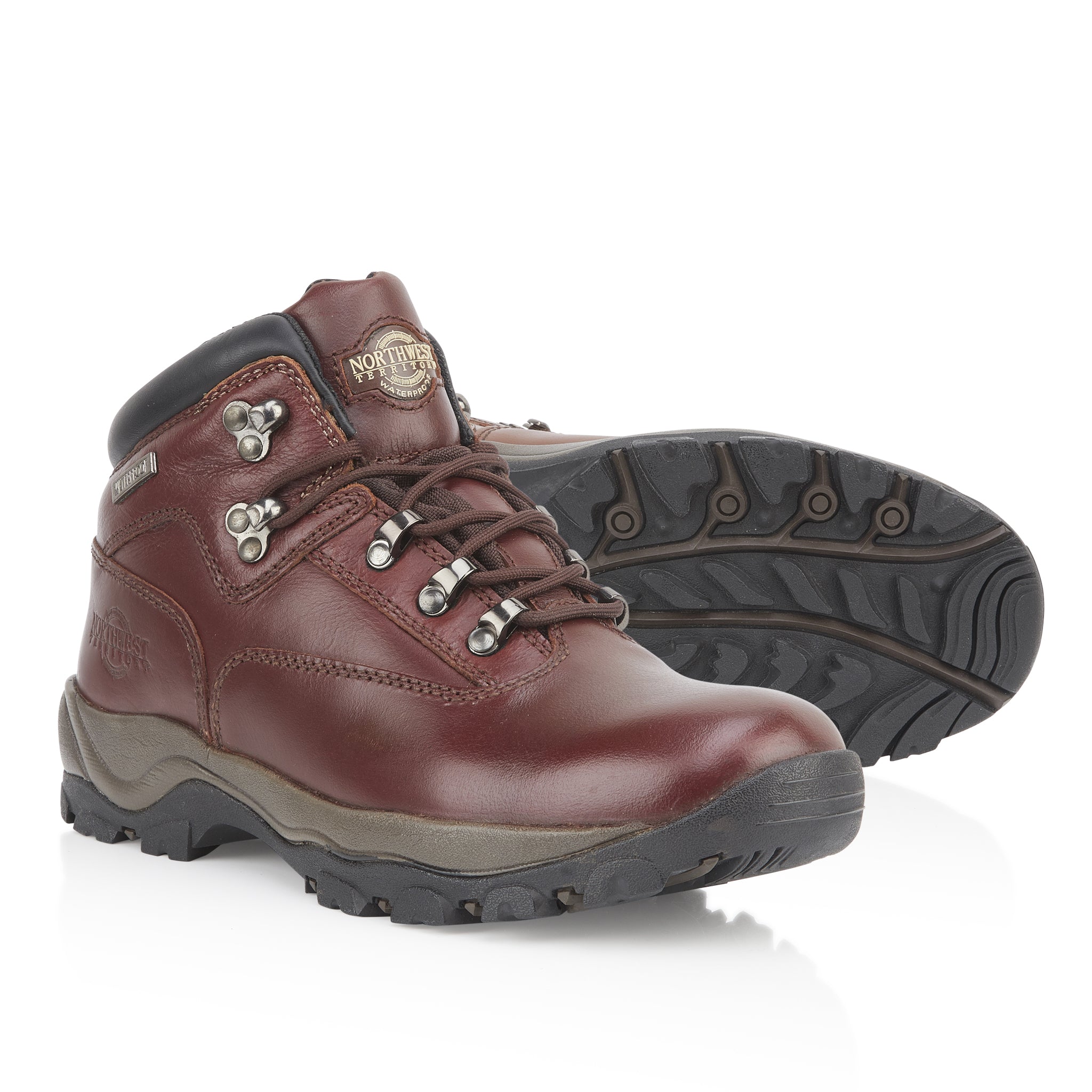
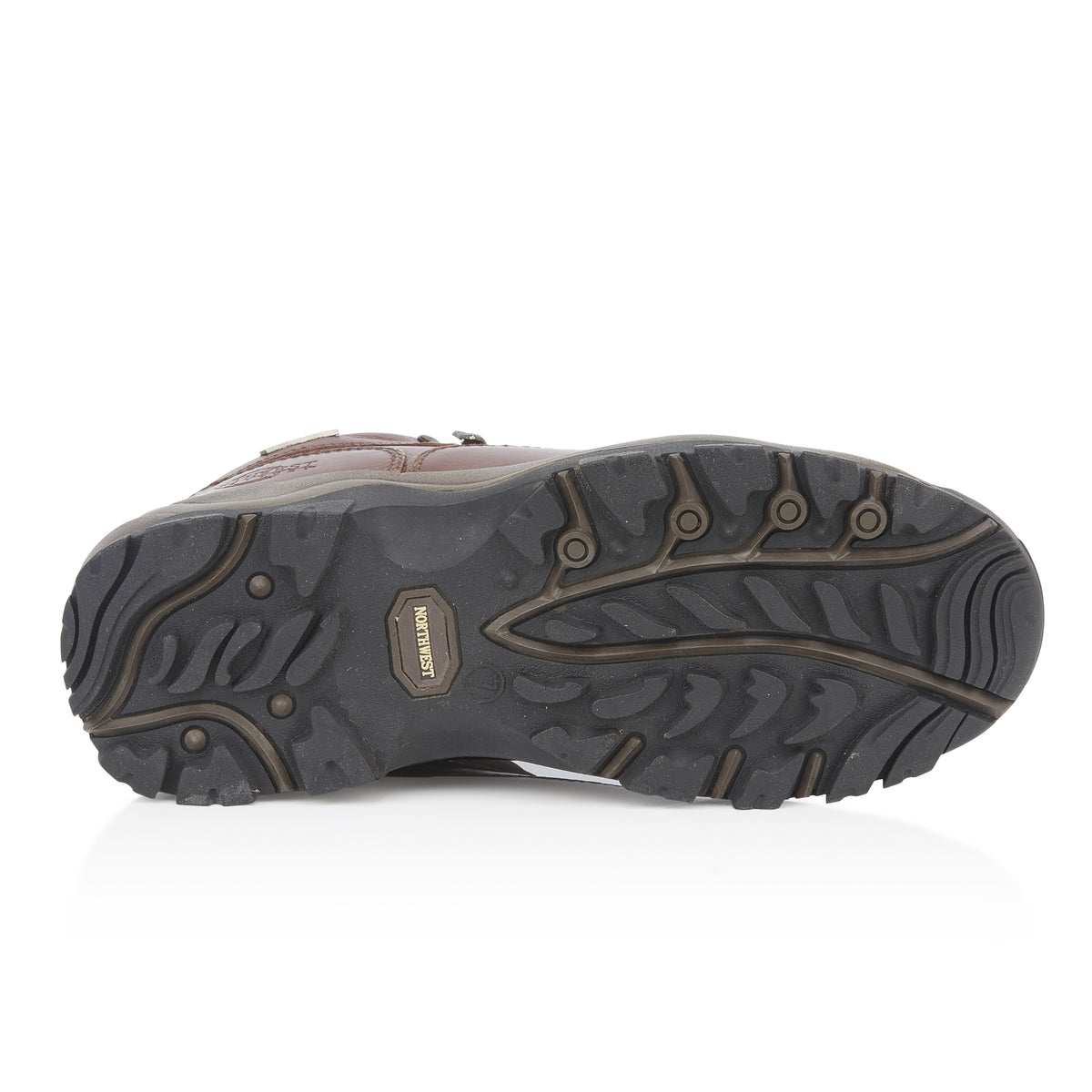
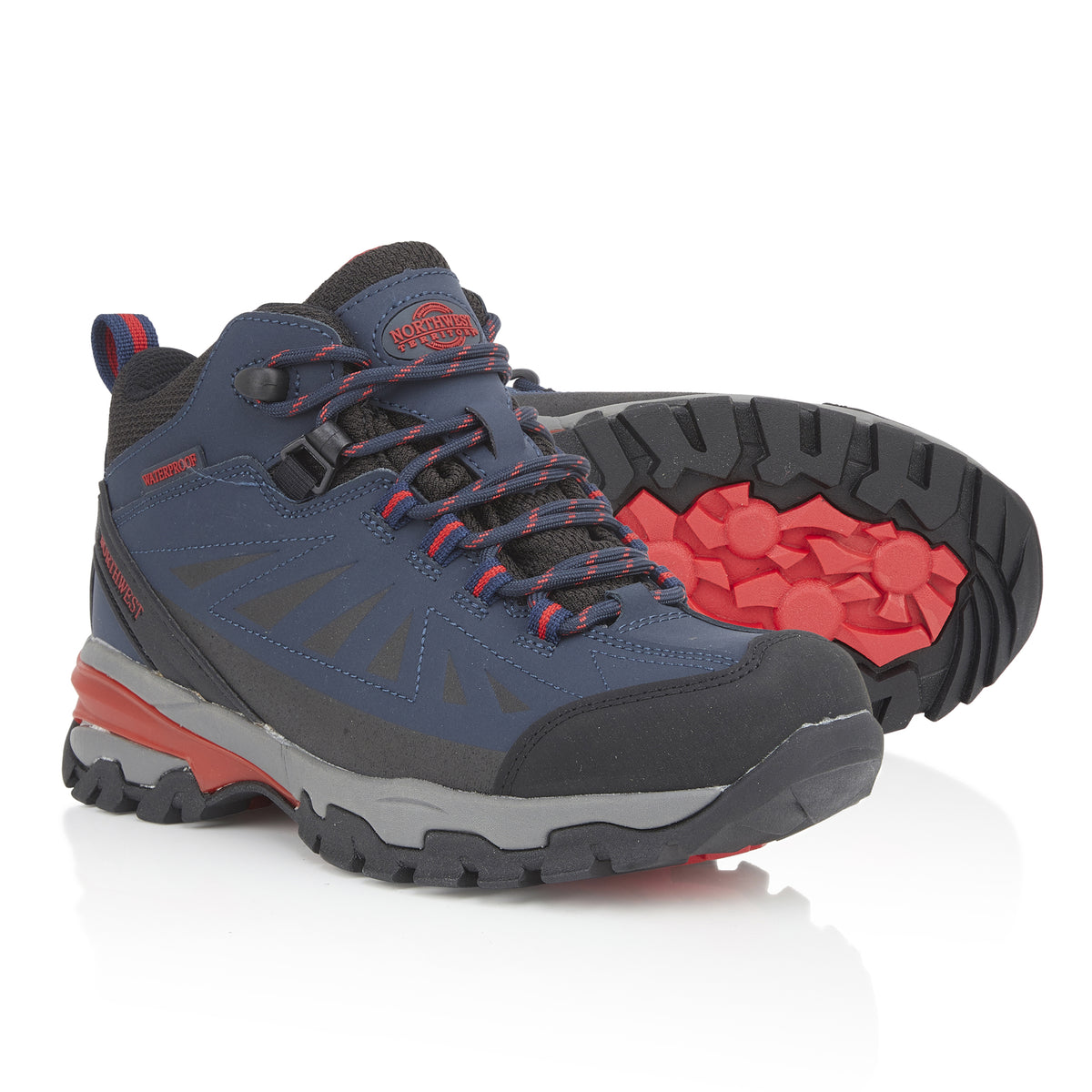
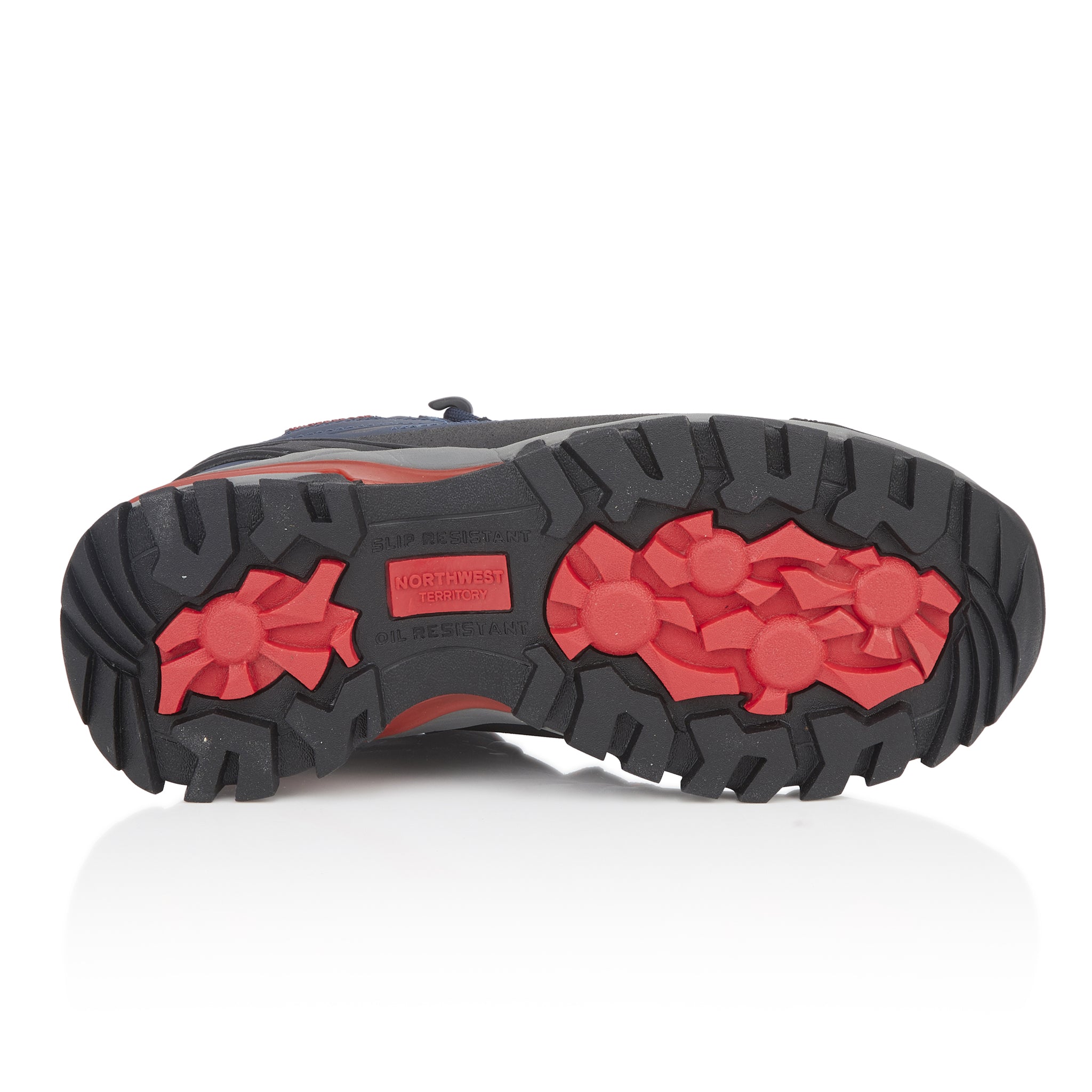
You can have bone-dry feet and still end up on your backside. Grip comes from the outsole: how deep the lugs are, how much space sits between them, and how the rubber feels once it’s cold and wet. Shallow, tightly packed tread fills with mud and goes slick, which is the last thing you want on wet grass. Deeper, more open lugs bite in and let go of the mud as you move.
|
Surface |
What tends to go wrong |
What helps |
|
Wet grass |
Smooth soles slide on slopes, and dew soaks in early on |
Deep lugs pointing in different directions, and a snug waterproof upper |
|
Mud |
Tread clogs up and stops gripping |
Widely spaced lugs that shed the muck |
|
Damp woodland trails |
Wet roots and leaves are slippery |
A clear heel edge and rubber that grips when cold |
|
Wet gravel and stone paths |
Little traction, and ankles roll |
A stable, cushioned sole |
|
Puddles and standing water |
Water slops over the top |
A higher collar and a gusseted tongue |
Take it easy on the downhills, too. Wet leaves on a steep path will beat almost any outsole.

Are Walking Shoes Good In Rain, Or Do You Need Boots?
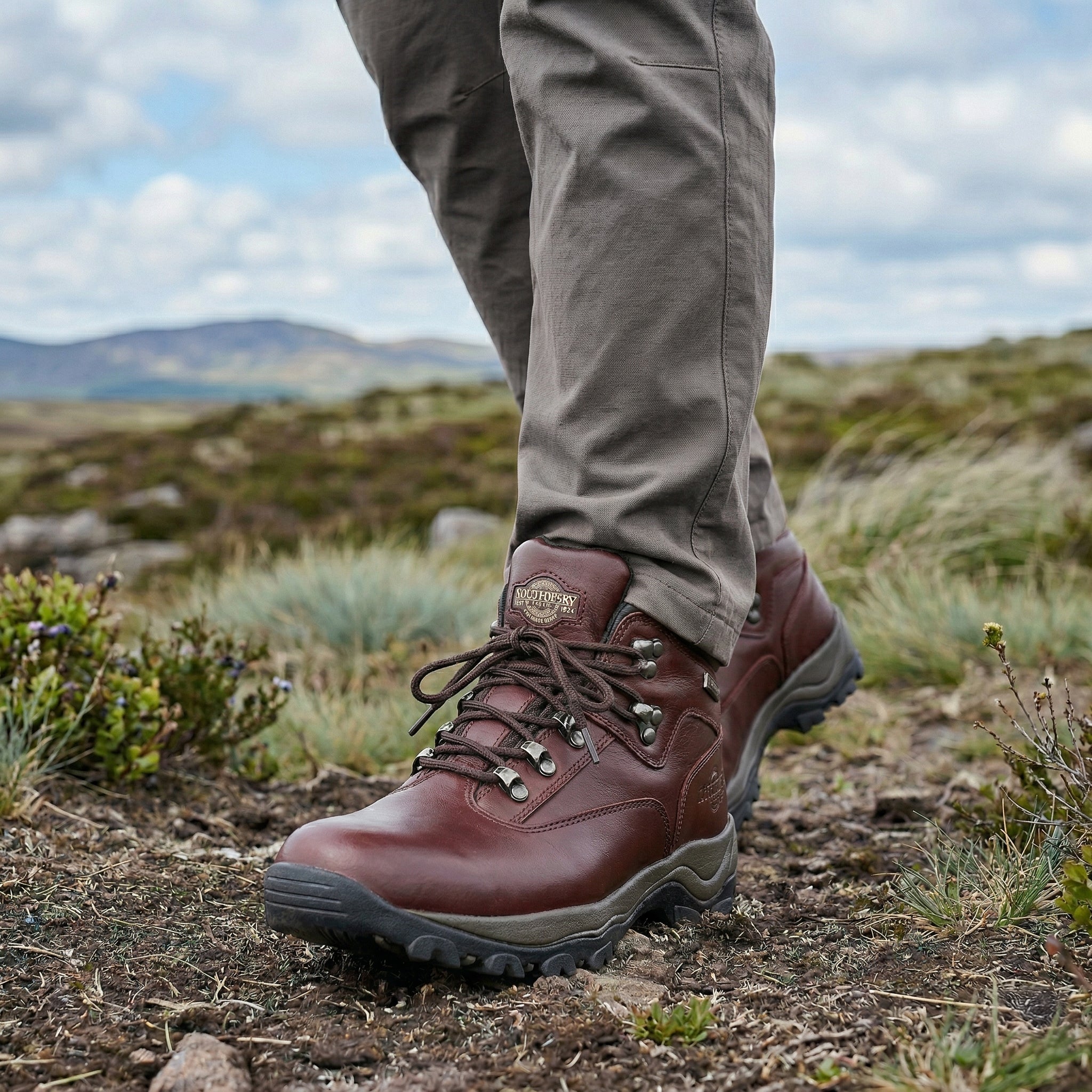
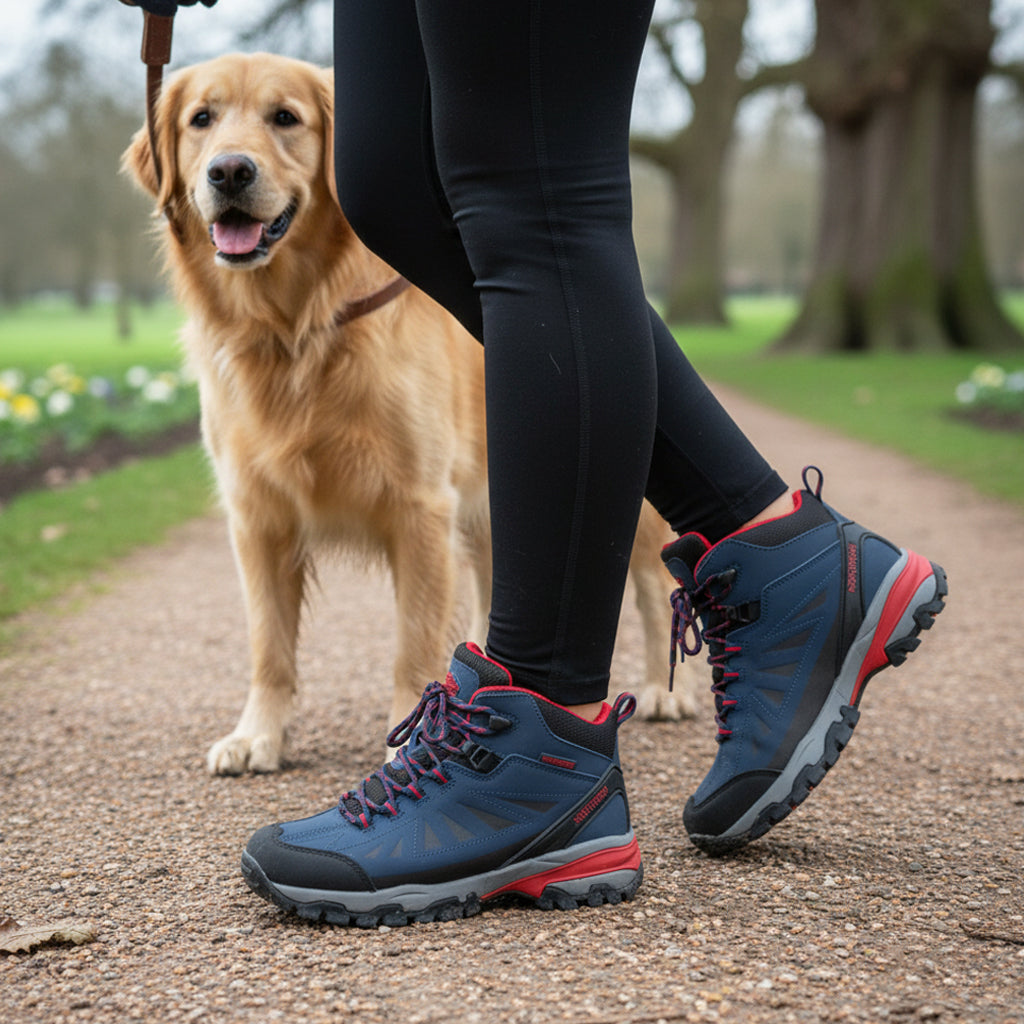
Plenty of people assume boots are the only sensible answer once it turns wet. They aren’t. A good waterproof walking shoe feels lighter. Your legs seem to take it better. It is happy on park loops and along field edges. It works well on towpaths too. It also does fine on calm country paths.
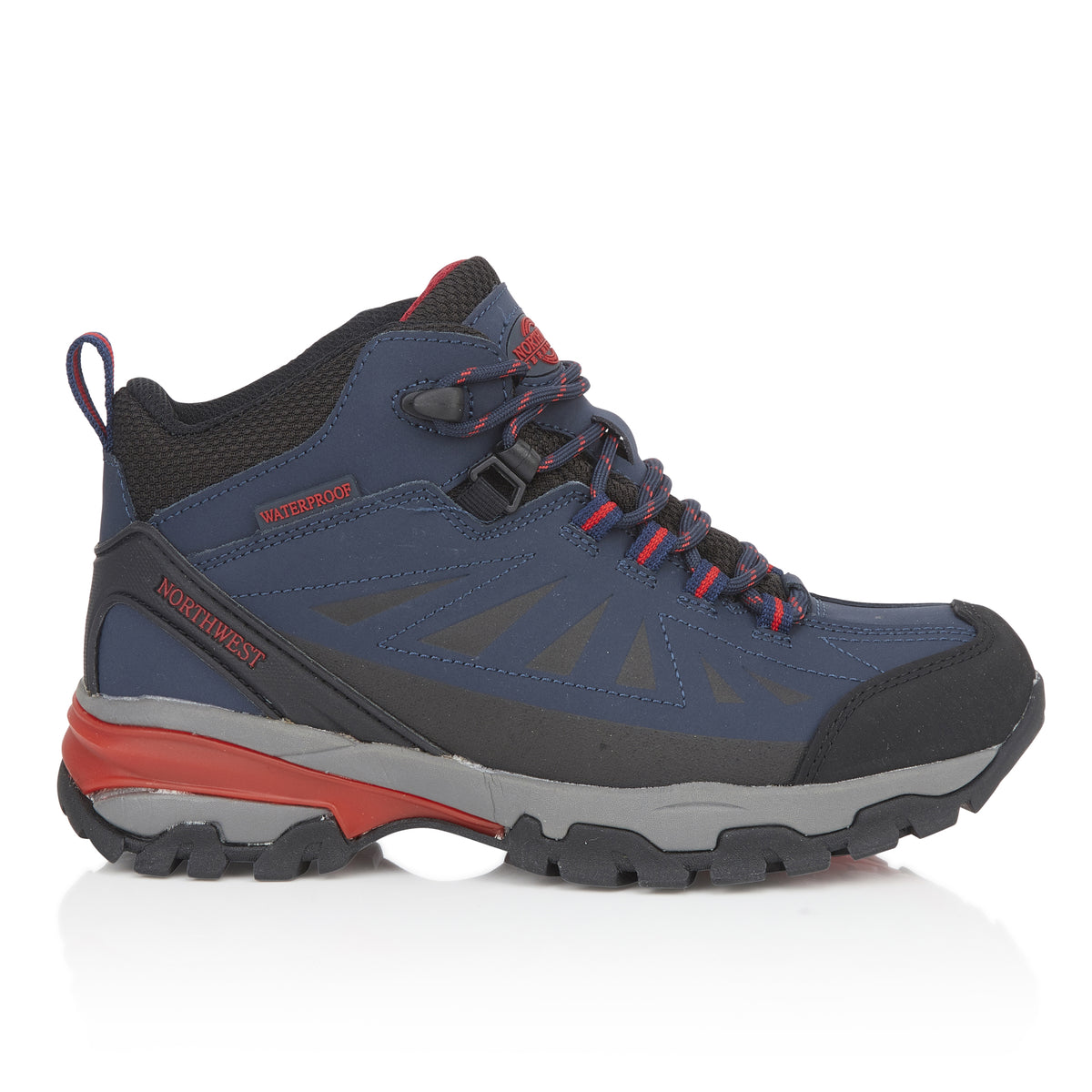
Boots have a different job. They are better in deep mud. They also handle long wet stretches. They fit rougher ground better. When water comes up and goes over the shoe, you may want more help at the ankle.
|
Your walk |
Probably best |
|
Drizzly local loops, park paths, short field routes |
Waterproof walking shoes |
|
Wet grass and gentle countryside tracks |
Waterproof walking shoes |
|
Boggy ground, deep puddles, muddy lanes |
Waterproof walking shoes |
|
Long days on uneven or sloping trails |
Waterproof walking shoes |
|
Carrying a pack in steady rain |
Waterproof walking shoes |
So think about the route first and the shoe second. The best walking footwear for rain isn’t automatically the chunkiest pair. It’s the one that suits where you’re actually going.
A Few Pairs Worth Looking At
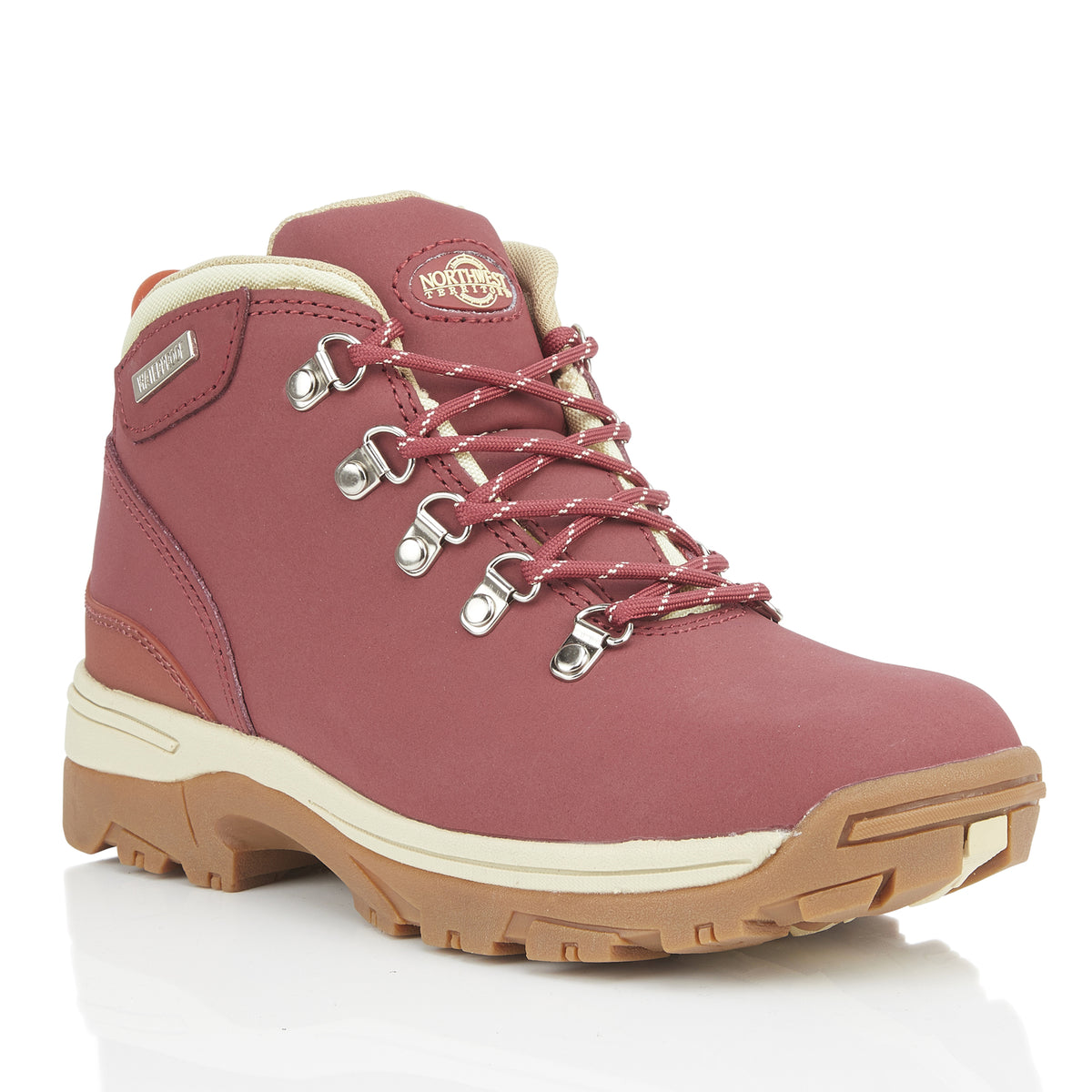
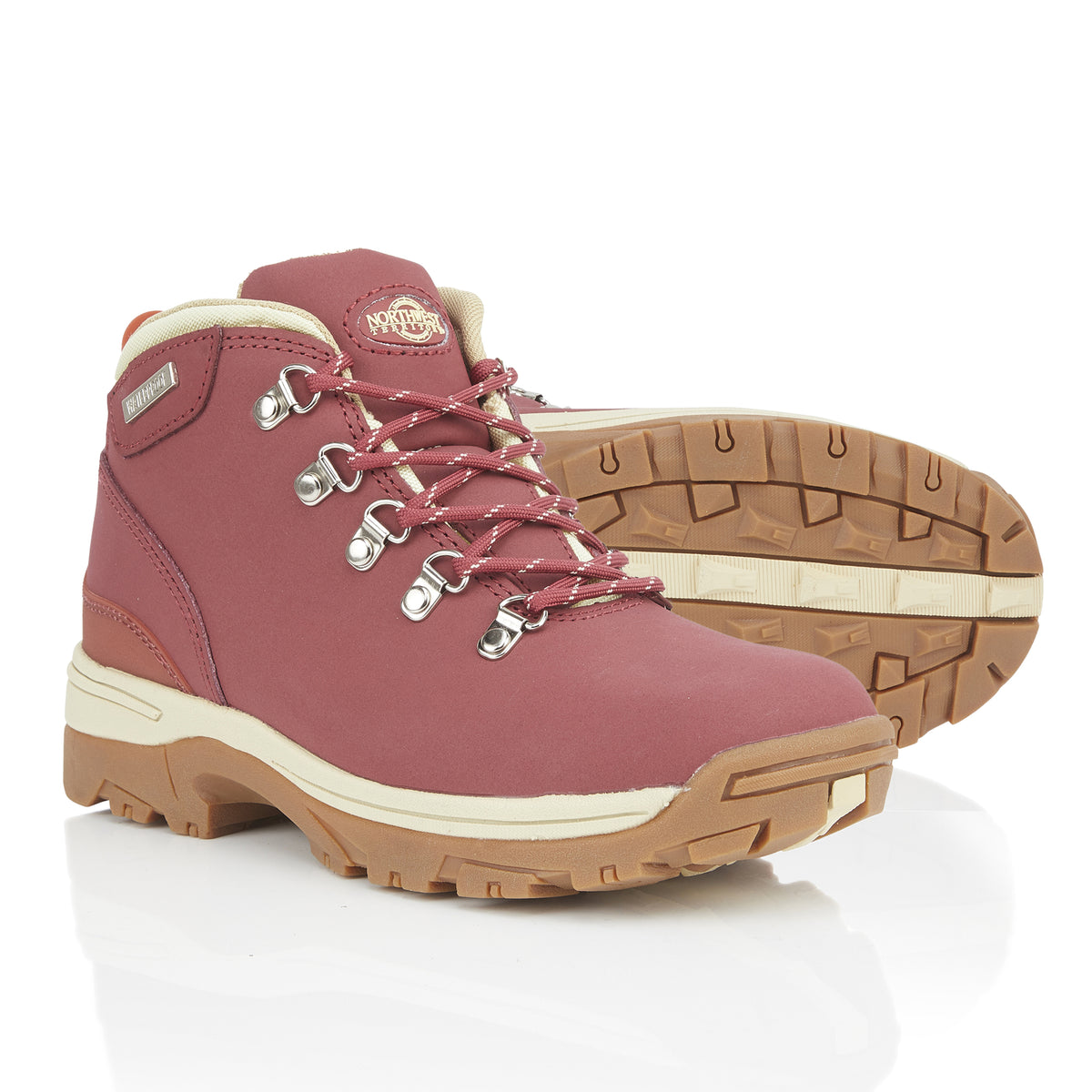
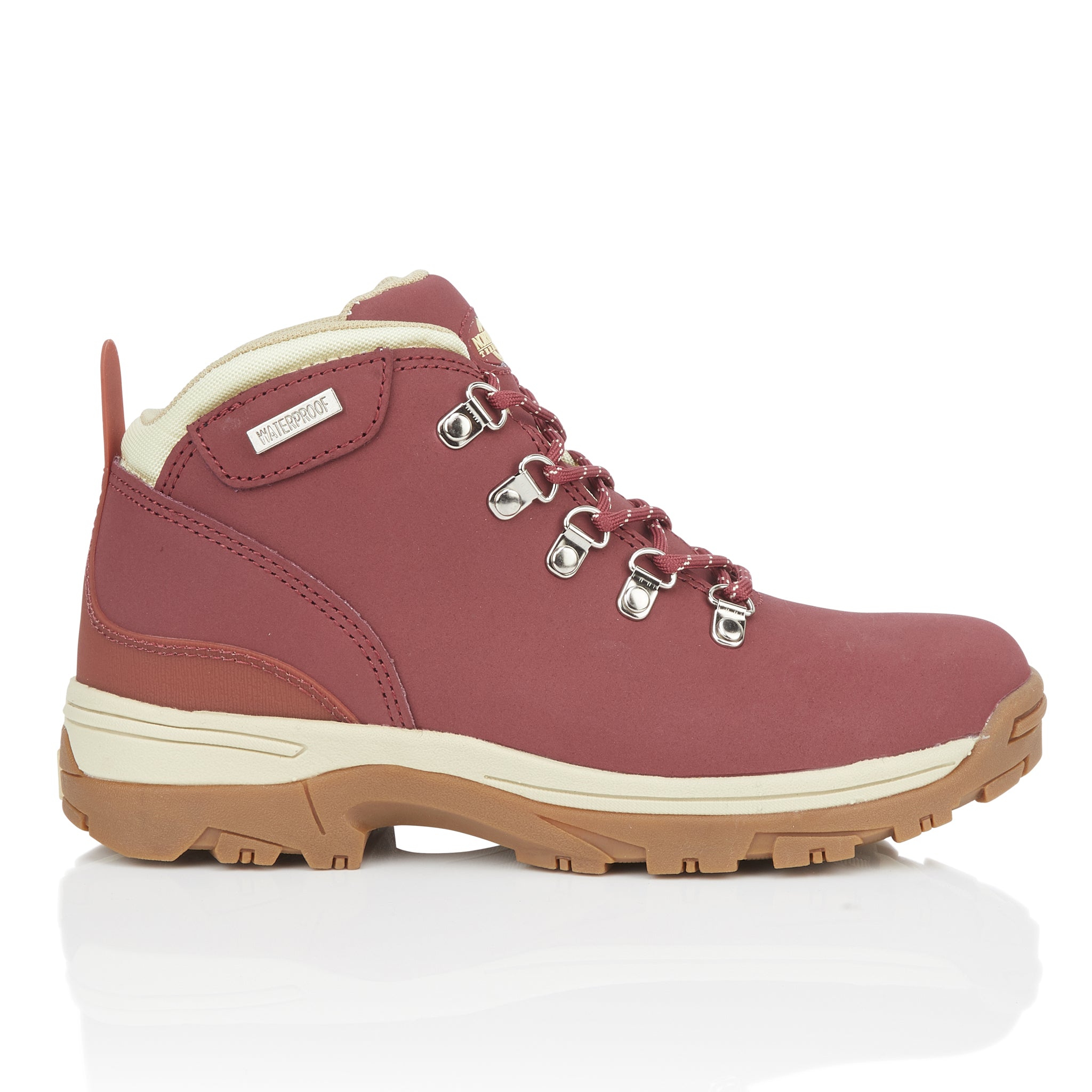
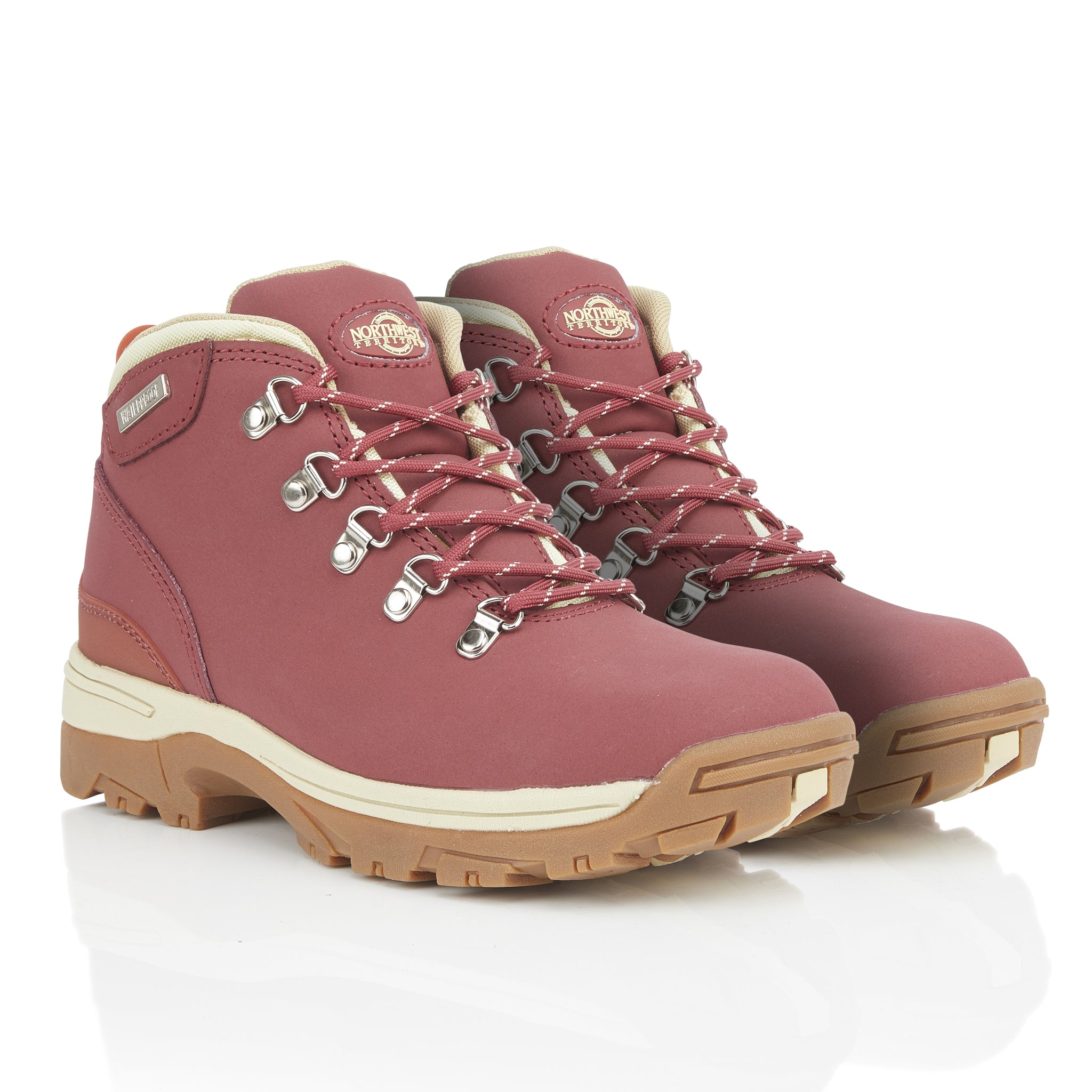
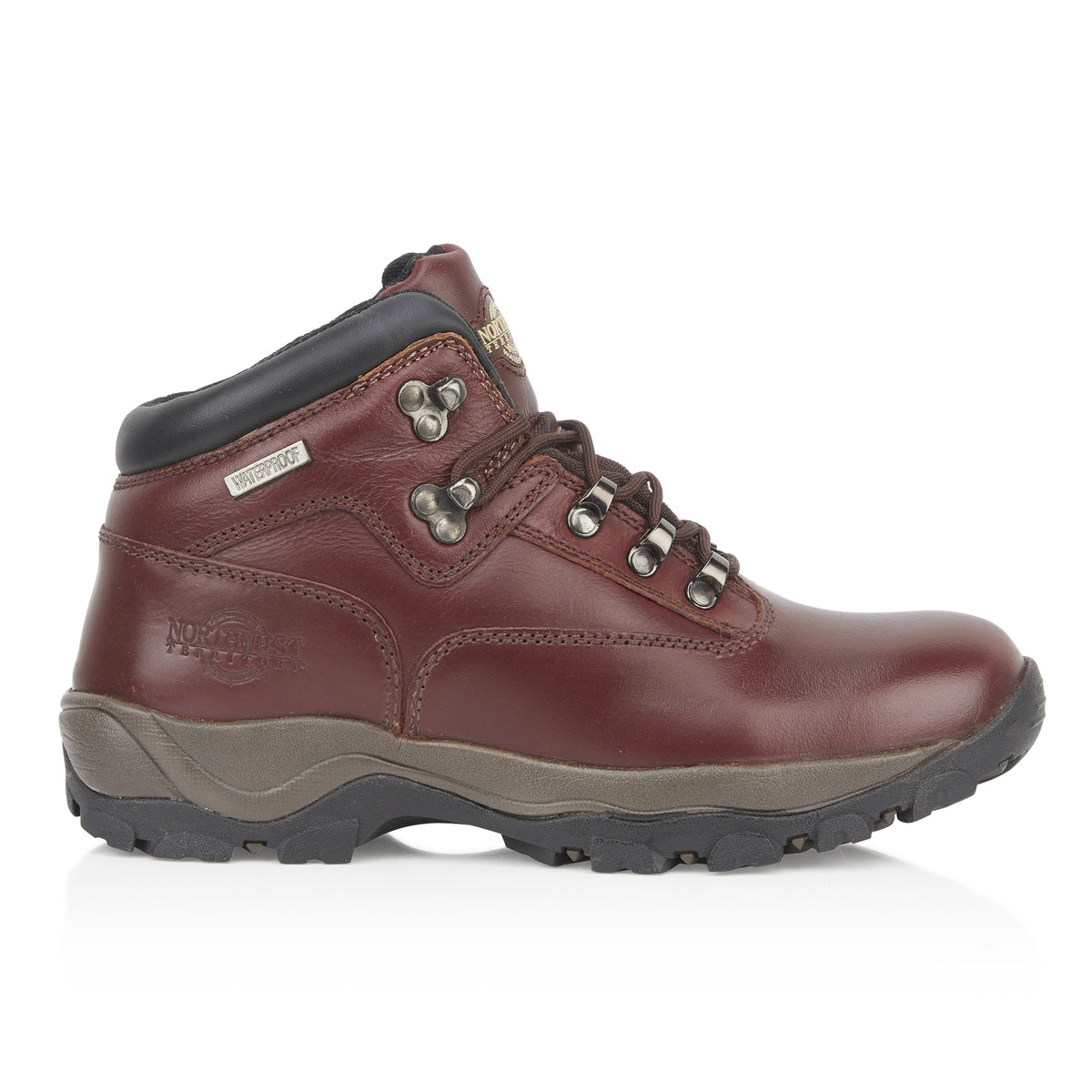
If you’re after waterproof walking shoes for women, the Munro women’s leather waterproof walking shoes are a good place to start for wet grass and rainy walks on gentler ground. Fancy more cover around the ankle? The Emerald women’s leather waterproof walking boots are the ones to look at for damp trails and muddier routes.
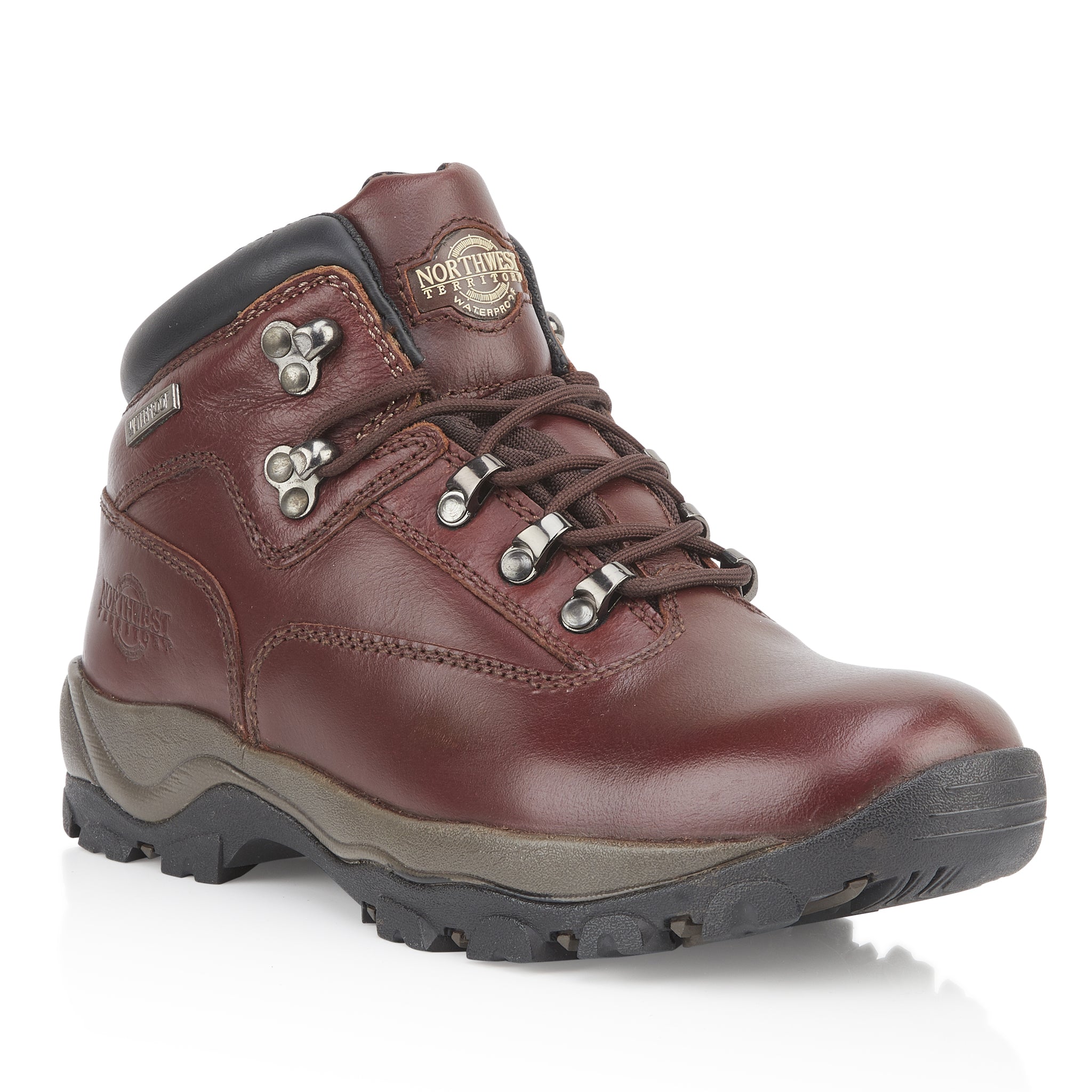
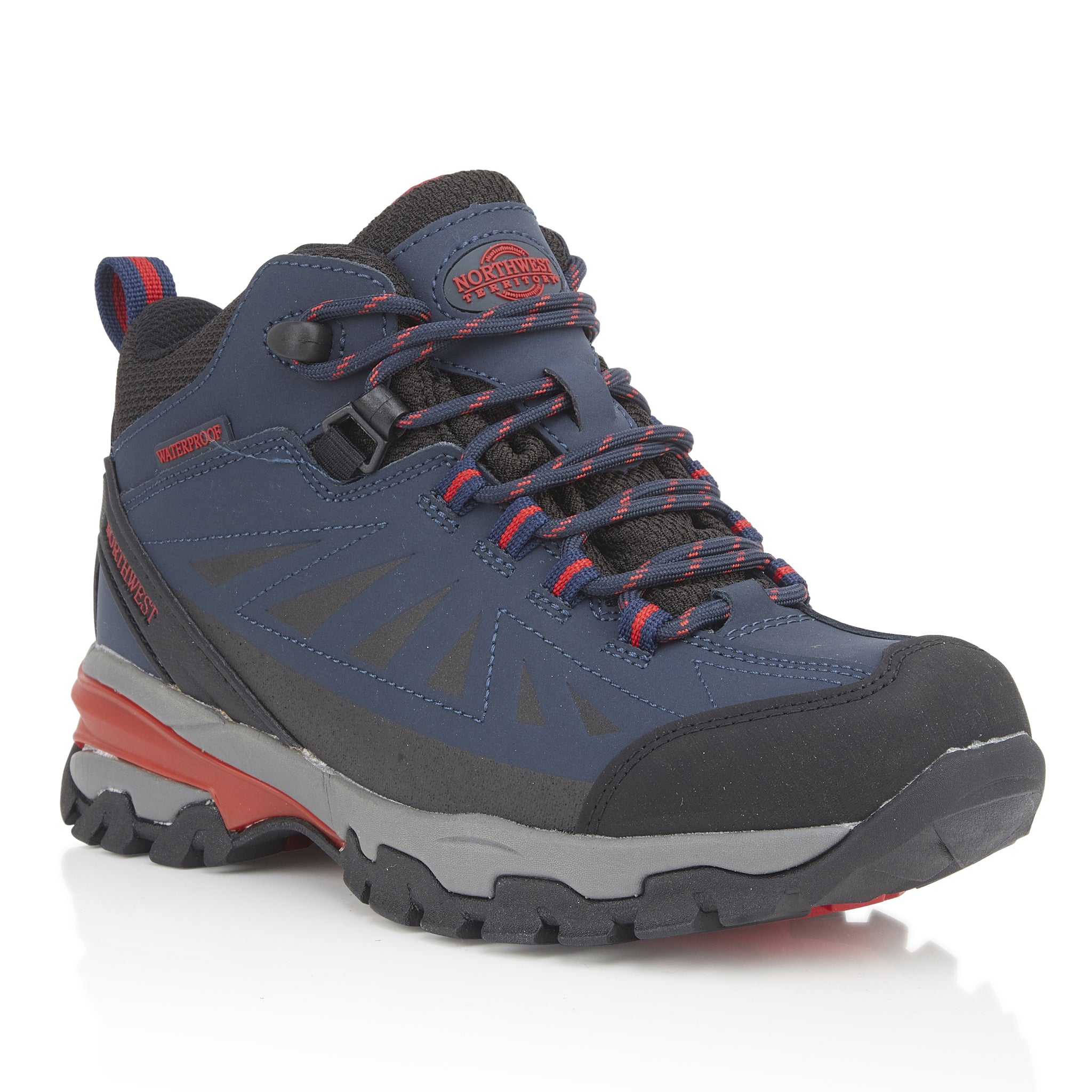
On the men’s side, the Glyder men’s suede leather waterproof walking shoes suit everyday countryside paths, and they’re a handy pick if you’re weighing up men's waterproof walking shoes. When the ground gets soggier, the Inuvik men’s leather waterproof walking boots give you a higher cut.
Want to compare a few more first? Our men’s walking shoes and women’s walking shoes collections put everything in one place, whether you’re after waterproof walking shoes for men UK or women’s waterproof walking shoes. Our walking boots are on the site too.
Looking After Them Afterwards
A good pair only stays waterproof if you give it a little attention.
- Brush off the mud while it’s still soft: Once it dries hard, it’s much more work
- Dry them slowly: Loosen the laces, pull out the insoles and leave them somewhere at room temperature. Radiators can crack leather
- Stuff them with newspaper: It pulls out the damp. Swap it after an hour or so
- Re-proof when water stops beading: A wax or spray made for leather does the job
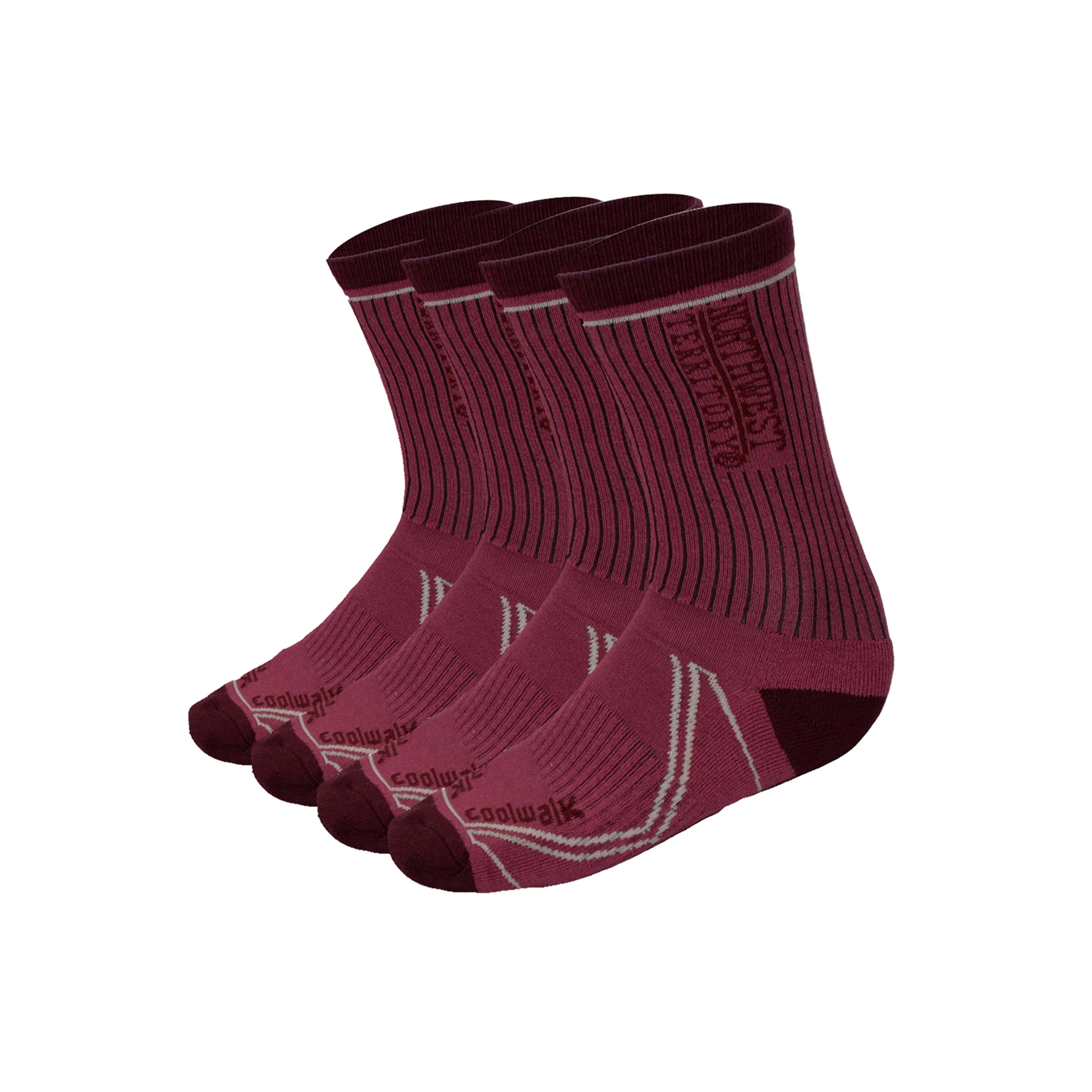
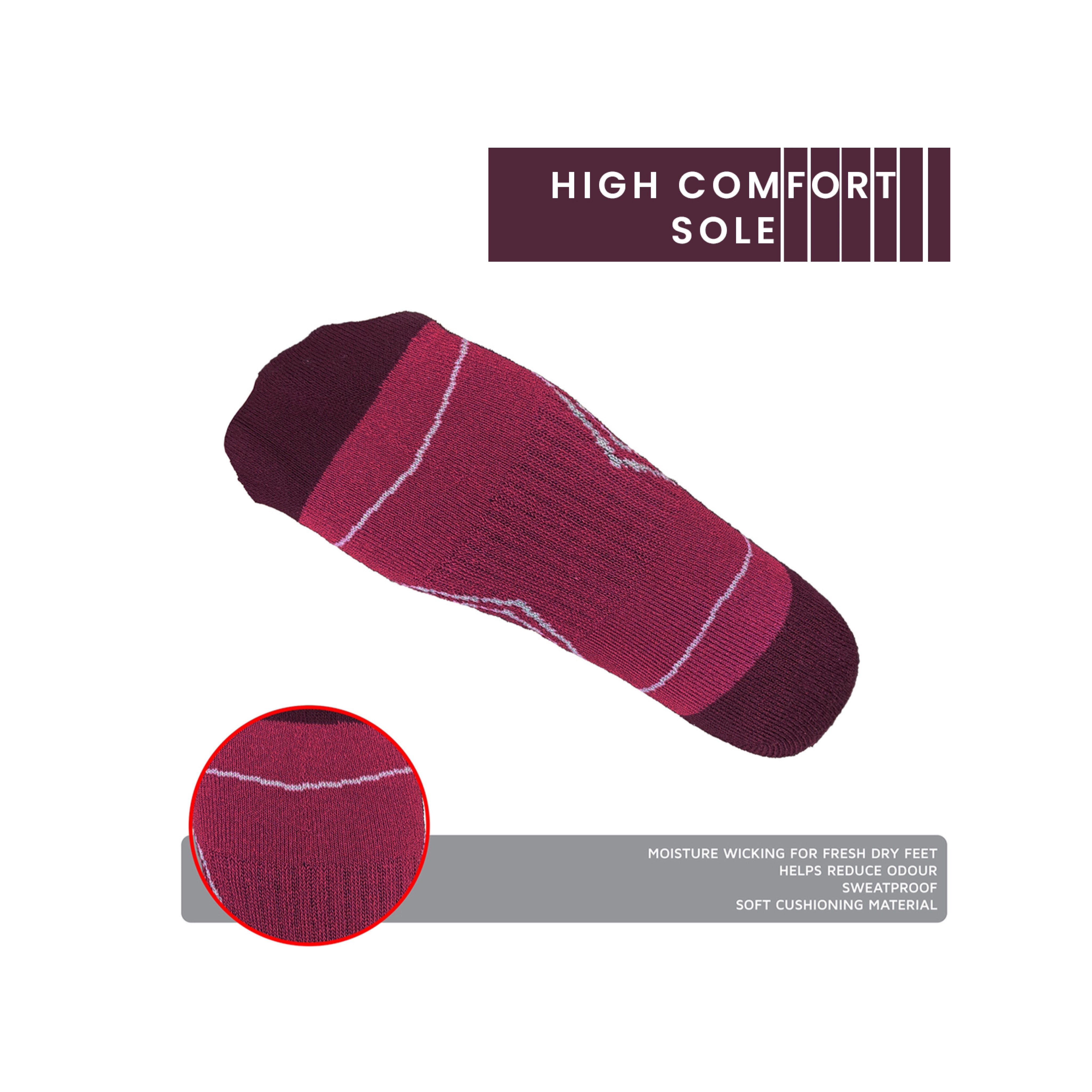
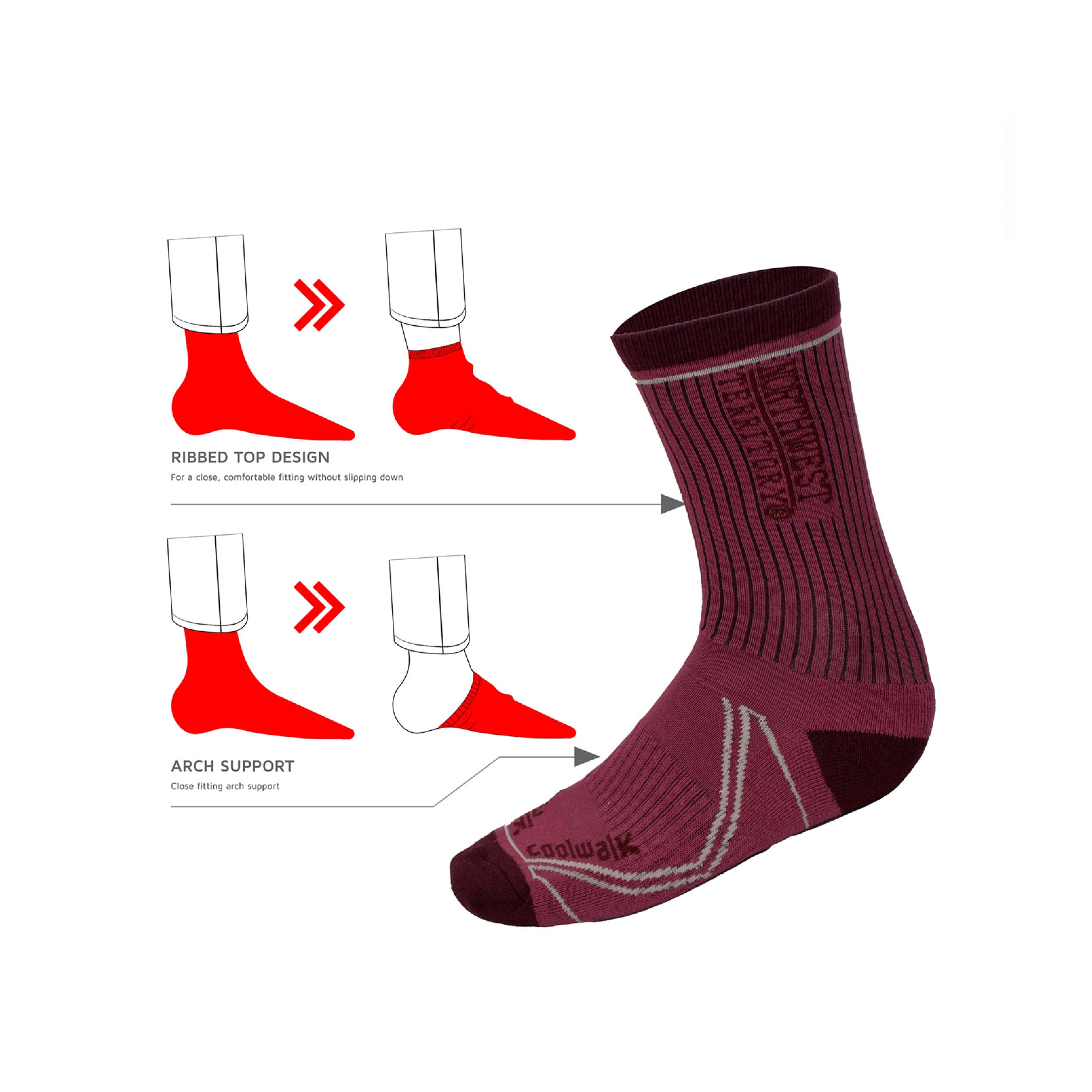
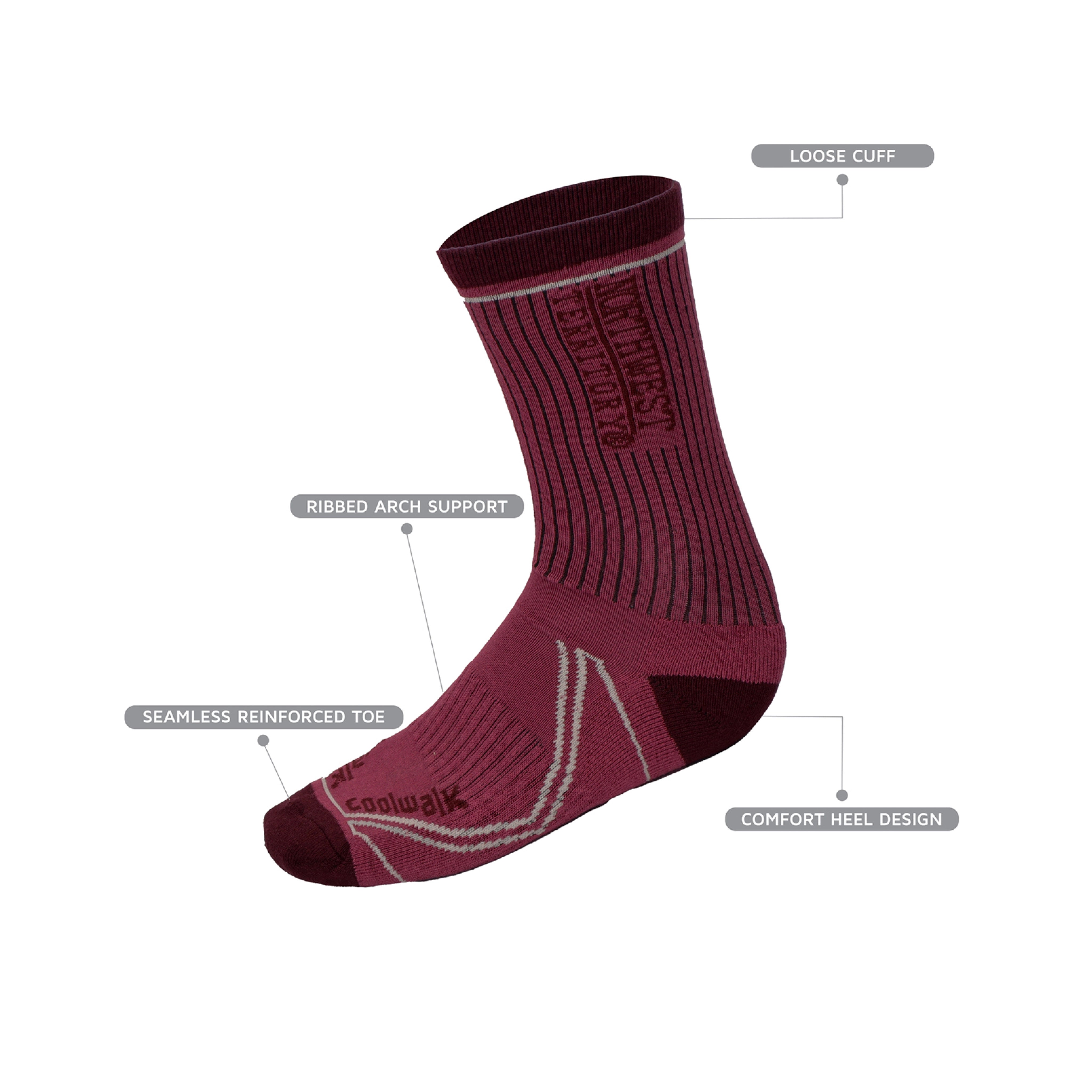
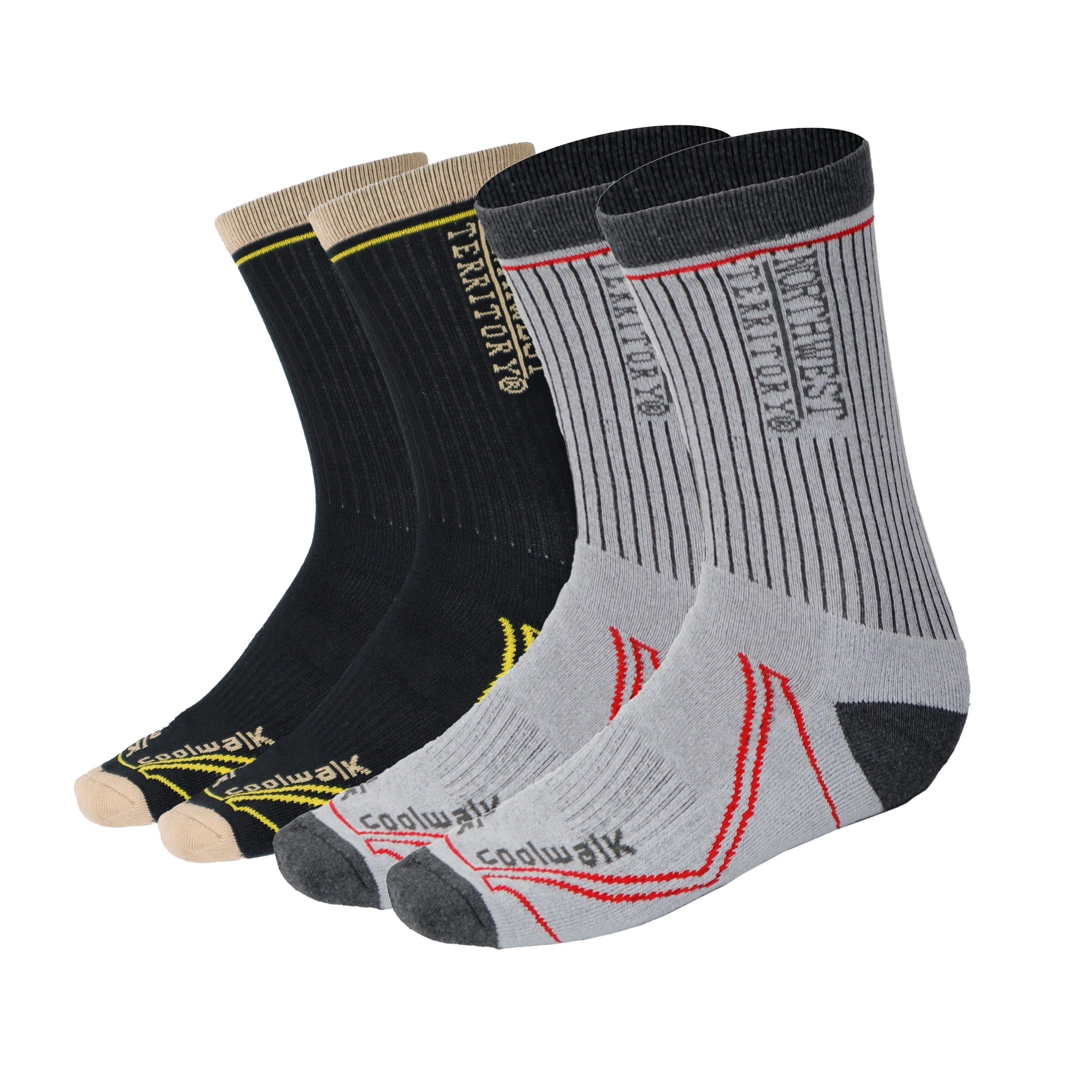
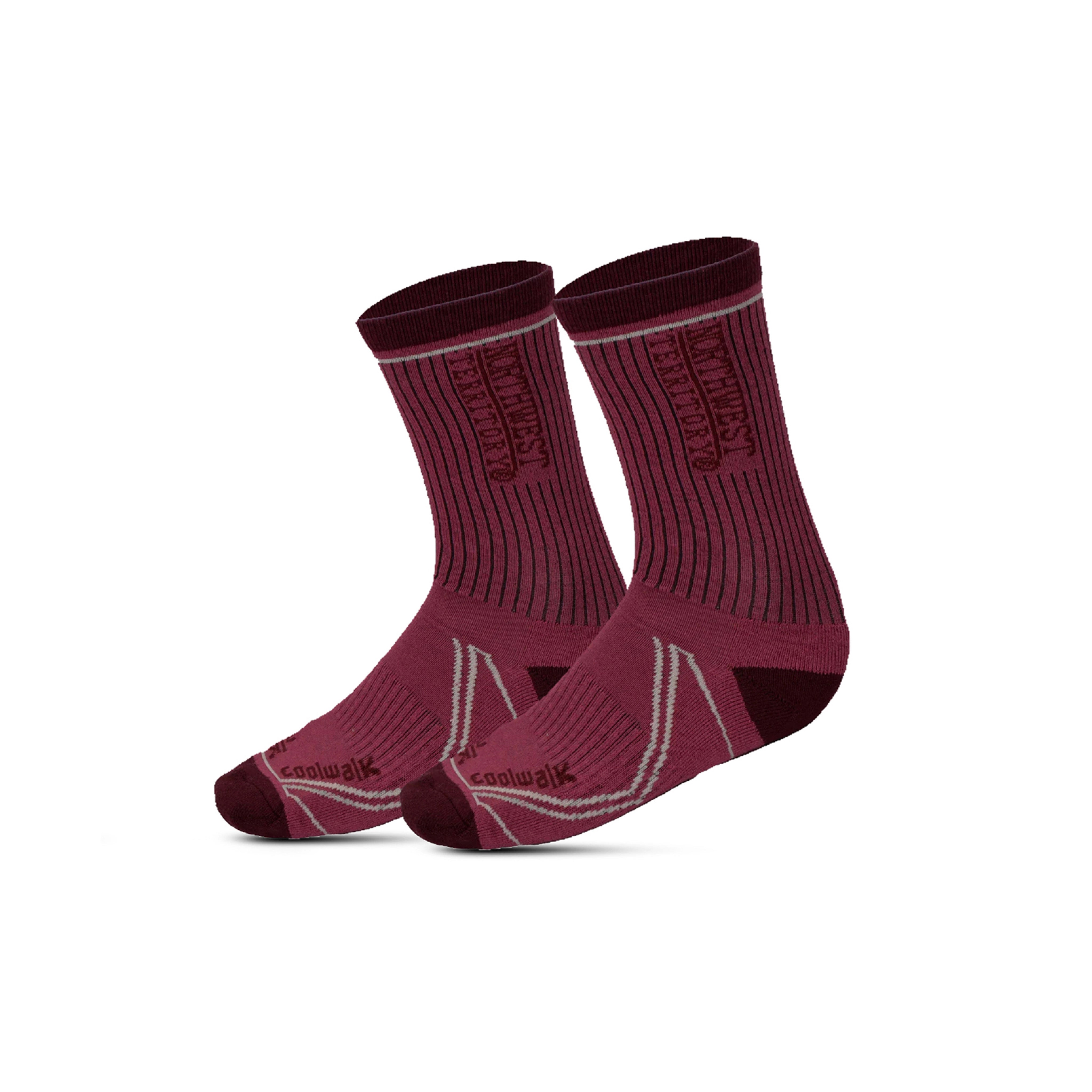
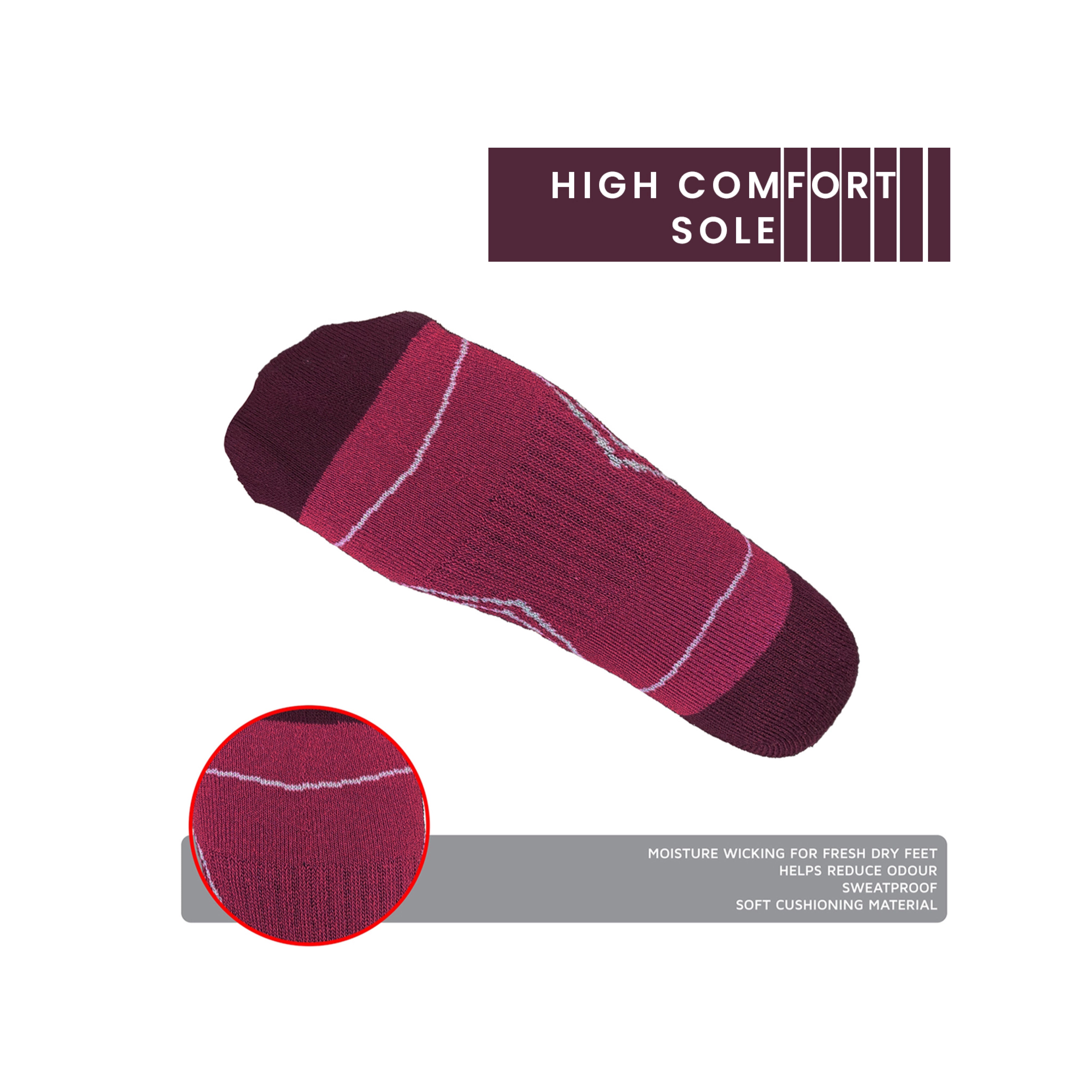
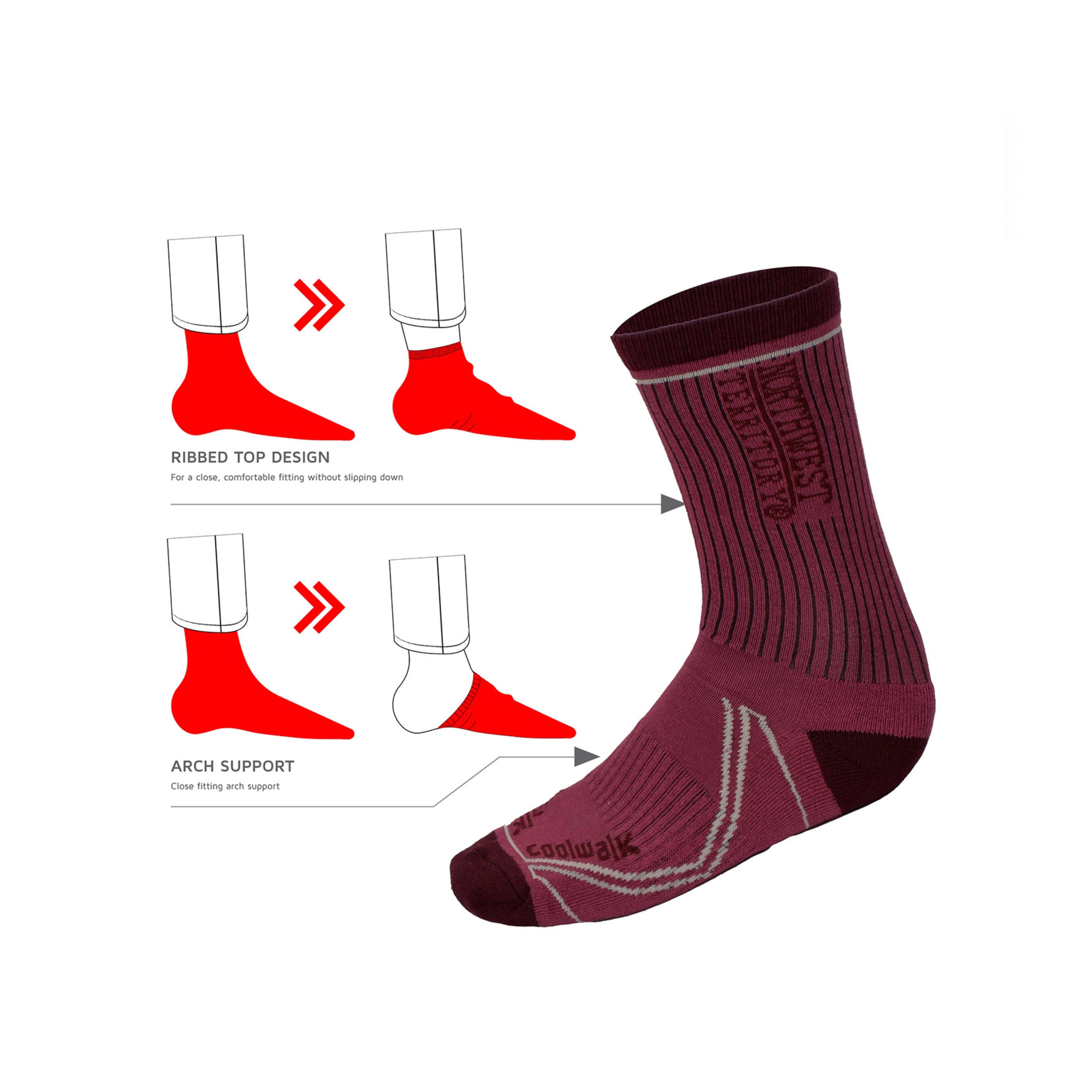
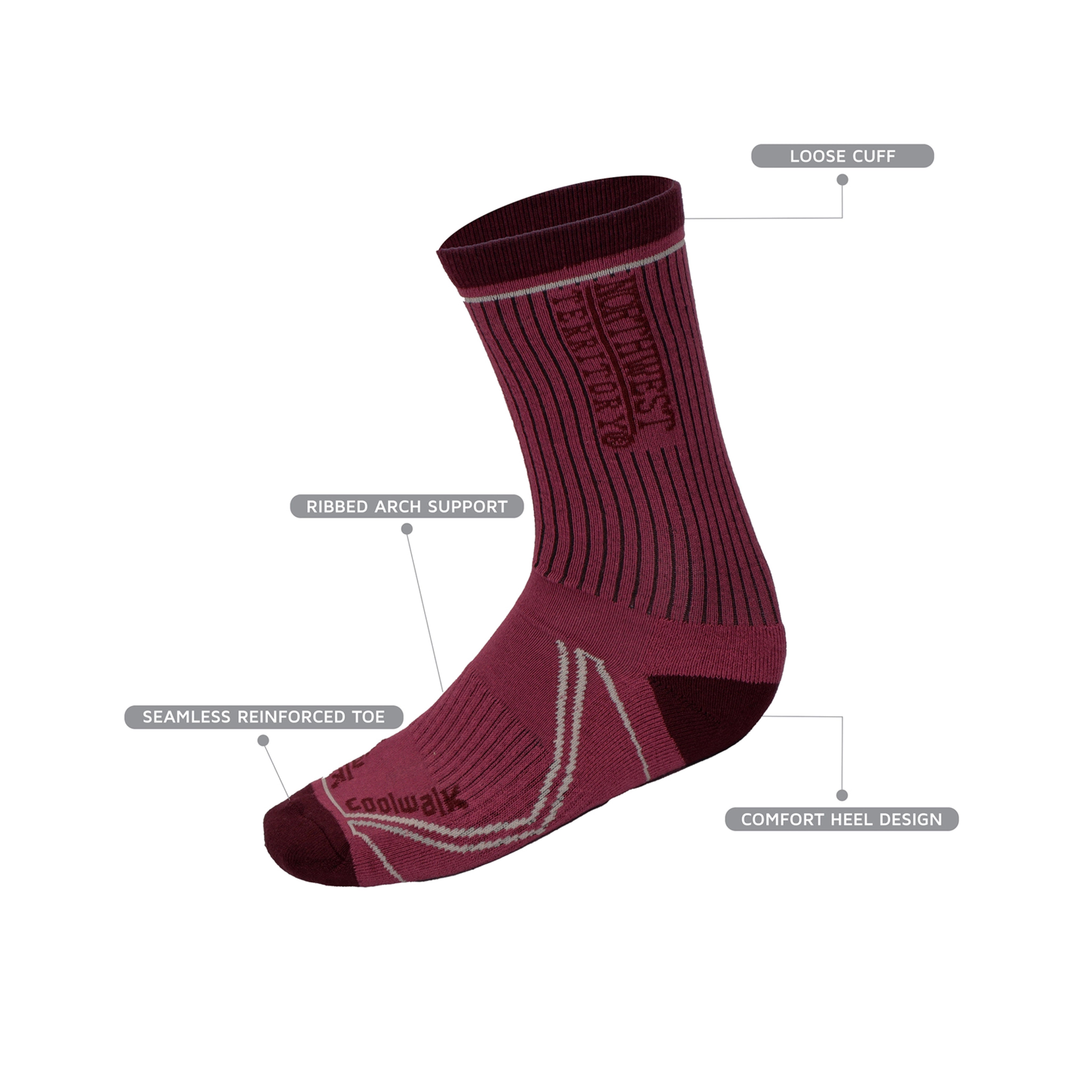
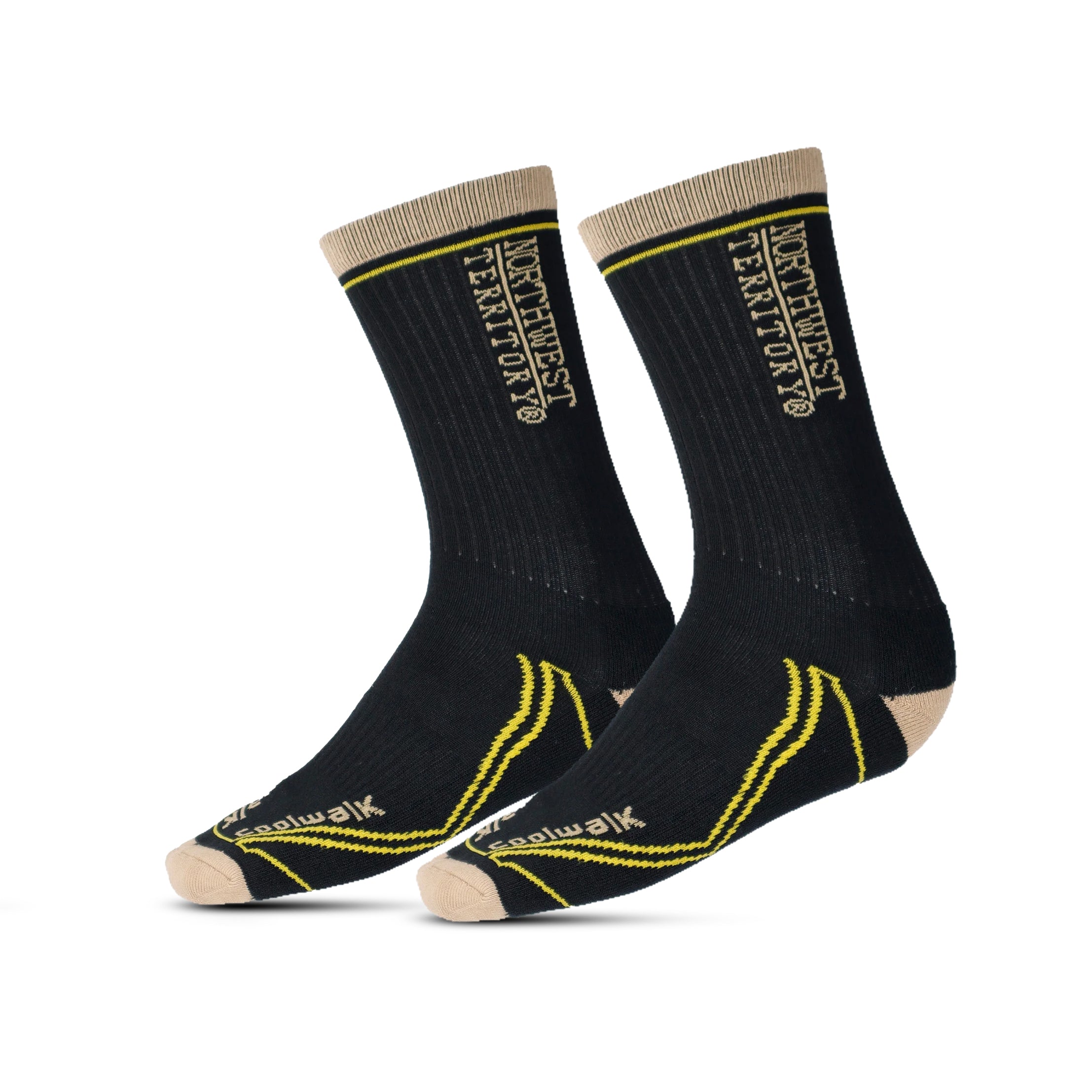
- Choose your socks carefully: Wet cotton rubs and stays cold, so a moisture-wicking pair is better

Choose Footwear for the Walk Ahead
Rain does not have to put an end to a countryside walk, but it is worth preparing for the conditions underfoot. Consider where water could enter, whether the tread suits the surface and how much coverage you need around your ankle.
With those points in mind, you can compare waterproof walking shoes and boots more confidently and choose a pair that fits your usual routes. Explore Northwest Territory's walking footwear collections to find an option suited to your next walk.
FAQs
1. Are walking shoes suitable for wet grass?
Yes, if they’re waterproof and have a deep, grippy outsole. For long, steep or boggy fields, boots give you more cover.
2. Are walking shoes good in rain?
Yes, on paths and gentle countryside. For deep mud or long wet days, boots are the safer choice.
3. What should I look for in walking footwear for rain?
A leather upper, a waterproof lining, a gusseted tongue and an outsole with deep lugs.
4. Will waterproof shoes keep my feet dry in heavy rain?
Mostly, but water can still pour in over the top. Waterproof trousers worn over the shoes help in a proper downpour.
5. How do I dry wet walking shoes?
Take out the insoles, stuff them with newspaper and leave them somewhere airy, away from direct heat.