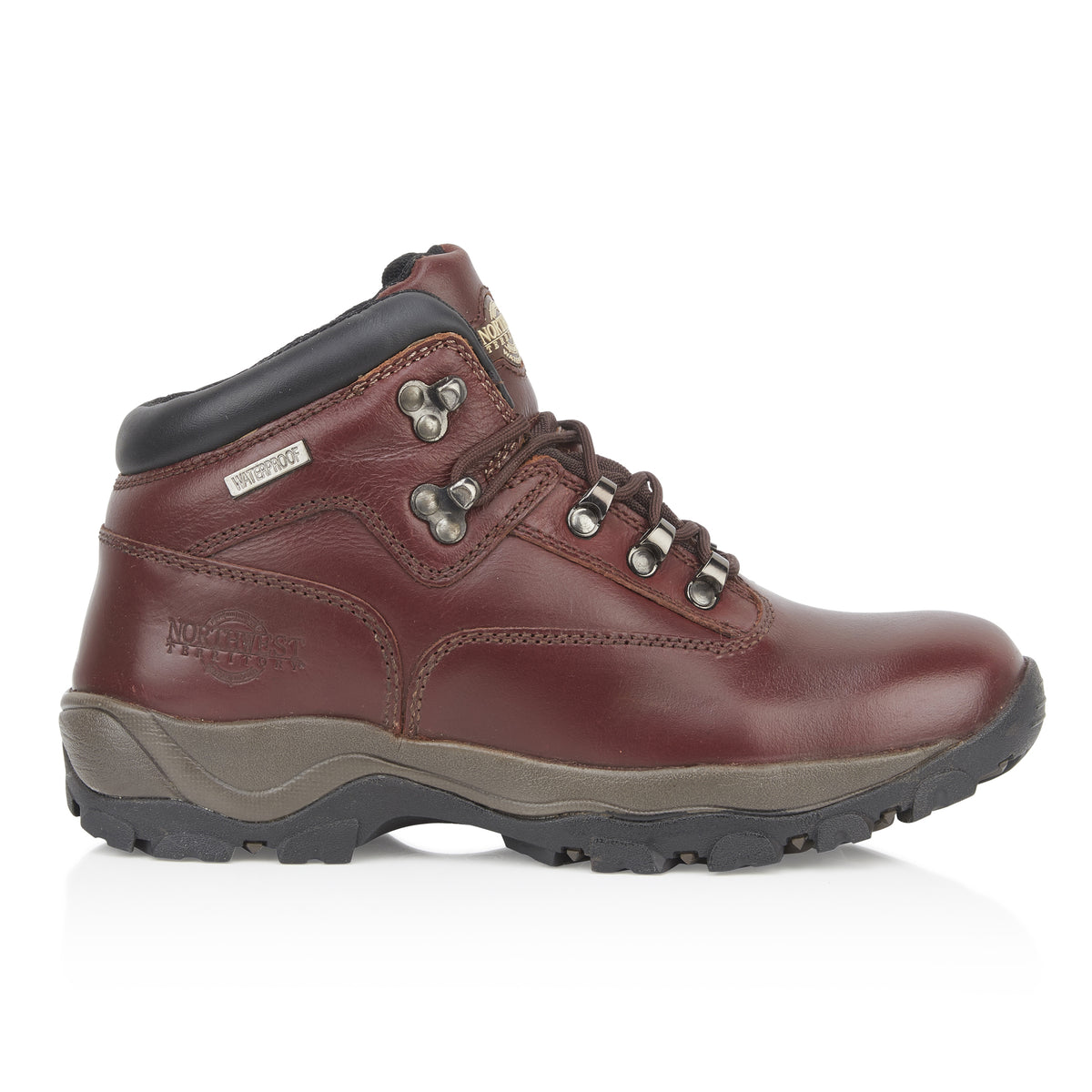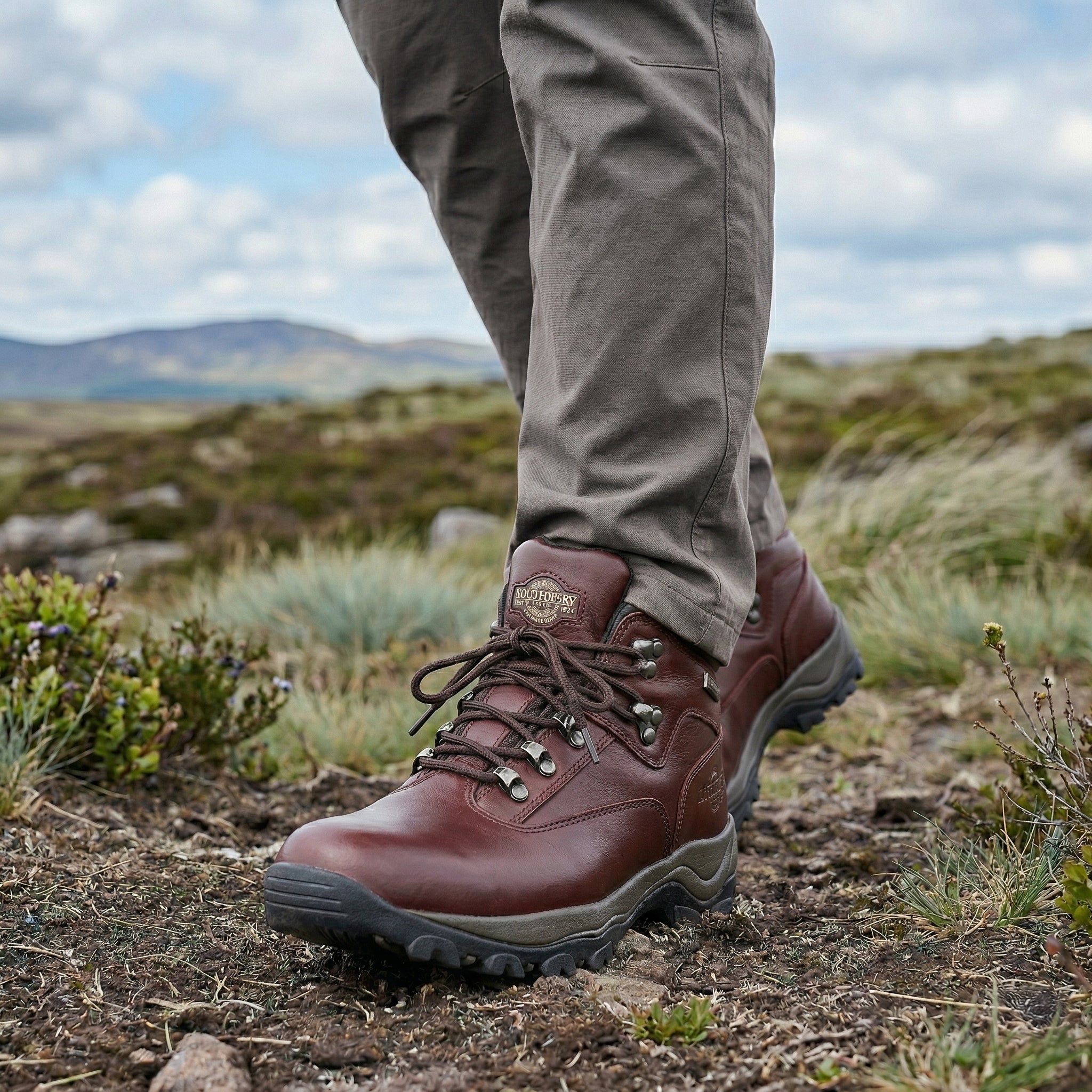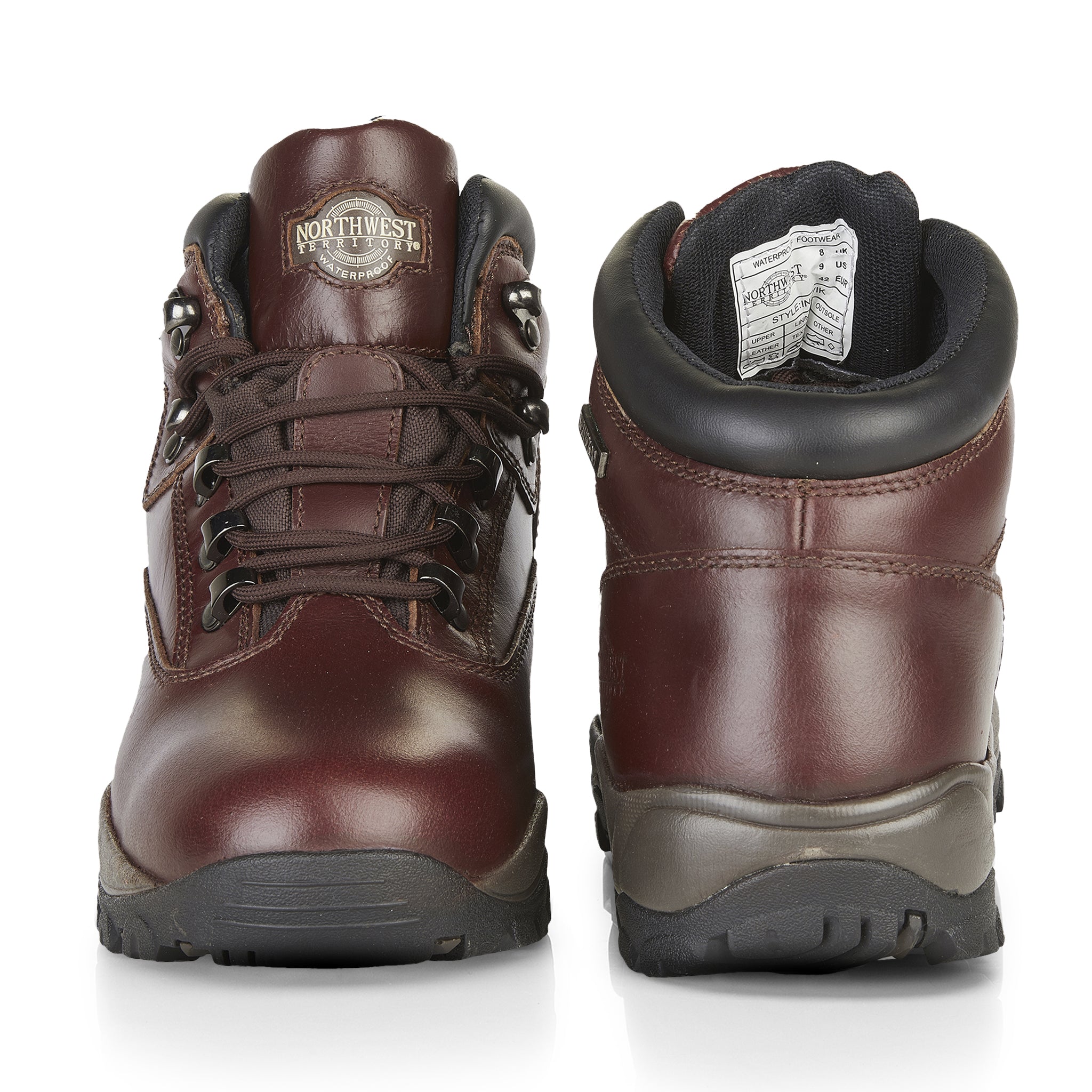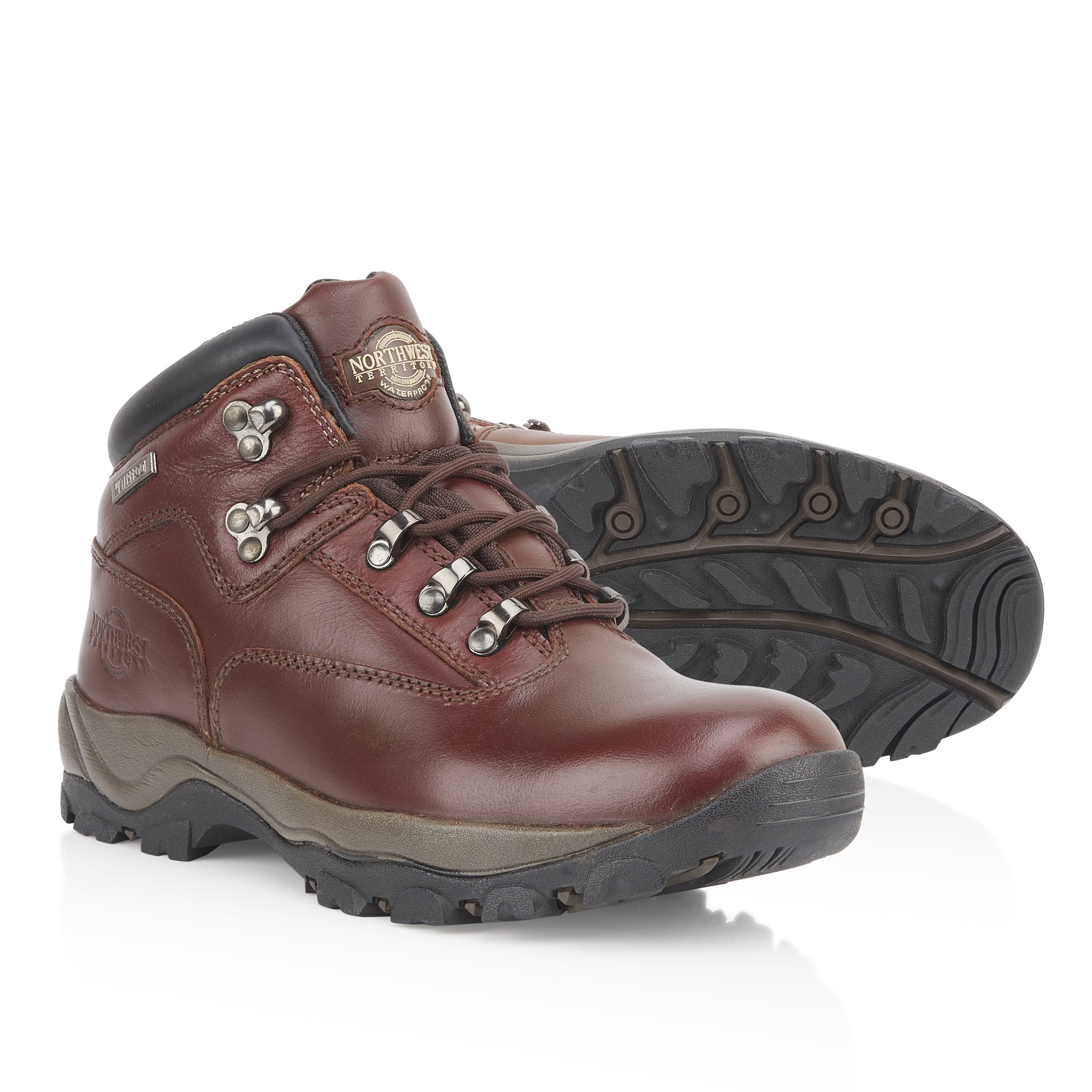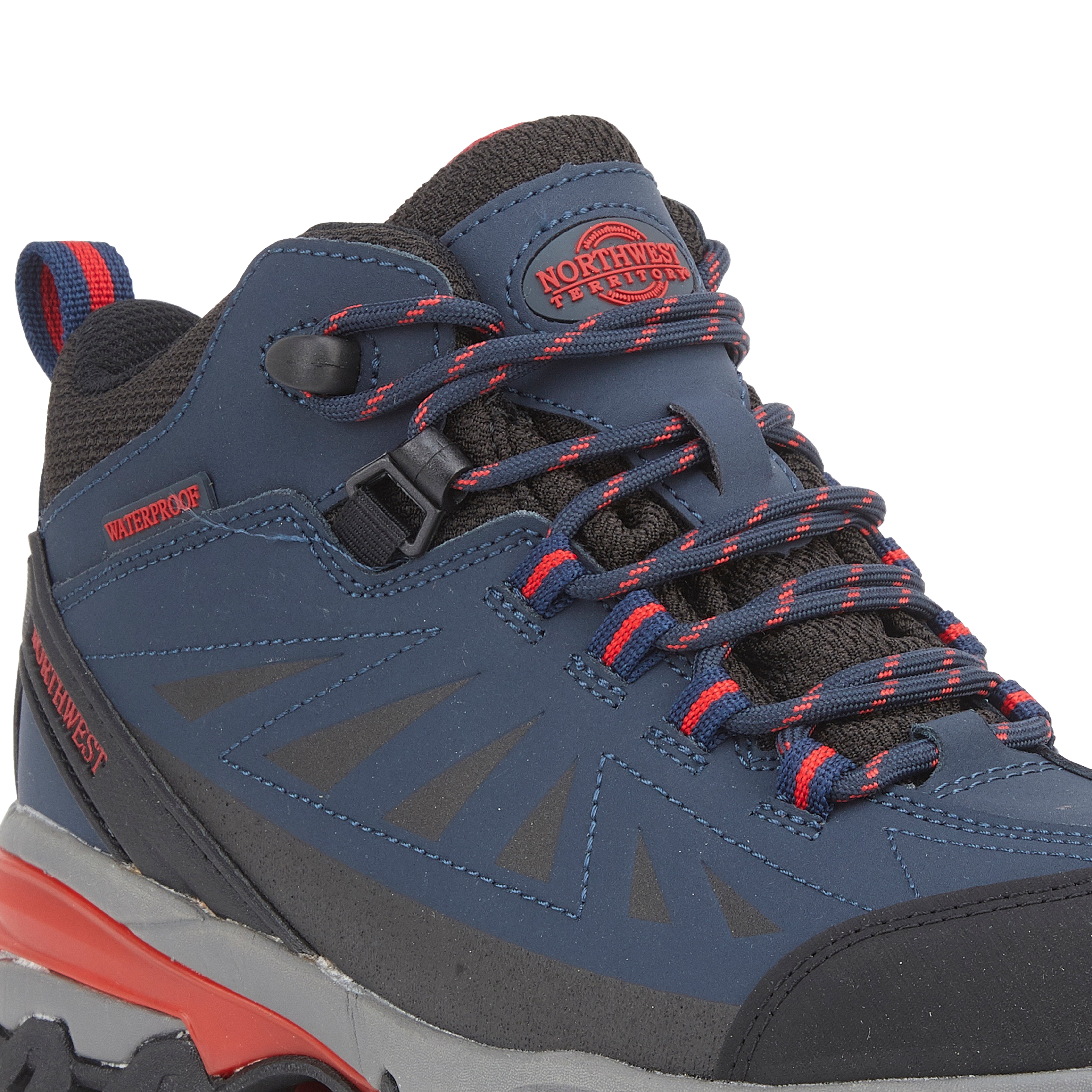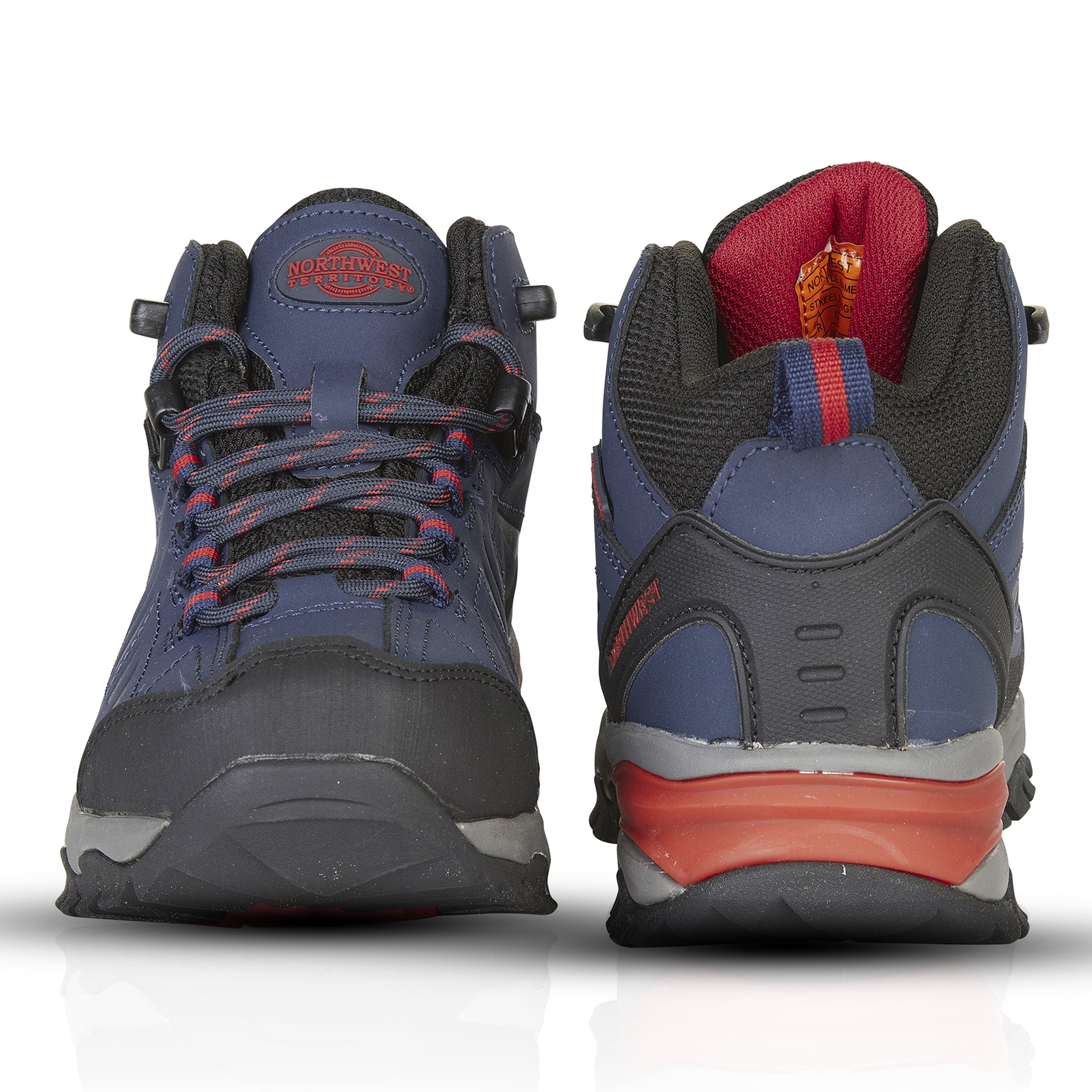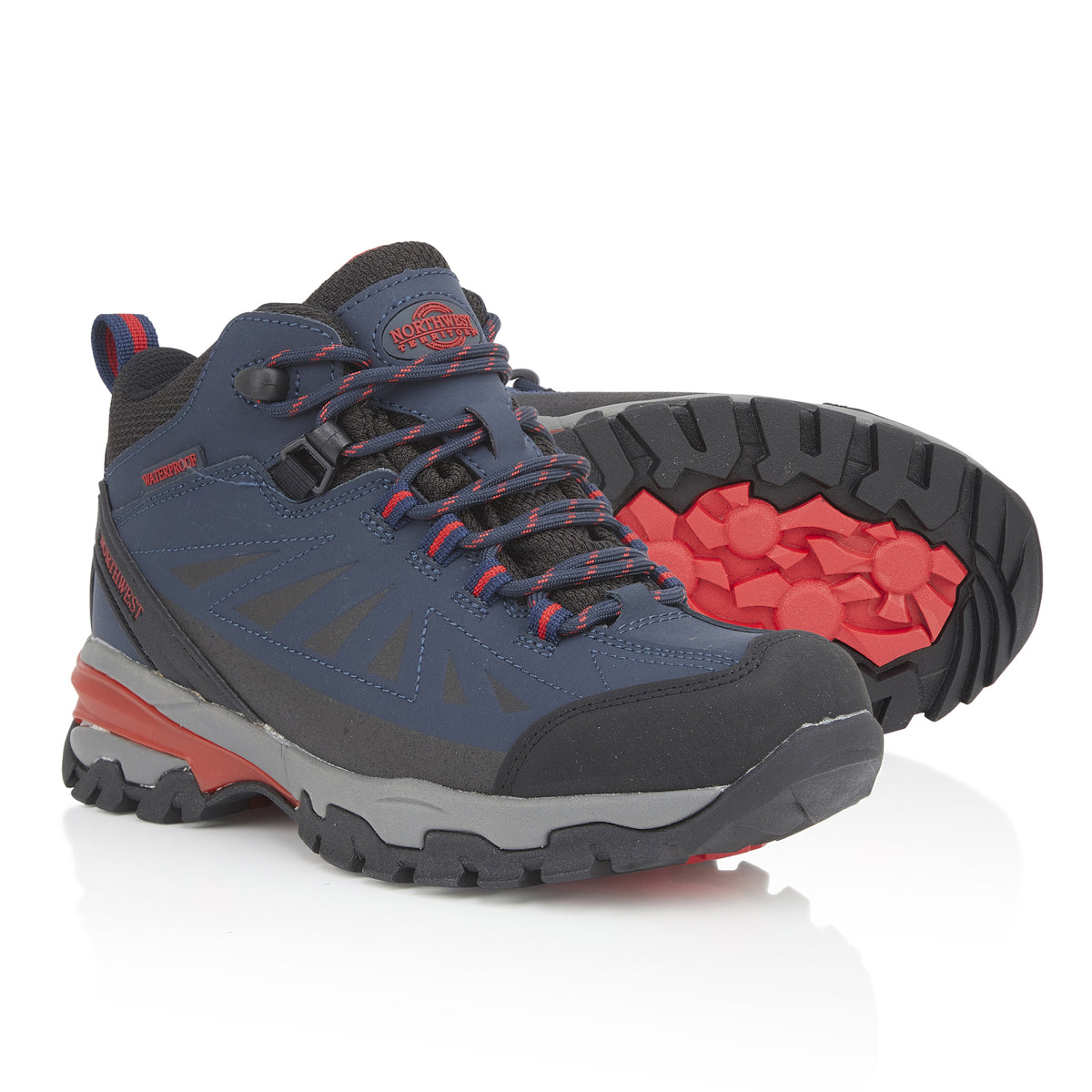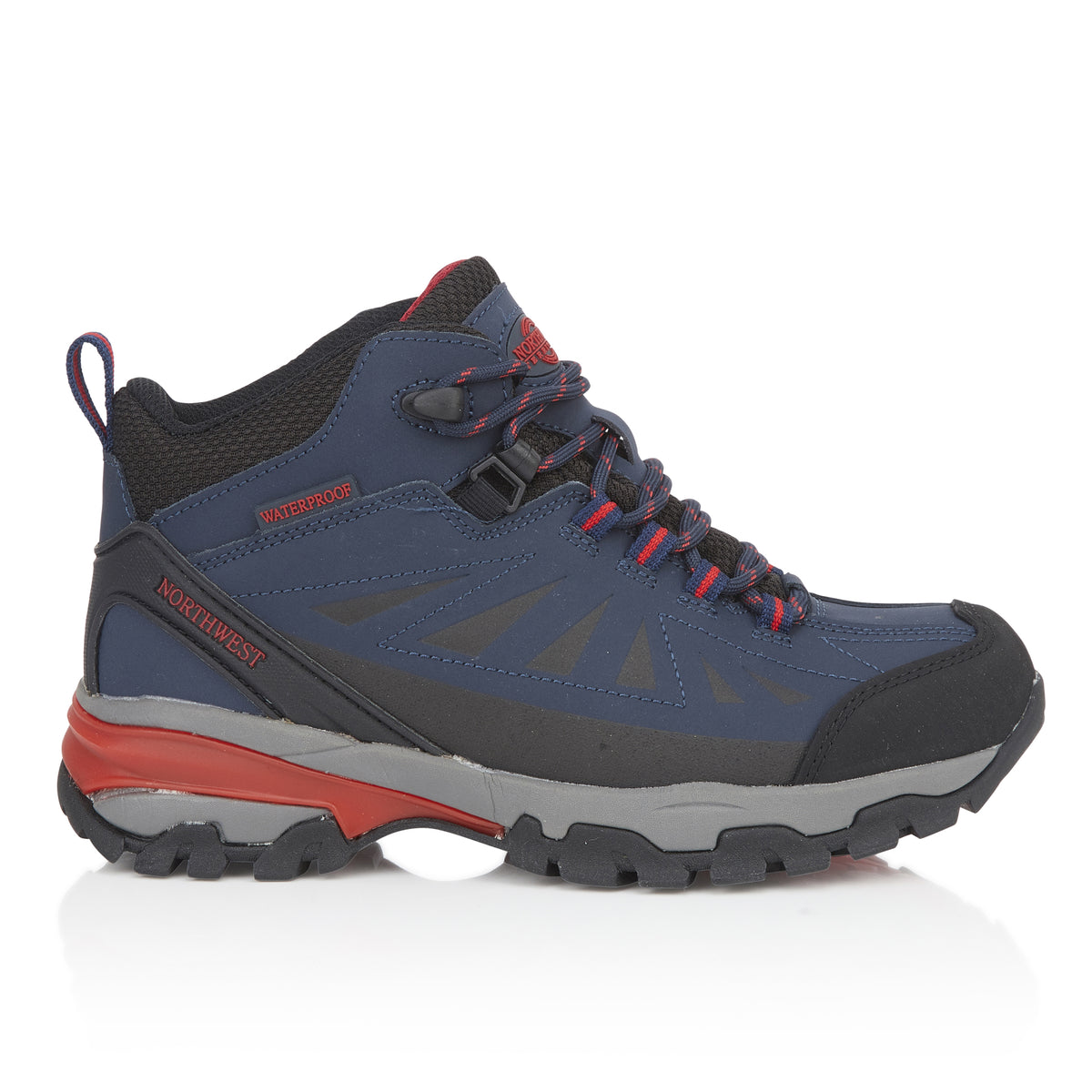


Think back to your last proper walk. Were your feet aching by halfway? Did you skid on a patch of wet grass you’d normally stroll across? Or did you peel off your socks at the end and find them damp, even though it hardly rained?
If any of that rings a bell, it’s probably the boots and not you. It’s worth knowing when to replace walking boots before a small niggle turns into a ruined weekend.
Boots don’t give up all at once. They wear down a little with every walk, and because you’re used to them, you stop noticing. Most of us keep an old pair going out of sheer loyalty. So this guide covers seven signs you need new walking boots, a quick check you can do at the kitchen table, and a straight answer on repairing versus replacing.
We at Northwest Territory would much rather see you out in boots you trust than limping home in a pair you’ve outgrown.
How Long Should Walking Boots Last?
Most people want a number, so here’s the one you’ll see quoted: around 500 to 1,000 miles for a decent pair of leather boots. Take it with a pinch of salt, though. If you do the odd gentle loop round the village, a pair can last for years. If you’re out on rough hills every weekend, you might see the signs within twelve months. Your weight, the ground you walk on, and whether you dry them properly (not on the radiator, please) all make a difference.
So treat the mileage as a starting point. The boots will tell you the rest.

7 Signs It’s Time: When To Replace Walking Boots
Go through these one by one. If you tick two or more, I’d stop putting it off.
1. The tread has gone smooth
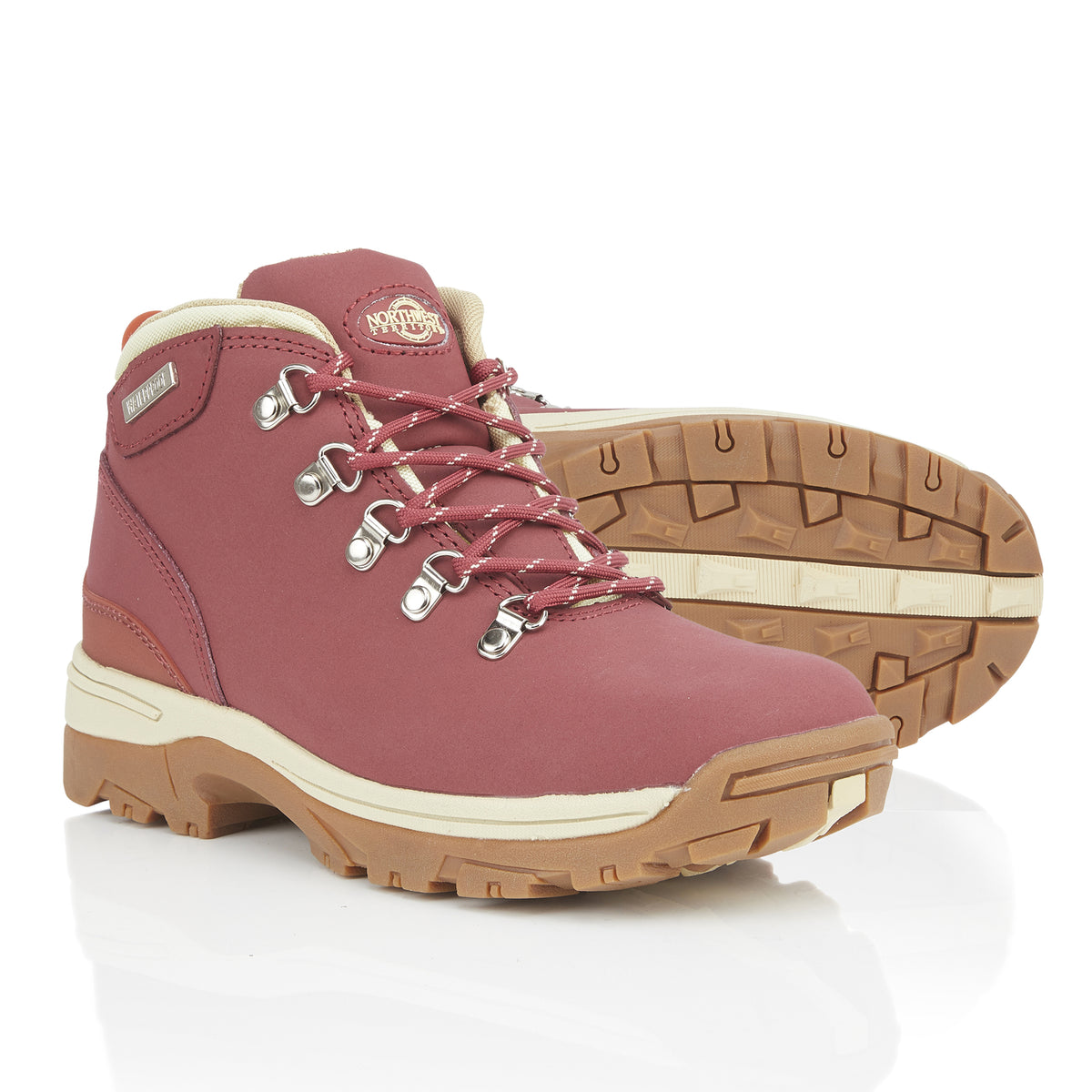
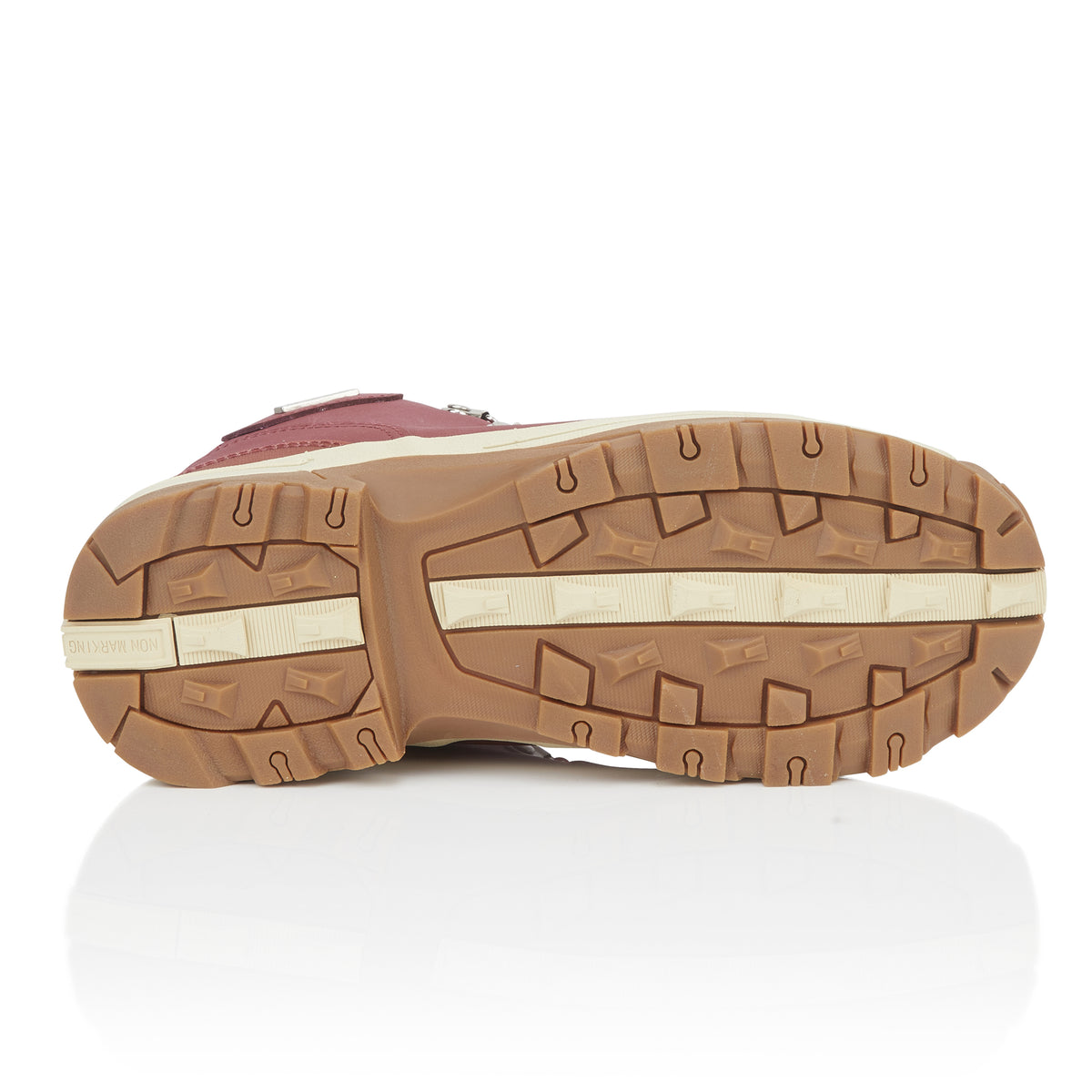
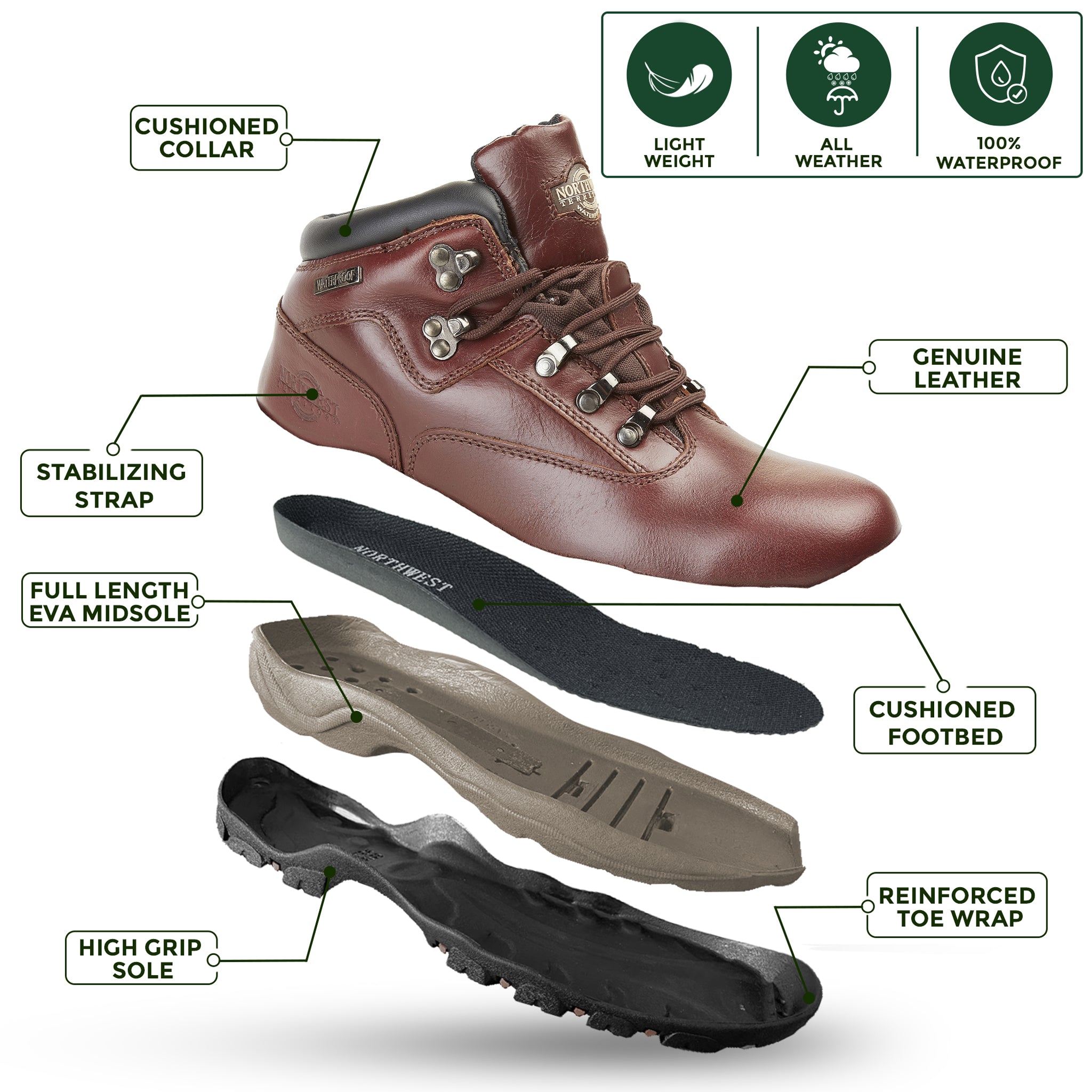
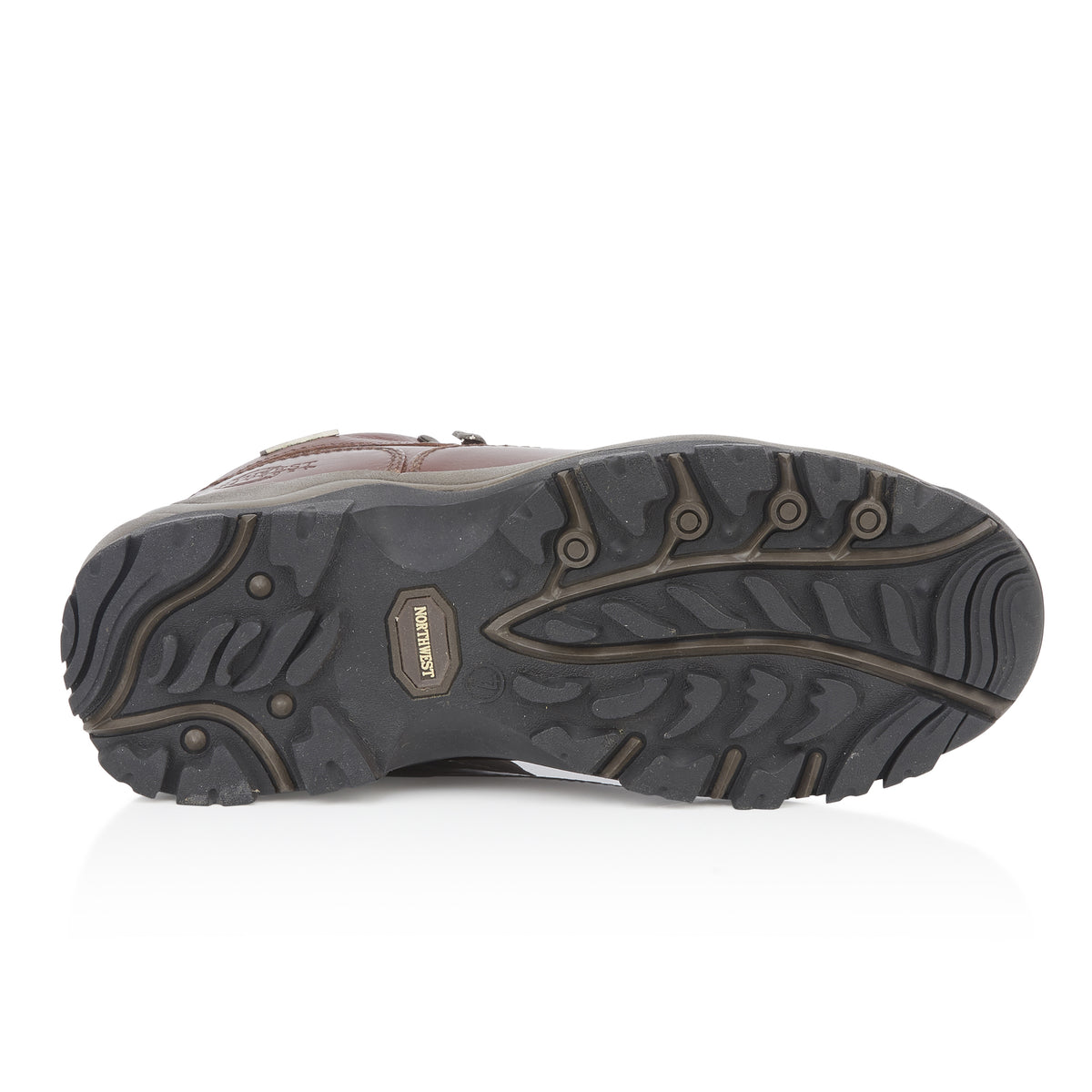
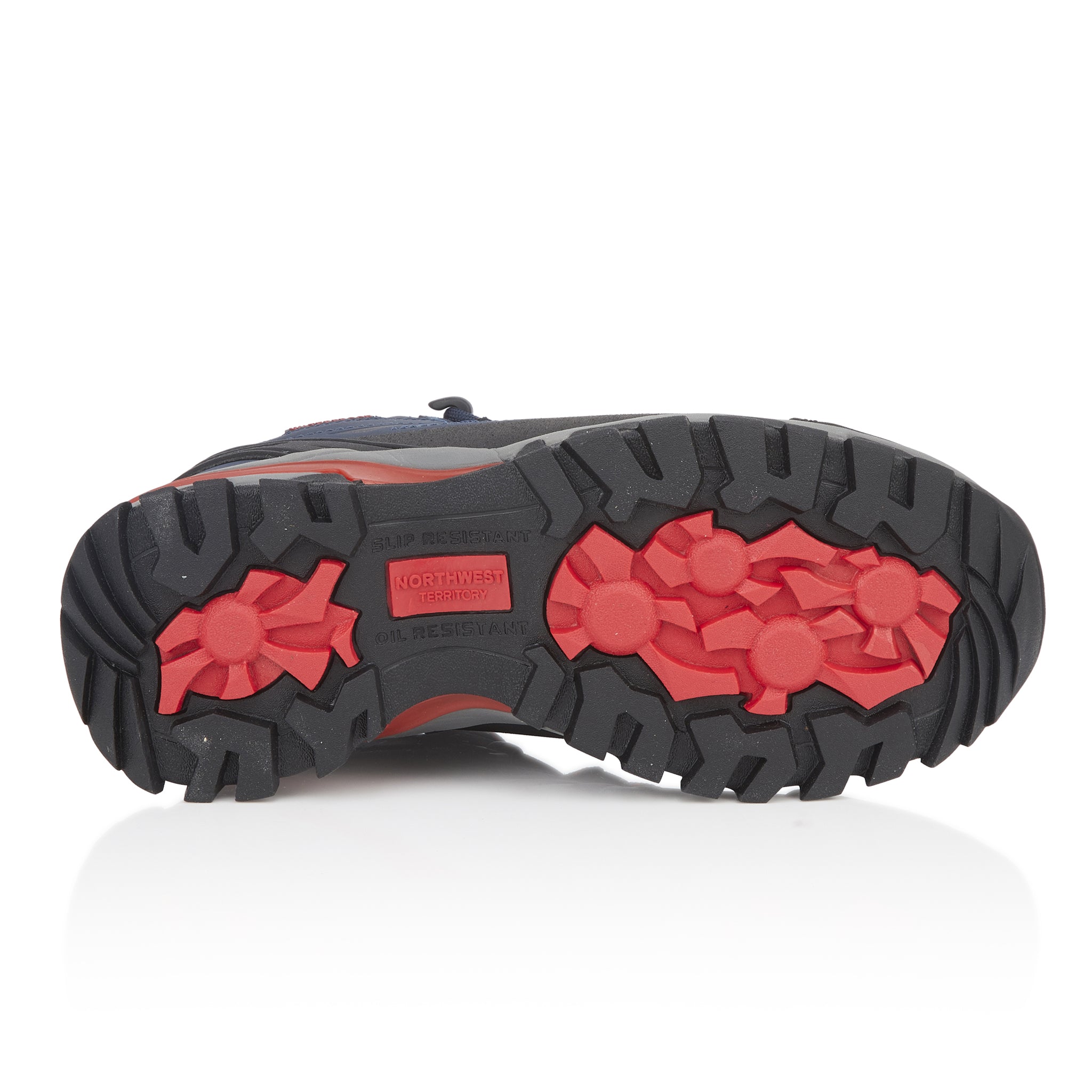
Flip a boot over. The chunky lugs on the sole should have clear edges, especially at the heel and under the ball of your foot. If they look rounded or flat in places, that’s worn tread, and outsole wear is exactly why boots start sliding on wet grass and muddy slopes. Run your thumb across it. Feels slick? The grip is going.
2. The sole is coming away
Peeling at the toe, a gap along the edge, a thin line of old glue showing through. That’s a damaged sole. It might hold up on a pavement, but it can fail on a rocky descent, and that’s not a gamble worth taking. Stand the boots on a flat surface too. If they lean to one side, the sole has worn unevenly.
3. The midsole has given up
That’s the cushioning layer between your foot and the ground. Press your thumb into it. If it’s deeply creased and doesn’t spring back, it’s tired. You’ve probably felt it already: every stone comes through, and your arches ache by lunchtime. This loss of support creeps in so slowly that most people put up with it for far too long.
4. The leather is cracking
Bend the boot where your toes flex. Dry, flaky or split leather along those creases is a bad sign. A bit of conditioner helps if the leather is just thirsty, but it won’t close a proper split. Once it’s open, water gets in, and the boot loses its shape.
5. It’s stopped keeping water out
Water used to bead up and roll off. Now it soaks in and darkens the leather within minutes. Try reproofing first, because it’s cheap and quick. If your feet are still wet afterwards, the lining has most likely failed, and waterproofing failure at that stage is rarely something you can fix.
6. Your heel slips
The heel lifts as you walk, the ankle collar has gone floppy, or the lining has worn through. The fit has changed, and you’ll start getting rubbing and blisters in spots that never bothered you before.
7. You’re aching afterwards
New soreness in your feet, knees or hips after walks you used to find easy? Don’t blame your age just yet. Look at your boots first.

The Quick Checklist
If you’d rather see it all at a glance, here’s the lot in one place. It also shows which problems you can fix and which mean it’s time to say goodbye.
|
Sign |
What you’ll see |
Quick test |
Verdict |
|
Worn tread |
Flat, rounded lugs |
Run your thumb over the sole |
Replace |
|
Damaged sole |
Peeling, gaps, leaning to one side |
Stand boots on a flat surface |
Replace, or resole if the rest is sound |
|
Tired midsole |
Deep creases that don’t spring back |
Press and release |
Replace |
|
Cracked leather |
Splits at the flex point |
Bend the forefoot |
Replace if deep, condition if mild |
|
Waterproofing failure |
Water soaks in, damp socks |
Splash test |
Reproof first, replace if it still leaks |
|
Loose heel or lining |
Heel lift, worn lining |
Walk around the house |
Replace |
|
New aches |
Sore feet, knees or hips |
Compare with older walks |
Replace |

How to Check Your Walking Boots in Five Minutes
You don’t need any special kit for this.
-
Turn the boots over and look at the tread and the edges of the sole.
-
Press your thumb into the midsole.
-
Bend and twist each boot. A sole that folds too easily is on its way out.
-
Flick a few drops of water on the leather and see if they bead or soak in.
-
Put them on with your usual walking socks and walk around the house. Notice if your heel slips.
Repair or Replace?
It depends on what’s wrong. Good leather boots with a sound upper and a worn sole can often be resoled, and a bit of conditioning and reproofing sorts out most surface problems. But if the midsole has collapsed or the leather has split, a repair only postpones the inevitable. That’s usually when to replace walking boots and move on. And with budget pairs, resoling can cost more than a new pair anyway.

Choosing Your Next Pair of Walking Boots
Once your current boots are beyond repair, think about the walks you actually take. A pair for local countryside paths may have different requirements from footwear for rough, uneven hills or frequent wet-weather walks.
Look for a suitable combination of:
-
Grip: An outsole designed for the surfaces you regularly encounter.
-
Support and cushioning: A construction that feels comfortable over your usual walking distances.
-
Fit: Enough room for your toes, with a secure heel and no persistent pressure points.
-
Materials: An upper that suits your needs and can be maintained properly.
-
Weather protection: Waterproof construction if you regularly walk through wet grass, muddy paths or changeable UK weather.
Try boots on with your usual walking socks, preferably later in the day when your feet may be slightly larger. Walk around in them and check that your toes have room to move without your heel lifting excessively.
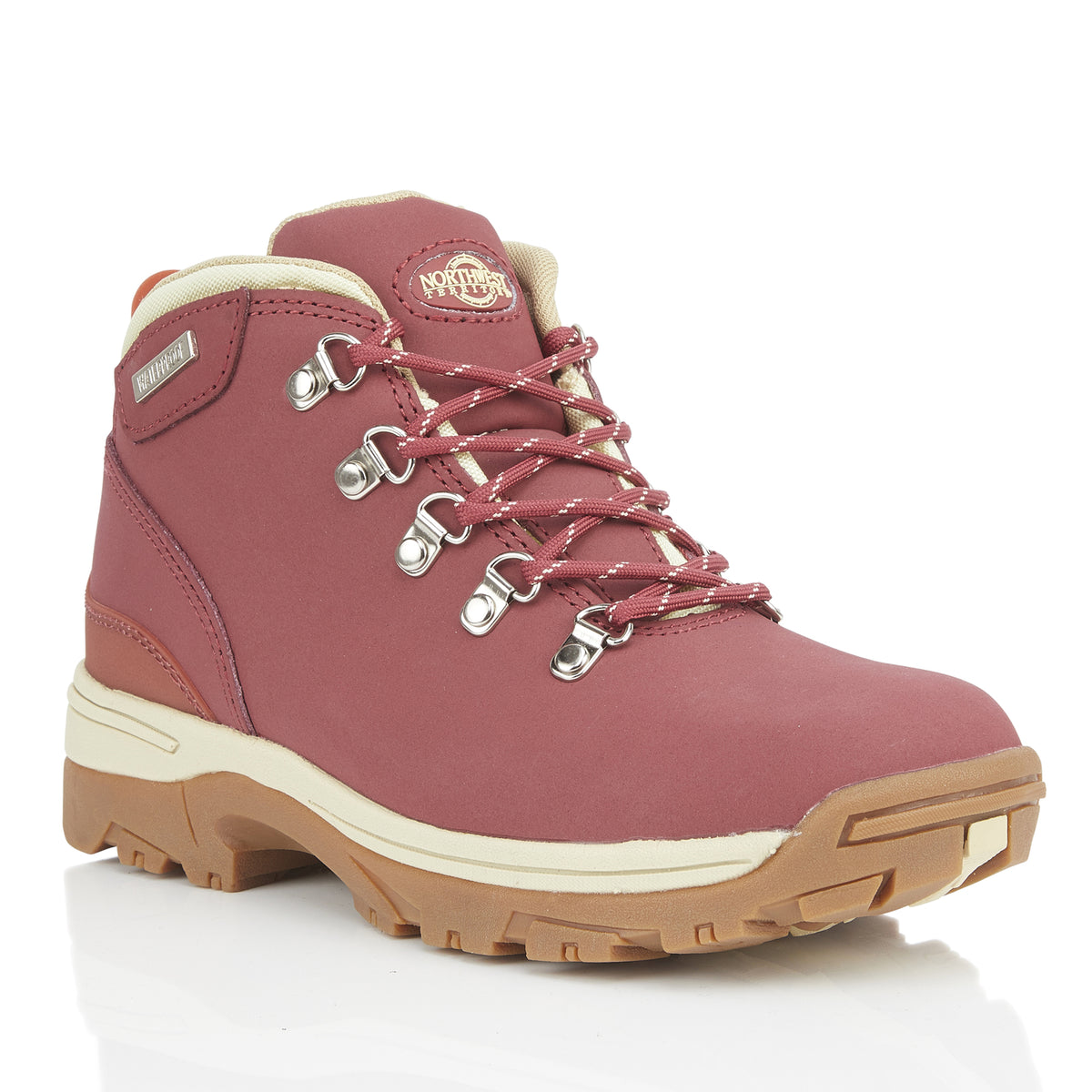
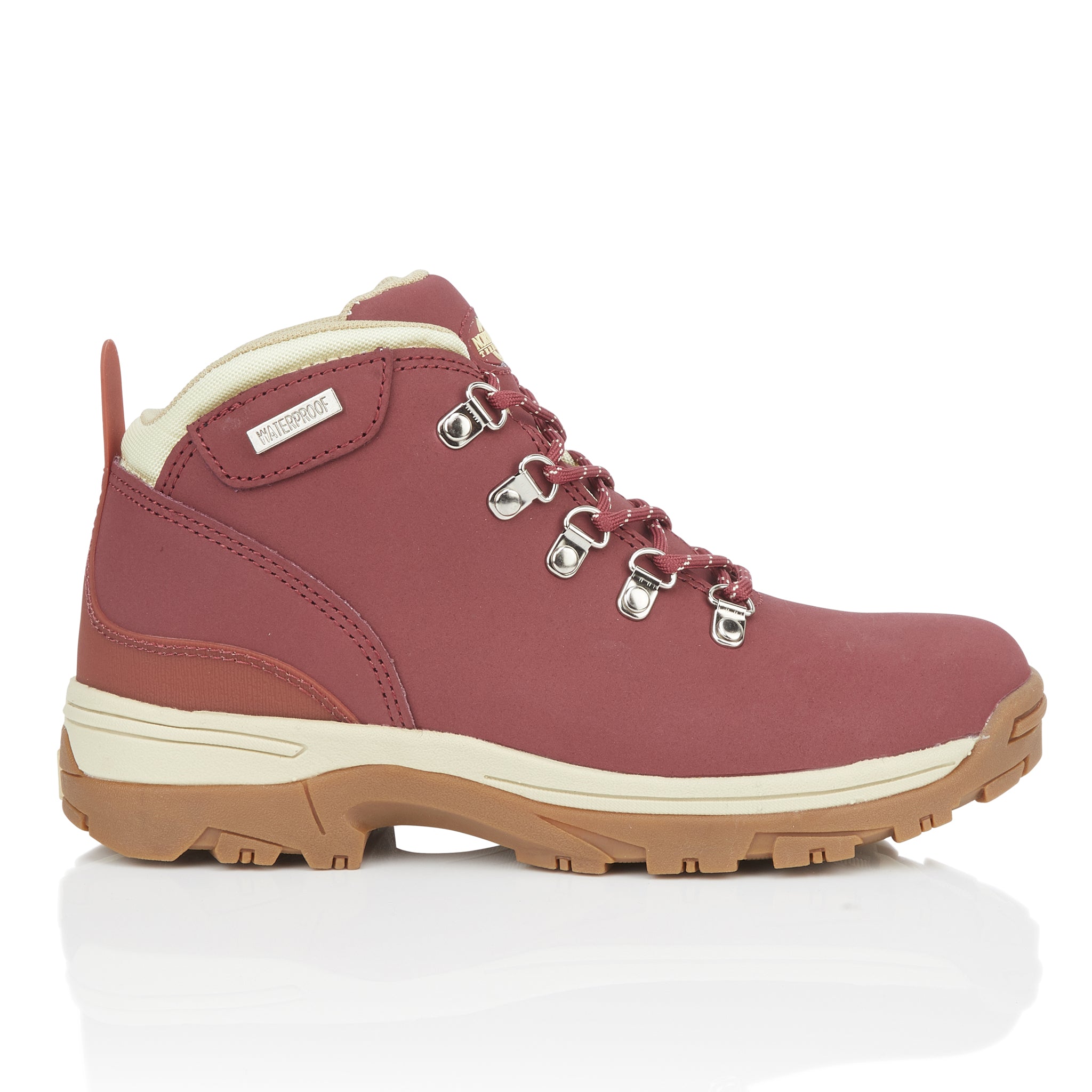
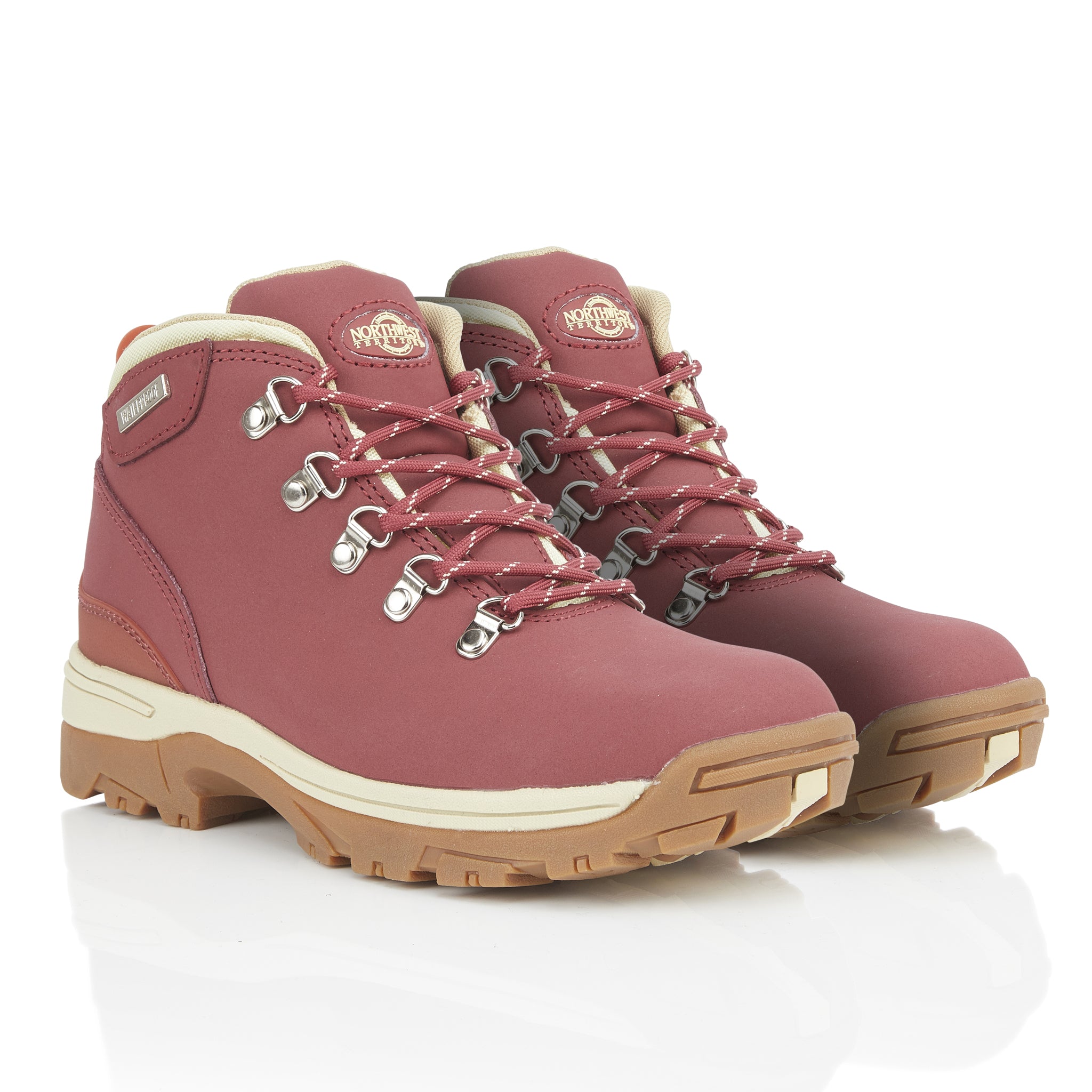
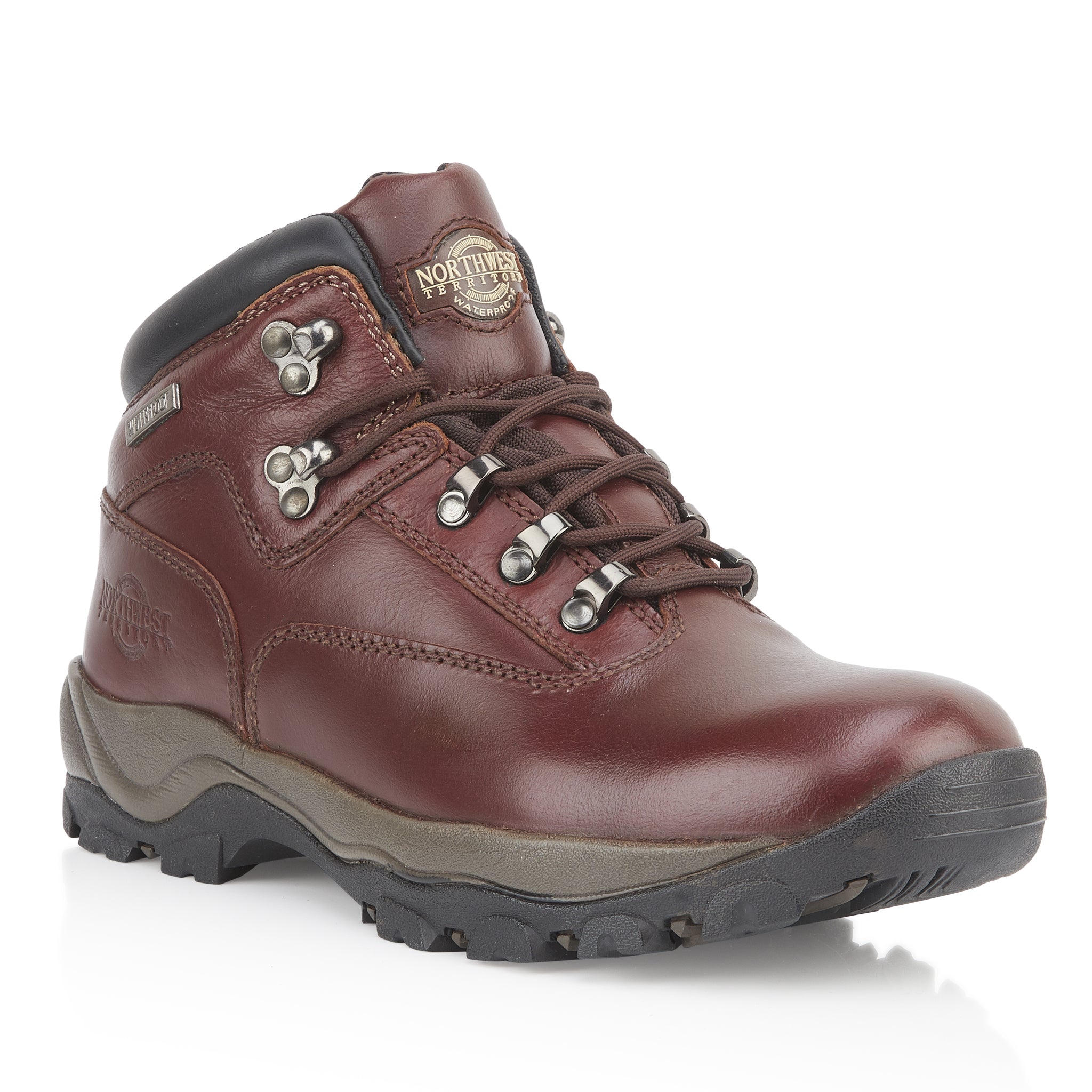
If you're looking for your next pair, browse our Men's Walking Boots or Women's Walking Boots collections. You can compare styles and choose footwear suited to your routes and preferences.
FAQs
1. How long should walking boots last?
Roughly 500 to 1,000 miles, depending on the terrain, your weight and how well you look after them.
2. How do I know when to replace walking boots?
Check the tread, sole, midsole, leather and waterproofing. If two or more are failing, it’s time.
3. Can I resole my walking boots?
Often, yes, as long as the leather and midsole are still sound. It rarely pays off on budget pairs.
4. Does waterproofing wearing off mean I need new boots?
Not always. Reproof them first. If your feet still get wet, replace them.
5. Can worn walking boots cause injury?
Yes, poor grip and support can lead to slips, blisters and sore knees or hips.