
A pair of trainers can take you almost anywhere. Most of us have worn trainers for some kind of country stroll at one time or another; they’re comfy, they’re already by the door, and they feel like the simplest choice. Then the path gets all muddied, the ground turns uneven, or the sky does that sudden weather thing, and yeah, at that moment they don’t feel as right as they did a minute ago. That’s usually when people start looking at walking shoes.
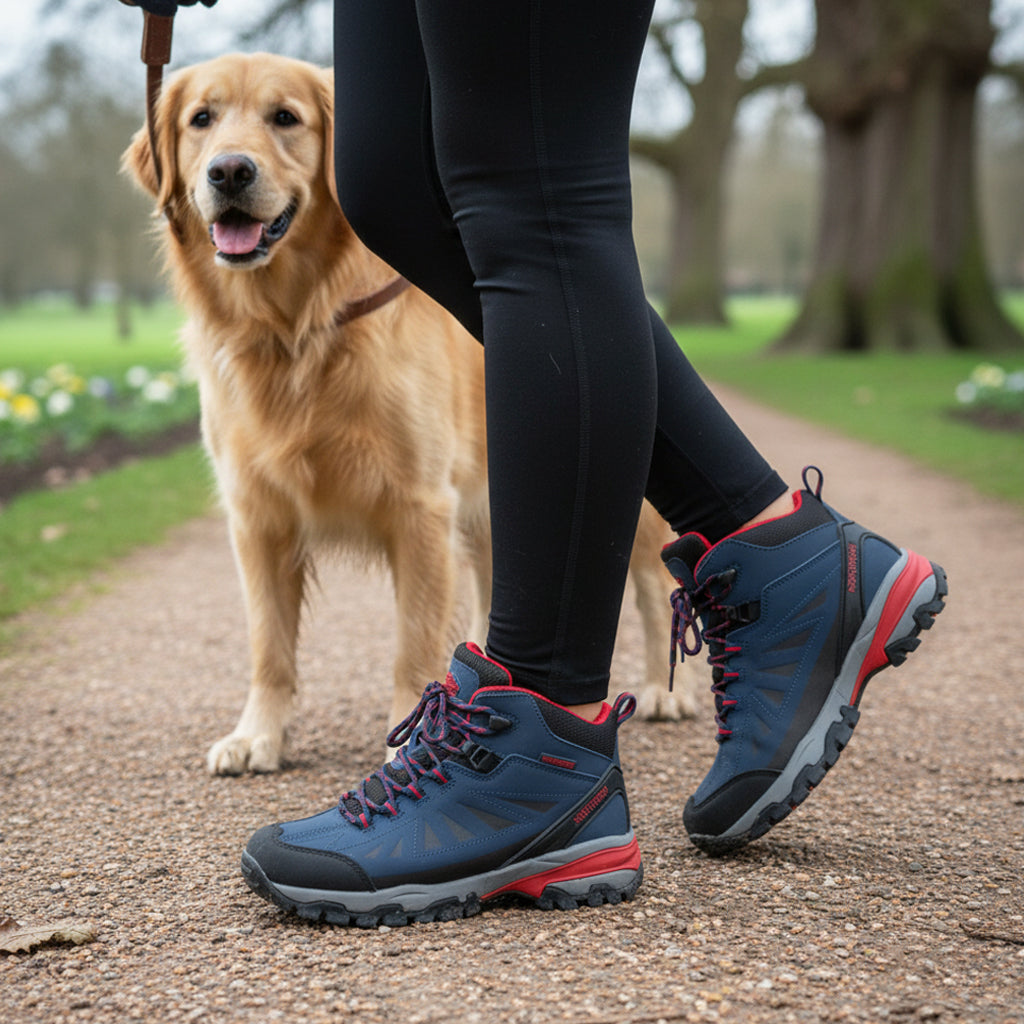
Not because they’re thinking about scaling peaks or anything huge like that, but because they want footwear made for the sort of strolls they actually like. A weekend out in the countryside, a woodland route, a coastal way, or a long wander with the dog all place different demands on what’s on your feet, compared with a walk around town.
So, are trainers still a viable option, or is it better to swap to walking shoes?
Are Trainers Good Enough for Walking?
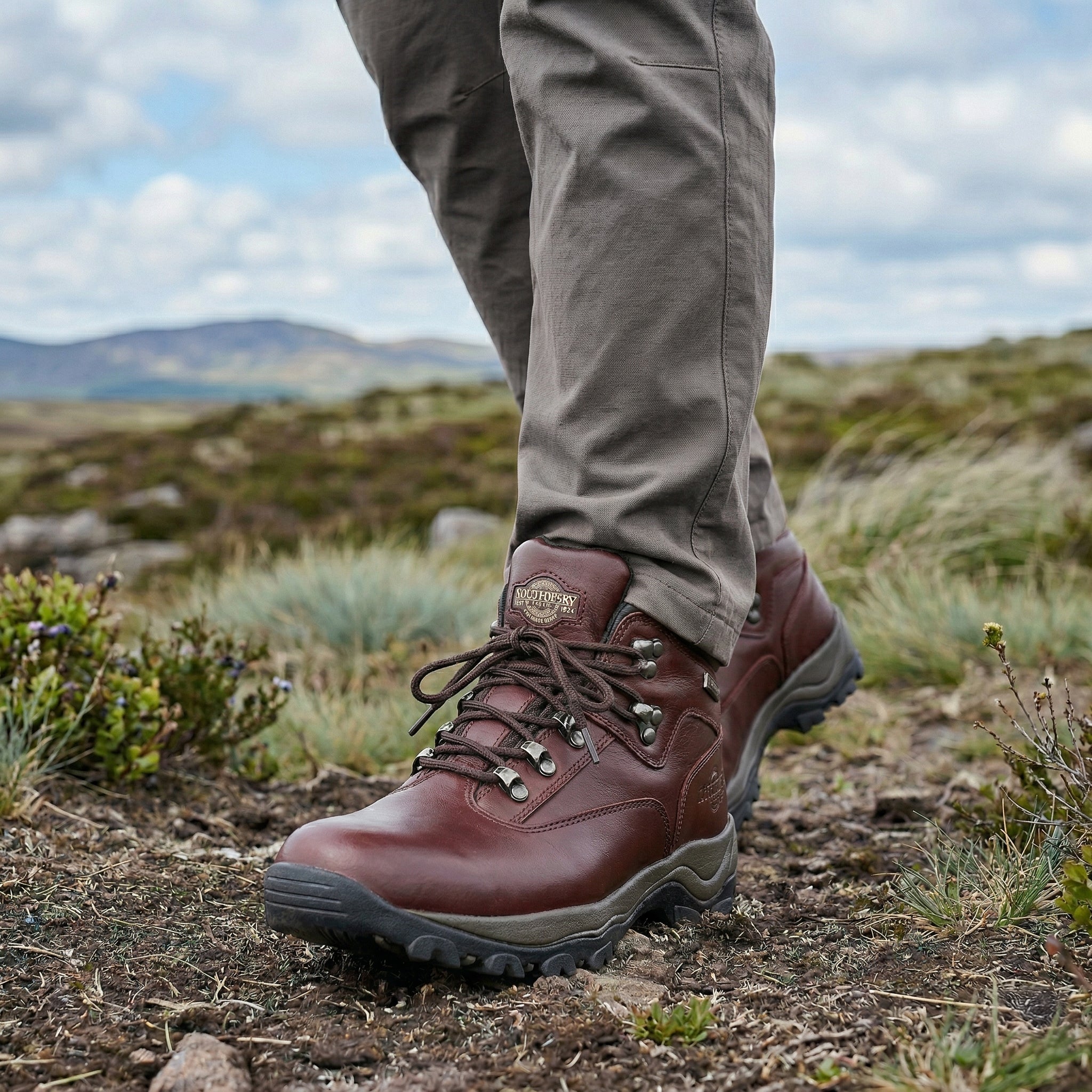
Sometimes, yes. If you’re walking on pavements, around the park, or following a short dry path, a decent pair of trainers will usually do the job.
 But the picture changes once the route becomes less predictable, more uneven and kind of unpredictable.
Just think about the kind of places people like to walk across in the UK.
-
Woodland tracks after a night of rain
-
Gravel paths with loose stones
-
Rolling hills where the ground isn’t always flat
-
Wet grass that soaks your feet within minutes
That’s where the difference really starts to show. Trainers are made mainly for smooth, even surfaces. Outdoor walking shoes are built with rougher ground in mind, if that makes sense.
What Makes Walking Shoes Different?
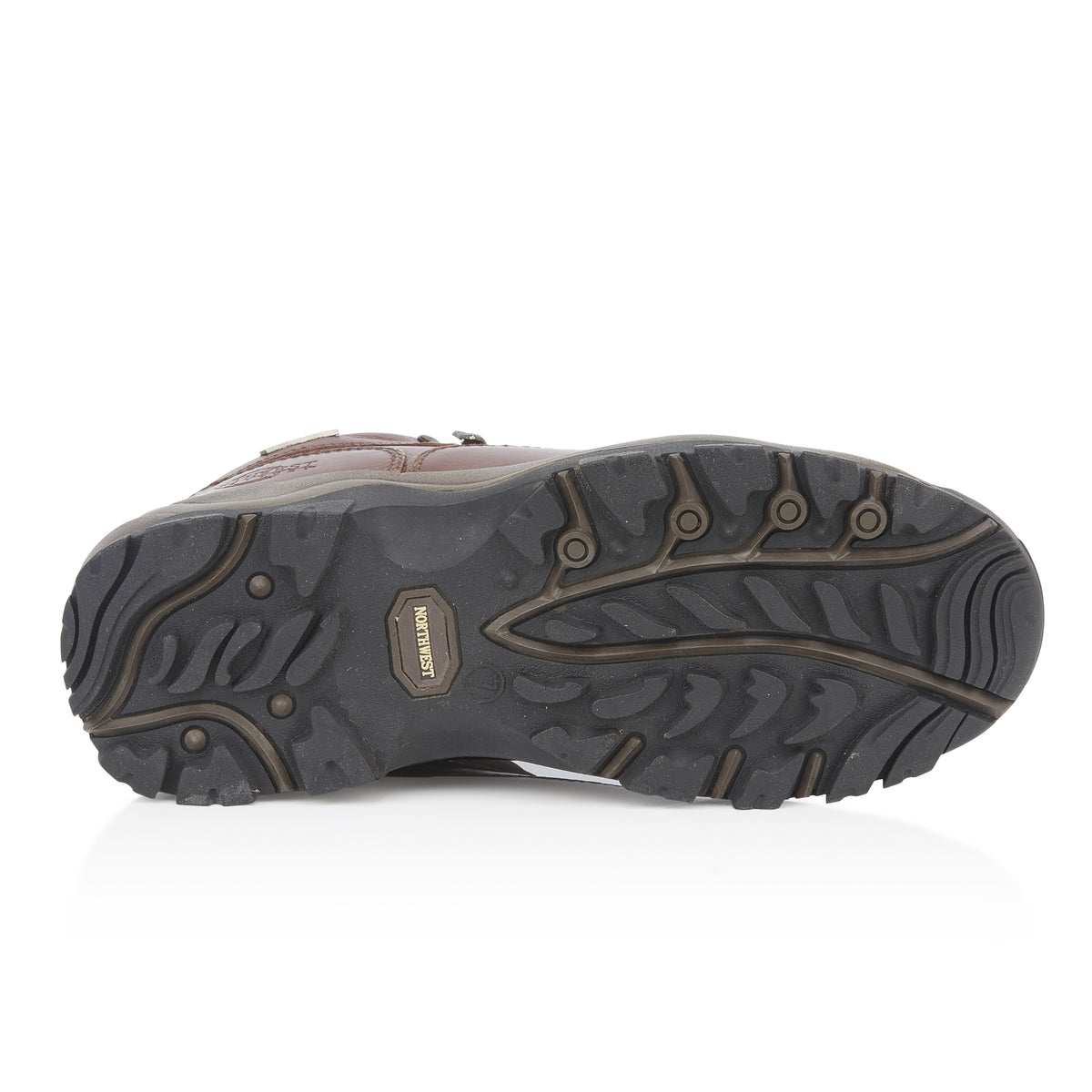
At first glance, they don't always look that different. It's what you don't see that matters.
A good pair of walking shoes is designed to keep you comfortable when the ground keeps changing under your feet.
That usually means:
-
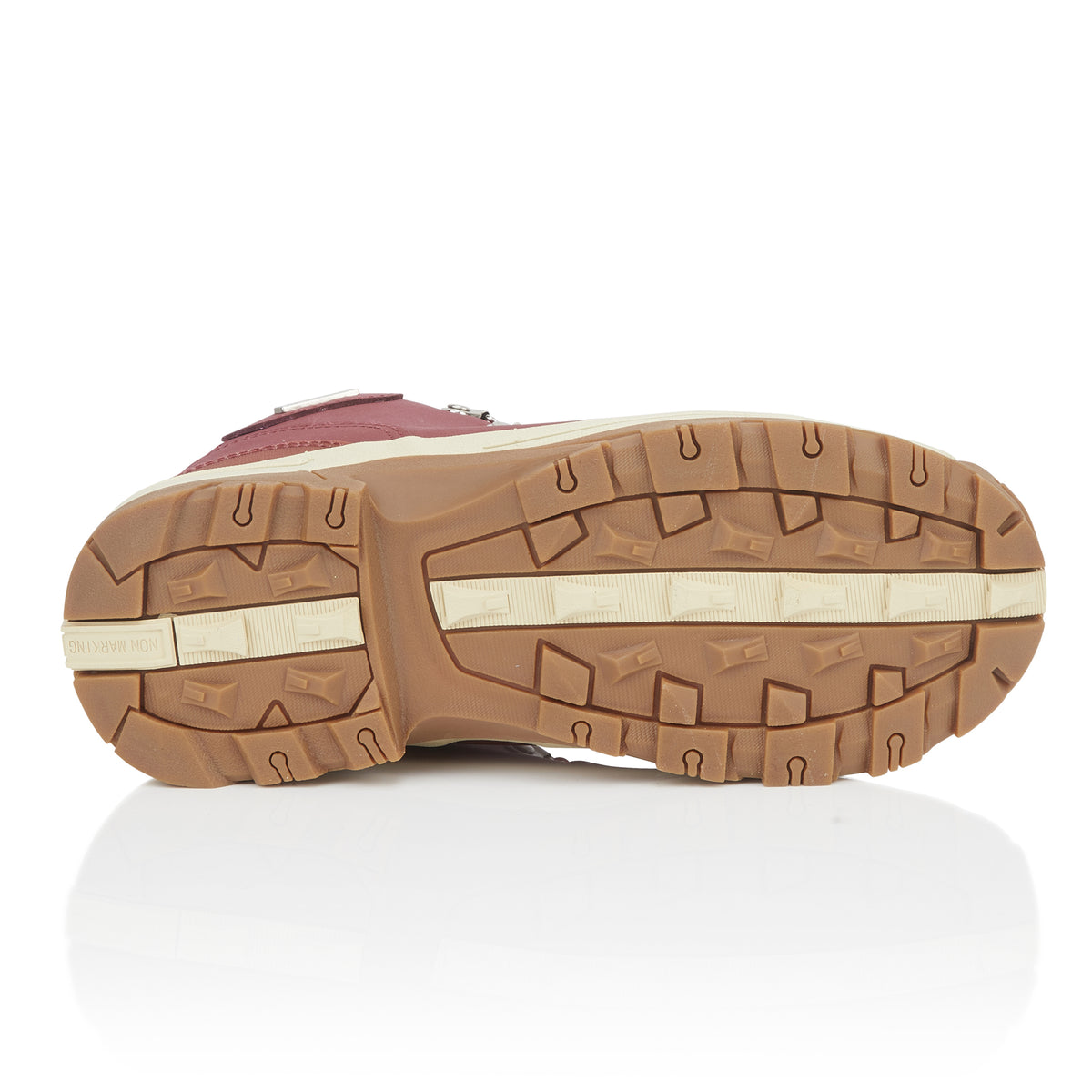
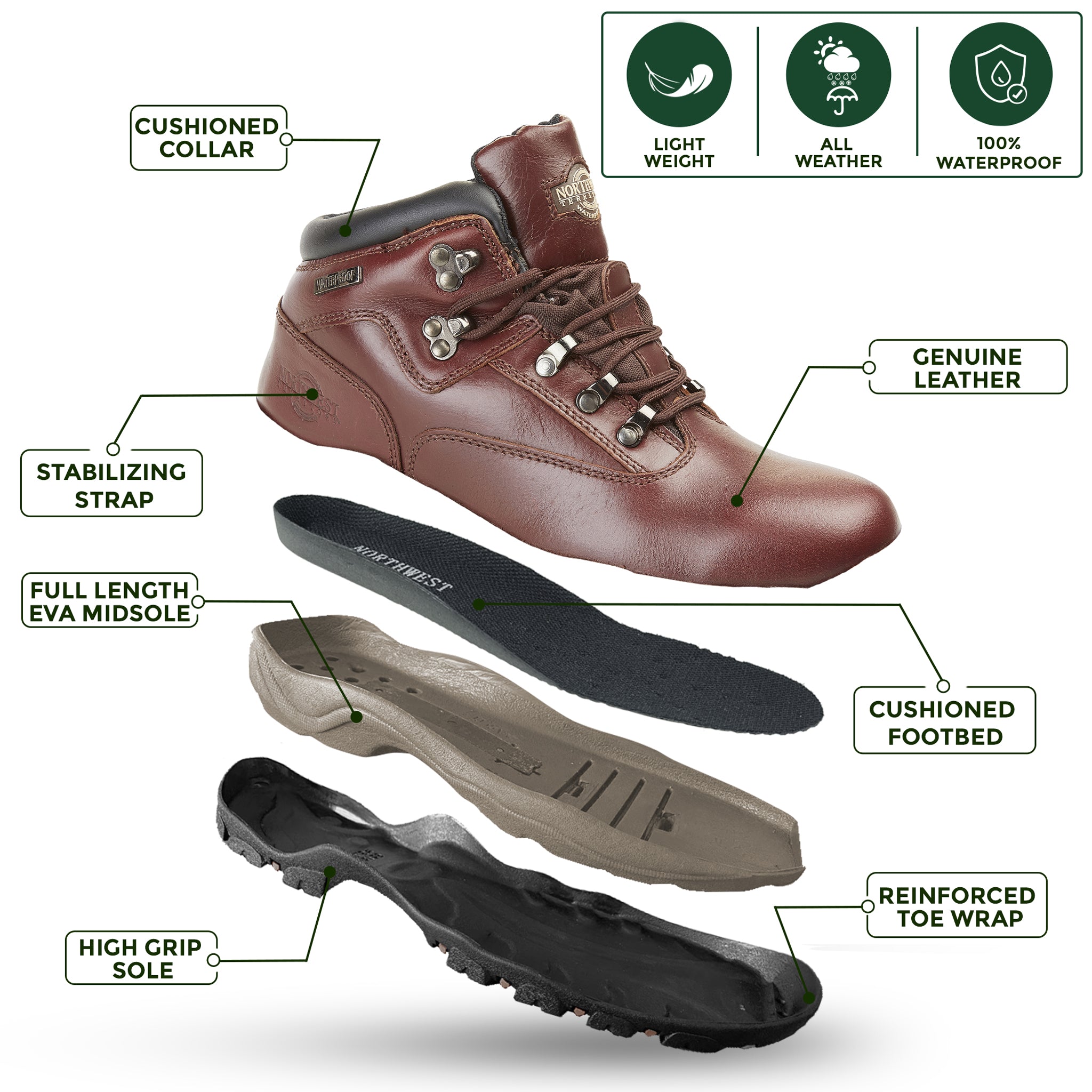
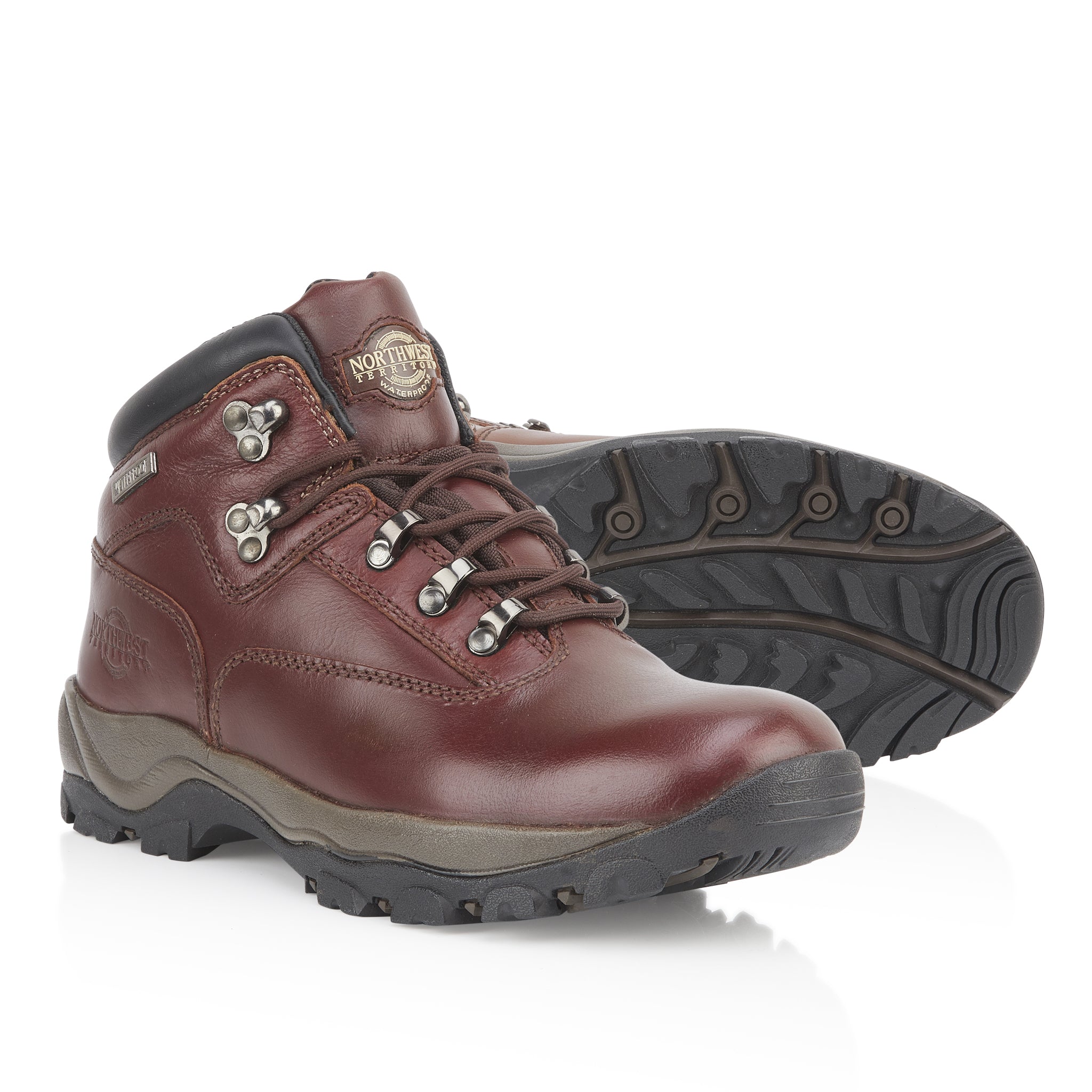
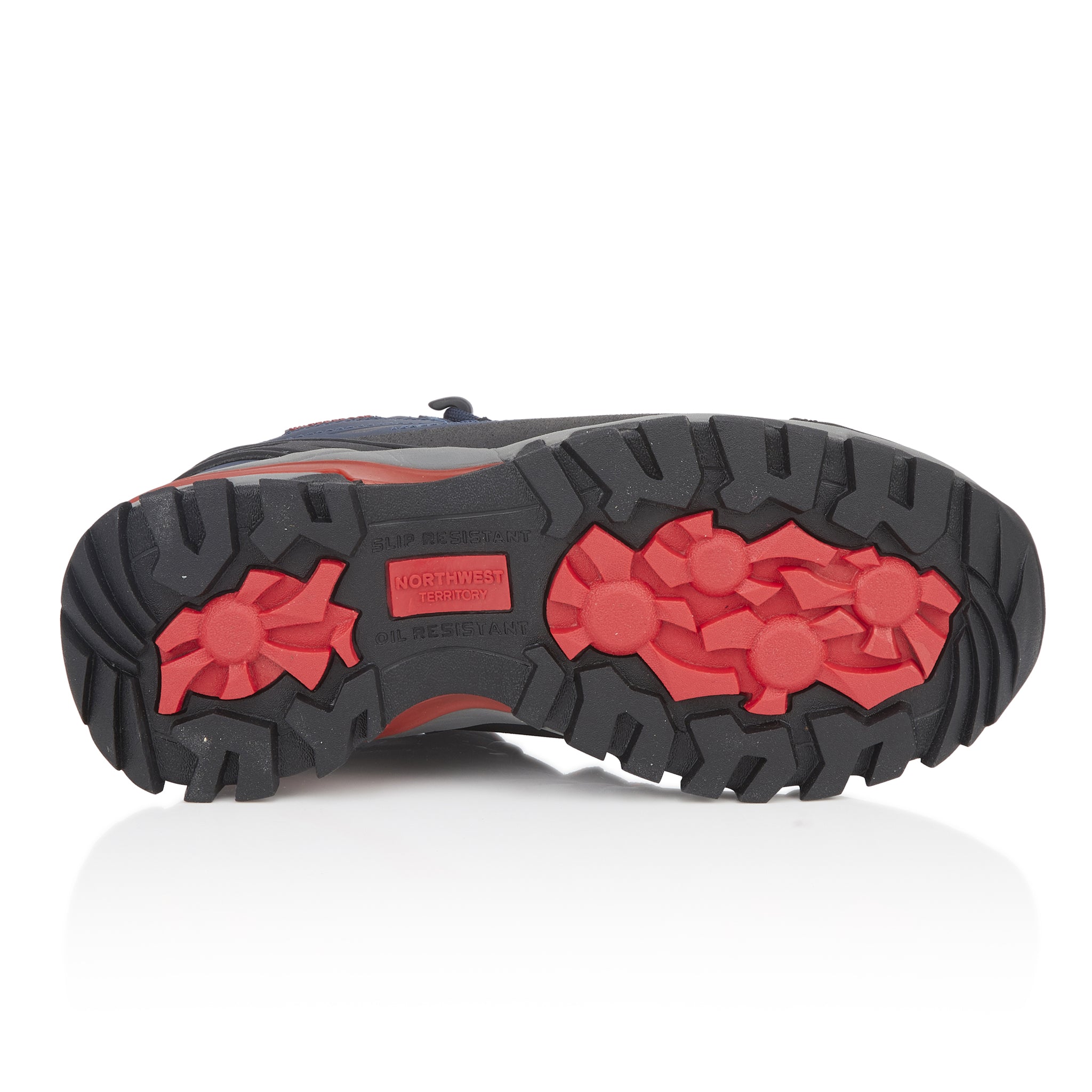
More grip on slippery paths
-
Better support over longer distances
-
Stronger protection around the foot
-
Materials that cope better with wet conditions
None of these things seems particularly important on the first mile. By the fifth or sixth, you'll probably notice them.
When Do Trainers Start Falling Short?
Not every walk is the same. A short stroll around the local park is very different from spending four hours exploring the countryside.
You might find trainers start struggling when:
-
The path becomes muddy
-
You're walking over rocks or tree roots
-
The weather turns wet
-
You're carrying a backpack
-
The walk lasts longer than expected
That doesn't mean trainers are bad. It simply means they were designed for something else.
Why Buy Walking Shoes?
A lot of people make the switch after one uncomfortable walk.
Maybe their feet got soaked.
Maybe they kept slipping.
Maybe they just finished the day with tired feet.
Proper walking shoes solve many of those problems before they start. You're not constantly watching where you place every step. You feel more confident on uneven ground. And at the end of the walk, your feet usually feel much fresher.
That's why many regular walkers see them as supportive footwear, not specialist equipment.
Walking Shoes vs Trainers: What's the Difference?
|
Feature |
Walking Shoes |
Trainers |
|
Grip |
Deeper tread for better traction on mud, gravel and uneven paths |
Designed mainly for roads, pavements and gym floors |
|
Support |
Better ankle and arch support for longer walks |
Focused on flexibility rather than trail support |
|
Waterproof Options |
Many styles include waterproof linings for wet weather |
Most standard trainers are not waterproof |
|
Durability |
Made to cope with rough ground and regular outdoor use |
Better suited to everyday wear and running |
|
Comfort on Long Walks |
Designed for hours of walking across mixed terrain |
Comfortable for shorter walks on flat surfaces |
|
Best For |
Woodland trails, countryside paths, coastal walks and light hikes |
Daily wear, parks, pavements and fitness activities |
Small Details Make a Big Difference
Good walking footwear isn’t just about grip. It’s the small stuff you only really notice after a few hours out there.
For example:
-
Your feet stay drier after walking through wet grass
-
Loose gravel feels more secure underfoot
-
Long descents feel easier on your feet
-
Uneven paths don't leave you feeling quite so tired
None of these things sounds dramatic. Together, though, they make a walk far more enjoyable.
At Northwest Territory, that's what we focus on. We know most people aren’t picking footwear for big, extreme expeditions. They’re after something dependable that helps everyday outings feel less difficult, whether that’s a nearby path or just a weekend out in the countryside.
Which Walking Shoes Would We Pick?
It really comes down to the sort of walks you enjoy. Some people spend every weekend on woodland trails. Others stick to canal paths, country parks or coastal routes. The good thing is you don't need a different pair for each one.
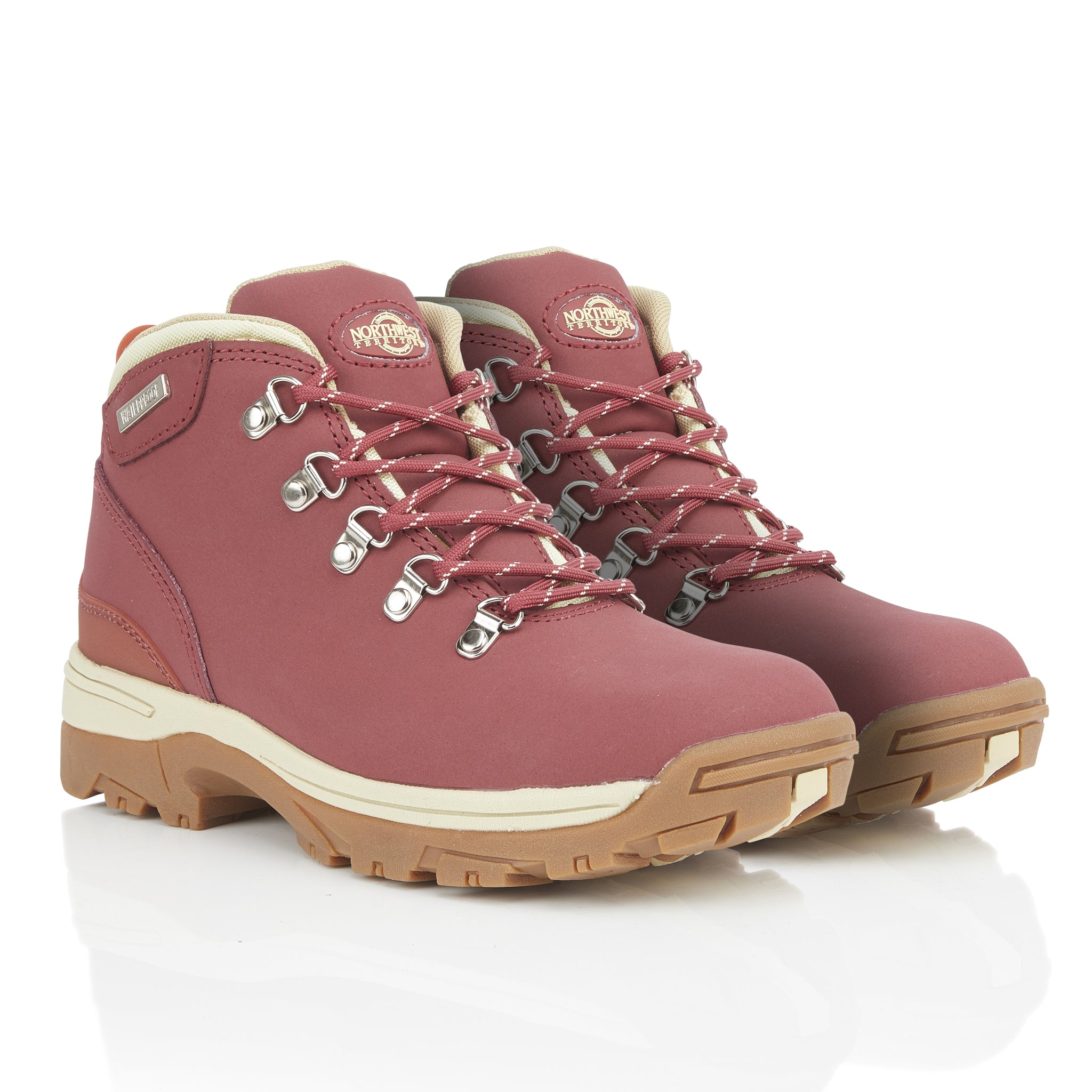
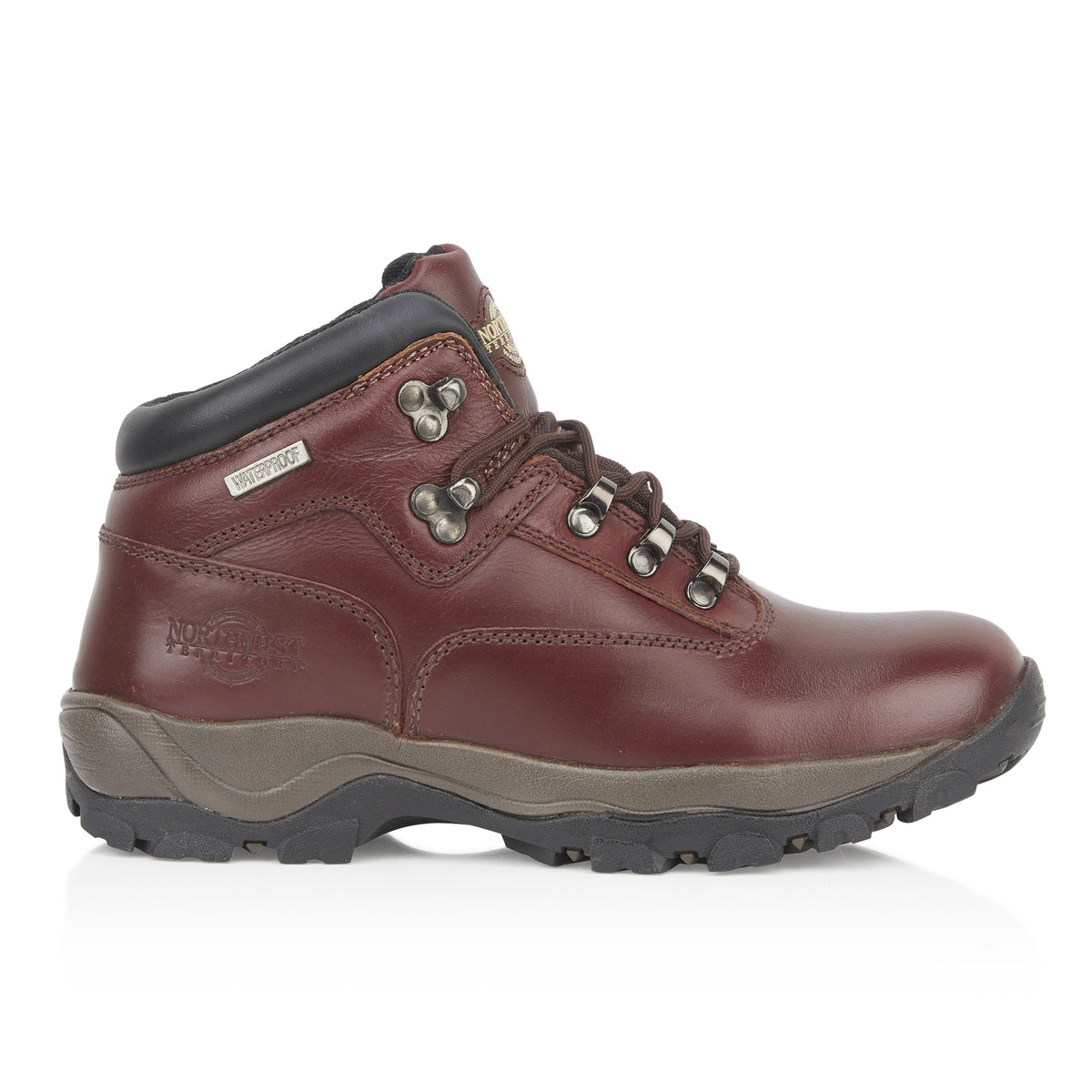
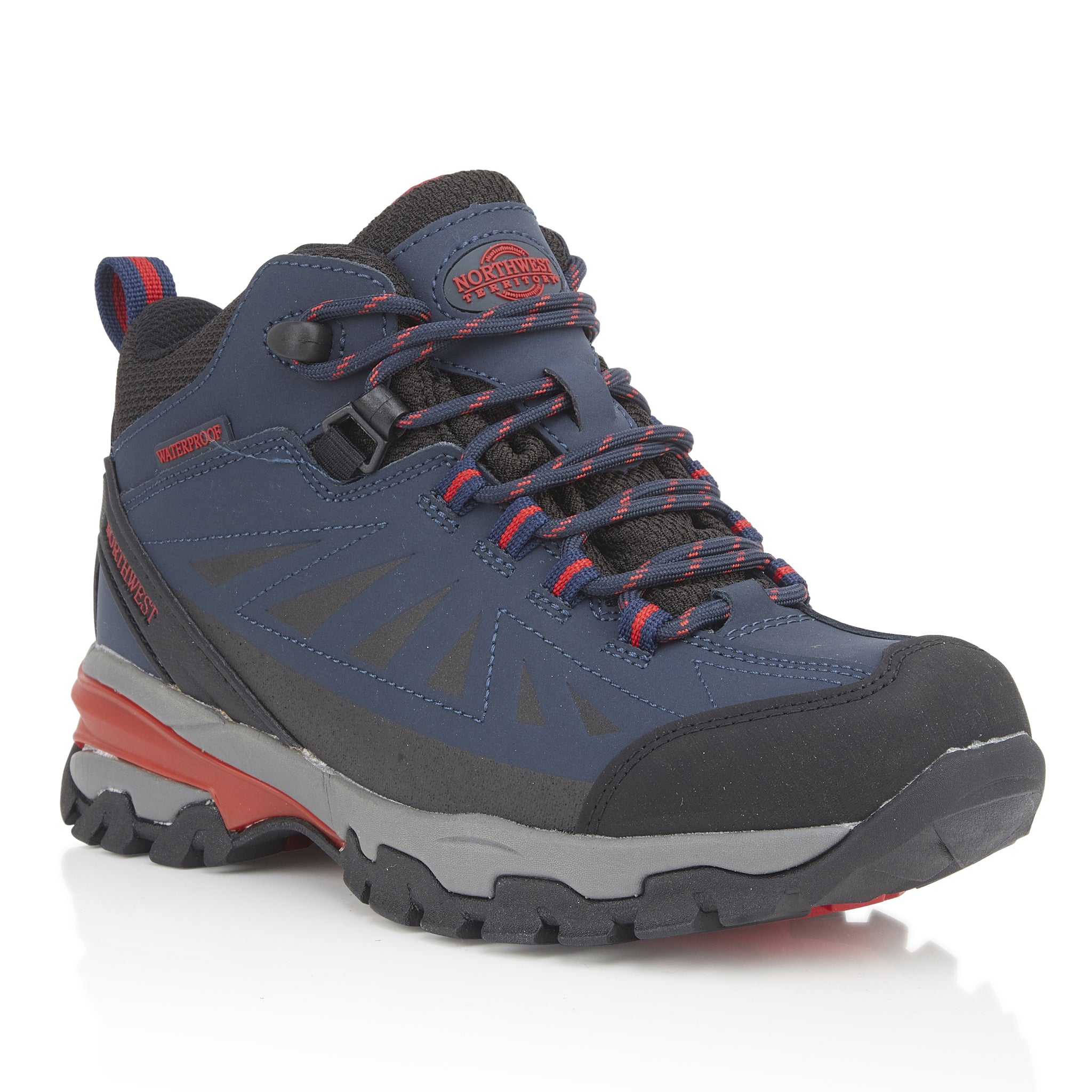
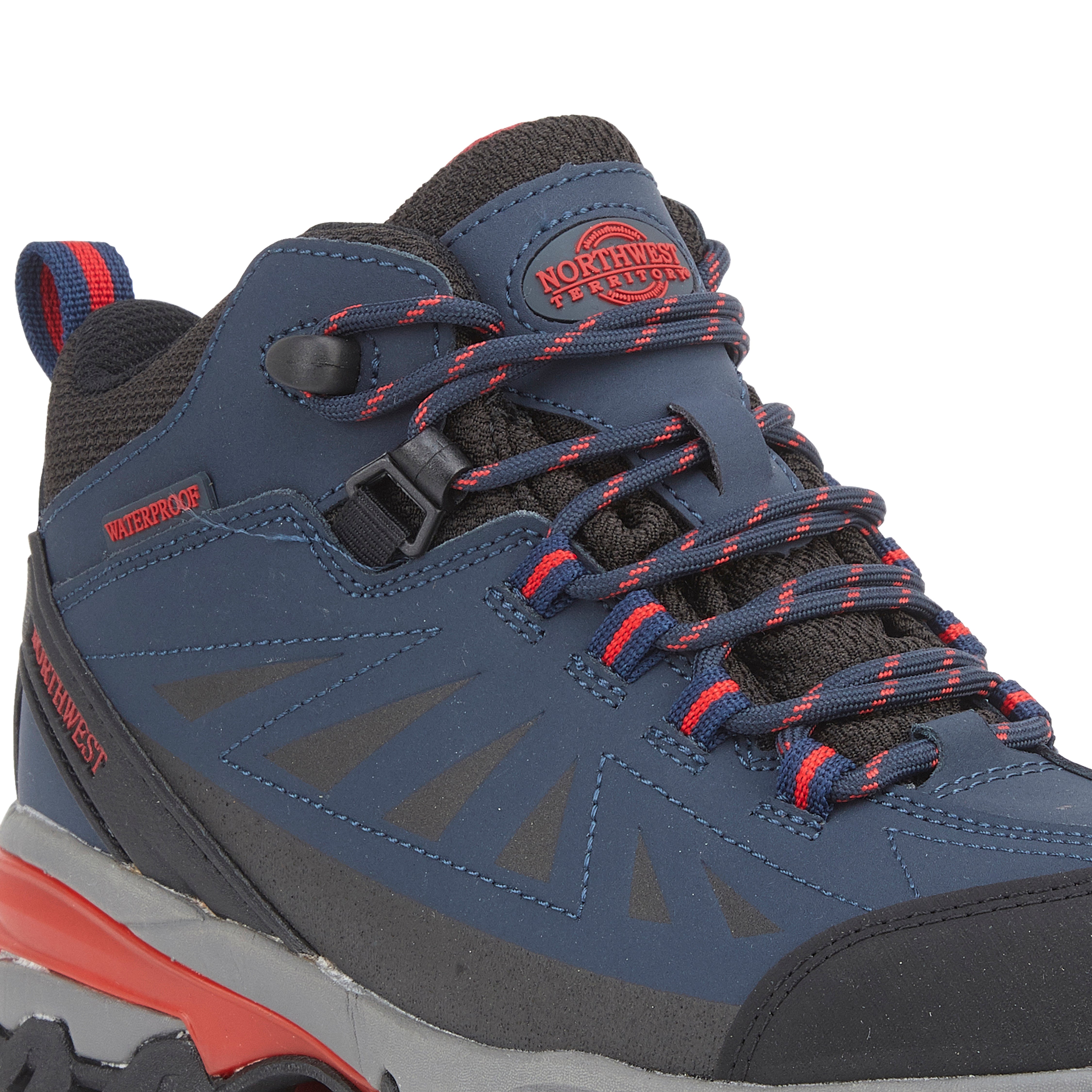
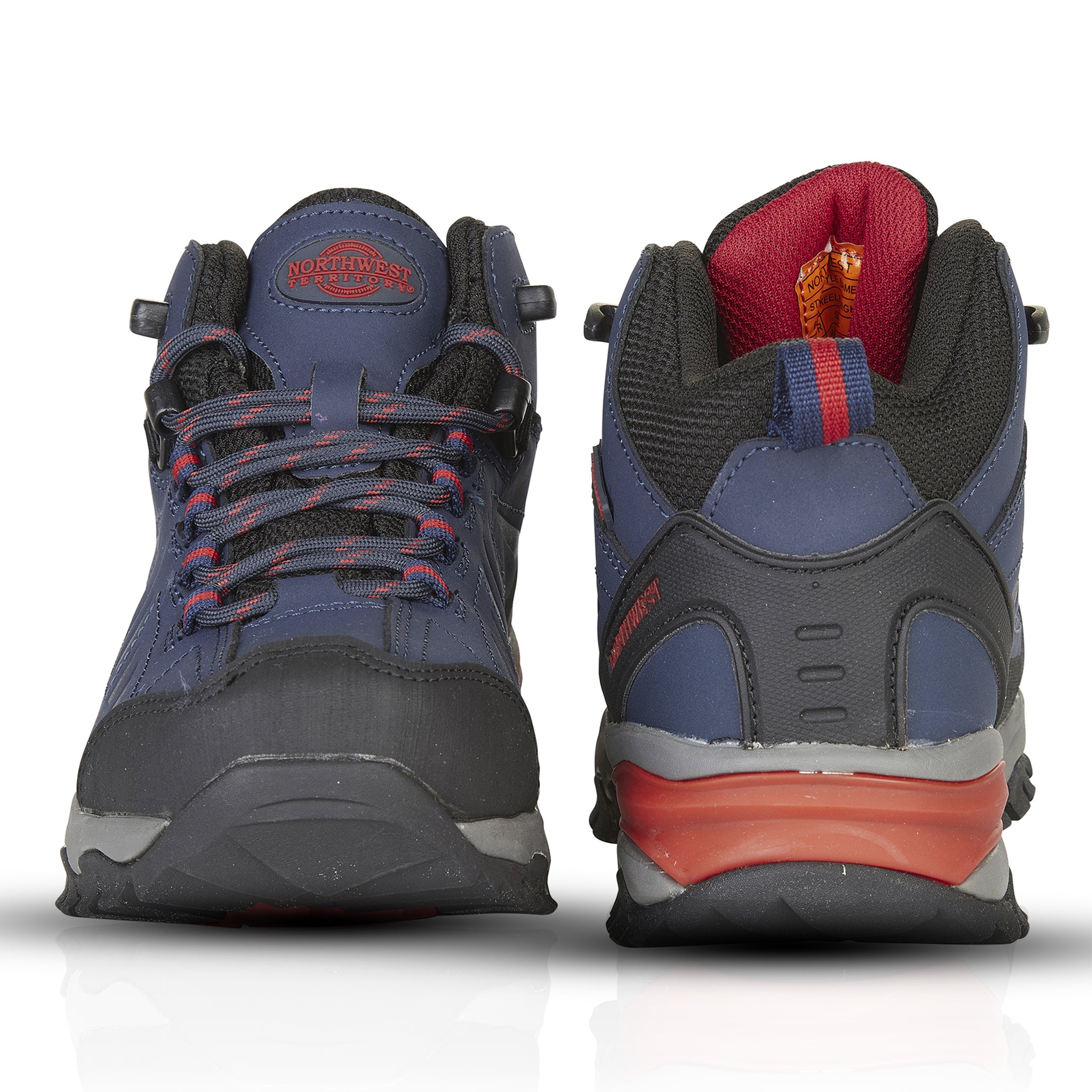
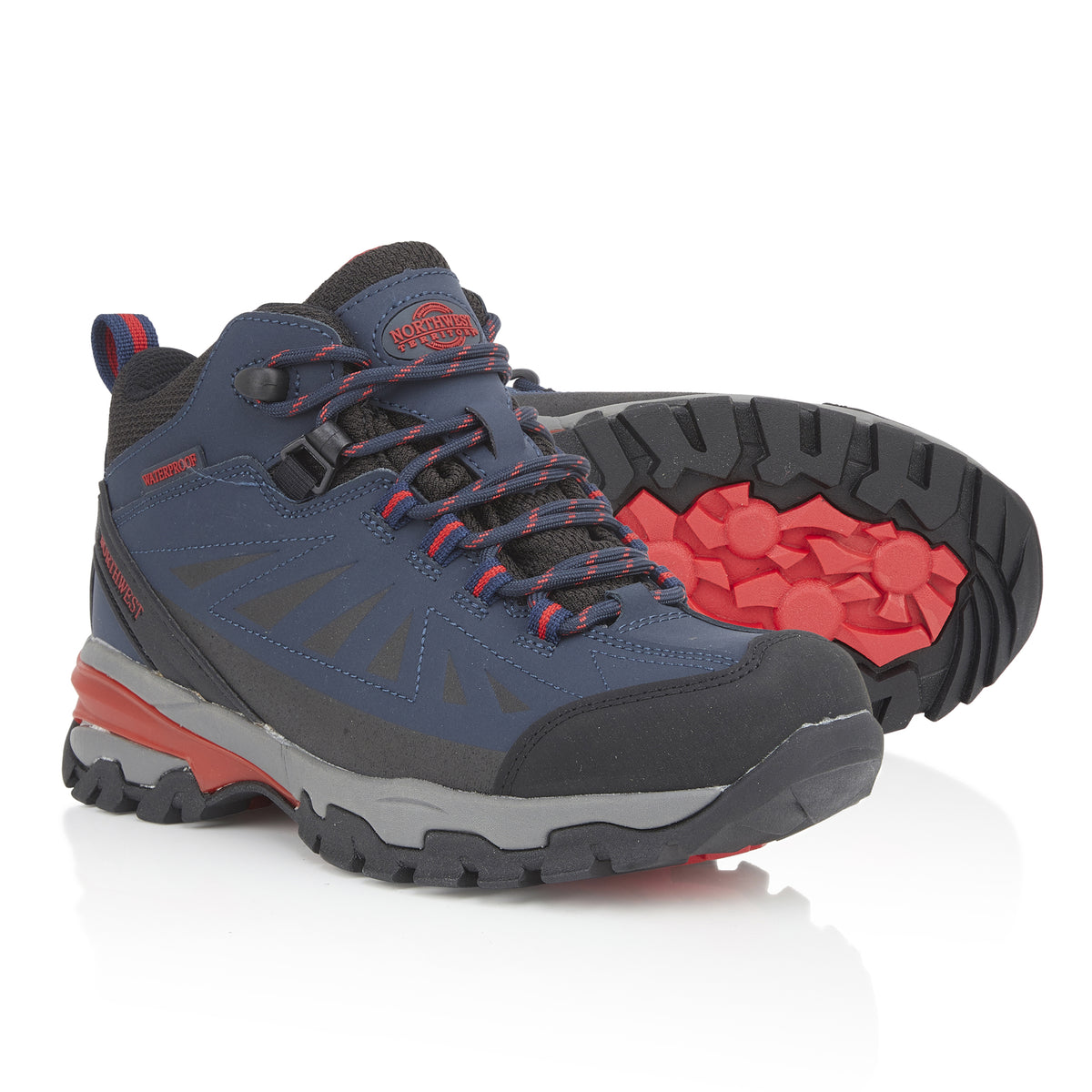
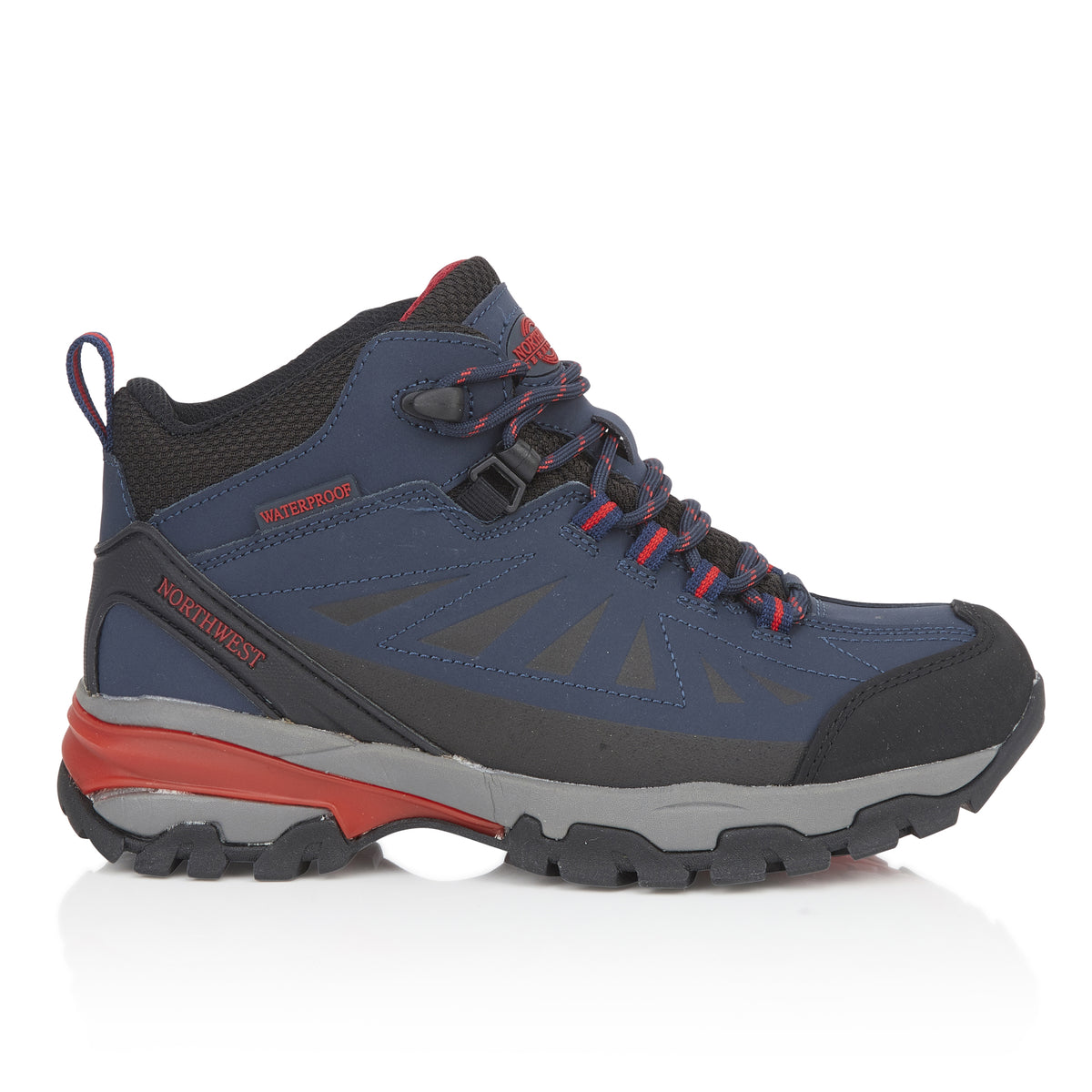
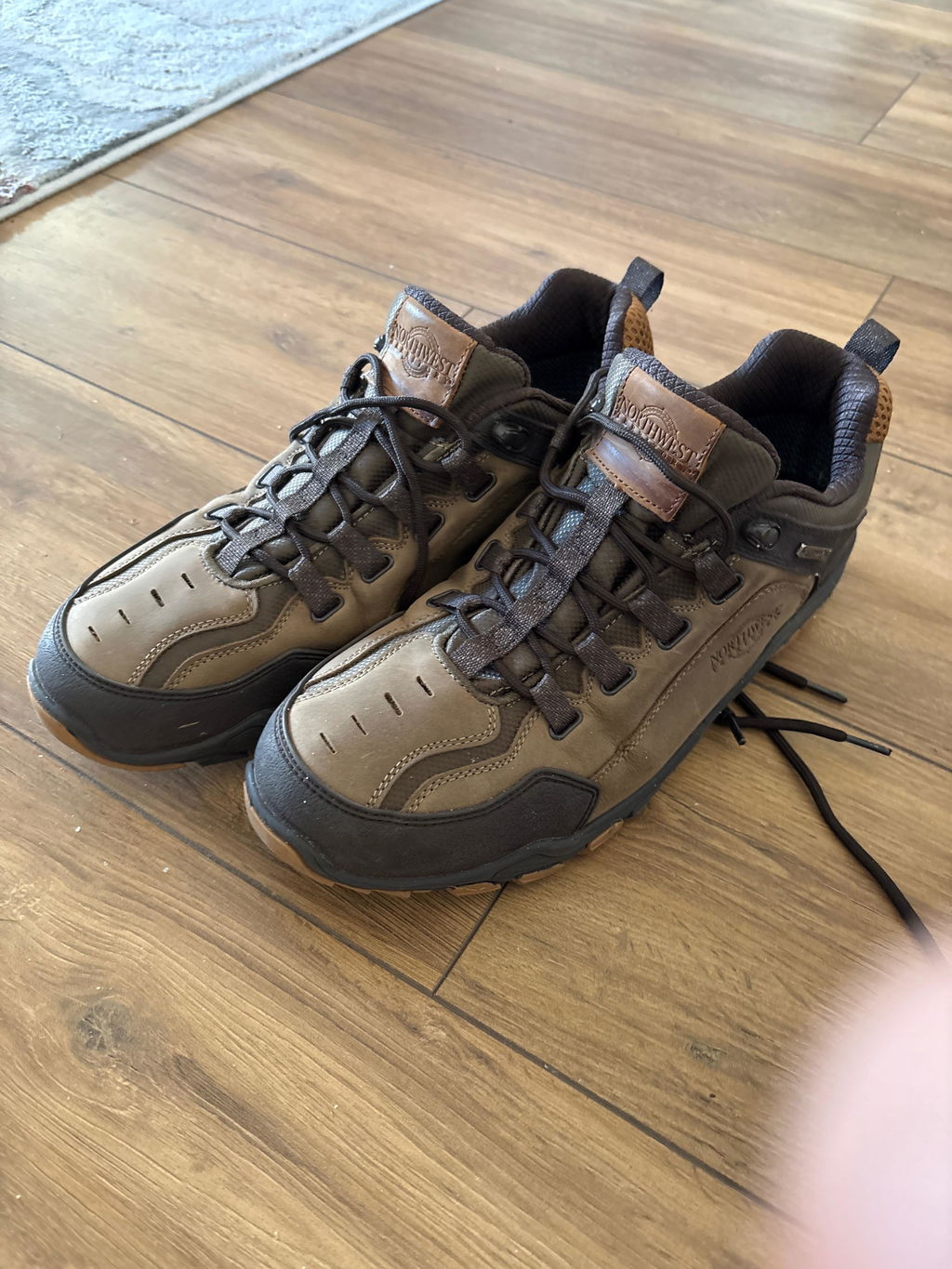
So if you’re looking for something you’ll actually wear pretty much every weekend, the Steen Men’s Waterproof Walking Shoes are an easy shout. They’re light enough that you don’t end up feeling like you’re dragging your feet by the end of the day, and they’re pretty content with muddy paths too, after a bit of rain.
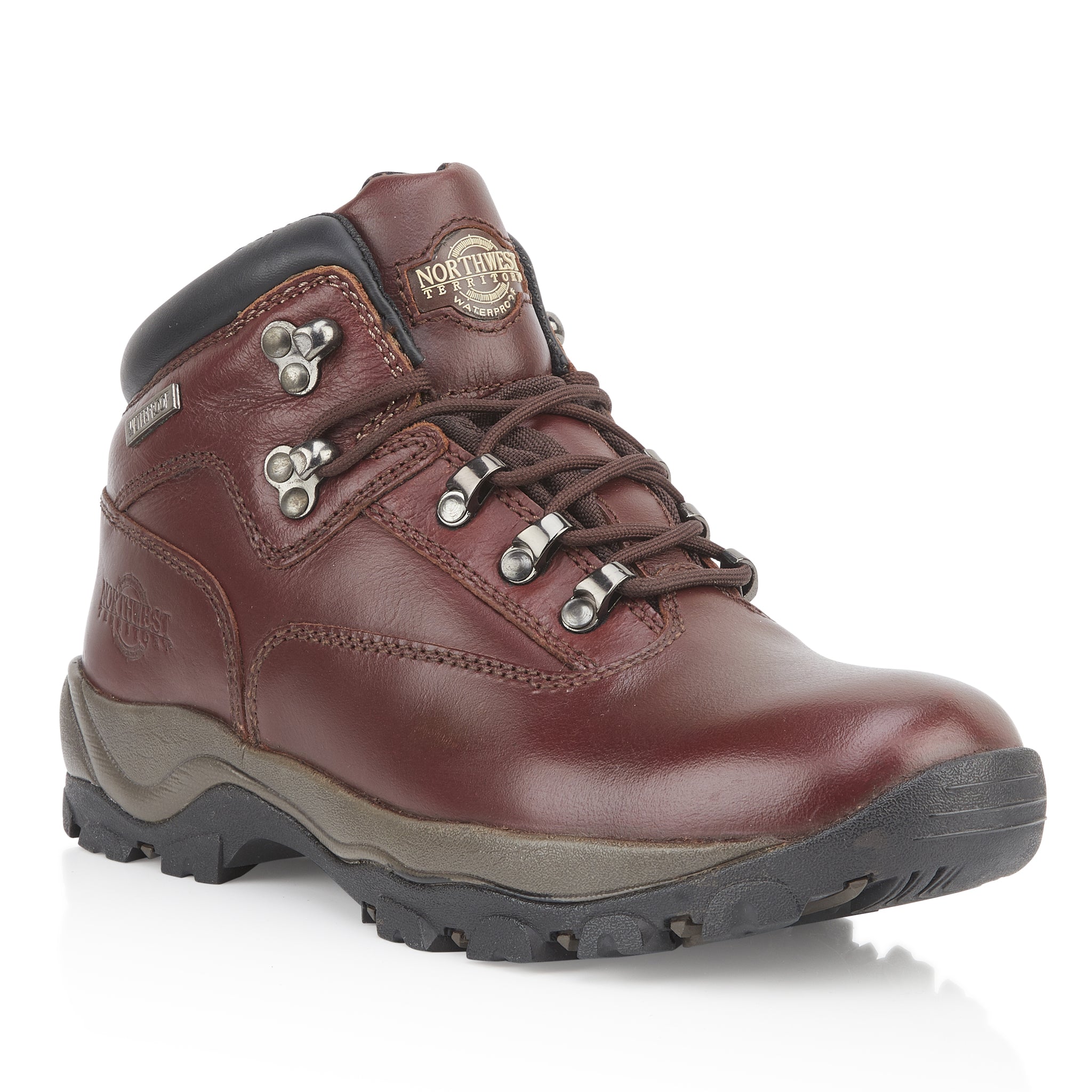
When it gets colder though, the K2 Men’s Leather 3M Thinsulate Waterproof Walking Shoes start making a lot more sense. You know the kind of walk where you’ve crossed a frosty field, or you’re heading out on a winter morning that feels sharp, and suddenly that extra insulation is not just nice, it’s kind of essential.
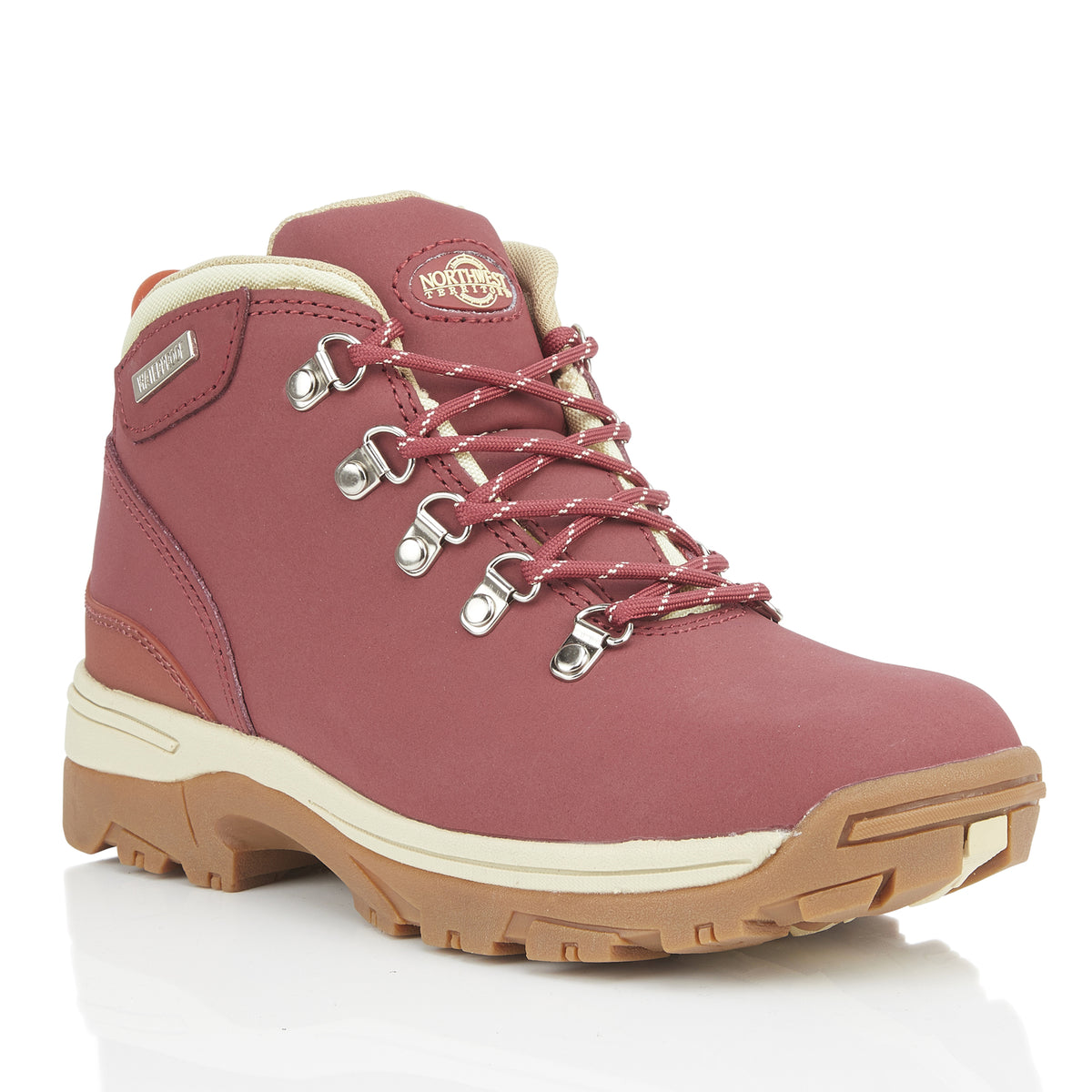
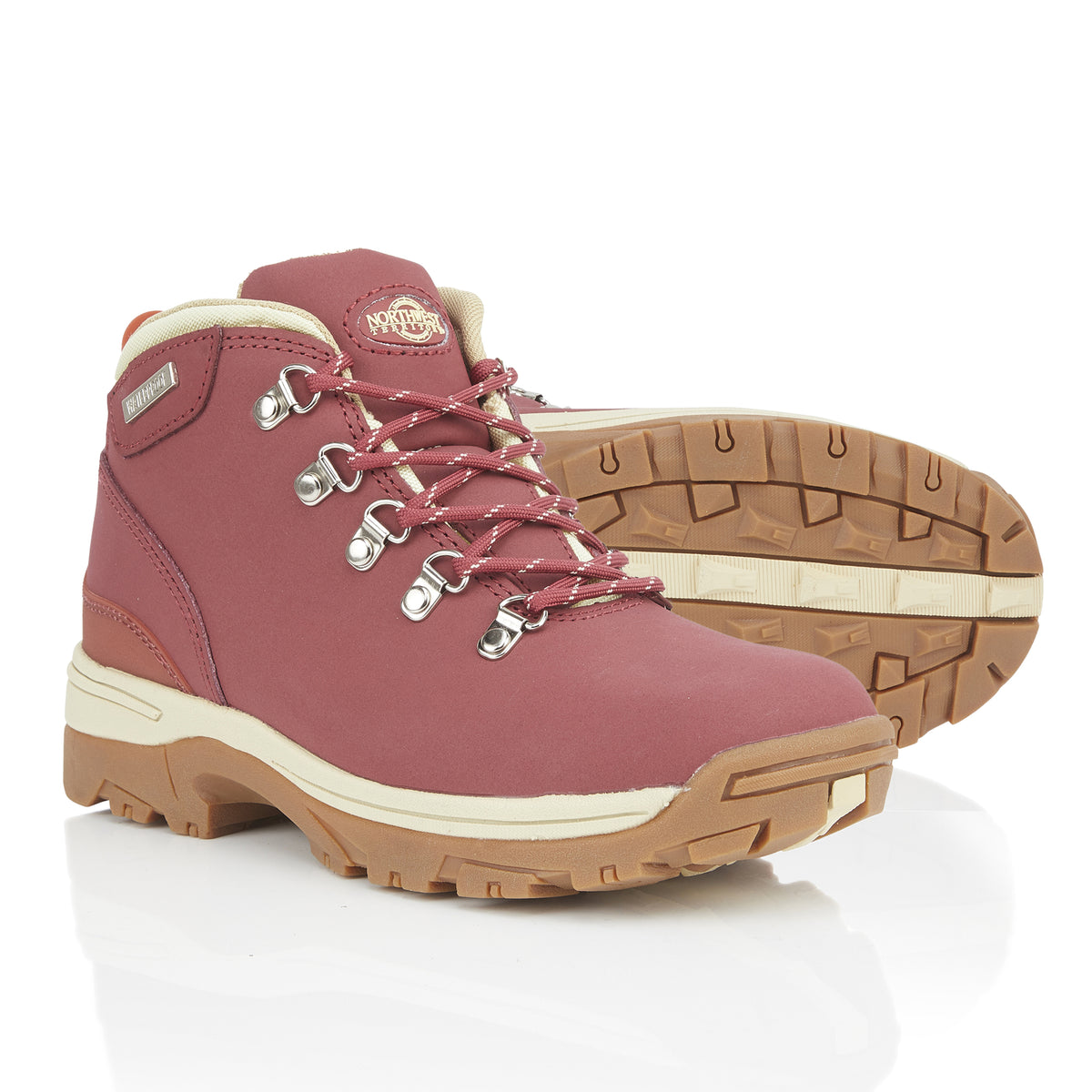
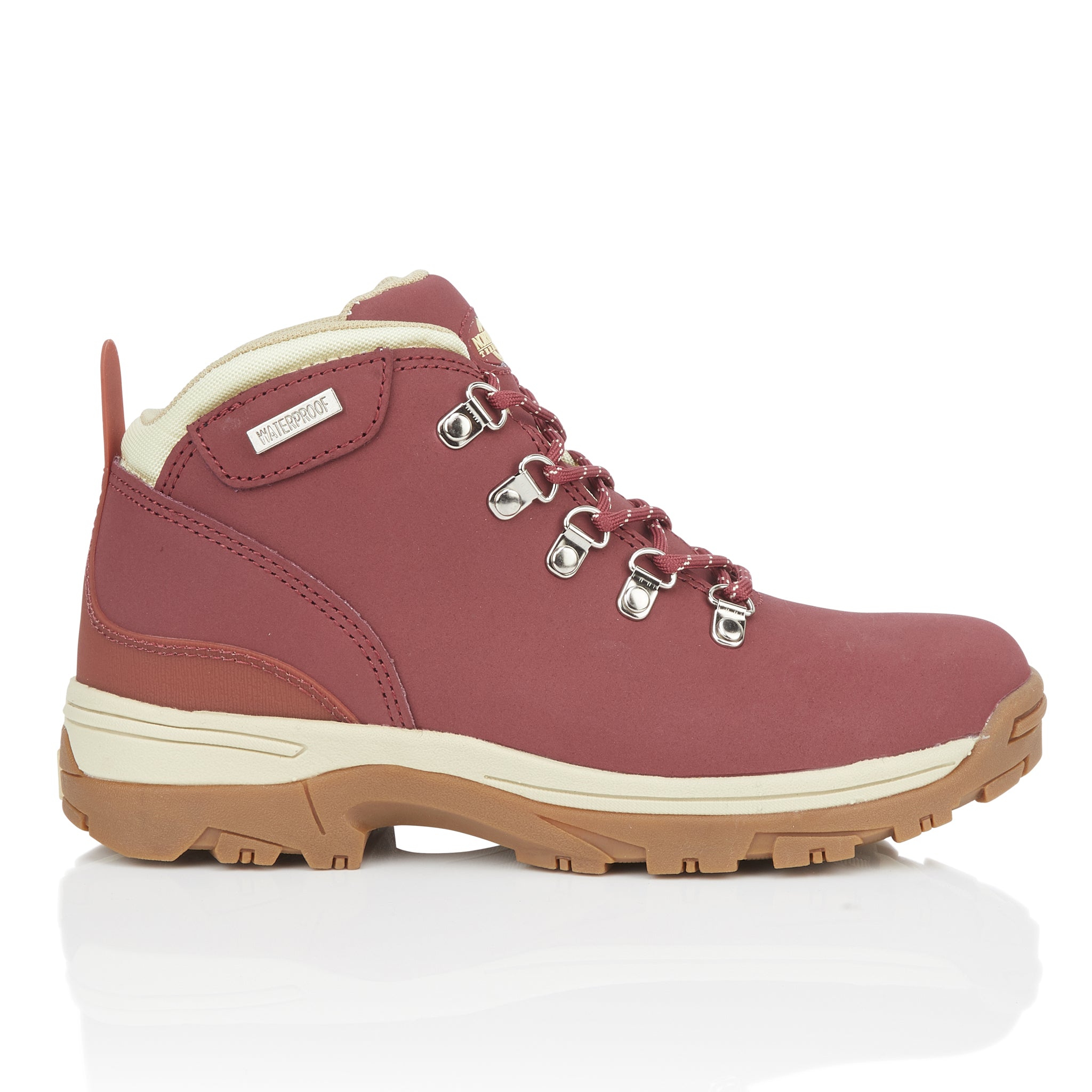
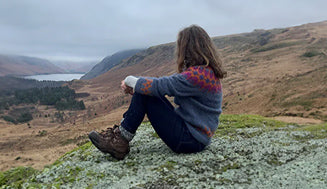
For women, the Munro Women’s Leather Waterproof Walking Shoes fit the sort of journeys most of us end up doing - country lanes, woodland trails, and those weekends away where you know you’ll be standing on your feet for hours.
And if you’d rather keep it lighter, the Keele Lo Leather Mesh Women’s Waterproof Walking Shoes are a solid match for spring and summer strolling, when you want comfort but without feeling weighed down, or like your shoes are doing too much.

Do You Need Walking Boots Instead?
Sometimes yes and sometimes no. If you're planning a weekend in the Lake District with steep climbs and rough ground, proper boots for walking are still the better choice.
For everything else?
A good pair of walking shoes will probably spend far more time on your feet. That's why plenty of experienced walkers own both. Boots for the tougher days. Walking shoes for almost everything else.
A Few Things Worth Checking Before You Buy
You can learn a lot just by trying a pair on. Walk around for a few minutes. See how they feel.
A few things are worth noticing:
-
Your heel shouldn't lift
-
Your toes should not feel squished
-
The shoes ought to flex with your foot, not press against it
-
If something feels off in the shop, it will probably stay that way once you’re doing a six-mile walk
Comfort nearly always beats appearance.
If your walks are mostly parks, forests, and out in the countryside, then a dependable set of outdoor walking shoes will probably get way more wear than those heavy hiking boots, honestly.