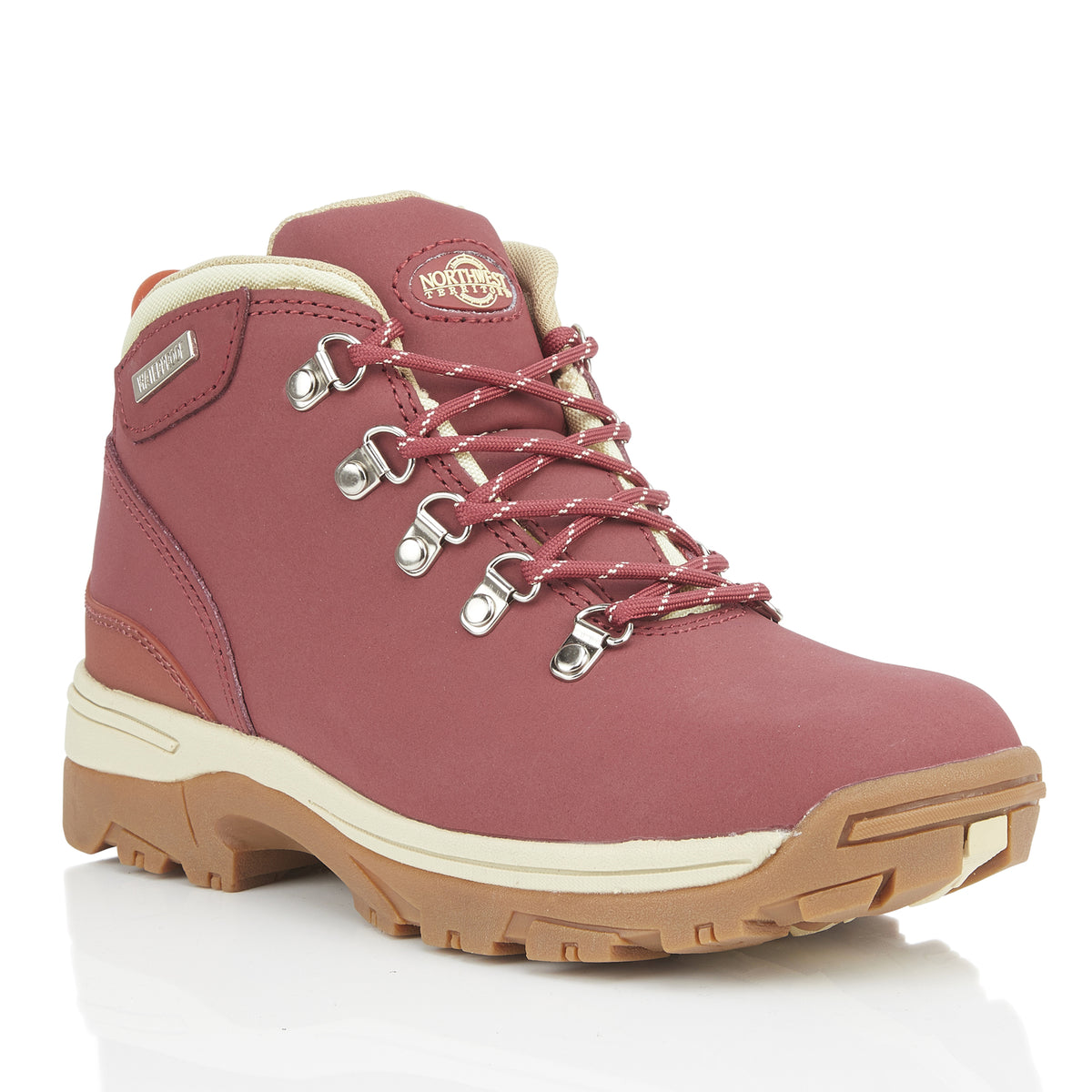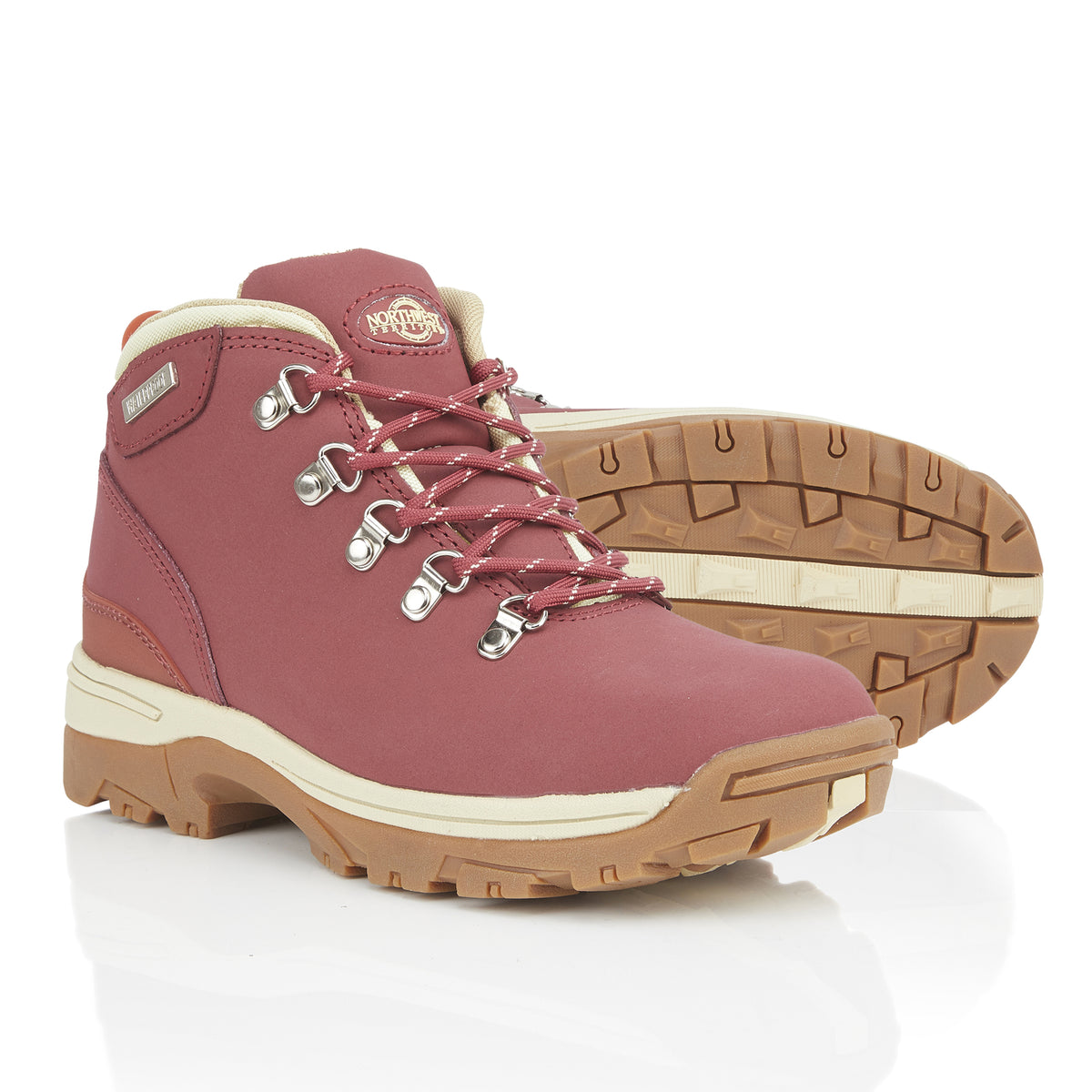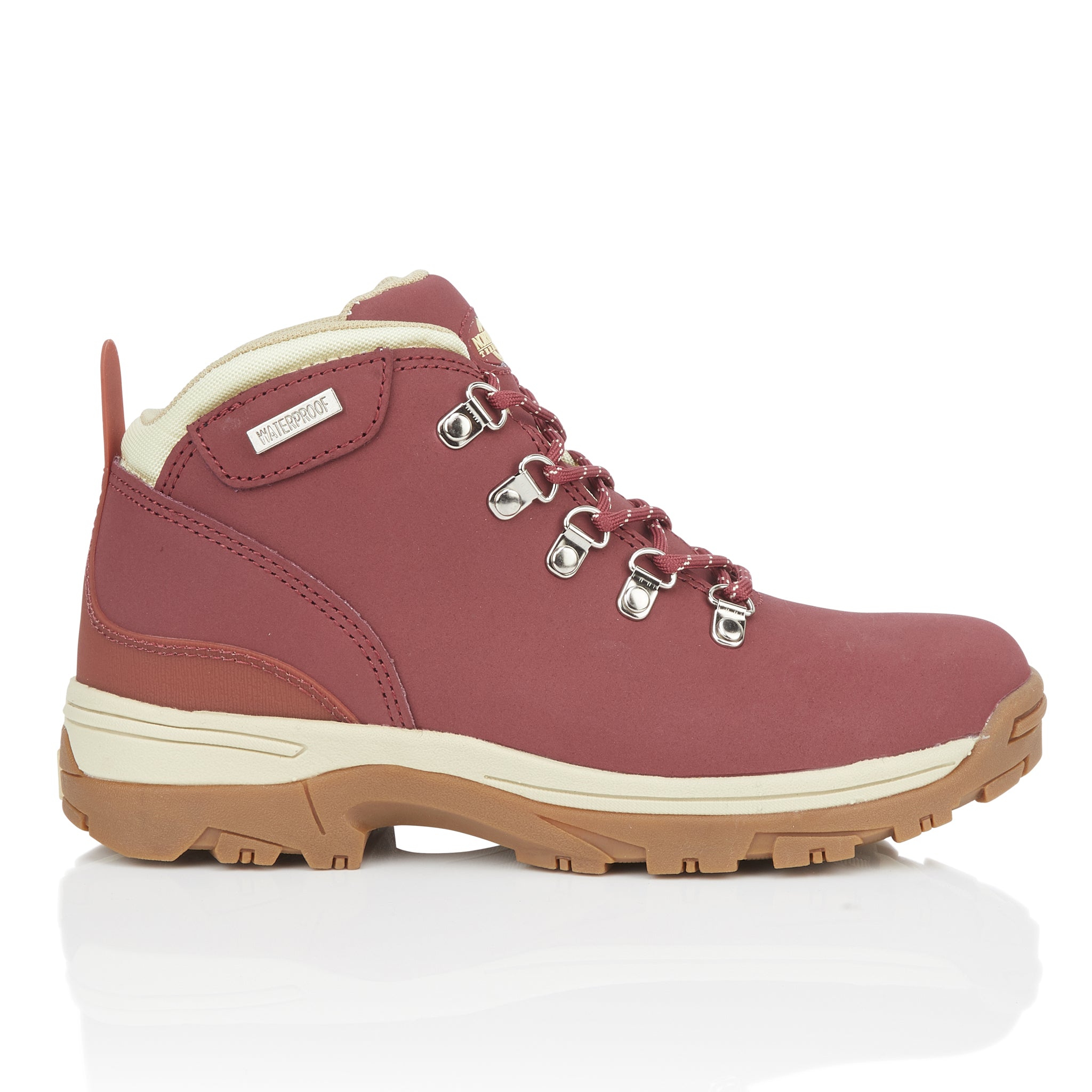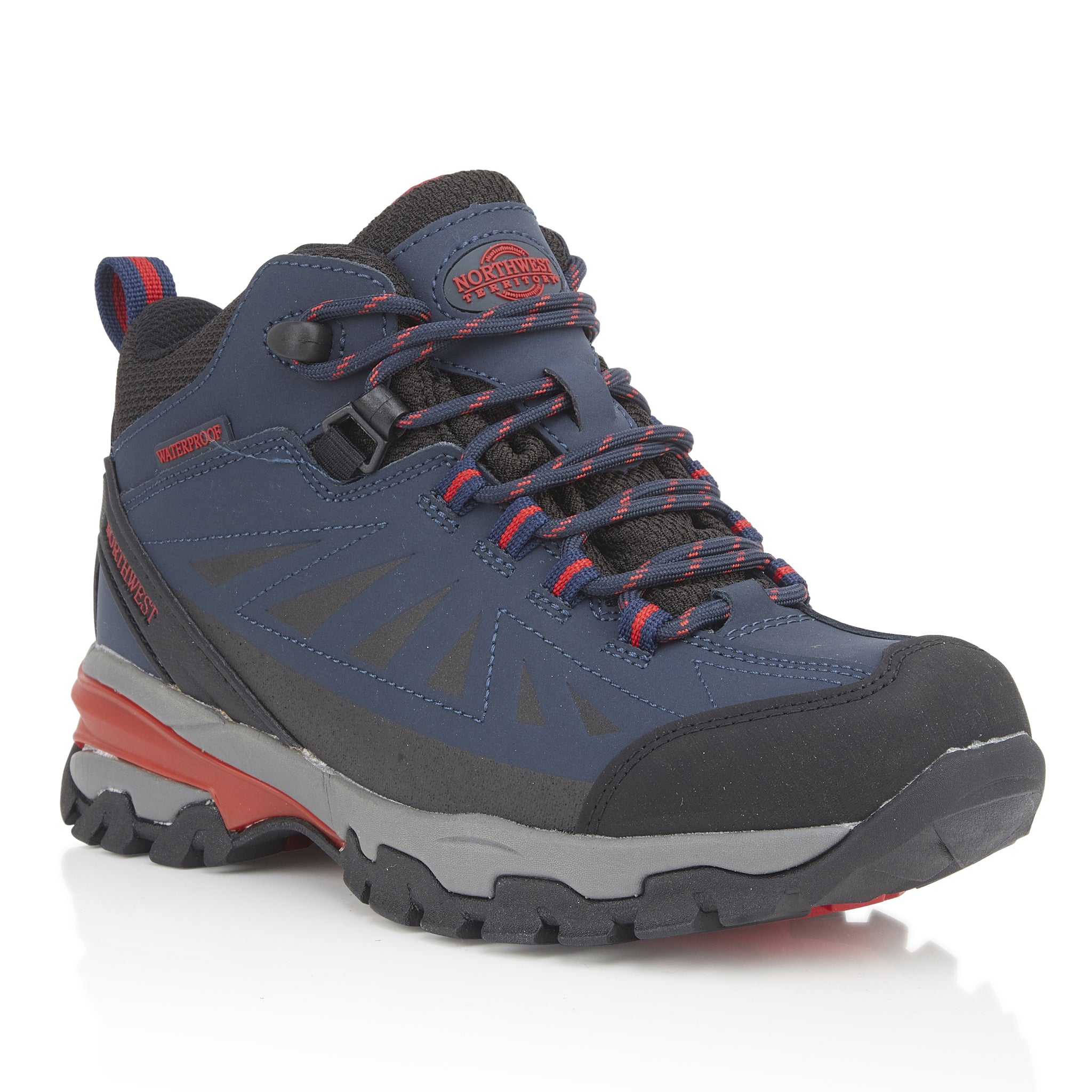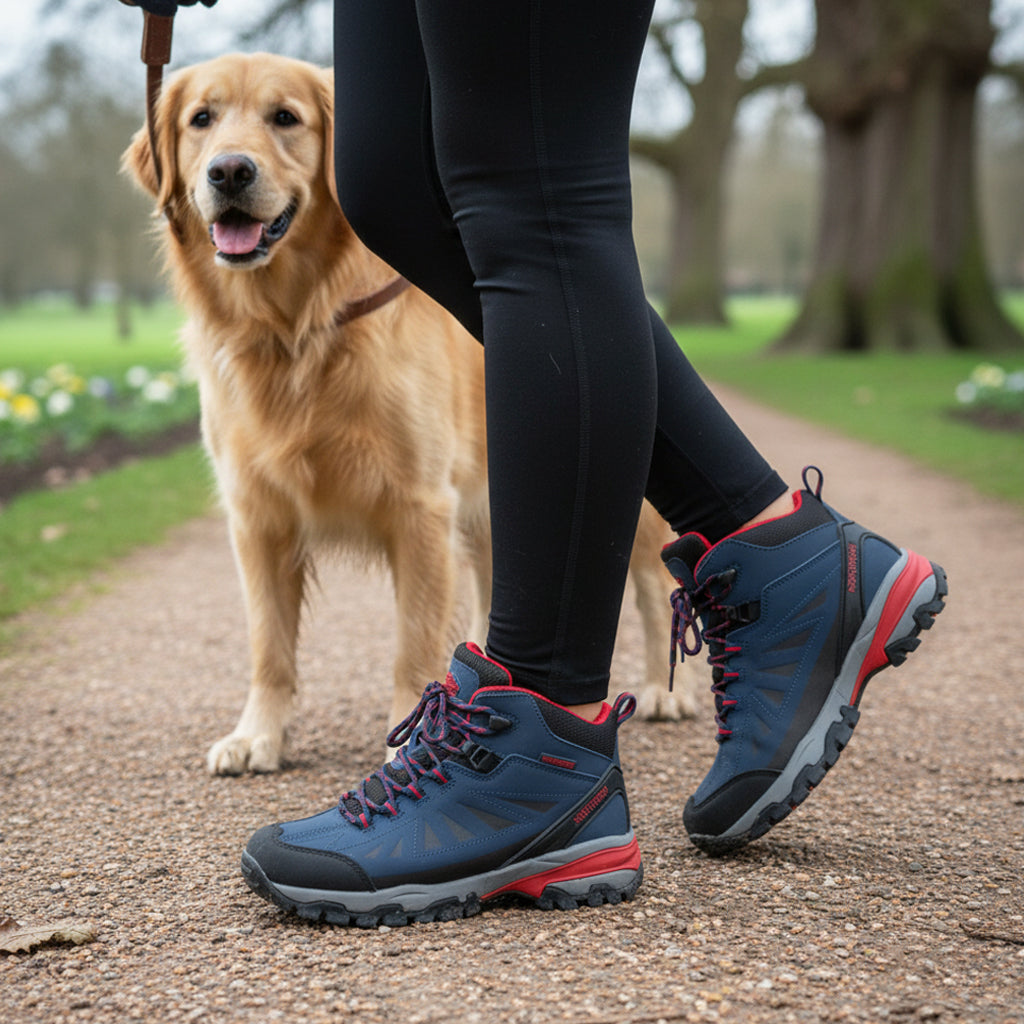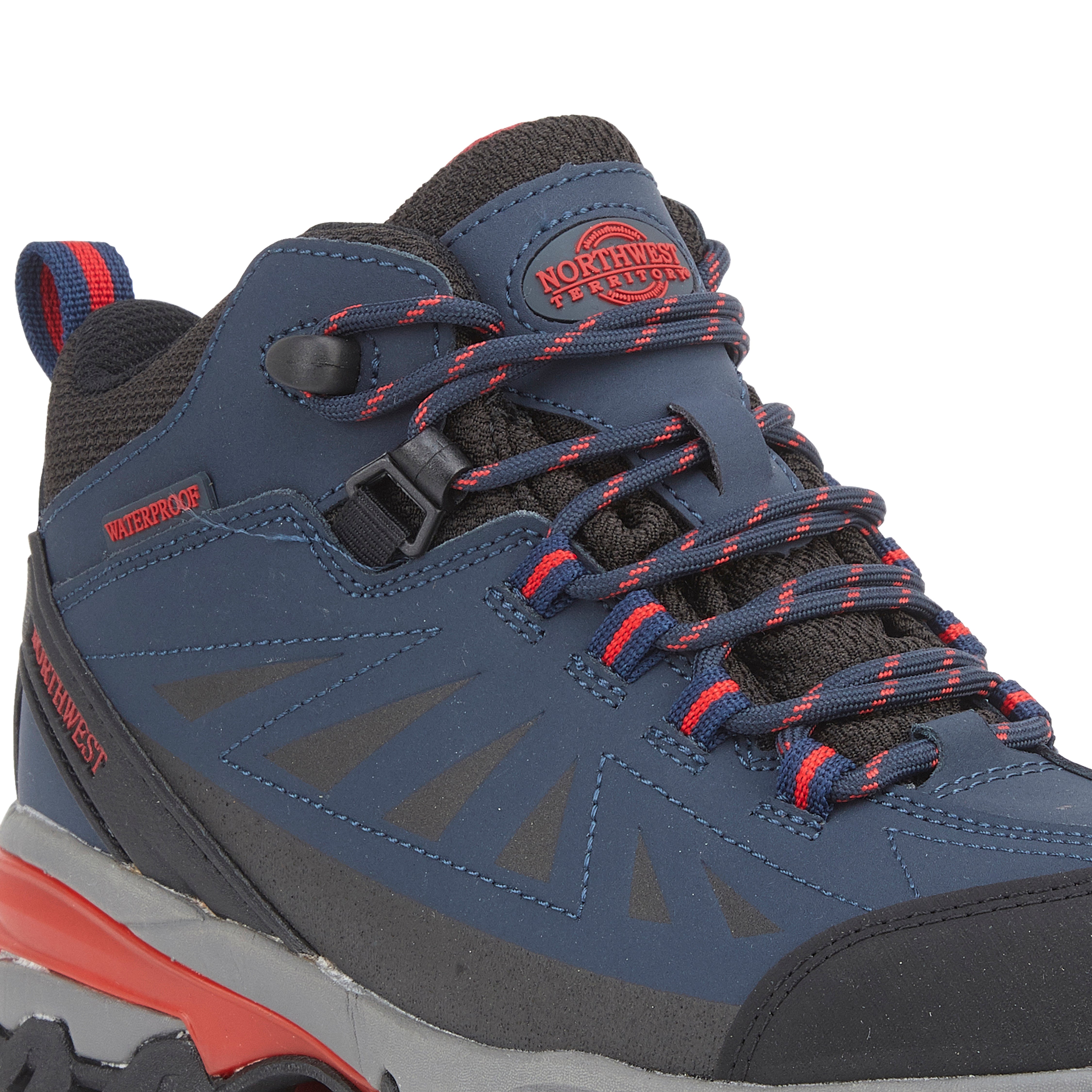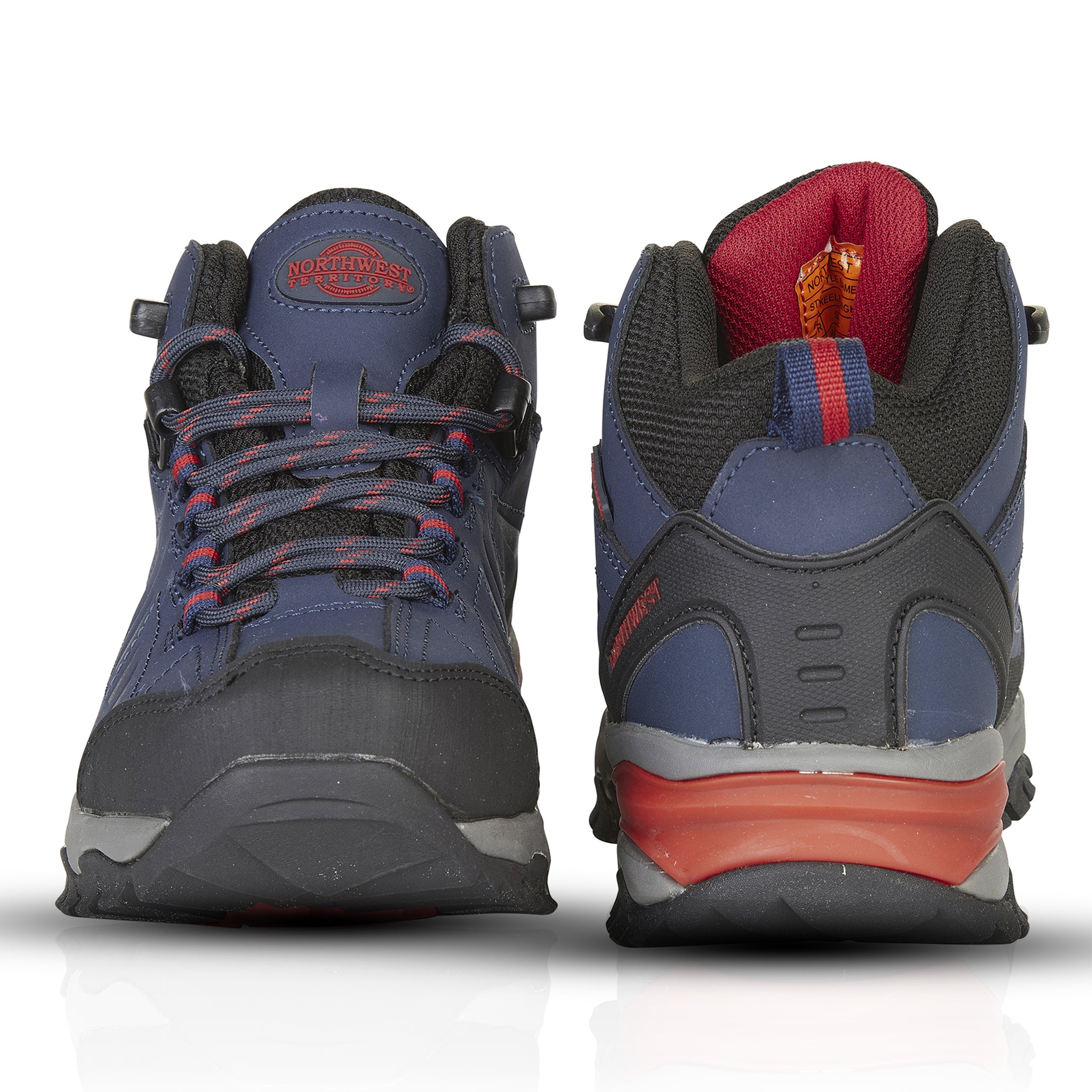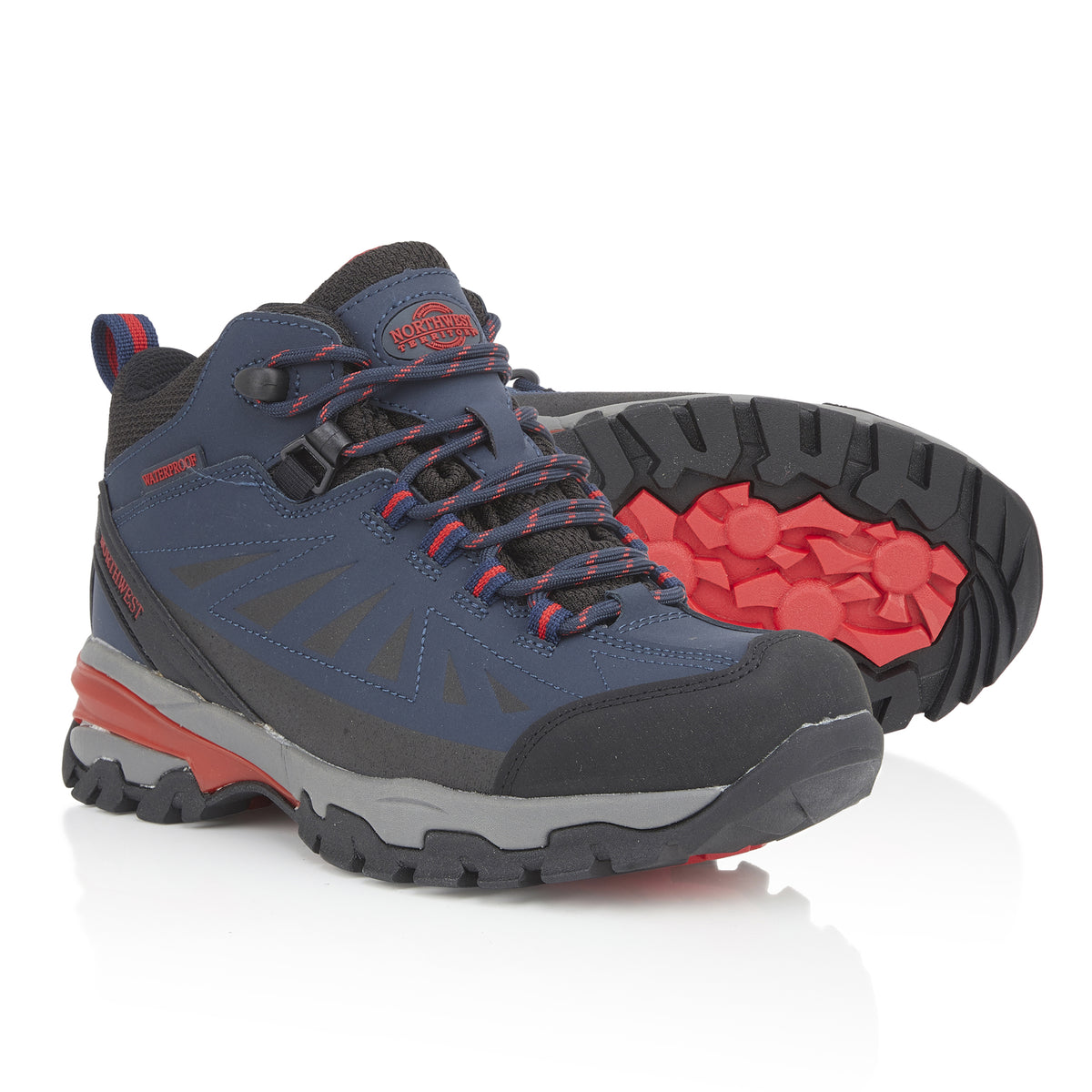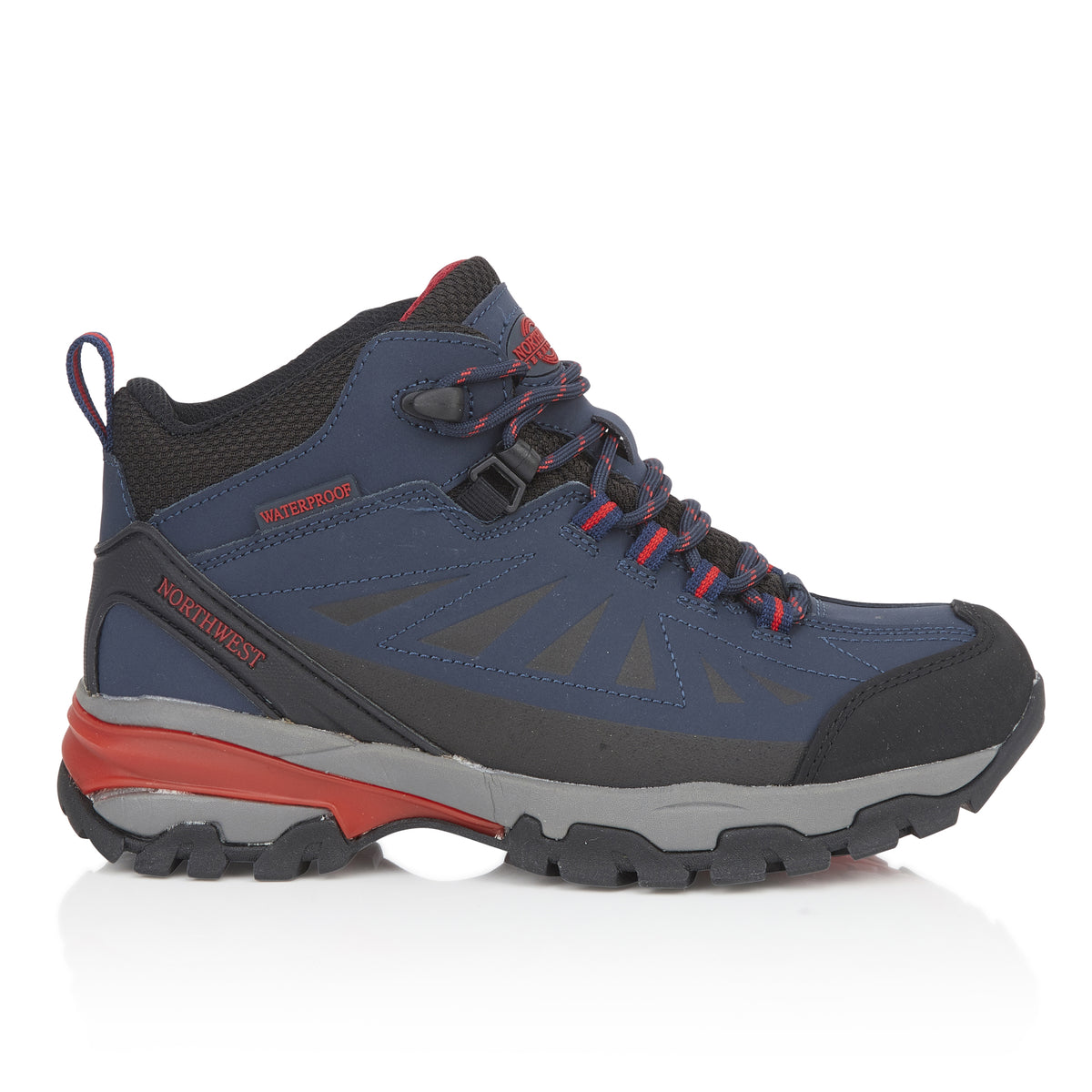

A good pair of walking boots rarely stays clean for long. One weekend, they're on a dry woodland trail. The next time they're covered in mud after a wet afternoon in the countryside. That's exactly what they're made for.
The mistake many people make comes afterwards. The boots get left on the porch, the mud dries on the leather, and they don't get another thought until the next walk. Do that often enough, and even a well-made pair won't last as long as it should.
The good news is that walking boot care doesn't have to be complicated. You don’t need a shelf full of specialist products or an hour after every walk. A few simple habits will help your boots stay comfortable, look better, and handle plenty more miles.
Do Walking Boots Really Need Regular Care?
They do, but not as much as people like to imagine. If you’ve been out on dry stretches with hardly any mud, just a quick brush once you’re home is often more than enough. Or, if you’ve been through wet fields, squishy ruts or pebbly ground, it’s worth taking a bit longer and cleaning them properly, not just rushing it.
Think of it like this.
Mud, grit, and dampness slowly chew away at the materials. Cleaning your boots isn’t really about trying to make them look freshly new again. It's more about keeping grime from causing damage, little by little, over time. That's why walking boot maintenance is worth getting into after every few walks.

How Often Should You Clean Walking Boots as Part of Walking Boots Care?
There isn't one answer. It depends on where you've been.
A simple guide is:
-
Dry summer walks - Brush off the dust and leave them to air.
-
Muddy woodland or countryside walks - Give them a proper clean when you get home.
-
Long hikes in wet weather - Clean and dry them before putting them away.
Leaving mud on your boots for weeks is never a good idea. Once it dries, it becomes much harder to remove and can slowly affect both the leather and stitching.
How Do You Clean Walking Boots?
The best time is when you get home. Fresh mud comes off much more easily than mud that's been sitting there for a week.
Here's the routine many experienced walkers stick to.
Step 1 - Knock off the loose mud
Tap the soles together outside or use a soft brush. There's no need to scrub at this stage.
Step 2 - Take out the laces
It takes just a minute, but it makes getting in and around the tongue so much easier, honestly. You’ll also notice any grit that’s somehow worked its way inside.
Step 3 - Use warm water and a soft brush
You can usually rely on nothing more than a bowl of warm water and a soft brush. Start working around the boot, but don’t soak it. For most hiking boot cleaning, gentle brushing is far kinder than using anything harsh.
Step 4 - Don't forget the soles
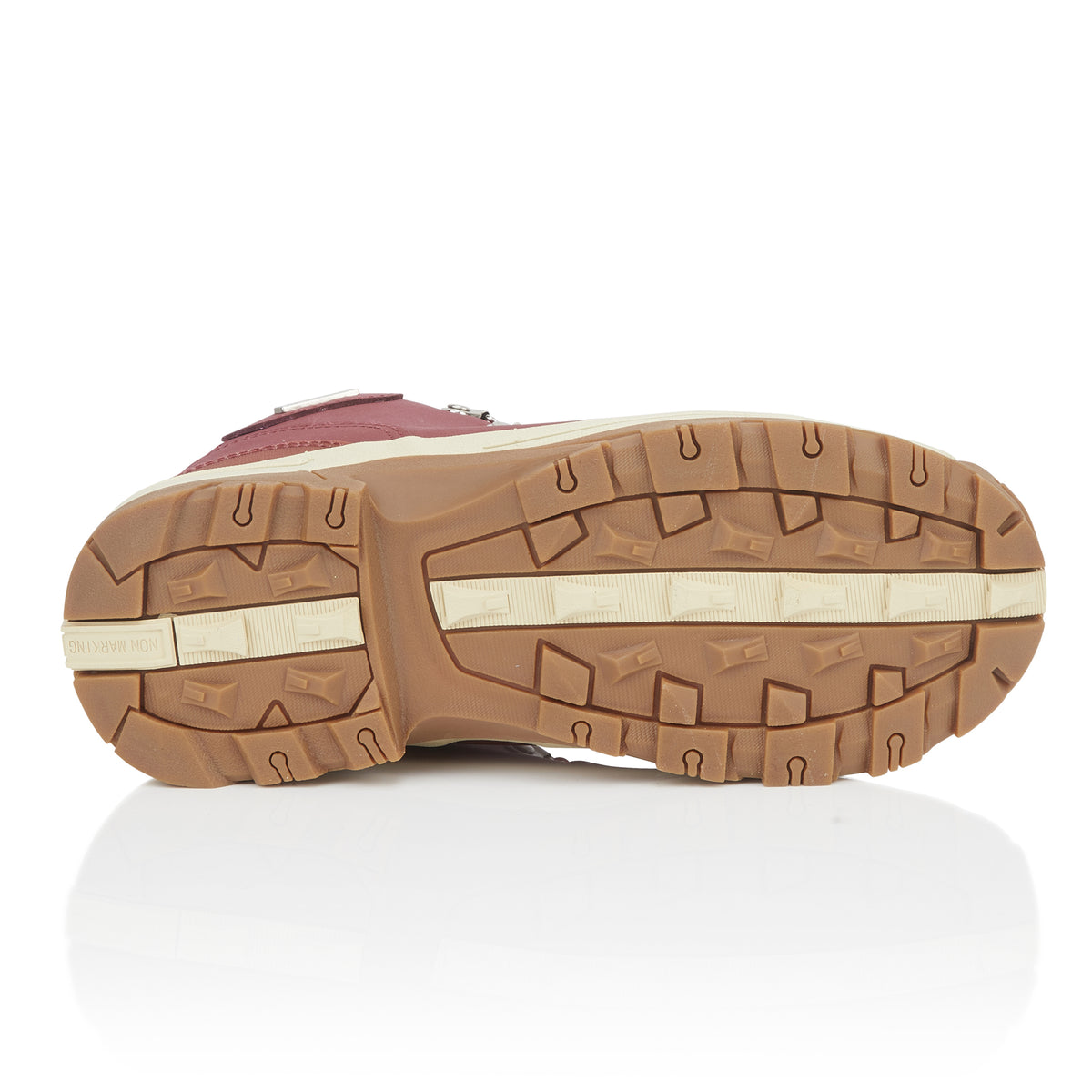
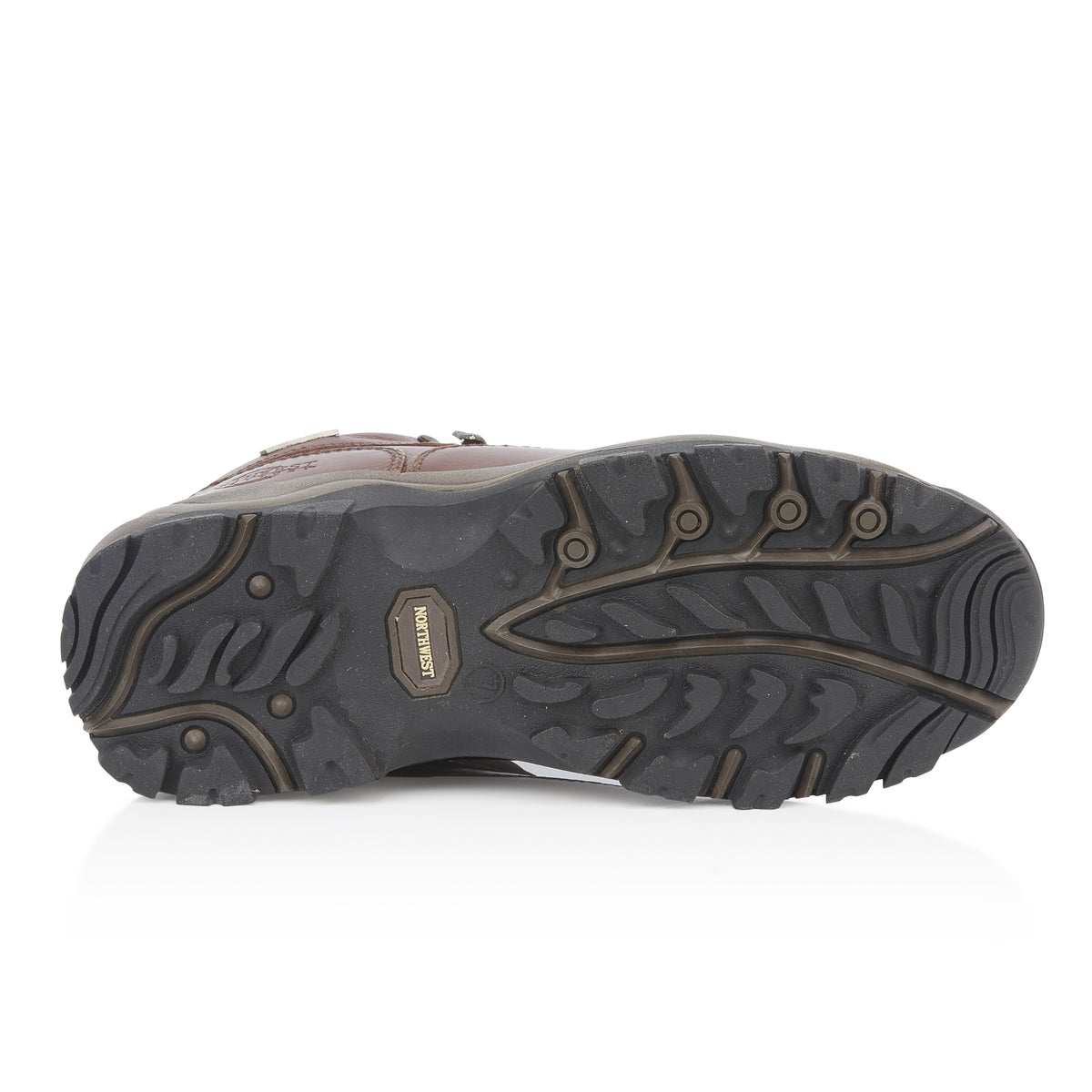
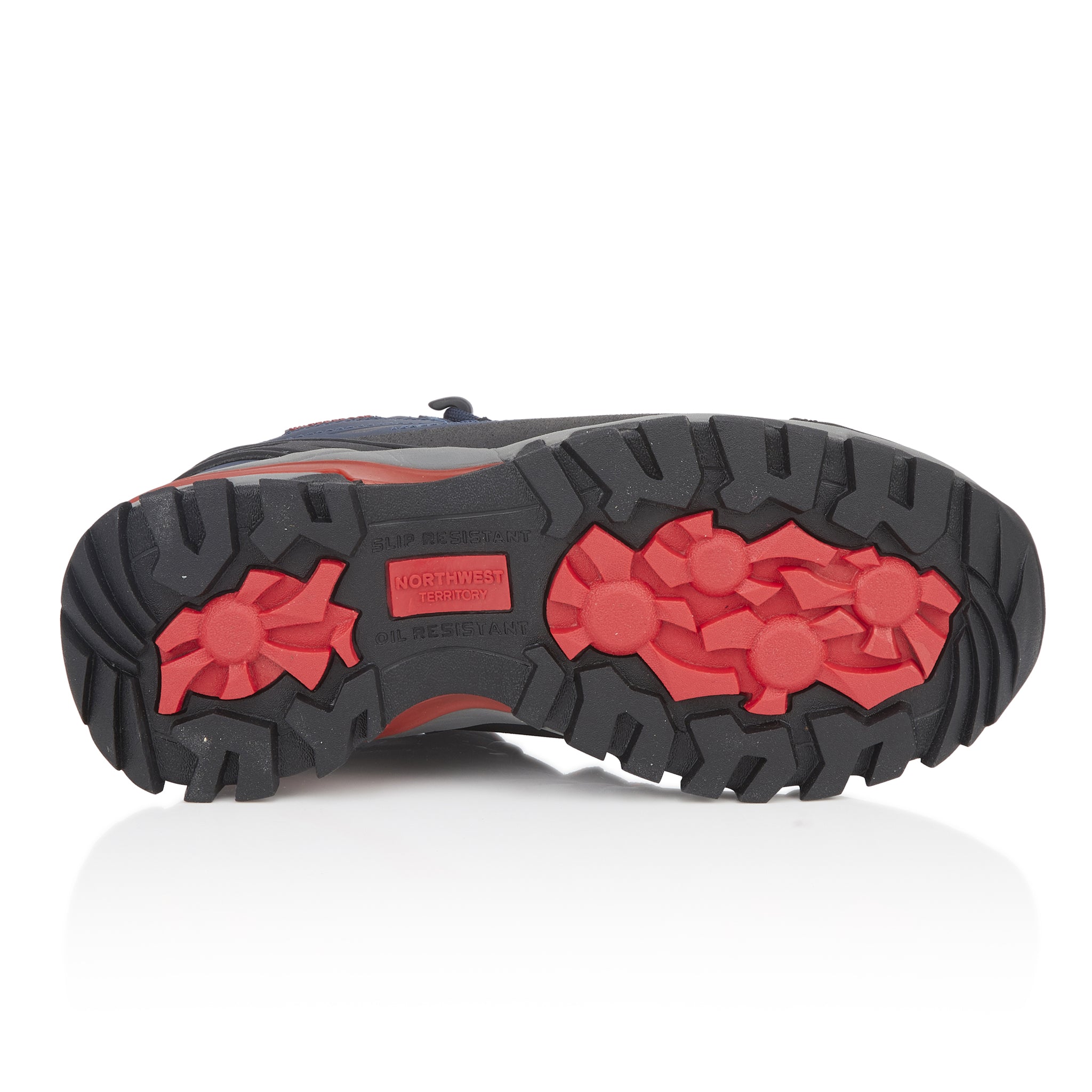
Small stones and packed mud can stay trapped in the tread. A quick clean helps your boots keep the grip they're designed to have.
What Helps and What Should You Avoid During Walking Boot Care?
|
Worth Doing |
Best Avoided |
|
Brush off mud soon after your walk |
Leaving mud to dry for days |
|
Clean with warm water |
Using very hot water |
|
Use a soft brush |
Scrubbing with a wire brush |
|
Let the boots dry naturally |
Putting them next to a radiator or fire |
|
Store boots somewhere dry |
Leaving them in a damp garage |
Should You Clean Walking Boots Only When They Look Dirty?
One habit makes more difference than anything else. Spend five minutes with your boots after a muddy walk. That's usually enough.
At Northwest Territory, we’ve found that folk who look after their boots a little, and often, don’t usually end up spending ages scrubbing them later. It’s a modest task that helps keep your footwear in good shape for the next outing, rather than letting you run into dried mud and stiff leather to handle.
What's the Best Way to Dry Walking Boots After a Walk?
Most of us have done it. You come home with soaking boots, and the first thought is to leave them beside the radiator. It dries them out pretty quickly, which is kind of the issue. Unfortunately, that’s exactly the problem.
Leather doesn’t take well to sudden heat. After a while, it can get stiff, and that’s usually when tiny breaks begin to show up.
A better approach is slower.
-
Loosen the laces
-
Take the insoles out if you can
-
Stuff the boots with newspaper
-
Leave them somewhere with good airflow
If the paper gets damp, replace it.
How Can You Keep Leather Walking Boots in Good Condition?
Once the boots are clean and dry, have a proper look at them.
Does the leather still feel soft?
Has it started looking dry around the toe or where the boot bends?
It dries them out pretty quickly, which is kind of the issue. Unfortunately, that’s exactly the problem. Leather doesn’t take well to sudden heat. After a while, it can get stiff, and that’s usually when tiny breaks begin to show up.
Now and then is usually enough. That's really what leather walking boot care comes down to. Little jobs done at the right time.

How Do You Maintain Waterproof Walking Boots?
A waterproof boot doesn't stay at its best forever. After months of walking through mud, puddles and wet grass, you might notice something.
Rain stops beading on the outside. Instead, the outer material starts soaking it up. That doesn't always mean the waterproof lining has failed.
More often, it just needs to be treated again. As part of your waterproof boot maintenance, clean the boots first, let them dry properly and then apply a waterproof treatment. It takes far less time than replacing a pair of boots before you really need to.
What's the Best Way to Store Walking Boots Between Walks?
It sounds like a strange question. But it matters. If they spend the week in the boot of the car or in a damp garage, they're not getting much chance to dry properly. A hallway, utility room or somewhere with fresh air is a much better option.
Nothing fancy, just somewhere dry.
What Walking Boots Care Habits Should Every Walker Follow?
You don't need a long cleaning routine.
Most walkers end up doing the same few things every time.
-
Brush the mud off before it dries
-
Let the boots dry on their own
-
Check the tread for stones
-
Treat the leather when it starts looking dry
-
Reproof the boots every so often
That's it. These five habits will do far more than spending an hour cleaning them every few months.
Frequently Asked Questions
1. Can I dry my walking boots near a radiator?
One should avoid it. Too much heat makes the leather dry out, and that can shorten the life of the boots - you know that classic problem.
2. How often should I waterproof my walking boots?
Do it when water starts soaking in, like when it doesn’t just sit on top and bead up anymore. If you notice that change, then it’s time for another waterproof treatment.
3. How often should I clean my boots?
If they are muddy, clean them after the walk. If it’s more like a light dusting, then a quick brush is usually enough, no big drama.
4. How do you care for leather walking boots?
Clean leather walking boots appropriately, allow them to dry naturally and inspect the leather for dryness or wear. Apply a compatible leather-care product when required according to its instructions.
5. How should walking boots be stored?
Store walking boots only once they're clean and completely dry. Choose a dry, ventilated location away from excessive heat and prolonged dampness.
Keep Your Walking Boots Ready for Every Adventure
Walking boots are meant to deal with mud, wet grass, gravel, woodland paths and unpredictable British weather. Keeping them spotless isn't the objective.
Keeping them clean enough, properly dried, appropriately treated and correctly stored is.
A little regular walking boot care can help preserve the materials and keep your footwear ready for the next outing without turning maintenance into another weekend job.
Brush away mud before it becomes a permanent feature. Let wet boots dry naturally. Use treatments that suit the actual material. Keep an eye on water repellency and inspect high-wear areas occasionally.
Most importantly, don't wait until your boots look neglected before giving them attention.
Five minutes after a muddy walk can make the next one much easier.