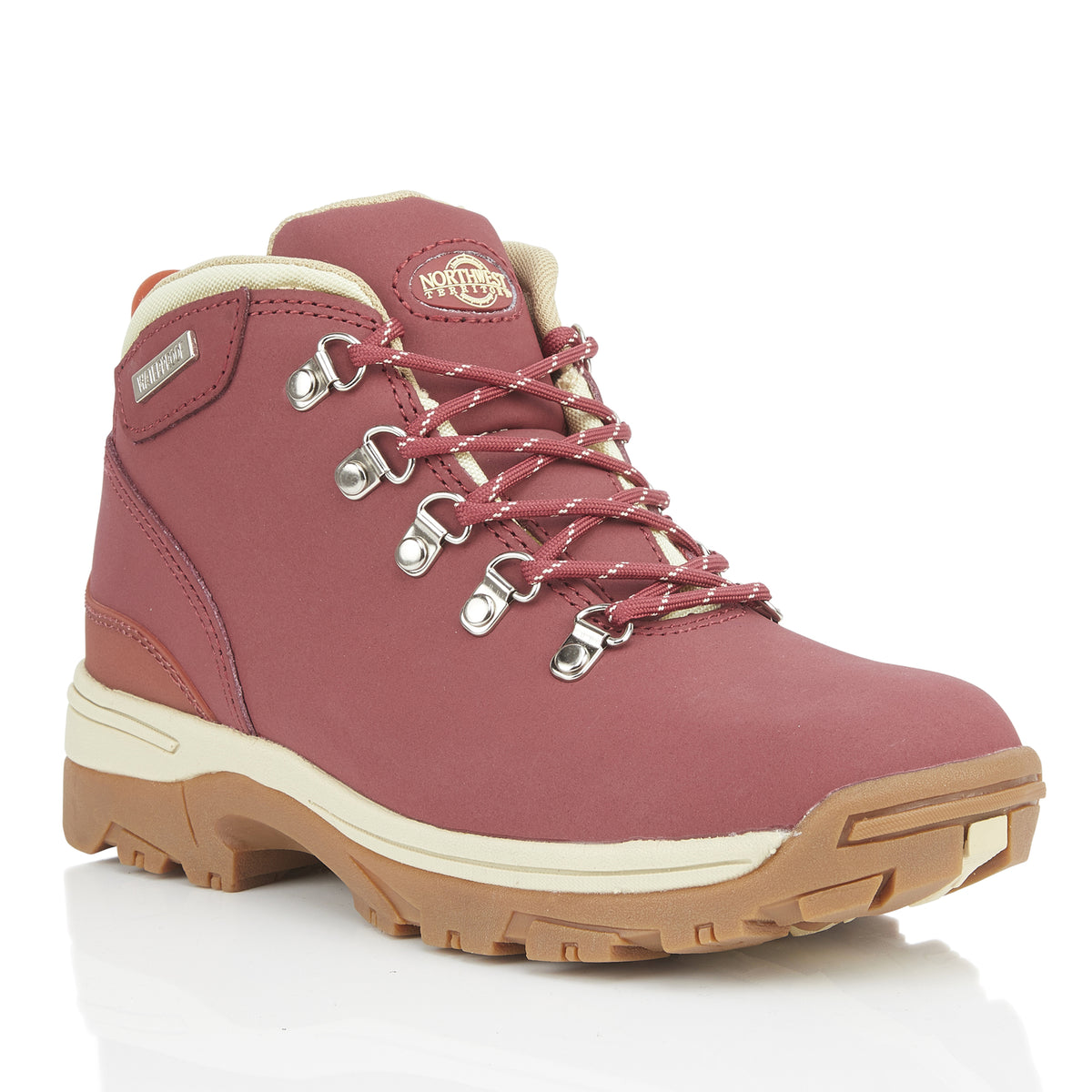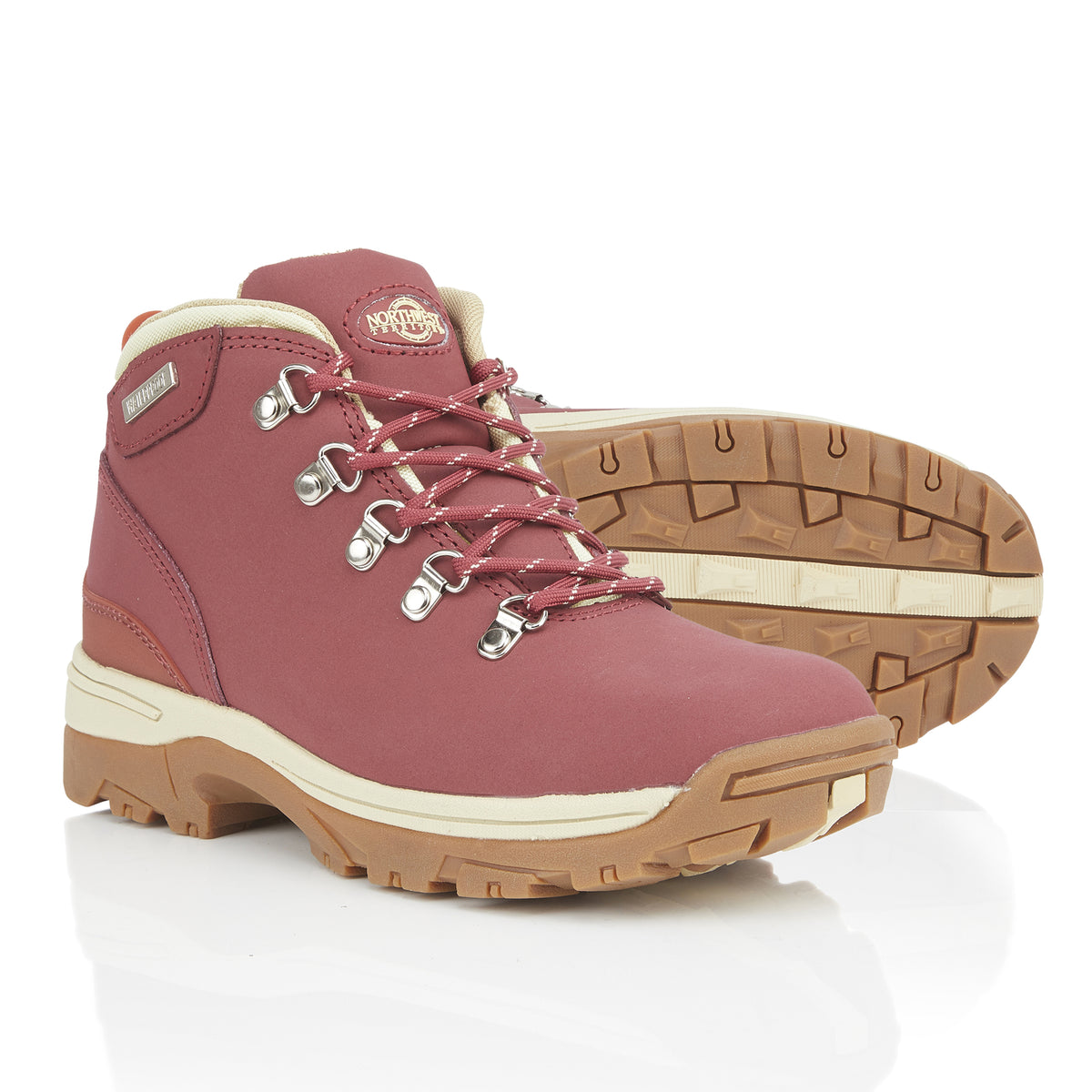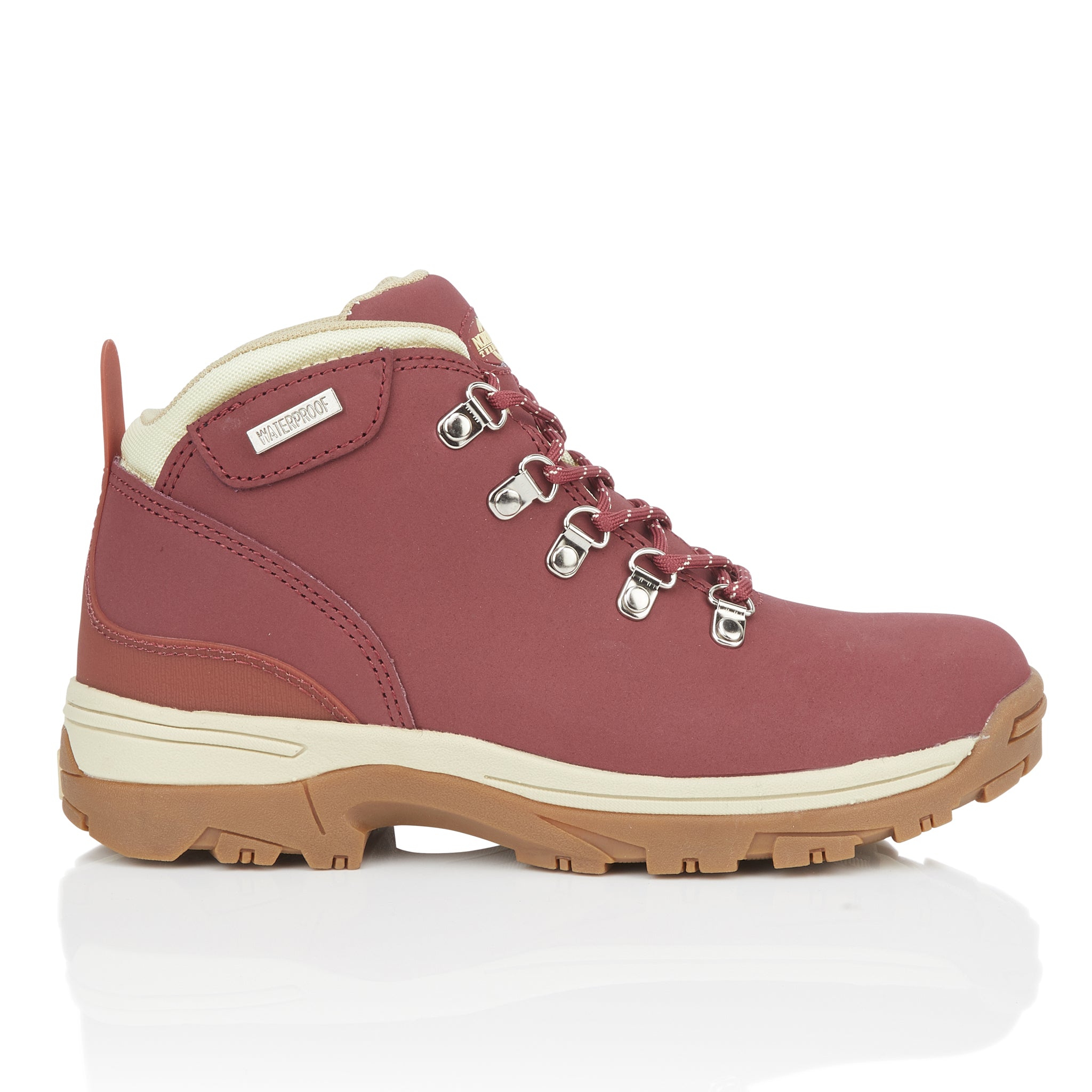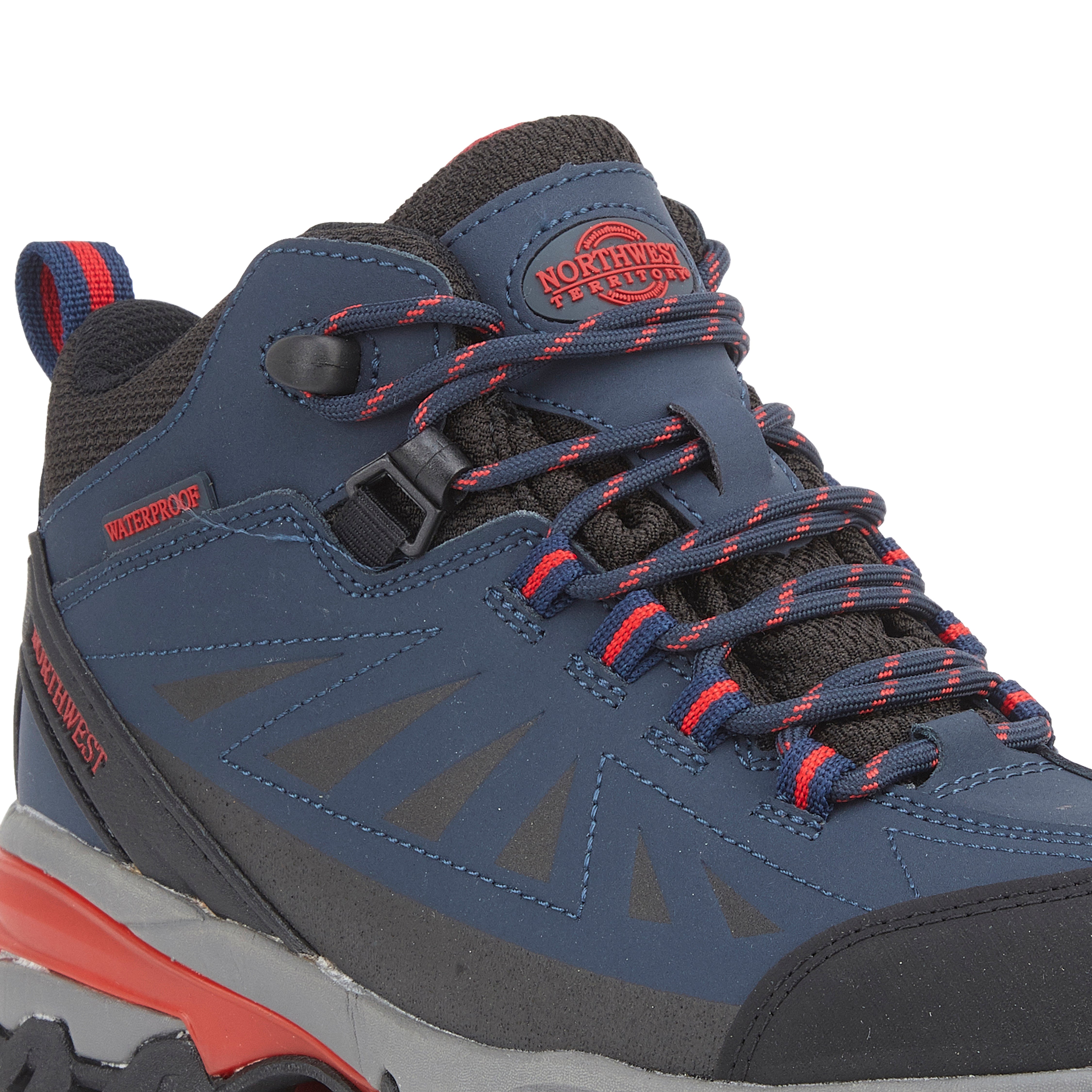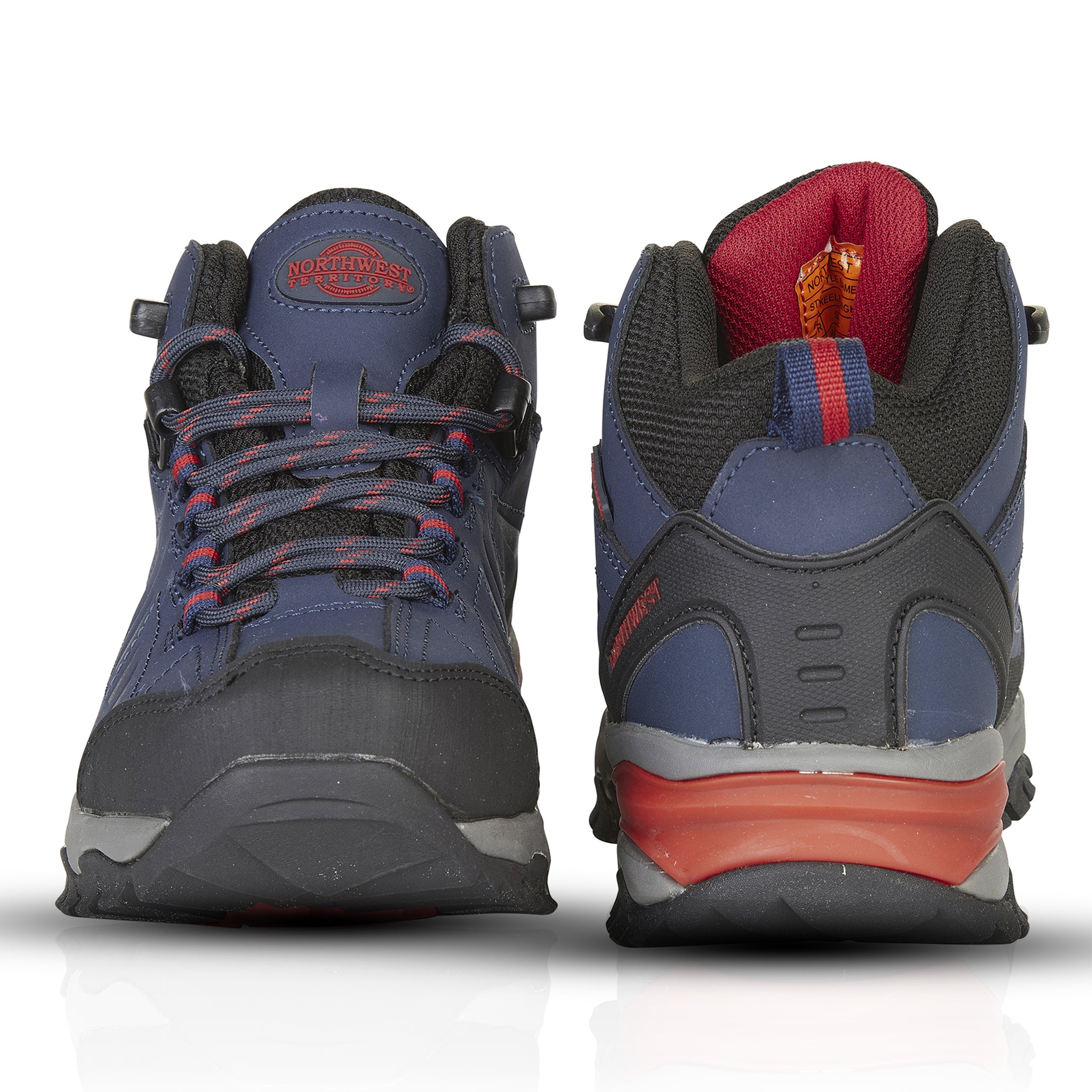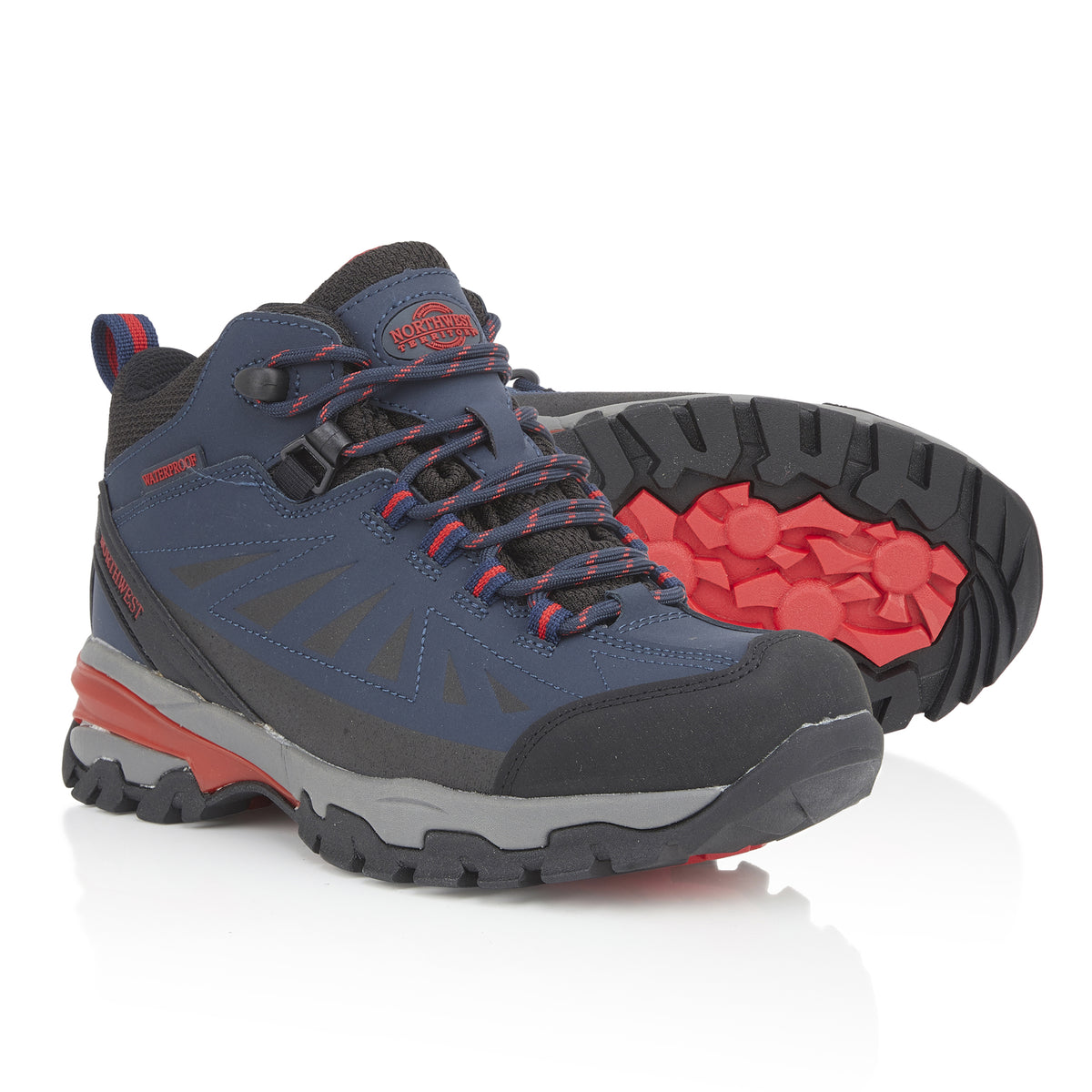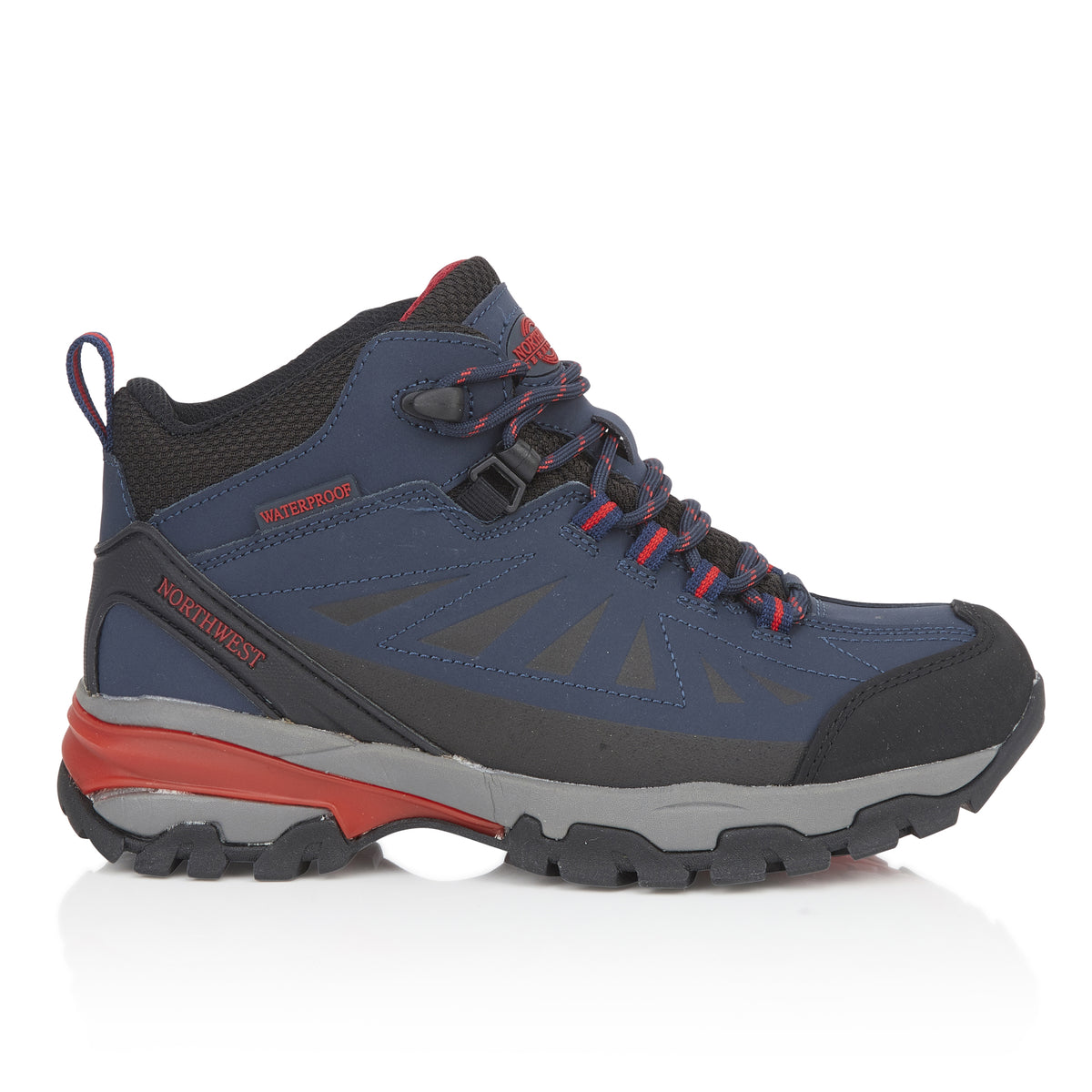


Buying walking boots shouldn't be complicated.
Yet it usually is.
You find one pair that looks good, then another claims to be lighter, another promises better grip, and you've got ten tabs open and no idea which ones are actually right for you.
We've had plenty of customers walk into Northwest Territory saying exactly the same thing. But once you know where you are walking, choosing the right pair will be much easier.
A good walking boots buying guide shouldn't tell you to buy the most expensive pair on the shelf. It should help you avoid buying the wrong one.
What Should You Look for When Buying Walking Boots?
Before you decide, it's worth running through this walking boots buying guide checklist.
|
What to Check |
Why It Matters |
|
Comfortable fit |
If they don't feel right now, they probably won't later. |
|
Waterproof protection |
Wet grass and muddy paths are part of walking in Britain. |
|
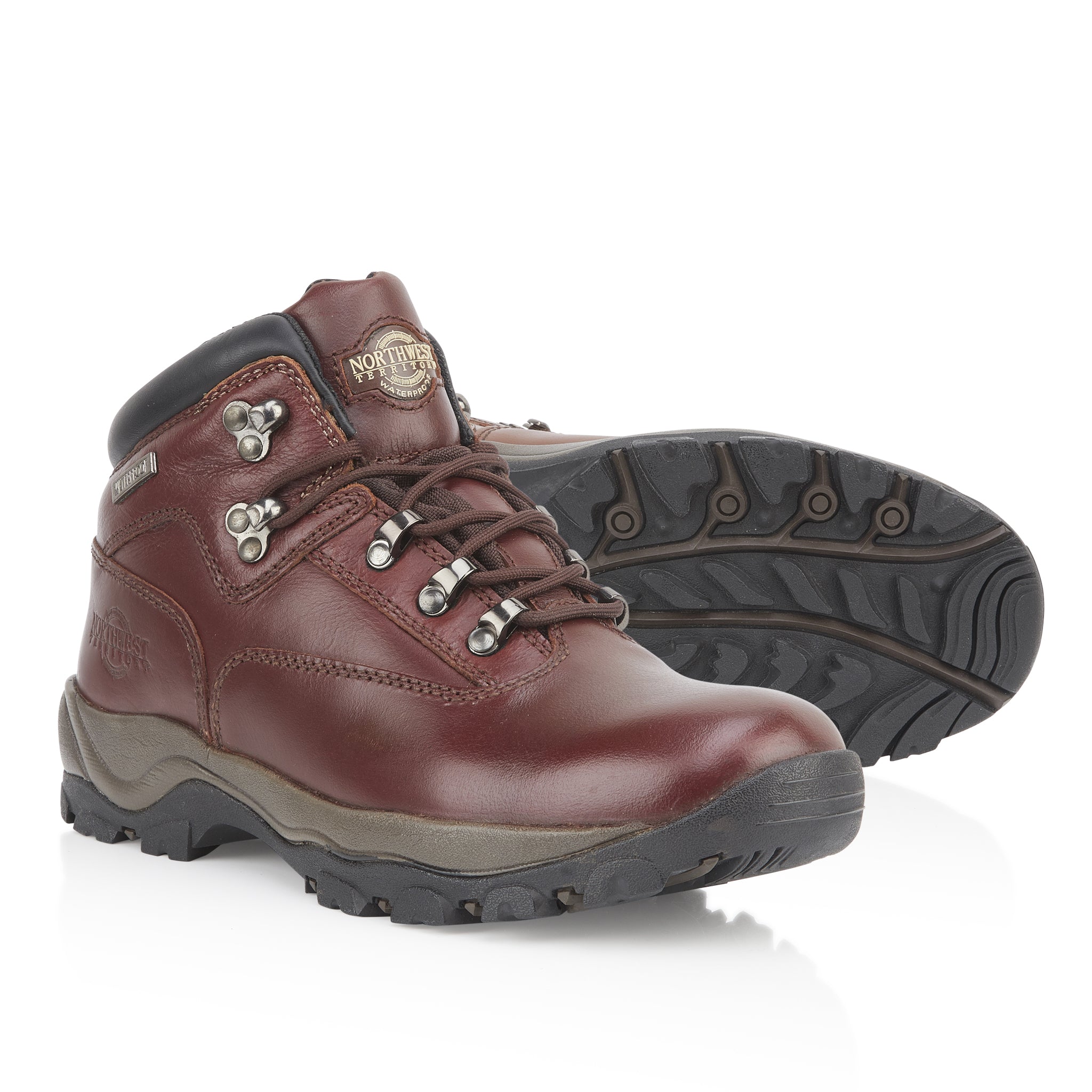
Good grip |
Helps on loose gravel, wet rocks and uneven trails. |
|
Ankle support |
Useful if you walk on rough or sloping ground. |
|
Leather or durable materials |
Often lasts longer with regular use. |
|
Toe room |
Stops your toes from hitting the front on downhill sections. |
|
Secure heel |
Reduces rubbing and helps prevent blisters. |
|
Weight |
Support is important, but boots shouldn't feel heavy all day. |
|
Breathability |
Helps keep feet comfortable on longer walks. |
|
Terrain |
Buy for the places you visit most, not the places you might visit once. |
|
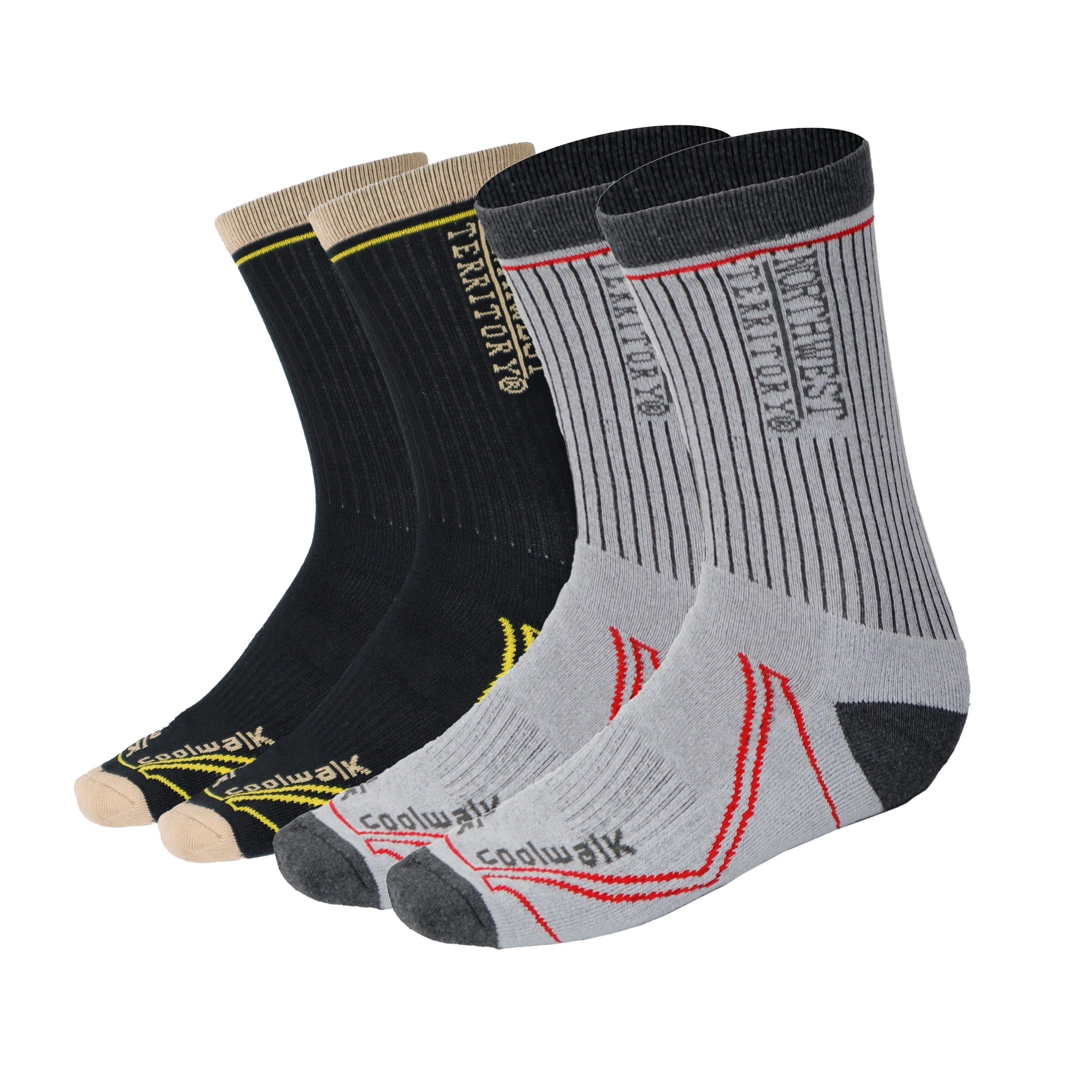
Walking socks |
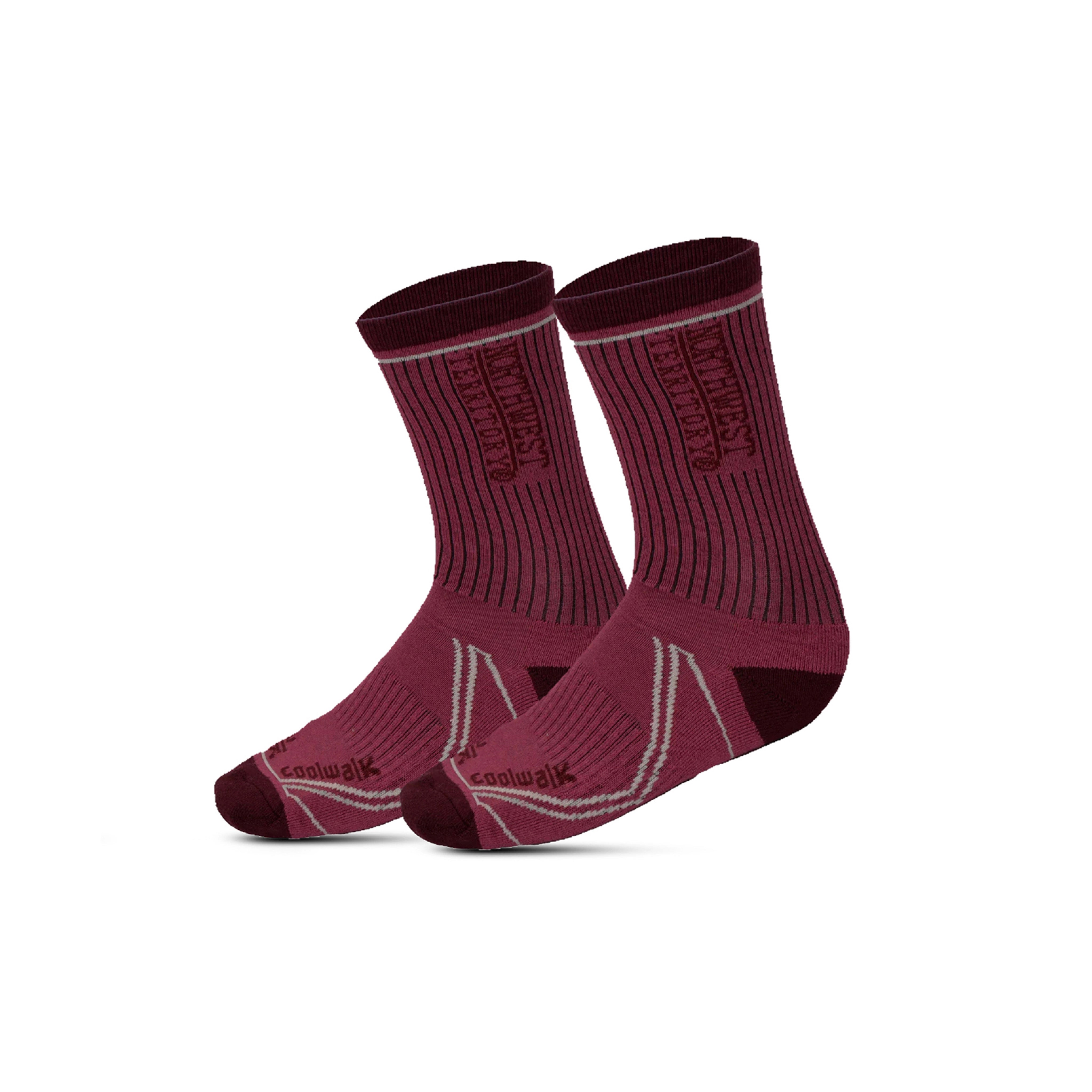
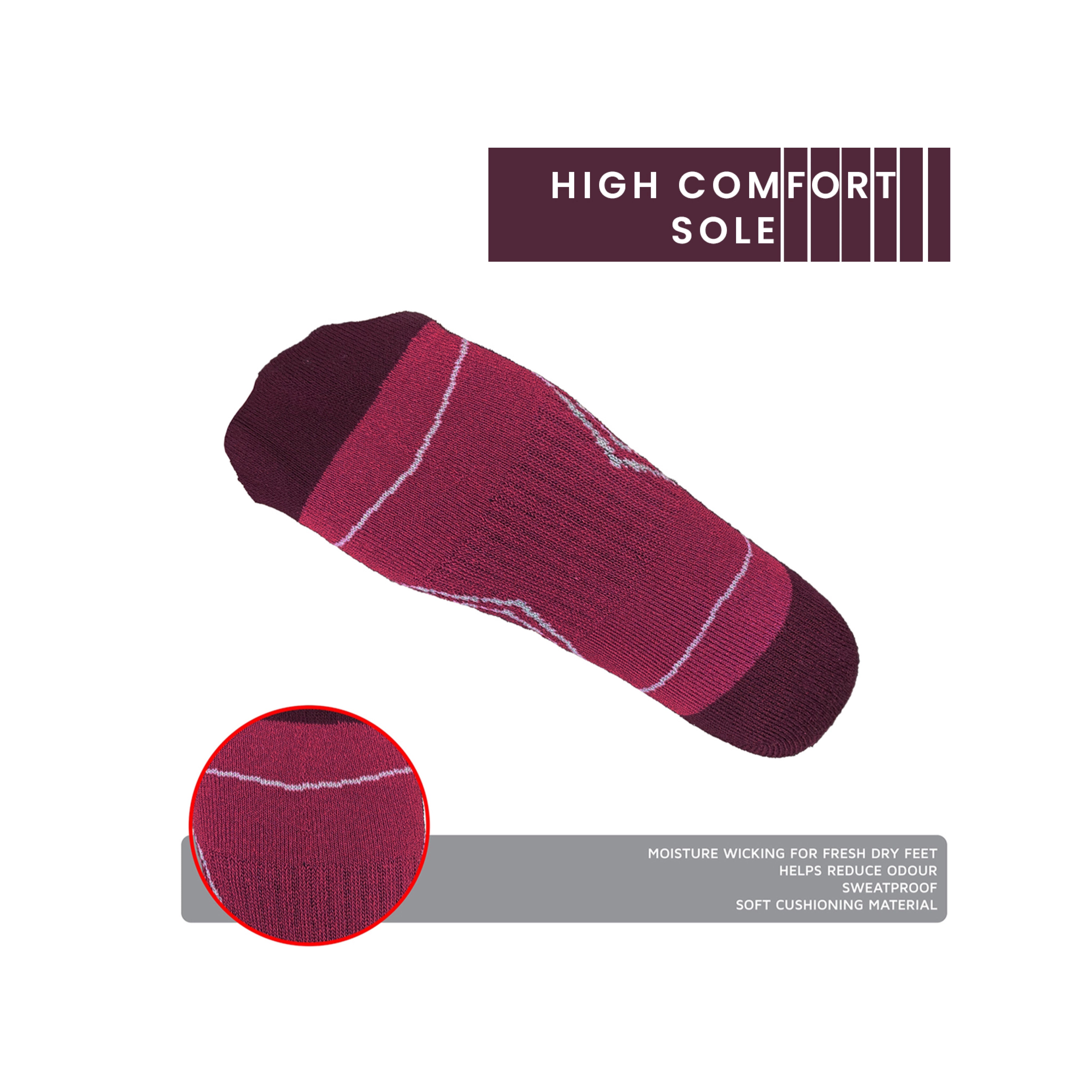
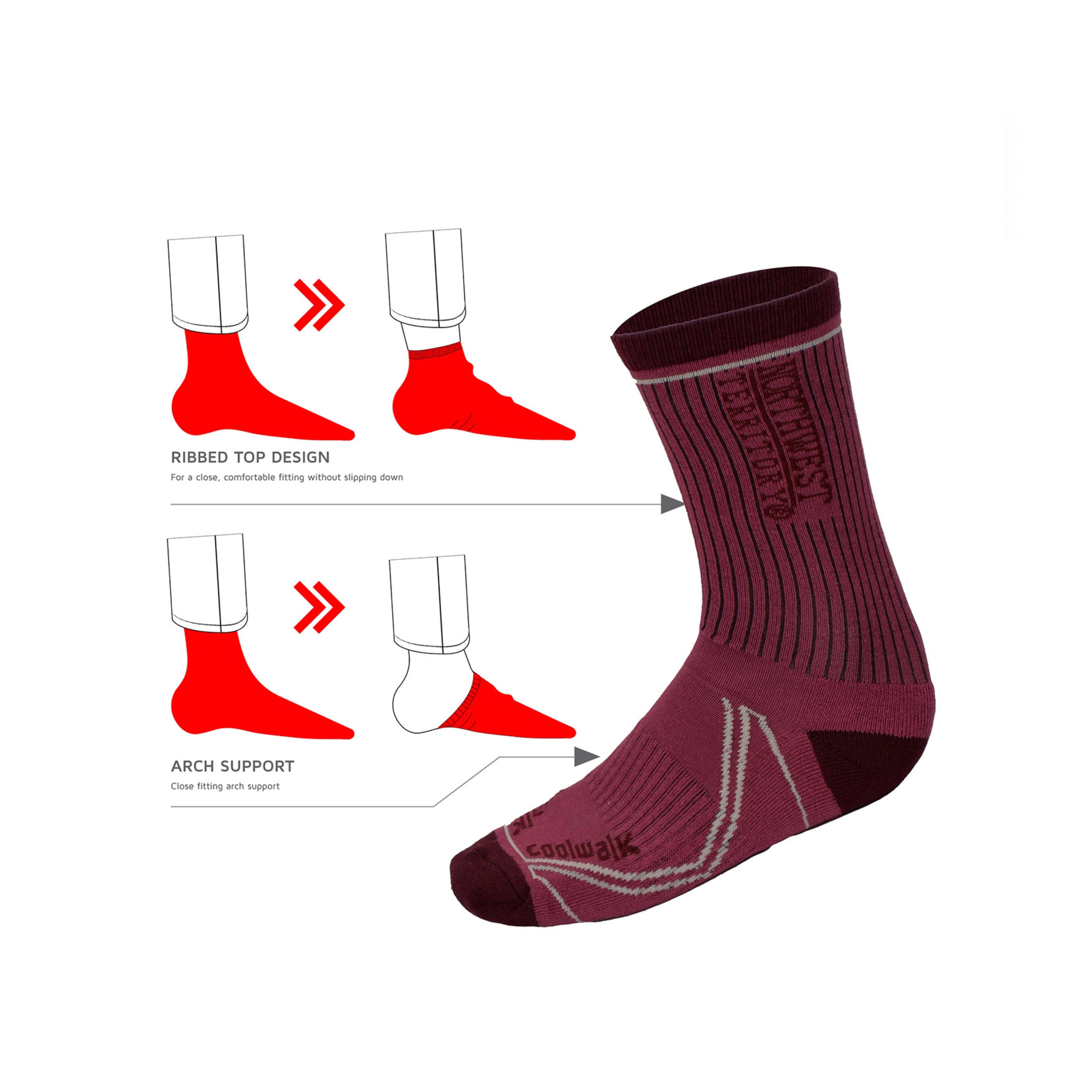
Always try boots on with the socks you'll actually wear. |
|
Overall feel |
If something feels wrong in the shop, trust your instincts. |
Are Leather Walking Boots Still Worth Buying?
We'd say yes. Not because leather is some trend or whatever, but because it still works, you know.
The British weather isn’t exactly dependable. One minute you’re walking in sunshine, then the next you’re slipping across wet grass or having to pick your way through a muddy bit that somehow wasn’t there last week.
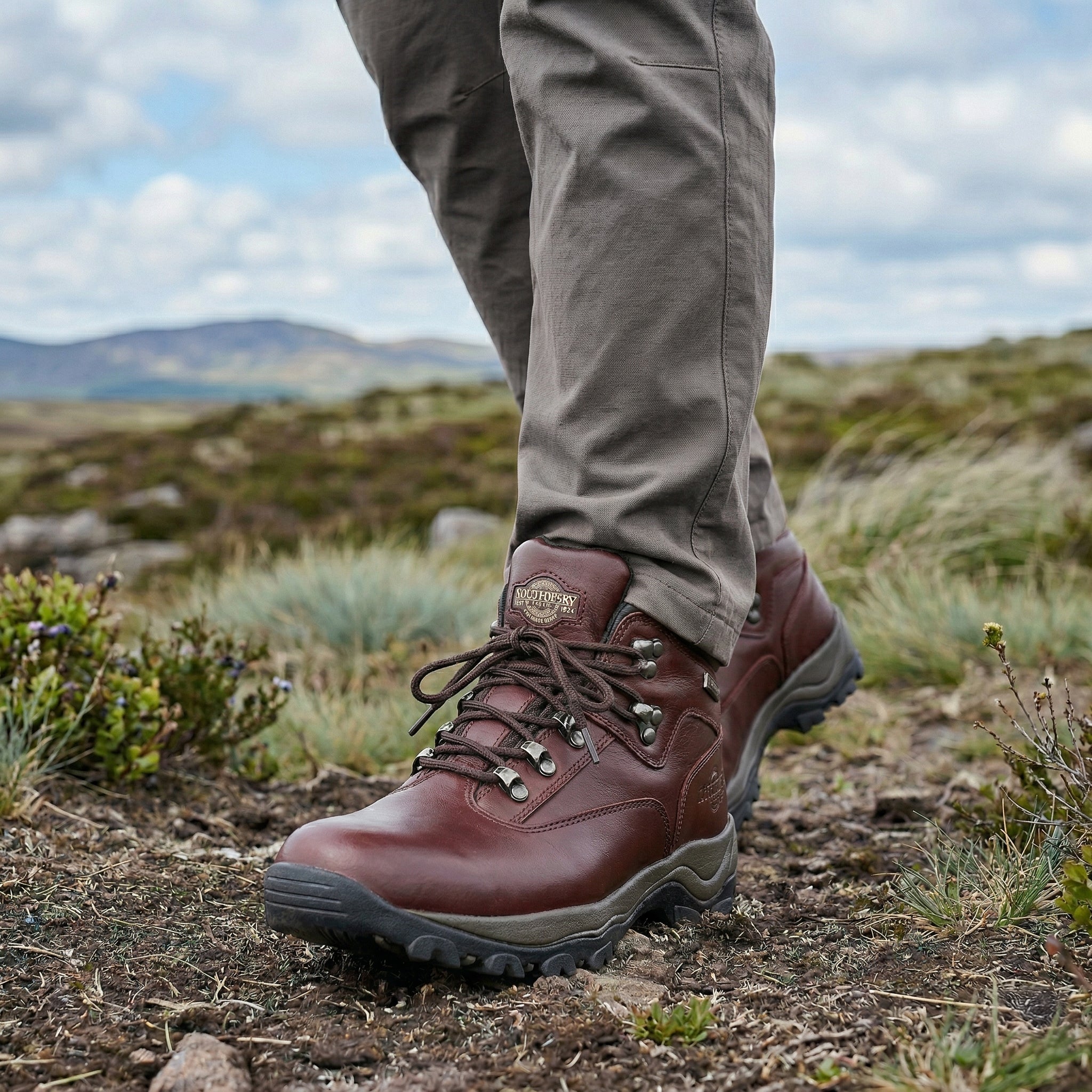
That’s why men's walking boots still manage to be such a popular choice. They cope well with regular use, they're supportive and, if you look after them, they'll usually last for years.
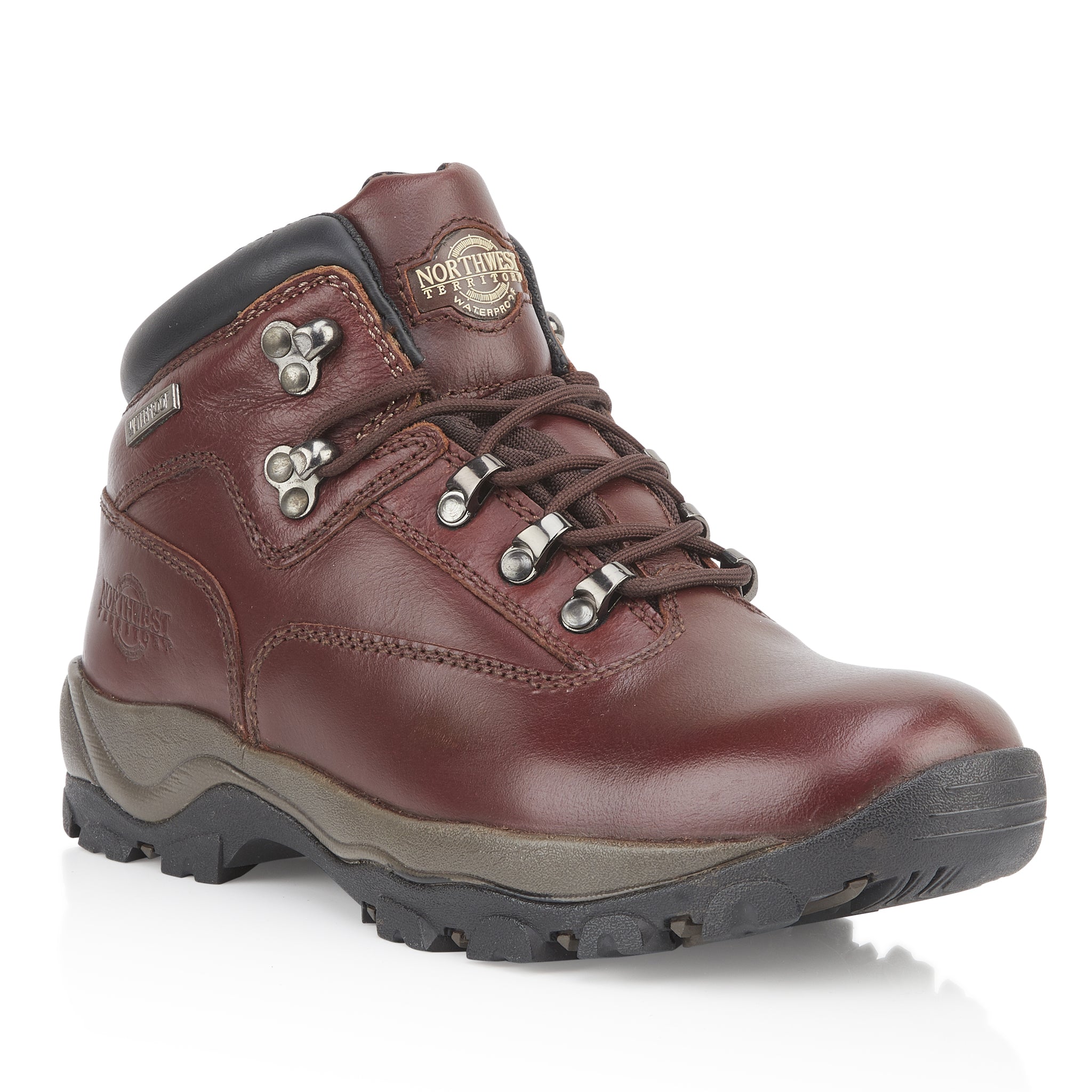
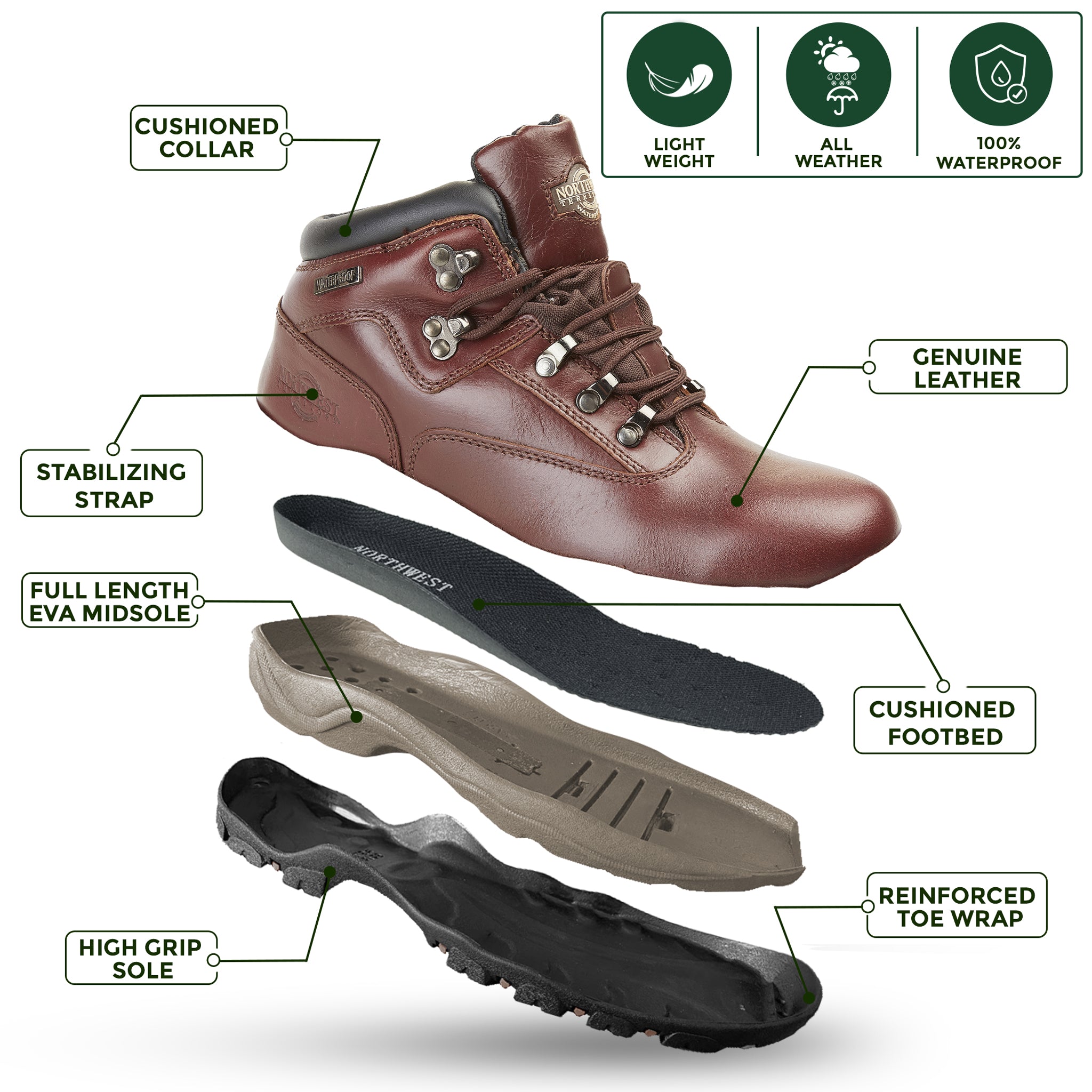
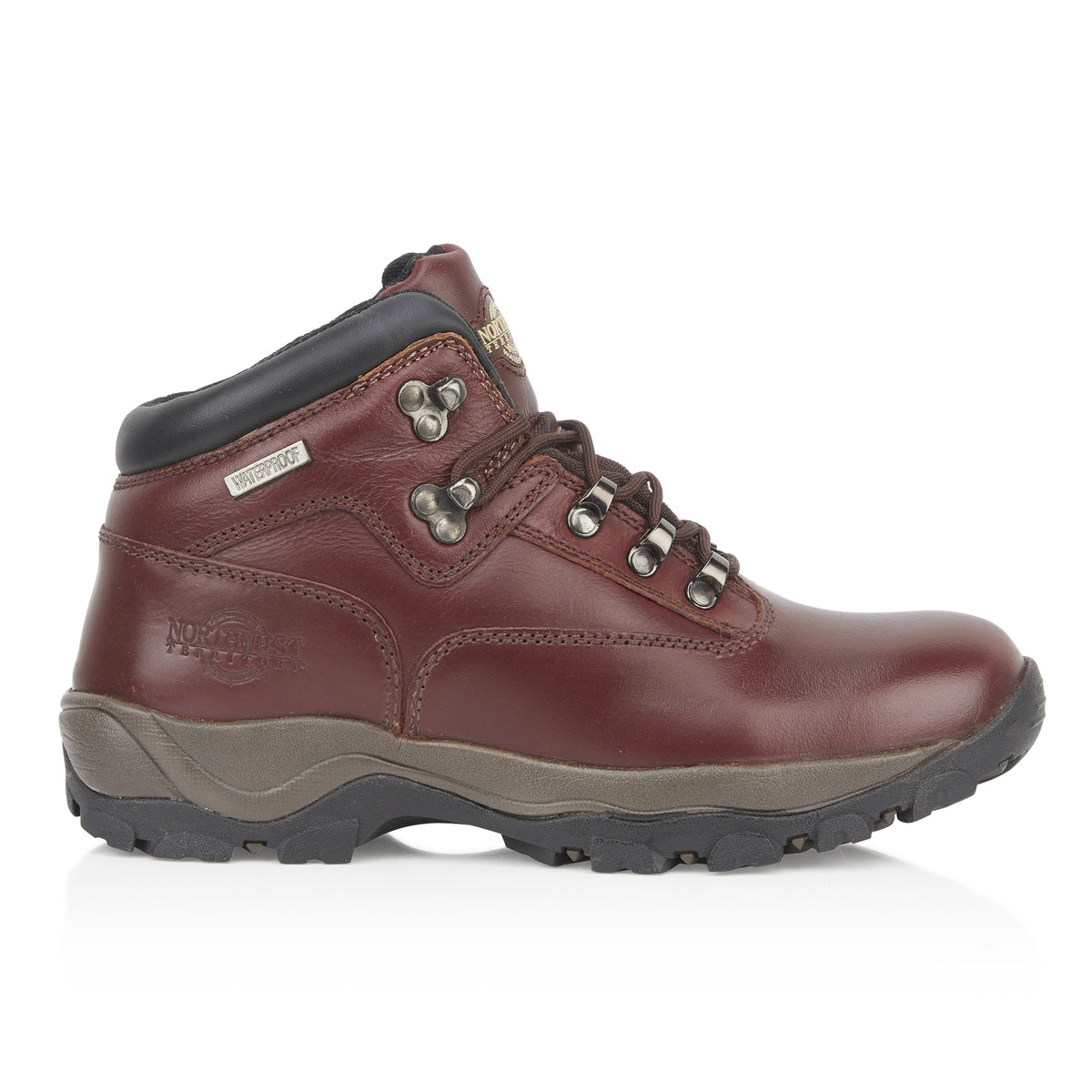
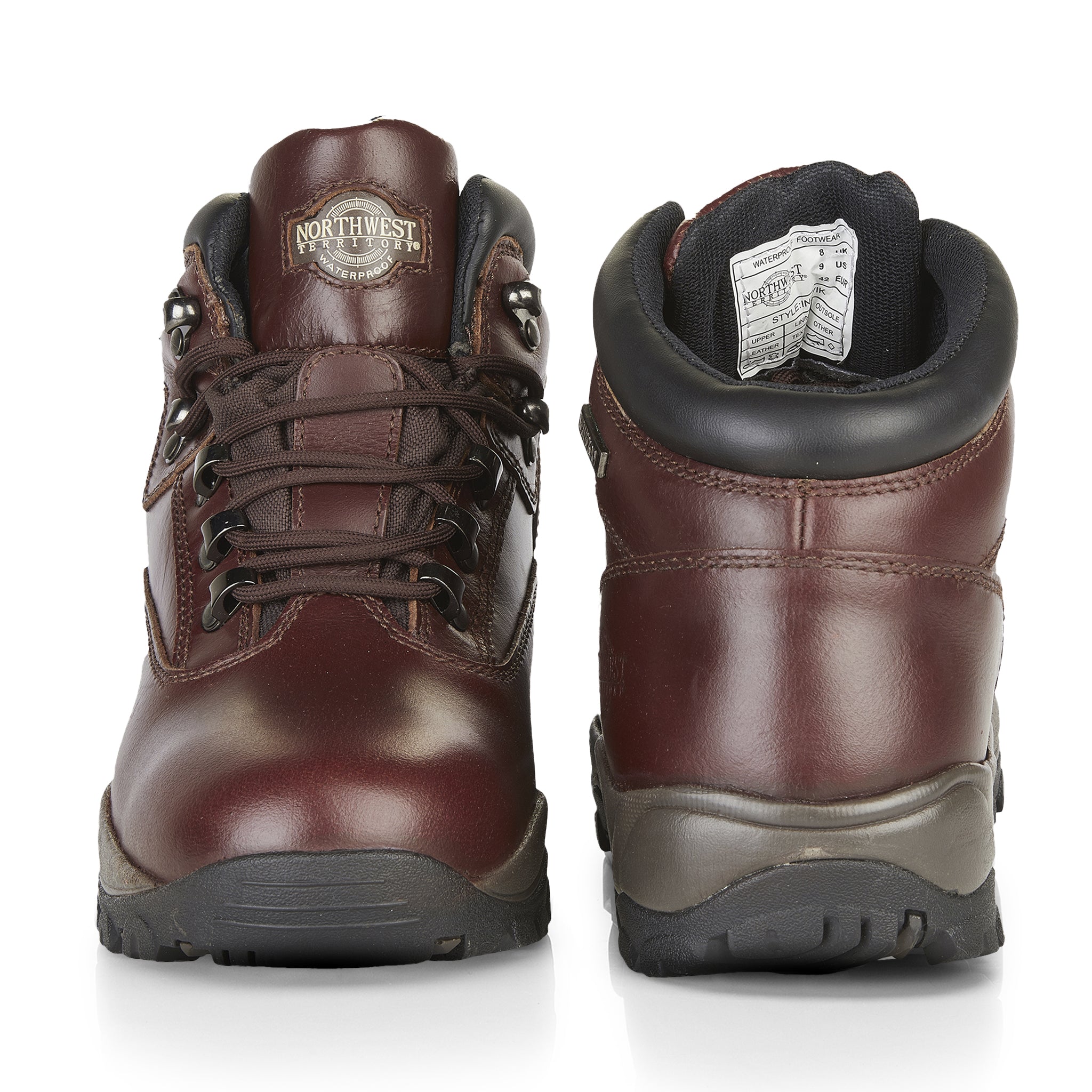
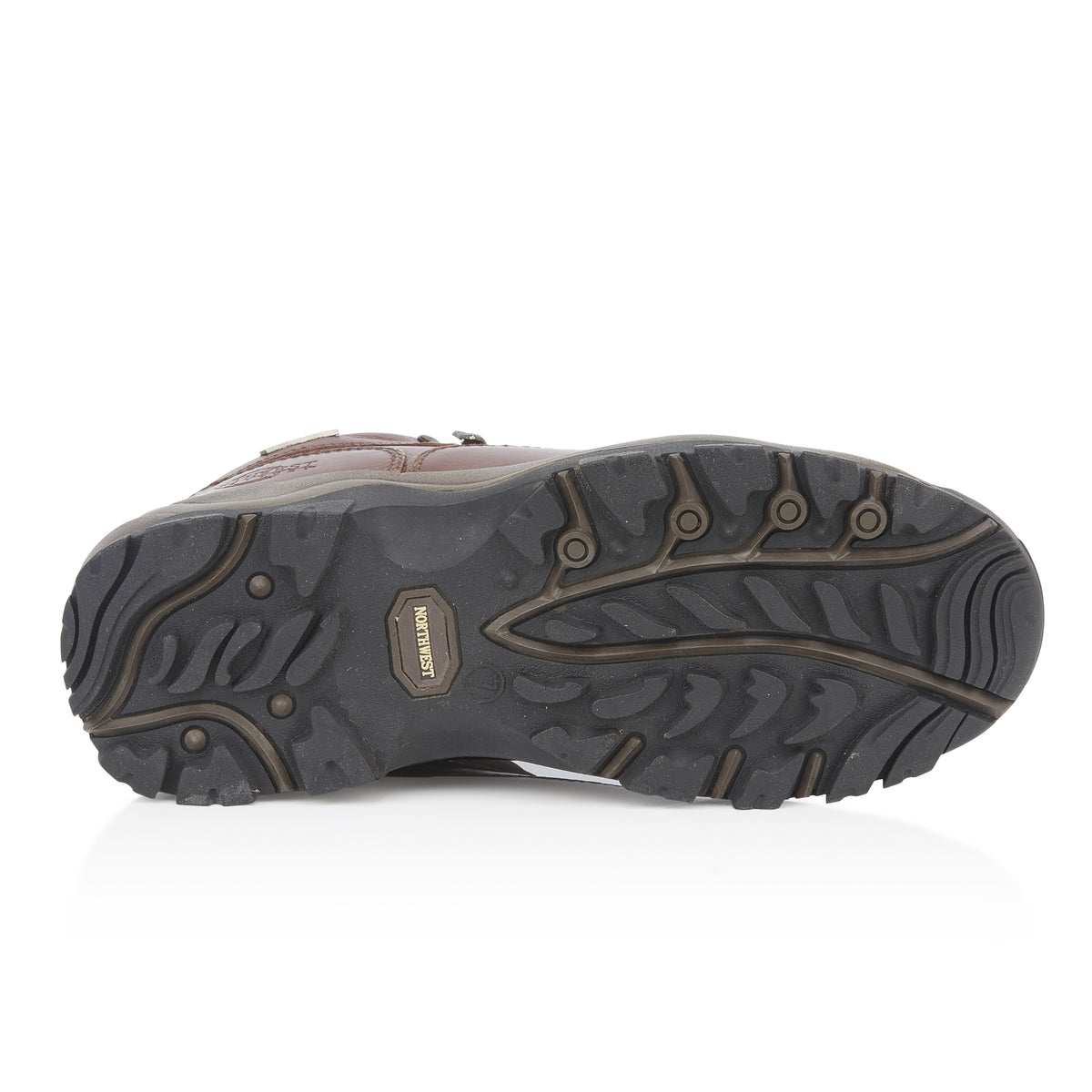
The Pelly Men's Leather Waterproof Walking Boots are a good example. They're the sort of boots that suit everyday walking rather than one-off adventures. We've had customers buy them before a weekend away and then tell us a few months later they're wearing them for almost every walk.
The Inuvik Men's Leather, Waterproof Walking Boots are yet another pair we’d happily recommend if you’re usually out in mixed conditions. Damp fields, woodland tracks, and muddy footpaths kind of come with the territory in the UK, and waterproof leather makes those rambles way more enjoyable.
Do You Need Different Boots for Different Types of Walks?
Not necessarily, most people don't have one pair for country parks, another for coastal paths and another for holidays. They have one reliable pair that goes everywhere.
If your usual walks are local trails, woodland routes and weekends away, that's exactly what you should buy for.
The Kendal Men's Suede Leather Waterproof Walking Boots fit that sort of walking really well. They're supportive without feeling too heavy, so it makes a difference after you’ve been on your feet for a few hours or so. You feel it in your stride, more or less.
If you’re planning more rugged routes with rocky ground, or maybe steeper climbs, then the Teslin Men's Leather Waterproof Hiking Boots seem to give a bit more structure underfoot. You notice it especially on the way back down, when you’re trying to steady yourself on loose stones and keep your footing straight and true.
It isn't about buying the toughest boot you can find. It's about buying the pair you'll genuinely enjoy wearing.
Can One Pair of Walking Boots Cover Most Walks?
For most people, yes. Think about your last few weekends.
There's a good chance they are involved in a country park, a public footpath, a woodland trail or somewhere similar. That's where a versatile pair of walking boots really comes into its own.
The Camo Men's Leather Mesh Waterproof Walking Boots are a good example. They don't feel overbuilt, but they're more than capable of dealing with muddy paths, uneven tracks and the odd unexpected shower.
We've always thought the best waterproof walking footwear are the ones waiting by the front door because you know they'll be right for wherever you're heading. Not because they're the most technical, but because they simply work.
Which Walking Boots Should You Choose?
There's no single answer because no two walkers are the same.
Some people spend every free weekend exploring National Trails. Others are happiest following woodland paths with the dog or heading out for a couple of hours on a Sunday morning.
That's why we'd always match the boot to the person, not the other way round.
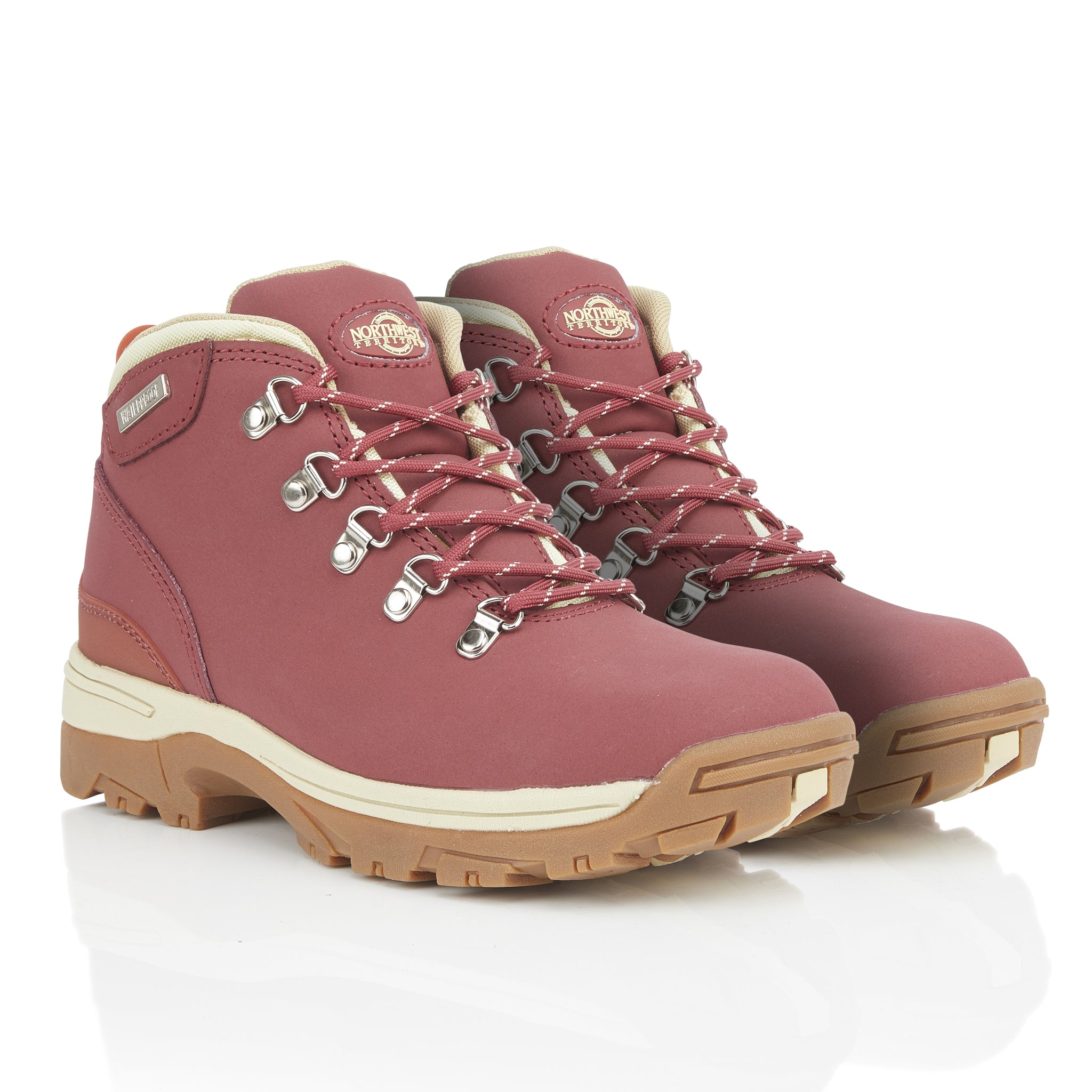
If most of your walks are on public footpaths, forest tracks and countryside trails, the Pelly Men's Leather Waterproof Walking Boots are a dependable choice. They're comfortable enough for regular use and cope well with the sort of muddy conditions most of us eventually end up walking through.
The Inuvik Men's Leather Waterproof Walking Boots are another solid option if waterproofing is high on your list. Anyone who's crossed a dew-covered field before breakfast knows that wet feet have a habit of spoiling a walk surprisingly quickly.
At Northwest Territory, we’ve always thought that comfy boots get used more often. They end up as that pair waiting by the front door, because you can count on them, for a quick saunter before lunch or a full day out on the trail.
If there's one thing we'd hope you take away from this walking boots buying guide, it's that the right boots are the ones that fit well, keep your feet dry, and still feel comfortable a couple of hours into your walk. Once you've found a pair like that, you've probably made the right choice.
FAQs
1. What should I look for when buying walking boots?
Honestly, start with comfort, because that’s basically the one thing you can’t just add later. Once the fit feels right, then check the grip, the waterproofing and the level of support. Also, think about where you walk most days, and pick boots that match those ground conditions, not just something for a single odd trip.
2. Are leather walking boots better than synthetic ones?
Both kinds can do the job; it’s more about trade-offs. Leather is often praised for durability and steady support, while synthetic boots tend to be a bit lighter, which some people really notice on longer routes. If you’re out in the UK a lot, plenty of walkers still go for leather, because it tends to hold up well to regular use and all that shifting weather.
3. Should walking boots feel tight when they're new?
No, not in the way people sometimes assume. They should feel secure and settled without squeezing your feet uncomfortably. Your heel needs to stay put, and your toes should still have enough space to move more naturally. If they feel wrong in the shop, chances are they won’t magically turn into the perfect fit later.