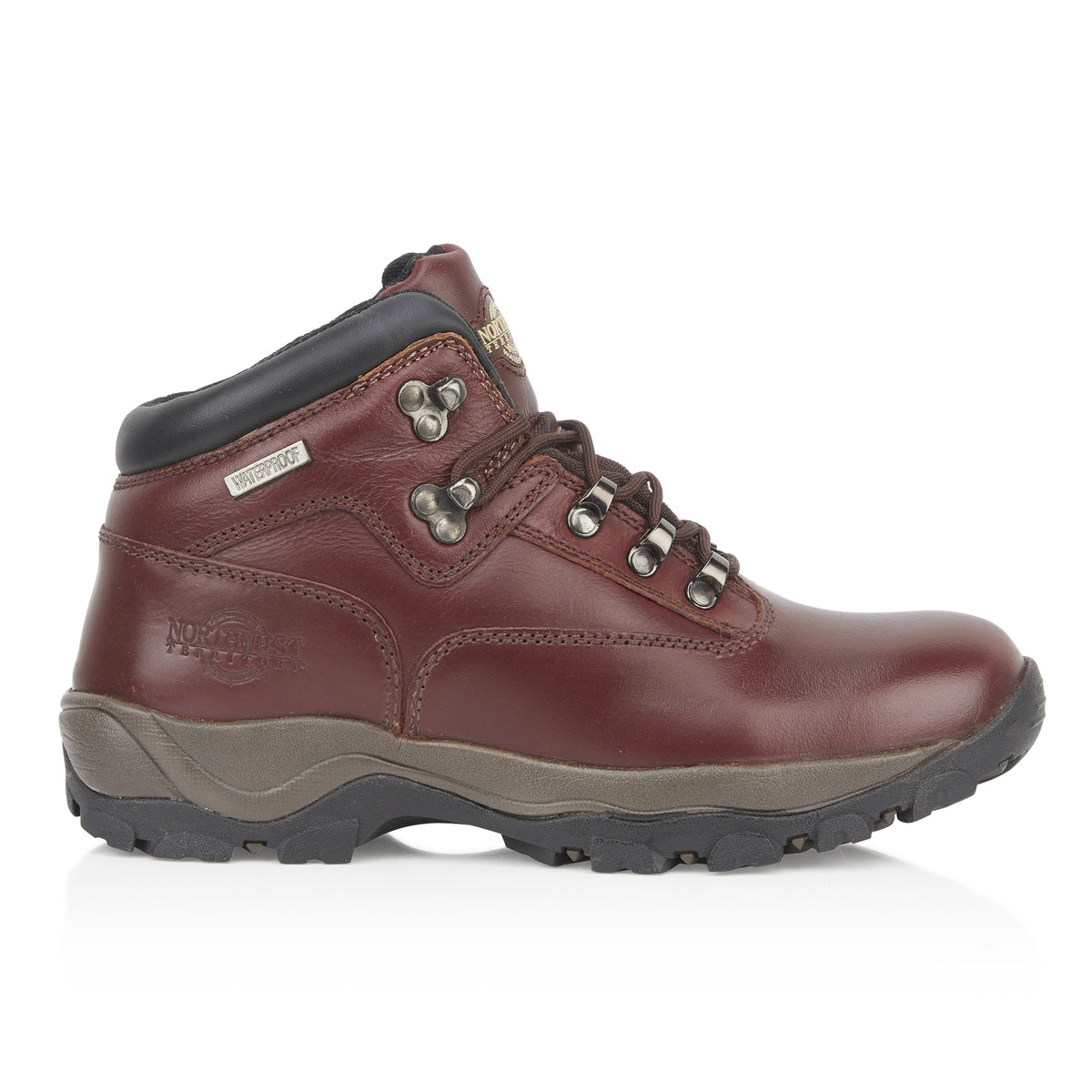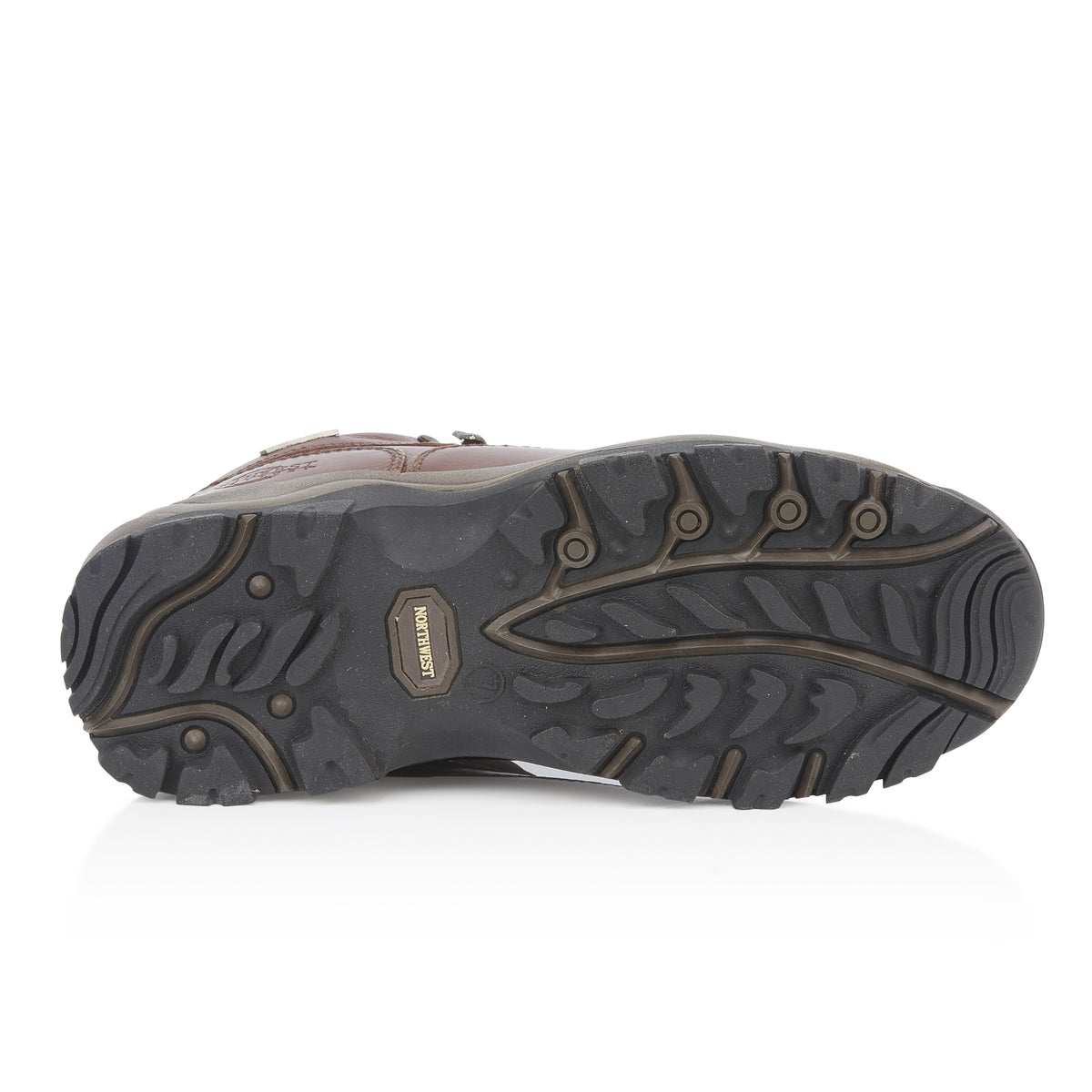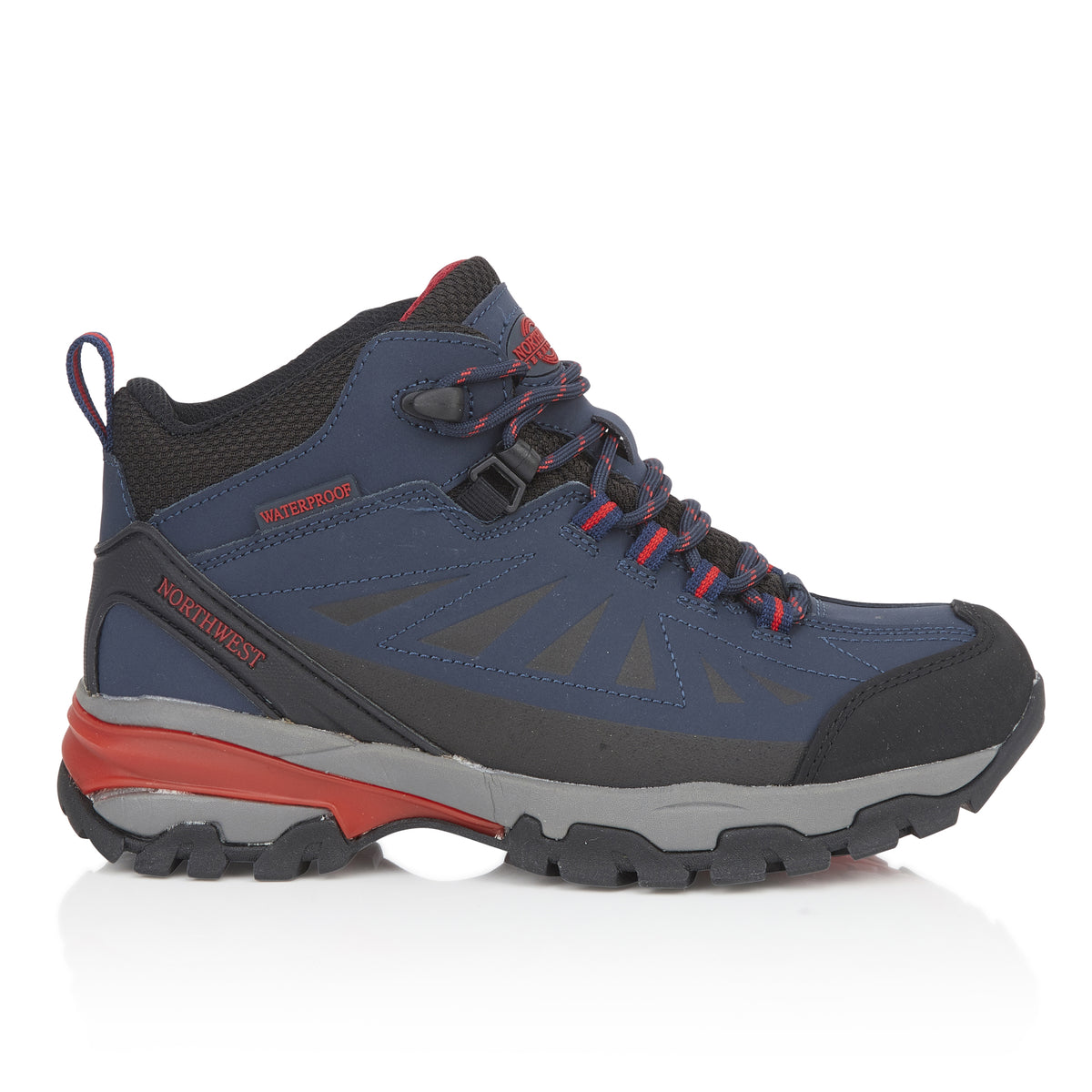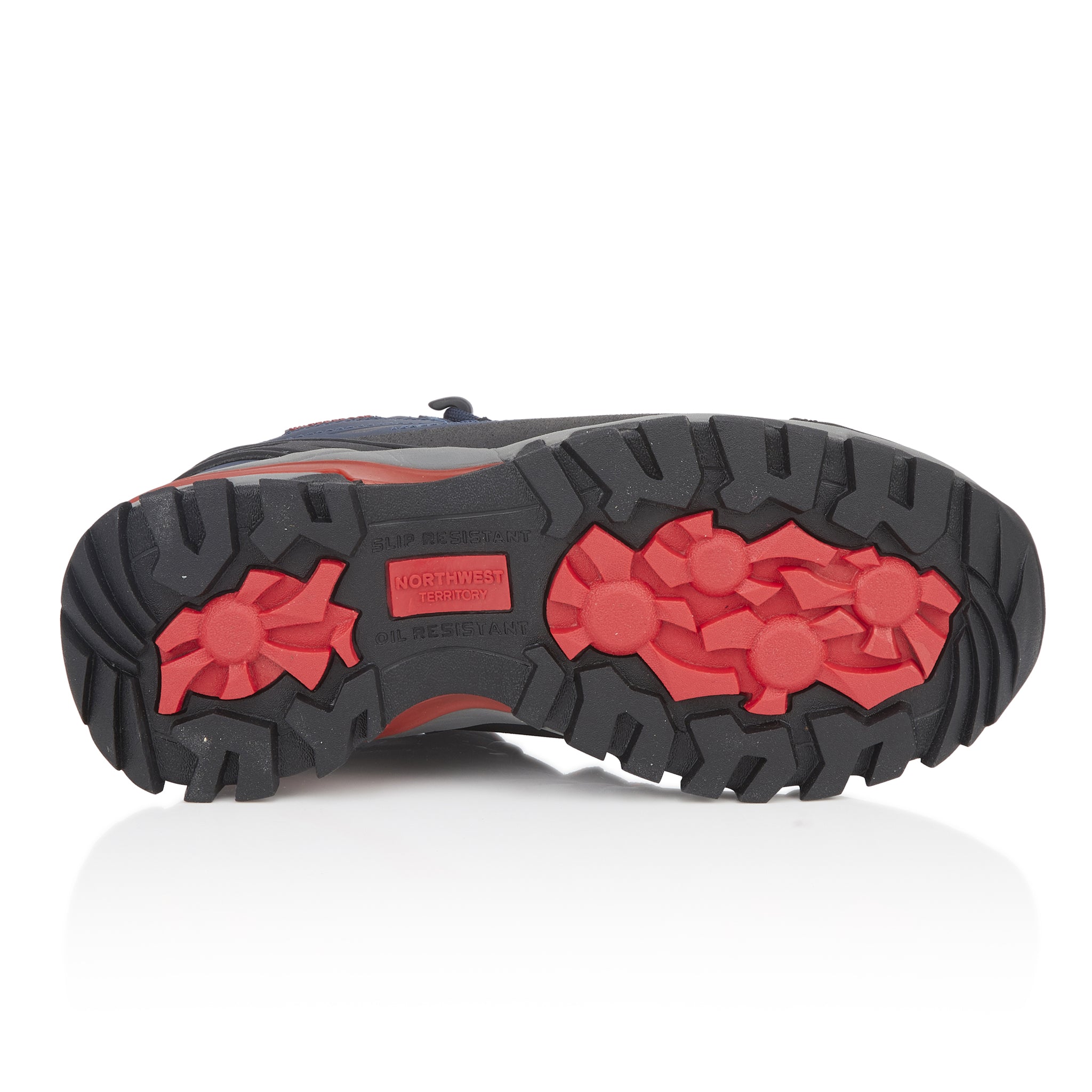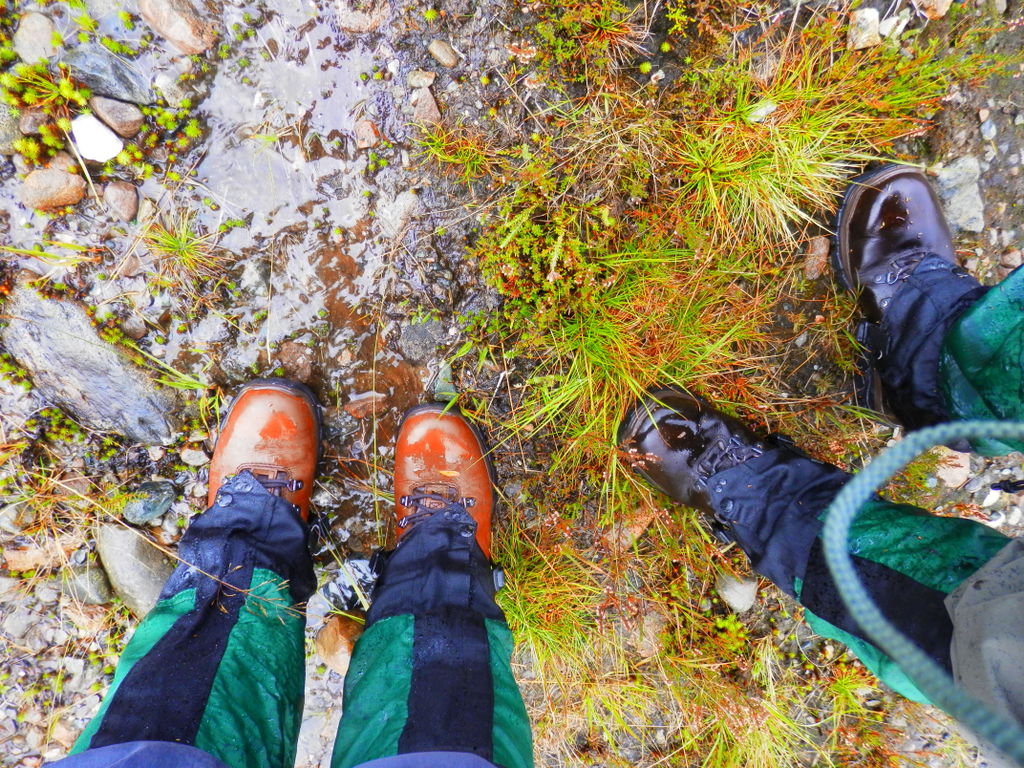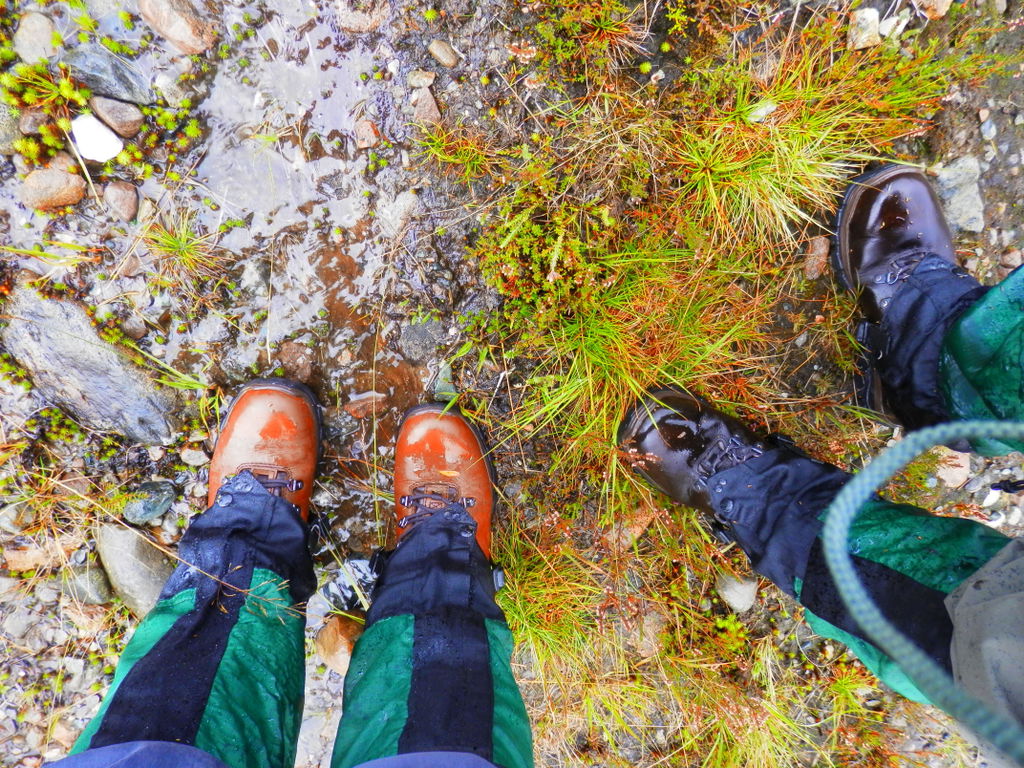

If you’ve ever bought walking boots thinking “they fit fine in the shop” and then regretted it halfway through a walk, you’re definitely not alone.
Fit is the one thing that quietly decides whether your walk feels enjoyable or ends with sore toes or heel pain. And the tricky part? Most people don’t realise what “good fit” actually means until it’s too late.
At Northwest Territory, we see this all the time - people picking boots based on size alone, then wondering why comfort disappears after an hour outdoors. Let’s break it down in a simple, real-world way.
How Should Walking Boots Actually Fit?
A good pair of walking boots should feel secure, but never tight.
Not “loose and sliding around”… and definitely not “squeezing your feet like trainers after leg day.”
When you try them on, here’s what matters in real life:
-
Your toes should move freely without hitting the front
-
Your heel should stay in place when you walk
-
The midfoot should feel supported, not pressed
-
Nothing should feel sharp or tight after 10-15 minutes
A quick test we always recommend: walk downhill if you can. That’s usually where a bad fit shows up instantly.

Why Walking Boots Feel Different After A Few Hours?
Here’s something people don’t expect - your feet change during a walk.
They swell, warm up and spread slightly.
So a boot that feels “perfect” sitting down in a shop might feel completely different after an hour on a trail.
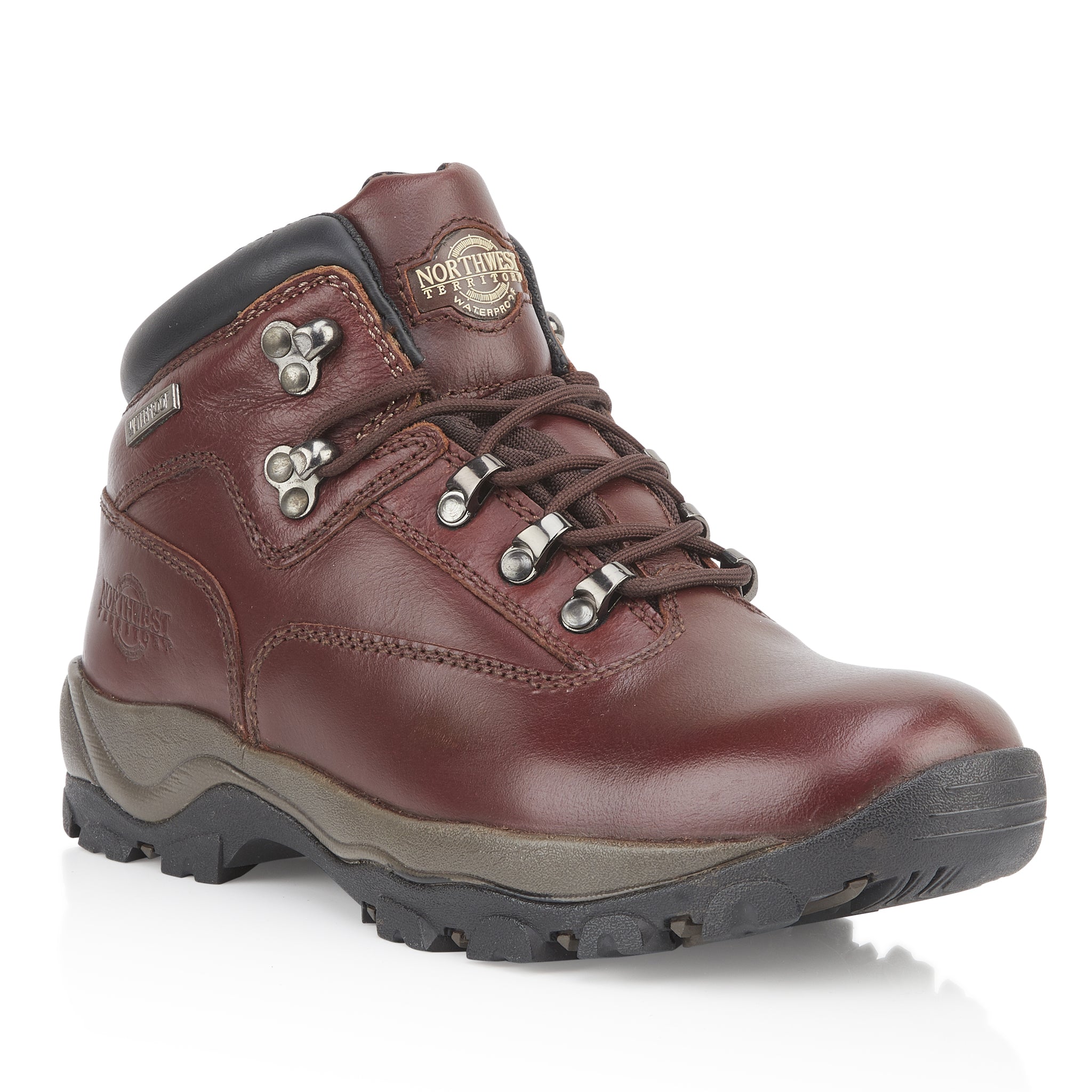
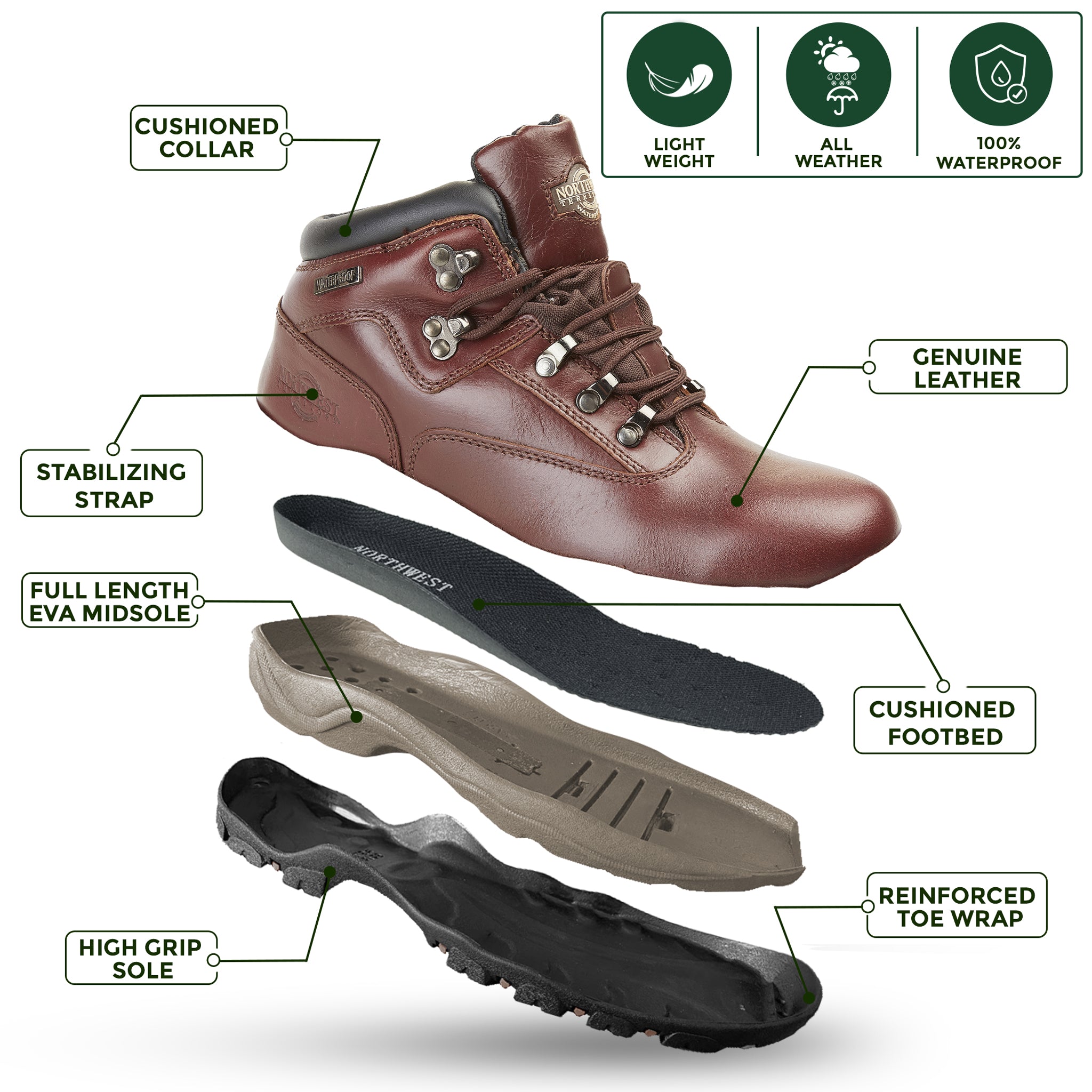
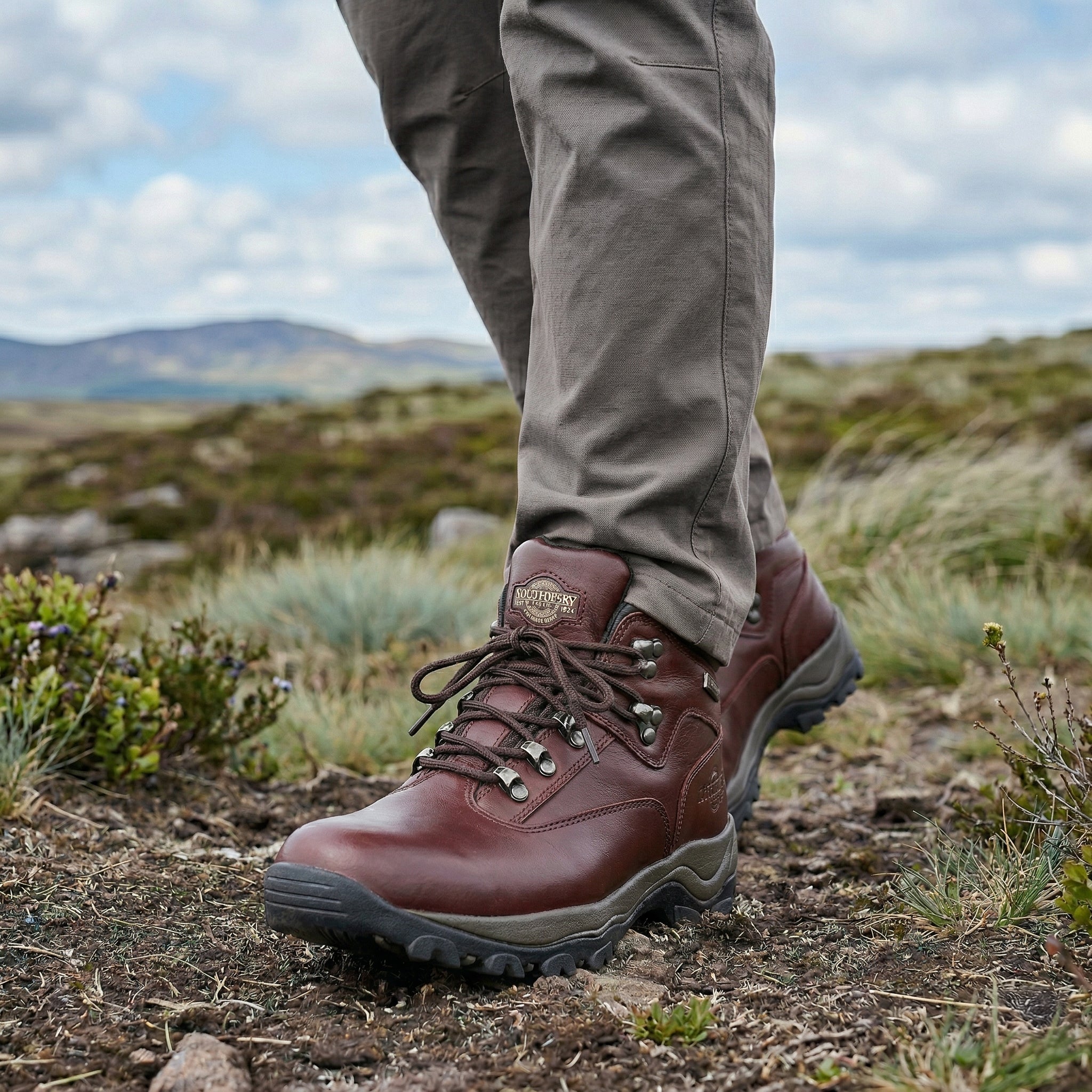
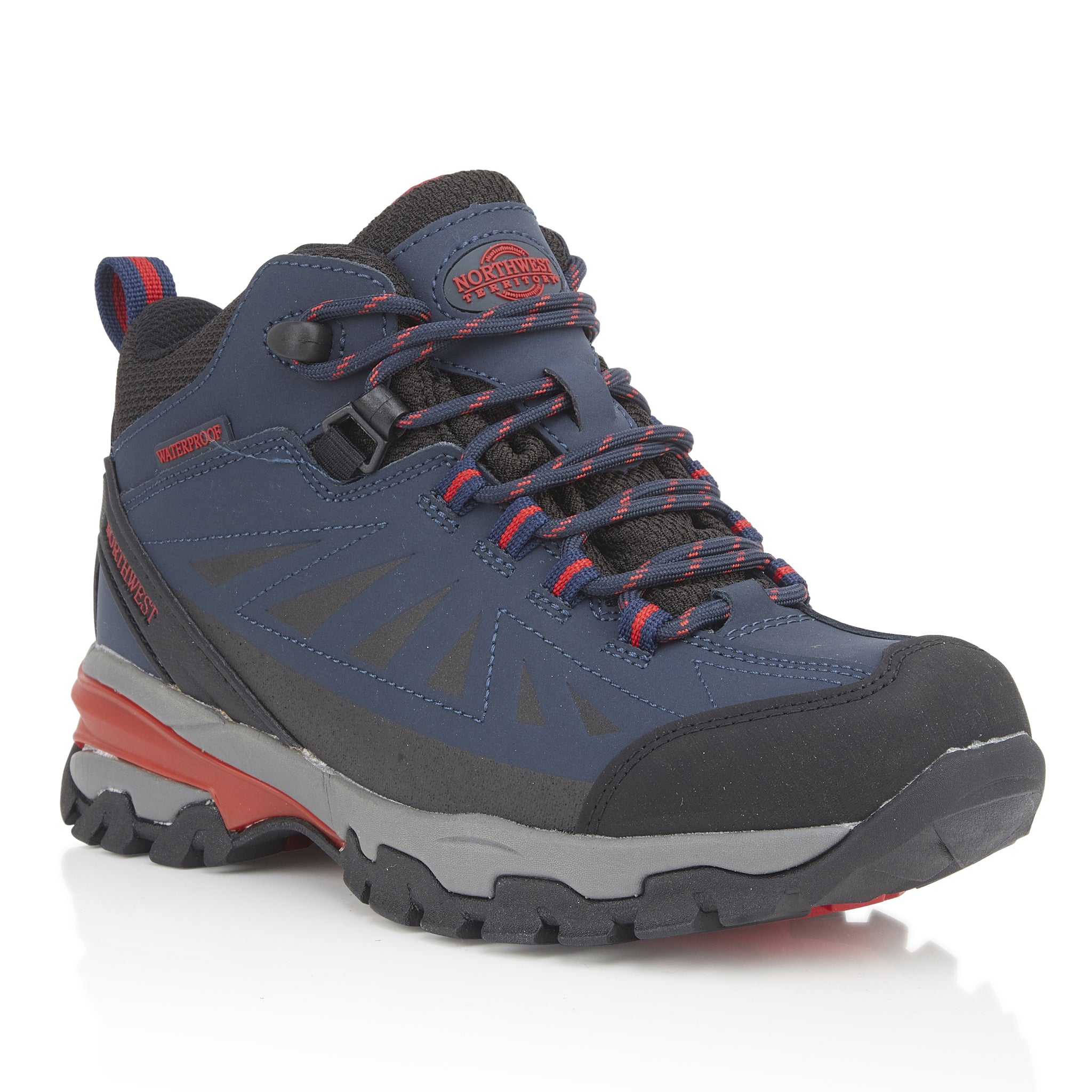
That’s why, for example, someone wearing our Everest Men’s Leather 3M Thinsulate Waterproof Hiking Boots on a cold countryside walk will notice the fit feels slightly more snug at first - but once moving, the cushioning and structure start working with the foot rather than against it.
Should Walking Boots Feel Tight Or Roomy?
This is where most confusion happens.
People often think, “They should be tight so they don’t move.”
But that usually backfires.
A better way to think about it:
-
Snug around the heel so it doesn’t lift
-
Comfortable around the midfoot for support
-
Slight space at the toes for movement
For example, someone wearing the Kendal Men’s Suede Leather Waterproof Walking Boots on a long weekend walk won’t notice discomfort if the fit is right - even when going uphill or carrying a small backpack.

Walking Boots For Women: Why Fit Feels Slightly Different?
Women’s walking boots often have a more shaped heel and narrower structure to match foot anatomy better.
But the same rule still applies - comfort first, not tightness.
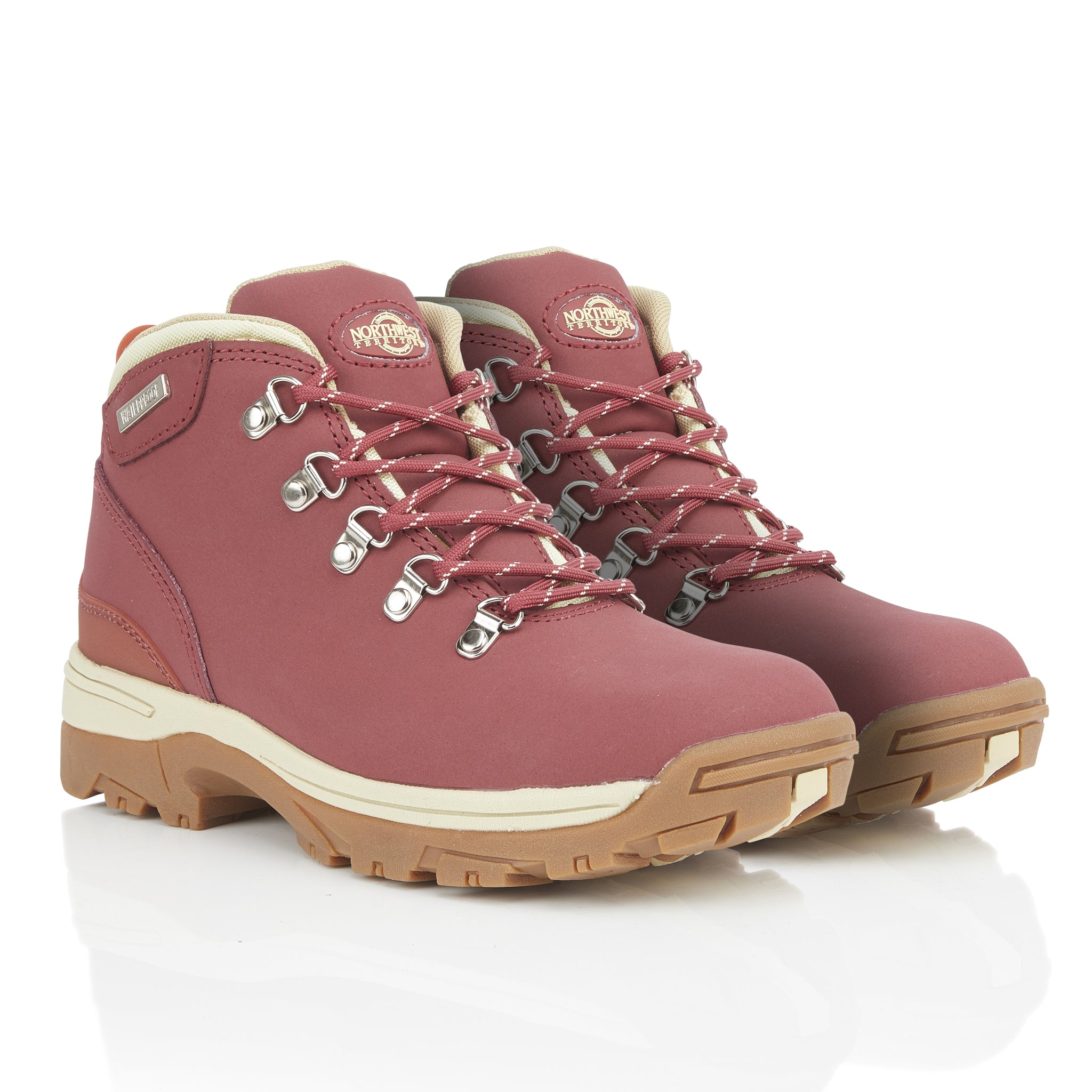
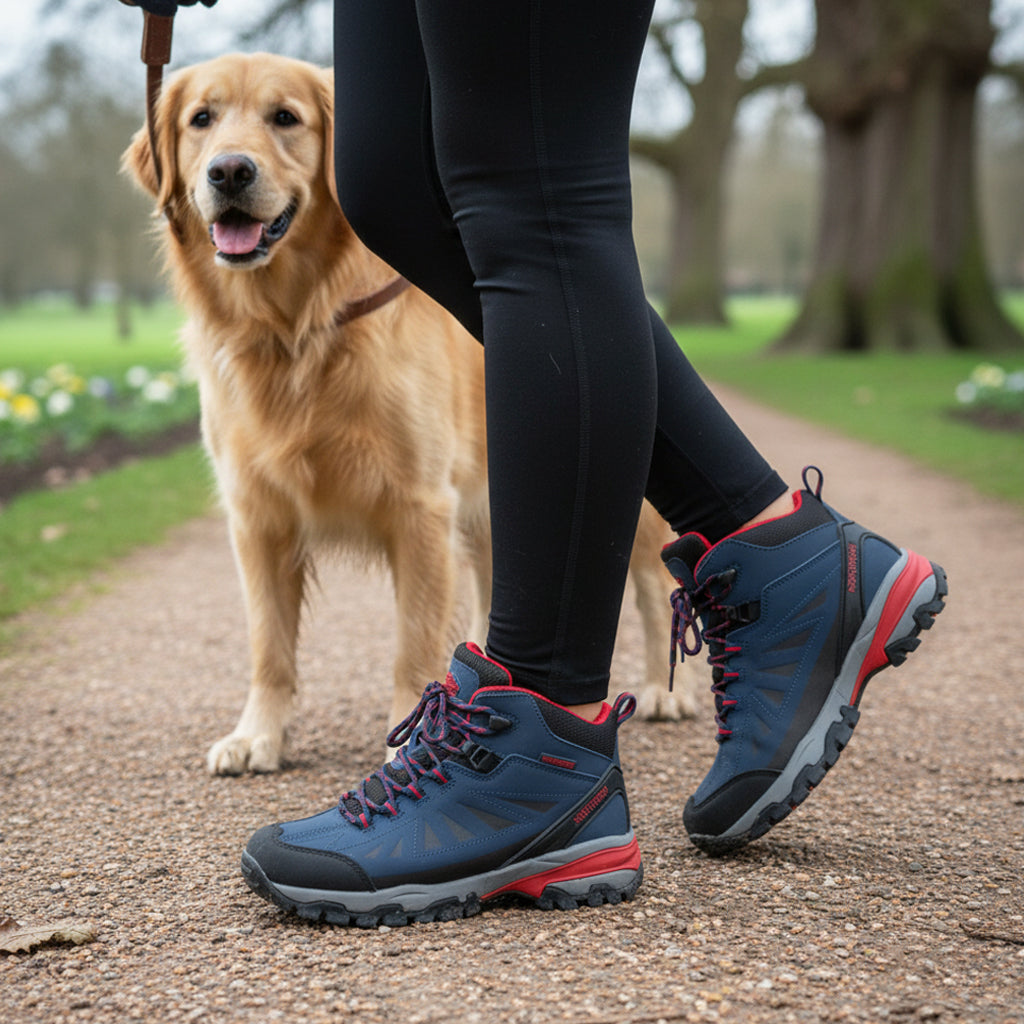
Take a casual weekend walk scenario: someone wearing our Victoria Women’s Suede Leather Waterproof Walking Boots on mixed terrain will notice something simple - if the heel locks properly, you don’t even think about the boot after 20 minutes. That’s exactly what you want.
No rubbing, no adjusting, just walking.
What Are Common Boot Sizing Mistakes?
One thing we’ve learned at Northwest Territory is that most sizing issues don’t come from the boot - they come from assumptions.
Here are the most common ones:
-
“I always wear size 8, so I’ll just order size 8”
-
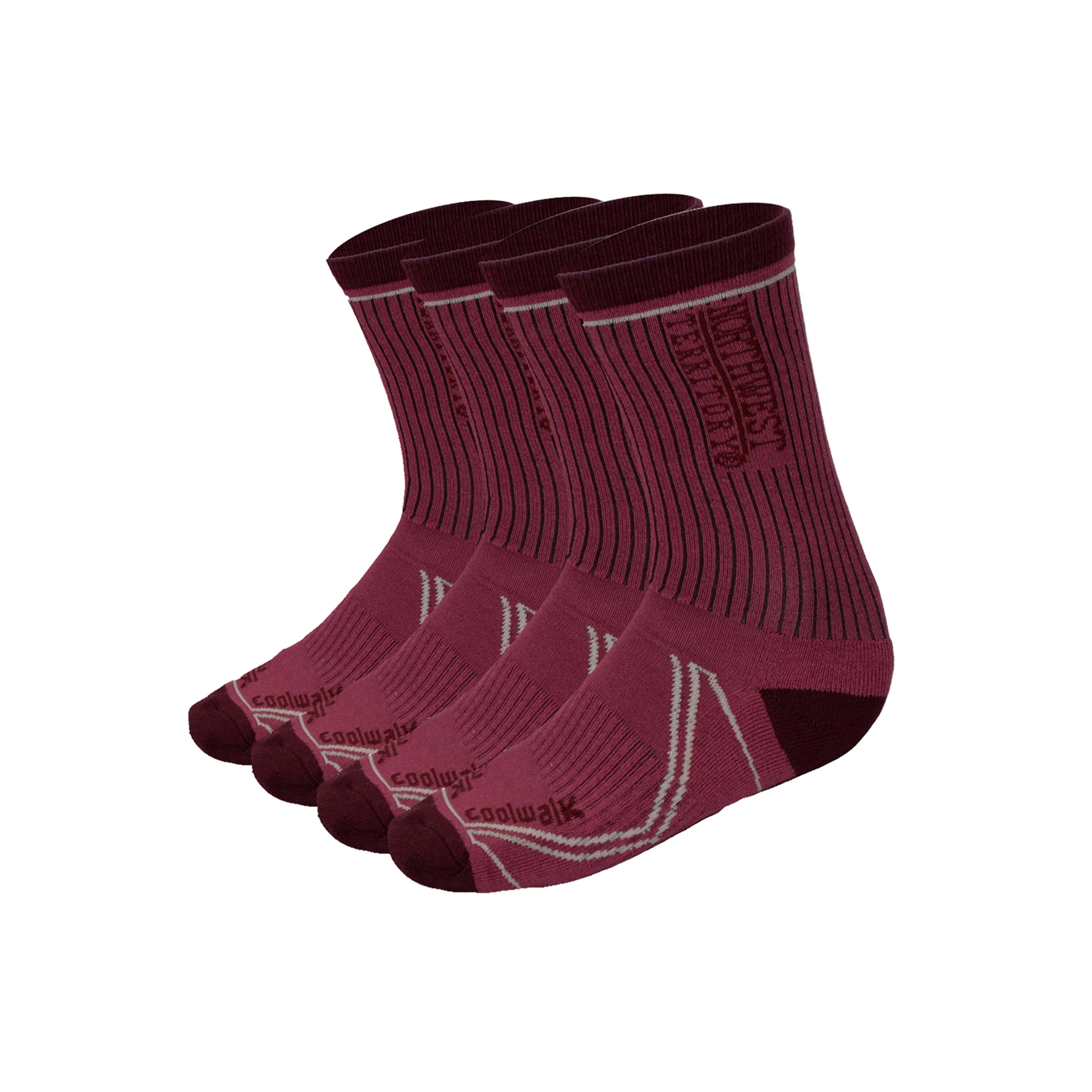
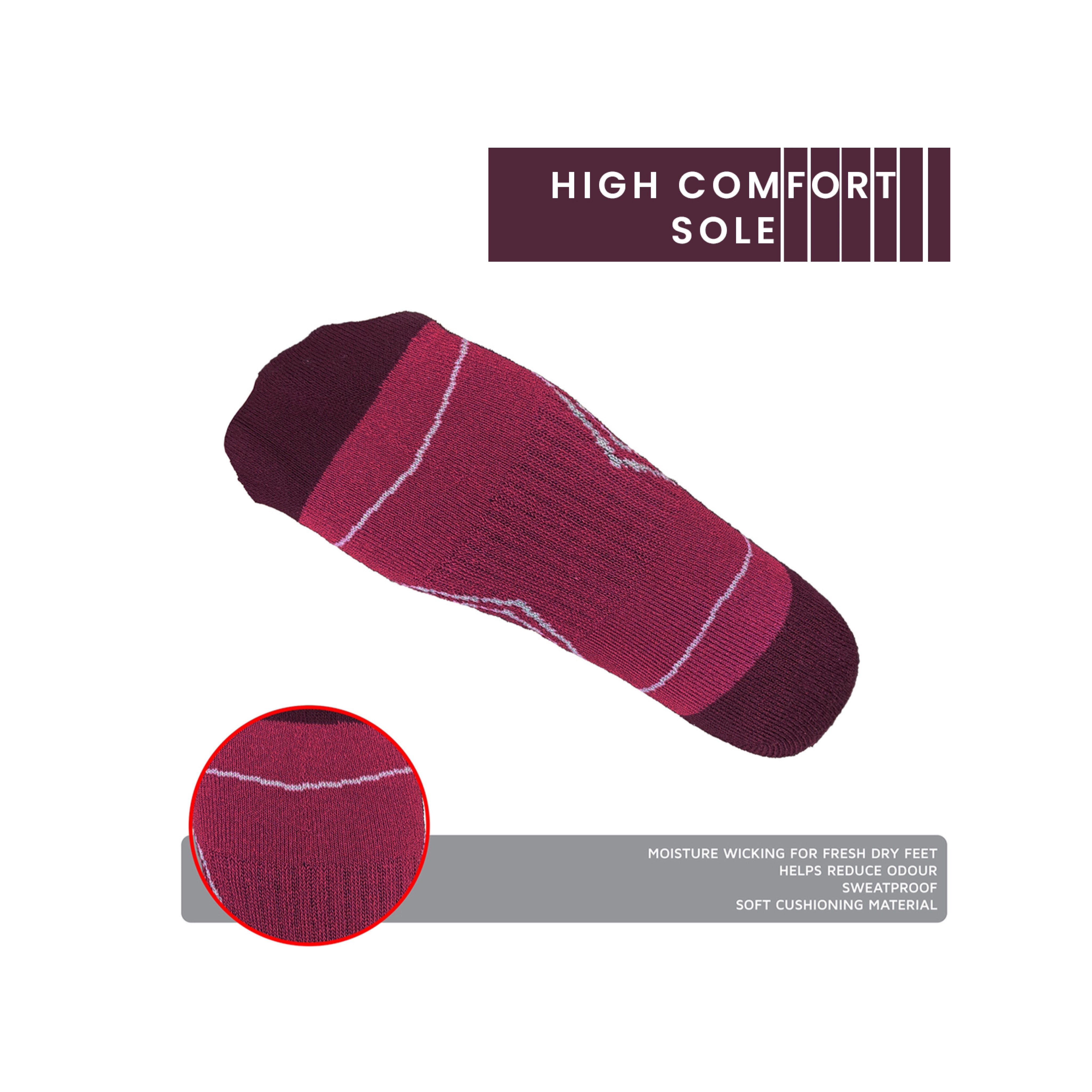
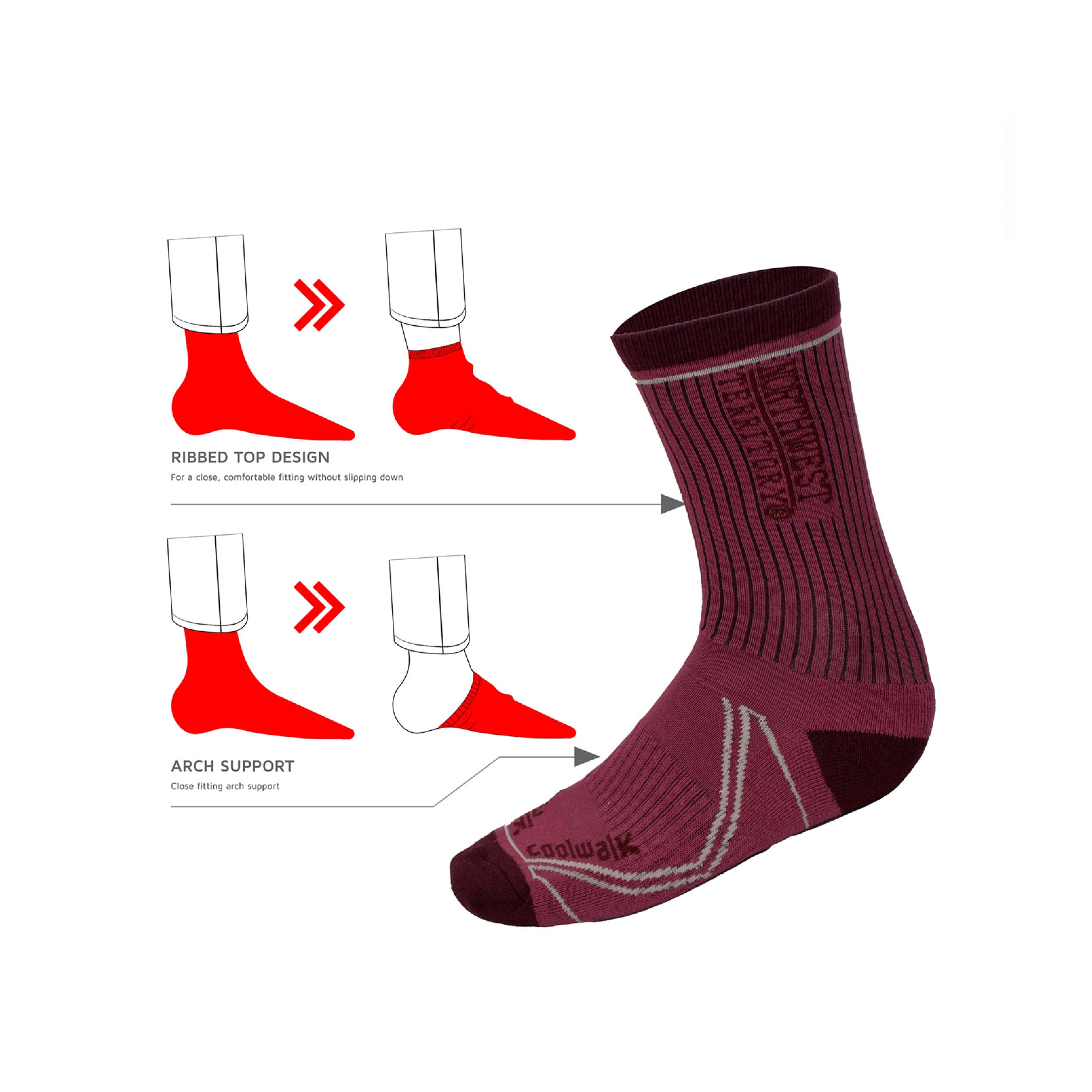
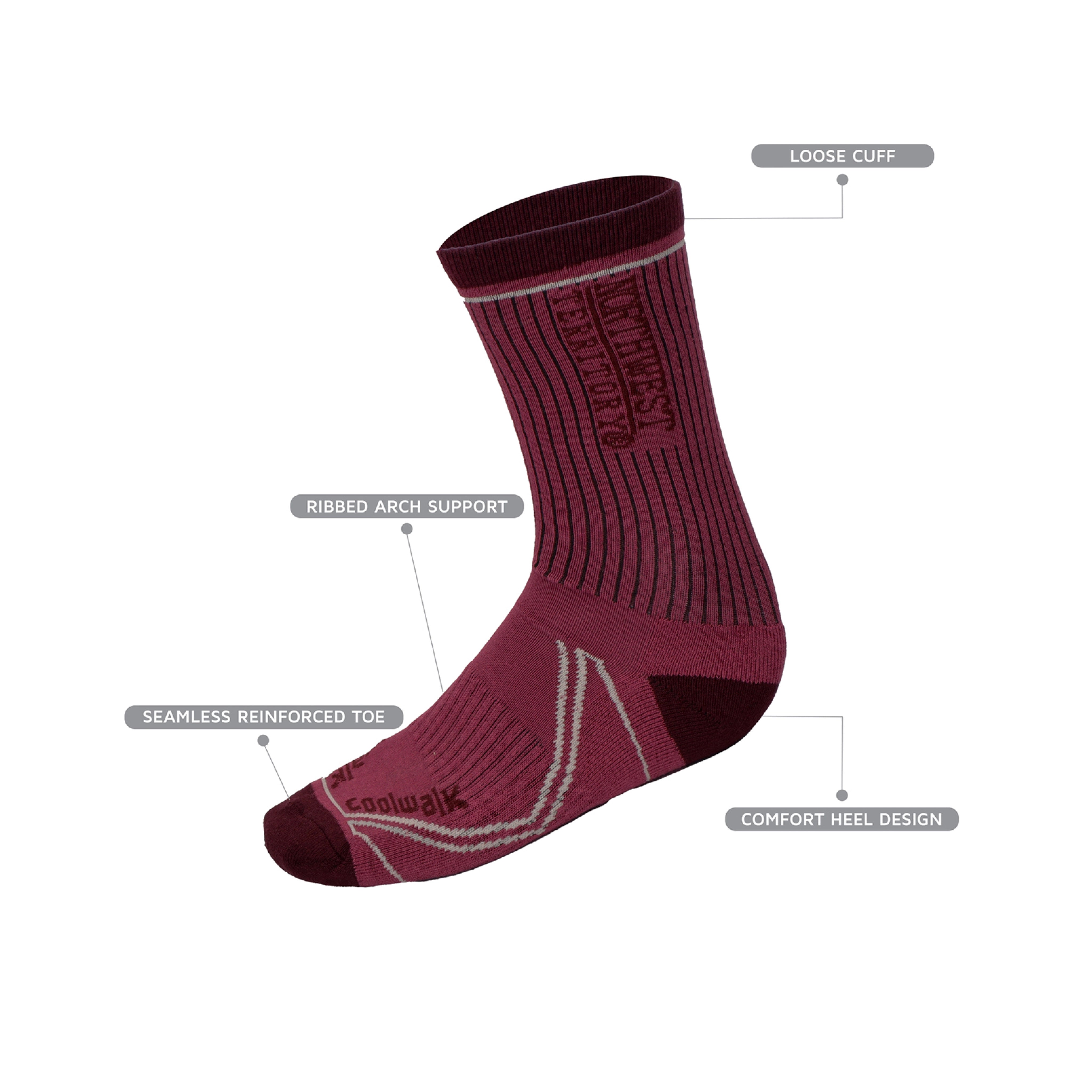
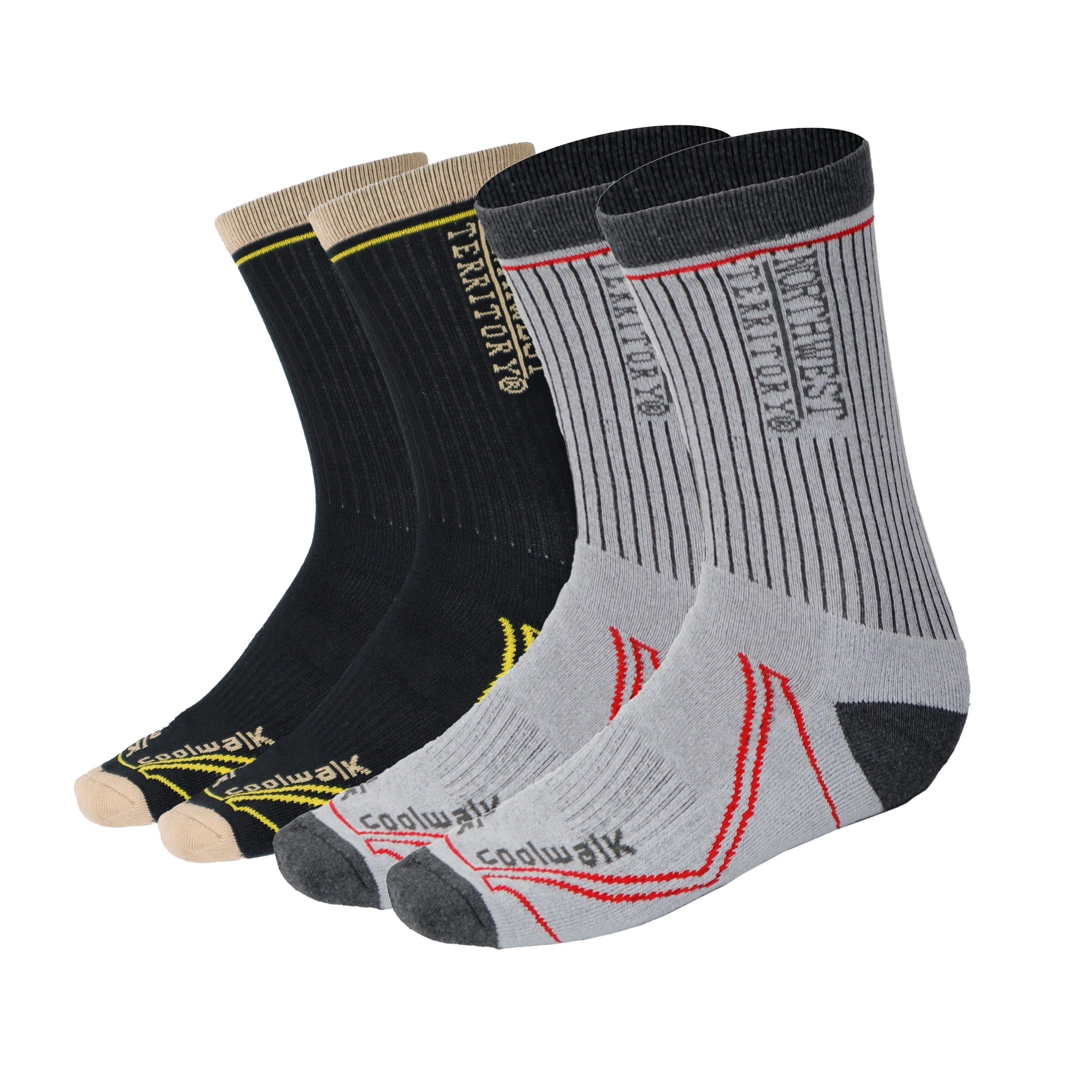
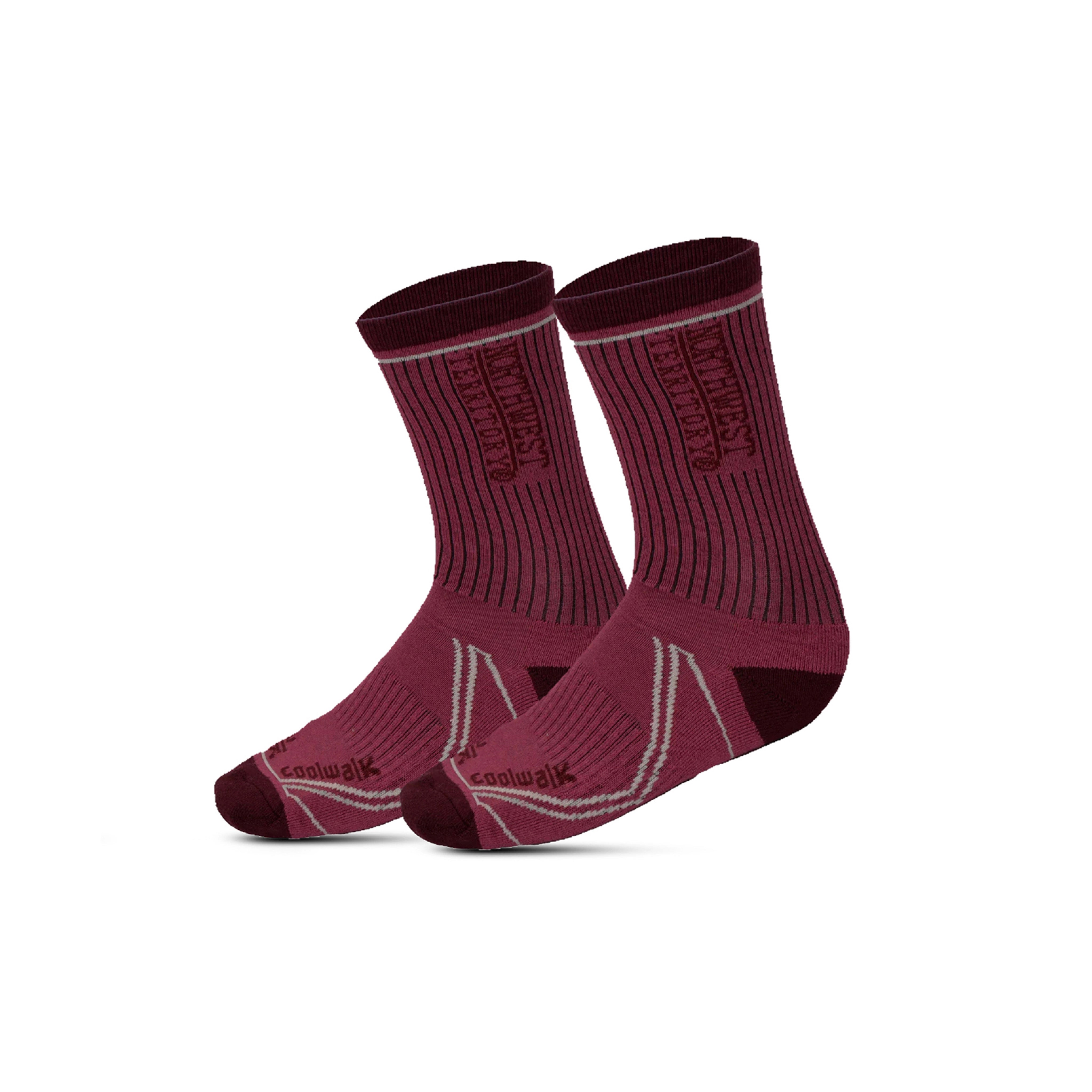
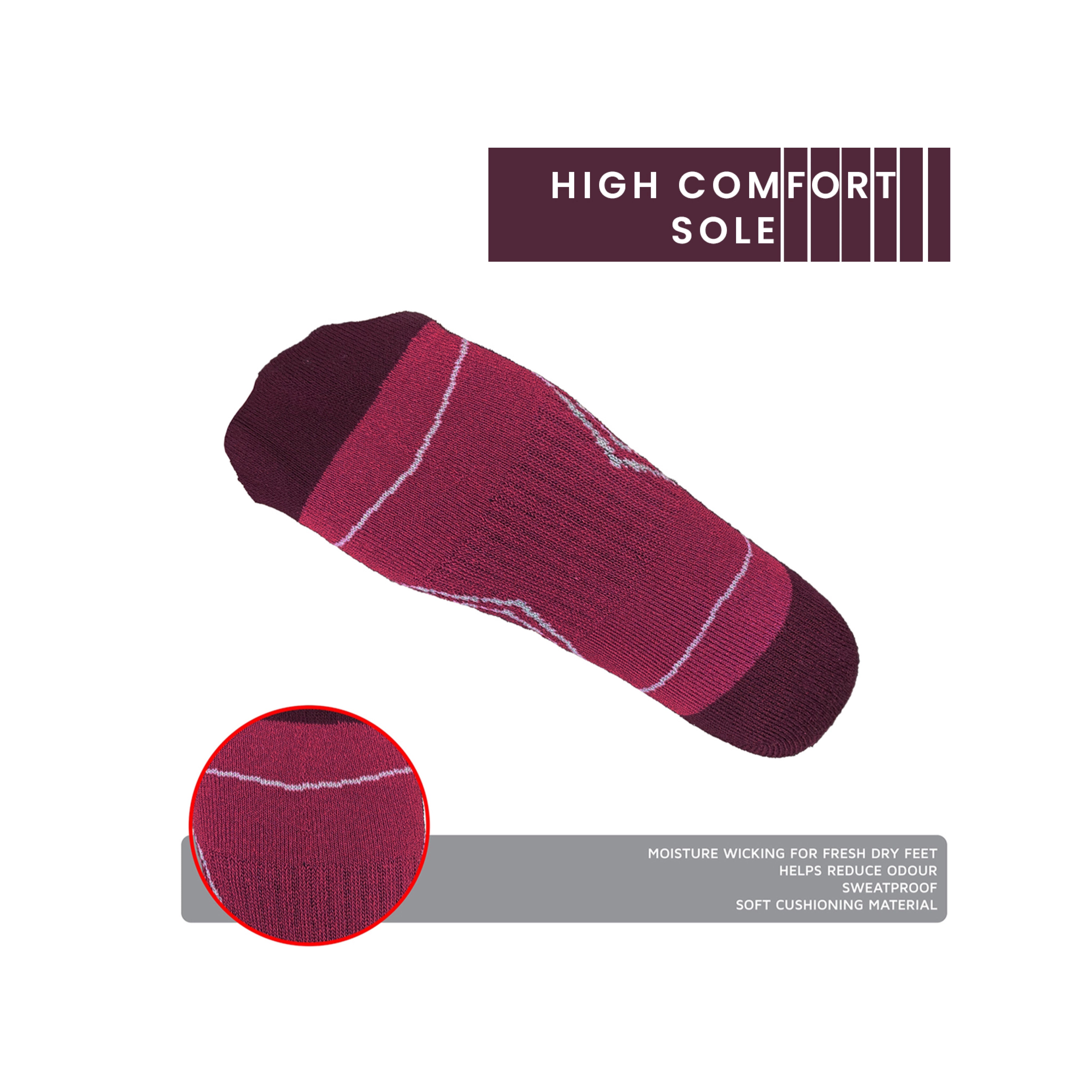
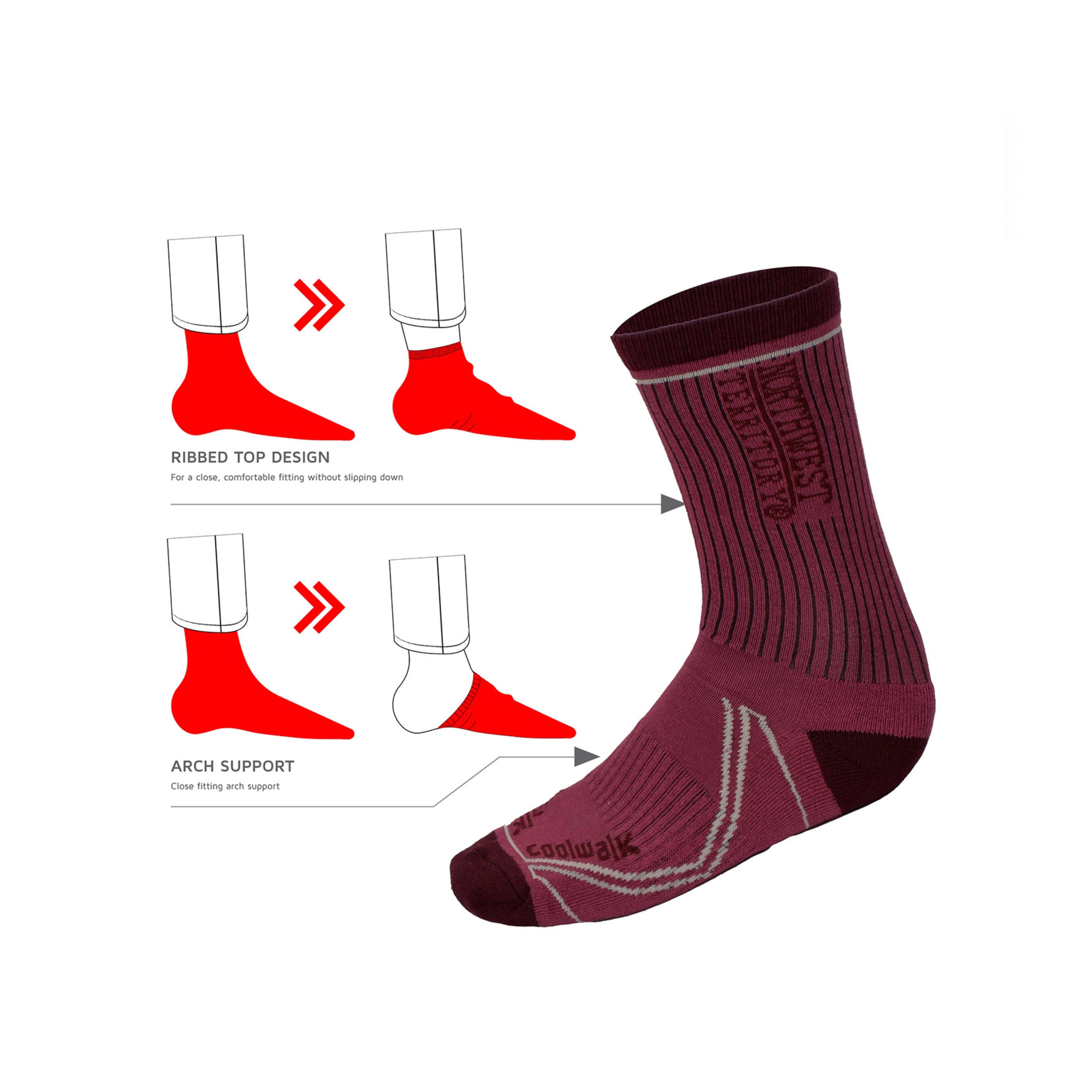
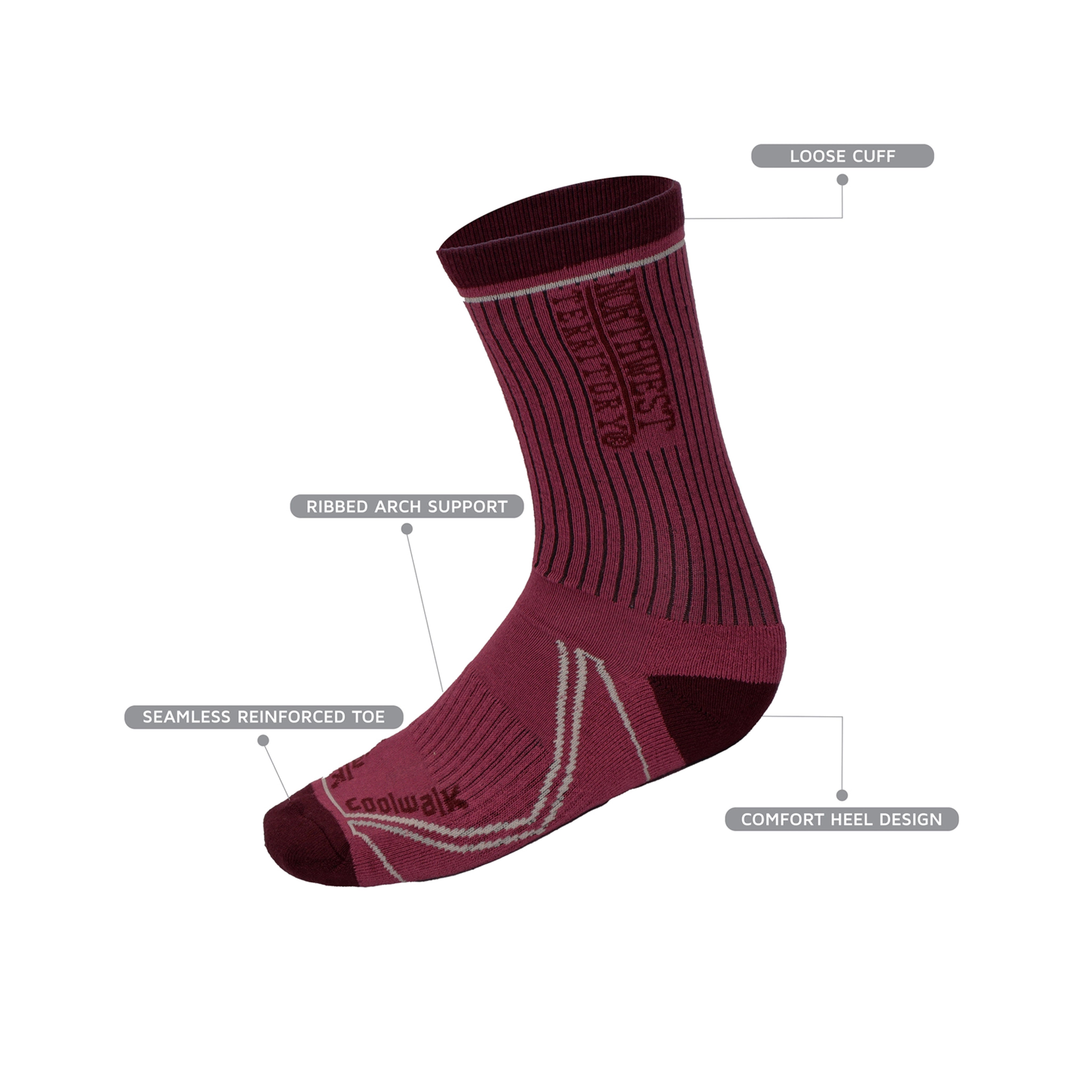
Forgetting thick walking socks changes everything
-
Trying boots in the morning when feet are smaller
-
Expecting leather to stretch into comfort
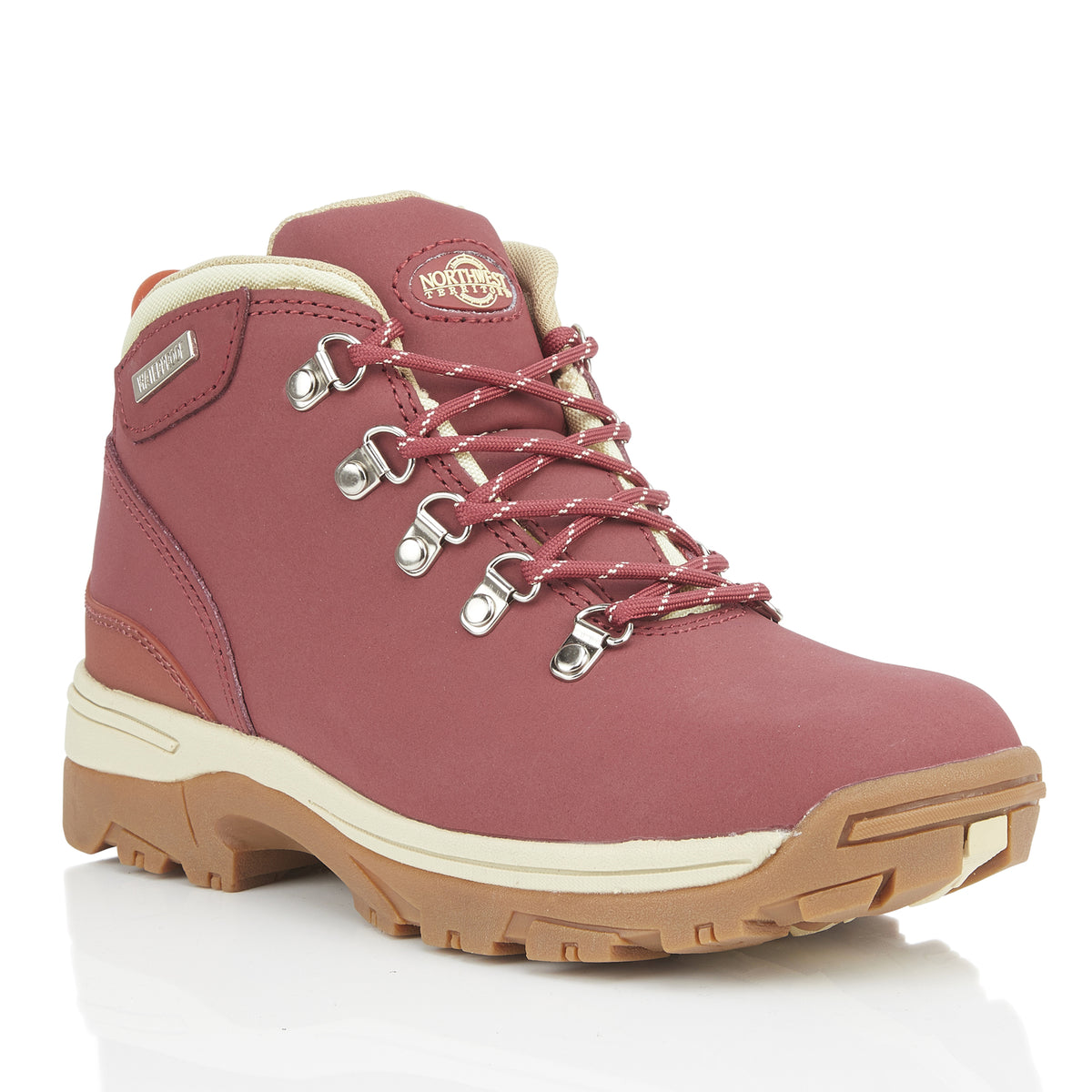
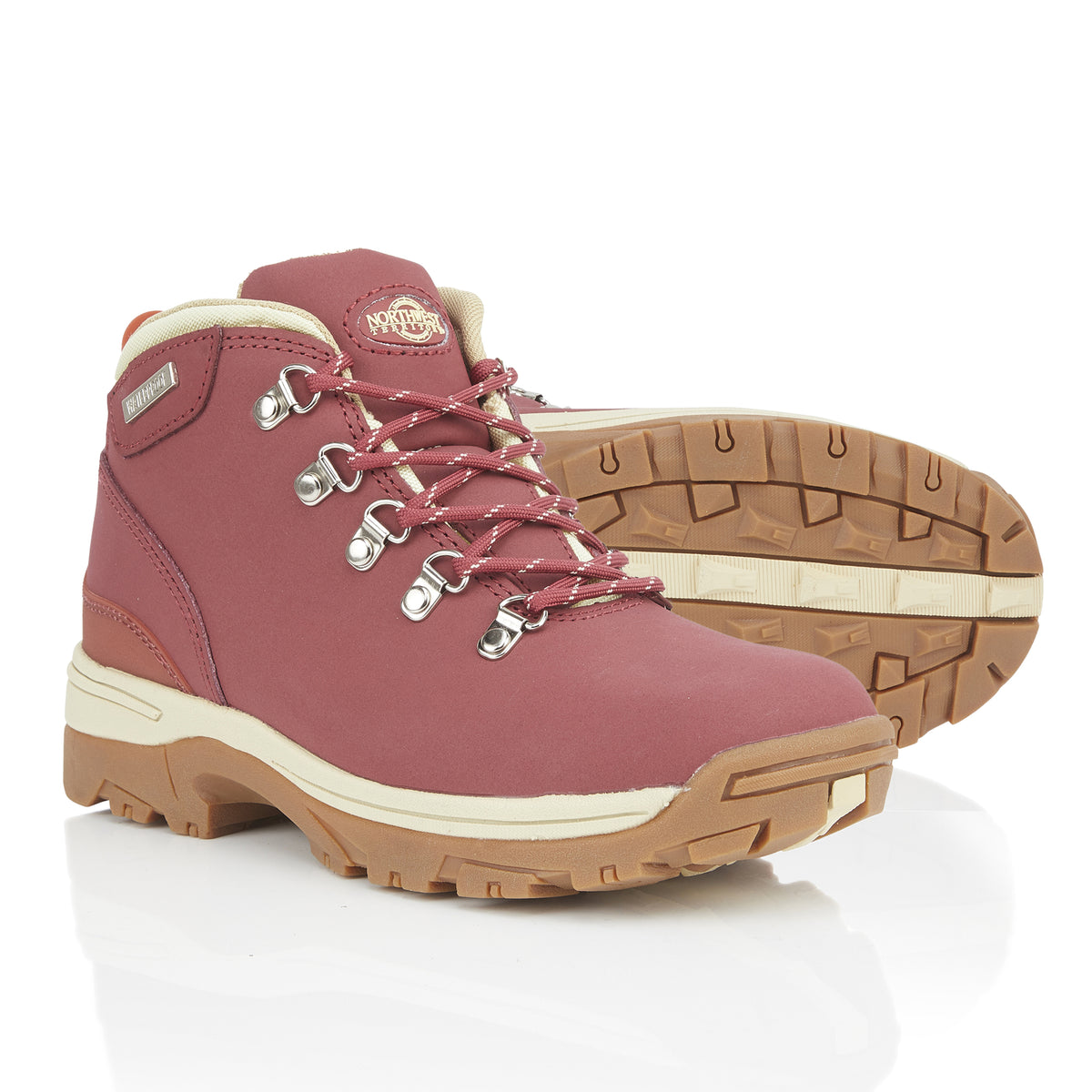
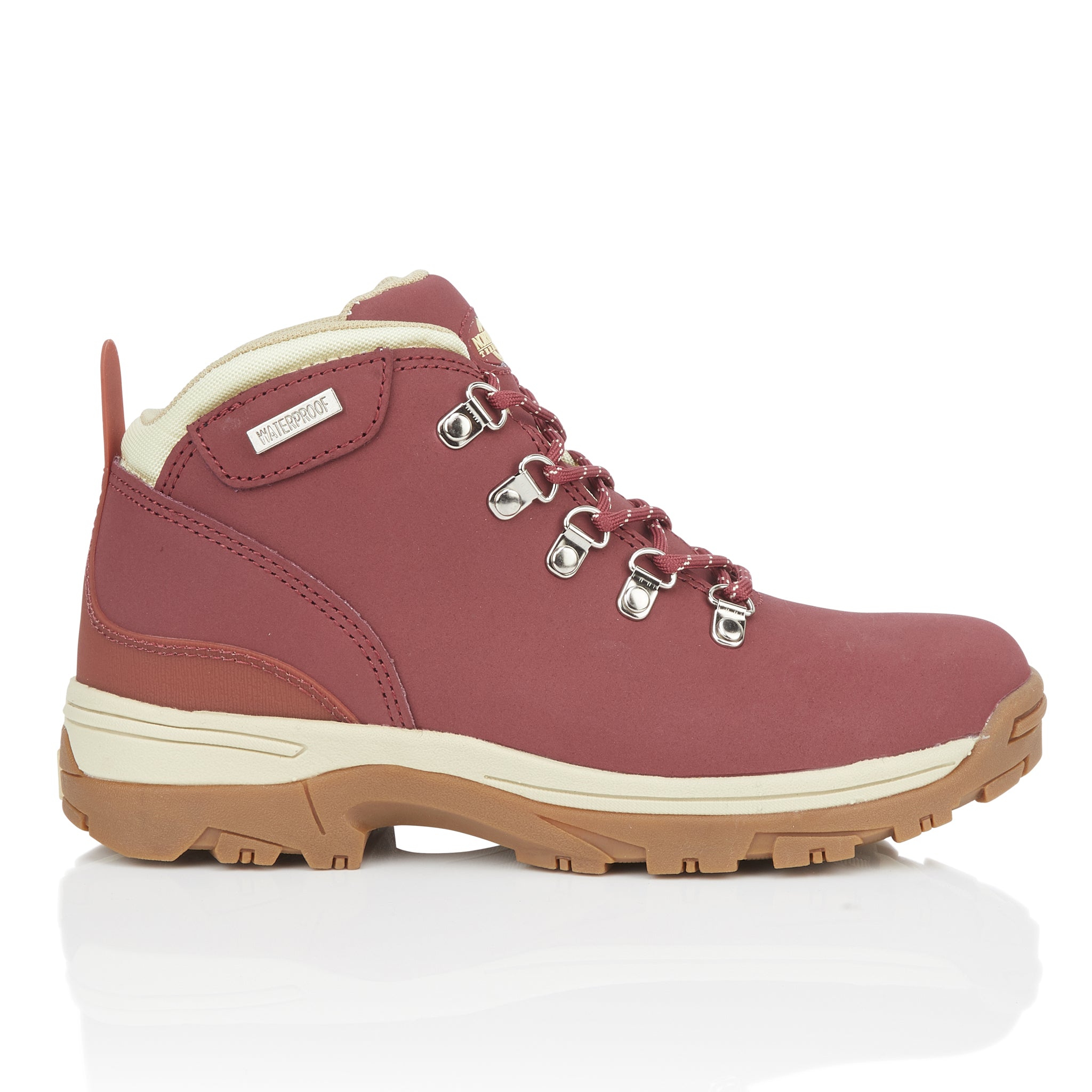
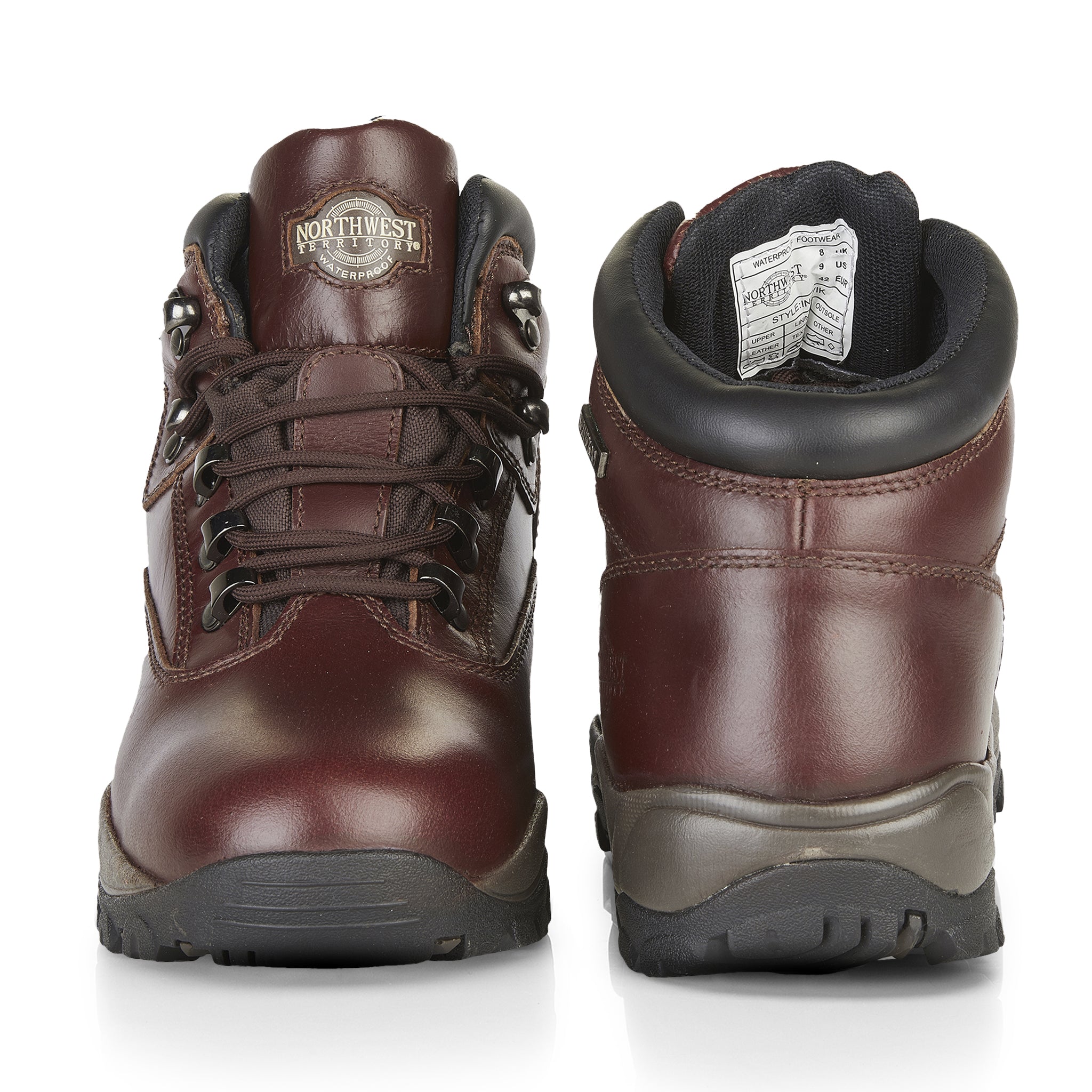
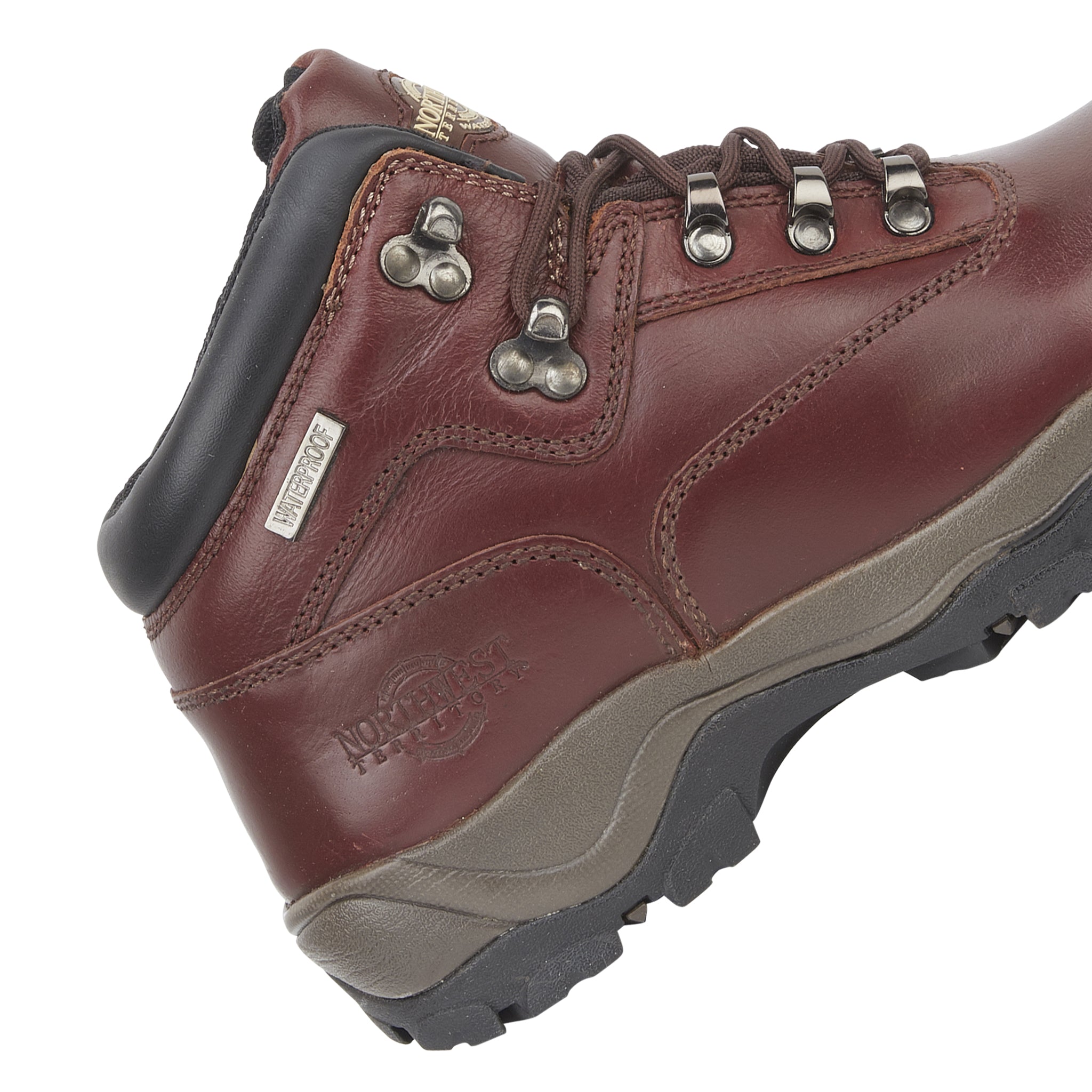
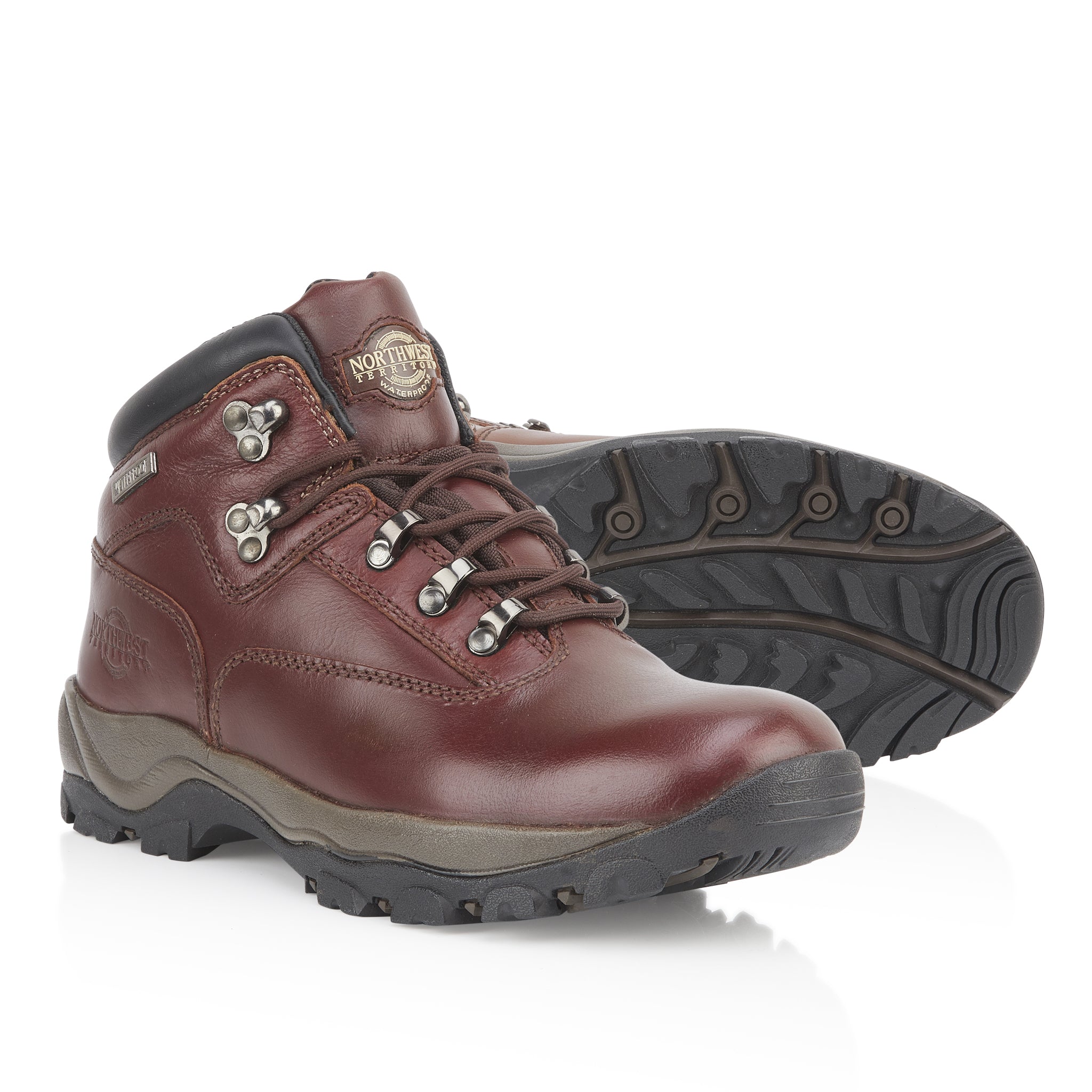
For walking boots, especially something like our Peak Women’s Leather Waterproof Walking Boots, you want them to feel right from day one - not something you “break in” by suffering for a week.
Walking Boots vs Hiking Shoes: Which Fits Better?
Many outdoor enthusiasts ask whether hiking shoes or walking boots provide a better fit.
| Walking Boots | Hiking Shoes |
| Better ankle support | Greater flexibility |
| Better for rough terrain | Better for lighter trails |
| Improved stability | Lightweight comfort |
| Excellent for long hikes | Ideal for casual walks |
Neither is automatically better—the right choice depends on your activity, terrain, and personal comfort preferences.

What Hiking Boot Comfort Actually Feels Like?
Comfort isn’t softness alone; it’s control.
A proper-fitting boot:
-
Keeps your heel steady on uneven paths
-
Stops your foot from sliding forward downhill
-
Supports your arch during long walks
-
Prevents pressure from building up in one area
You’ll notice this most on longer walks -say a countryside route or hill trail where the terrain keeps changing.
That’s where good design quietly matters. You don’t feel “the boot”… you just feel stable.
Walking Footwear For Men Vs Everyday Use
Walking Footwear For Men usually offer a wider toe box and more structured support.
But again - fit is personal, not just category-based.
For example, the Everest boots we mentioned earlier feel more structured because they’re designed for tougher outdoor use. Meanwhile, Kendal boots feel slightly more relaxed for everyday walking.
Both are correct - it just depends on how and where you walk.
Quick Fit Check (Before You Buy)
Before you commit, do this simple check:
-
Walk for a few minutes, not just stand
-
Go downhill if possible
-
Wear the socks you’ll actually use outdoors
-
Check for heel lift immediately
-
Make sure toes are never touching the front
If anything feels “almost fine but slightly off”, it usually gets worse outdoors, not better.
Fit Decides Everything
If there’s one thing we’ve seen again and again at Northwest Territory, it’s this:
Good walking boots don’t need to be broken in to feel right. They should feel right enough from the start.
You might notice a slight firmness at first, especially in structured boots, but comfort should never feel like a compromise.
Once you get the fit right, everything changes - longer walks feel easier, feet stay fresher, and you stop thinking about your boots entirely.
That’s the real goal.
FAQs
1. How tight should walking boots be?
The walking boot should have a snug fit at the heel and mid-foot section of your feet to give you stability as you walk. They shouldn't pinch or press against your feet, and your toes must be able to move freely.
2. Should toes touch the front of walking boots?
No, your toes shouldn't be touching the front part of the boots, whether you are walking down or climbing up hills. This may suggest that the boots are either too small or wrongly tied.
3. Do walking boots stretch over time?
Some leather walking boots can soften and give a little as you wear them. But they won’t dramatically stretch to fix a poor fit. The boots should feel comfortable from the beginning, not depend on stretching.
4. Is it better to size up walking boots?
In many cases, going half a size up works better, especially if you wear thicker socks. It also helps when your feet swell during longer walks. But the fit should still feel secure, not loose.