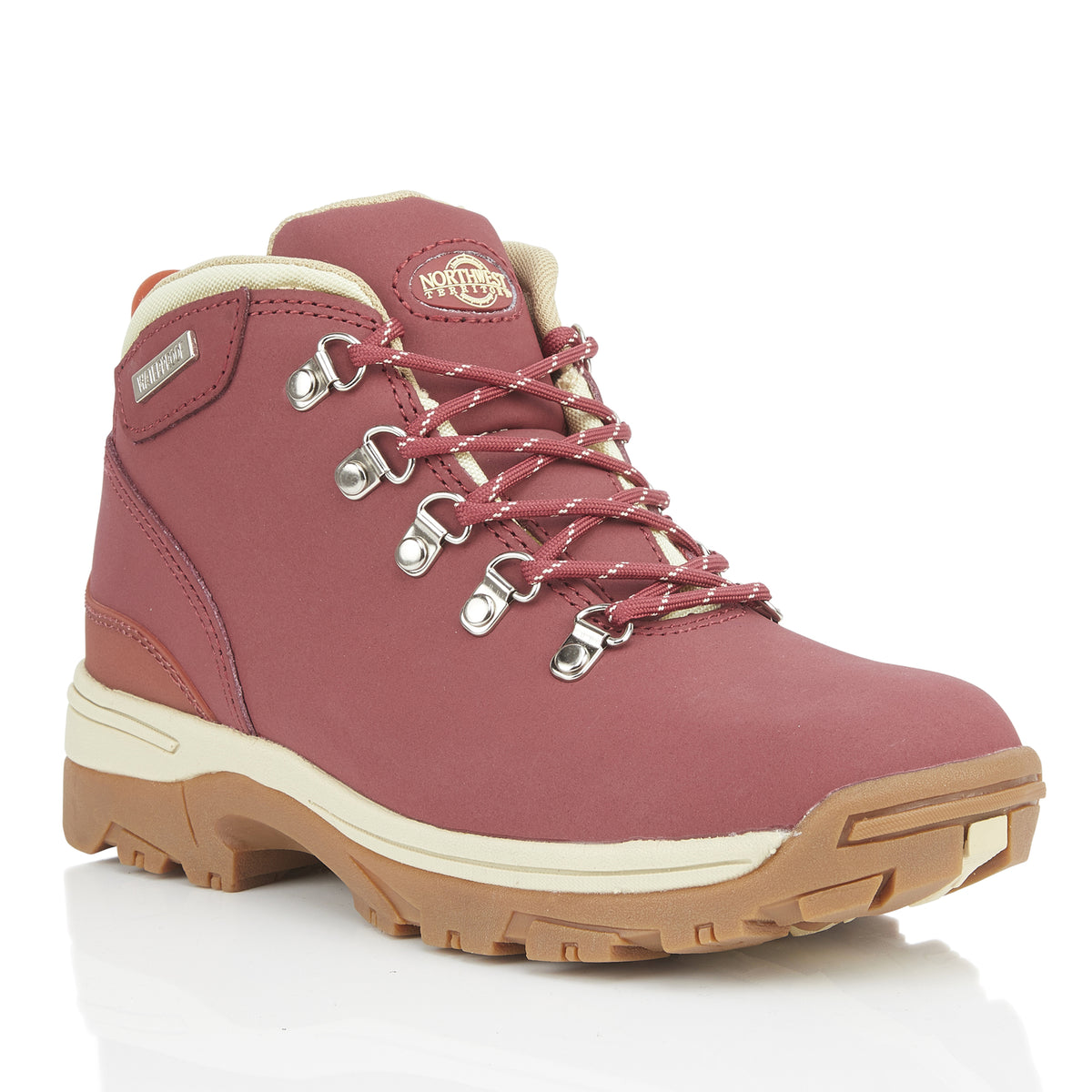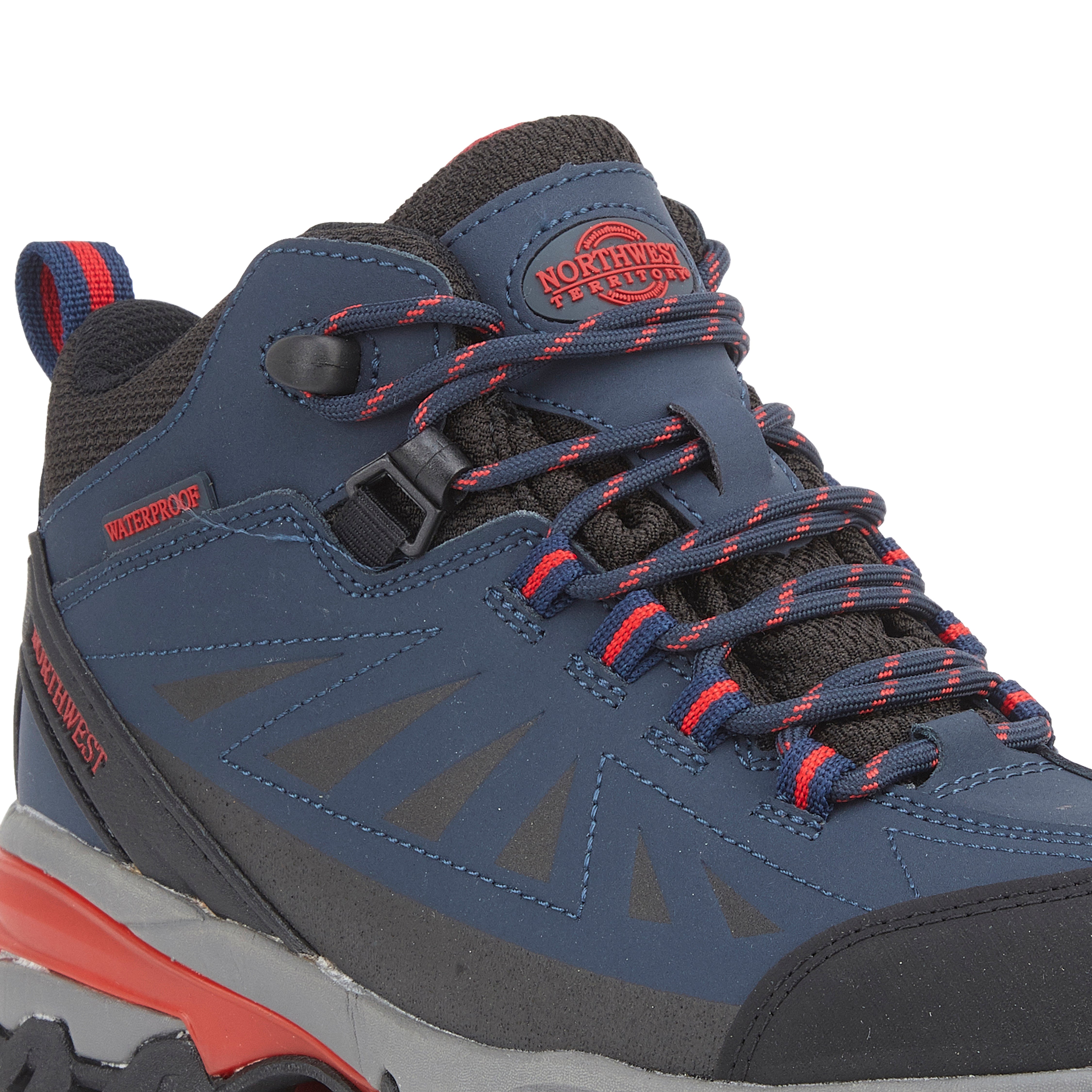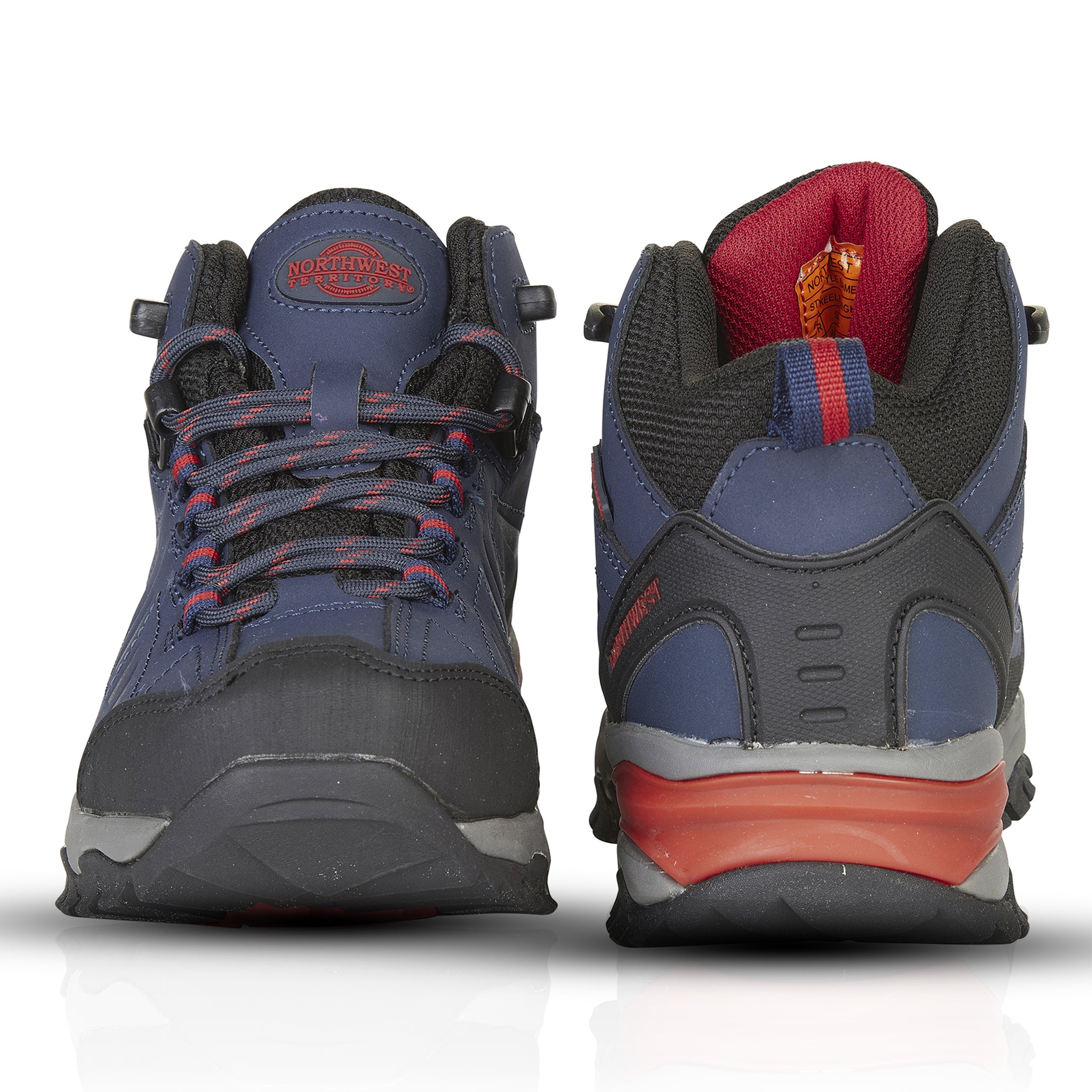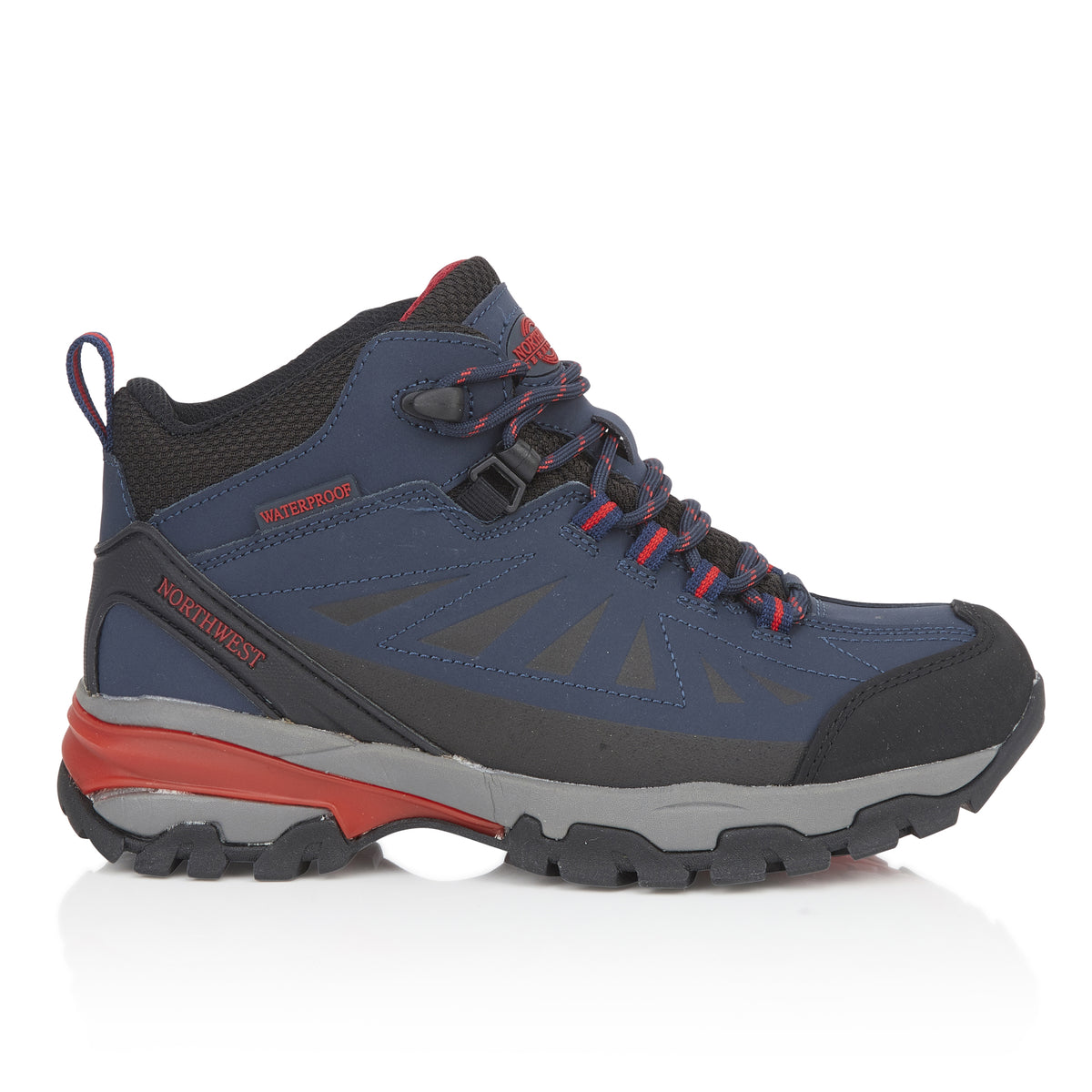

Every walking path requires the same type of boot.
A dry towpath is completely different to a field path that has been waterlogged by rain. Walking boots need to provide good grip on a trail that is wet with fallen leaves, whereas on a rocky path, the wearer will need stability on their feet.
This is why walking boot grip is important when selecting the right pair. Grip is not just about getting the deepest tread possible.
The level of grip needed varies with the terrain and frequency of walking.
What Does Grip Mean On A Walking Boot?
When grip is discussed, it means how well the bottom of the boot sticks to the ground.
Some elements contribute to this feature:
-
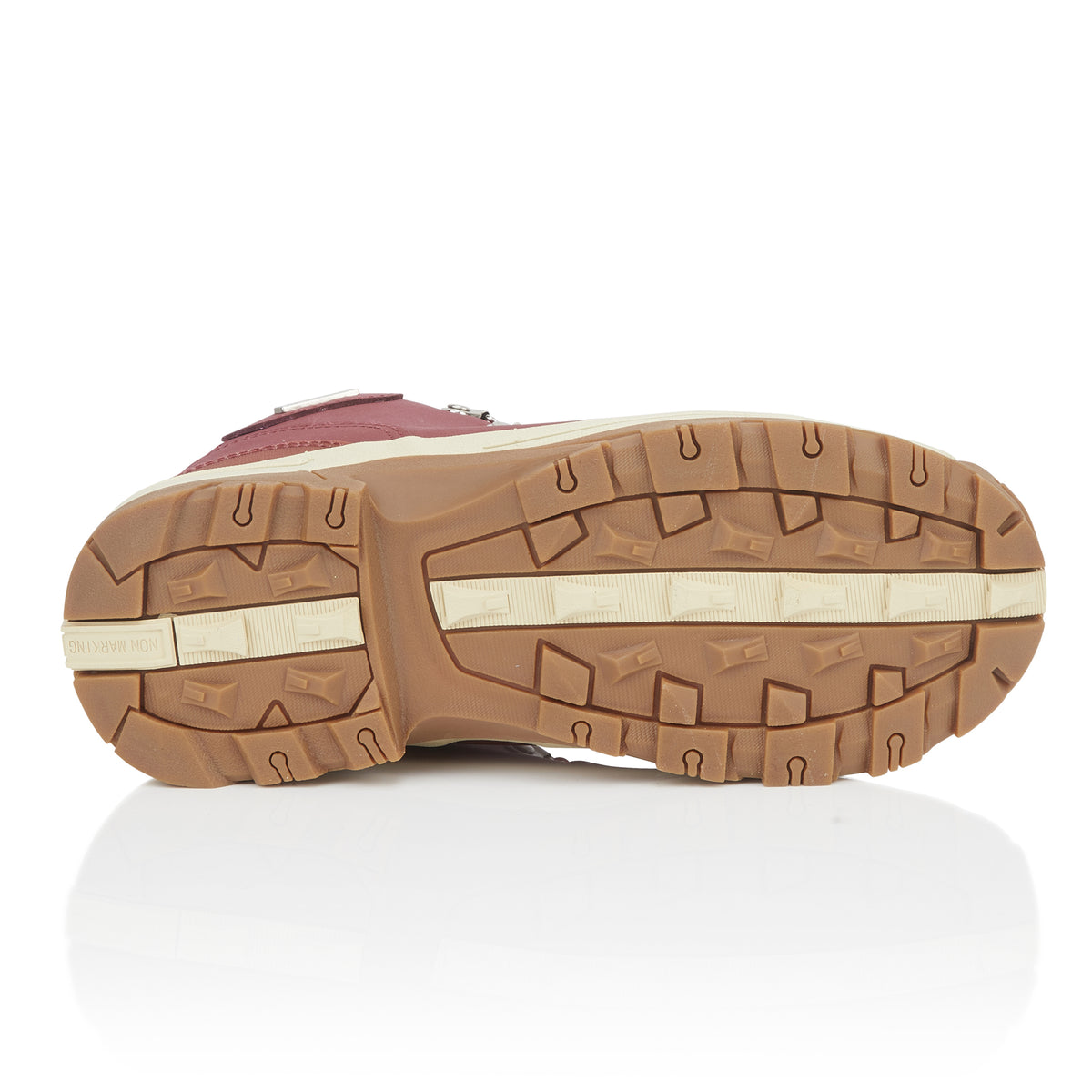
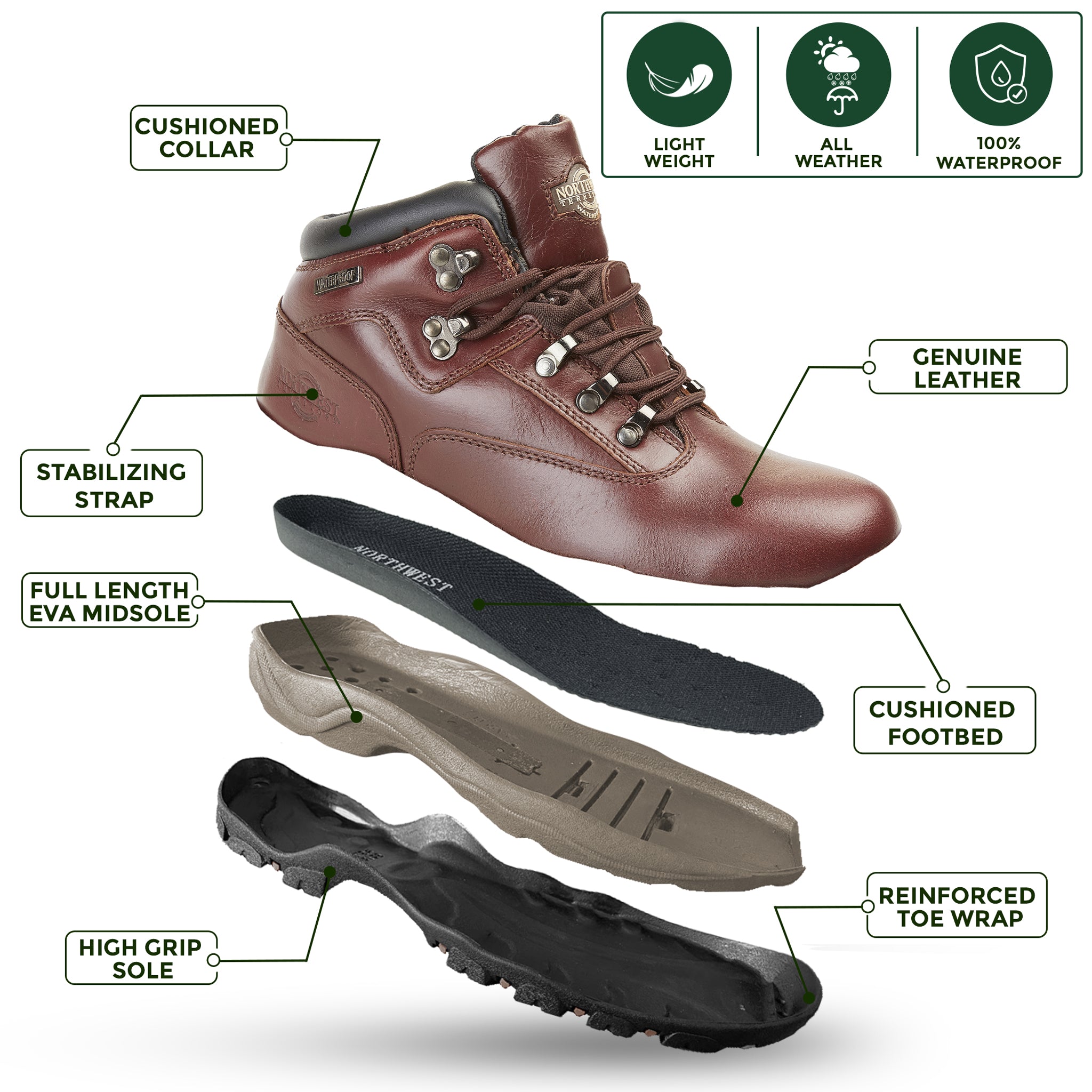
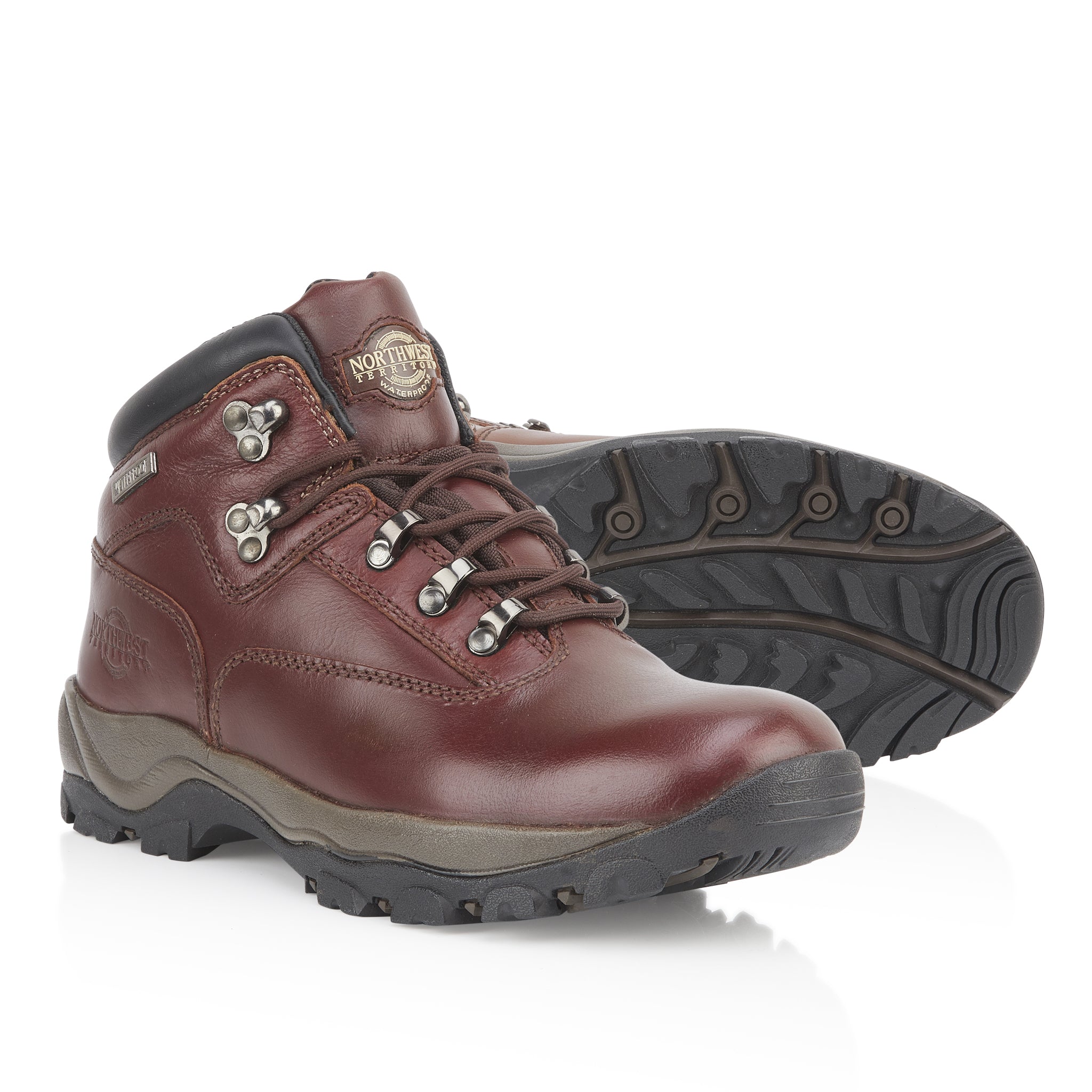
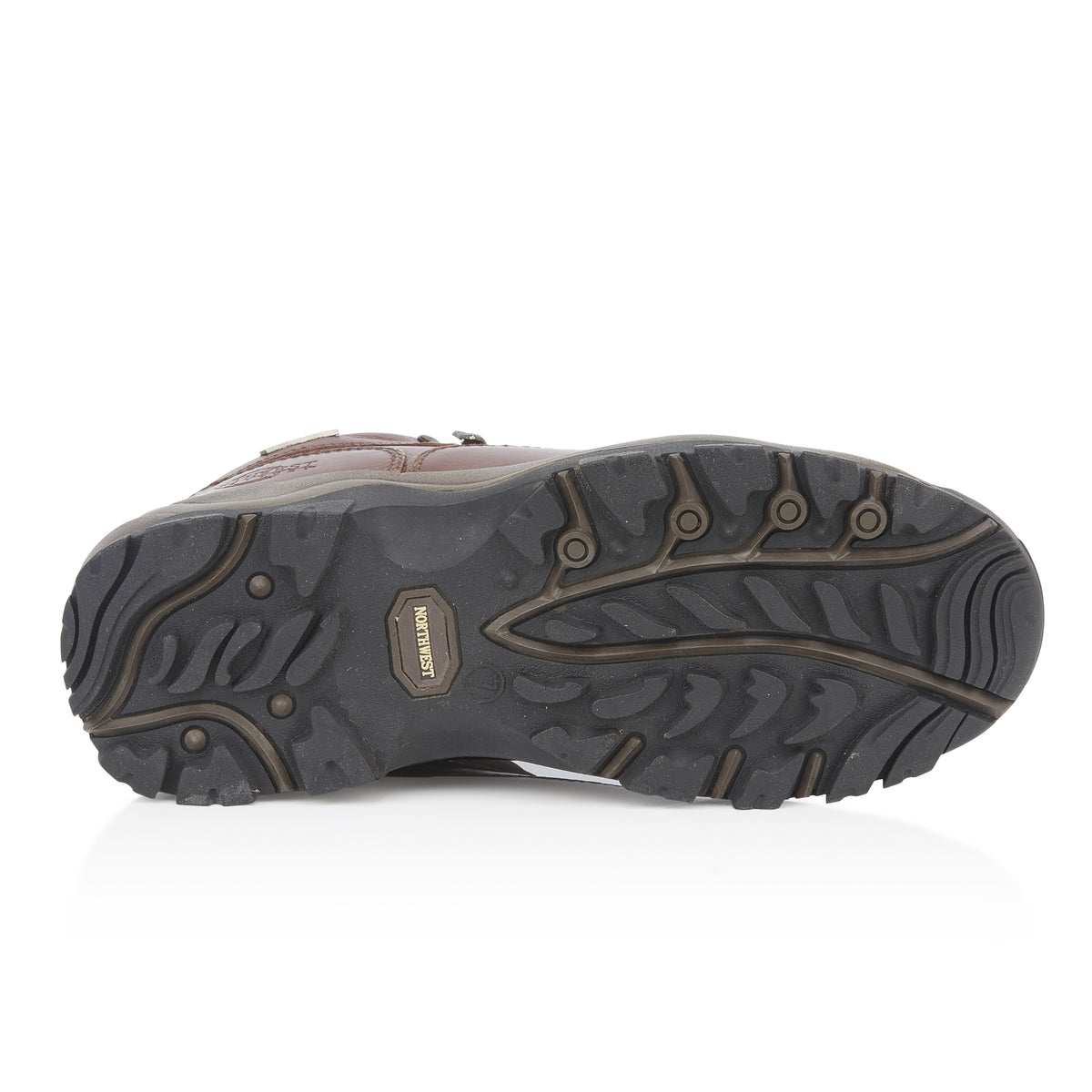
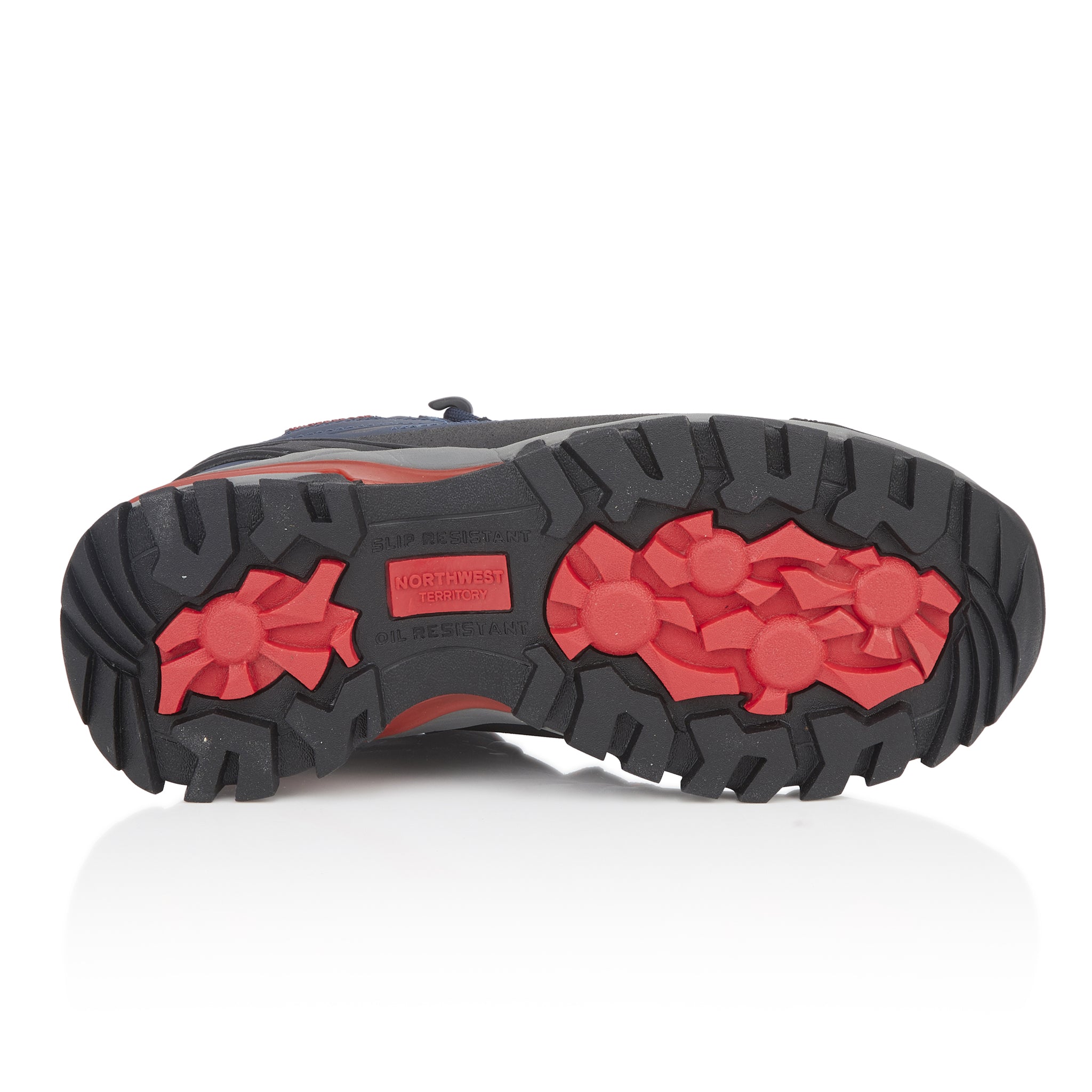
Outsole - Surface which contacts the ground
-
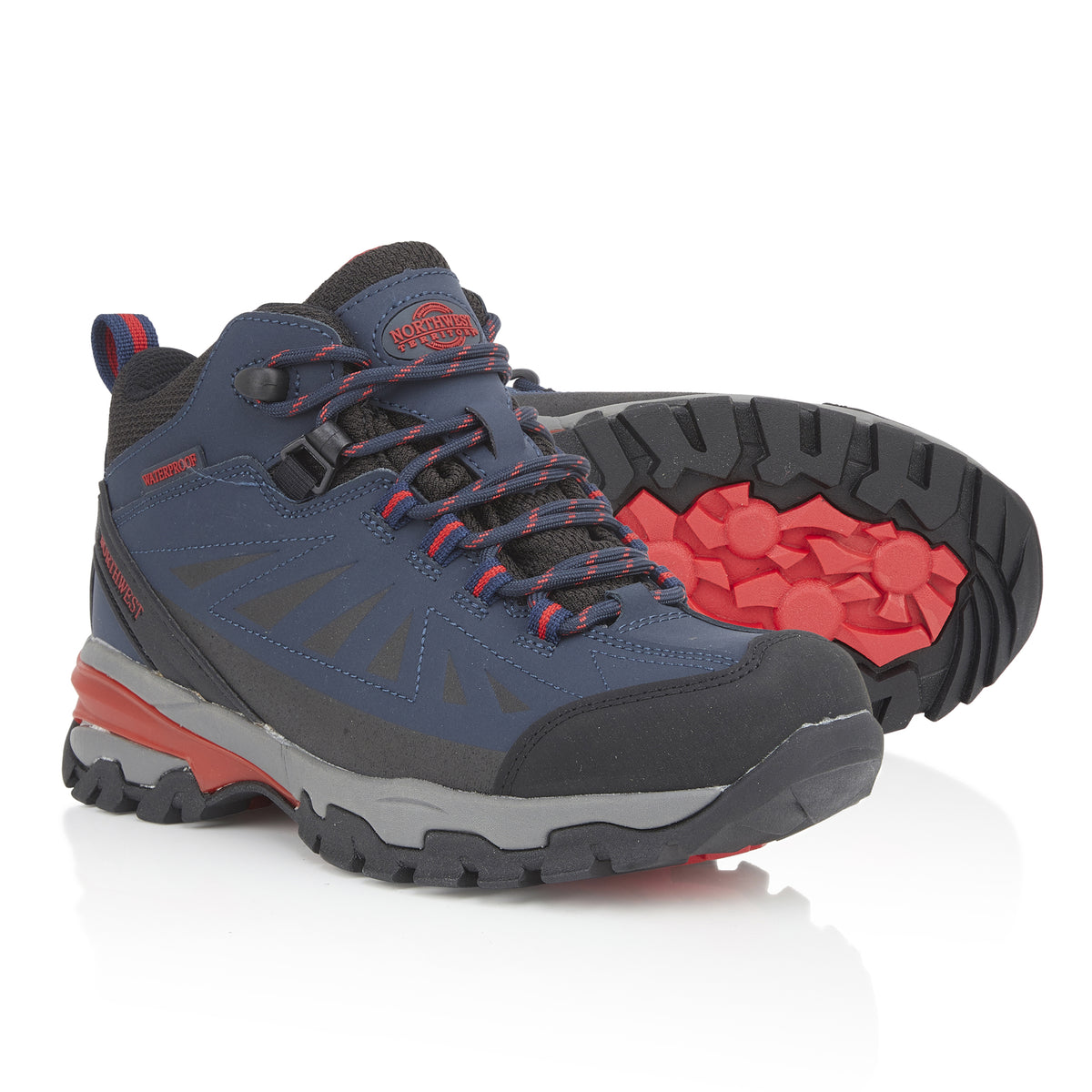
Tread - Pattern on the outsole
-
Lugs - Elevated areas which get into soft ground
-
Traction - How well the boots stick when you walk
-
Stability - How steady the boots feel under your feet
The difference between all these elements can be seen quite easily. On a dry pavement, most decent soles will feel fine. Put the same boots on wet grass or loose mud, and you may notice that some soles slide much more easily.
That is where good walking boot traction starts to matter.

How Much Walking Boot Grip Do You Actually Need?
No one size fits all. If you are going for a stroll along a well-trodden path, chances are you do not require a sole that is aggressive. However, if you often find yourself walking in muddy terrain, you might look elsewhere.
A simple way to think about it is:
|
Where you walk |
What to look for |
|
Pavements and easy paths |
Comfortable sole with everyday grip |
|
Parks and dry trails |
Moderate tread |
|
Wet grass |
More noticeable tread and good traction |
|
Muddy paths |
Deeper lugs and stronger grip |
|
Woodland trails |
Grip plus stability |
|
Rocky or uneven ground |
Secure outsole and good support |
So, rather than asking whether a boot has “enough” grip, ask whether the sole suits your usual route.
Why Does The Hiking Boot Sole Matter?
The sole is doing a lot of work while you walk.
On a muddy uphill path, you need the lugs to hold the ground as you push yourself forwards. On a downhill section, they help stop your feet from sliding.
The same applies to wet grass. A hiking boot sole with useful tread can give you more confidence on slippery or uneven surfaces.
Look at the shape of the tread before buying:
-
Are the lugs clearly raised?
-
Is there enough space between them?
-
Does the pattern cover most of the sole?
-
Does the outsole feel firm?
-
Does it look suitable for the ground you normally walk on?
There is no need to choose the most aggressive sole for a gentle weekend walk. You want something that matches the terrain.
What Is The Difference Between Tread And Lugs?
These two terms are often used together, but they are not quite the same thing.
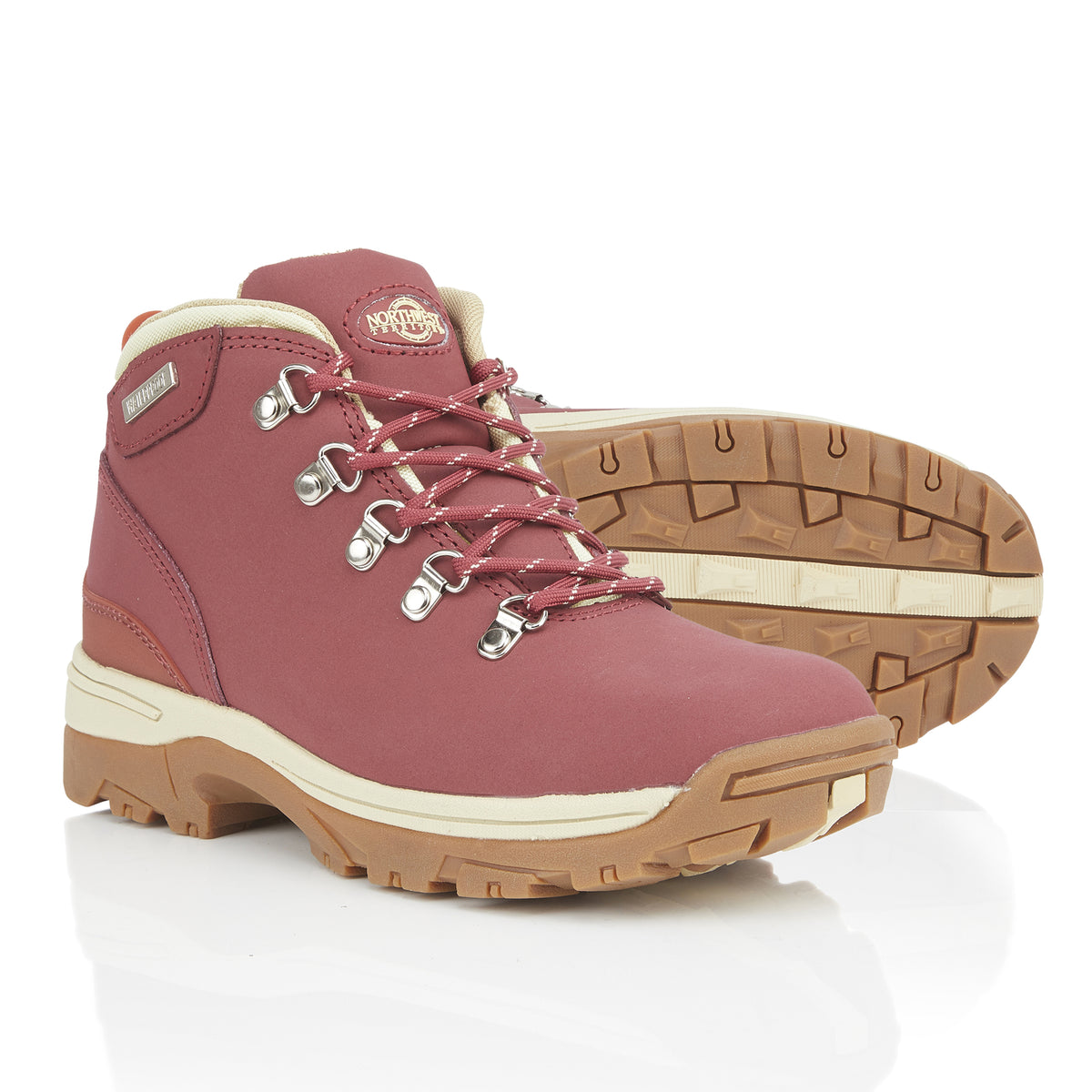
Tread is the overall pattern you see on the sole. Lugs are the individual raised parts within that pattern.
For example, a boot designed for muddy trails may have:
-
Larger lugs
-
Deeper spaces between them
-
A pattern designed to shed mud
-
More pronounced edges for grip
A flatter sole is more suited to easier surfaces.
It would be worth considering if one is shopping for grip walking boots to wear in the countryside. One could see a boot that looks like a hiking boot, but it will be the sole that gives you the clue of where it should be worn.
Is More Grip Always Better?
Not necessarily, a very aggressive outsole can be useful in deep mud, but it can feel unnecessary on simple paths.
You should also think about how the boot feels when you are walking.
For everyday UK routes:
-
Too little grip can be frustrating on wet ground
-
Too much sole can make a lighter walk feel unnecessarily heavy
-
A balanced tread can work across different surfaces
-
Comfort still matters, especially on longer walks
When hiking on both roads and nature trails, having an all-purpose sole will be better than a sole which is designed for mountains.

What About Wet And Slippery Paths?
This is where walking boot grip becomes particularly noticeable. Wet leaves, muddy grass and smooth rocks can all feel different underfoot.
Take a woodland path after rain. Leaves may cover roots and stones, while the ground underneath has become soft. You are not just looking for a boot that stops your feet from getting wet. You need the sole to stay in contact with the ground.
For these conditions, look for:
-
A tread that is easy to see
-
Good spacing between lugs
-
A stable base
-
Waterproof protection
-
A secure fit around your foot
And slow down where necessary. Good boots help, but they cannot make every slippery surface safe.
What is DriftTrek Technology?
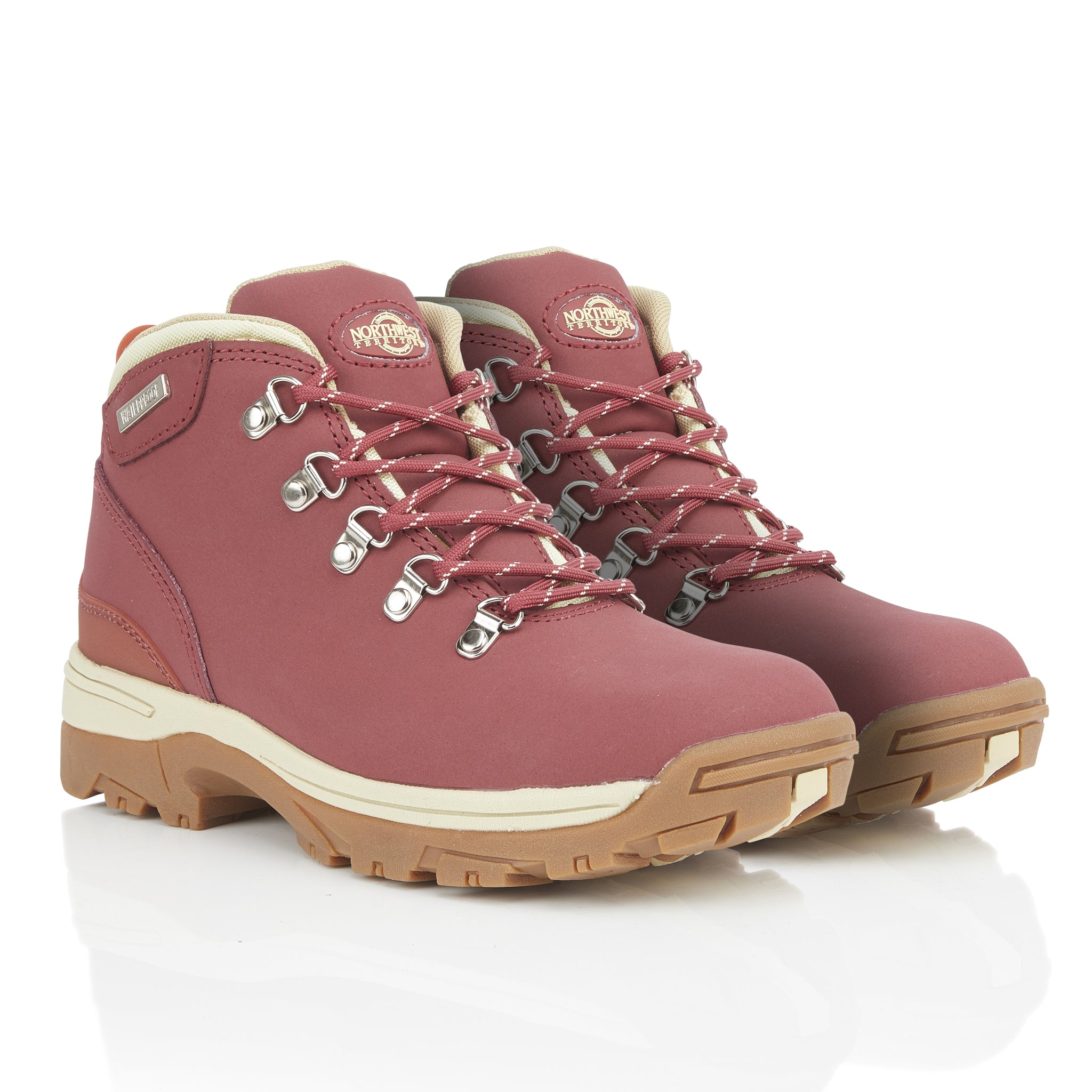
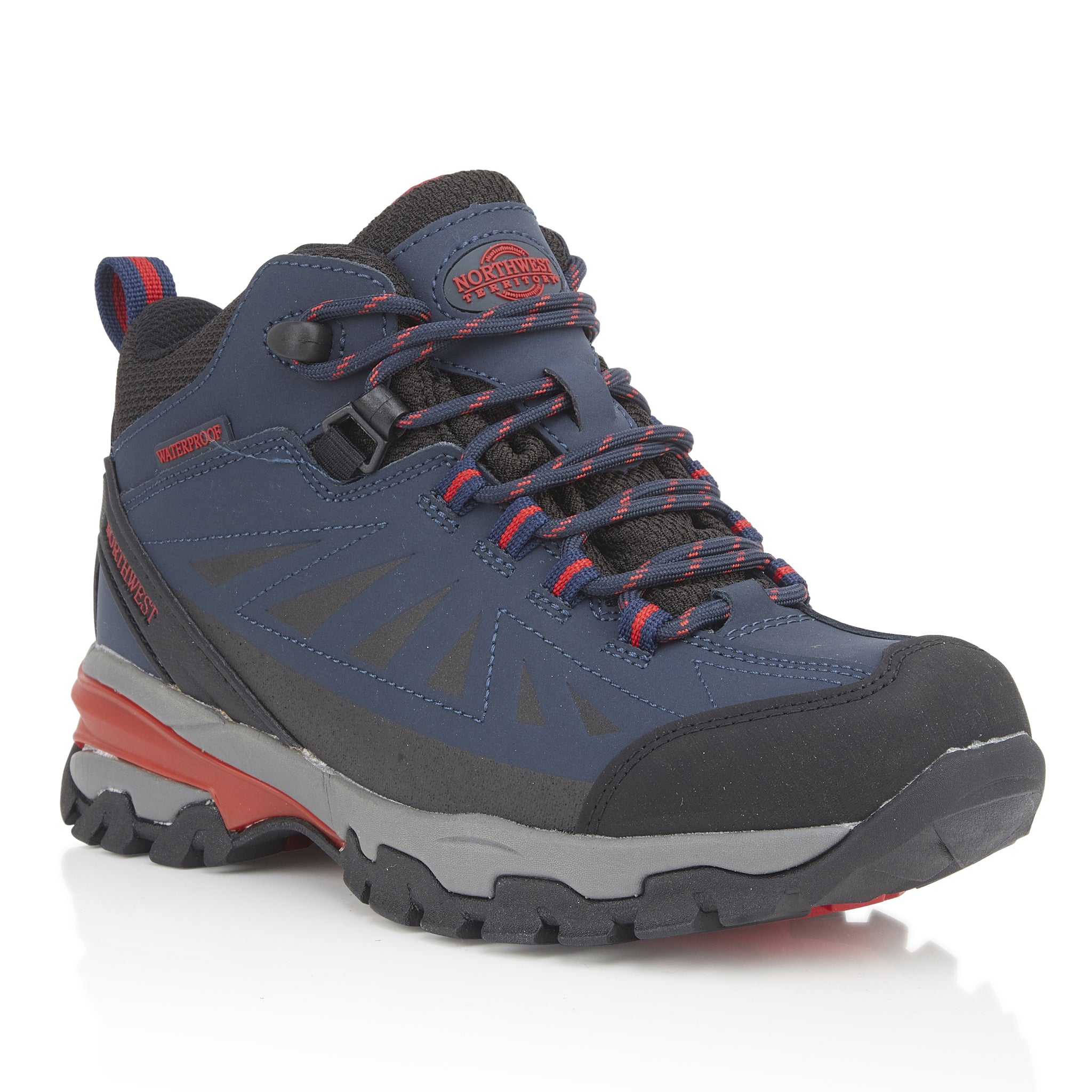
This is where DriftTrek Technology comes into the conversation. The idea behind DriftTrek is to give walking footwear a sole suited to outdoor routes where grip and stability matter.
For someone heading out on a wet UK trail, the useful thing is not the name of the technology itself. It is how the boot feels when you actually put it to use.
With DriftTrek Walking Boots, think about the sort of routes where you might need more confidence underfoot:
-
Wet countryside paths
-
Muddy tracks
-
Woodland routes
-
Uneven ground
-
Sloping trails
-
Changeable UK weather
If your usual walk involves several different surfaces, this sort of versatile approach can be more useful than choosing footwear for one very specific terrain.
Do Men's Hiking Boots Need More Grip?
Not because they are men's boots. The amount of grip you need comes down to the terrain, not whether the boot is made for a man or woman.
When choosing hiking boots for men, consider:
-
Where you normally walk
-
Whether you walk in wet weather
-
How uneven the ground is
-
How long your walks usually last
-
Whether you need waterproofing as well
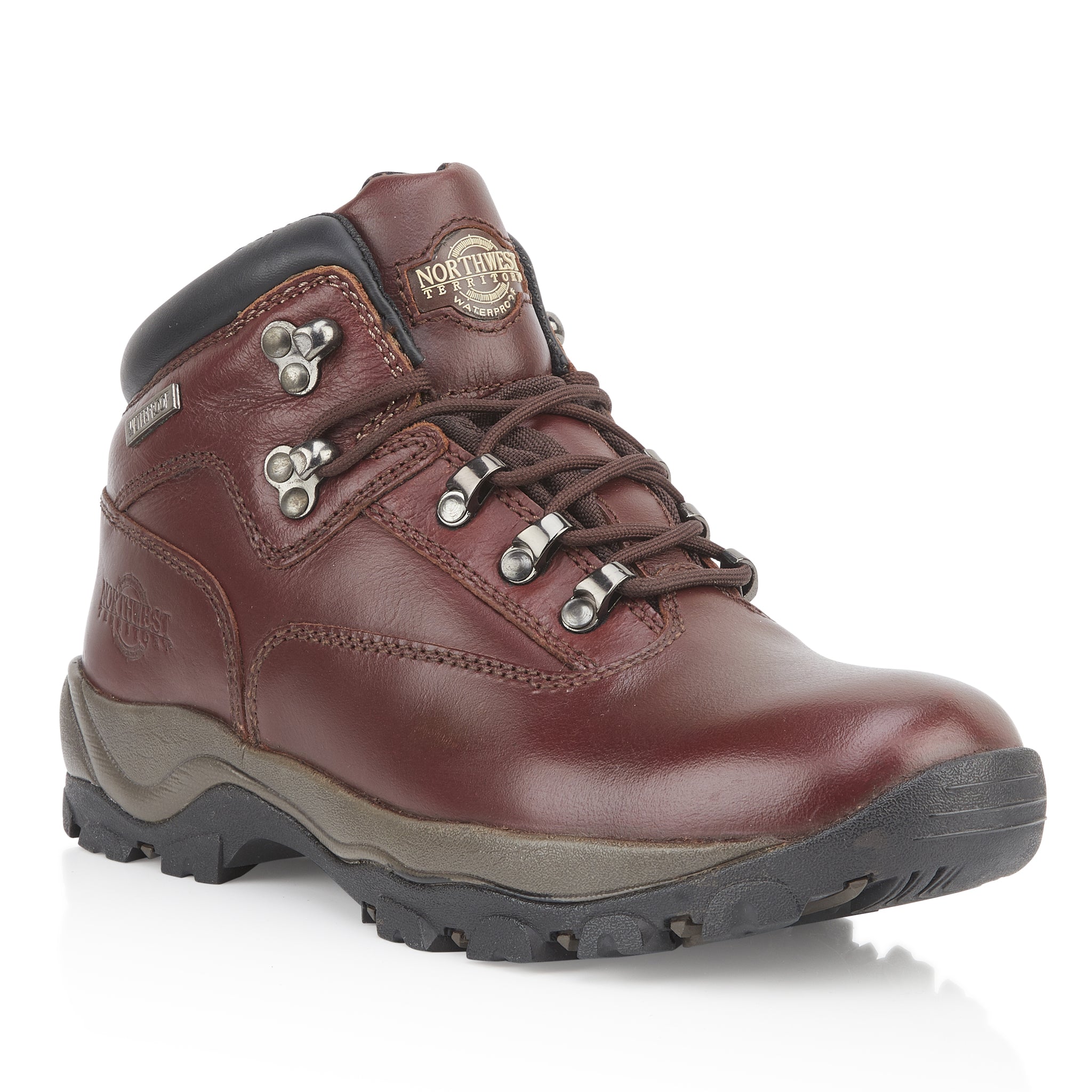
Another possible option to consider is our Pelly Men's Leather Waterproof Walking Boots for your routine countryside walk.
Another alternative to consider for someone seeking a leather boot for outdoor activities is the Sachs Men's Nubuck Leather Waterproof Walking Boots.
If you need footwear more suited for hiking than just countryside walks, then the Men's Leather Waterproof Hiking Boots might be what you need.
What About Women's Walking Boots?
The same rule applies: choose the sole for the route.
For women who regularly walk through wet fields, woodland or muddy trails, useful features include:
-
A good outsole
-
Noticeable tread
-
Secure fit
-
Waterproof protection
-
Comfortable cushioning
-
A weight that feels manageable
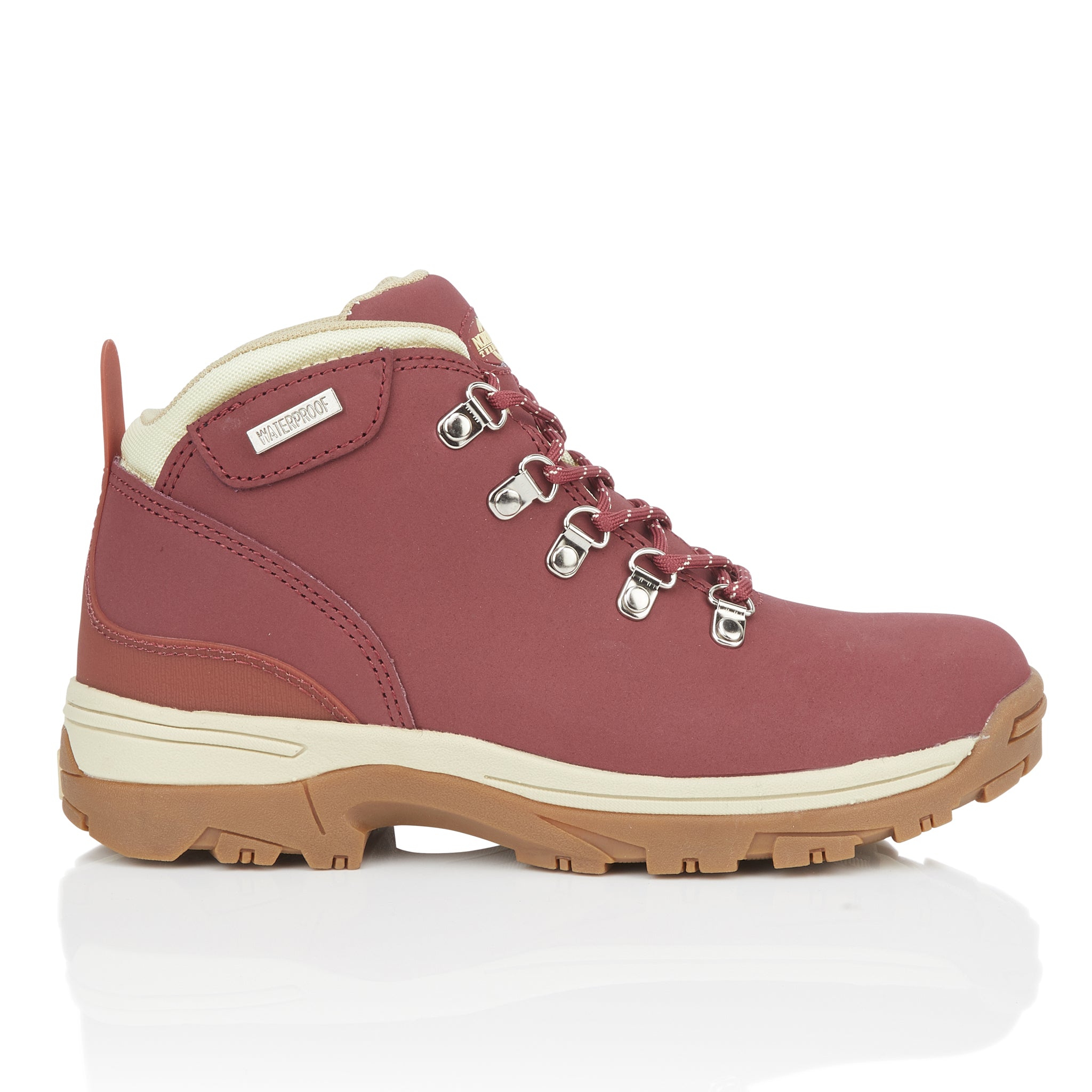
The Hewitt Women's Leather Waterproof Walking Boots and Malveen Women's Premium Leather Waterproof Walking Boots are the best examples.
Neither should be chosen simply because of the appearance. Try to match the boot to the walks you actually do.
How Can You Tell If A Walking Boot Has Good Traction?
You can get a reasonable idea by looking at the sole, but there is more to it.
Before buying:
-
Look closely at the outsole photographs
-
Check the depth of the lugs
-
See whether the tread looks suitable for mud or wet ground
-
Read the product information
-
Think about your usual routes
-
Check that the boot fits properly
Once you have the boots, wear them on shorter walks first.
You will quickly notice whether they feel stable on grass, paths and uneven ground.
Does Waterproofing Matter For Grip?
They are two different things, but both can be useful. Waterproofing helps keep water out.
Grip helps your boots stay connected to the ground. You can have waterproof boots with poor traction, or boots with excellent grip that are not waterproof.
For wet UK walks, having both can make sense.
That is one reason we at Northwest Territory look at the whole walking experience rather than treating the outsole as an isolated feature. The boots need to work with the conditions you are actually likely to meet outside.

A Quick Walking Boot Grip Checklist
Before choosing your next pair, check:
-
Is the outsole suitable for your usual terrain?
-
Are the lugs deep enough for muddy routes?
-
Does the tread have enough spacing?
-
Will you be walking on wet grass?
-
Do you need waterproofing?
-
Does the boot feel stable?
-
Is the fit comfortable?
-
Have you considered the length of your usual walks?
The best walking boot grip is not necessarily the deepest or most aggressive. It is the grip that makes sense for the ground underneath your feet.
For most UK walkers, that means choosing something that can handle a mixture of wet grass, muddy paths, leaves, gravel and firmer ground without feeling excessive on easier routes.
At Northwest Territory, our walking footwear, including DriftTrek styles, Pelly, Sachs and Teslin, is designed with those everyday outdoor conditions in mind.
FAQs
1. What is a walking boot outsole?
The outsole is the portion of the boot that comes into contact with the ground. It plays a large role in traction.
2. Is DriftTrek Technology suitable for UK walking?
DriftTrek Technology is intended for walking footwear where grip and stability are useful. It can be relevant to mixed UK conditions such as wet paths, mud and uneven ground.
3. Do I need lots of grip for a countryside walk?
Not always, easy, dry paths require less traction than muddy fields or steep, wet trails. Think about where you normally walk before choosing your boots.
4. Are men's trekking boots different from hiking boots?
The terms are often used for similar types of outdoor footwear. What matters more is the boot's fit, sole, support, waterproofing and suitability for the terrain.