
You really don't need a whole wardrobe full of outdoor gear just to enjoy a nice walk, you know. Most people who head out regularly keep using the same trusted bits every weekend. They have learnt what does, and what doesn’t, after being caught in a sudden shower, trudging through wet grass, or noticing, halfway up a hill, that a thick hoodie wasn’t such a great call.
And honestly, that's the thing with walking in the UK. The conditions can change quickly, so it's better to dress for what could show up, not only for what you happen to see right at the front door.
This hiking outfit guide tries to keep it simple. No extra gadgets, no messy, overly complicated packing lists. Just the essentials that make time on the trail feel more comfortable, even when the weather does its own thing.

What Should You Wear Hiking in the UK?
If you’re planning a day hike, it’s a pretty solid place to start, honestly.
Your basic hiking outfit guide, kind of like the starter kit:
-
Breathable base layer
-
Lightweight fleece or mid-layer
-
Waterproof jacket
-
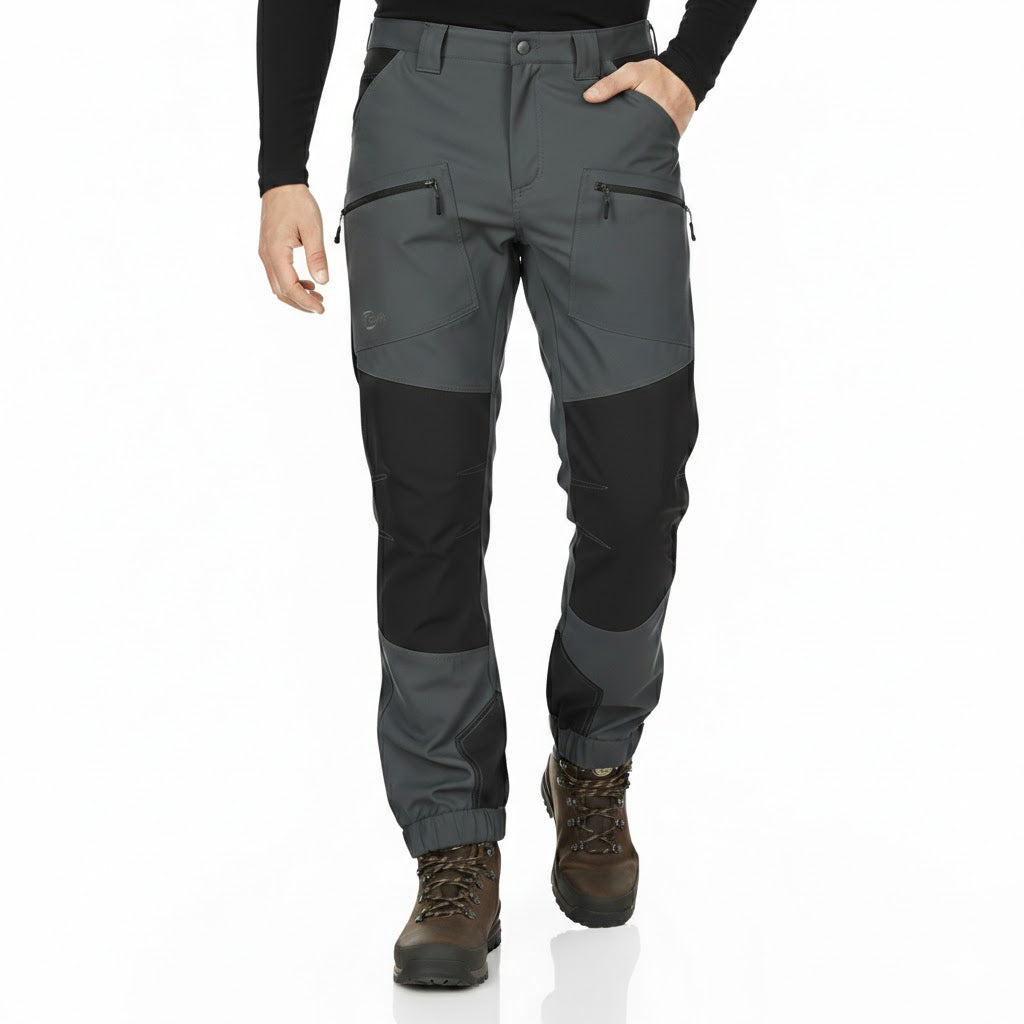
Trekking trousers
-
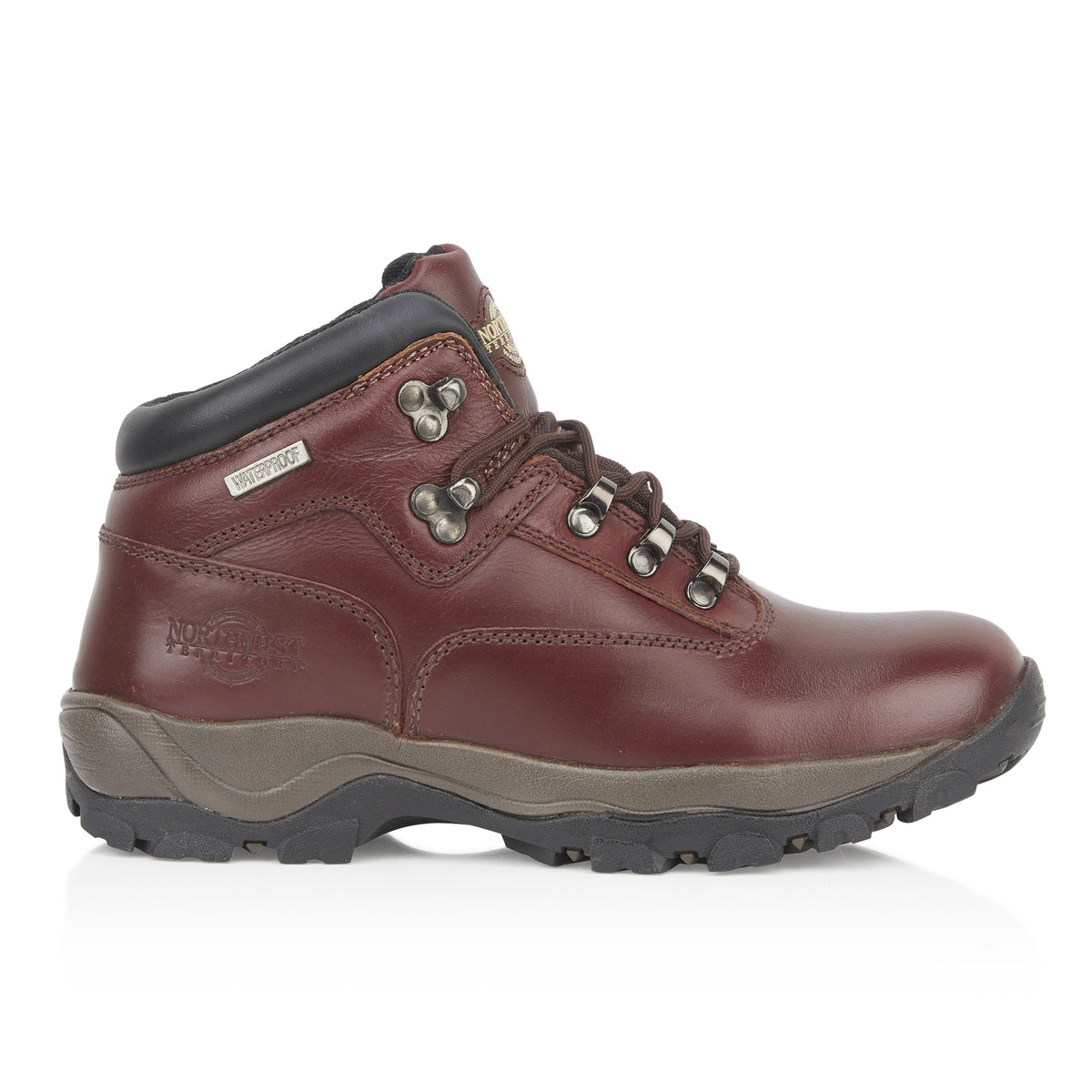
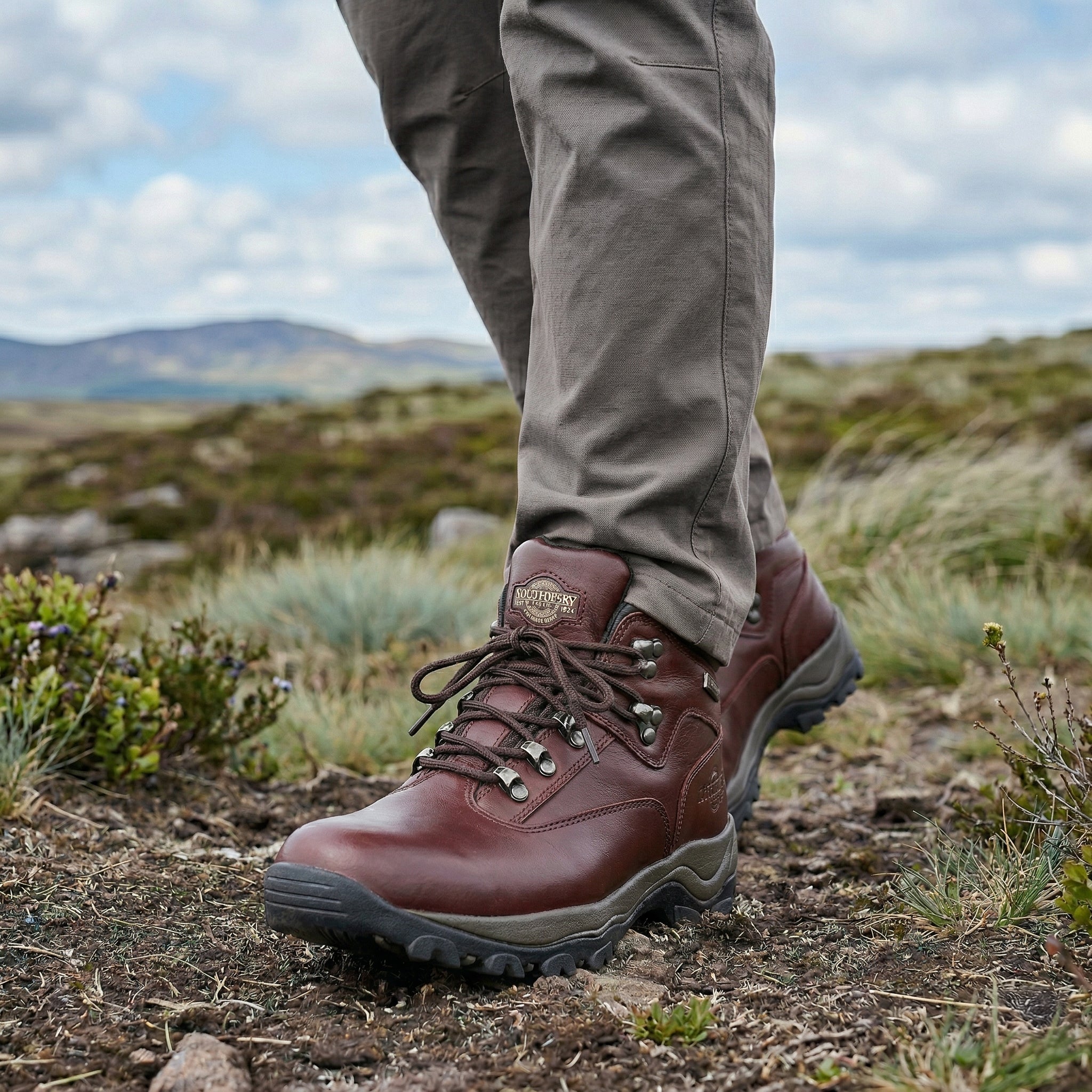
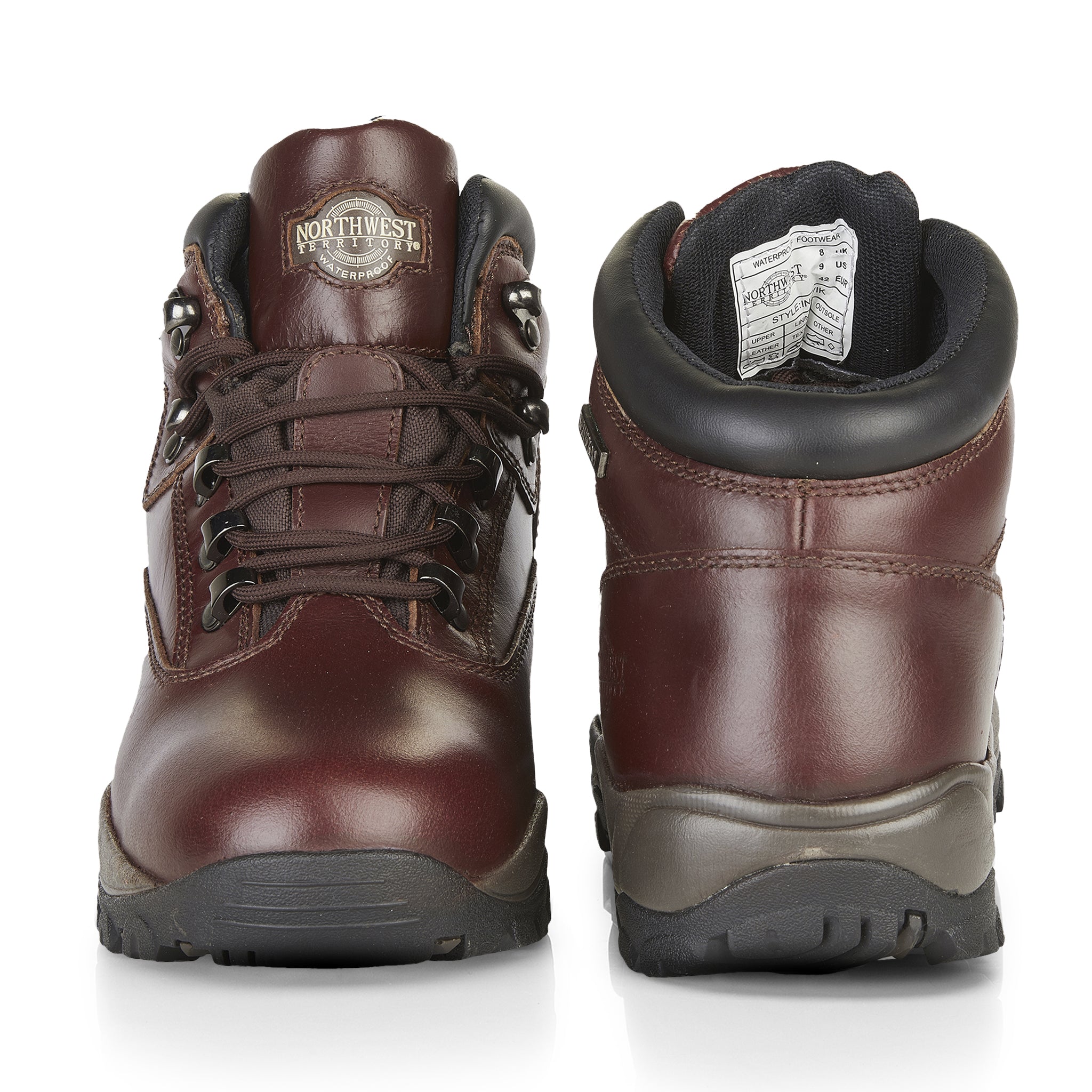
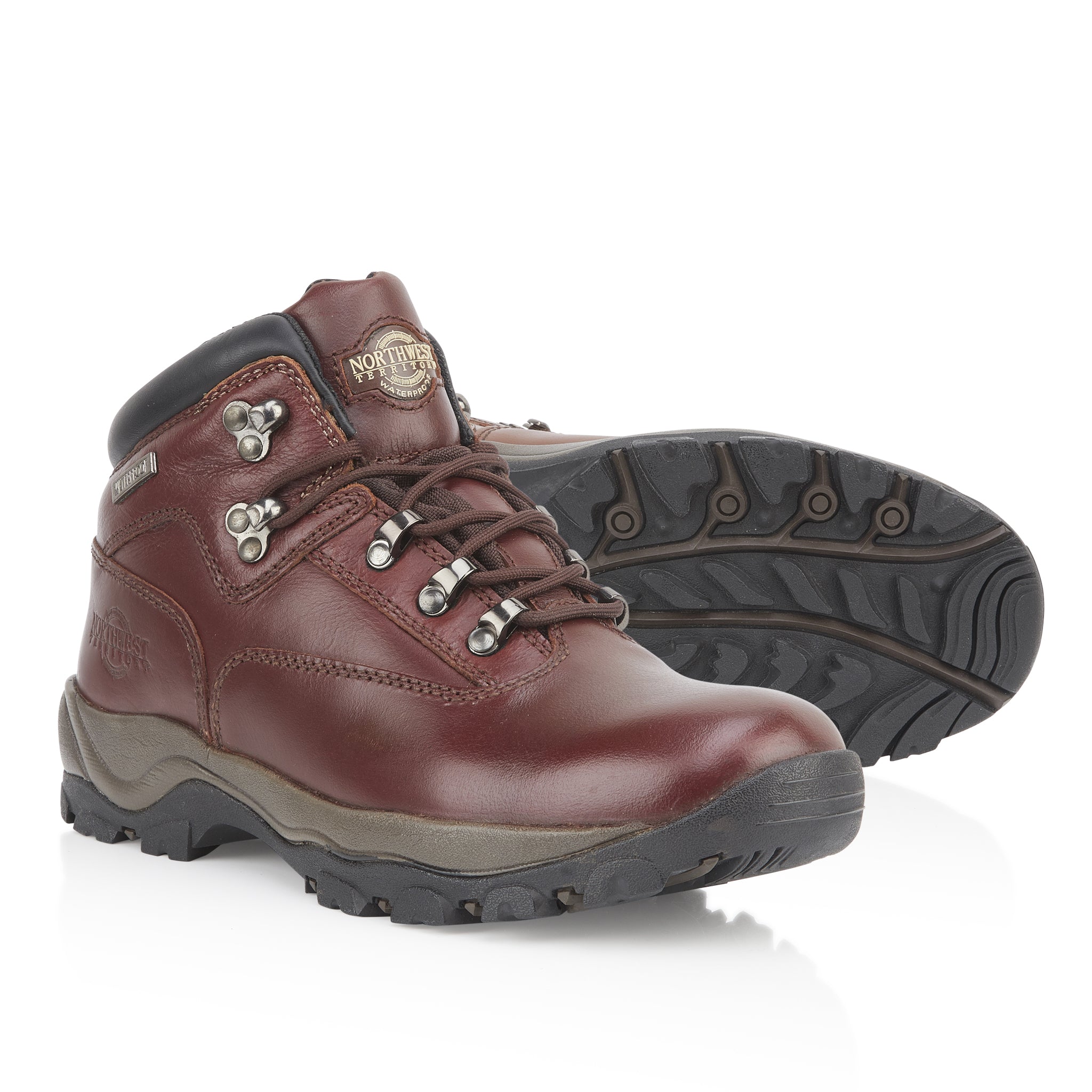
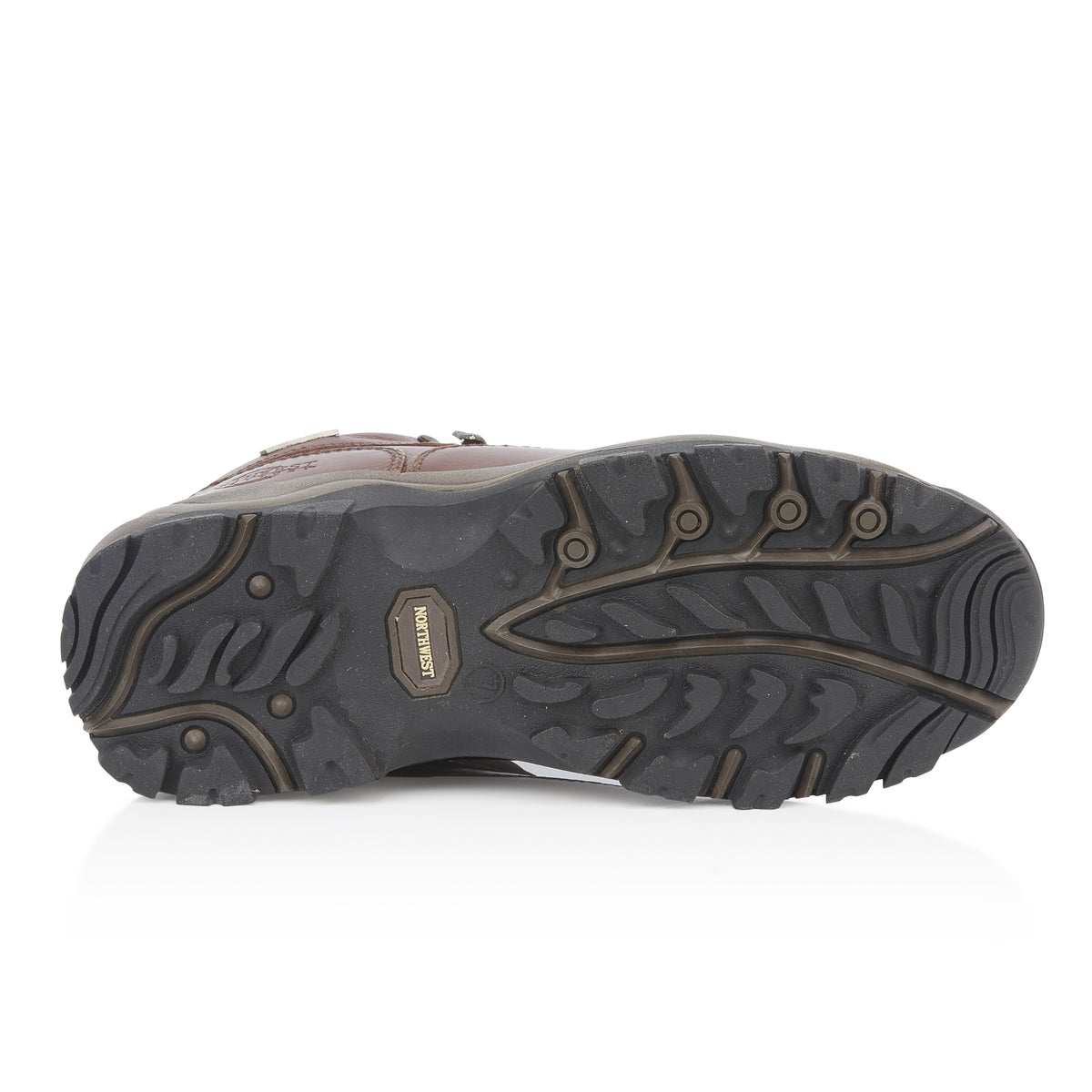
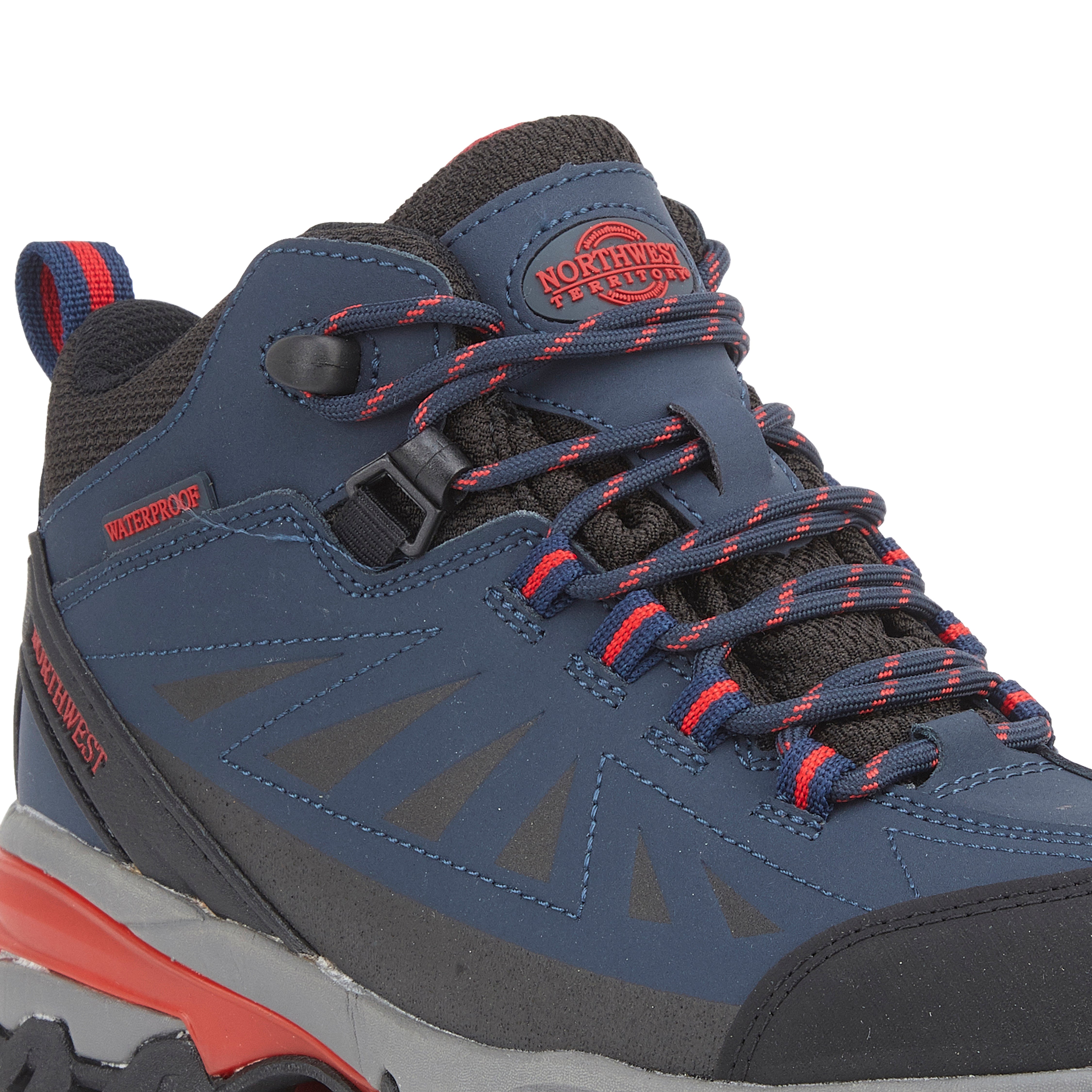
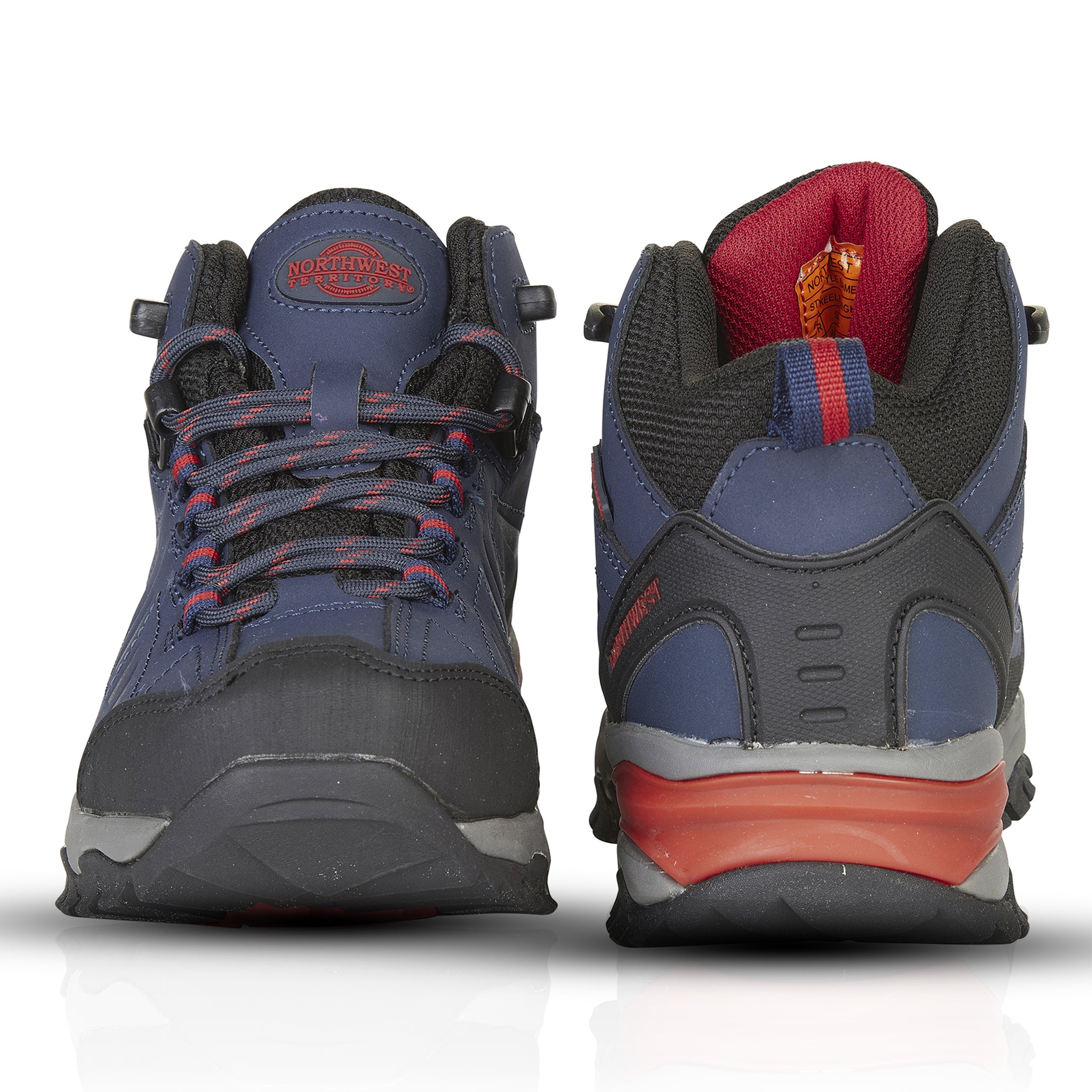
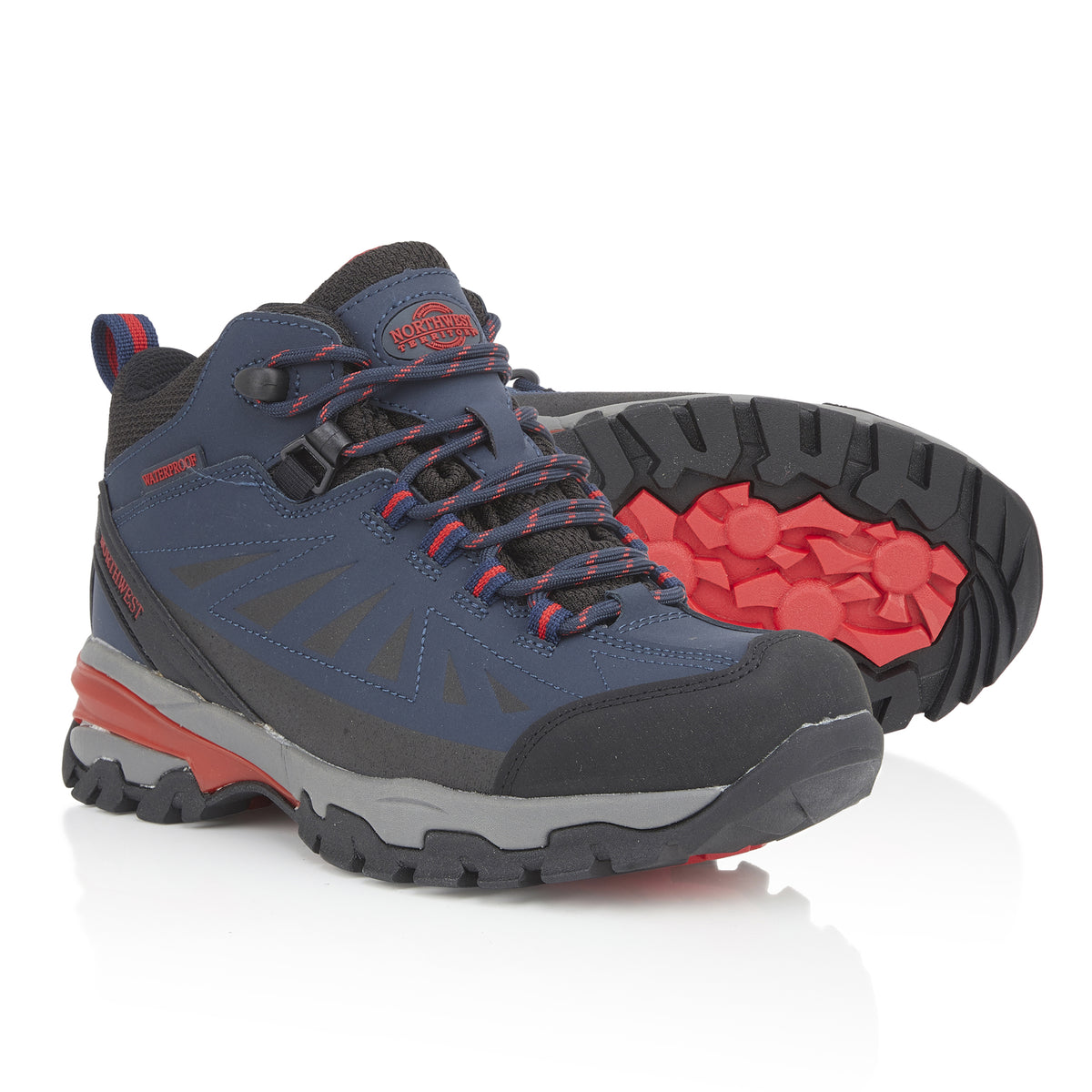
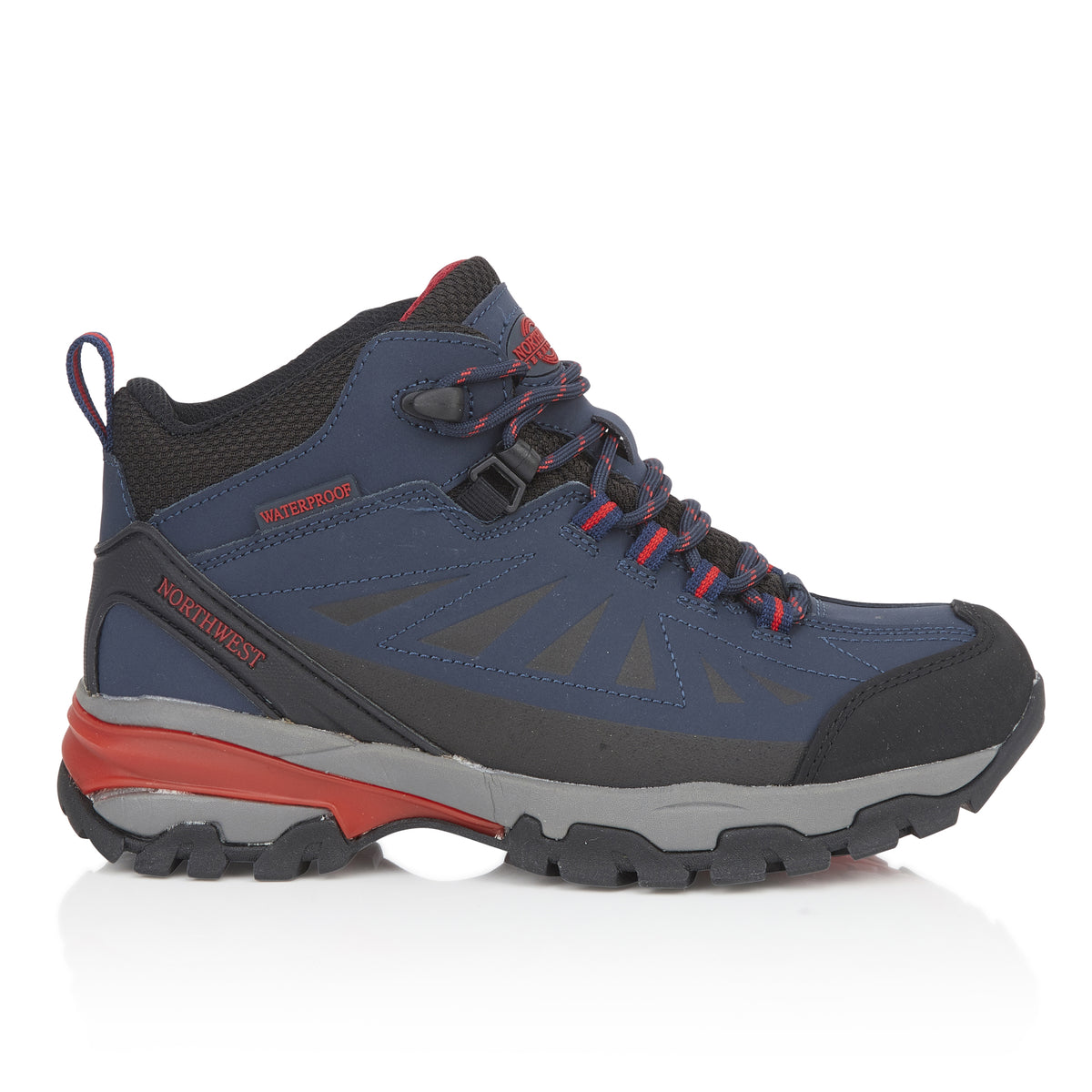
Walking boots
-
Hiking socks
That’s usually enough for most UK walks, whether you’re poking around woodland, following a National Trail, or spending the day up in the hills a bit.
Why keep it simple?
Because comfort matters more than lugging around a heap of gear. A lightweight layer you’ll actually wear is way more useful than some bulky jacket that spends the whole day jammed into your backpack.
Same idea for the rest of your hiking clothing. Pick pieces you’ll grab constantly when you walk, not only once a year.
Layers Beat One Heavy Jacket Every Time
British weather really likes to change its mind, like it doesn't have a plan. A cool start can suddenly turn warm weather, once you’ve been walking for about twenty minutes or so.
After that, the wind starts picking at you, like out of nowhere. Then it rains. That's why most walkers dress in layers.
Instead of one thick coat, wear a couple of lighter pieces that are easy to take off or put back on. It makes the whole day far more comfortable.
A simple layering system
Next to your skin
-
Breathable t-shirt or long-sleeve top
Middle layer
-
Fleece or lightweight jumper
Outer layer
-
Waterproof jacket
That's really all most people need. When people search for hiking clothes, what to wear, they're often expecting a long shopping list. In reality, it's usually the basics that get worn the most.
Why More Walkers Are Choosing Lightweight Backpacking Clothes
Think about carrying a backpack for four or five hours.
Every extra layer adds weight, and every heavy item takes up space. That's one reason lightweight backpacking clothes have become so popular. They don't just save weight.
They also:
-
Dry more quickly
-
Pack down smaller
-
Feel easier to walk in
-
Make layering much simpler
If you're buying new backpacking clothes, these are the features worth paying attention to. Fancy extras rarely matter as much once you're actually out walking.

Are Trekking Trousers Really Worth Buying?
A lot of people start walking in jeans. A lot of people stop walking in jeans after one wet weekend. Denim isn't made for muddy fields or damp footpaths. Once it's wet, it stays wet.
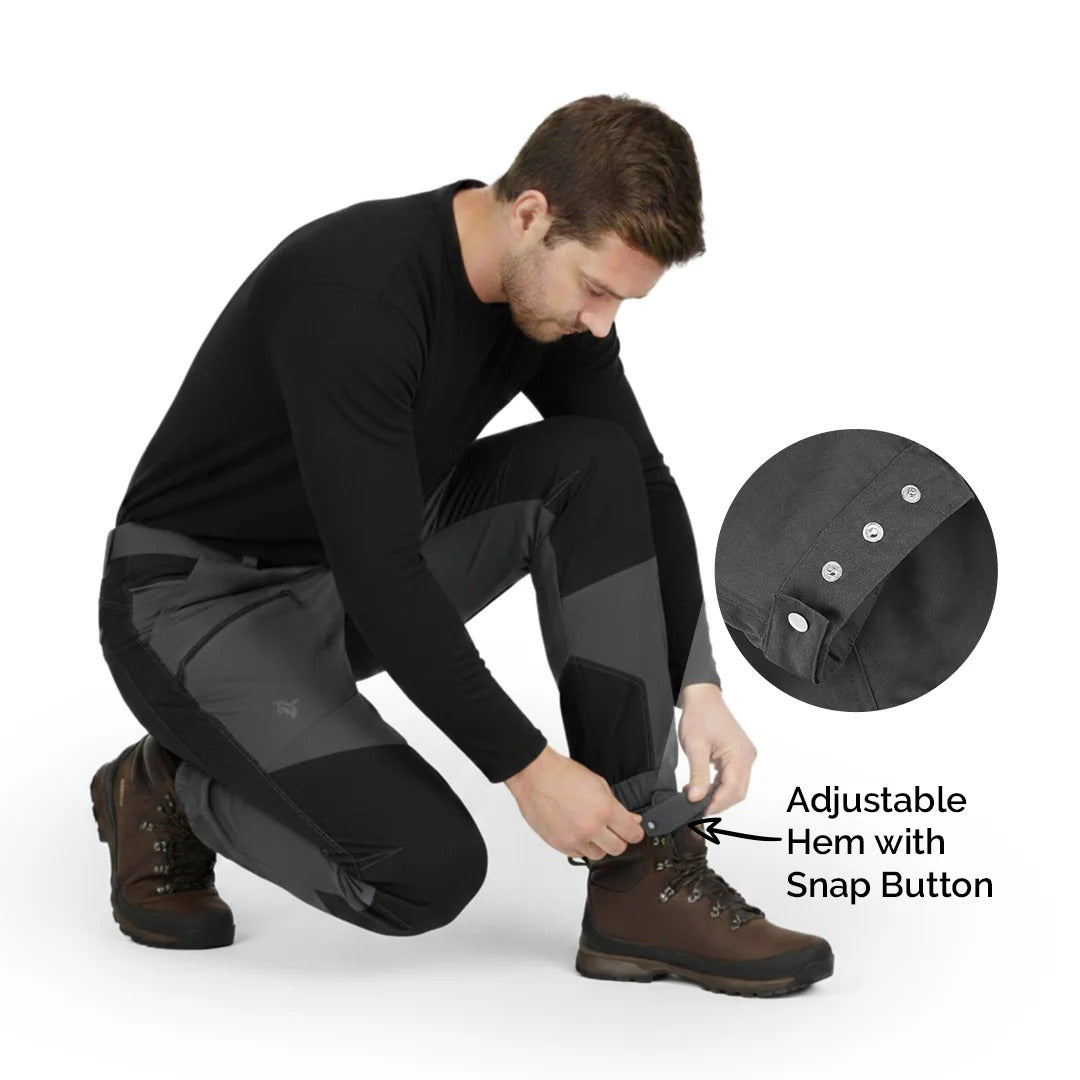
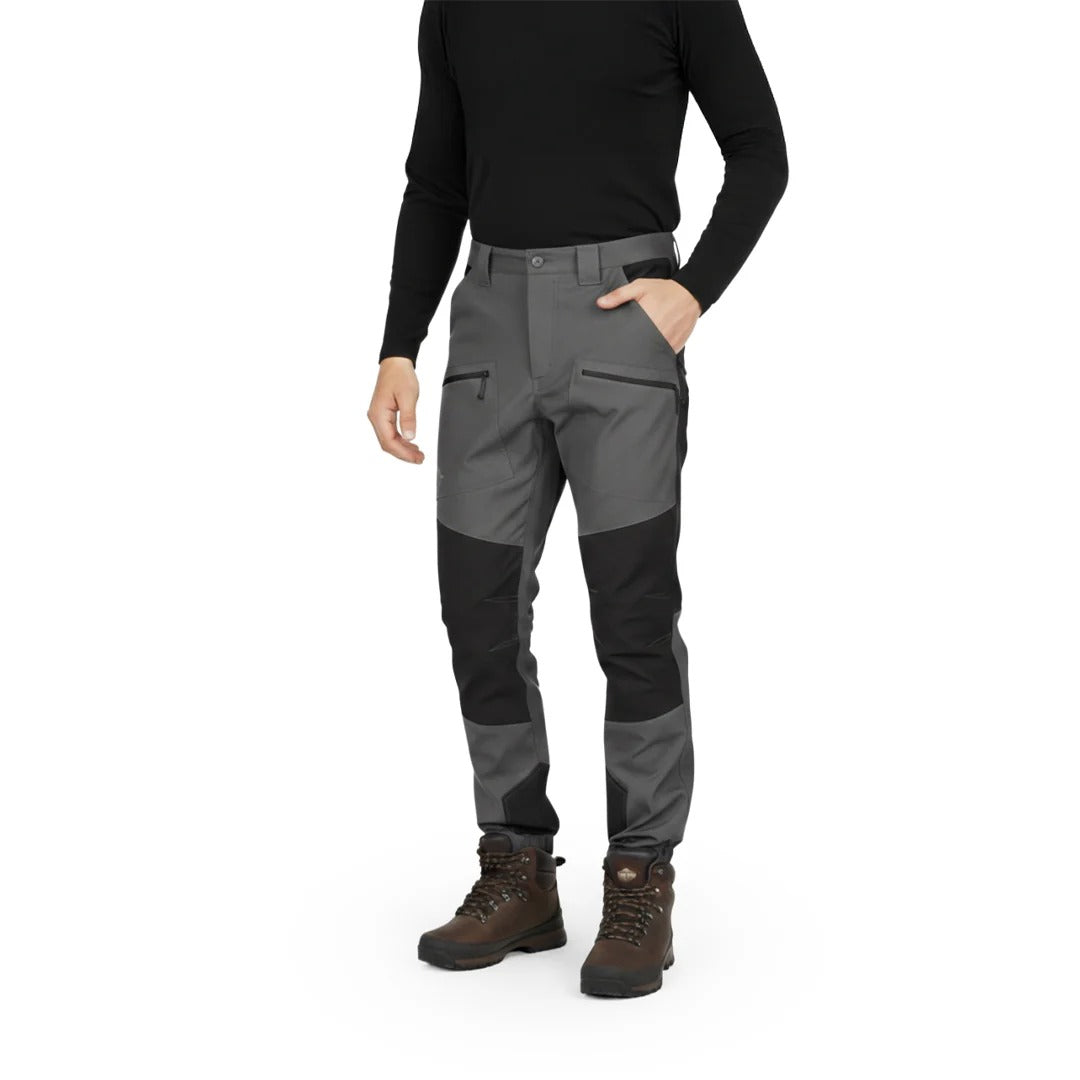
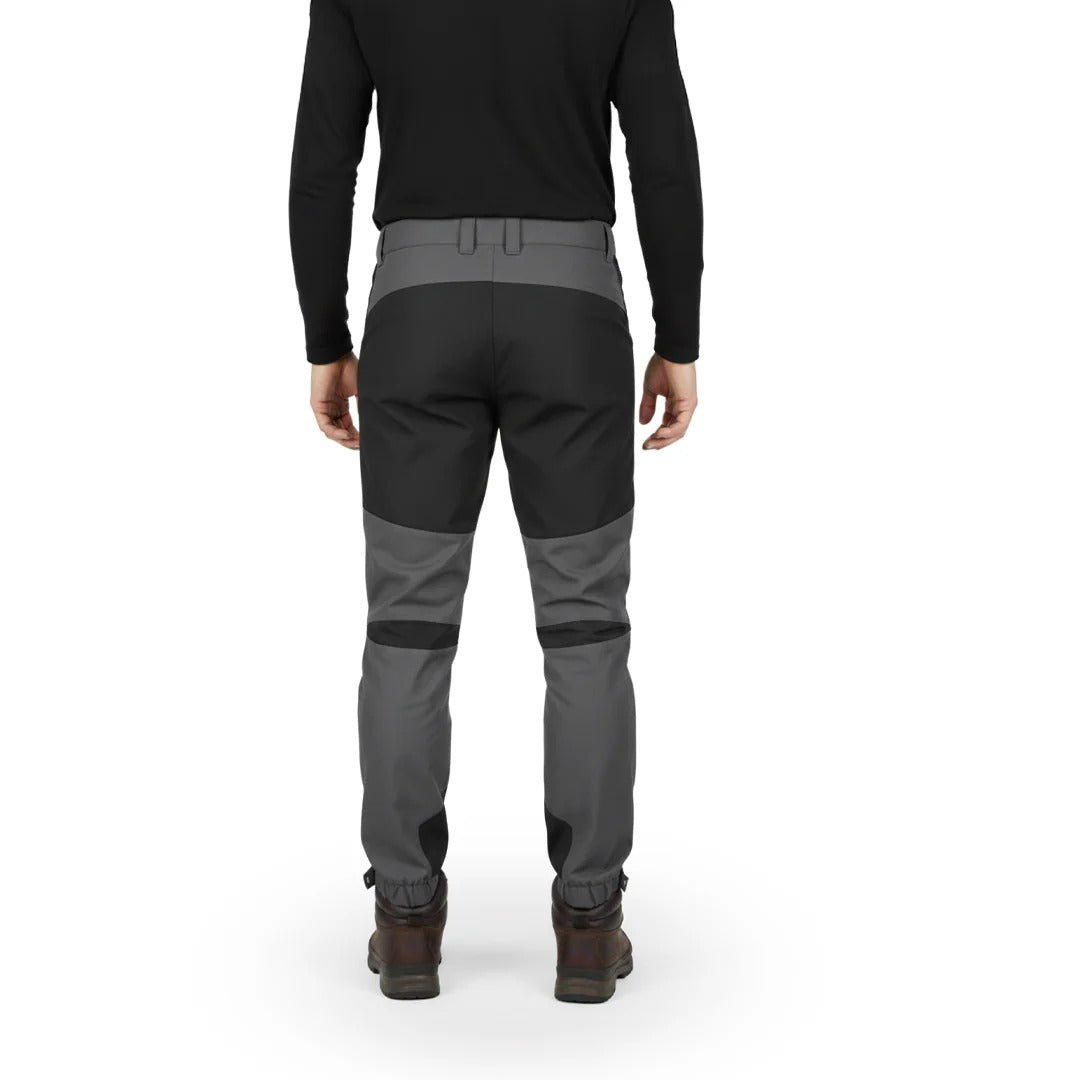
Trekking trousers are a different story. They're built for moving. They dry much faster and don't feel heavy after a few hours outside.
Why regular walkers prefer them
-
Better freedom of movement
-
Quicker-drying fabric
-
More comfortable on longer walks
-
Easier to wear in changing weather
One pair we regularly recommend is our Ridgeline Men's Trekking Trouser.
It's the sort of trousers that work just as well for a local woodland walk as it does for a full day in the Peak District. Nothing flashy, just comfortable, practical and easy to wear.
A Quick Hiking Outfit Guide Before You Leave Home
|
Item |
Why You'll Be Glad You Packed It |
|
Breathable top |
Keeps you comfortable as you warm up |
|
Waterproof jacket |
The weather changes quickly in the UK |
|
Mid-layer |
Easy to add if it turns cooler |
|
Trekking trousers |
Lighter and quicker to dry than jeans |
|
Walking boots |
Better grip on uneven ground |
|
Hiking socks |
Help keep your feet comfortable |
|
Small backpack |
Water, snacks and spare layers all in one place |
You don't need to buy everything in one weekend.
At Northwest Territory, we’ve always kind of believed that the best walking kit gets shaped over time. You start with the essentials, you kind of see what holds up for the walks you enjoy most, then you add to it as your adventures start to grow.
Do You Really Need Walking Boots?
It kind of depends on where you’re walking, honestly. Like, if it’s a dry park path for about an hour, then those comfortable trainers should probably do the job, no big deal.
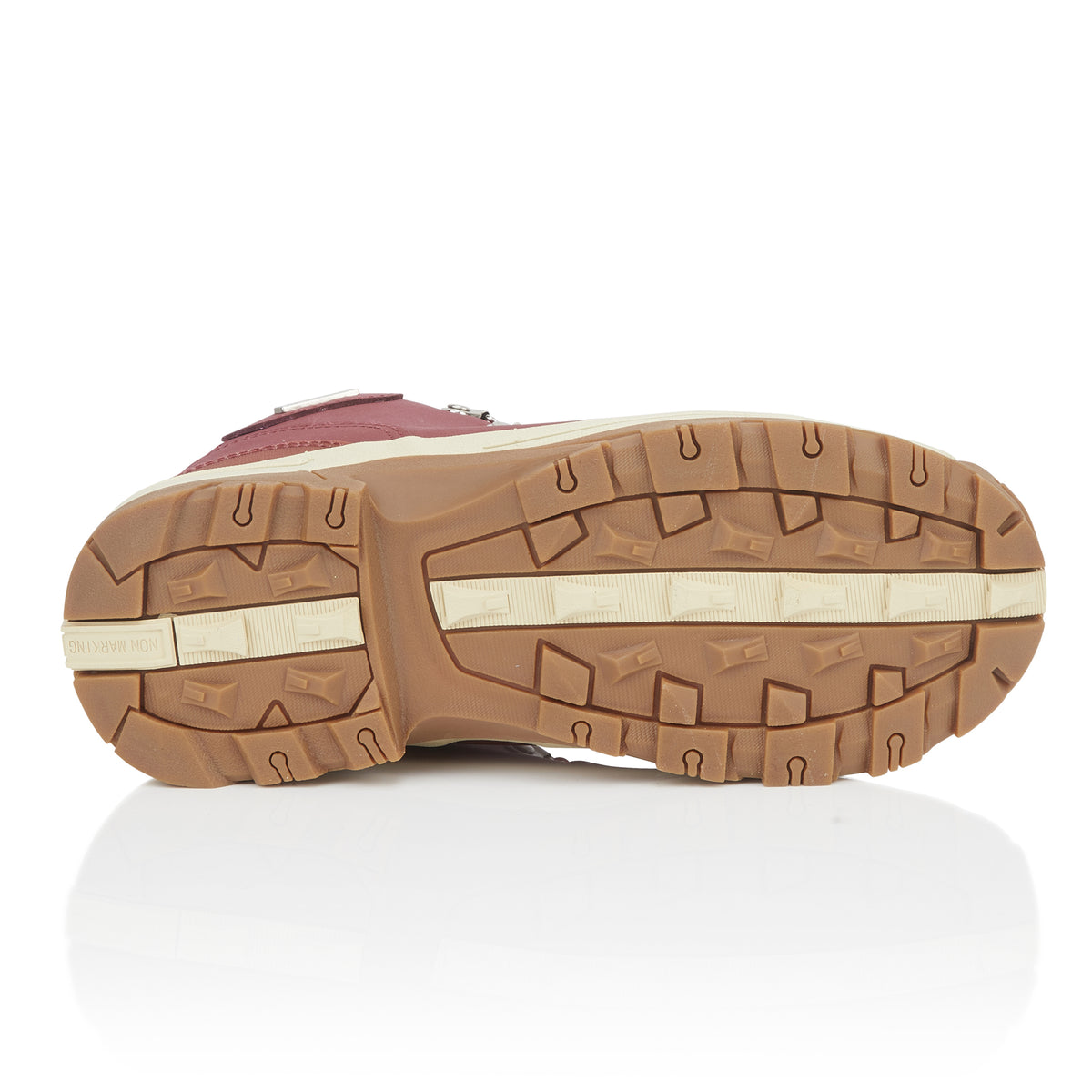
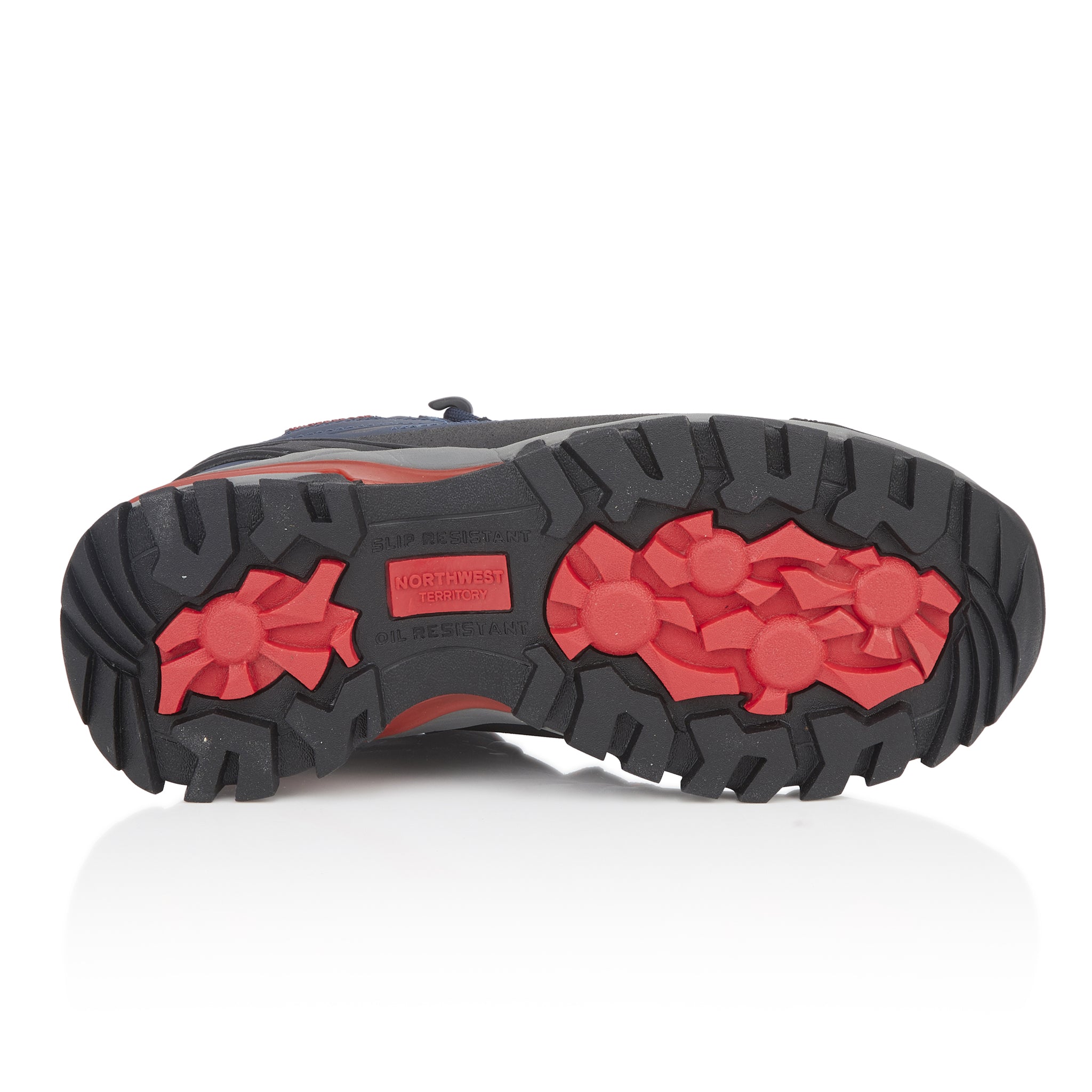
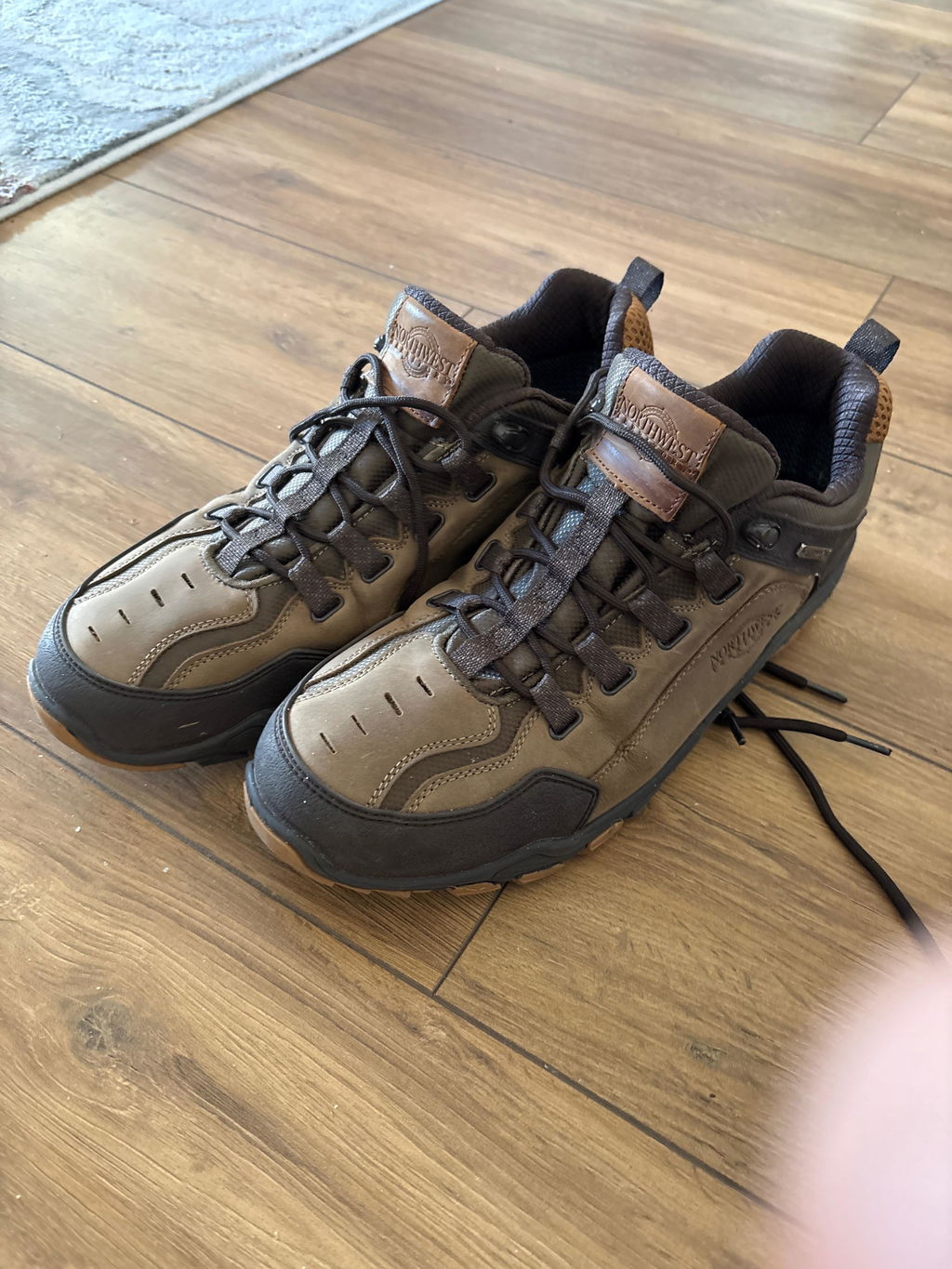
But if you’re moving onto muddy tracks, rough-ish rocky paths or uneven ground, yeah, that’s a different story altogether. That’s when proper walking boots start earning their place.
Not because they look more "outdoorsy" but because they help you feel steadier when the ground isn't.
Good walking boots help with:
-
Better grip on muddy paths
-
More support on uneven ground
-
Keeping your feet dry in wet conditions
-
Feeling less tired on longer walks
One thing we've noticed over the years is that people rarely buy proper boots after a perfect walk. They buy them after one where trainers let them down.
Which Walking Boots Should You Choose?
There isn’t just one pair that’s right for everyone; it’s a bit more… personal than that.
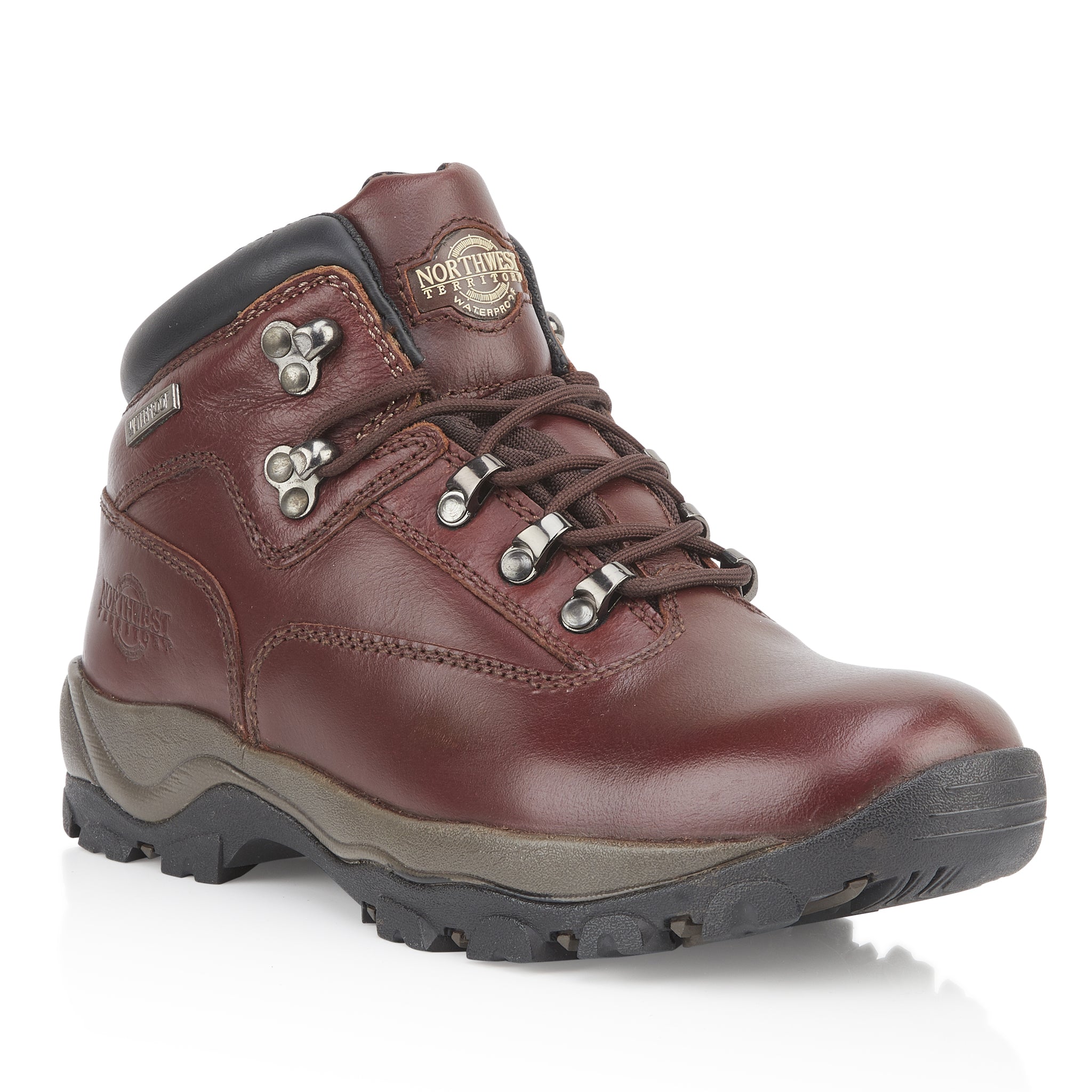
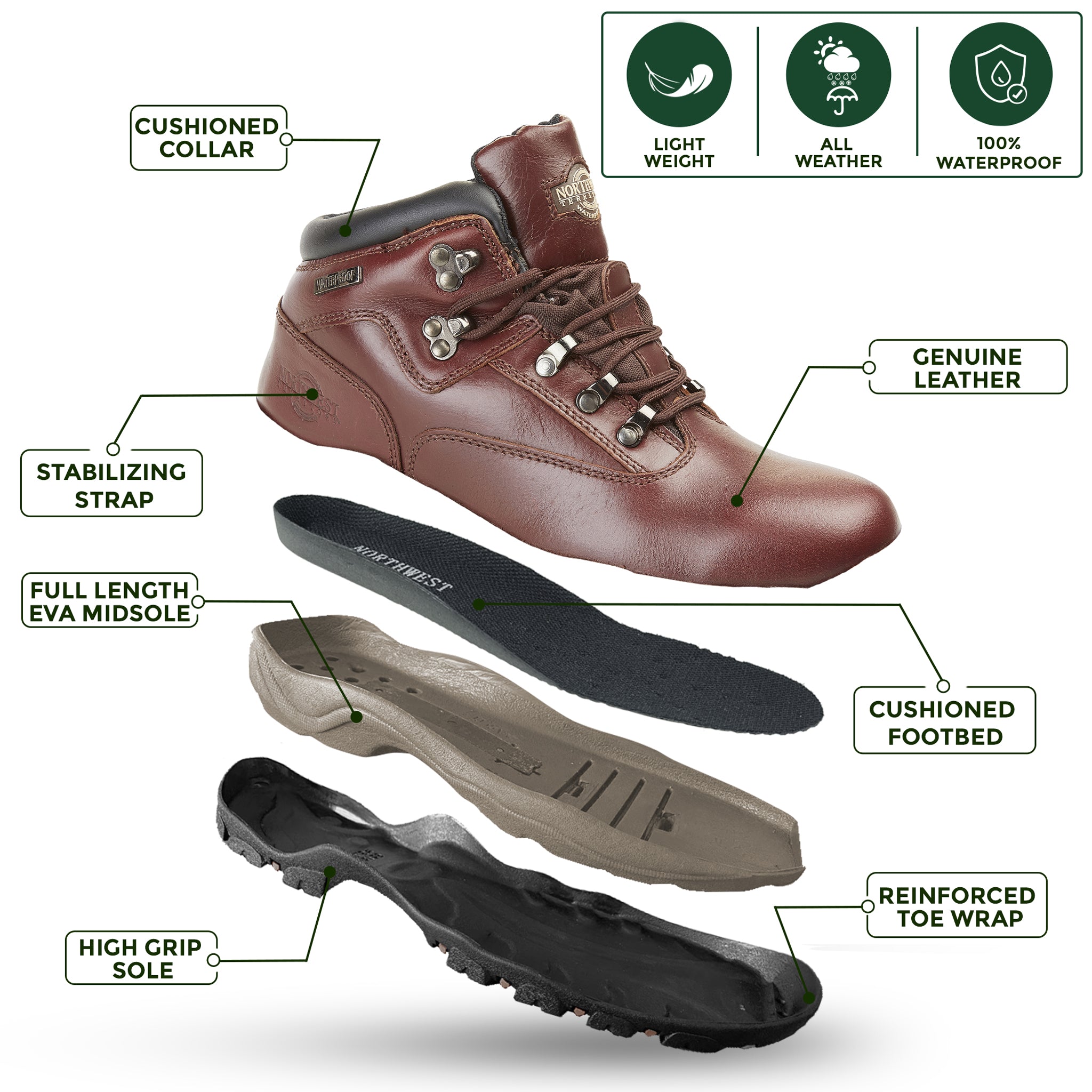
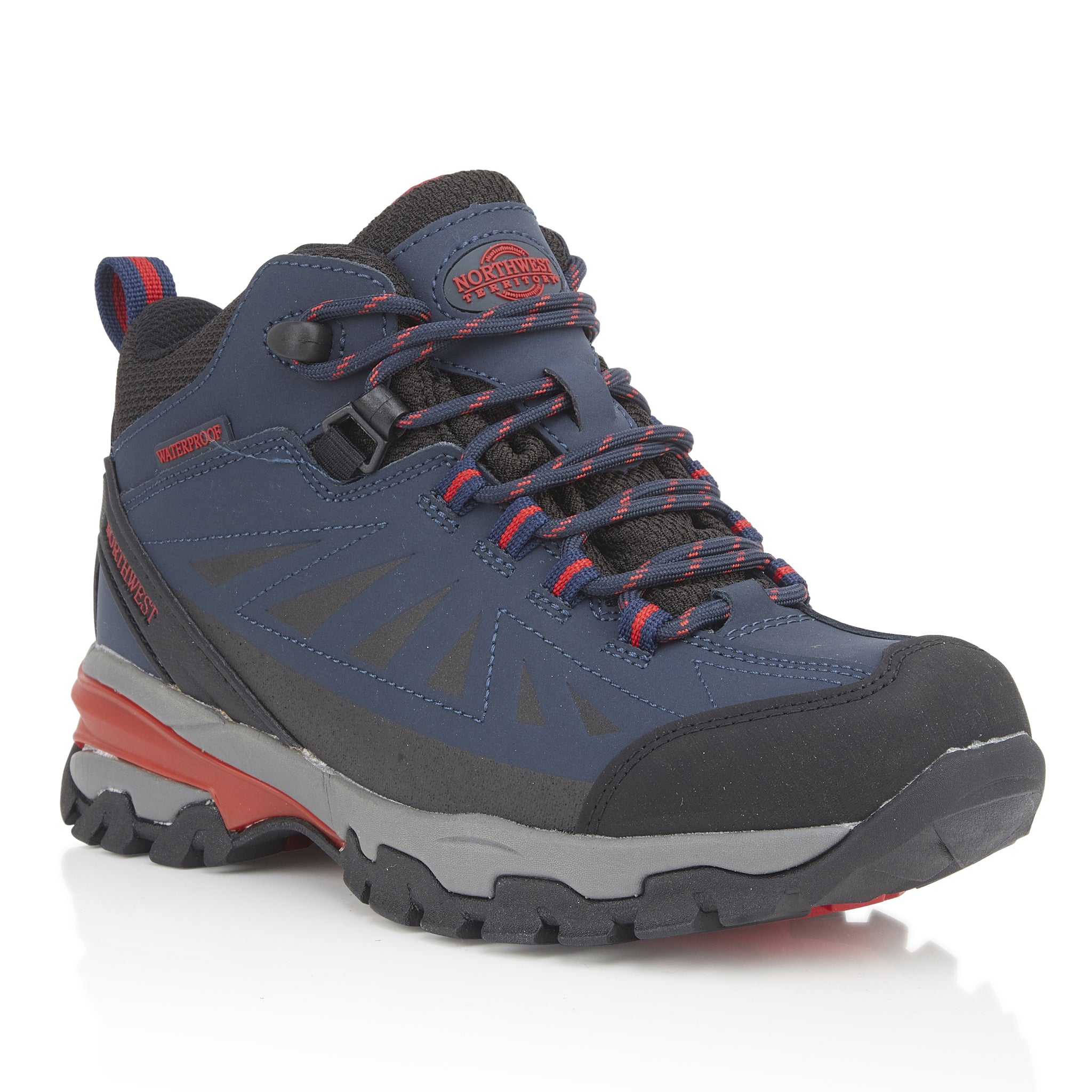
Think about the kind of walks you really get out for, day to day. If most of your walks are in autumn or winter, then our Everest Men’s Leather 3M Thinsulate Waterproof Hiking Boots are made for the colder, wetter weather. They help keep your feet warm without feeling too thick or bulky, so if you like to wander straight through the colder months, these are a solid pick.
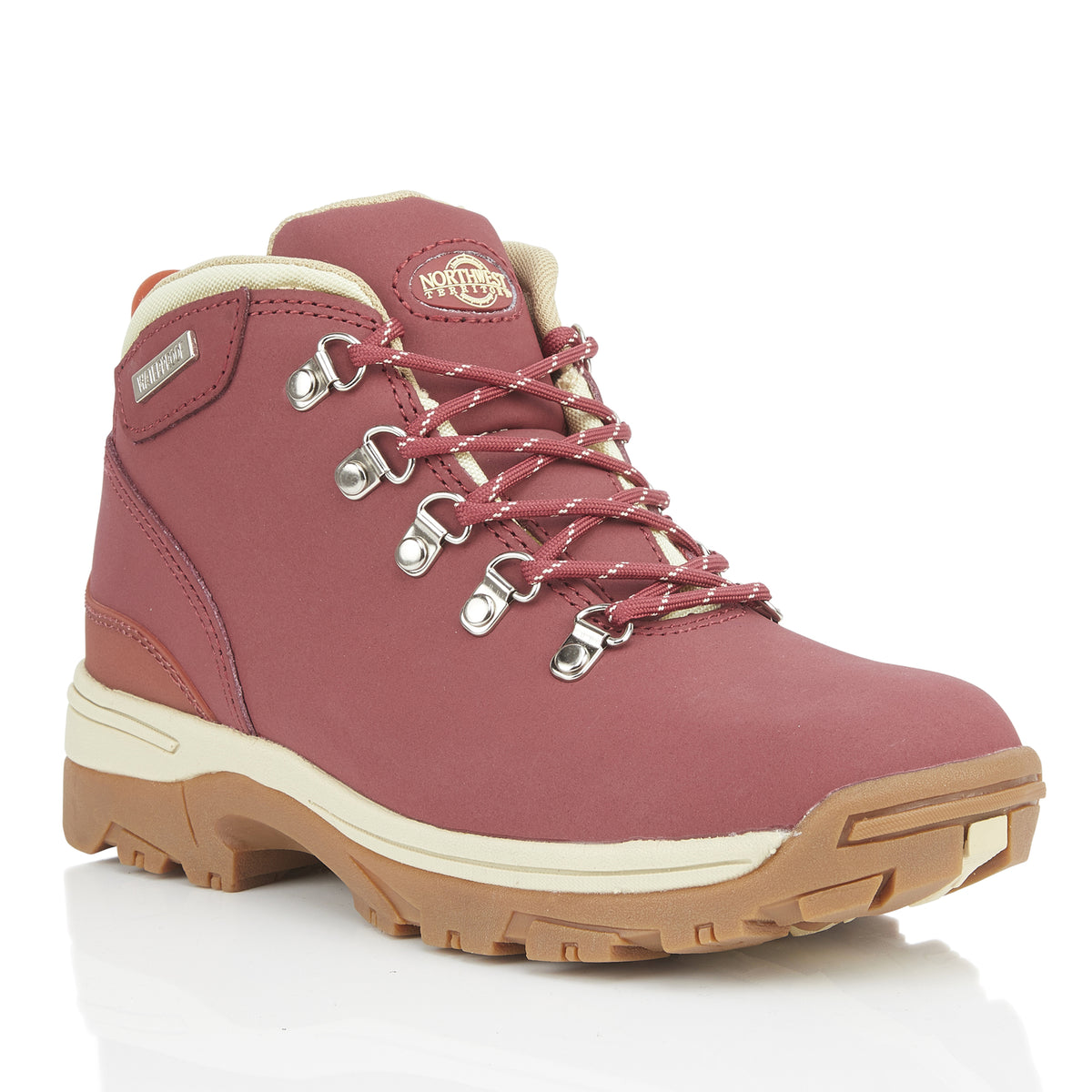
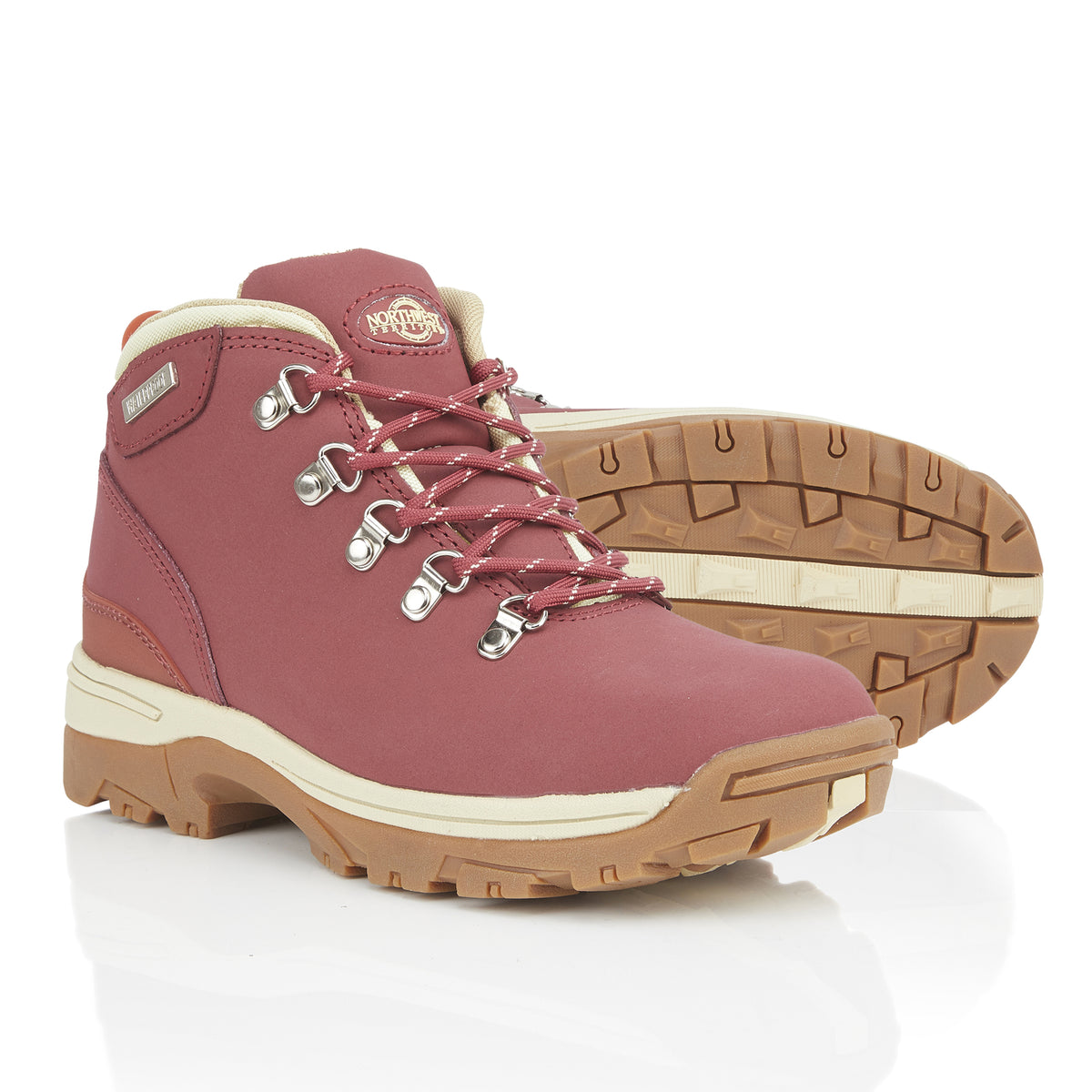
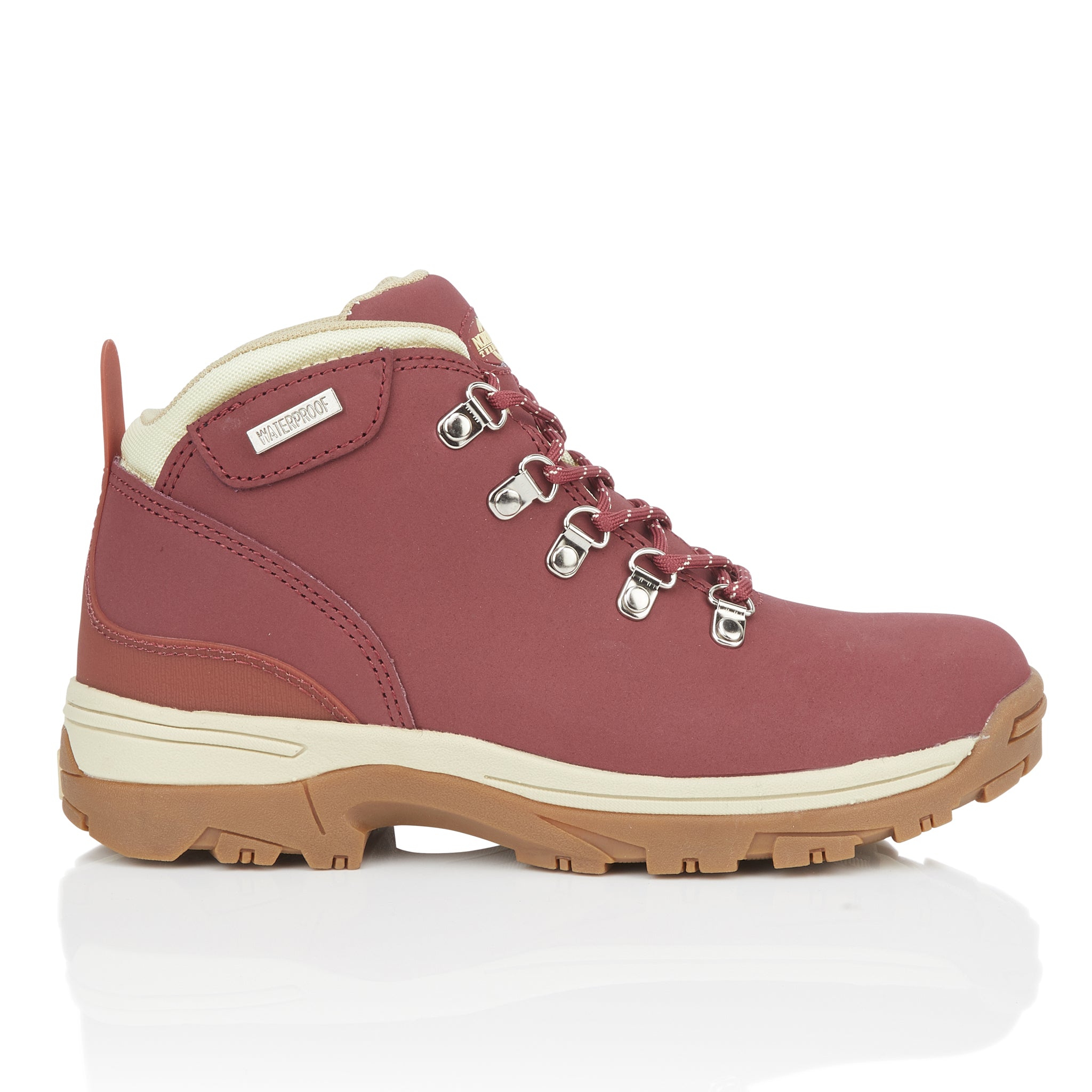
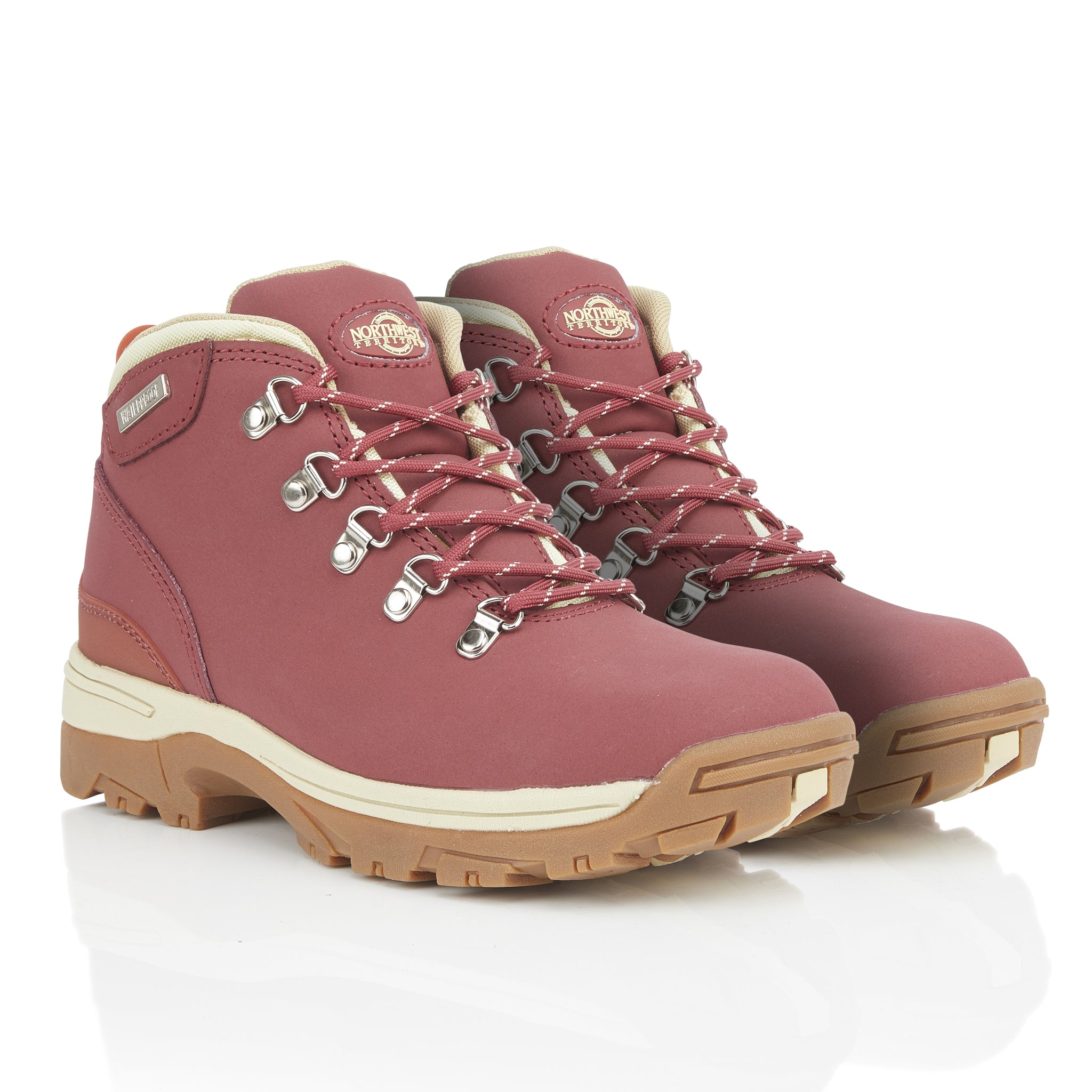
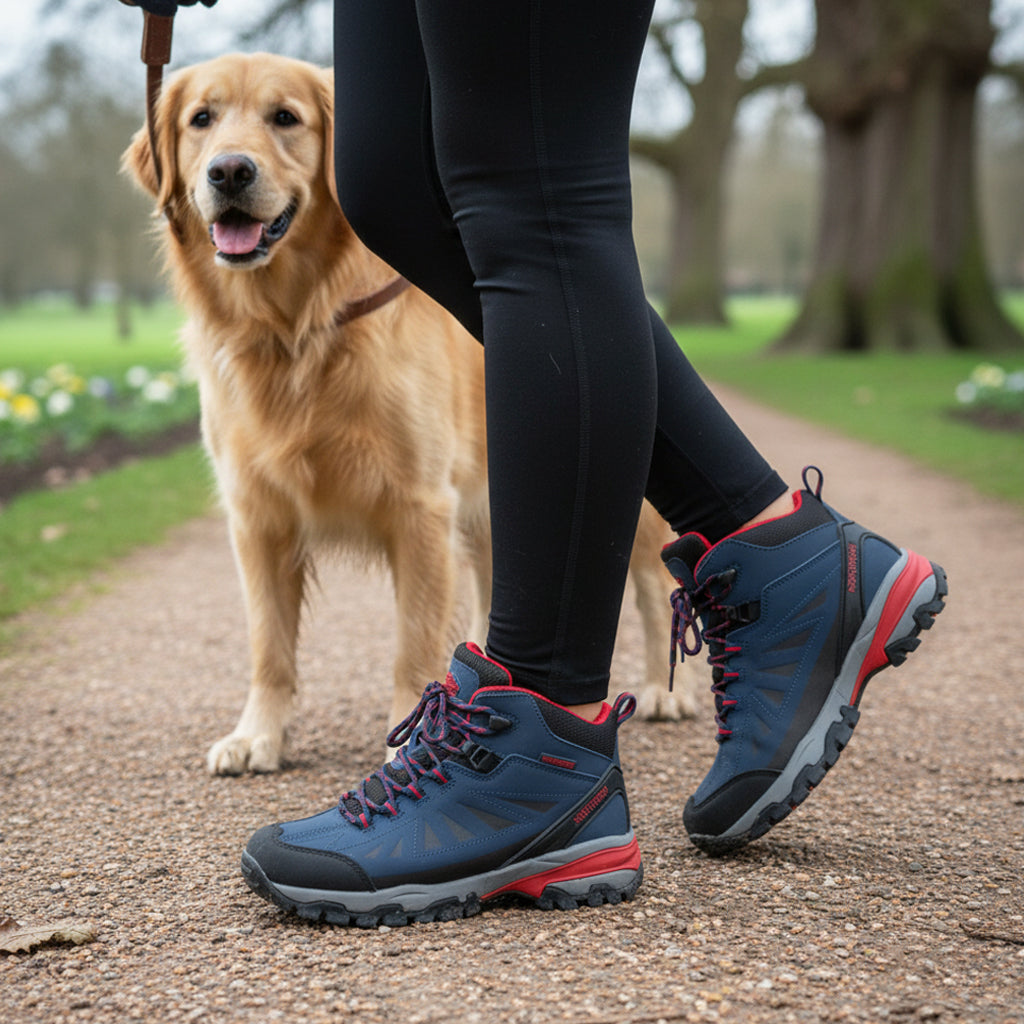
But if you tend to go for countryside routes and those weekend walks. The Hewitt Women’s Leather Waterproof Walking Boots are a dependable choice. They’re comfy enough for everyday use, and they fit everything from quiet woodland paths to longer countryside rambles.
Basically, they’re not the boots you leave in the cupboard, waiting for some special kind of moment. They become your go-to pair.

Don't Make This Mistake With Your Socks
People spend ages choosing boots. Then, put on the first socks they run into. This kind of thing happens all the time. The trouble is that normal socks weren’t made for sitting for hours in heavy walking boots.
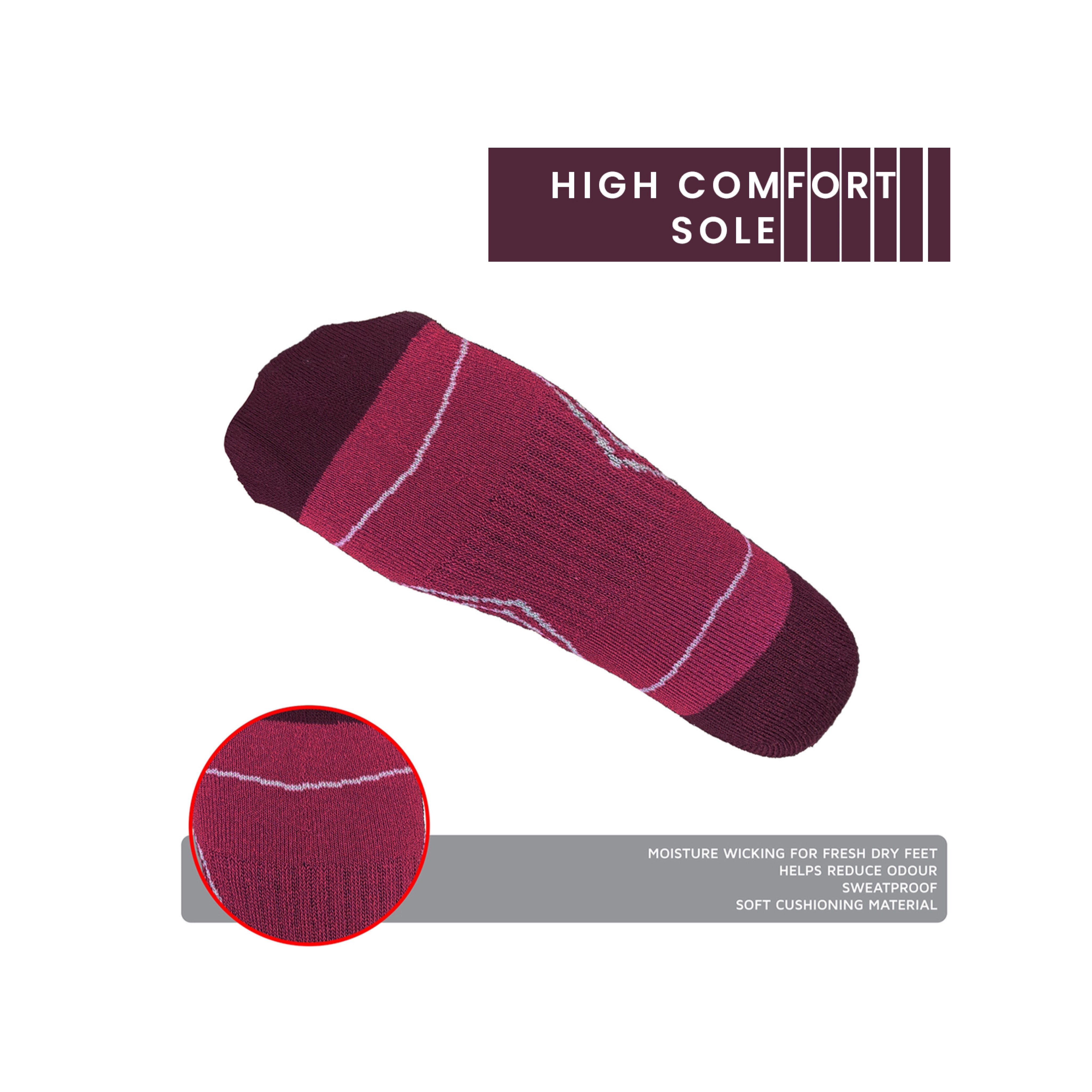
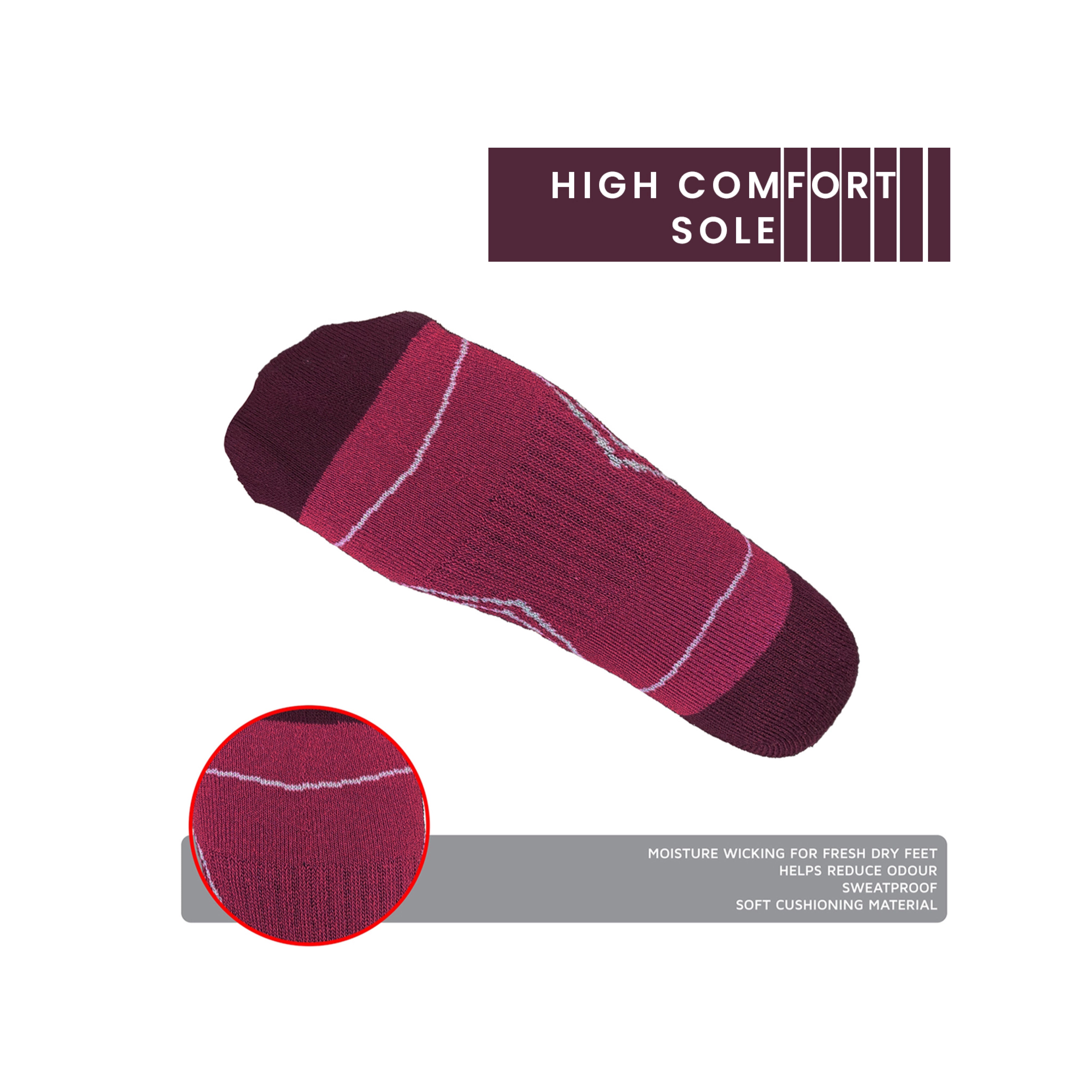
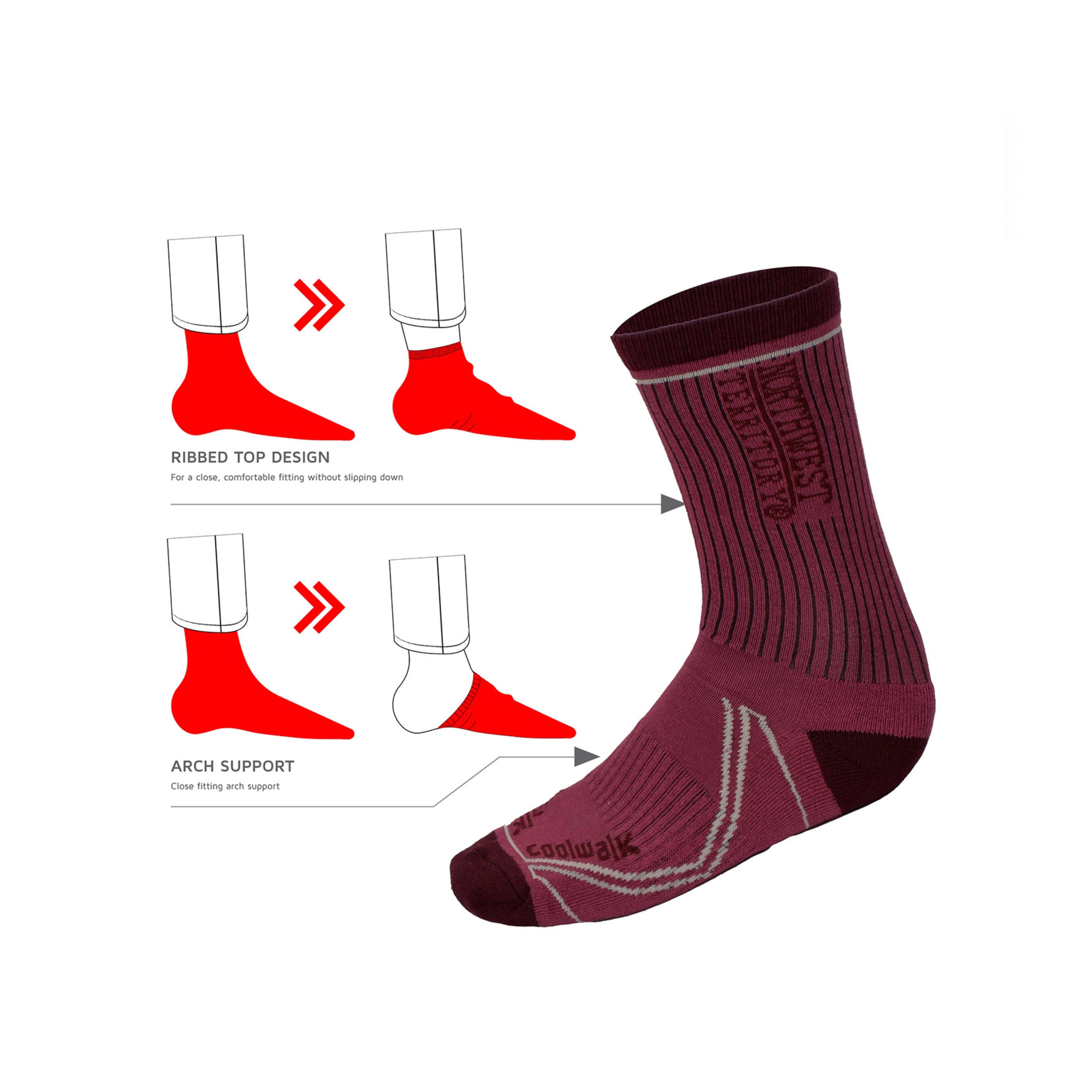
Proper hiking socks help in a way like this:
-
Reducing rubbing
-
Managing moisture better
-
Adding a little extra cushioning
-
Keeping your feet more comfortable over longer distances
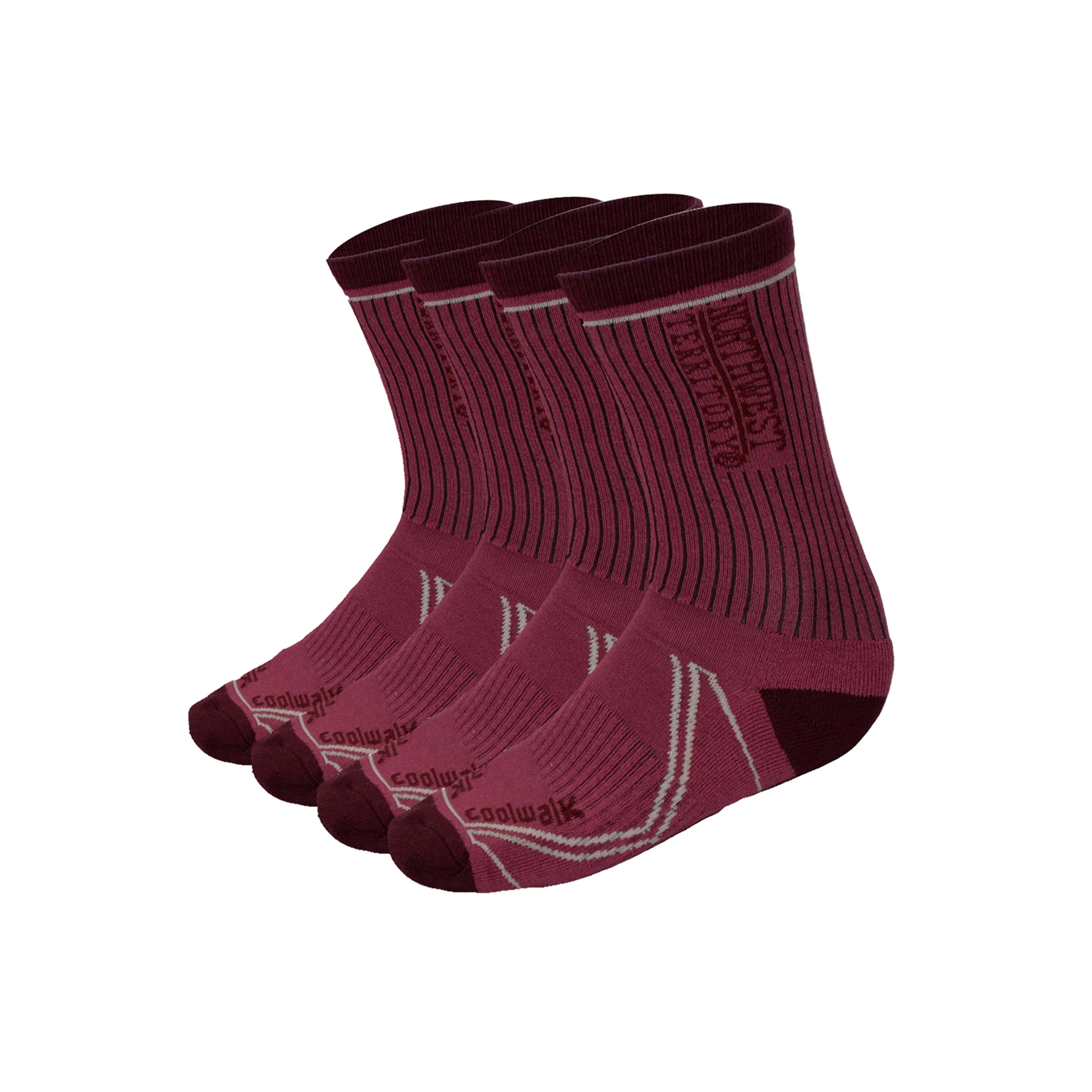
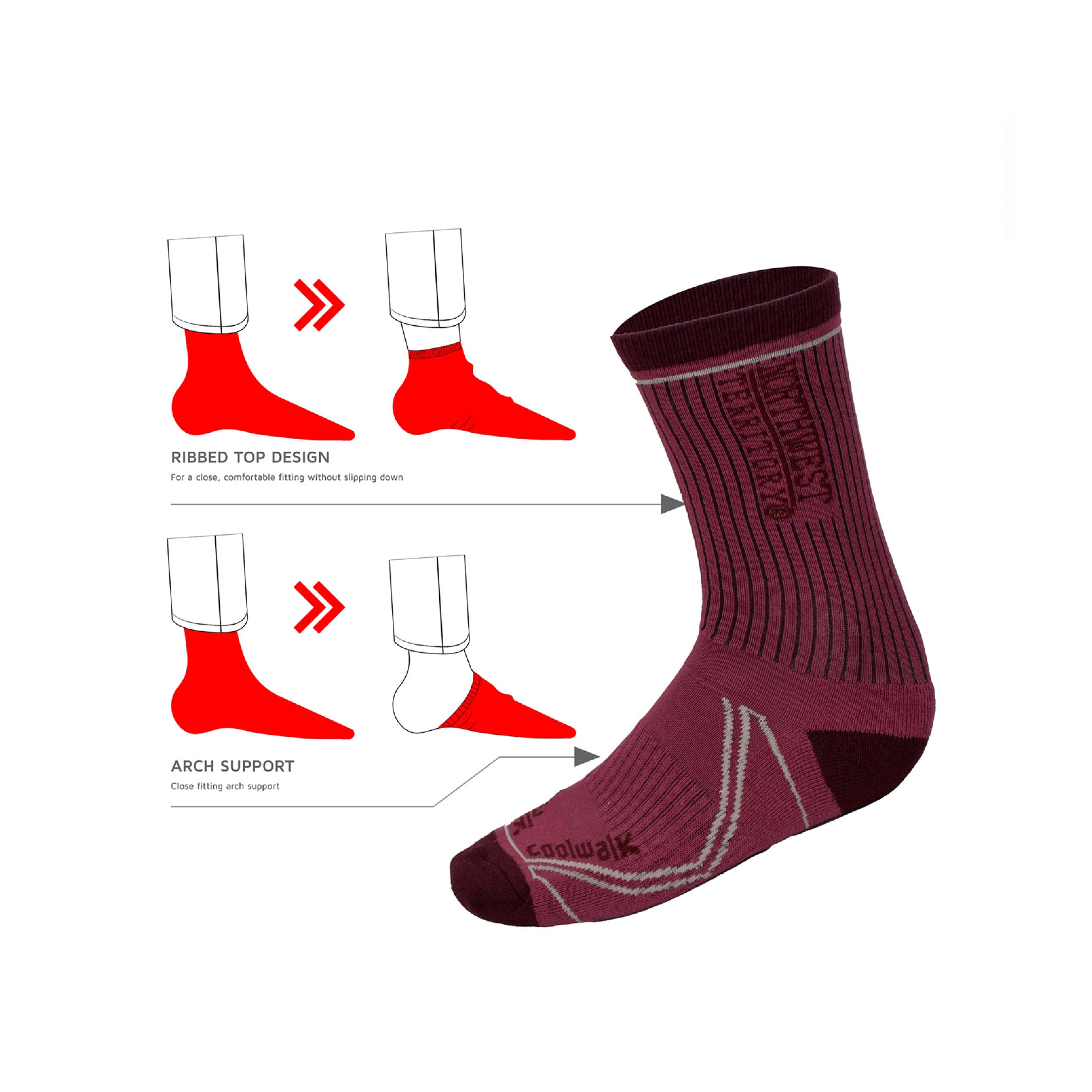
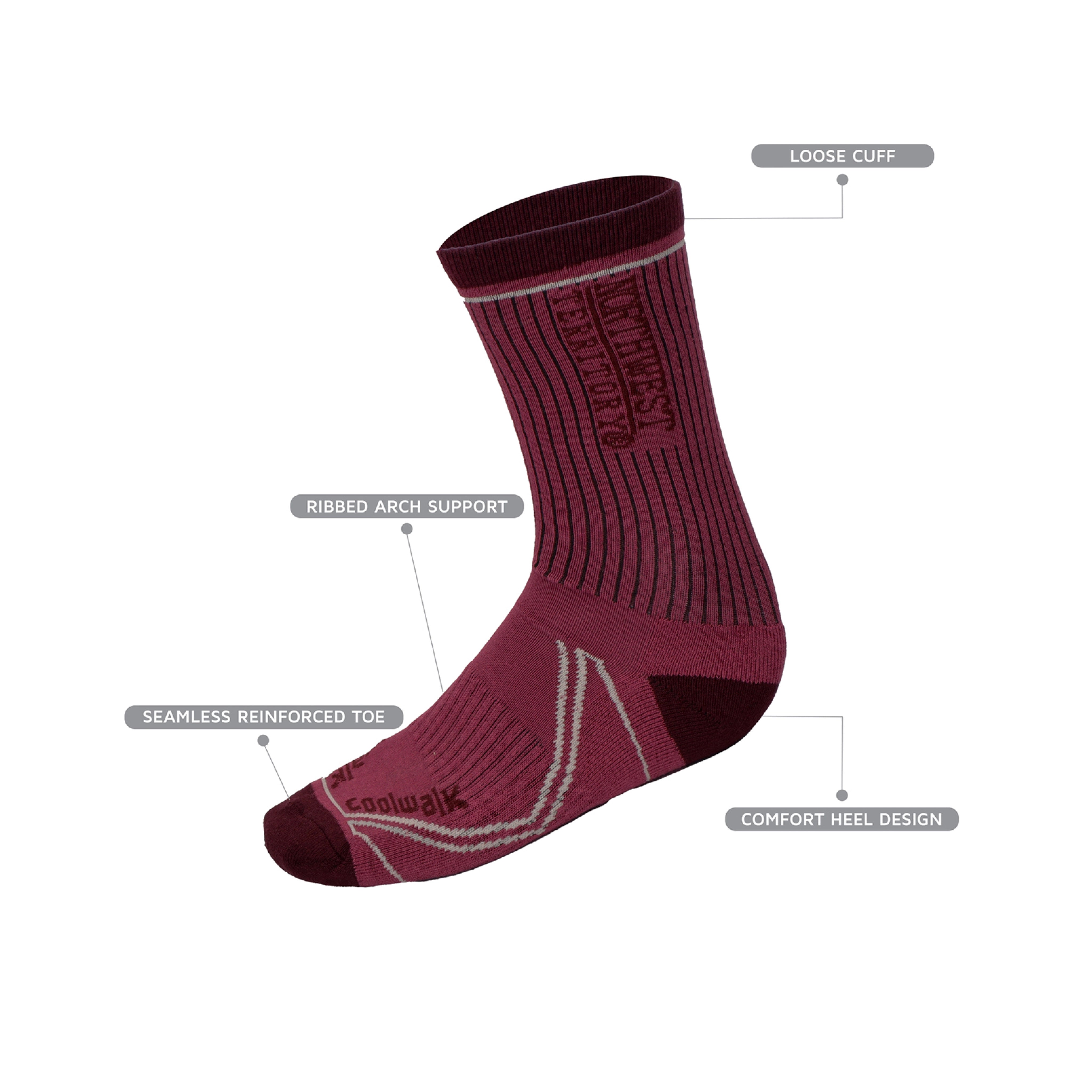
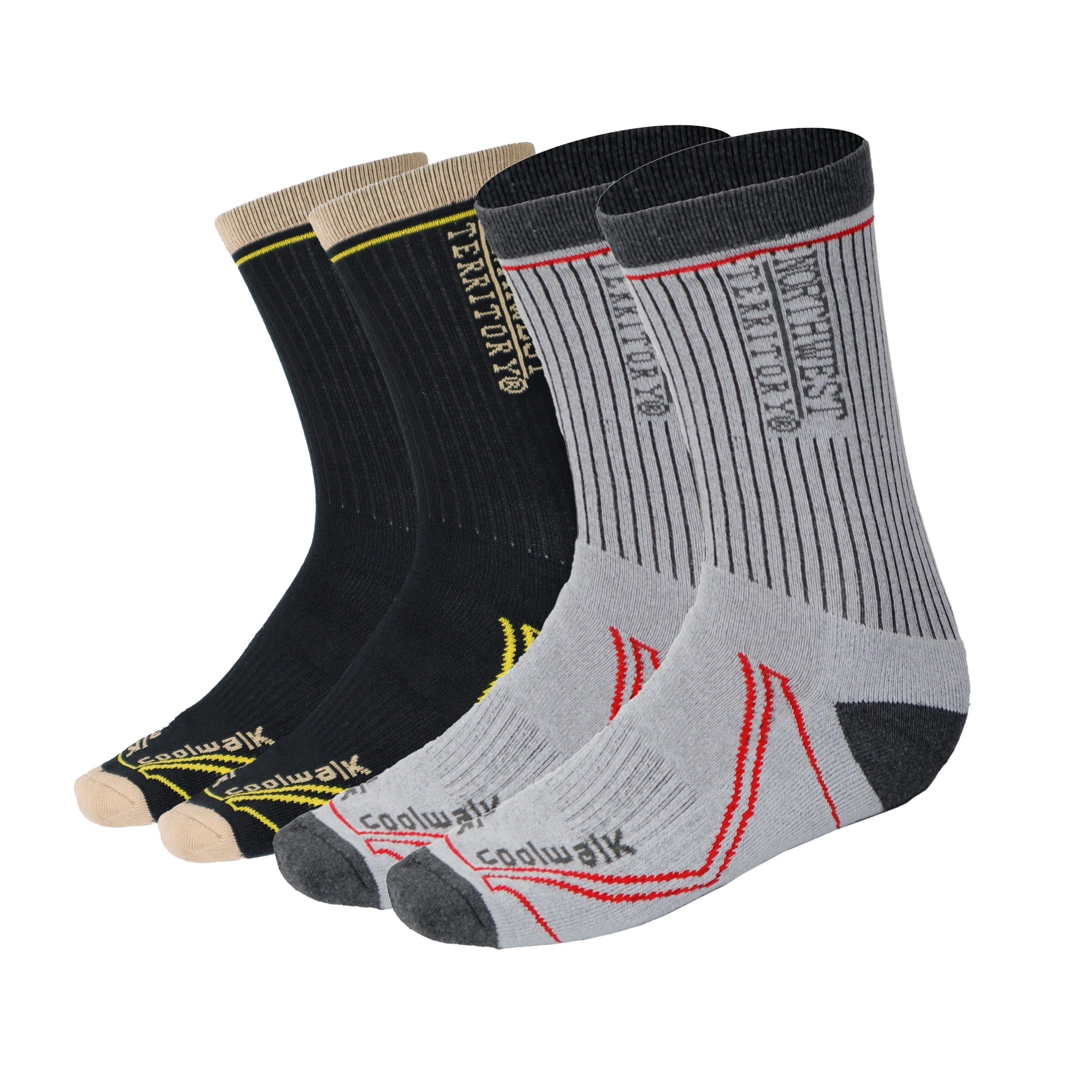
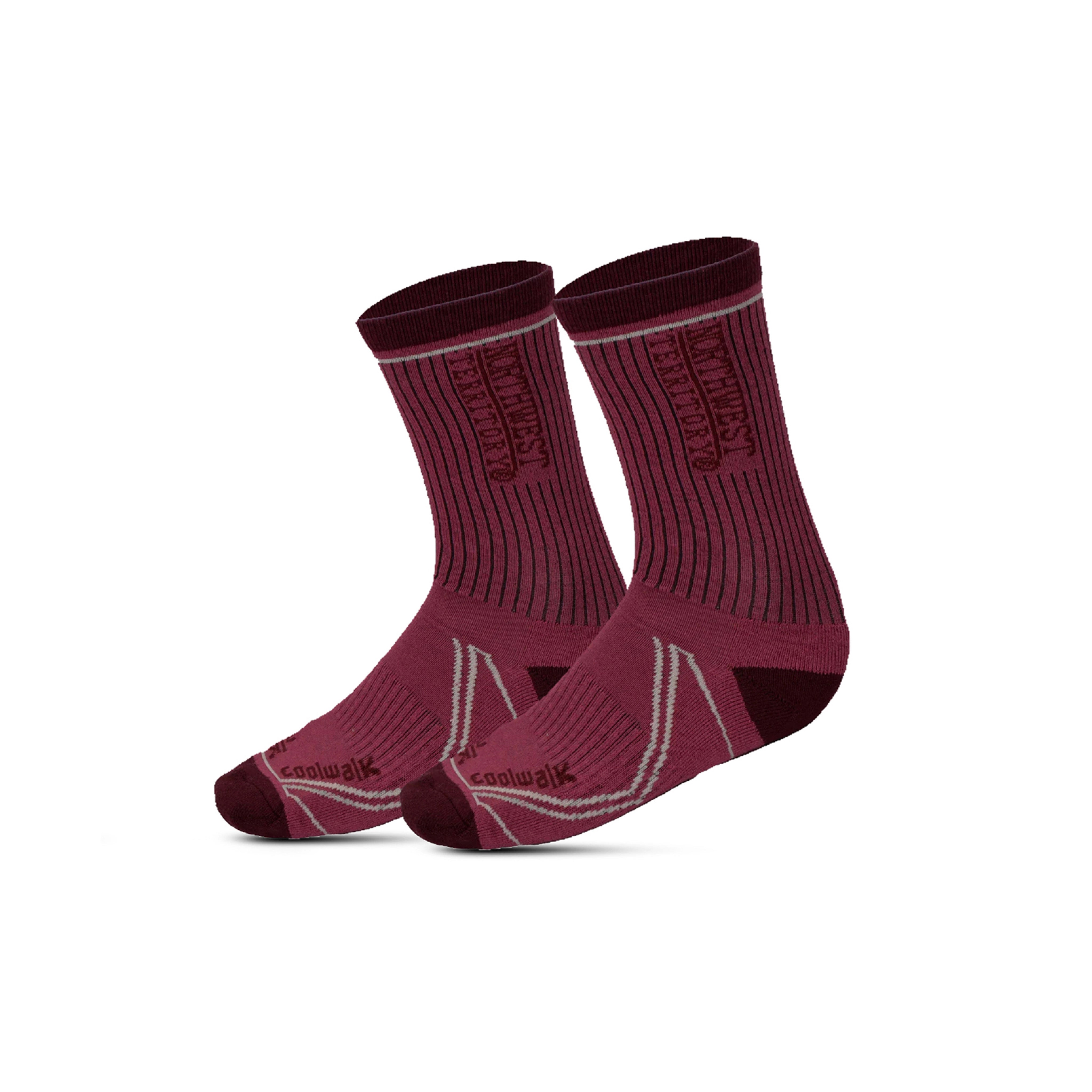
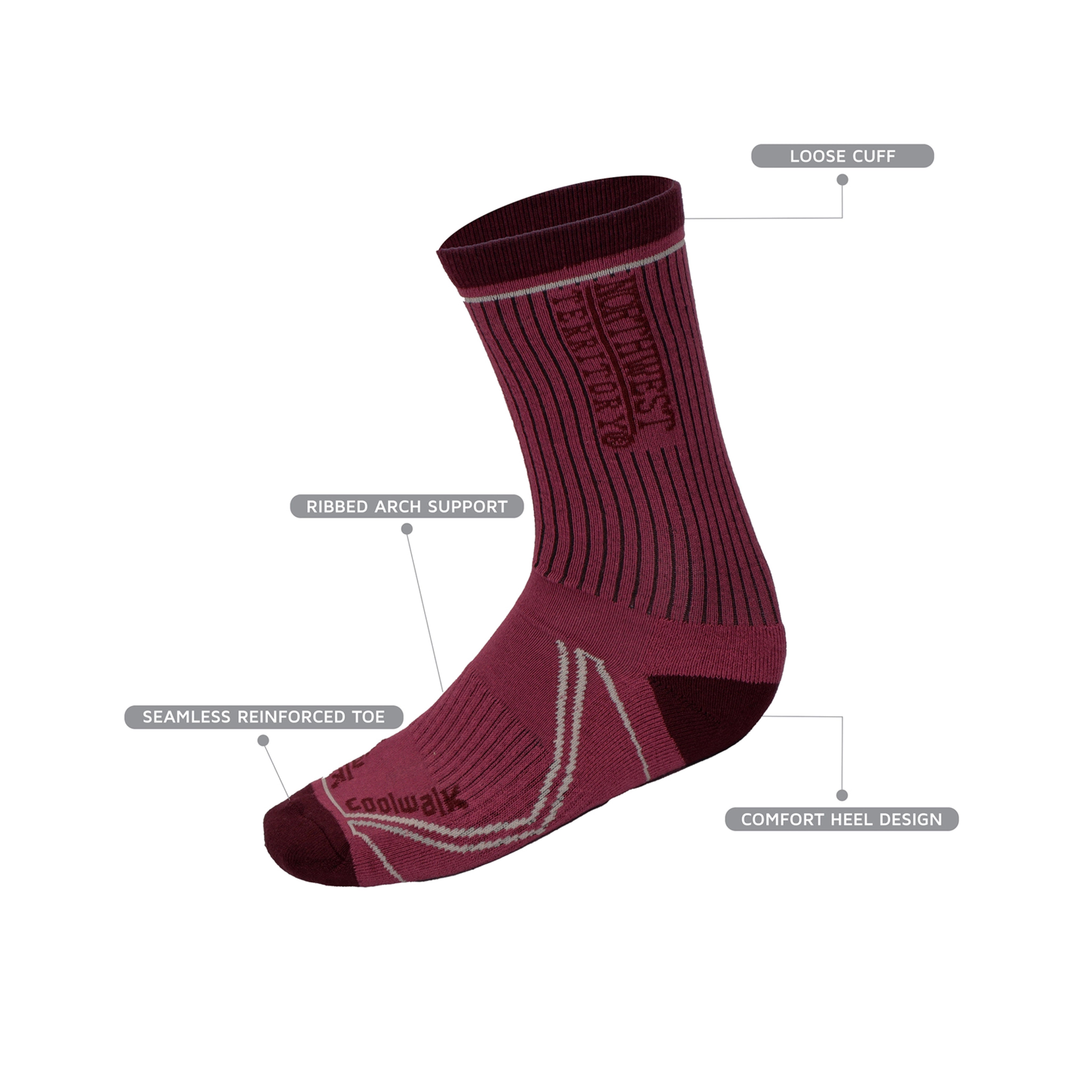
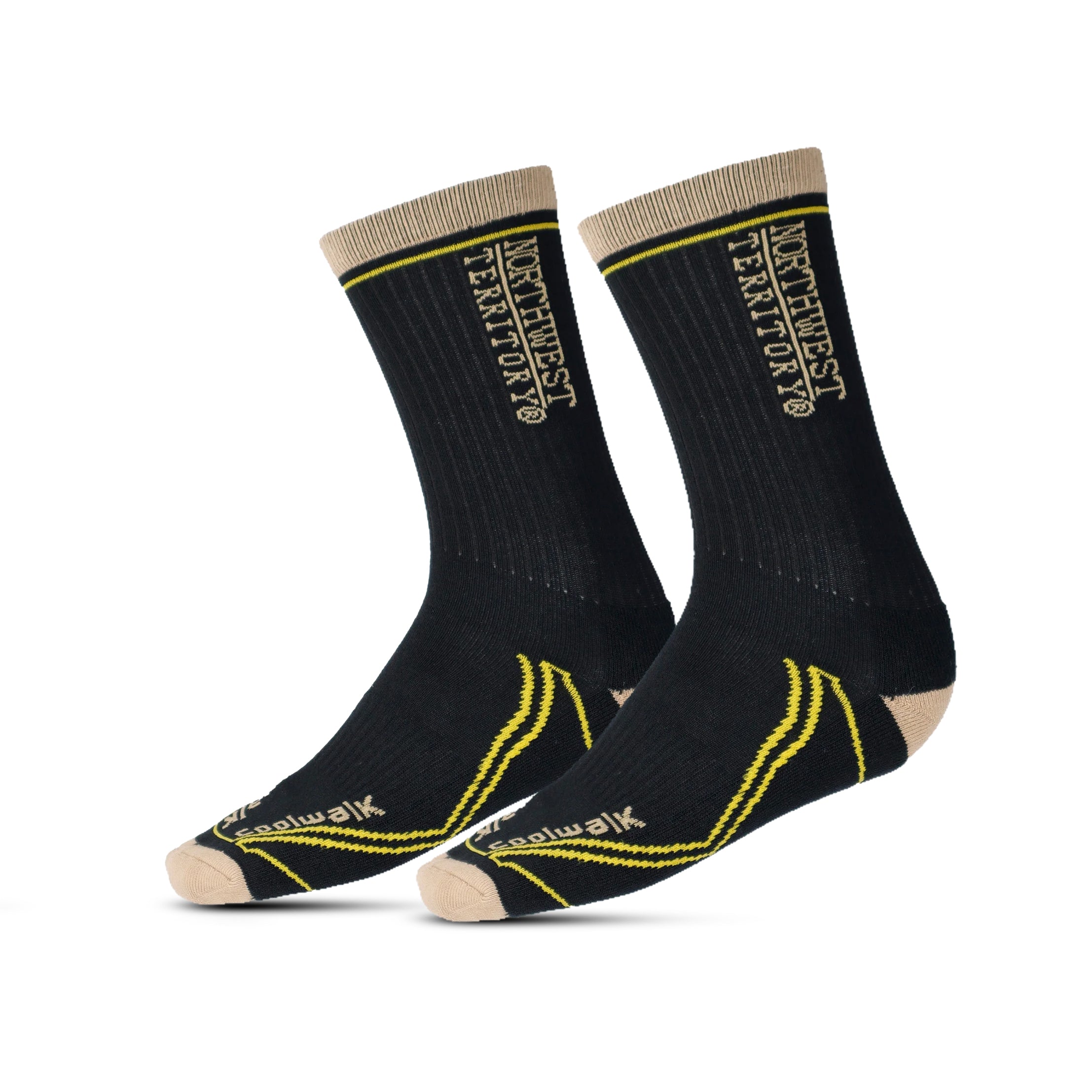
Our Coolwalk Men's Socks are one of those bits of kit people often overlook. Then they try them. After that, they usually don't go back to everyday socks for longer walks.
What Should Go in Your Backpack?
You don't need loads. For most UK day hikes, you'd pack:
Essentials
-
Water
-
Snacks or lunch
-
Waterproof jacket
-
Spare layer
-
Phone
-
Portable charger
-
Small first aid kit
Nice to have
-
Sunglasses
-
Sun cream in summer
-
Hat and gloves in winter
-
Printed map if you're heading somewhere remote
That's usually more than enough for a comfortable day outdoors.
Common Hiking Mistakes to Avoid
Even experienced walkers occasionally learn lessons the hard way. Fortunately, many common mistakes are easy to avoid.
Wearing New Boots on a Long Walk
Always wear your walking boots on shorter walks before tackling a full day's hike. This helps them mould comfortably to your feet and reduces the chance of blisters.
Dressing for the Car Park
The weather where you start your walk may be completely different from conditions higher up or later in the day. Always carry an extra layer and a waterproof jacket.
Wearing Jeans
Denim isn't designed for hiking. Once wet, it becomes heavy, uncomfortable and slow to dry. Trekking trousers are a far better option for outdoor adventures.
Forgetting Water
Even on cooler days, staying hydrated is important. Carry enough water for the length of your walk, particularly during spring and summer.
Carrying Too Much
You don't need every piece of hiking equipment for a day walk. Focus on practical essentials that you'll actually use.
Ready for Your Next Hiking Adventure?
Knowing what to wear hiking in the UK isn't about owning the most expensive outdoor clothing or filling your wardrobe with specialist equipment.
It's about choosing practical, comfortable clothing that works for the type of walking you enjoy.
Start with breathable layers, supportive walking boots, lightweight trekking trousers and quality hiking socks. Add a waterproof jacket and a small backpack, and you'll be well prepared for most UK walking routes throughout the year.
As you spend more time outdoors, you'll naturally discover what suits your walking style and build your kit around your own adventures.
Whether you're exploring local woodland trails, enjoying family walks through the countryside or tackling longer routes in the Peak District, the right clothing and footwear help you walk further, stay comfortable and enjoy every step.
Frequently Asked Questions
1. What should I wear hiking in the UK?
Start with breathable layers, trekking trousers, walking boots, hiking socks, and a waterproof jacket. Then just add or take away layers as the weather kind of flips around, you know, faster than expected.
2. What do beginners wear for hiking?
You don’t need a huge pile of specialist gear. Comfortable hiking clothing, supportive footwear, and layers that match the weather are enough for most day hikes.
3. Are hiking socks really worth buying?
Yes, they’re one of those small upgrades that many people don’t notice until they’ve been outside a full day. They help cut down on rubbing, they boost comfort, and they perform way better inside walking boots than everyday socks.
4. What should I avoid wearing when hiking?
Avoid heavy cotton clothing, denim jeans and worn-out footwear. Cotton absorbs moisture and dries slowly, while jeans can become heavy and uncomfortable in wet weather
5. What is the most important piece of hiking gear?
Comfortable walking boots are often considered the most important piece of hiking gear. They provide grip, stability and protection, helping you enjoy longer walks with greater confidence across different types of terrain.