
If you are just starting with hiking, begin with the simple question: where will you walk? You do not have to aim for a big peak right away. You also do not need to buy a lot of gear. A nearby trail can work. A short route through the woods is fine too. Even a simple country path is a good start.
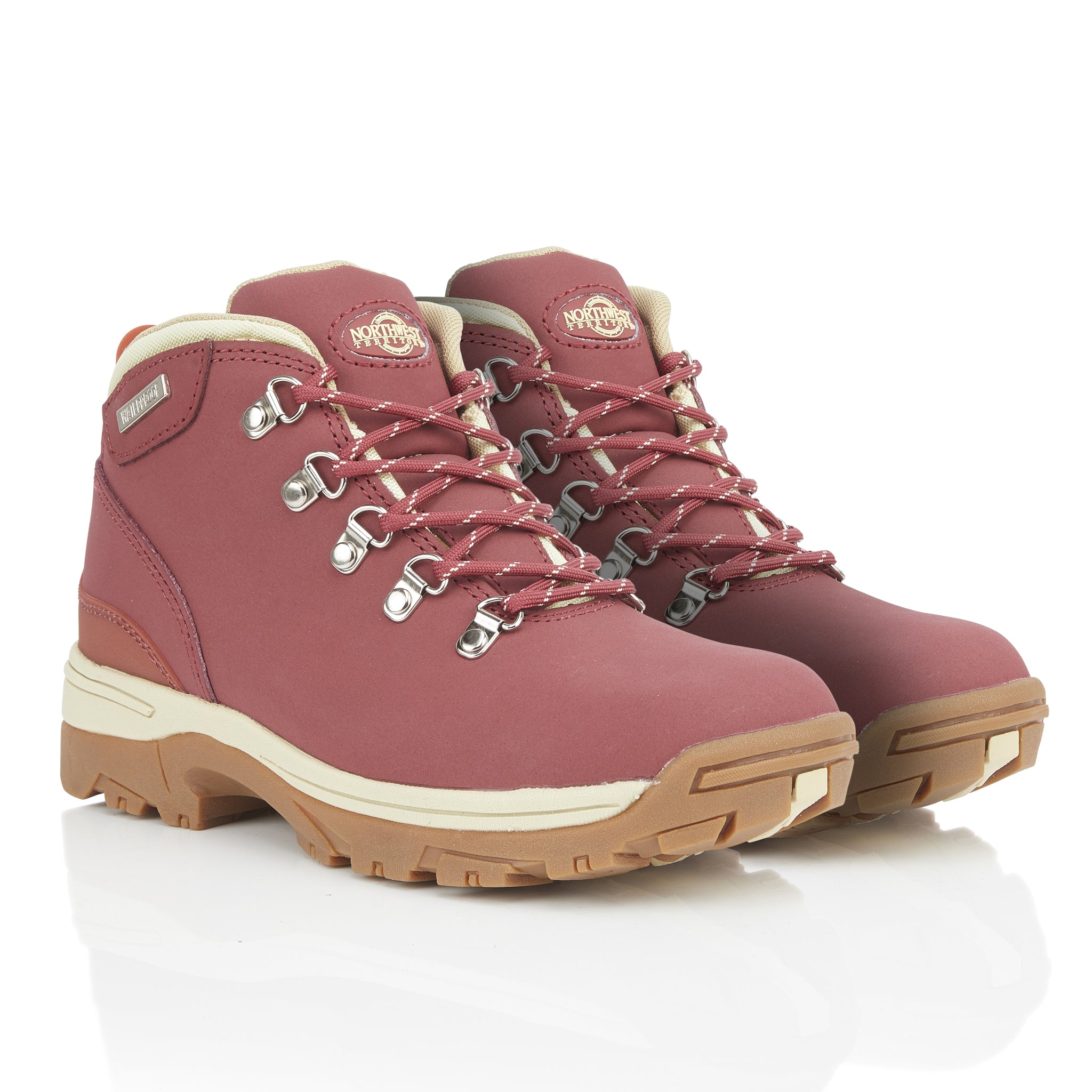
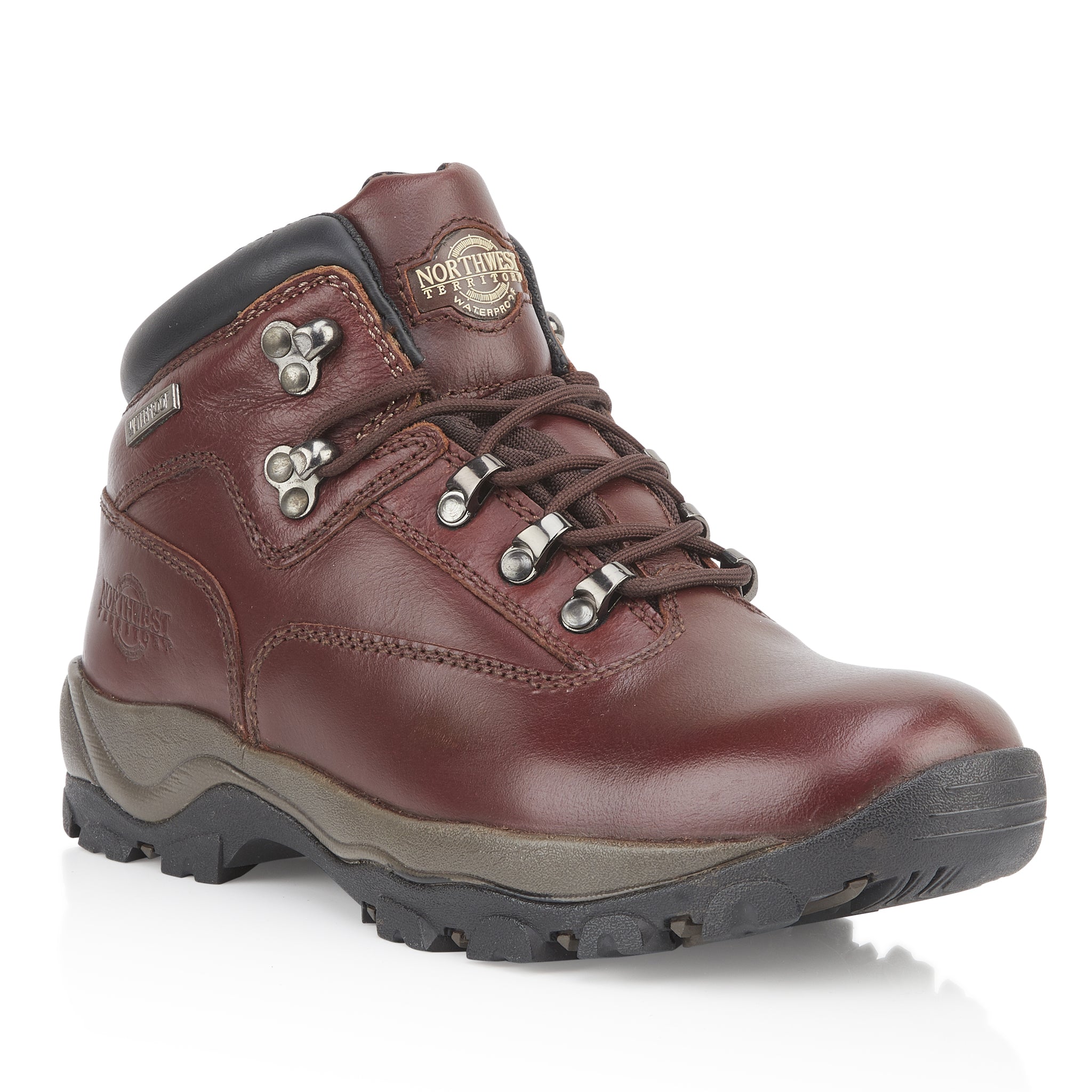
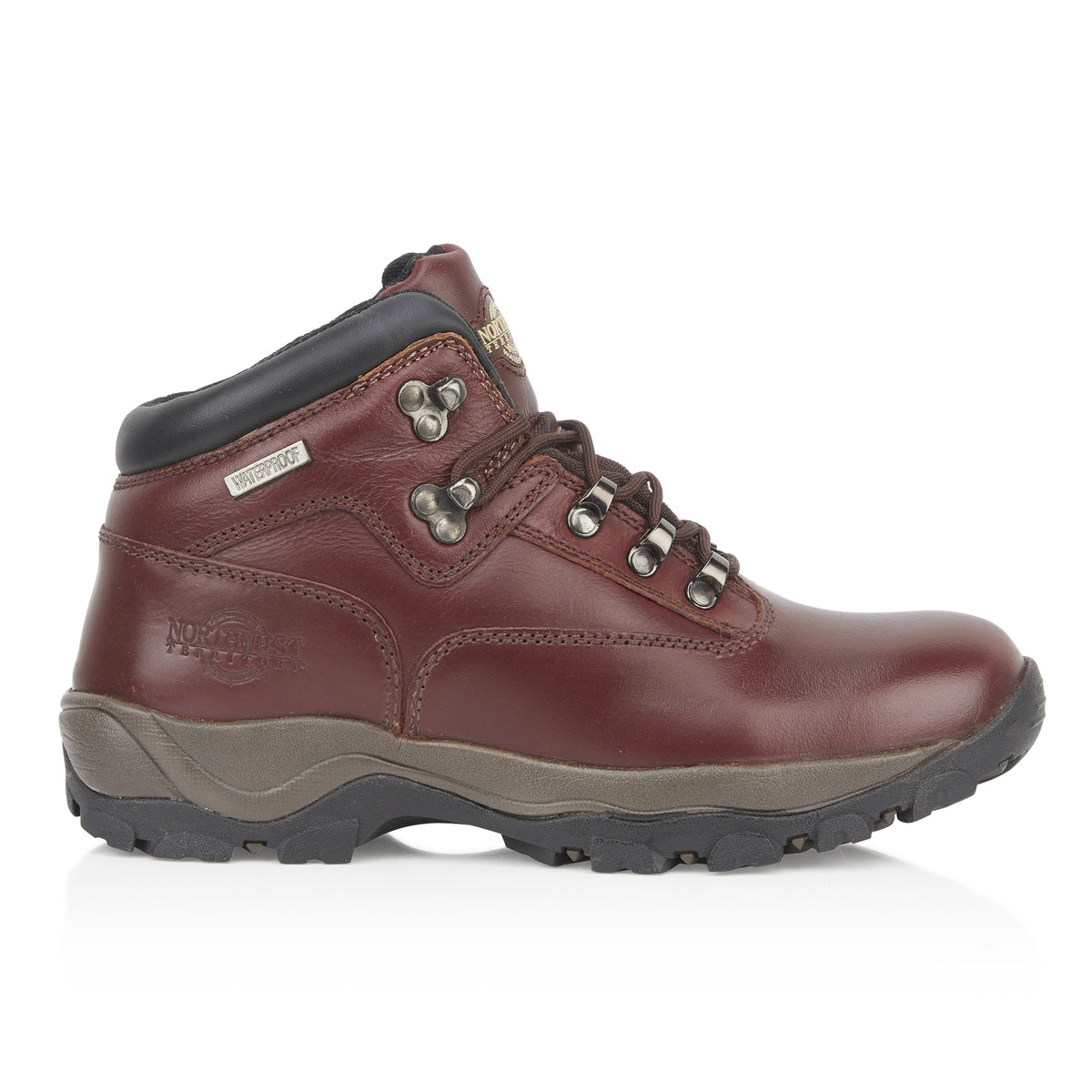
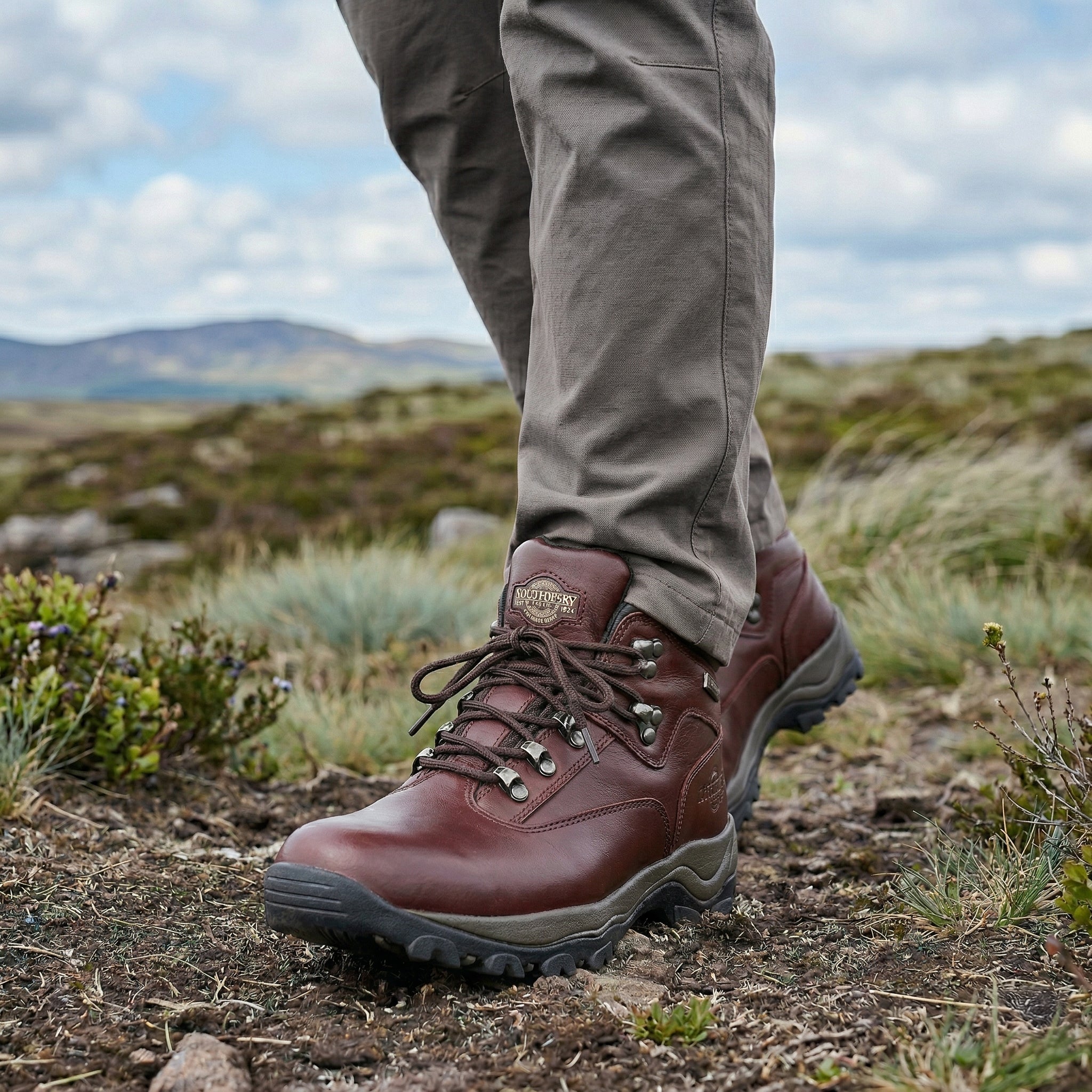
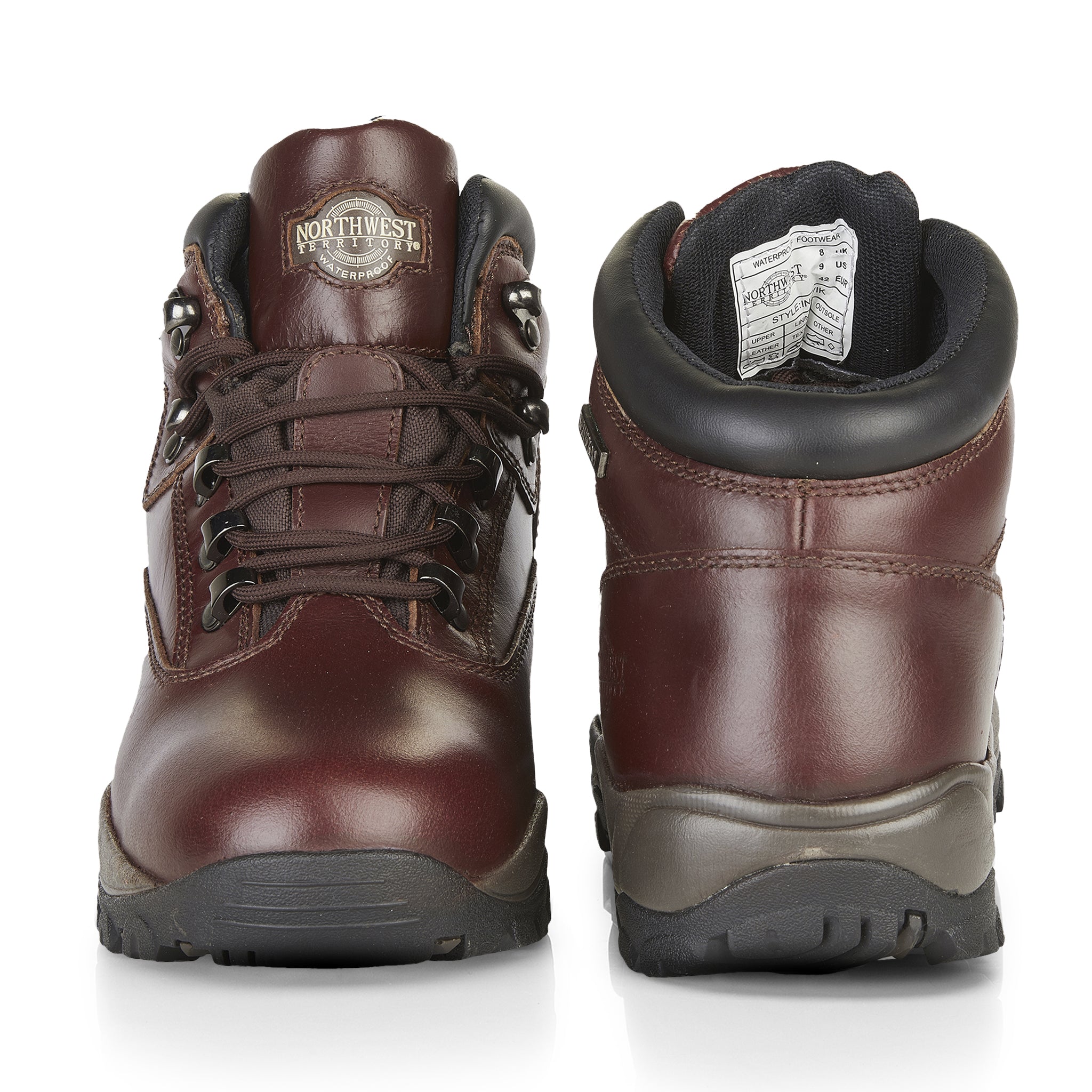
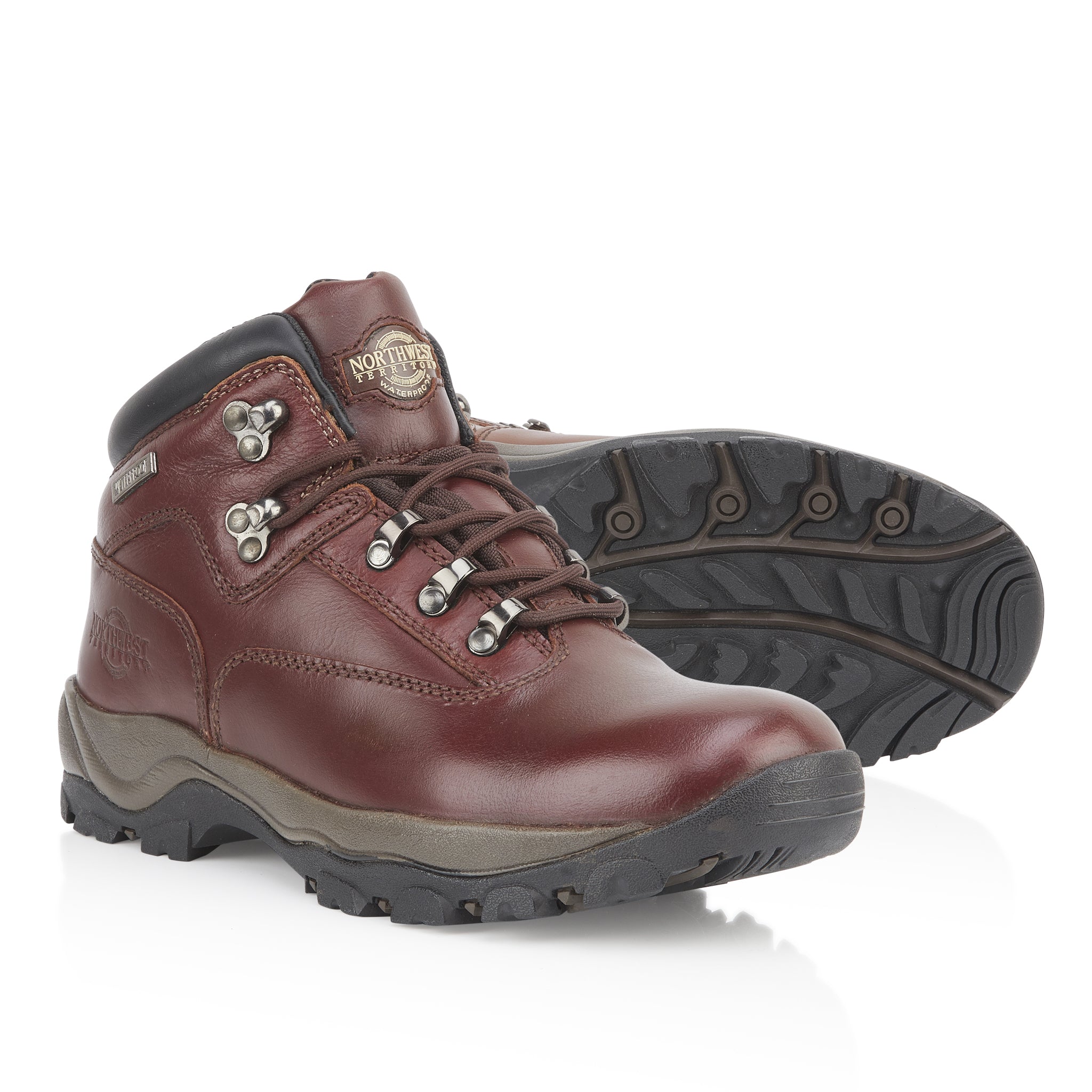
Before you go, take a few minutes to look over the plan. Check the weather as well. See how long the walk is and think about the hills. Also notice if the ground looks wet or rough. This makes it easier to choose what to wear and what to pack, and hiking boots are the perfect choice as footwear.
After a few trips, the route feels more natural. You start to notice which shoes work well for you. You also get a better idea of what clothes you like to wear when you are out.

Planning Your First Hike? Here’s Where to Start
Choose a walk that fits your mood at the moment. Don’t pick one only because it sounds impressive.
Distance counts, but it is not the whole thing. Five miles on a smooth track can feel light. Five miles over rough ground and steep bits can feel tough fast.
If this is your first time, go with a route that is simple to keep on. Pick somewhere with only a moderate climb. Check the planned time too. If you have more time than you need, stop for photos, take a few breaks, or just watch the area. No need to rush to reach the end.
This helps new walkers in the UK. It is fine to start with something short and add more later.
What Should You Wear on Your First Hike?
You can start with the sky.
If the air feels dry, plain trousers are fine. Add a solid top, and bring a thin layer just in case. If rain might hit, pick a jacket made for wet weather.
For cold days or strong gusts, wear something warmer. It also helps to be able to add or remove a layer as the temperature changes.
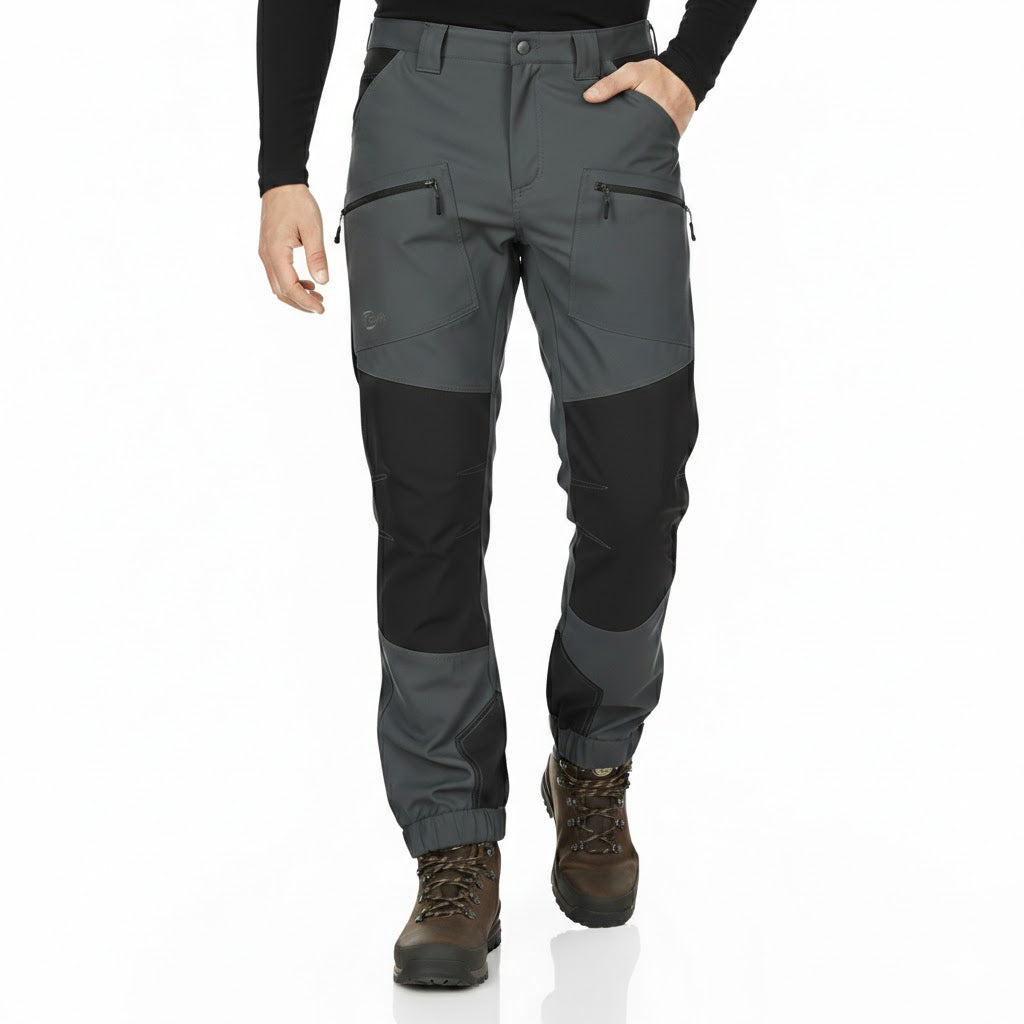
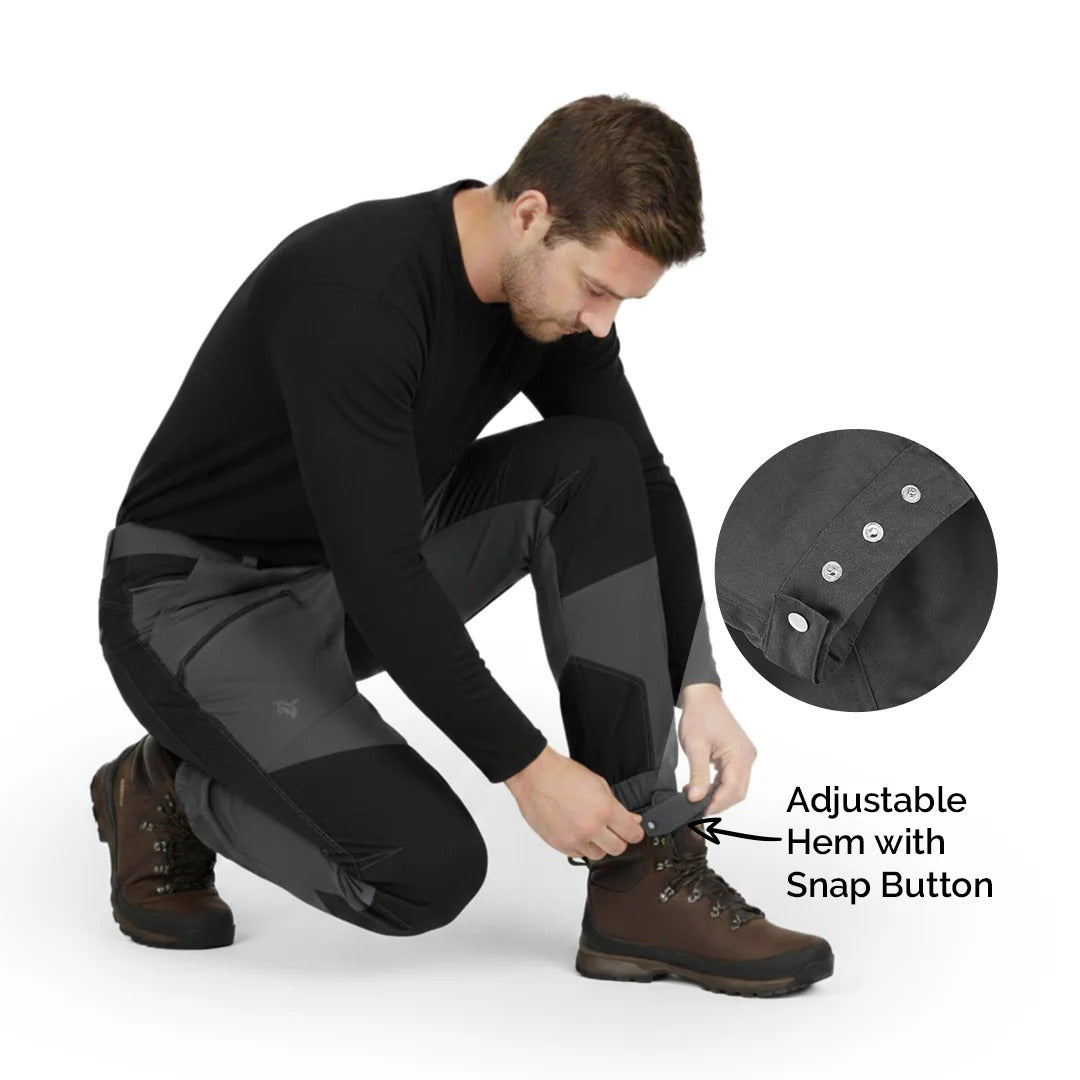
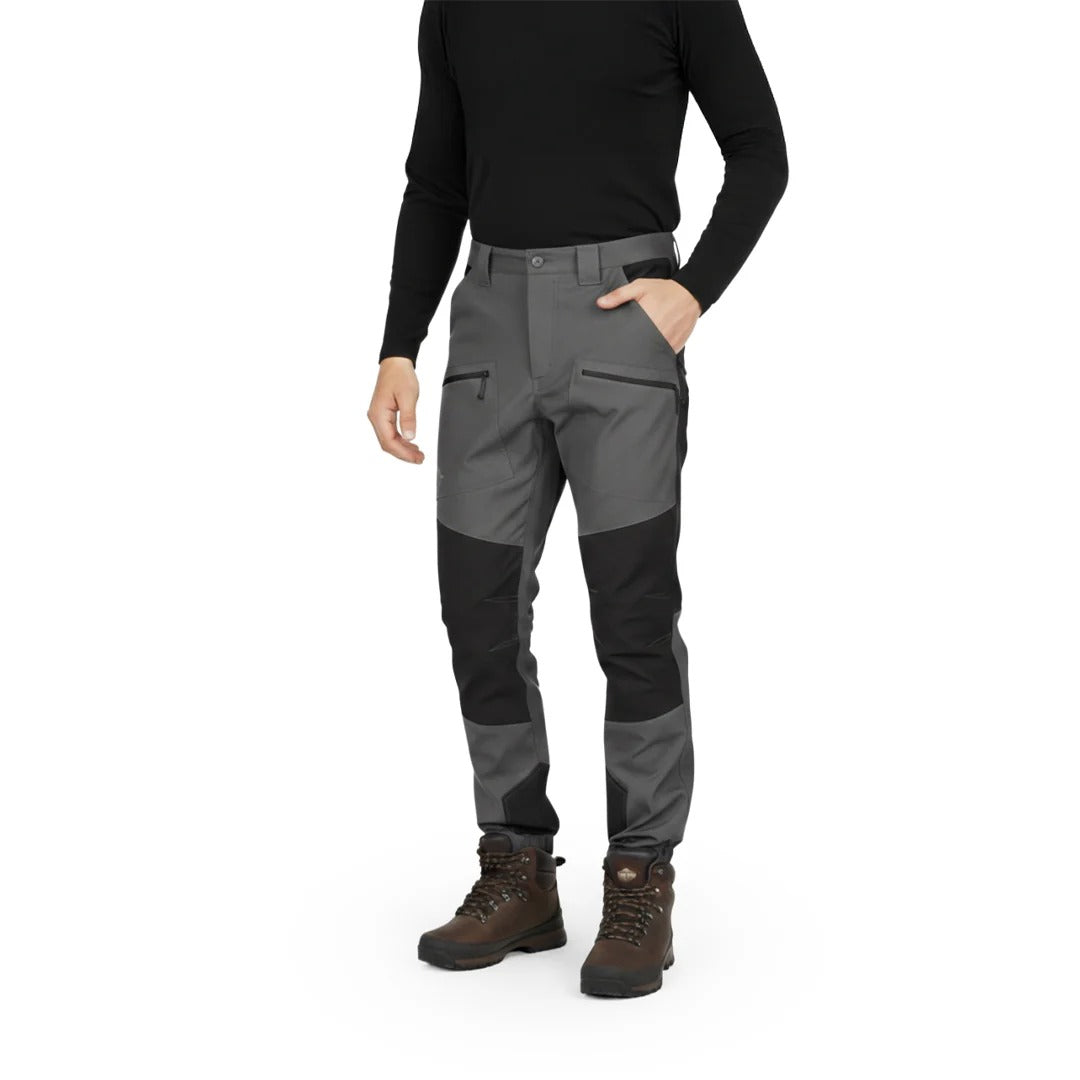
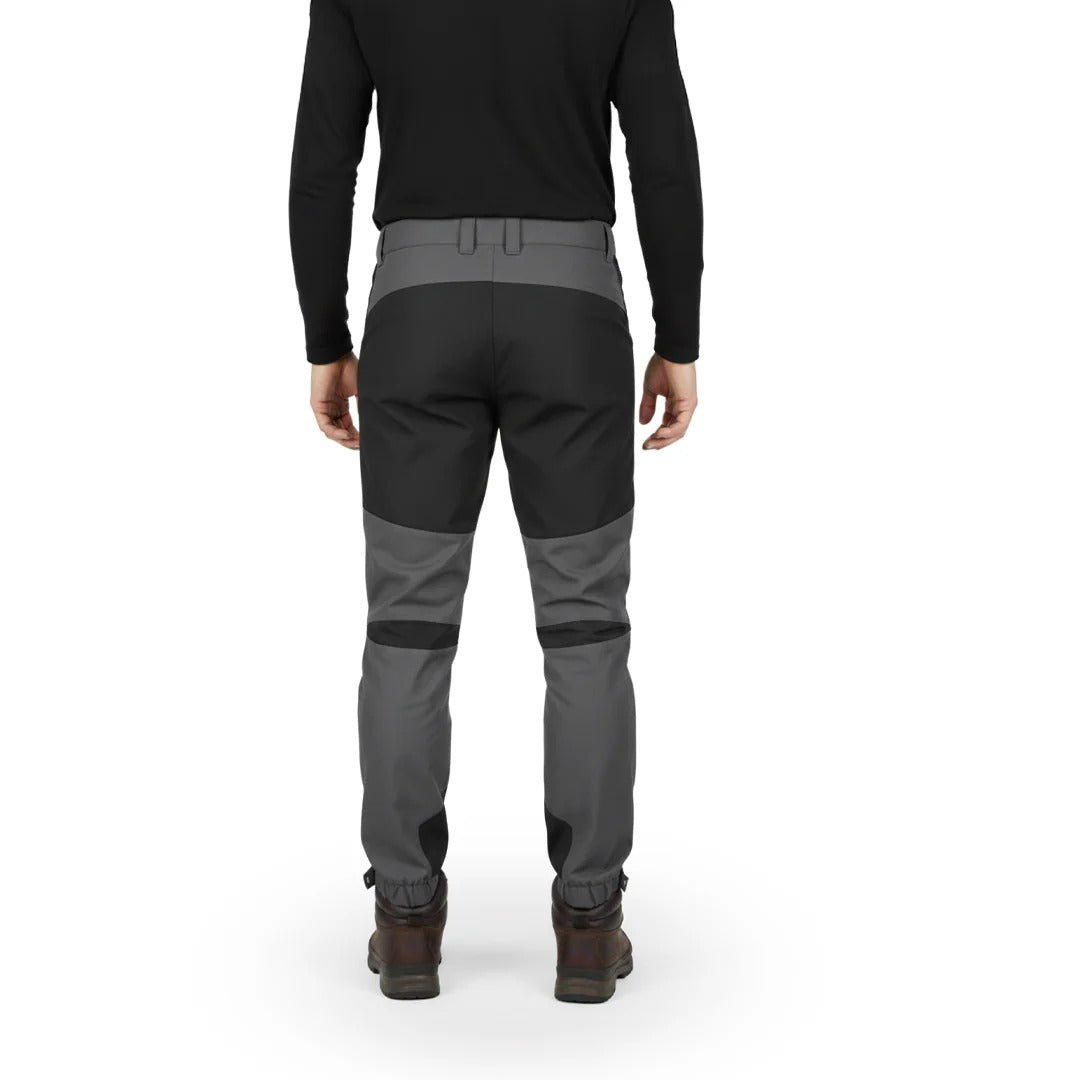
Trousers are worth thinking about too. Jeans can become heavy when wet and aren't particularly comfortable when you're climbing, crouching or stepping over a stile.
Our Ridgeline Men's Trekking Trousers in Grey/Black are made with this sort of outdoor use in mind. They give you enough room to move while walking and are suitable for everyday countryside routes.
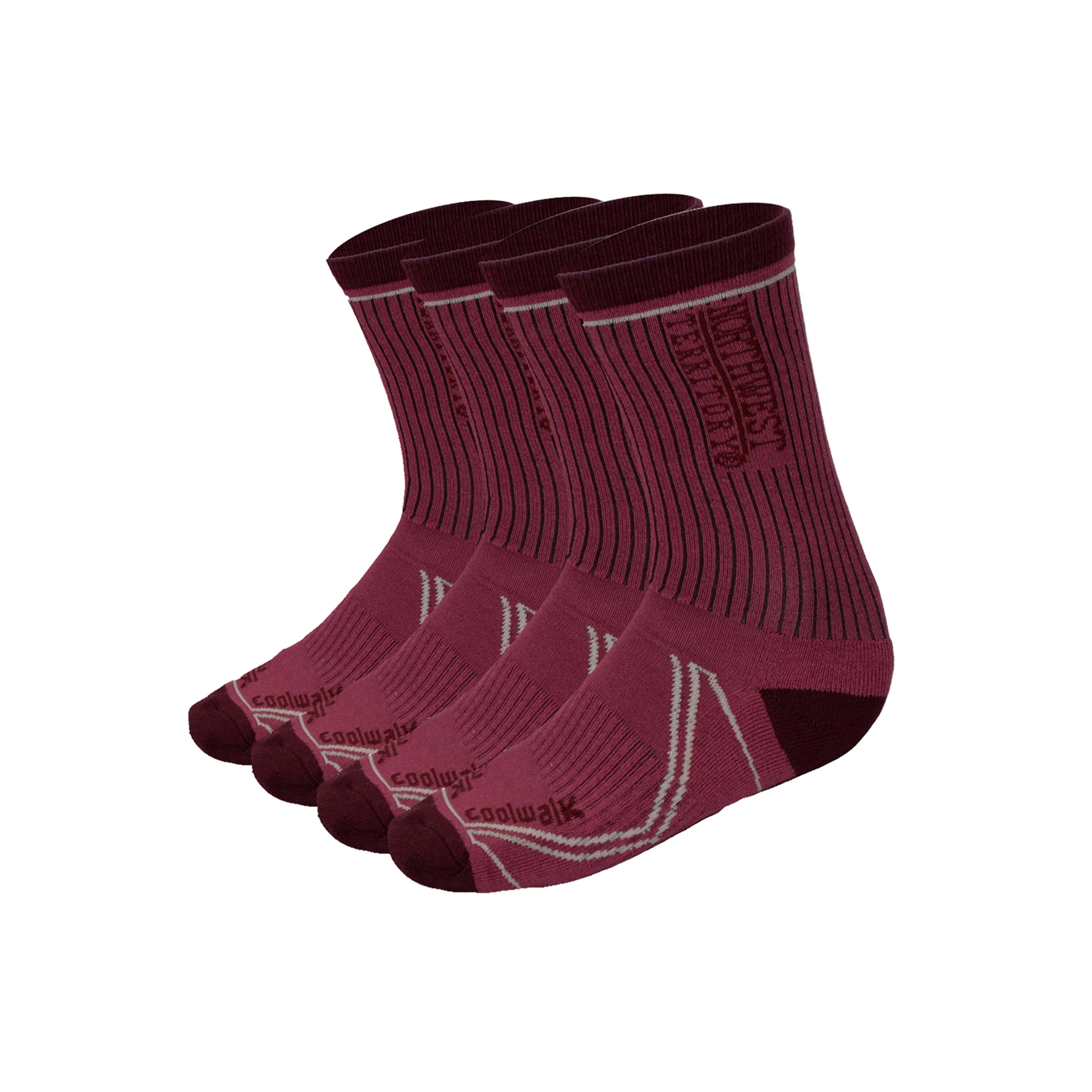
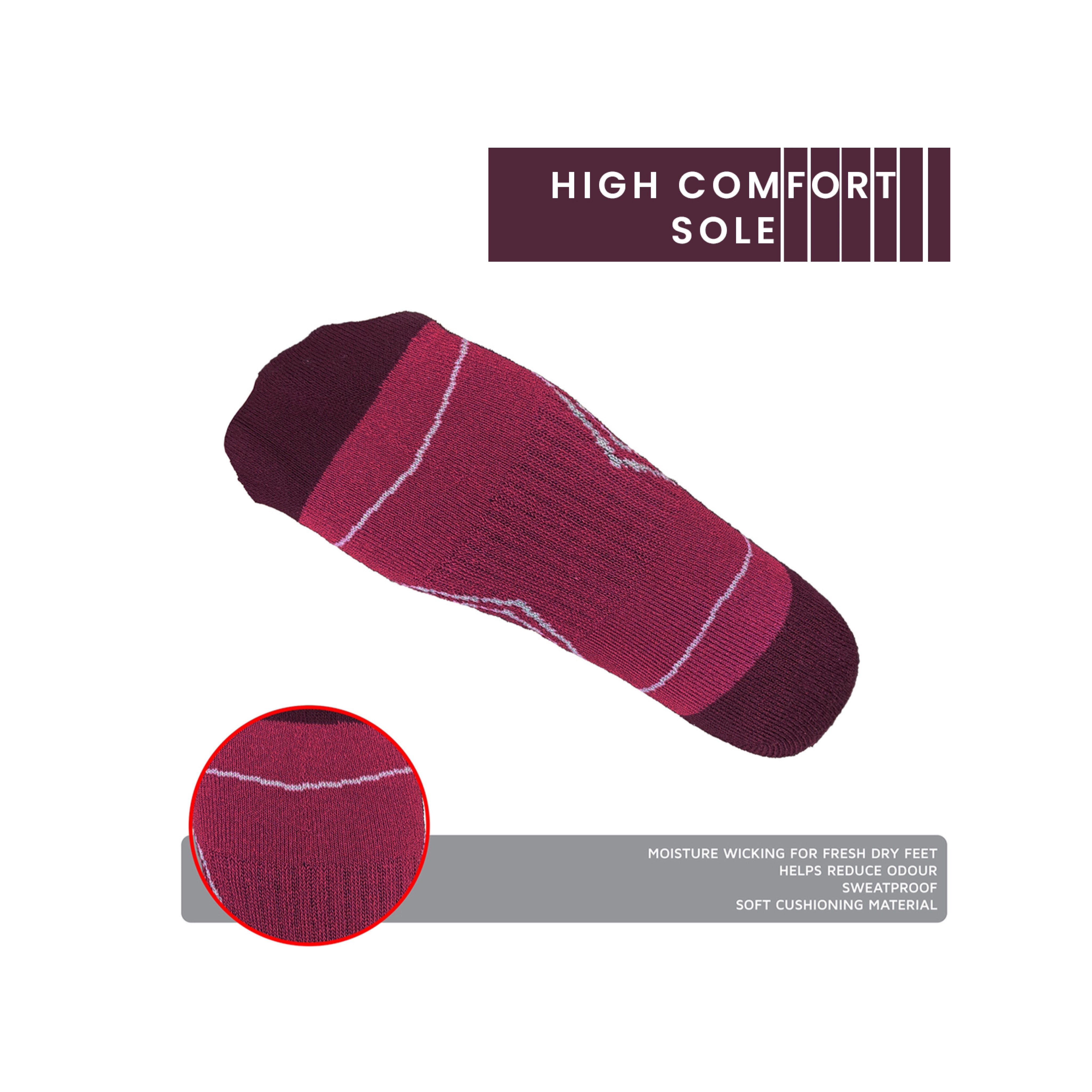
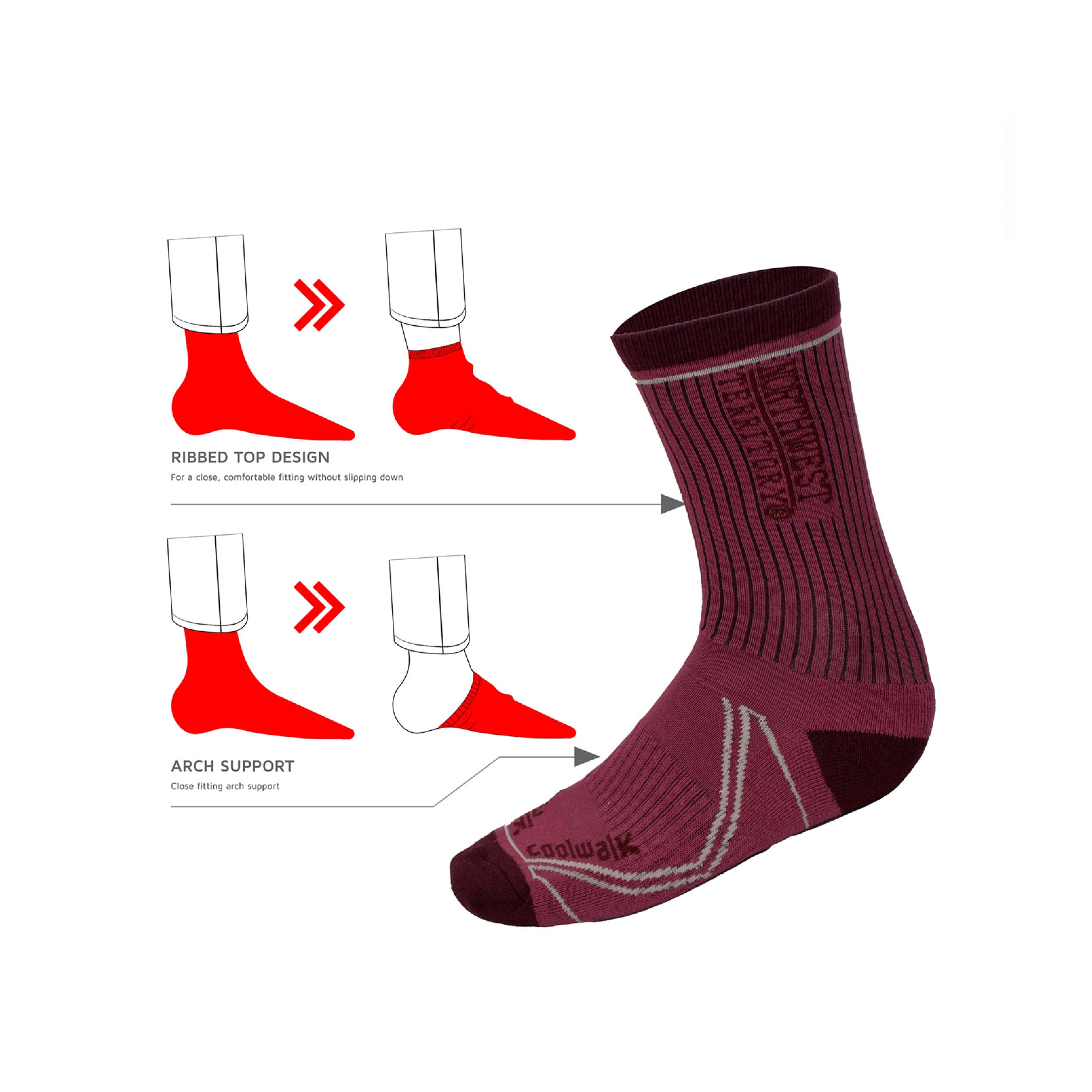
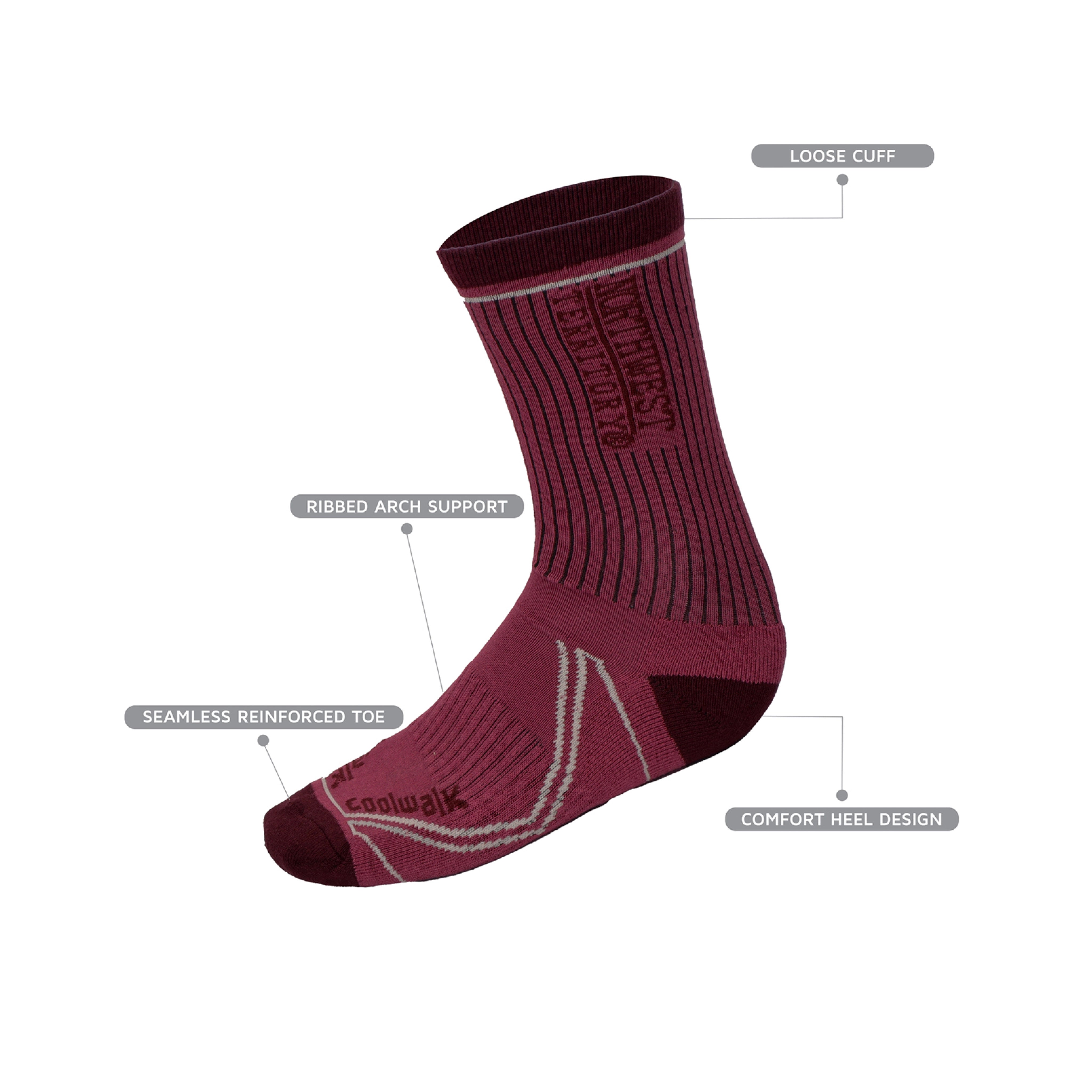
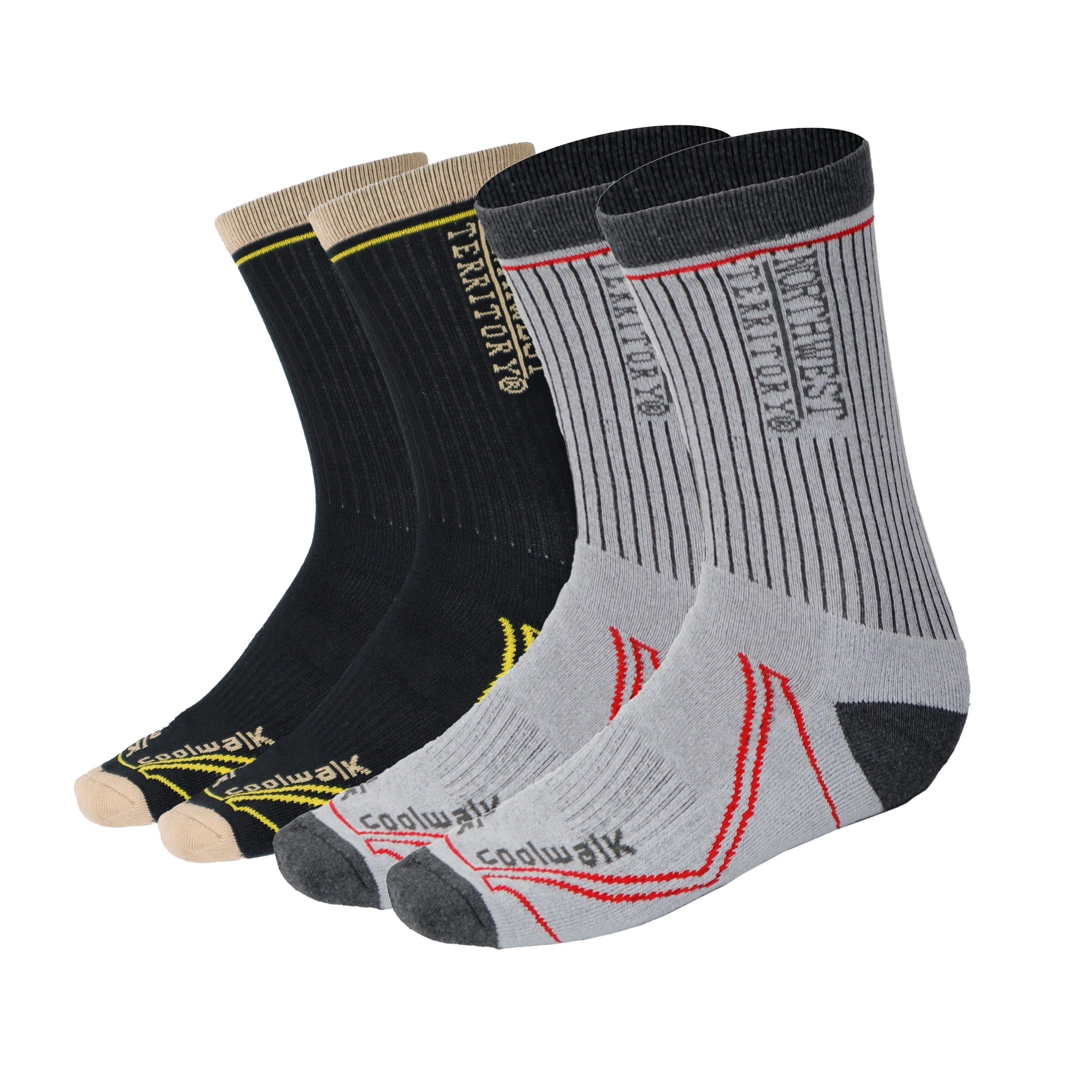
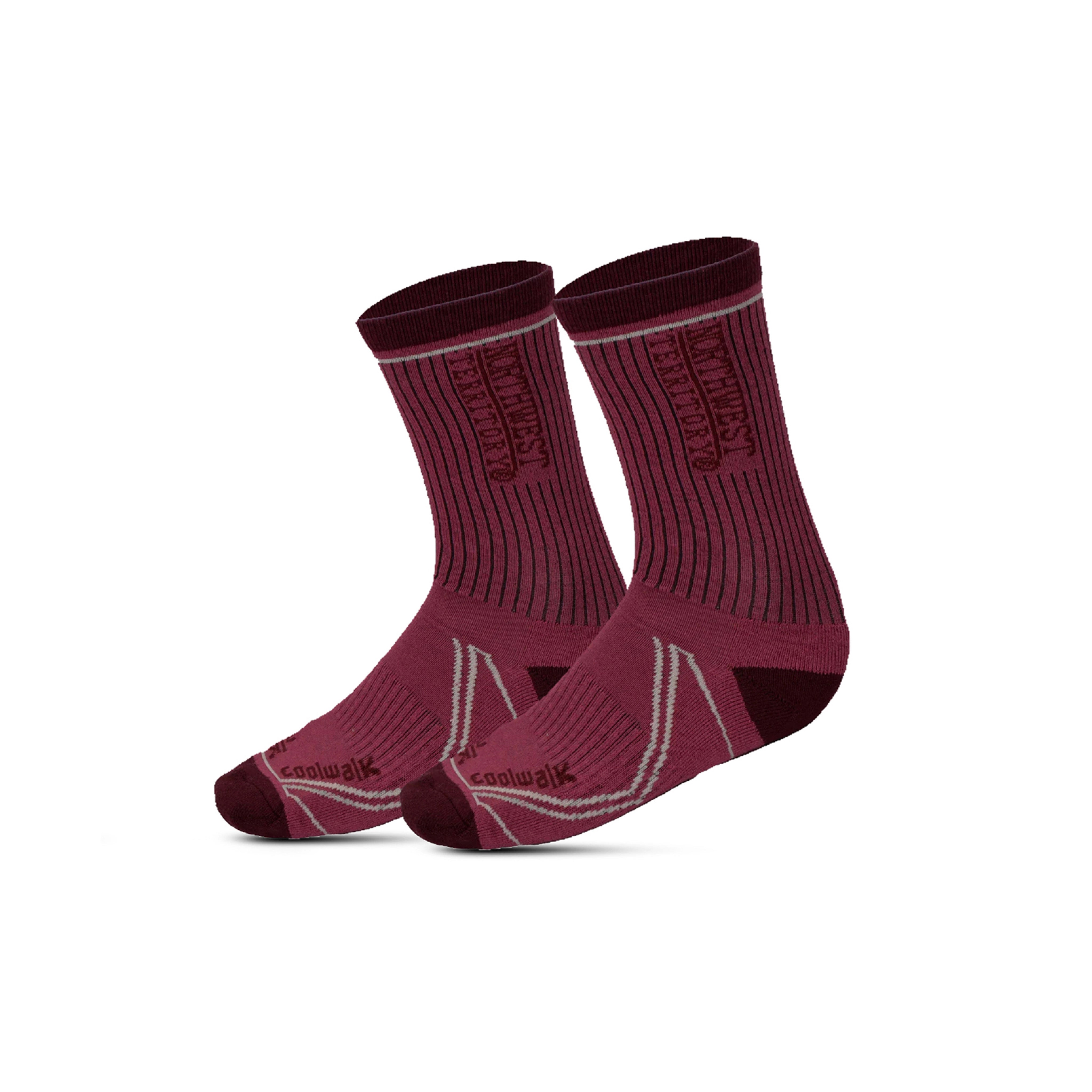
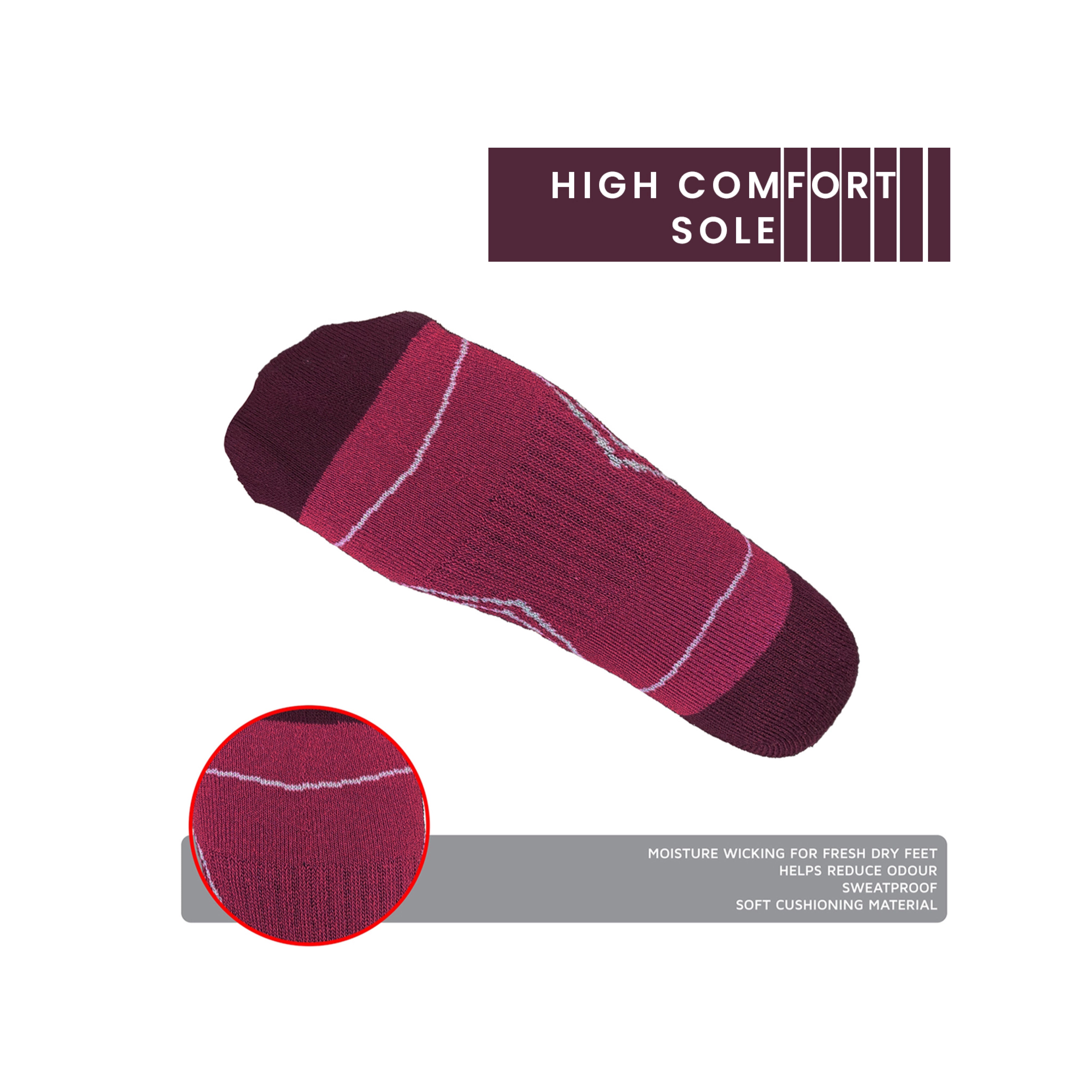
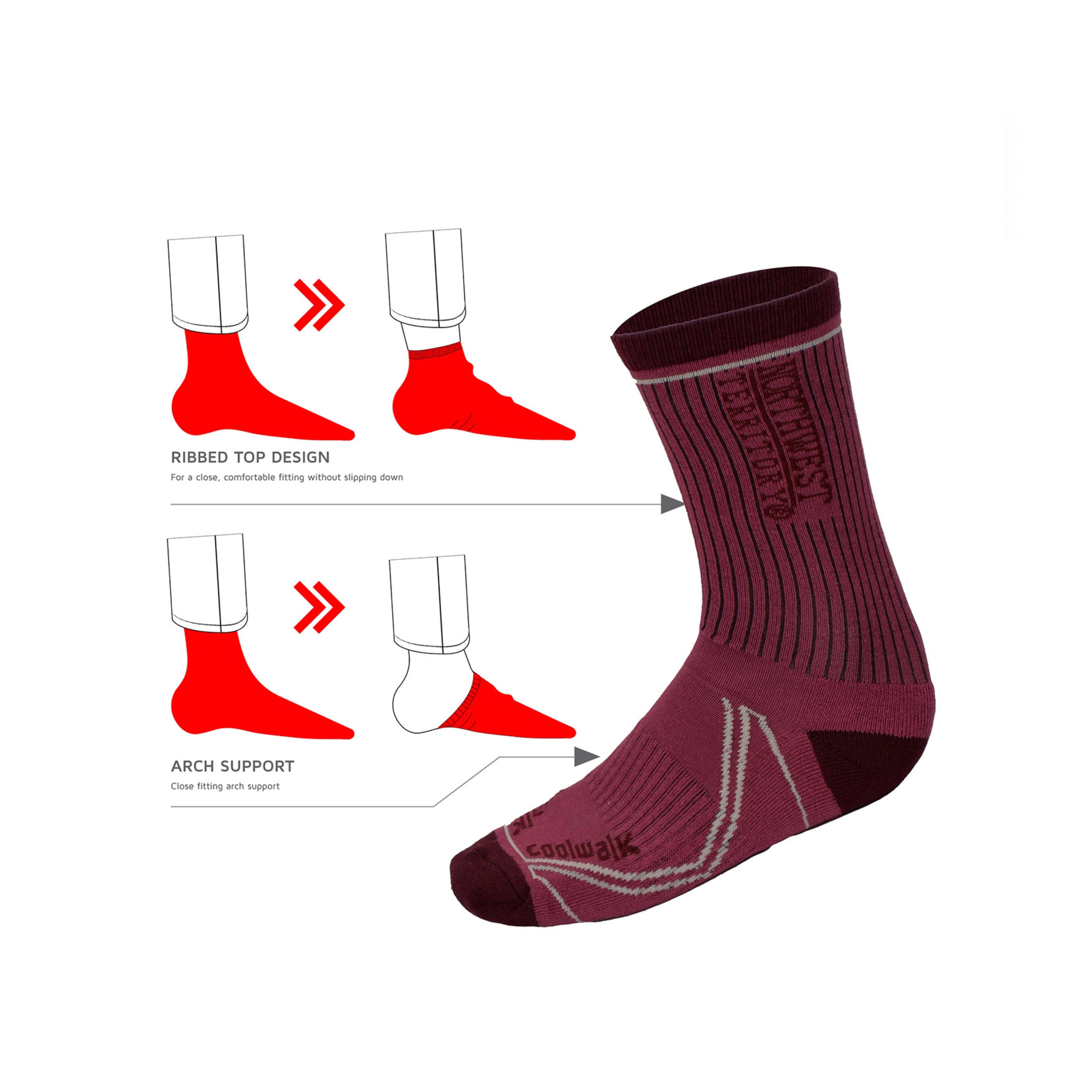
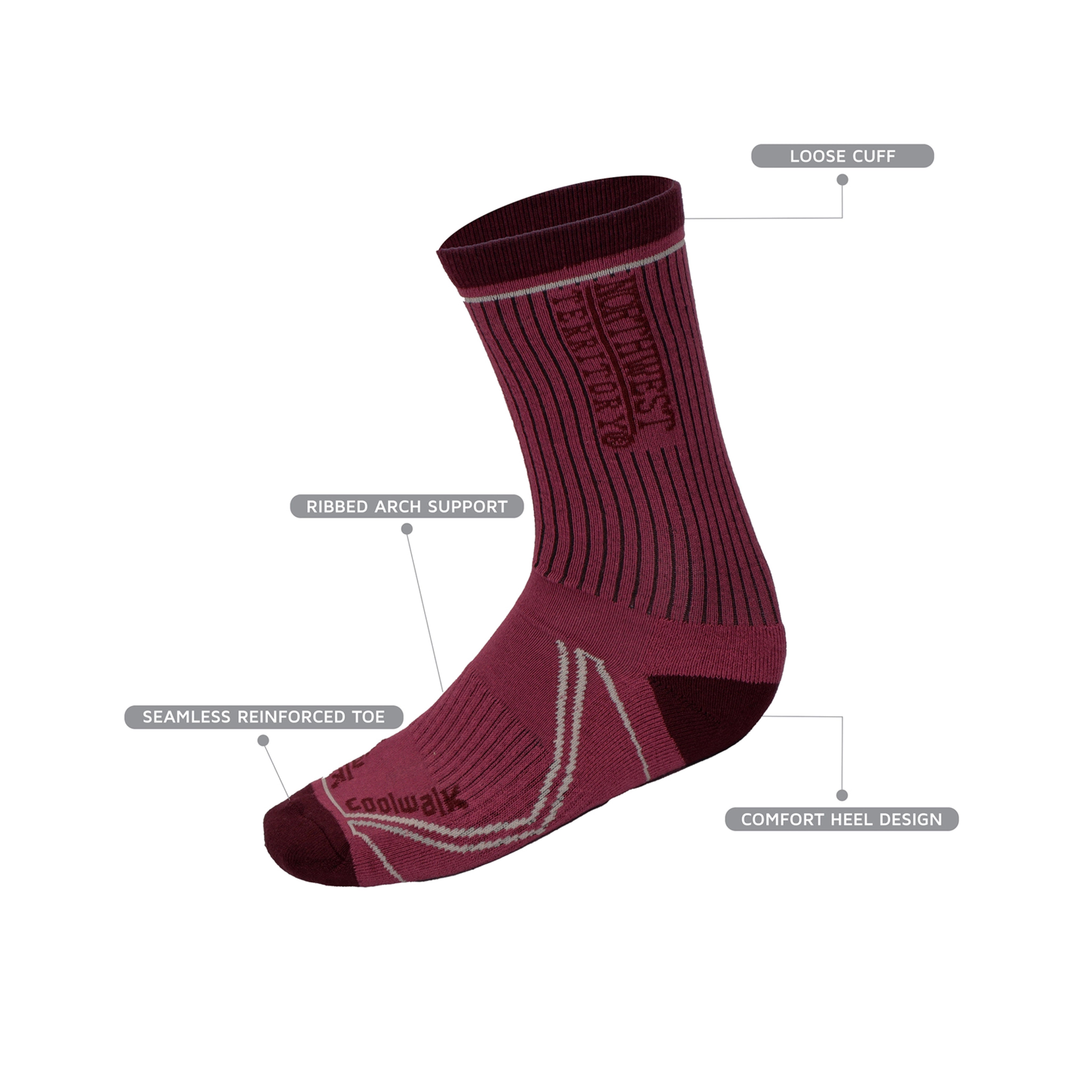
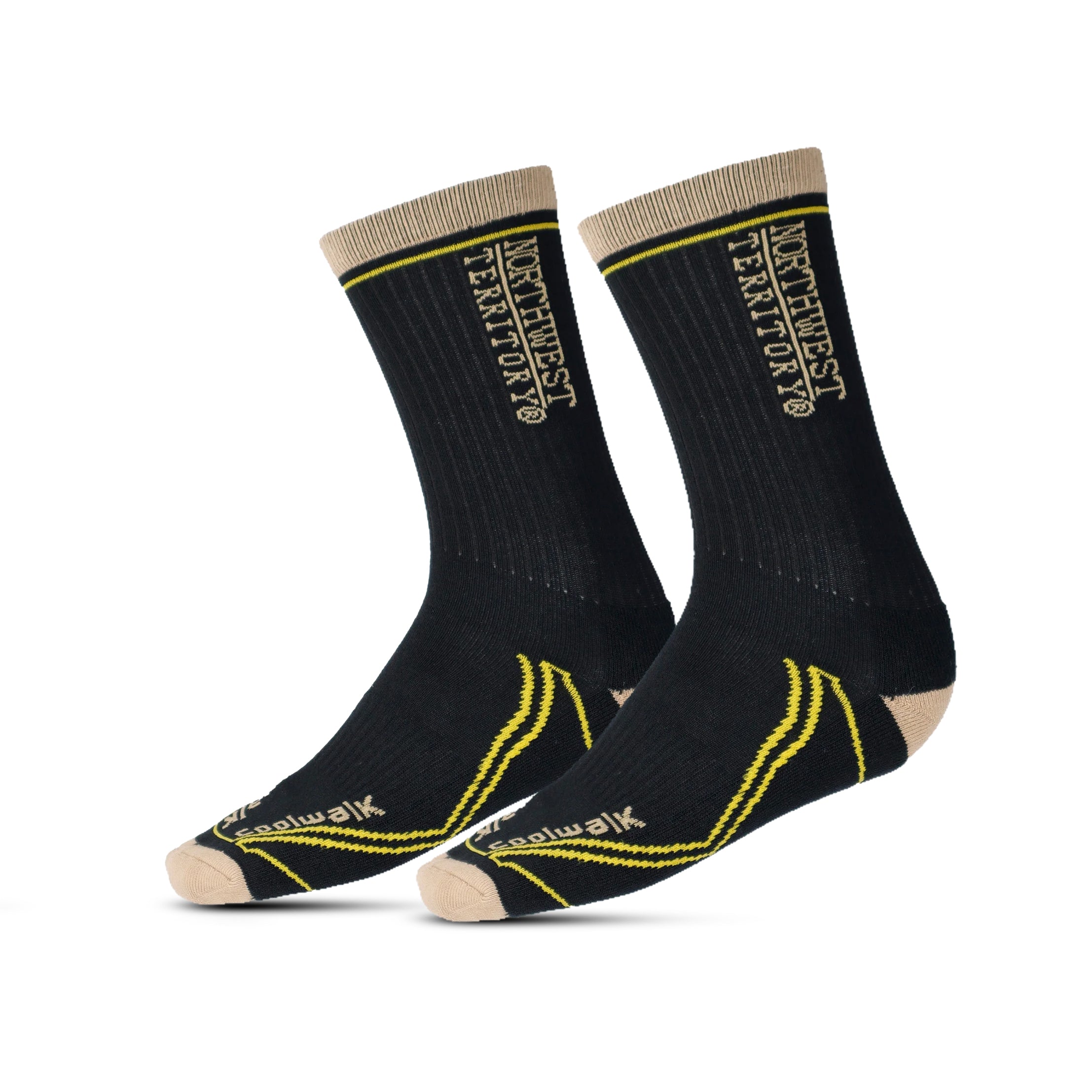
Socks are easy to overlook. Wear the wrong pair on a long walk, and you'll soon know about it. Damp feet and rubbing can turn into blisters before you've finished.
Our Coolwalk Men's Socks can be worn with walking shoes or boots and are a simple addition to your walking kit.

What Footwear Is Best for Hiking?
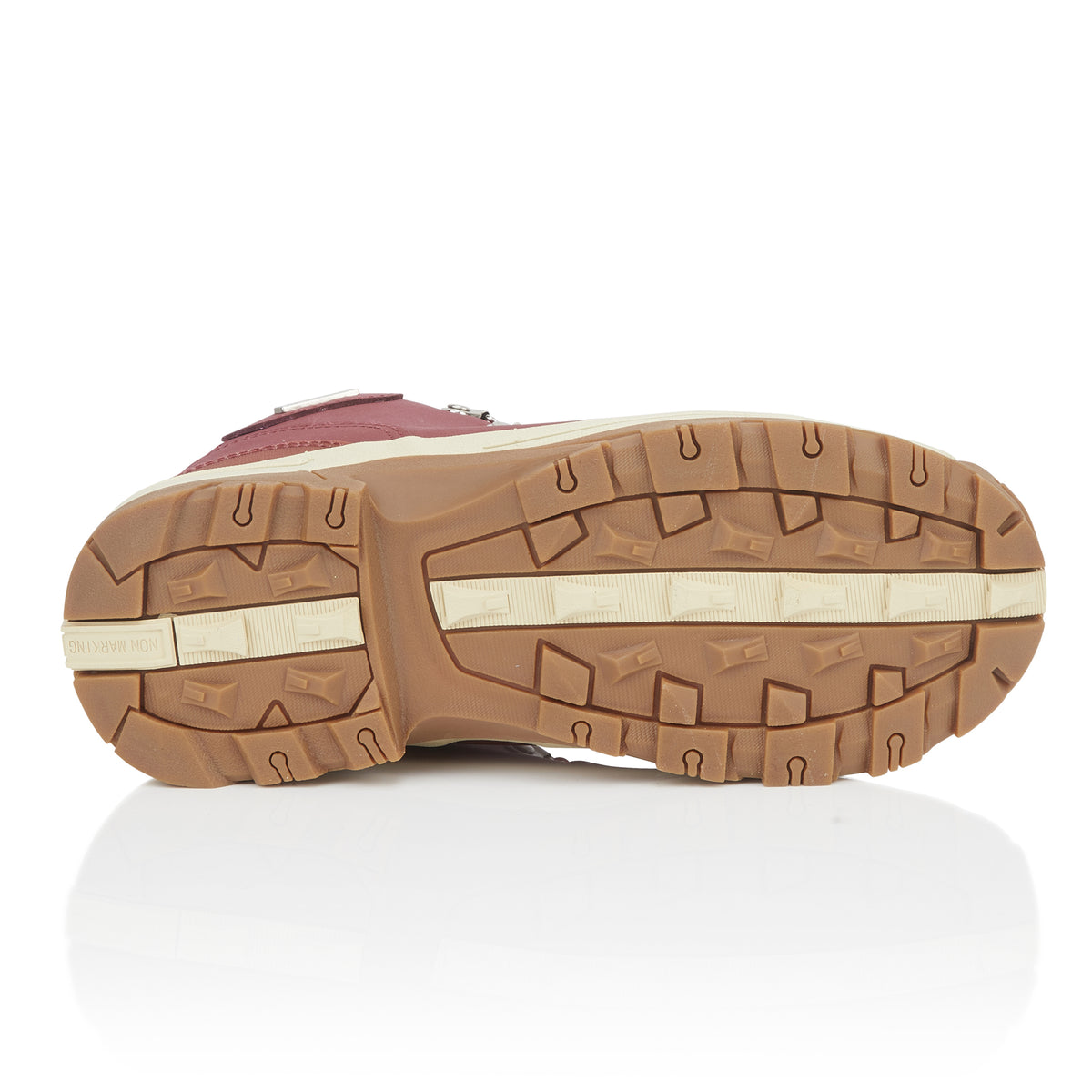
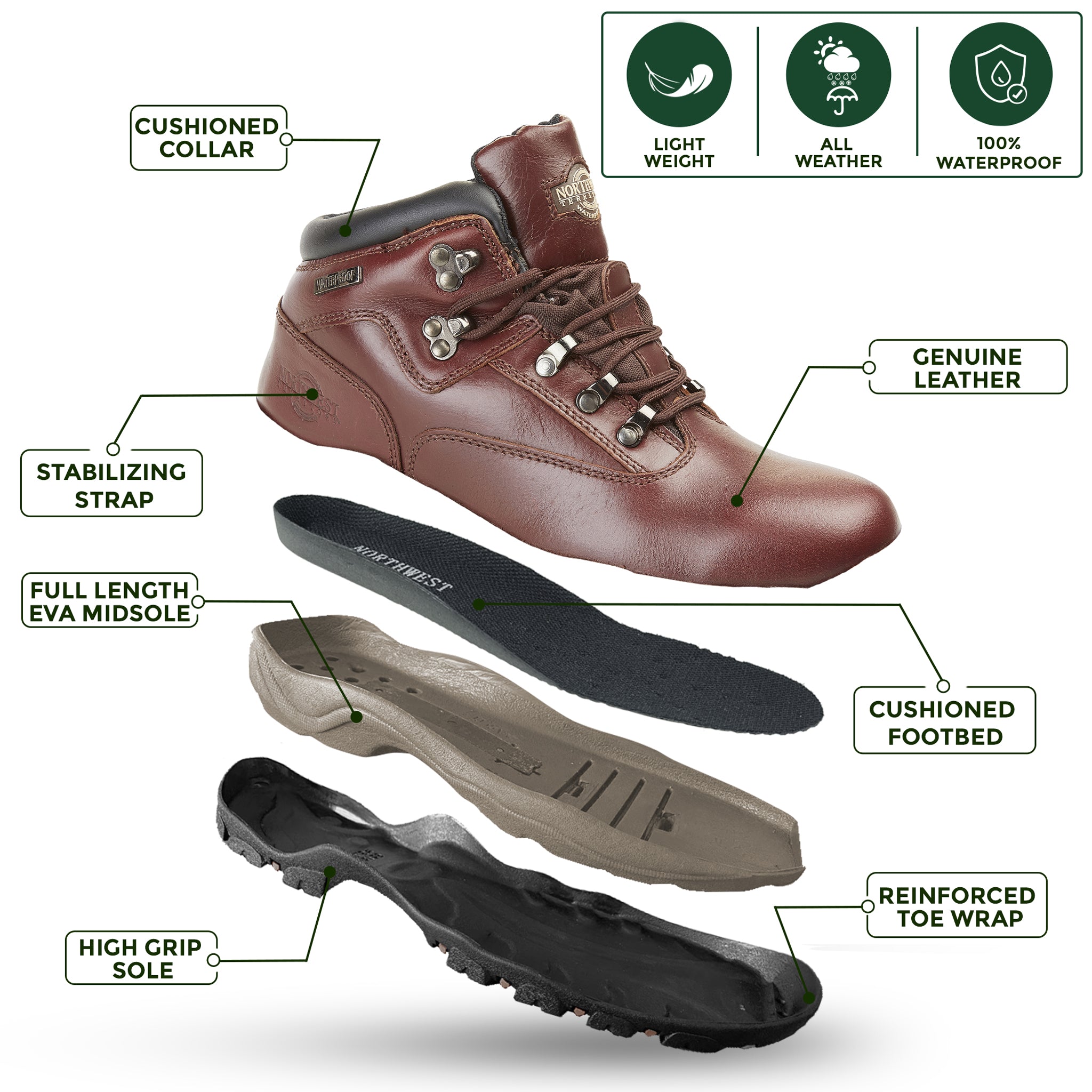
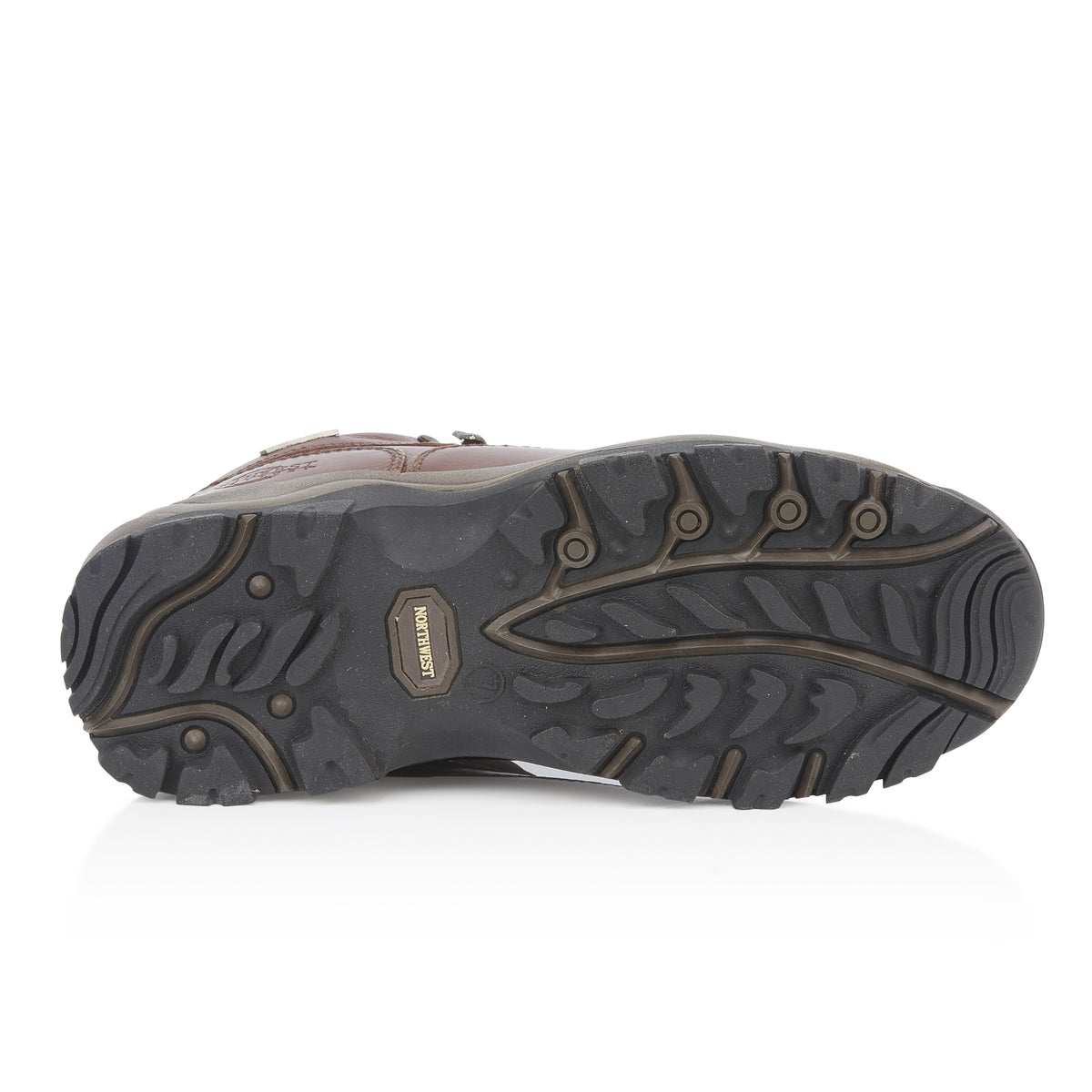
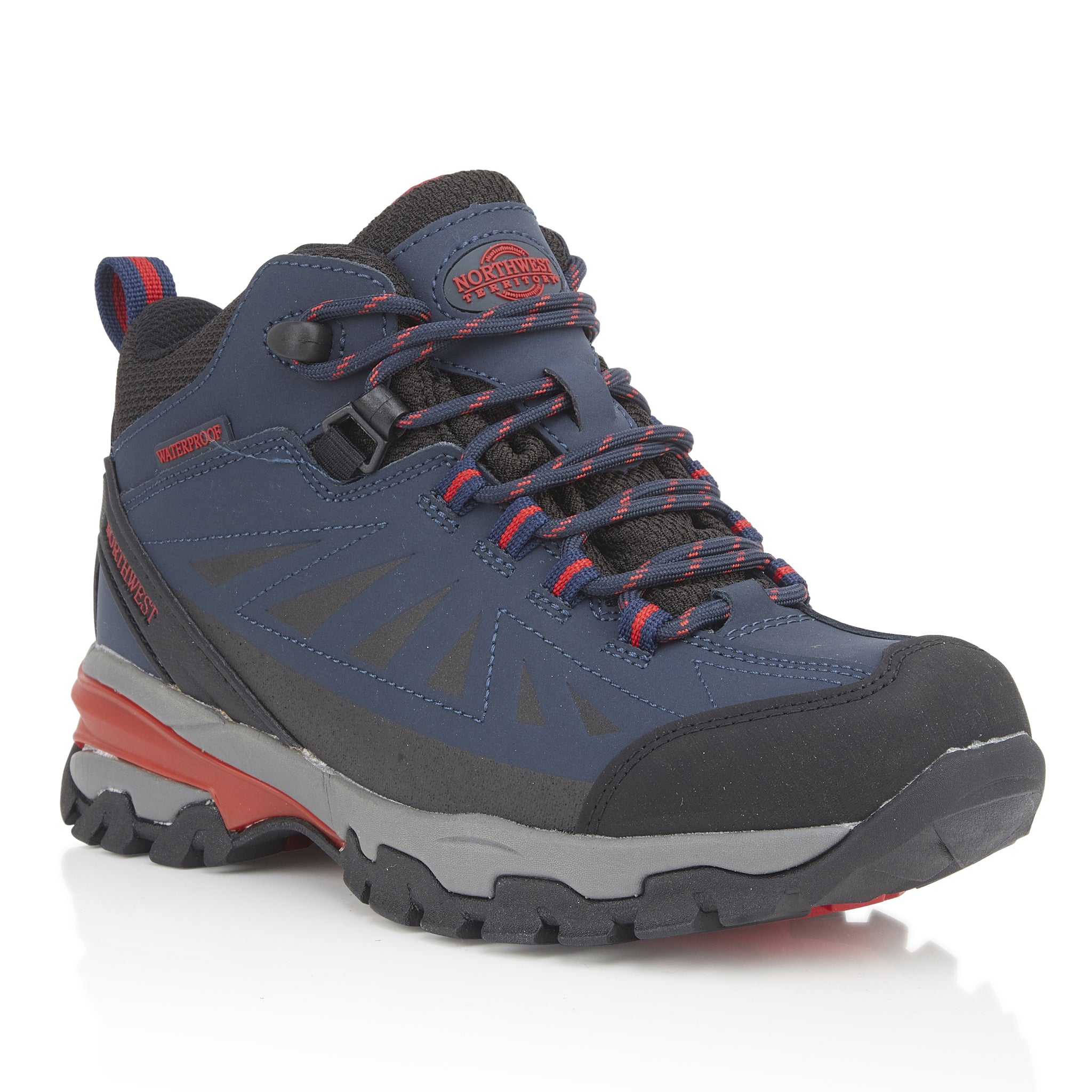
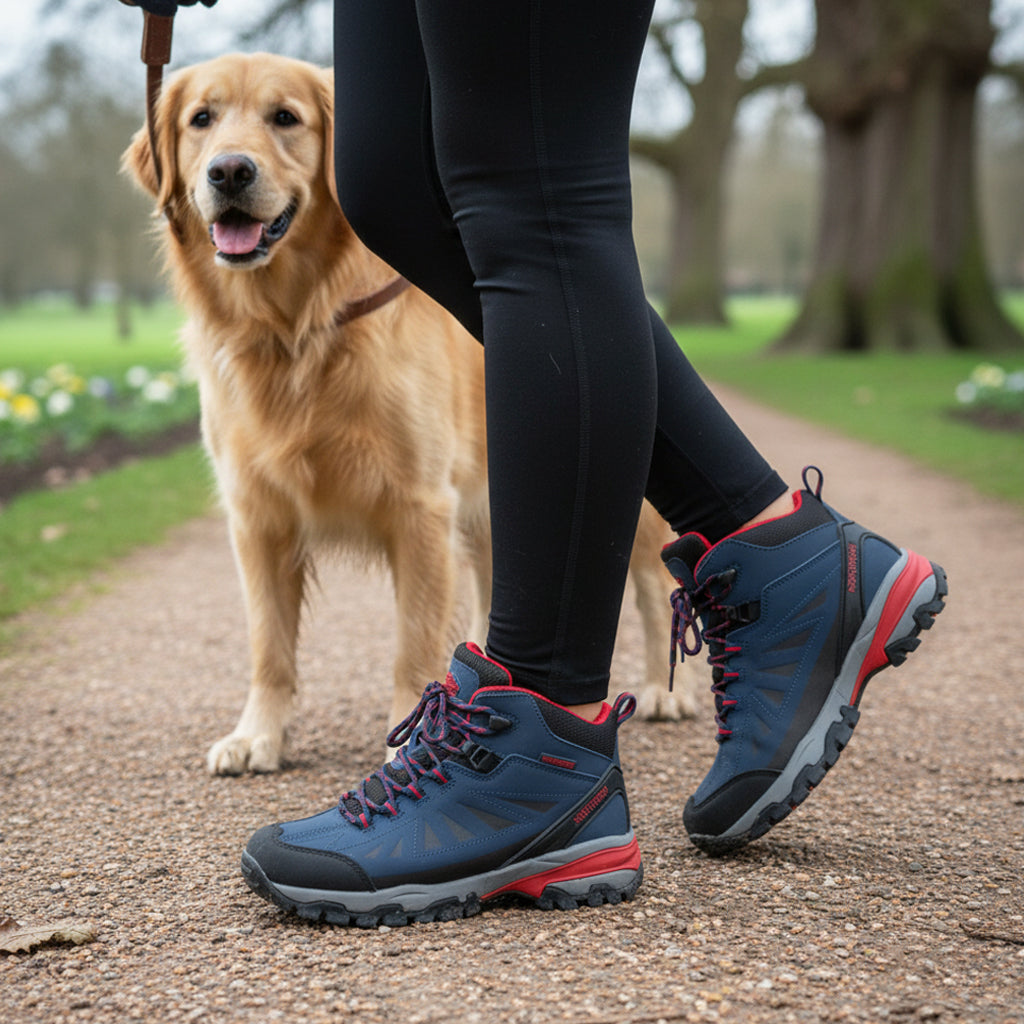
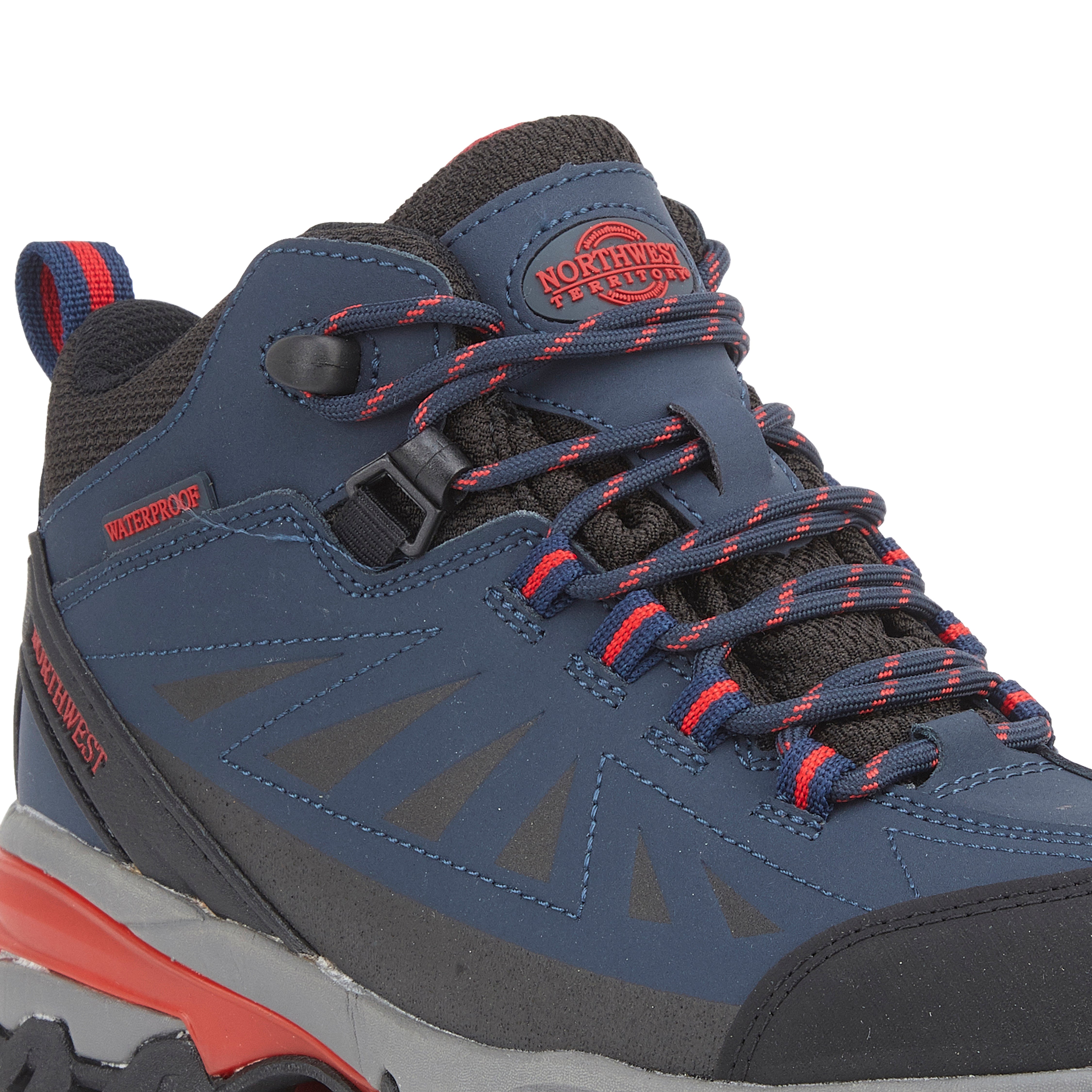
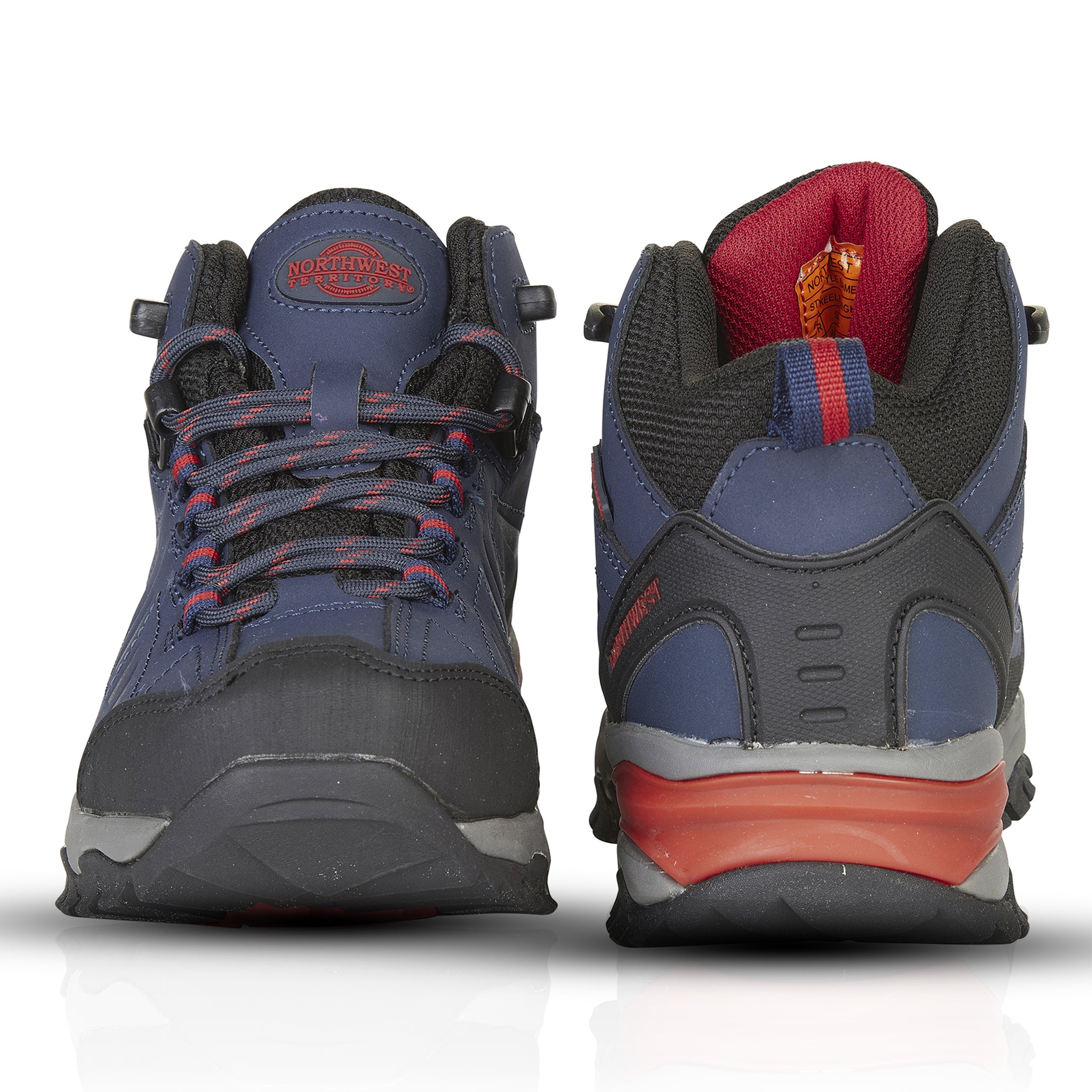
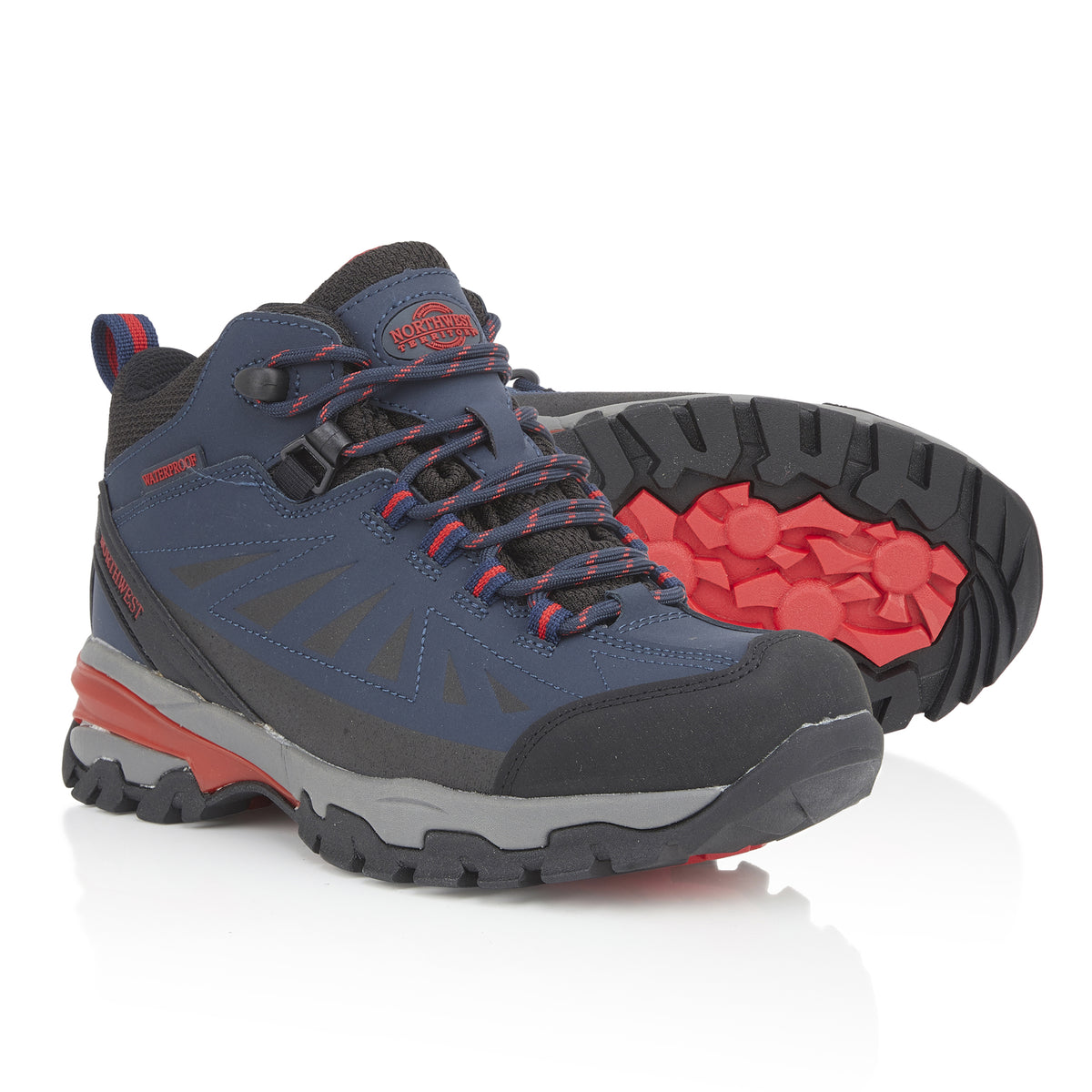
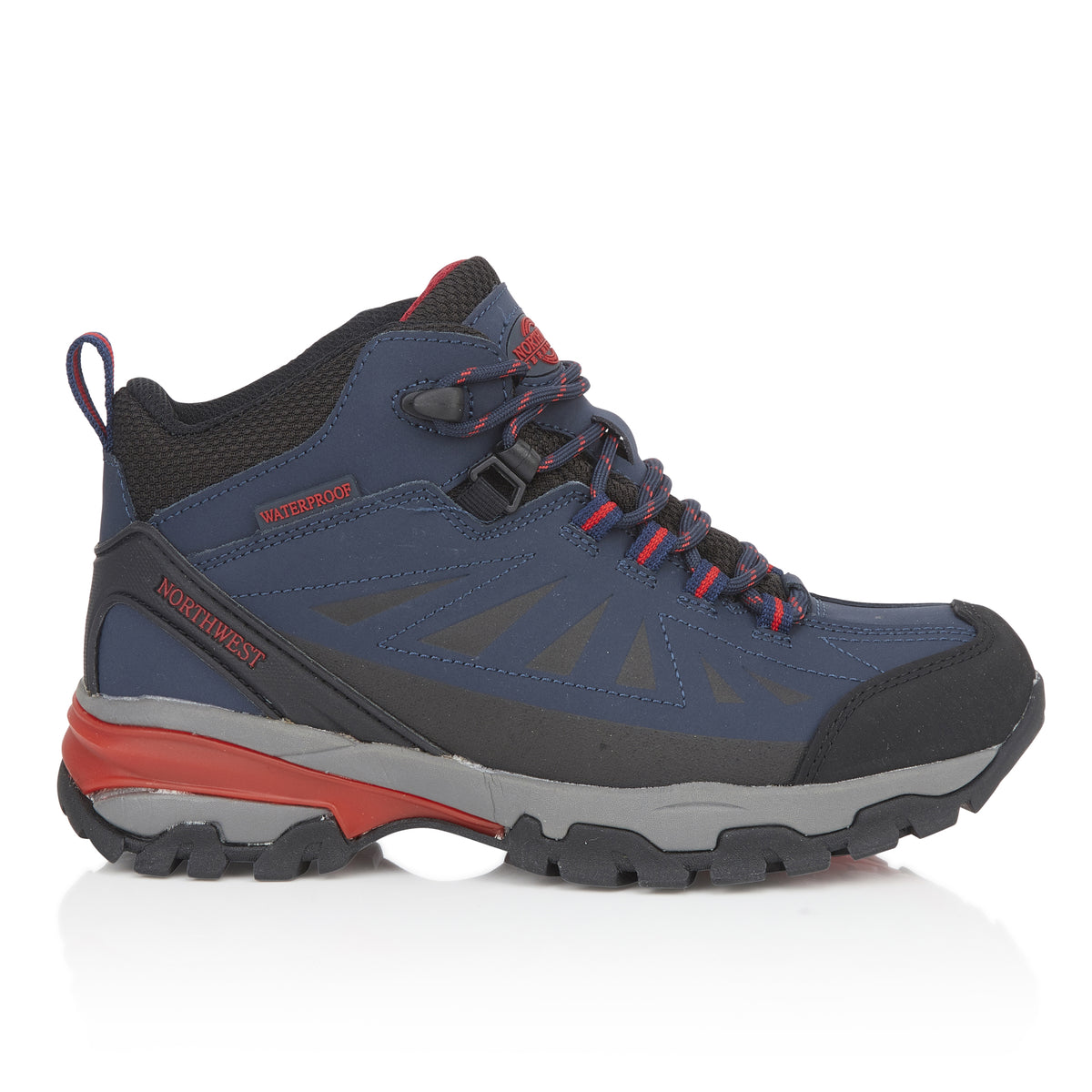
Your route should decide this. Walking shoes work fine on a dry trail that is kept up well. If the ground looks slick or muddy, boots tend to fit the situation better. Also consider boots when you might hit loose gravel, wet grass, or uneven spots.
Whatever you buy, wear it before your first long walk. Take a new pair around the house, then use it for shorter walks. If there's a place that rubs your heel or presses against your toes, you'll want to know before you're several miles from home.
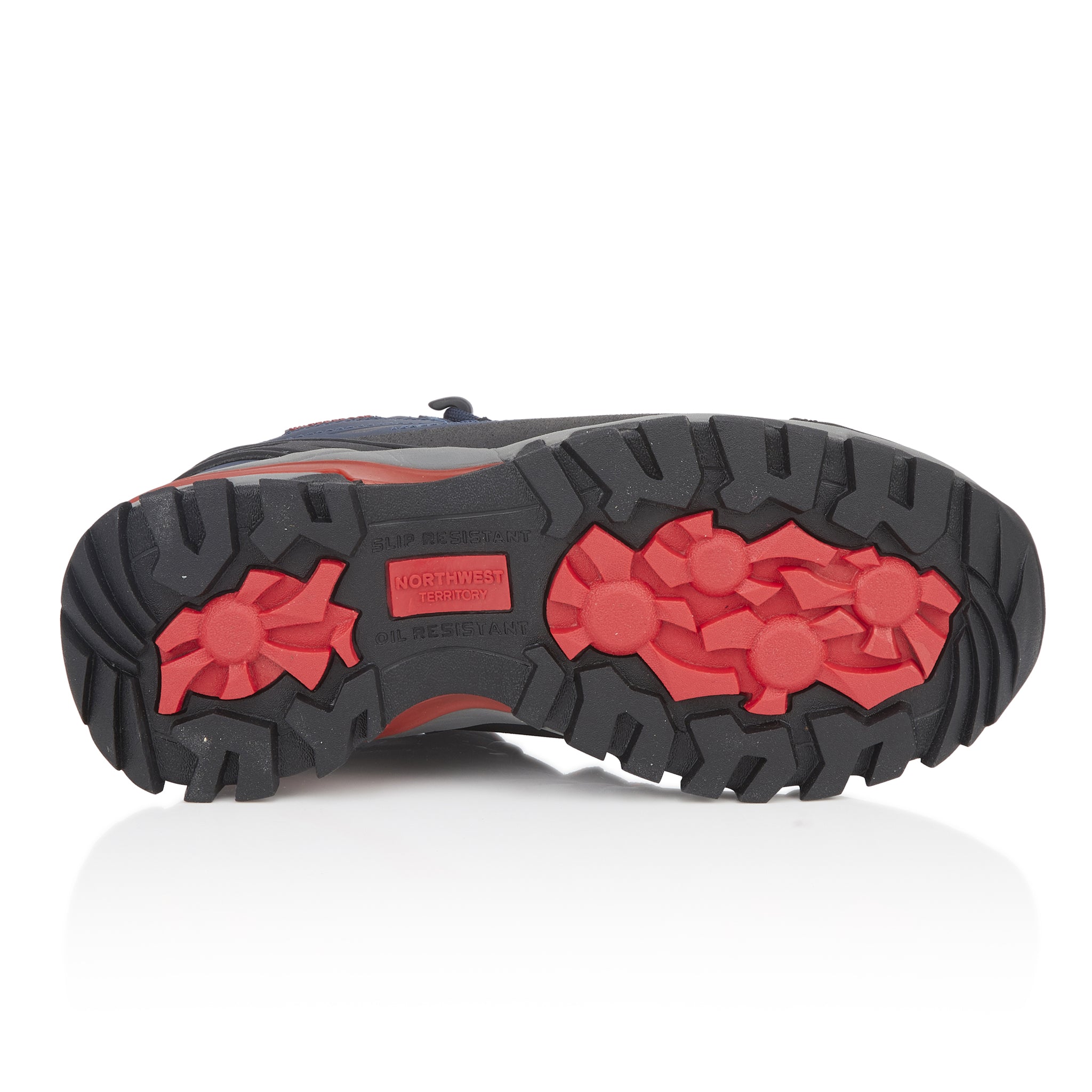
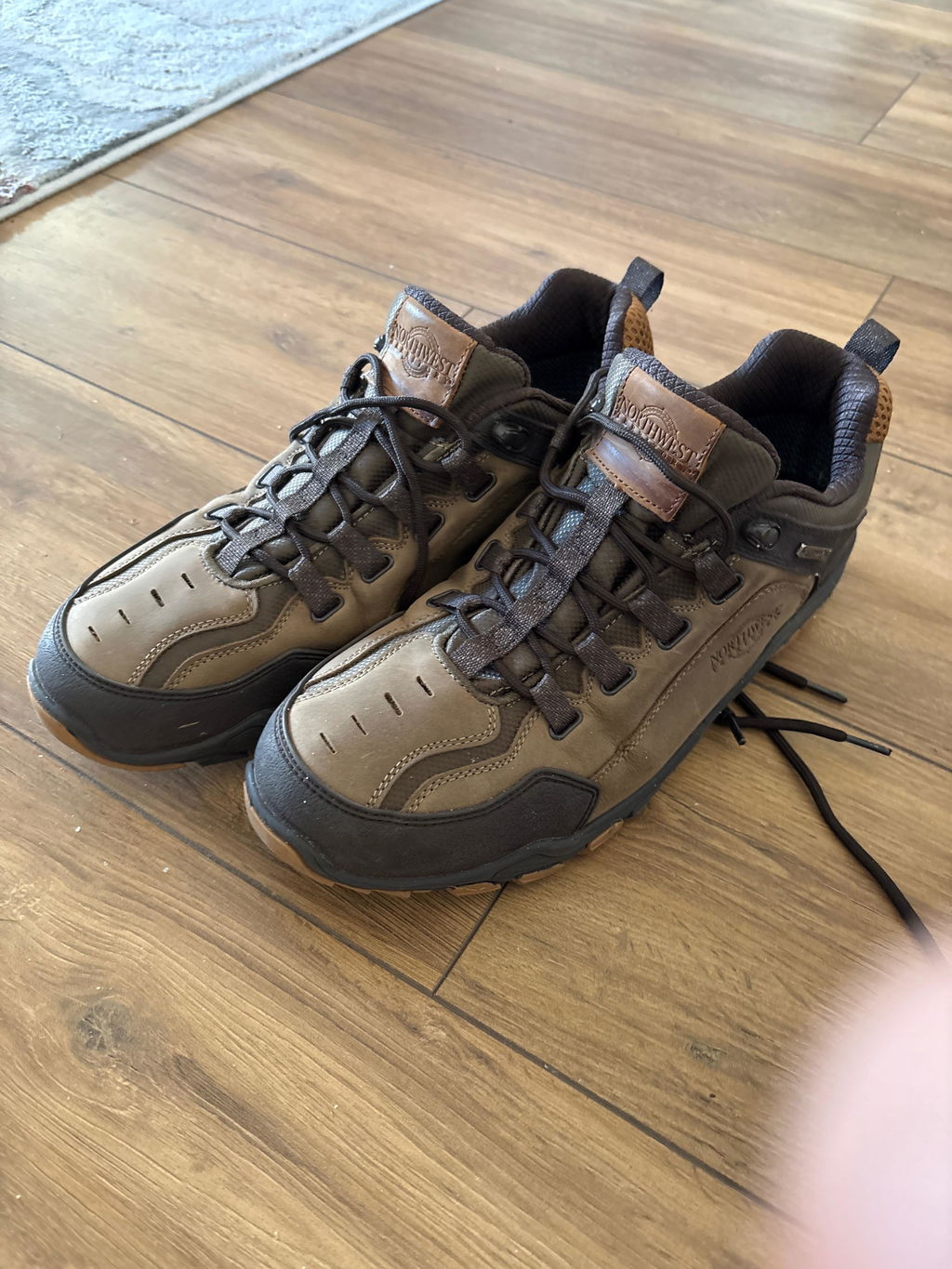
For less demanding routes, our K2 Men's Leather 3M Thinsulate Waterproof Walking Shoes offer a waterproof option. The Steen Men's Waterproof Walking Shoes are another choice for everyday walks and easier trails.
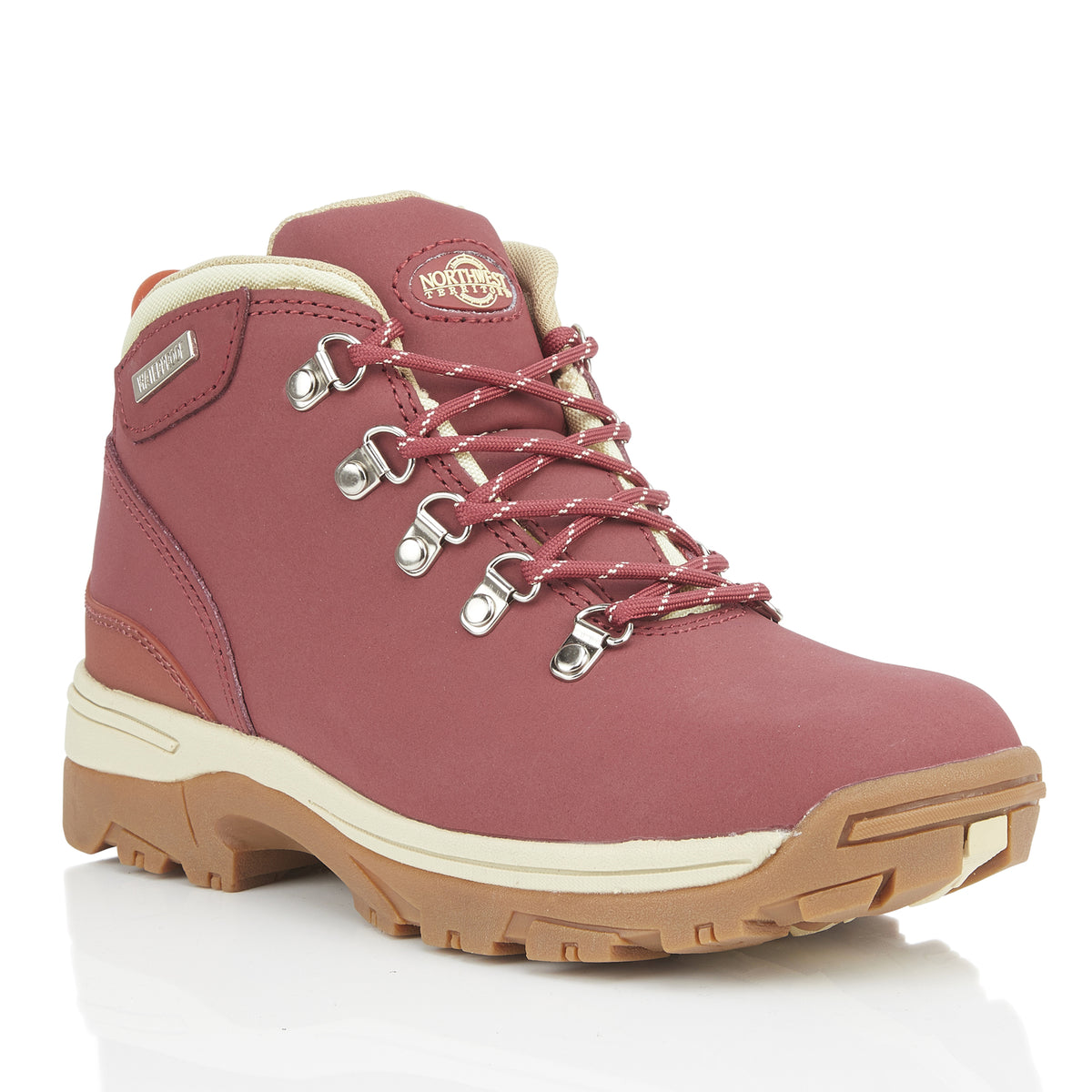
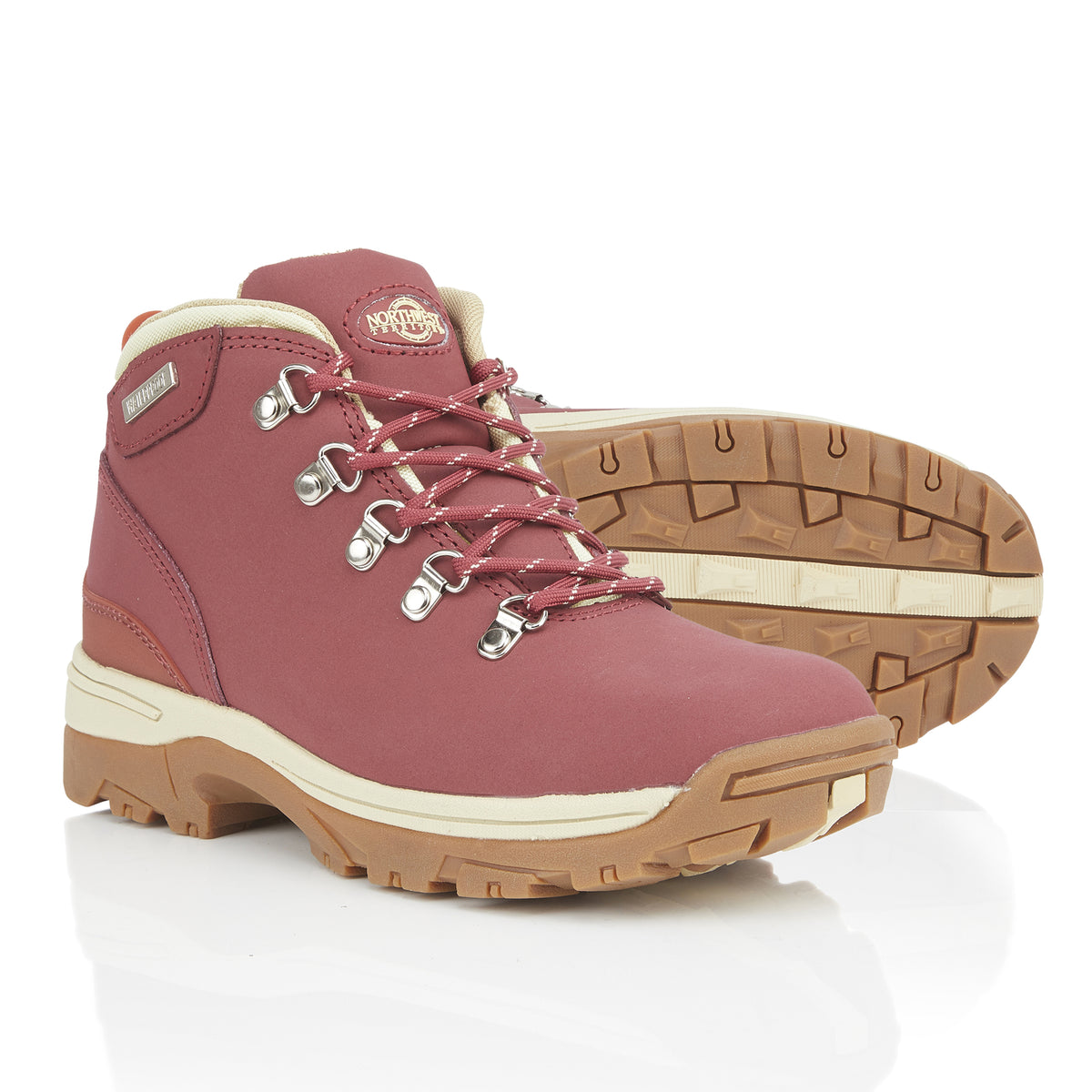
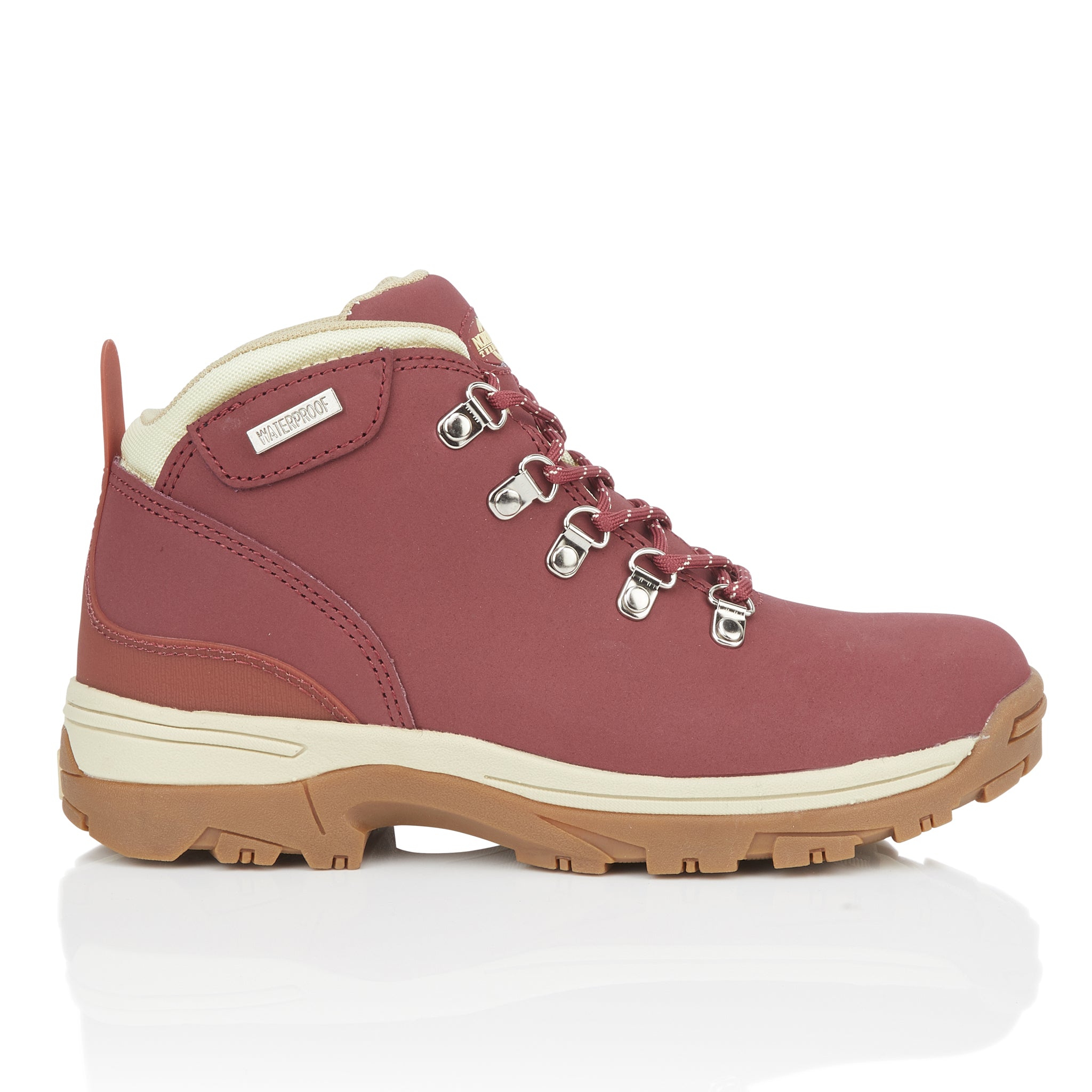
If you prefer a boot, our Malveen Women's Premium Leather Waterproof Walking Boots provide more coverage and are better suited to wet and rougher ground.
You don't need the heaviest footwear available just because you're starting. Look at the route first.
What Do You Need for Hiking for Beginners?
You can get through most short day walks without carrying a huge amount. Start with the things you'll use and add anything specific to the route.
|
Take with you |
Why it's useful |
|
Waterproof jacket |
For rain and changing weather |
|
Extra layer |
Useful when temperatures drop |
|
Phone |
For calls and navigation |
|
Power bank |
Handy on longer walks |
|
Map |
A backup if your phone battery or signal fails |
|
First-aid kit |
Useful for small cuts and blisters |
|
Torch |
Helpful if you get back later than planned |
Take a few items with you when you head out. If you are just going for a short stop near your place, you will not need the same stuff as you would on a longer walk into the hills.
What Should You Check Before You Leave?
Look at the weather first, before you leave.
Plans can shift fast. What looked fine the day before may turn rainy by morning. Rain can leave parts of the path slick. Wind can also make open areas tough to cross.
Also, check the route. If you use a walking app, download or save the route to your phone before you start. It helps when your signal drops.
If you’re going alone, and it’s quiet or far from people, tell someone where you’re going and when you expect to return.
Pack enough water and snacks for the whole trip. Bring a little extra too, in case you slow down, or the walk takes longer than you thought.
How Can You Get Started with Hiking for Beginners?
There are a few things worth getting used to when walking on UK trails.
- Keep to the marked footpath where possible.
- Take your rubbish home.
- Close gates after you go through them.
- Follow signs around farmland and private land.
- Control your dog when you are near farm animals.
- If the path is tight, give other people some space.
- Watch for cyclists and horse riders using the same route.
- Don't leave the trail simply to find a shortcut.
You don't have to know every bit of countryside etiquette before your first walk. Most of it is simply about leaving the area as you found it and being considerate to people and animals around you.

Your First Hiking Checklist
Before you leave, it's worth checking a few things:
- Is the weather suitable?
- Have you checked the distance and terrain?
- Are your shoes or boots comfortable?
- Have you got enough water?
- Have you packed something to eat?
- Is there a waterproof layer in your bag?
- Is your phone charged?
- Can you reach your route if you have no signal?
- Do you know where you are headed?
It's a simple hiking checklist, but it can prevent a few common problems.
At Northwest Territory, we make practical outdoor clothing and footwear for people who spend time walking and exploring. As you do more hiking for beginners, you'll naturally work out which trousers, socks and footwear suit you best.
Start with a route you can manage, take the basics and see how you get on. The next walk will usually be easier to plan.