
Socks are the small thing most people forget first when they plan to go out. Pick your boots, look up at the sky for a second, then just grab a pair of socks. You do not overthink it. If they are on top of the drawer, that is the pair you wear.
That works okay for a short walk. If you are gone for hours, it can turn into a headache.
Your feet heat up fast; they sweat. On the walk, your boots move slightly each time your foot lands. If the socks do not fit well, you notice it fast. When they slide or rotate, it feels off right away. One day it may be the heel that hurts. Another day it may be the toes. At first it might look like nothing. Then a small spot can turn into a blister.
Hiking socks do not solve every shoe issue. But they can help your feet feel more at ease on long walks.
What Should You Look for in Hiking Socks?
One should start by checking the fit.
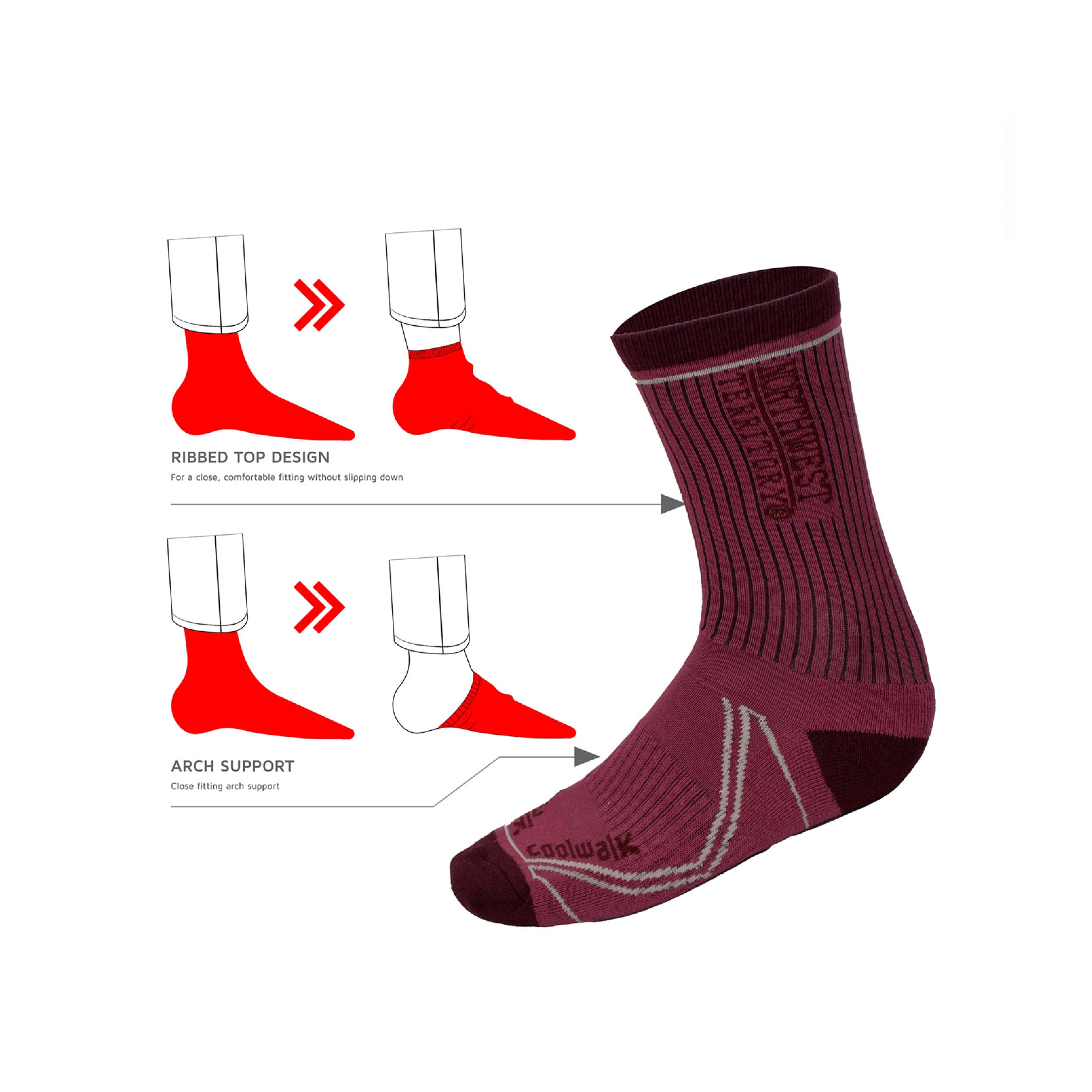
A sock shouldn't keep sliding down your ankle or leave spare material around your toes. You also don't want it stretched so tightly that it feels restrictive.
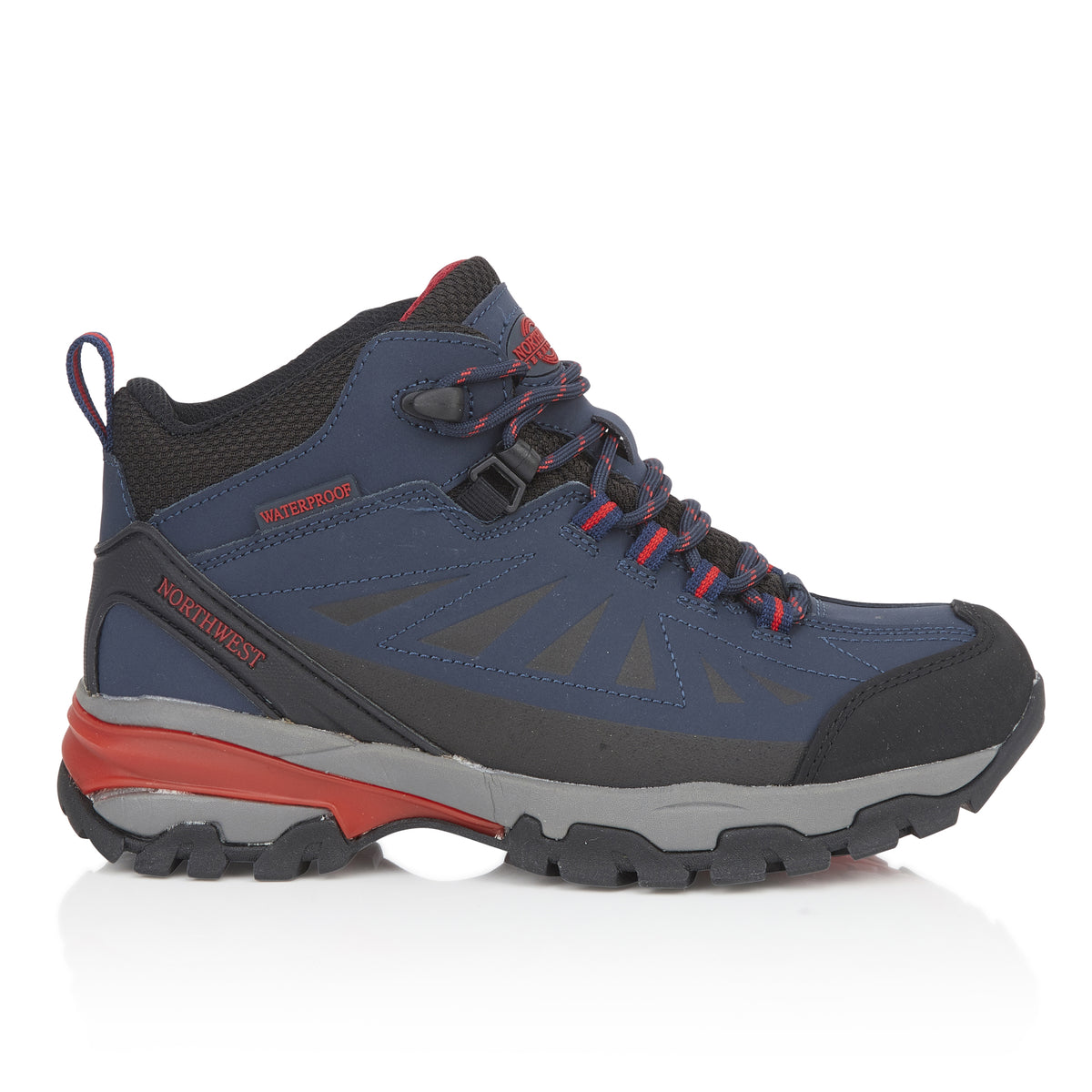
Then check the thickness. Before you buy, match the sock to your shoes. In tight walking boots, thick socks can feel cramped fast. With a wider winter boot, you can often go with a thicker sock and still feel okay. Then think about your feet.
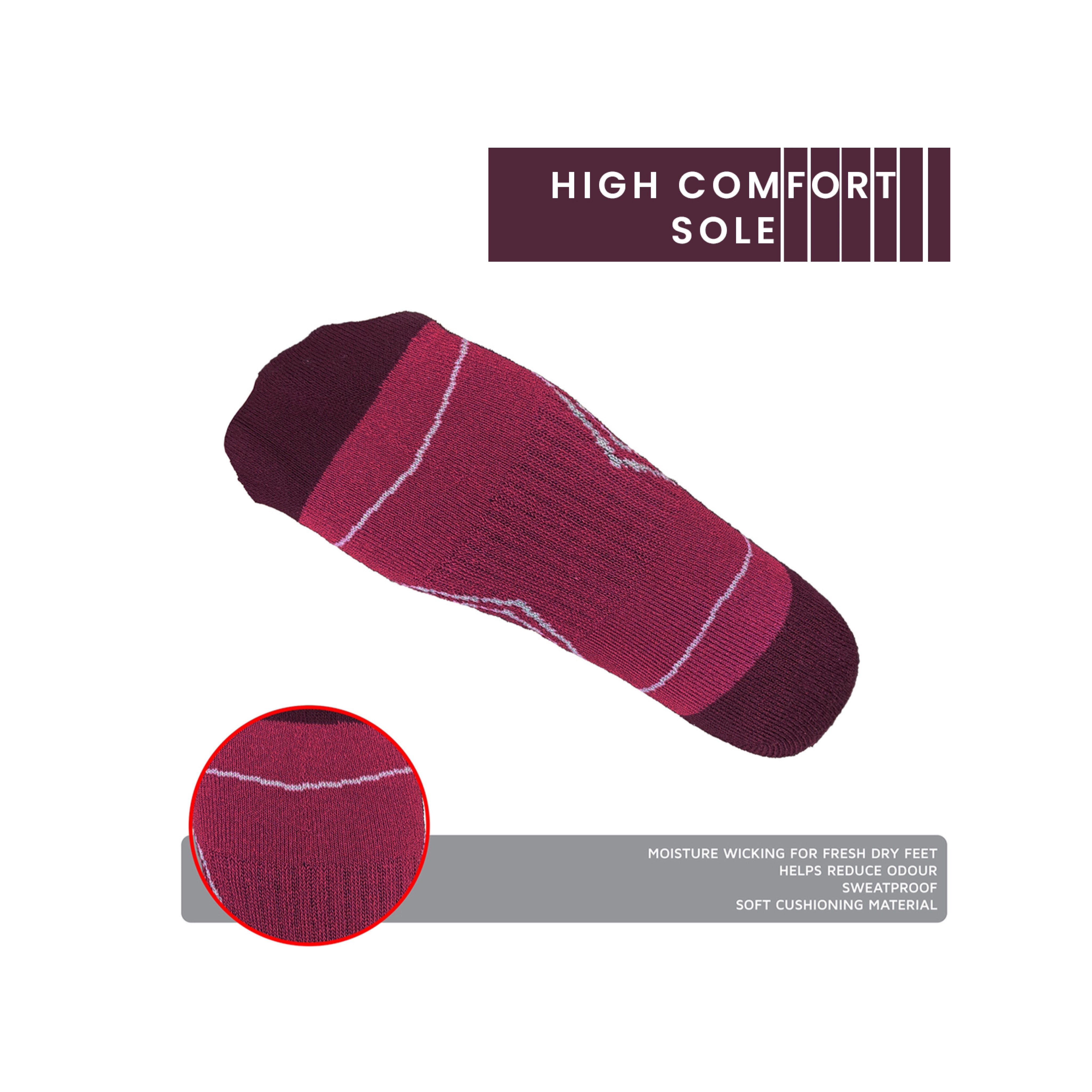
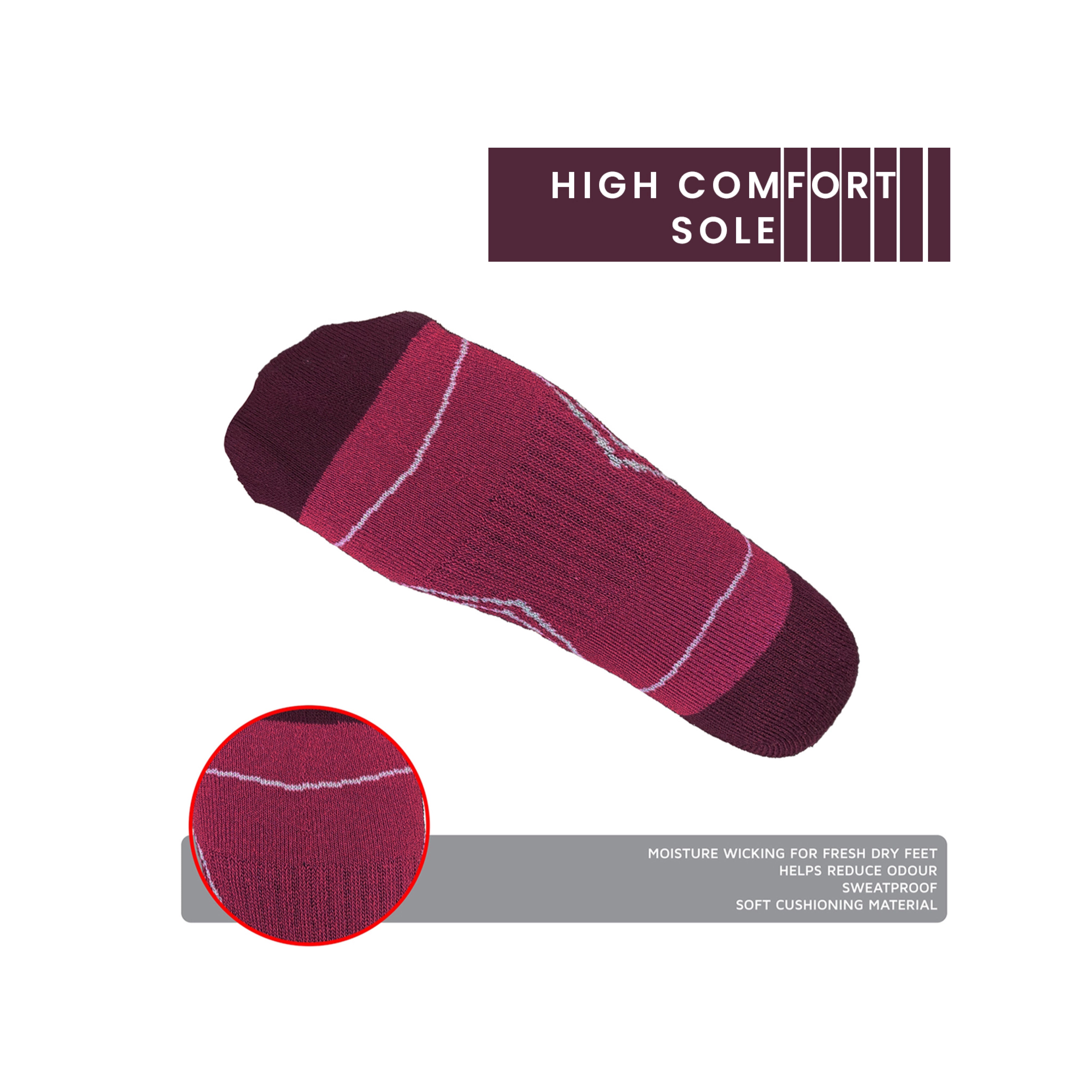
Some people rarely have problems with sweat. Others find their feet get damp within an hour. If you are in the second set of people, you might want to check out moisture-wicking socks. On long walks, extra padding helps too. Focus on the heel and the bottom of the foot. You don't need a sock with every possible feature. Fit comes first.

What Socks Should I Wear With Walking Boots?
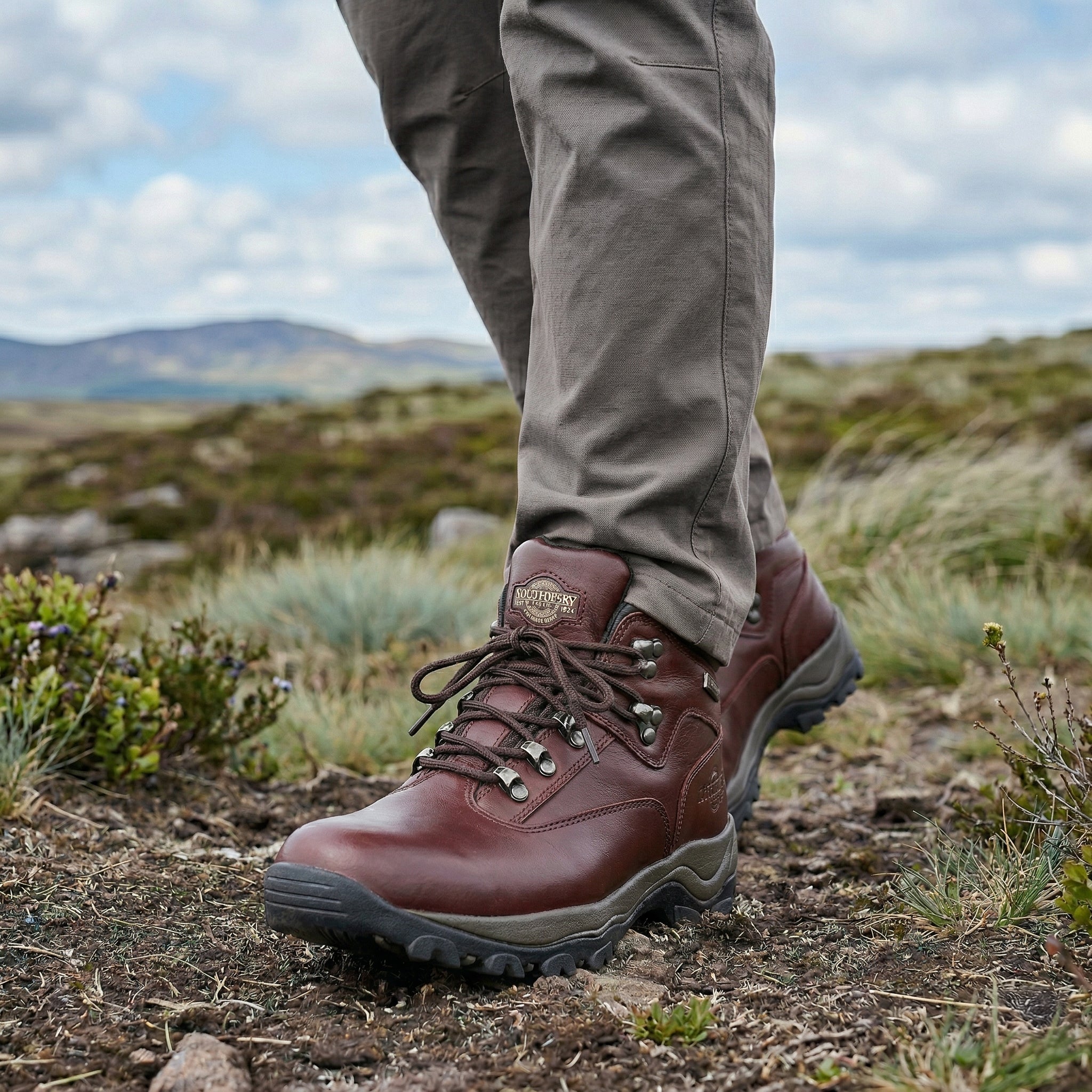
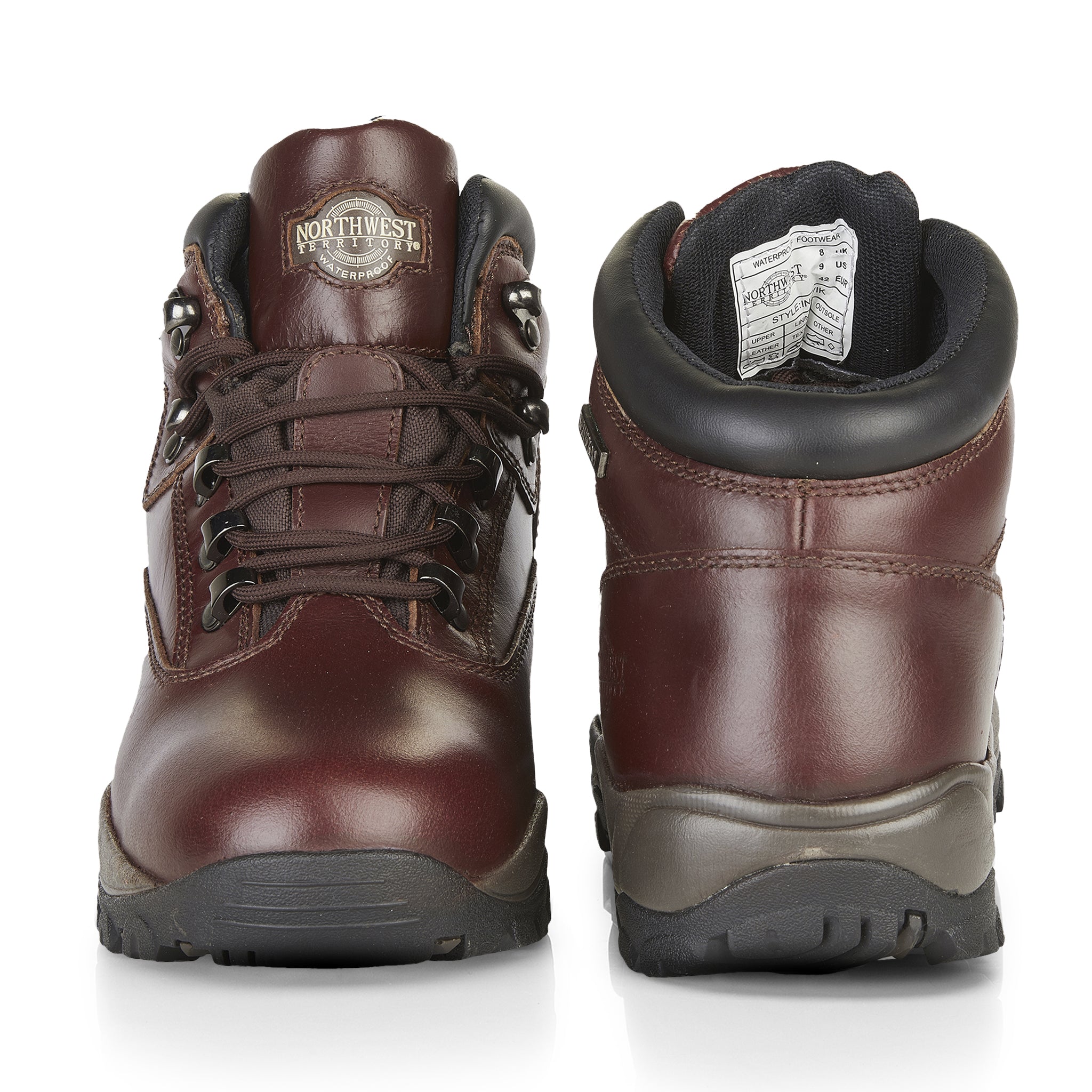
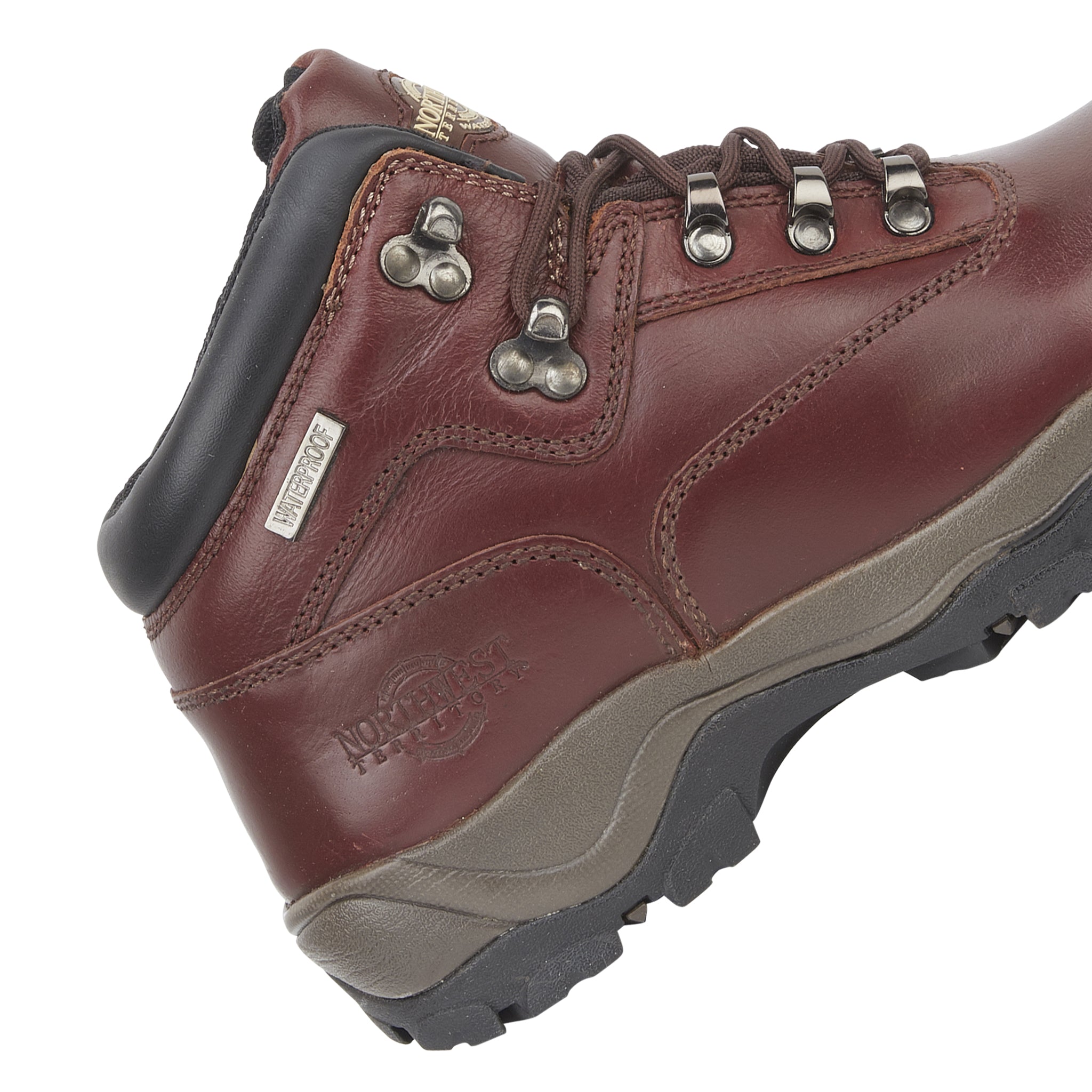
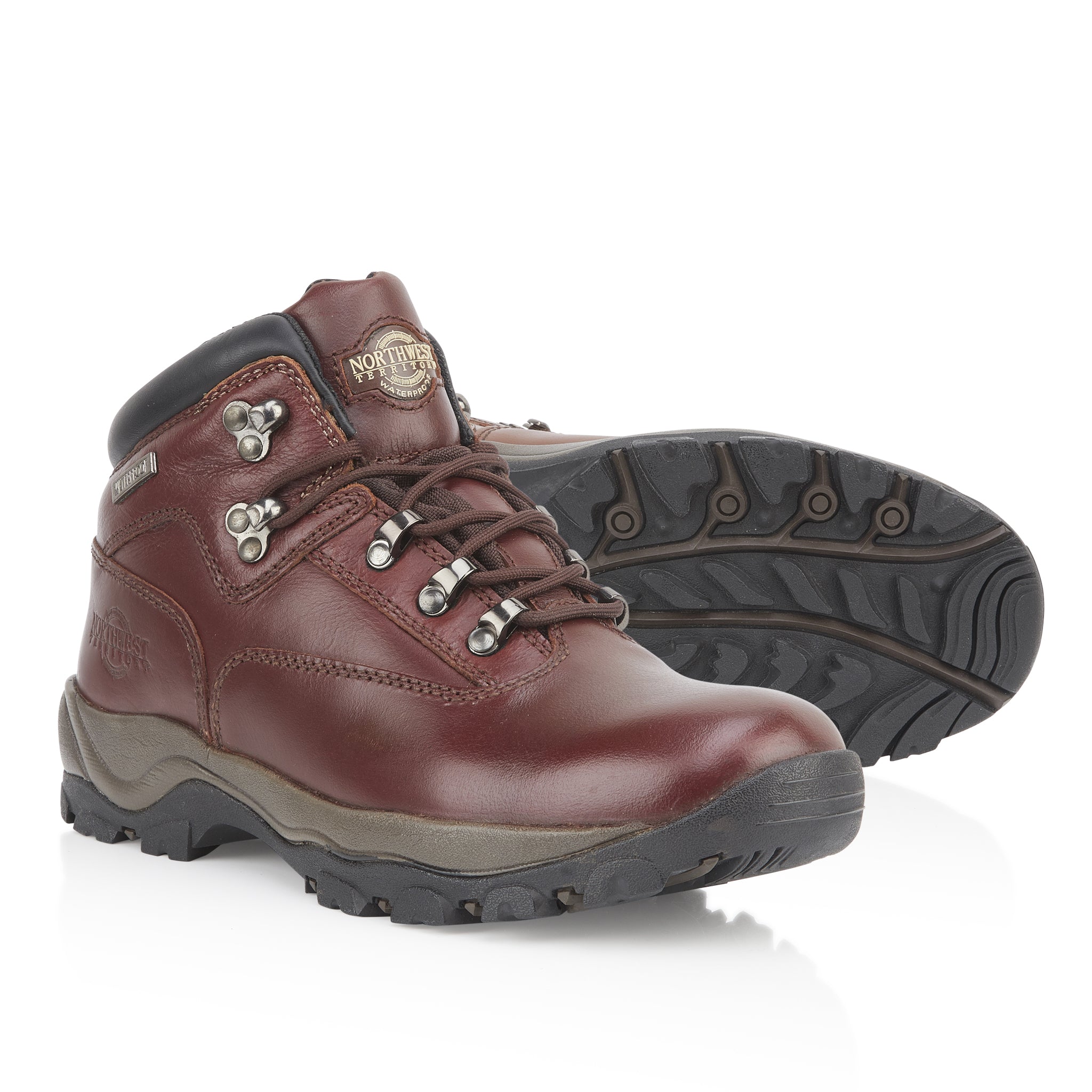
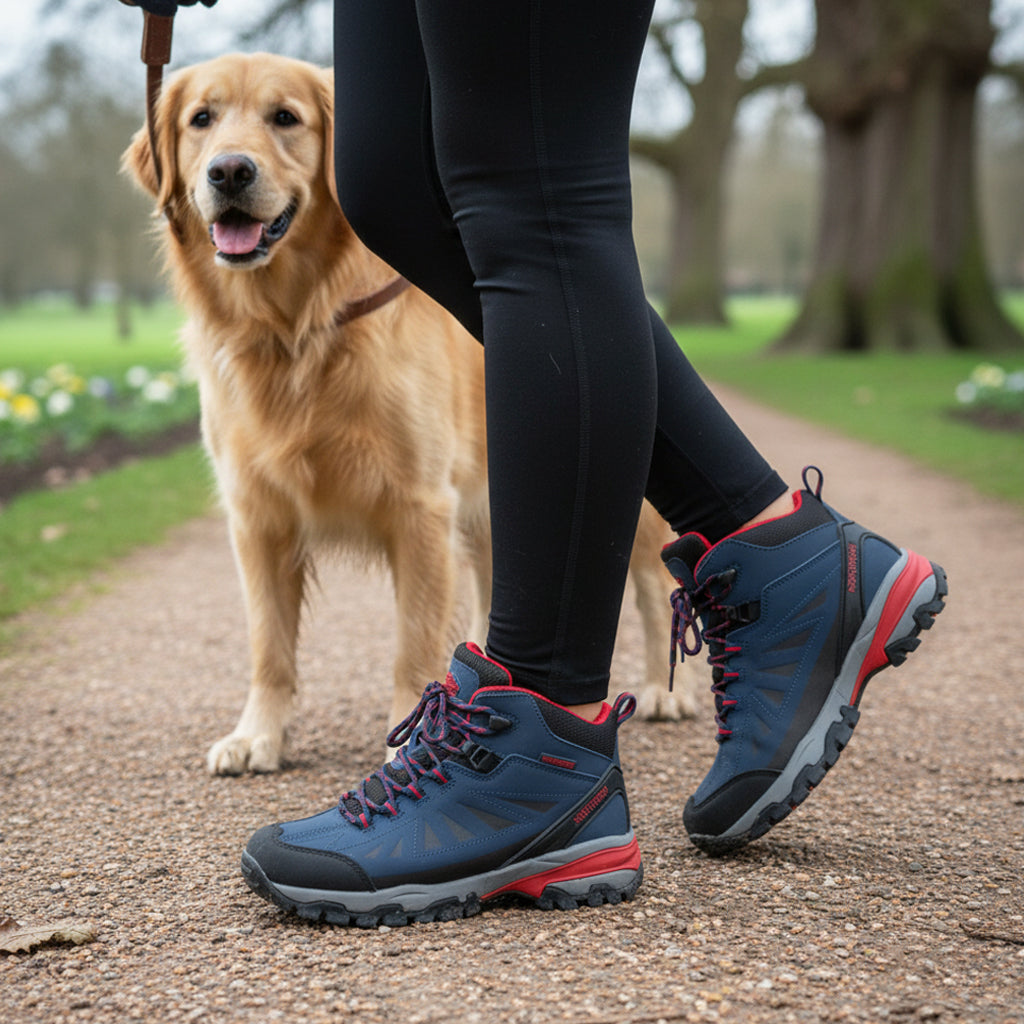
Try the socks with the boots.
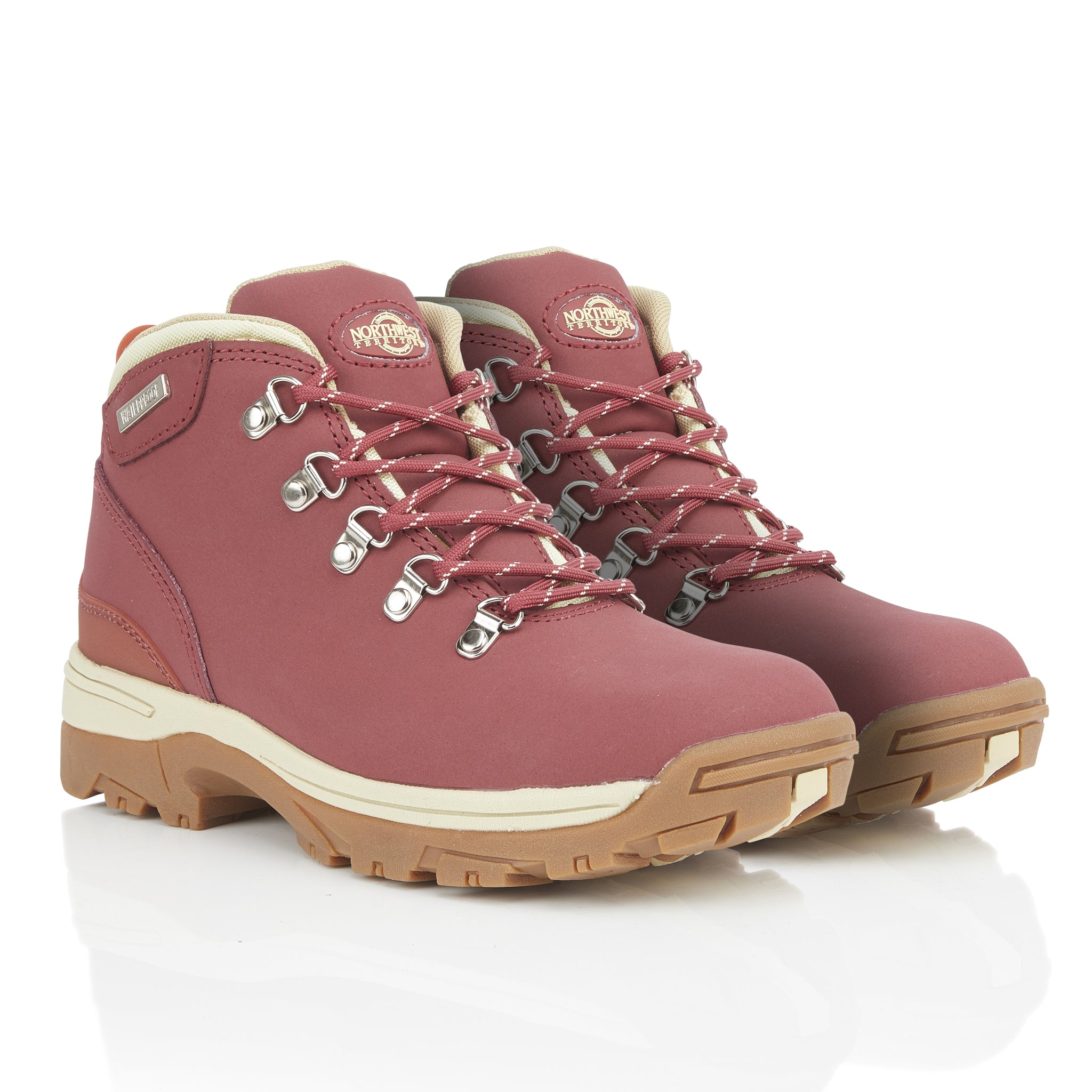
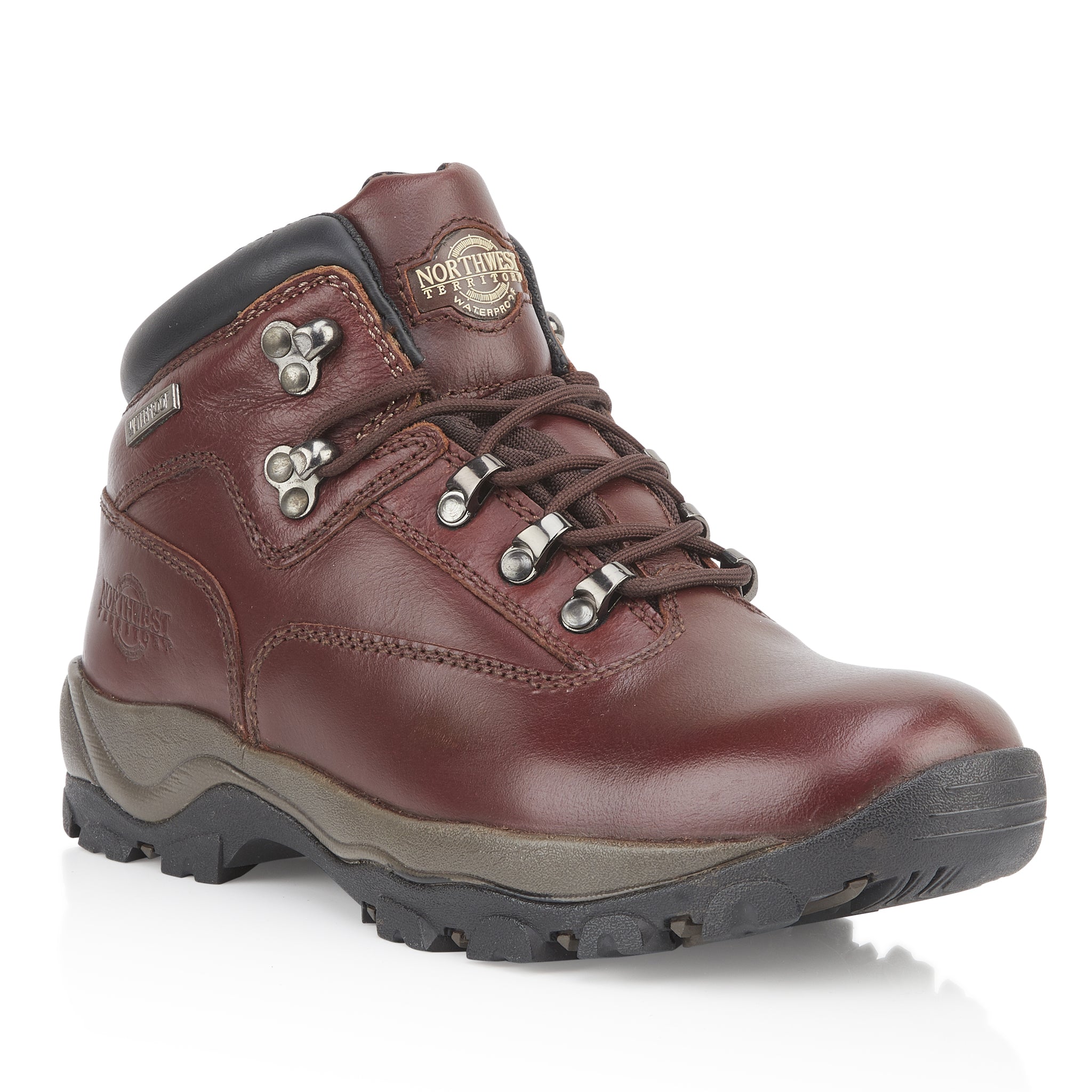
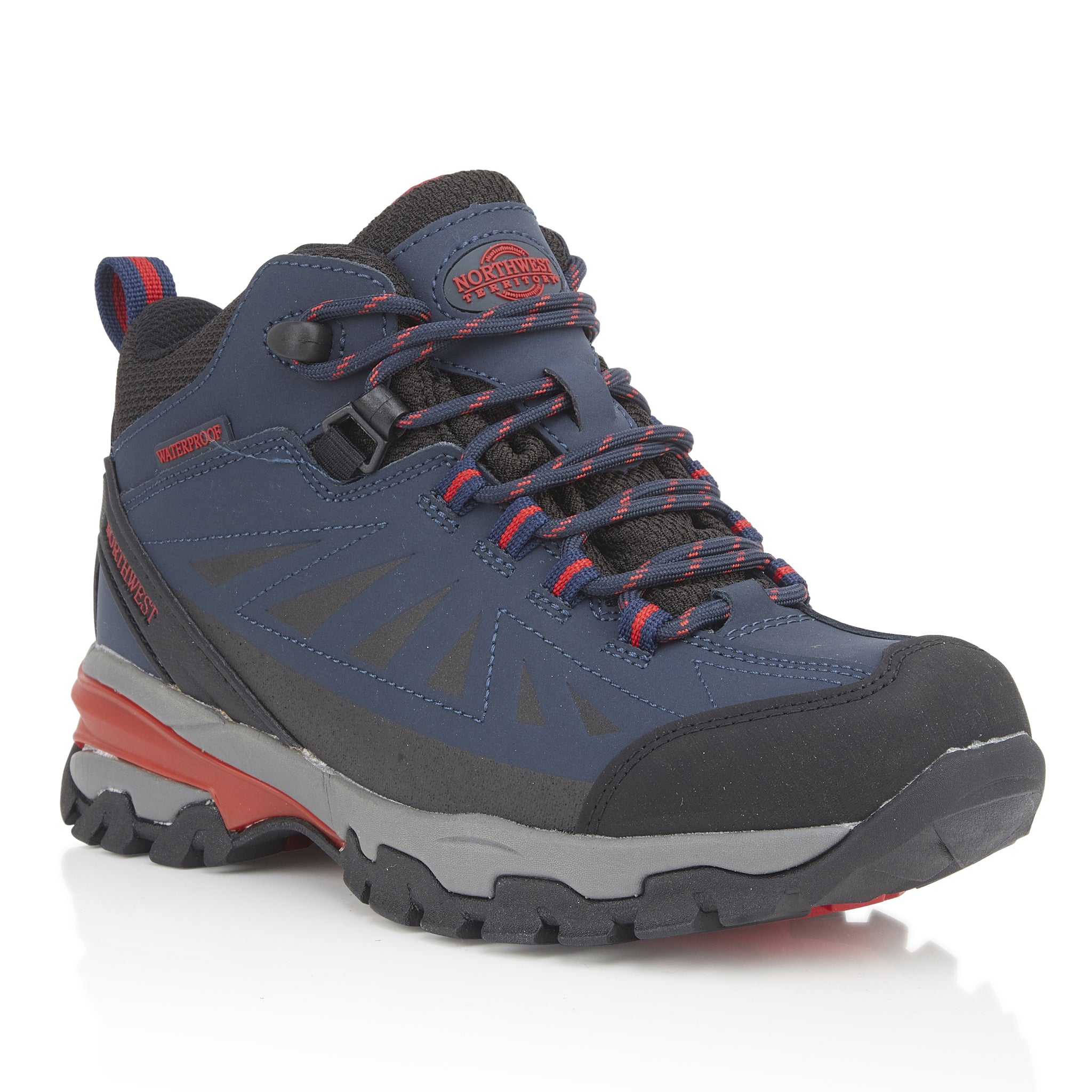
It seems simple, but most people miss the pairing part. When you are getting new walking boots, grab the socks you wear the most. Wear those socks first. Then slide the boots on over them.
When you test them, look at your toes first. They should not feel pressed in, especially near the front. Try the boots on with the socks for a short walk before you plan a full day out. If the boot starts rubbing after about two miles, you can deal with it without going far.
You also want to avoid finding an issue mid-route, when turning back is harder.
What Materials Should You Look for in Hiking Socks?
The material of your hiking socks can affect how they feel during a long walk.
Rather than choosing a pair based on one particular material, look at how the socks are designed to perform. For regular walking, useful features can include a comfortable fit, cushioning, breathability and the ability to manage moisture.
Different socks can feel better depending on the weather and the type of walk you're planning. Lighter socks may feel more comfortable during warmer days, while thicker or cushioned options can be useful when you want extra comfort on longer routes.
The most important thing is that your socks work well with your walking boots. They should stay comfortably in place without bunching around your toes or making your footwear feel too tight.
|
When you're walking |
What may work well |
|
Hot summer day |
Lightweight socks |
|
Mild weather |
Medium-weight walking socks |
|
Cold weather |
Thicker socks |
|
Long route |
Cushioned socks |
|
Feet get sweaty |
Moisture-wicking socks |
|
Wet conditions |
Quick-drying socks |
Let your shoes and your comfort decide. A sock that feels fine in one pair of boots might feel off in another.

Do You Need Different Socks in Summer and Winter?
It helps to have a choice.
A thin pair is usually more pleasant when you're walking on a warm day. In winter, a thicker pair may be more suitable, particularly with boots that have enough room for them.
You don't need a different pair for every month of the year. Two or three types will usually cover most walks. When you walk often, you will start to notice what feels right for you. After some time, your feet will tell you what to use.
Some people go with a thin sock no matter the season. Others choose a thicker one for extra padding.
What Should You Take on a Long Walk?
A spare pair of walking socks is one of those small things that can be worth carrying.
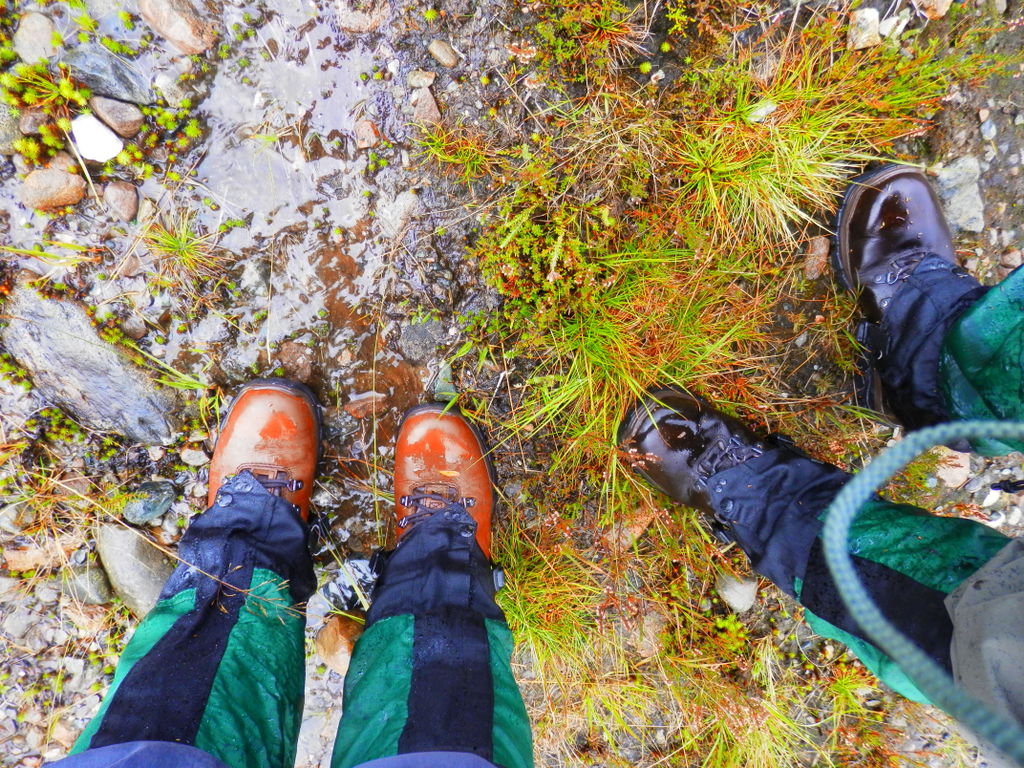
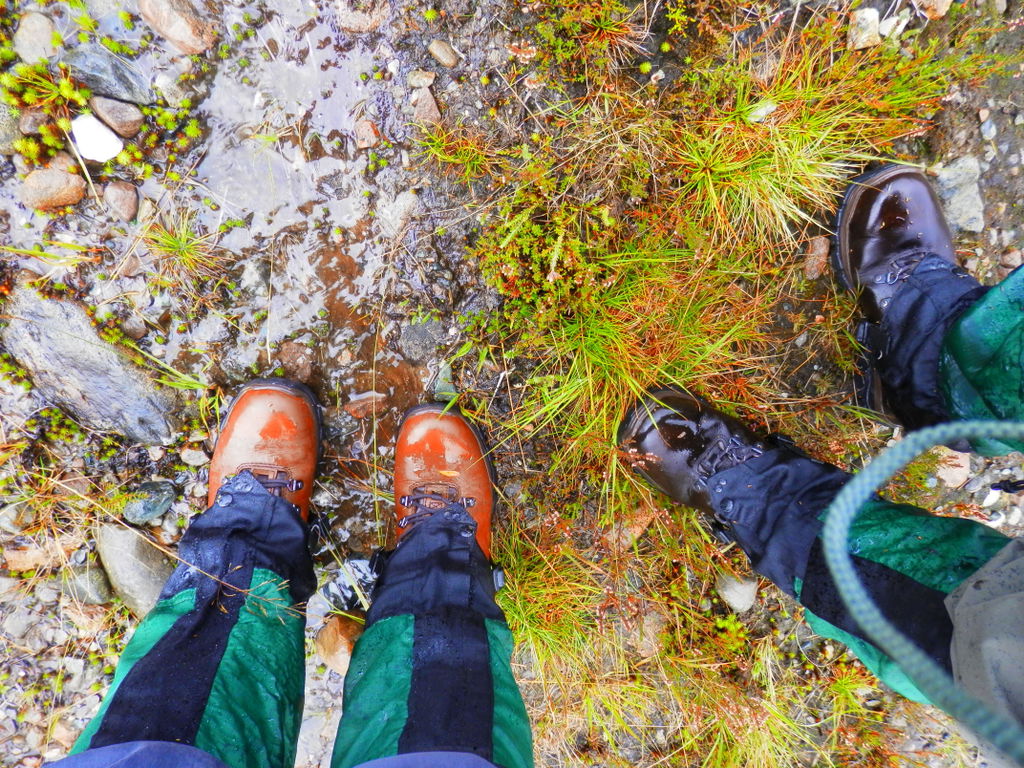
It takes up hardly any space in a daypack, and the weather doesn't always behave as expected. Wet grass can soak your shoes fast. If you are crossing a field and you keep going for hours, your feet may end up wet.
If you plan a longer walk, bring a few extra things too:
-
Water
-
Food or snacks
-
A waterproof jacket
-
An extra layer
-
Phone and power bank
-
Map or offline route
-
Basic first-aid items
-
Sun protection
-
Spare socks
What you pack will depend on the spot you are heading to and how long you will be out.

How Long Do Hiking Socks Last?
It mostly depends on how much you wear them and if you keep them in good shape.
Check the heel and the toe from time to time. If you see the material getting thin or if there is a hole, then they are done. Also replace them if they feel loose or badly stretched.
Follow what the care label says for washing. After that, dry them fully before you store them. There's nothing particularly complicated about looking after hiking socks. They are one of those bits of walking kit that tend to get forgotten until something goes wrong.
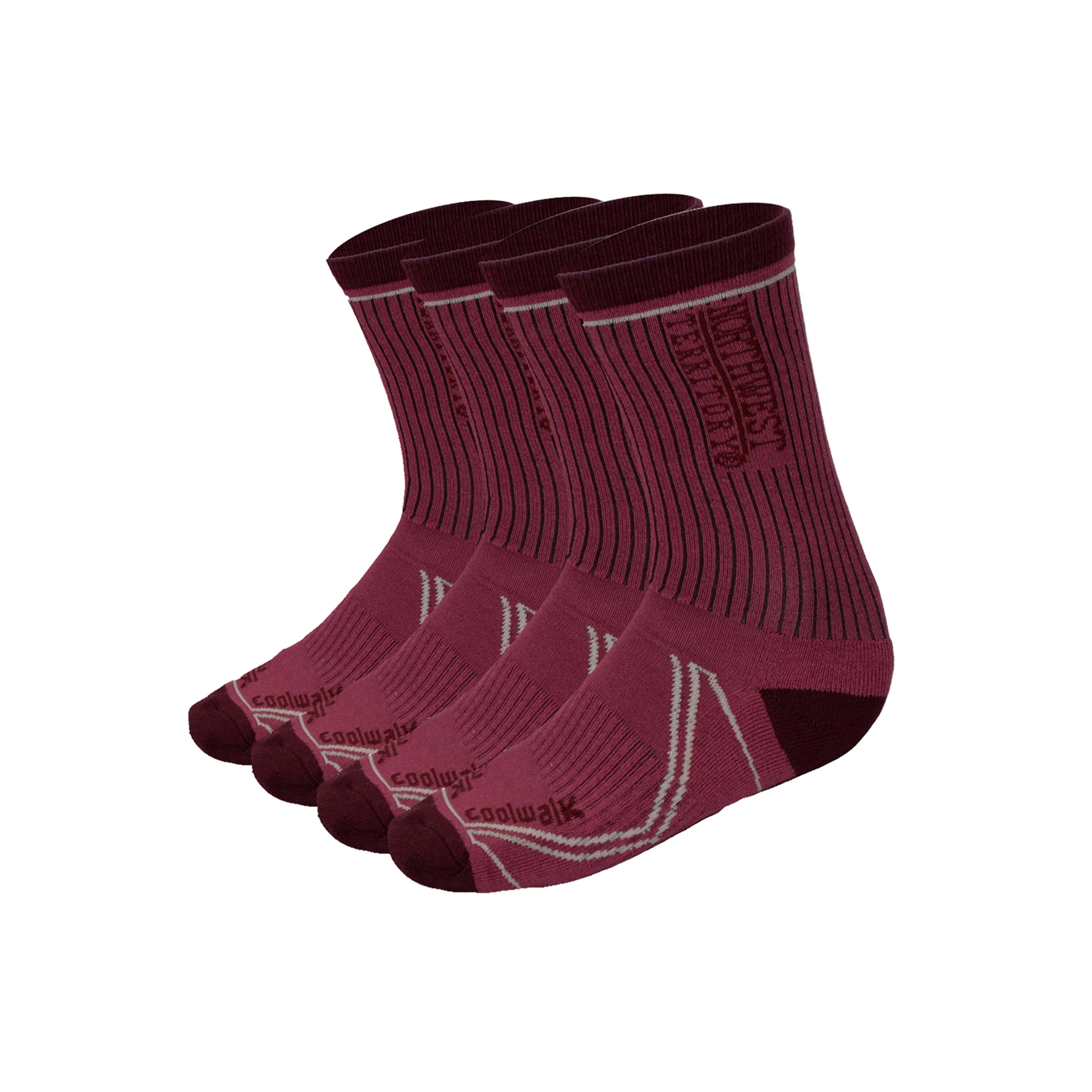
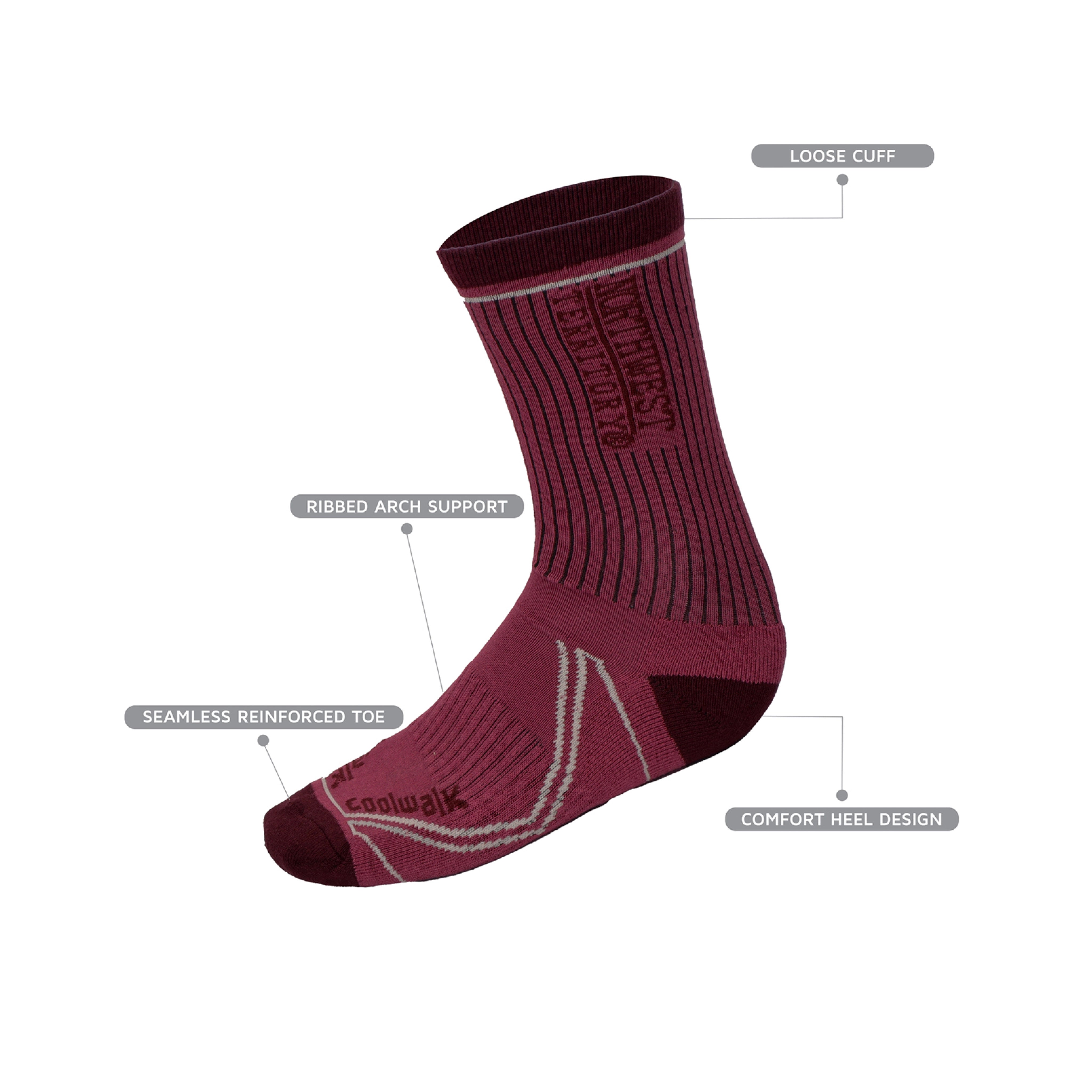
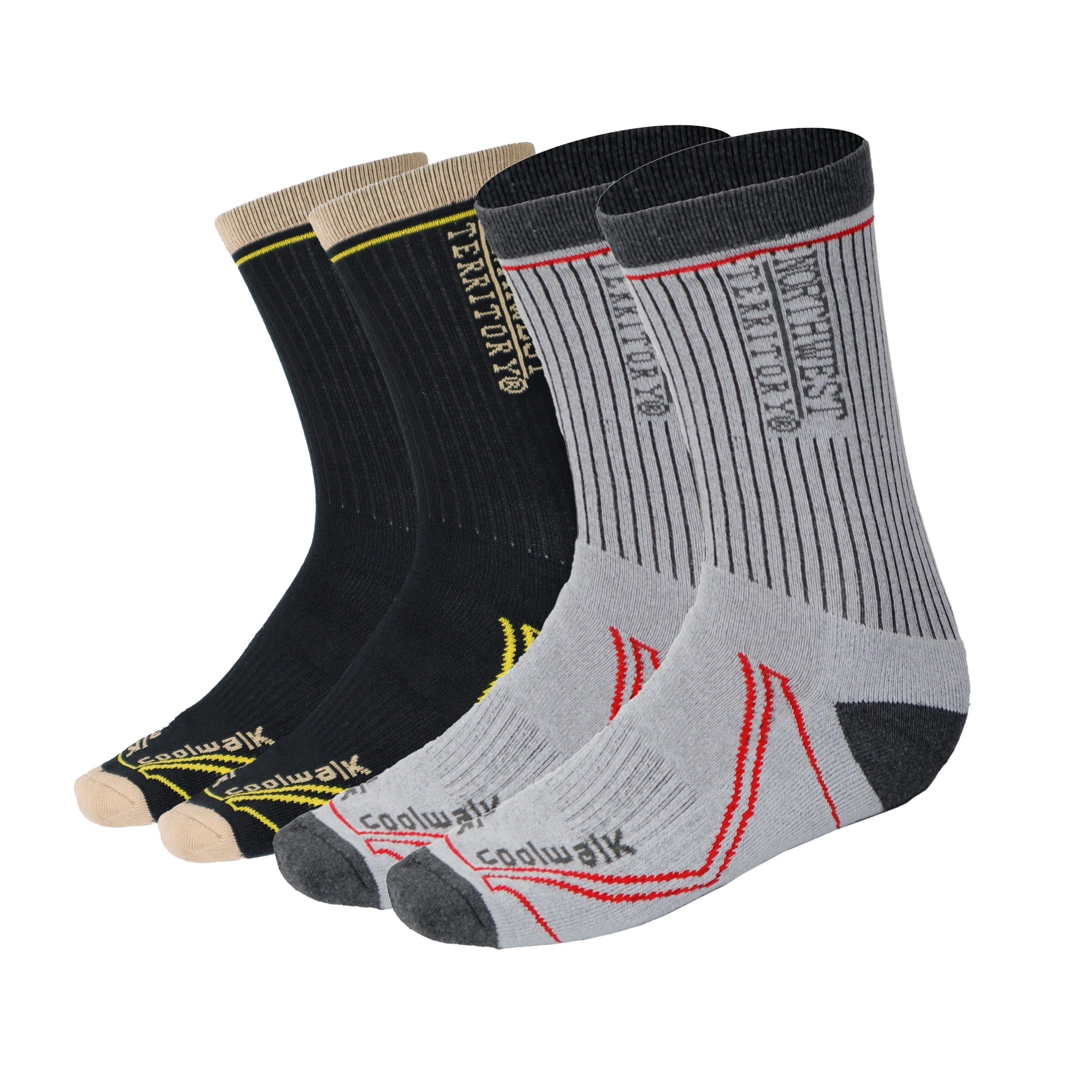
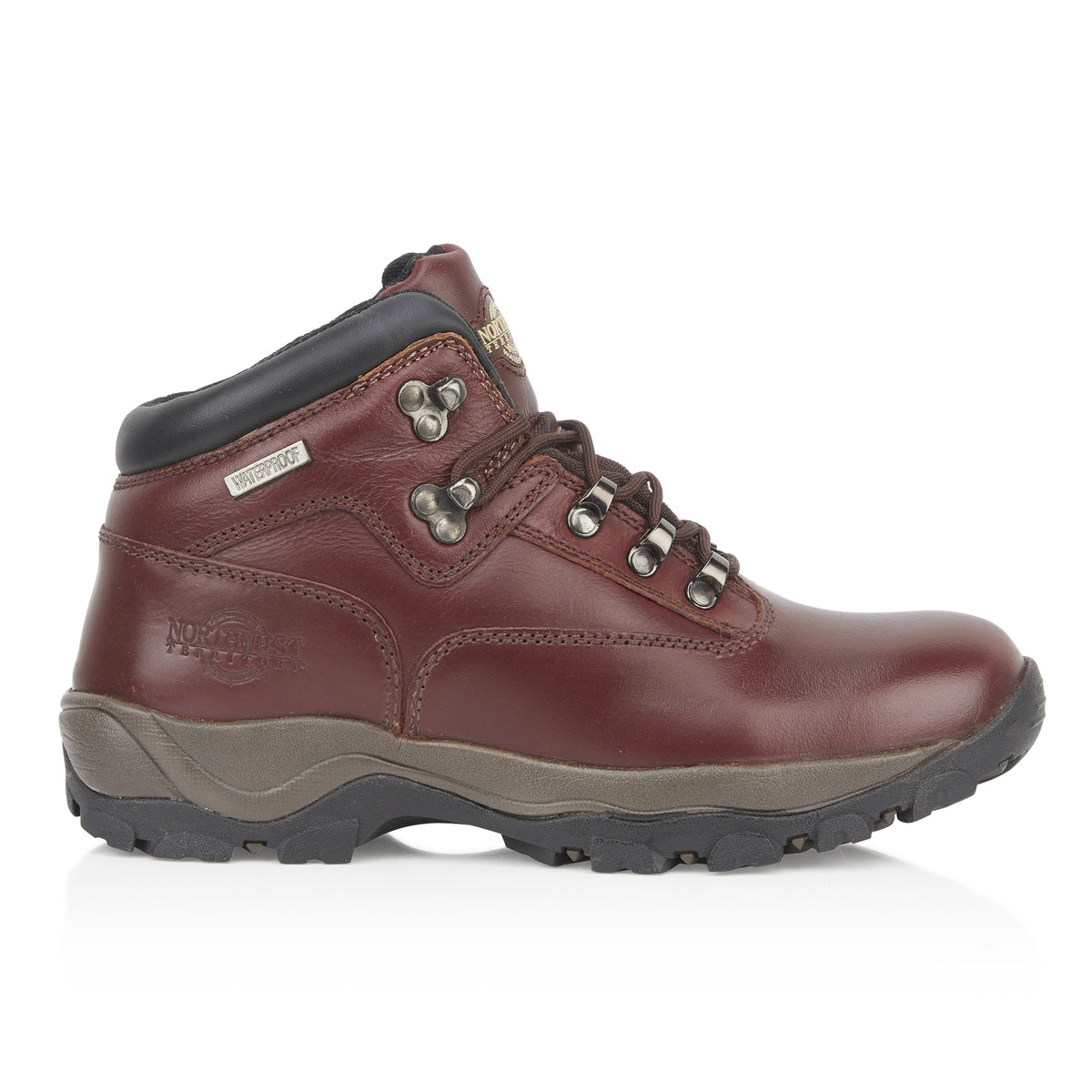
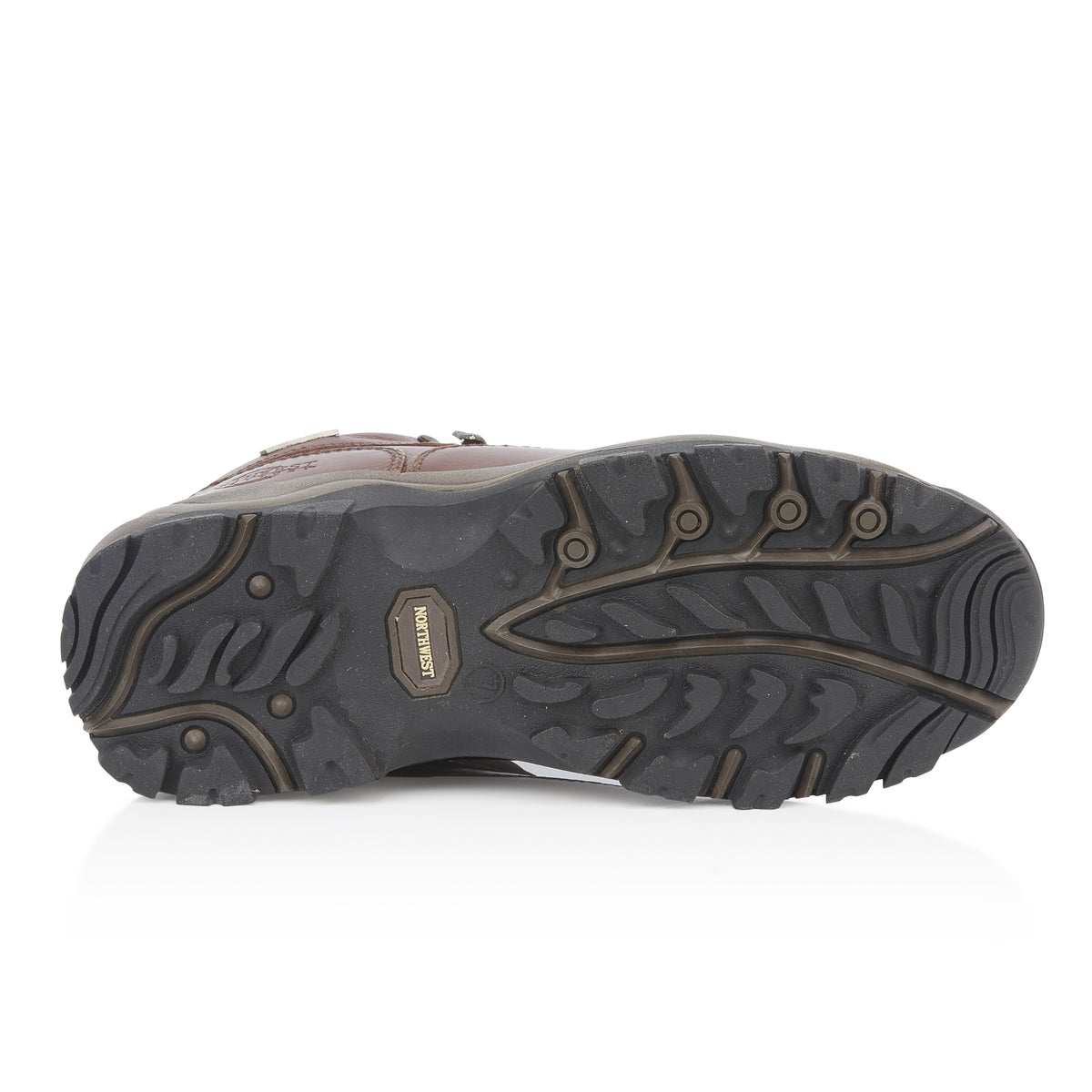
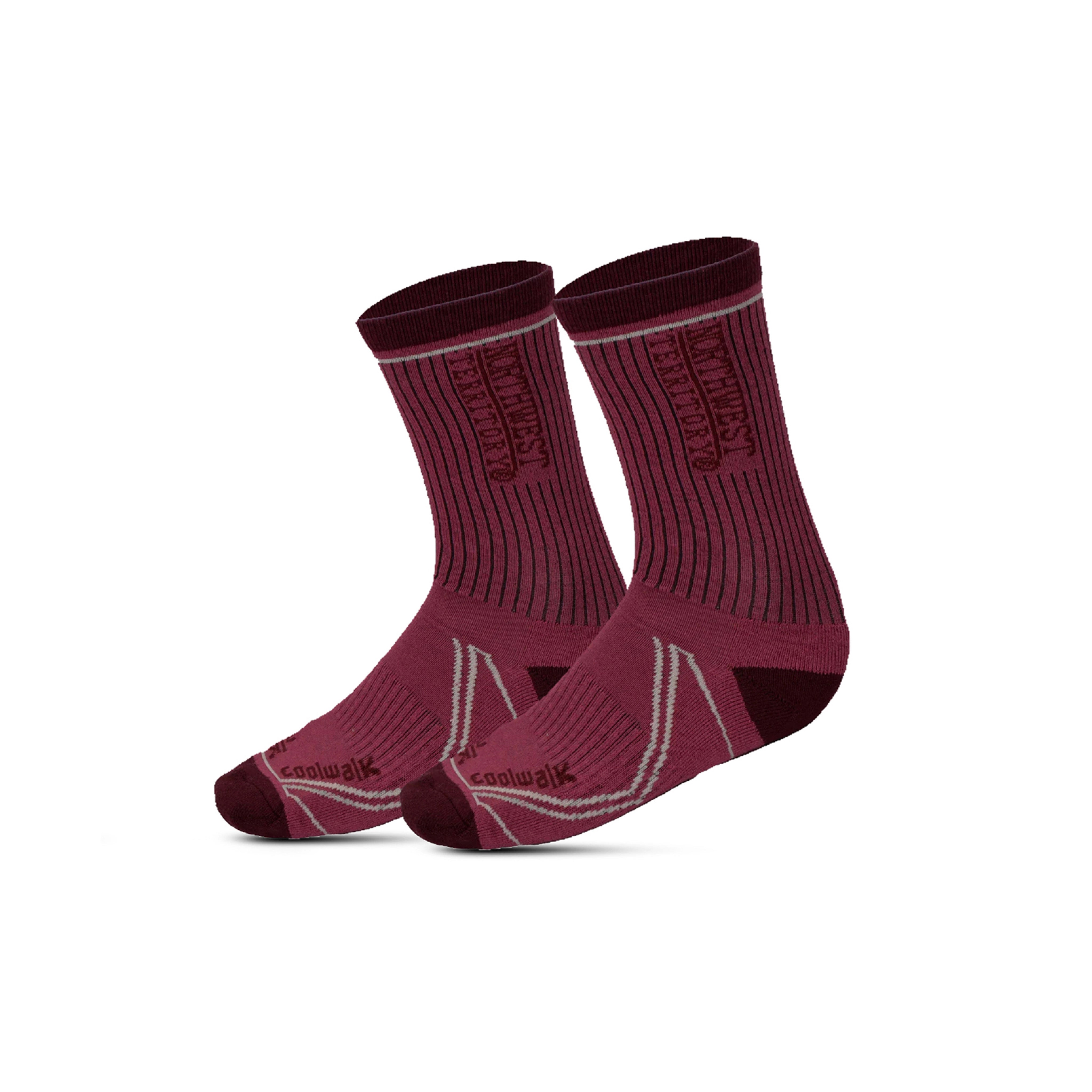
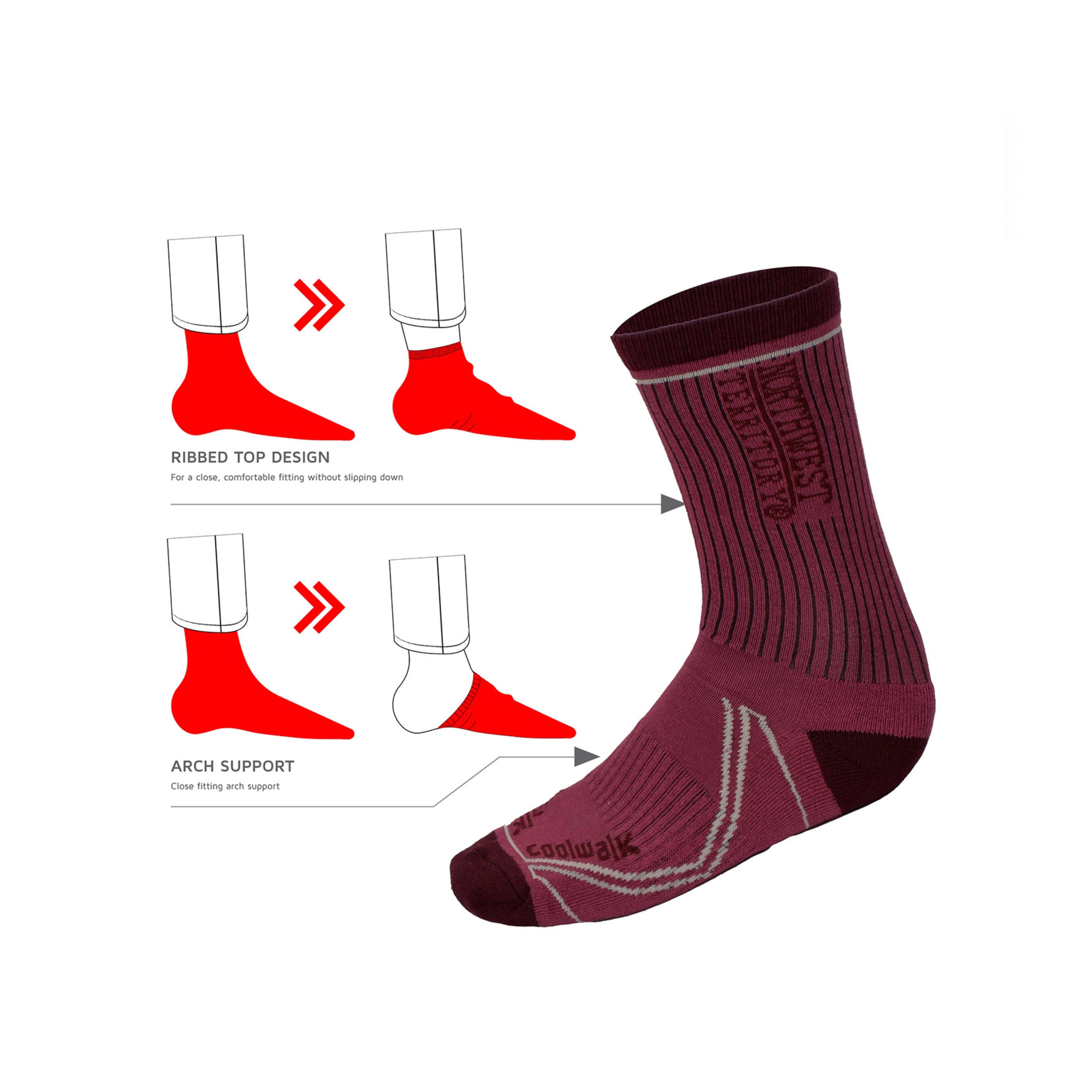
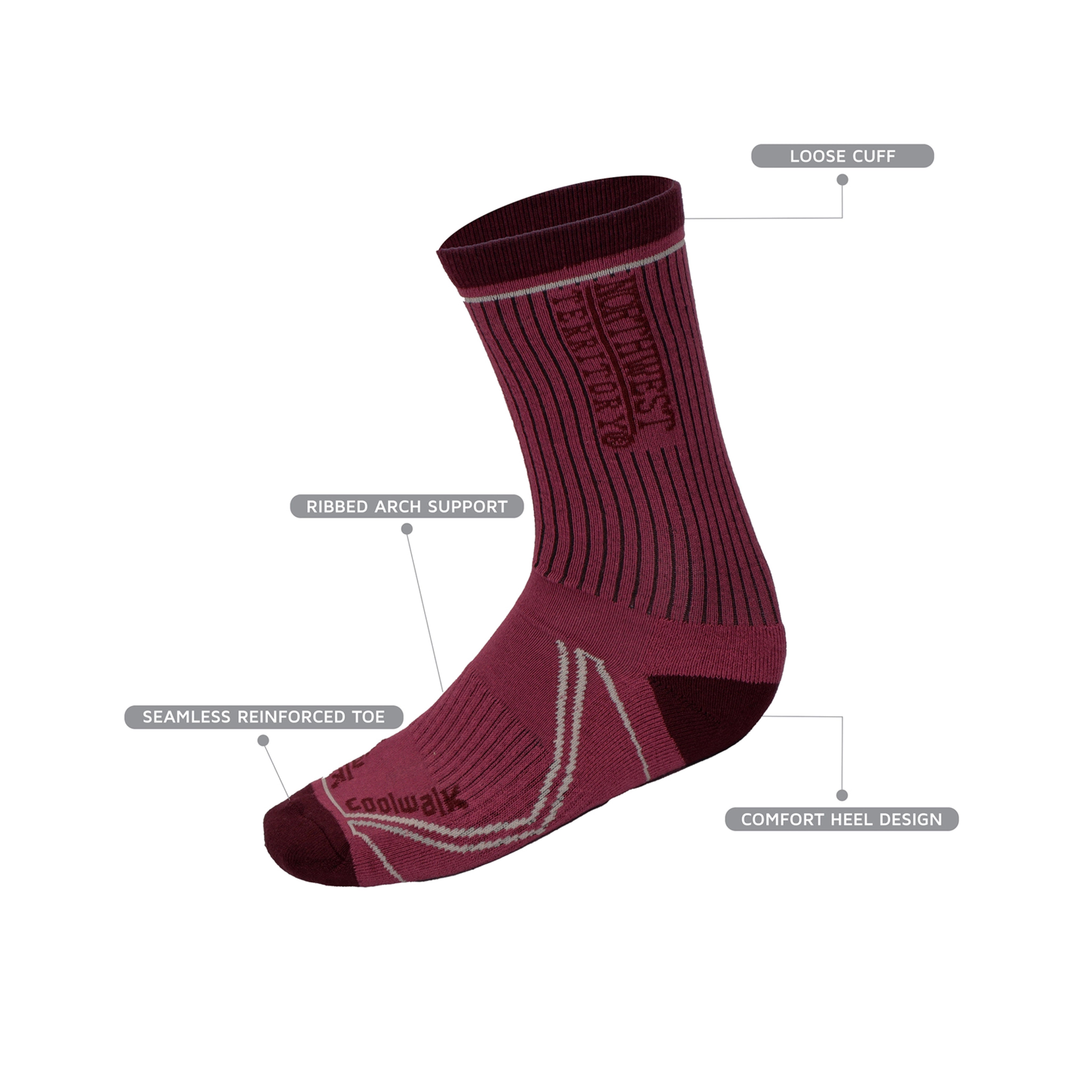
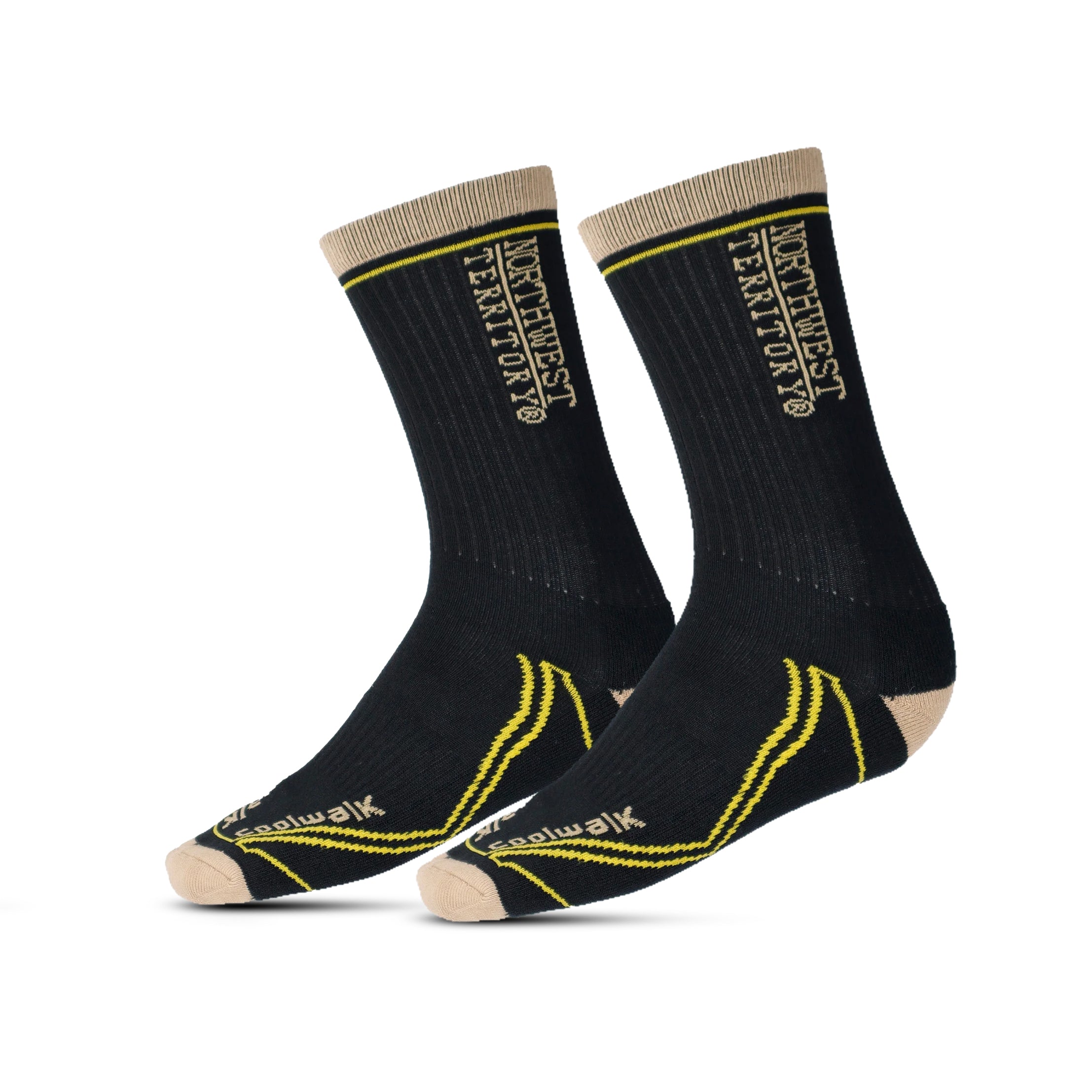
Northwest Territory has options such as the Coolwalk Men's Socks and Coolwalk Women's Socks for everyday outdoor wear. You can use them with shoes for walking, as long as their thickness matches the fit of your boots or footwear.
Which Hiking Socks Should You Buy?
Go with the walks you really do. Start with the weather. Check how warm it feels at that moment. If it is warm, pick something thin. If it is chilly, thicker socks might feel better.
Also think about how your feet feel. If they tend to get damp, choose socks that take moisture away. Before you leave, try them on at home first. Keep your boots on too. Do not rush past this part.
Then take a quick walk. Start inside, then step outside for a little while. After a couple of hours, check how your feet feel. Tight spots, rubbing, and heat buildup can show up then. This test is smarter than only looking at socks in the mirror.
At Northwest Territory, we keep outdoor clothing straightforward. A hiking socks should feel snug on your foot. It should hold its position while you walk. It should also fit the kind of weather you will face. If it does all that, you are set for the day.
Frequently Asked Questions
1. What socks should I wear with walking boots?
Get walking socks which fit properly and won’t bunch up. Ensure that they match the thickness and fit of the boots.
2. What material is best for hiking socks?
The best material depends on the type of walking you do and the conditions you're heading into. Look for hiking socks that feel comfortable, manage moisture well and work properly with the fit of your walking boots.
3. Should hiking socks be thick?
Not every time. It depends on the weather and your shoes. If it is hot out, thin socks often feel nicer.
4. Should I take spare socks on a long walk?
Yes, it is a good idea. You might end up with wet feet. Rain can do it, and puddles or damp grass can soak socks quickly.
5. Can I wear ordinary socks for hiking?
You can wear them on short and easy hikes, but not on long hikes.